 CN Sweaters
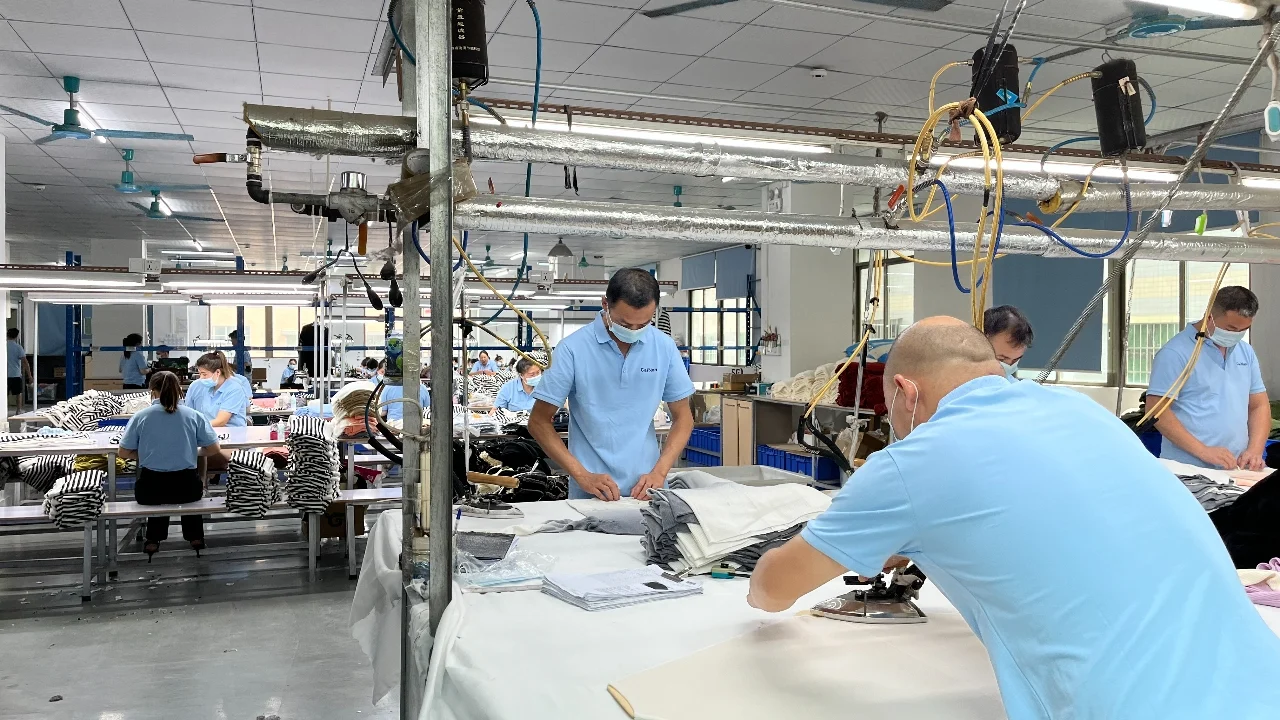
Factory capacity is not the same as a low unit price, a stated MOQ, or a quick verbal lead time. Before booking a knitwear factory, B2B buyers need to know whether the factory has usable production slots that match the yarn, gauge, stitch structure, approval schedule, quality control plan, packaging work, and shipping deadline.
A sweater factory may say it can accept an order, but the real question is whether yarn can be purchased or dyed in time, the right machines are available, linking and finishing teams are not overloaded, and inspection is not being squeezed at the end. For bulk knit sweaters, wholesale knitwear, private label knitwear, and knitwear for winter, capacity mistakes often become launch delays, missed selling windows, extra air freight, or inconsistent bulk quality.
What Does Real Knitwear Factory Capacity Mean?
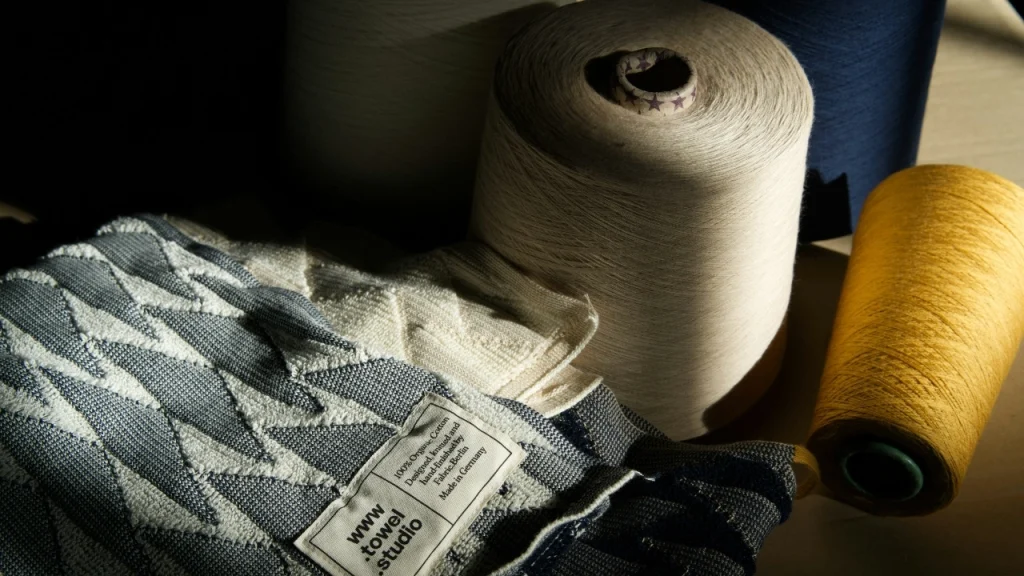
Real capacity means available resources across the full knitwear production chain, not just a monthly piece quantity. A knitwear manufacturer must coordinate yarn, dyeing, gauge machines, panel knitting, linking, washing or steaming, ironing, inspection, packaging, and shipment handover before a production slot is truly usable.
Capacity Is a Chain of Linked Steps
Sweater production depends heavily on machine type and construction method. CottonWorks explains in its sweater manufacturing basics that sweater manufacturing commonly uses flat-bed machinery, panel knitting, full fashioning, cut-and-sew, and whole-garment methods. For buyers, this means two orders with the same quantity can require very different production time if one uses simple jersey panels and the other uses cable, jacquard, intarsia, or shaped panels.
A factory with open sewing space may still be blocked if the correct gauge machines are occupied. A factory with machines available may still be delayed if yarn is not ready. A factory with finished panels may still miss shipment if linking, washing, final pressing, or carton packing is congested.
Ask About the Bottleneck Not Only the Output
When a knitwear supplier says it can produce a certain number of pieces per month, ask which process is the current bottleneck. In knitwear production, the limiting factor may be yarn arrival, custom dye approval, programming time, 5-gauge or 12-gauge machine allocation, linking capacity, embroidery, wash treatment, final inspection, or retail packaging.
Useful capacity questions include:
- What is your current production schedule by week?
- Which gauge machines are open for my style?
- How many machines can be assigned to this order?
- Which processes are done in-house?
- Which processes may need outside support?
- What is the earliest sample start date?
- What is the earliest bulk start date after PP approval?
- What is the realistic ex-factory date with inspection included?
These questions make capacity visible. They also help buyers compare unit price, MOQ, lead time, quality risk, and shipping deadline together.
Which Production Slot Questions Should Buyers Ask First?
The first questions should confirm timing control: sample start date, PP approval deadline, bulk start date, monthly allocation, and shipment handover. A low quote without a production slot is not a schedule; it is only an estimate.
Separate Sample Capacity From Bulk Capacity
Sampling and bulk production use different resources. A knitted sweater manufacturer may have a sample technician available this week, but no suitable bulk machines open for another month. The reverse can also happen: machines may be available, but sample approval is delayed because the yarn, stitch card, fit correction, or lab dip is not finalized.
For OEM and ODM knitwear development, buyers should ask the factory to confirm the number of sample rounds included, the expected time for each revision, the cut-off date for final comments, and the latest date when the PP sample must be approved. If a buyer keeps changing yarn composition, gauge, measurement files, or color standards after the booking window, the production slot may no longer be protected.
Confirm Whether the Slot Is Reserved or Conditional
A production slot can be reserved, tentative, or only discussed. Buyers should ask what conditions must be completed before the knitwear factory treats the order as booked. Common conditions include deposit payment, yarn confirmation, color approval, final size chart, barcode list, packaging artwork, and signed proforma invoice.
The most useful production slot confirmation includes:
| Capacity item | What to ask | Why it matters |
|---|---|---|
| Sample start | Earliest date for proto or fit sample | Shows whether development can begin soon enough |
| Yarn lock | Deadline to confirm composition and color | Prevents yarn purchasing or dyeing delay |
| Gauge allocation | Available machine gauge and quantity | Confirms style-machine compatibility |
| Bulk start | First possible production week after PP approval | Turns lead time into a real calendar plan |
| Monthly quantity | Pieces the factory can accept for this style mix | Avoids confusing total factory output with your order capacity |
| Outside process | Linking, wash, embroidery, or packing outsourced or in-house | Shows where schedule control may weaken |
| Final inspection | Inspection date before shipment | Protects QC time from being compressed |
This table helps buyers move from general promises to operational proof. If the factory cannot answer these points, the order may still be possible, but the buyer should add schedule buffer or reduce complexity.
Can the Factory Match Gauge Machines and Style Complexity?
Capacity is only useful if it matches the product. A factory that can make simple pullovers may not have enough open machines for complex cardigans, heavy cable sweaters, fine-gauge tops, or multi-color jacquard styles at the exact time the buyer needs them.
Gauge Controls Speed and Machine Fit
Gauge affects yarn count, fabric density, stitch clarity, garment weight, and production speed. A chunky 3-gauge or 5-gauge sweater may need different yarn feeding, panel timing, and finishing control than a finer 12-gauge or 14-gauge knit. A mixed order of sweaters, cardigans, vests, and sleeveless knitwear may also compete for different machine types and linking resources.
Before booking capacity, ask the knit manufacturers to confirm whether your target gauge is suitable for the design. If the style uses cables, pointelle, links-links, intarsia, jacquard, ruffle edges, crochet trims, embroidery, or beading, ask whether those details slow knitting, require special programming, or add post-knitting work. Buyers planning a seasonal range can review the sweater and knitwear product range to group styles by category before asking for a capacity plan.
Complexity Can Consume Capacity Faster Than Quantity
A 300-piece cardigan with six colors, custom buttons, private label trims, and retail polybag requirements can consume more management time than a 600-piece simple pullover. Multi-size, multi-color wholesale knitted sweaters also require more shade control, carton sorting, labeling, and packing accuracy.
Ask the factory to break down the risk by style:
- Does the stitch structure reduce machine speed?
- Will the yarn need custom dyeing or special sourcing?
- Are all colors from the same yarn lot possible?
- Does the size range affect panel programming?
- Is there a higher risk of measurement distortion after wash or steaming?
- Which details need manual work?
- Can the same production line handle all colorways?
The right answer is not simply “yes.” A reliable knitwear manufacturer should explain which parts are easy, which parts need confirmation, and which parts may affect lead time or MOQ.
Why Do Winter Bulk Orders Face Capacity Pressure?
Winter orders face capacity pressure because demand, yarn purchasing, dyeing queues, and factory bookings often concentrate before autumn selling windows. For wholesale knitwear and private label knitwear, a delay of two weeks can affect launch timing, replenishment, and the buyer’s ability to sell at full season value.
Seasonal Demand Creates Calendar Risk
Knitwear for winter is not only seasonal at retail level; it is seasonal inside the factory. Buyers often develop samples in spring or early summer, confirm colors in summer, and need bulk shipment before autumn or early winter. If too many buyers wait until the same period to approve PP samples, the sweater factory must prioritize available machines, yarn lots, linking teams, washing lines, inspection windows, and packing space.
CN Sweaters’ MOQ and lead time planning notes that peak season runs from August to January and that lead time can extend due to custom dye, special yarn sourcing, complex stitches, craft details, and capacity constraints. For buyers, the practical lesson is to treat capacity as a calendar asset. It should be checked before price negotiation is finished, not after all styles are already approved.
Reorders Are Harder Than First Orders During Peak Season
Reorders can be difficult because they depend on yarn continuity, machine openings, and the original production standard. If the first order uses a special yarn, custom color, or complex stitch, a later reorder may need new yarn purchase, another dye lot, new shade approval, and another machine setup. Even if the factory wants to support the reorder, the original slot may already be filled.
Buyers should ask:
- Will reorder styles receive priority if sales perform well?
- Can yarn be reserved for reorder potential?
- How long can the same color lot be held?
- What is the minimum reorder quantity by color and size?
- Can top-selling colors be produced first?
- What happens if a reorder overlaps peak-season bookings?
For brands and wholesalers, the risk is not only late delivery. The larger risk is losing the chance to replenish best-selling bulk knit sweaters while customer demand is active.
Capacity Checklist for MOQ Lead Time and Quality Control
A strong capacity checklist should connect MOQ, unit price, lead time, production slot, QC, packaging, and shipping. Buyers should avoid treating these as separate negotiation topics because a change in one area often affects the others.
Put Commercial Terms and Factory Reality Together
MOQ is not only a sales rule. It can reflect yarn minimums, dyeing minimums, color splits, size ratios, machine setup time, and finishing efficiency. A lower MOQ may be workable for a simple in-stock yarn style, but less realistic for custom colors, special blends, or complicated stitch structures.
When comparing custom knitwear manufacturers, ask each supplier to quote based on the same information: style list, tech pack, yarn composition, gauge, stitch details, target quantity, color plan, size range, packaging, label requirements, inspection standard, target ex-factory date, destination, and shipping method. Without this consistency, the lowest price may hide missing items such as lab dips, trims, carton labeling, final inspection, or urgent freight.
Keep QC Time Inside the Schedule
Quality control should not be treated as a final-day activity. Intertek’s textile and apparel inspection services describe pre-production inspection, during-production inspection, inline inspection, before-delivery inspection, packaging list review, carton count checks, barcode checks, and garment workmanship assessment. For knitwear buyers, that supports a simple rule: inspection needs its own time window.
A compressed schedule can create avoidable problems:
- Loose ends, broken stitches, or linking defects may be missed.
- Measurement checks may be rushed across sizes.
- Shade variation may not be sorted by lot.
- Care labels or hangtags may be attached incorrectly.
- Carton marks and SKU counts may not match the packing list.
- Final carton dimensions or weights may be corrected too late.
If the order includes private label knitwear for retail channels, packaging details are part of capacity. The U.S. FTC’s textile and wool labeling requirements explain that covered textile and wool products generally need labels for fiber content, country of origin, and the responsible business identity. Buyers selling into regulated markets should confirm label copy early so the factory does not wait for artwork, compliance review, or replacement labels near shipment.
A disciplined buyer asks the knitwear supplier to show the inspection plan before production starts. The plan should include inline checks, measurement checkpoints, PP sample reference, shade bands, defect classification, final inspection date, carton audit, and corrective action timing.
How Should Buyers Handle Delay Risk Before Booking?
Delay risk should be discussed before deposit, not when the shipment is already late. A clear recovery plan helps buyers judge whether the knitwear factory can protect the business outcome if yarn, color approval, machines, QC, or shipping falls behind.
Ask for Delay Triggers and Recovery Options
Every production plan has dependencies. Yarn may arrive late, lab dip approval may take extra rounds, a machine may be reassigned to an urgent order, or a complex stitch may need reprogramming. The key is whether the factory has a transparent way to report the issue and recover.
Ask these questions before booking:
- At what point will the factory warn us that the timeline is at risk?
- Can partial shipment protect the first selling window?
- Can simpler colors or sizes be produced first?
- Can additional machines be assigned if PP approval is late?
- Which processes can be accelerated without reducing QC?
- When does air freight become the only realistic recovery option?
- Who pays for extra cost if the delay is caused by factory, buyer, or material supplier?
Air freight can protect launch timing, but it changes landed cost. IATA notes that air cargo supports high value global trade, moving a large share of trade value despite a small share of trade volume. For sweaters, that usually means air should be reserved for samples, urgent capsules, partial replenishment, or delay recovery when the sales value justifies the cost.
Treat Unclear Capacity as a Cost Signal
A supplier with a very low price but no clear production window may create hidden costs later. Those costs can include sample waiting time, yarn delays, machine mismatch, outsourced linking, rushed QC, packaging mistakes, missed vessel dates, late-store arrival, markdowns, and emergency freight.
Before choosing a knitted sweater manufacturer, score each option on five points: price, MOQ, confirmed slot, QC control, and shipping confidence. A slightly higher unit price may be commercially better if it comes with a realistic sample calendar, confirmed bulk start date, suitable gauge machines, stable yarn plan, and protected inspection time.
The strongest buying decision is not “Which supplier is cheapest?” It is “Which supplier can deliver the approved product at the right quality before the selling window closes?”
Conclusion
Final Capacity Check
Before booking a knitwear factory, buyers should confirm more than unit price and MOQ. The practical capacity check should include style list, yarn composition, gauge requirement, order quantity, color plan, size range, packaging details, inspection standard, target delivery date, and shipping deadline. Send your style list, yarn composition, gauge requirement, order quantity, color plan, size range, packaging details, inspection standard, target delivery date, and shipping deadline to check available knitwear factory capacity before production starts. If you are planning bulk knit sweaters, wholesale knitwear, wholesale knitted sweaters, cardigans, vests, or private label knitwear for a seasonal launch, share those details with the CN Sweaters production team early enough to align sampling, PP approval, production slot, quality control, and shipment timing.
FAQ
How early should buyers book knitwear factory capacity for winter orders?
For winter knitwear, buyers should start capacity discussions before final PP approval, especially when the order includes custom yarn, custom colors, multiple sizes, or private label packaging. Peak-season orders need more buffer because yarn sourcing, dyeing, machine allocation, linking, finishing, QC, and freight space can all tighten at the same time.
Is MOQ the same as available production capacity?
No. MOQ tells you the minimum workable quantity, while capacity tells you whether the factory has the right resources available at the right time. A sweater factory may accept a 300-piece MOQ but still need to confirm yarn, gauge machines, sample approval, bulk start date, QC schedule, and packing space before the order is secure.
What should buyers send when asking for a capacity check?
Send the style list, tech pack or reference photos, yarn composition, gauge, stitch structure, order quantity by color and size, target price, packaging plan, label files, inspection requirements, delivery date, and shipping deadline. Clear information lets the factory check real capacity instead of giving a rough answer.
Can a factory speed up production after a delay?
Sometimes, but only if the delay is caught early and the bottleneck can be controlled. Extra machines, partial shipment, simplified packaging, or earlier inspection may help. Speeding up should not remove measurement checks, shade control, workmanship review, or carton verification.
Why can 50 pieces and 500 pieces sometimes need similar lead time?
Both quantities may require yarn preparation, machine setup, programming, sample approval, linking, washing or steaming, ironing, inspection, and packing. Larger quantities can sometimes use more machines in parallel, while smaller orders still need the same setup steps, so the calendar difference may be smaller than buyers expect.