 CN Sweaters
Classic Crewneck Sweater
Best for: core collections and repeat-order programs.
Development focus: neckline proportion, regular fit, balanced rib and consistent sizing.
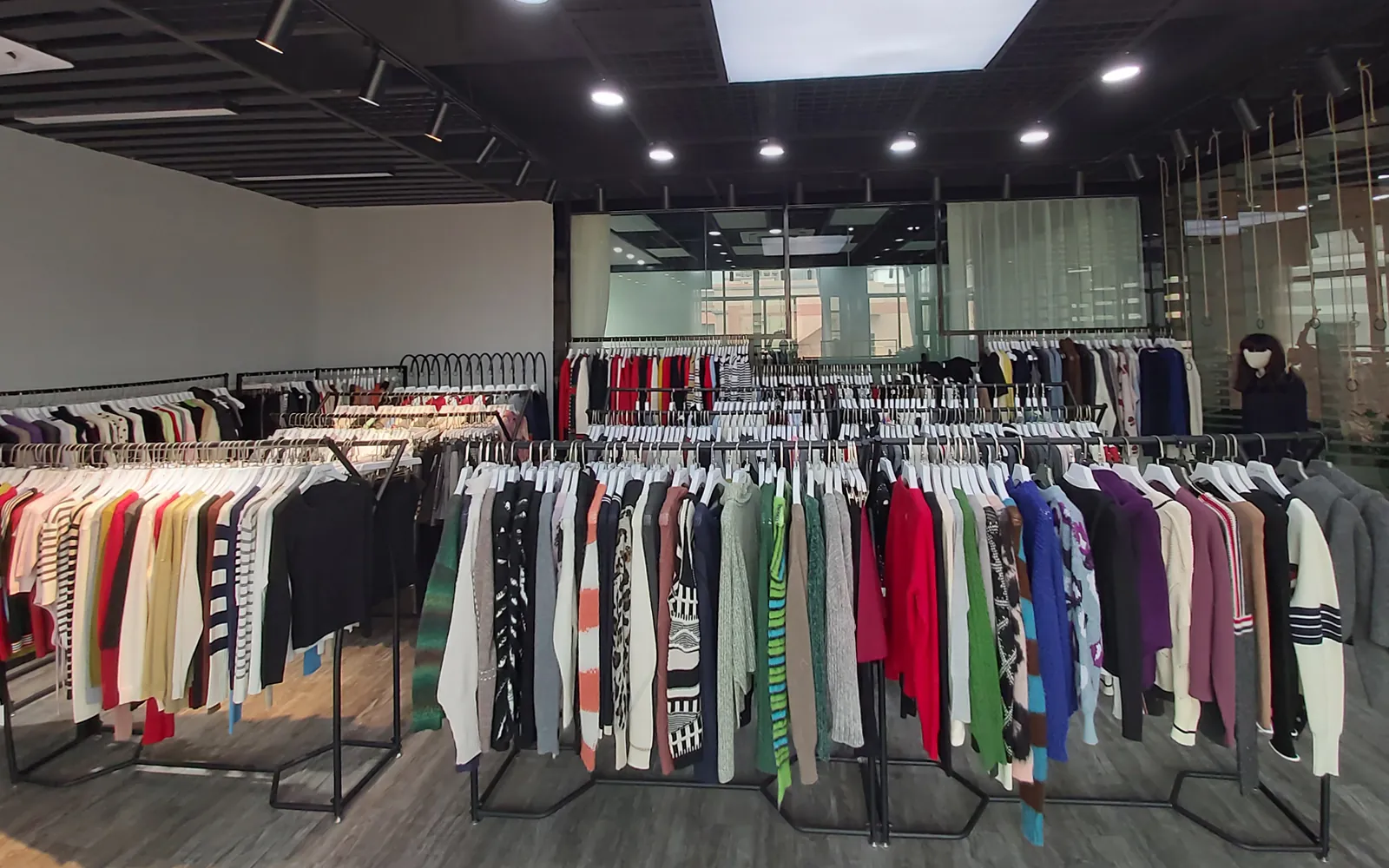
Work with a crewneck sweater manufacturer to develop the neckline, fit, shoulder proportion, yarn and repeat-order specification your collection needs.
Cainan Clothing supports custom projects from yarn, gauge and construction review through sampling, fit adjustment, private labeling, bulk production, inspection and packing.
Define the fit direction first, then develop neckline, yarn, gauge, stitch and finishing around that silhouette.
Best for: core collections and repeat-order programs.
Development focus: neckline proportion, regular fit, balanced rib and consistent sizing.
Best for: contemporary and street-led collections.
Development focus: drop shoulder, body width, sleeve volume and overall proportion.
Best for: refined and close-to-body fashion collections.
Development focus: bust ease, shoulder fit, neckline scale and body balance.
Best for: textured autumn and winter knitwear collections.
Development focus: cable scale, garment weight, neckline balance and panel layout.
Best for: graphic, branded and statement knitwear programs.
Development focus: pattern placement, neckline integration, color layout and symmetry.
Best for: lightweight, premium and transitional collections.
Development focus: clean neckline, drape, fine surface and lightweight finishing.
A small difference in opening width, depth or rib tension can noticeably change comfort, shoulder balance and the finished appearance.
Concern: the neck looks too wide, narrow or visually unbalanced.
Development focus: review opening width and depth against the approved fit.
Concern: the rib pulls too tightly or sits too loosely.
Development focus: match rib behavior to yarn, gauge and garment weight.
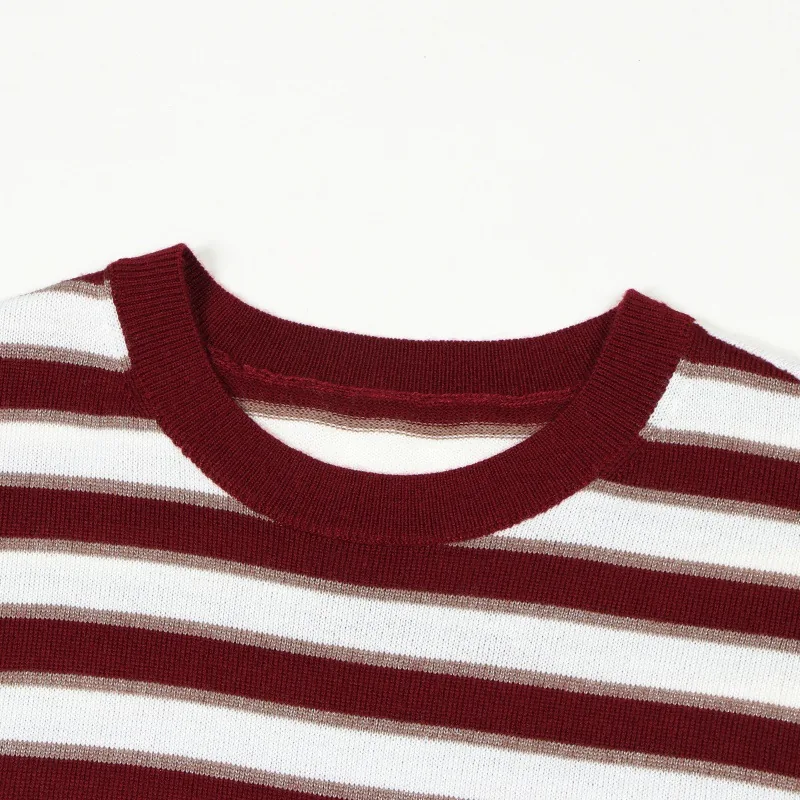 One neckline systemOpening width + front drop + rib height + recovery
Concern: the left and right neckline or shoulder transition looks uneven.
Development focus: review neckline and shoulder balance together.
Concern: the neckline loses its intended shape after stretching.
Development focus: compare the finished result with the approved sample.
Ask your crewneck sweater manufacturer to review pull-on comfort, contact at the neck and return to the intended shape on the sample. Agree wear or care checks alongside opening dimensions and rib construction.
Body width, shoulder direction, sleeve volume and hem behavior should be developed together rather than adjusted independently.
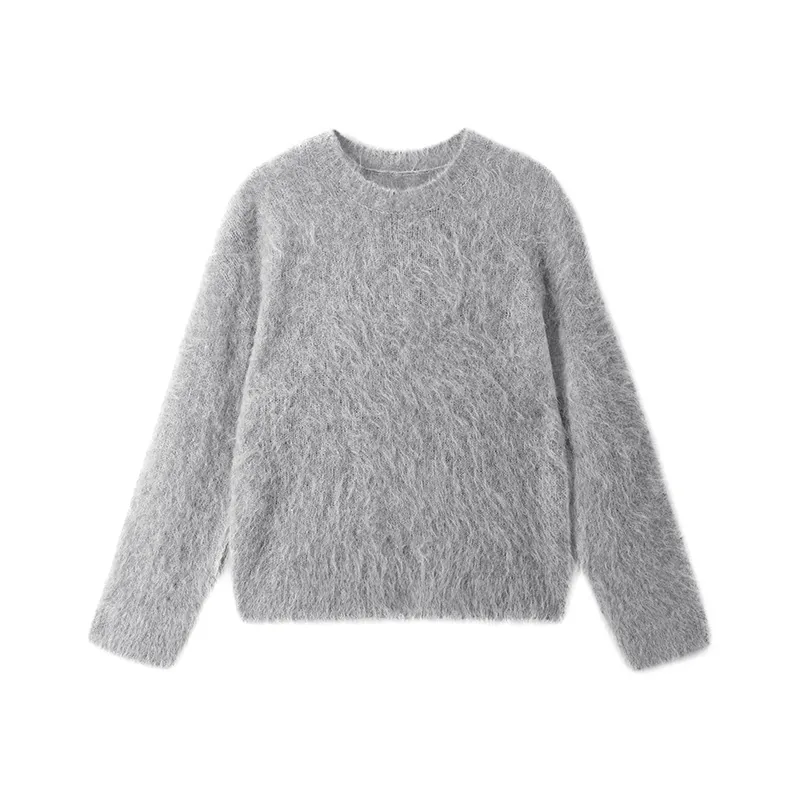
Balance shoulder width, chest ease, sleeve length, body length and hem structure.
Add ease while keeping body and sleeve volume visually controlled.
Develop drop shoulder, width, sleeve volume, body length and neckline scale intentionally.
Coordinate natural, drop or extended shoulders with cuff and hem behavior.
Simply grading a regular crewneck larger can create an unbalanced oversized result. Cuffs and hems must support the intended silhouette instead of acting as generic trim.
Crewnecks range from lightweight fine-gauge products to heavier winter textures. Select materials and construction around fit, weight, surface and commercial target.
Send a swatch or target handfeel and weight. Review available yarn and construction with the intended neckline, fit and price before selecting a gauge.
| Quotation factor | Why it matters |
|---|---|
| Yarn | Changes material cost, handfeel and sourcing requirements. |
| Gauge | Affects knitting time, density and finished weight. |
| Garment Weight | Changes yarn consumption and production time. |
| Fit Complexity | Influences sampling and measurement development. |
| Cable / Jacquard / Intarsia | Adds programming and knitting complexity. |
| Neckline Construction | Affects rib development and finishing. |
| Colors | Affect yarn sourcing and production planning. |
| Branding | Adds labels, hangtags, logo work and packaging. |
| Quantity | Affects purchasing efficiency and production planning. |
Start with a complete tech pack, reference image, existing garment or a defined product direction.
Provide the design, quantity, size range and target delivery requirement.
We review fit, yarn, gauge, neckline, stitch and branding requirements.
Review the proposed direction against intended weight, appearance and cost.
Develop a physical sample as the first technical and fit reference.
Review neckline, shoulder, body, sleeve, length, cuffs and hem.
Incorporate required fit or construction changes into the specification.
Use the confirmed sample and specifications as the bulk reference.
Produce, inspect and pack according to the confirmed order.
Plan the quote from the actual size and color mix, materials and arrival date. Confirm the sample charge, revision scope and production start conditions before committing to a launch or reorder calendar.
Review quantities by style, color and size against the yarn, label and trim requirements.
Agree the sample scope, materials and completion date before development begins.
Timing depends on the requested changes.
Confirm included development work and separate charges for special materials, revisions or sample shipping.
| Planning stage | What to confirm |
|---|---|
| Before sampling | Design, fit brief and material availability |
| After approval | Final specification, production schedule and shipment plan |
Confirm any sample-fee credit and its qualifying conditions in the written quote before commissioning the sample.
These are planning references rather than guaranteed delivery dates.
Keep the approved sample, dated size chart, neckline and rib details, yarn reference, color standard, labels and packing instructions together as the repeat-order specification for your crewneck sweater manufacturer.
For each reorder, reconfirm yarn and trim availability, color-lot references, quantity and schedule. Agree any substitution or specification change before production.
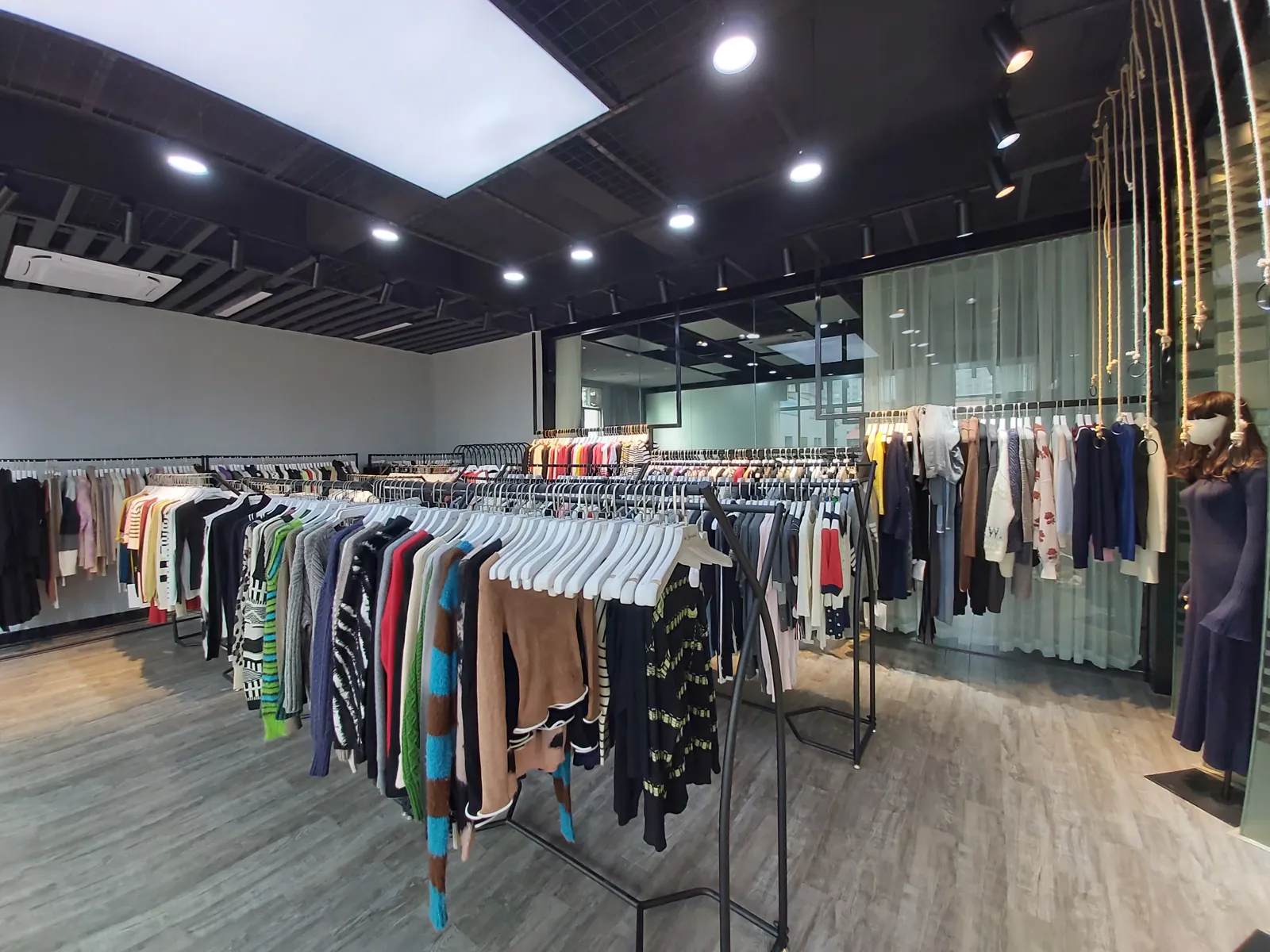
Quality control should focus on the areas most likely to change the appearance of a simple crewneck silhouette.
Risk: the neck opening becomes visibly larger or looser.
Focus: compare neckline dimensions and appearance with the approved reference.
Risk: the neckline sits unevenly across the left and right sides.
Focus: review opening shape, shoulder balance and alignment together.
Risk: neck, cuff or hem rib loses the intended shape or tension.
Focus: compare rib dimensions and appearance with the approved sample.
Risk: one side sits differently or the silhouette pulls off-center.
Focus: review shoulder width, slope and body balance.
Risk: bulk garments move away from the approved fit.
Focus: compare key measurements with the approved production reference.
Risk: a later run no longer matches the original core style.
Focus: reconfirm specification, yarn direction, color and construction.
Ask your crewneck sweater manufacturer to itemize labels and packaging in the quote. Confirm artwork, placement, quantities and packing instructions before approving the complete product.
For U.S. sales, review FTC textile-labeling guidance when preparing label artwork.
Brand identity.
Care information.
Size identification.
Retail presentation.
Embroidery or knit detail.
Project-specific finishing.
Standard or branded.
Buyer-defined packing.
Start with a reference image or garment and the intended fit. Add a size chart, neckline measurements and quantities by color and size. Keep forecast reorders separate from the committed first order.
Our MOQ starts from 50 pcs per color per size. Bulk production usually takes 15–45 days after sample approval, depending on quantity, yarn and season. MOQ is confirmed against style, yarn, colors and size split. Send quantities for each variant so the quote can state garment minimums and separate yarn, label or trim requirements.
Yes. A reference image, sketch or existing garment can support the initial project review. More complete measurements improve sampling accuracy.
Yes. Different fit directions can be developed according to the required shoulder, body width, sleeve volume and overall proportion.
Review neck opening, width, depth, rib structure, yarn, gauge and garment weight together against the approved fit rather than treating the collar as isolated trim.
Yes. Cable, jacquard, intarsia and other knit structures can be evaluated according to yarn, gauge, garment weight and pattern requirements.
Use the retained sample and dated specification as the starting point. Reconfirm materials, color references, quantity and schedule for the new order, and approve any substitution before production.
Samples usually take 3–7 days once the brief and materials are confirmed. Confirm the sample date after yarn, construction and the size brief are reviewed. Allow for neckline and fit revisions before setting the bulk schedule, and plan courier transit separately.
Key variables include yarn, gauge, garment weight, fit complexity, neckline construction, stitch or pattern complexity, colors, branding and quantity.
Yes. Labels, hangtags, logo details, packaging and other brand components can be included according to confirmed project requirements.
Send your tech pack, reference image or existing sample. We will review the product definition before quotation and bulk planning.
Neckline → Fit → Shoulder → Yarn → Gauge → Rib → Stitch → MOQ → Sampling → Repeat Production