 CN Sweaters

A tech pack for custom knit sweaters should turn a design idea into factory-ready instructions for quotation, sampling, and repeatable bulk production. If a buyer only sends mood images, a rough sketch, or a short message like “make it like this,” the sweater factory must guess the yarn, gauge, size points, trims, color standard, finishing, and packaging, which usually leads to unclear pricing, repeated sample rounds, and weak bulk control.
For knitwear, the risk is higher than for many cut-and-sew garments because the fabric is created while the garment is being developed. Yarn count, fiber blend, machine gauge, stitch density, rib tension, placket structure, washing, and pressing can change body measurements, hand feel, elasticity, cost, MOQ, and lead time. A strong custom sweater tech pack does not remove every development decision, but it gives custom knitwear manufacturers enough information to judge feasibility, quote on the same basis, and reproduce the approved sample.
Why Does a Knit Tech Pack Need More Than a Garment Sketch?
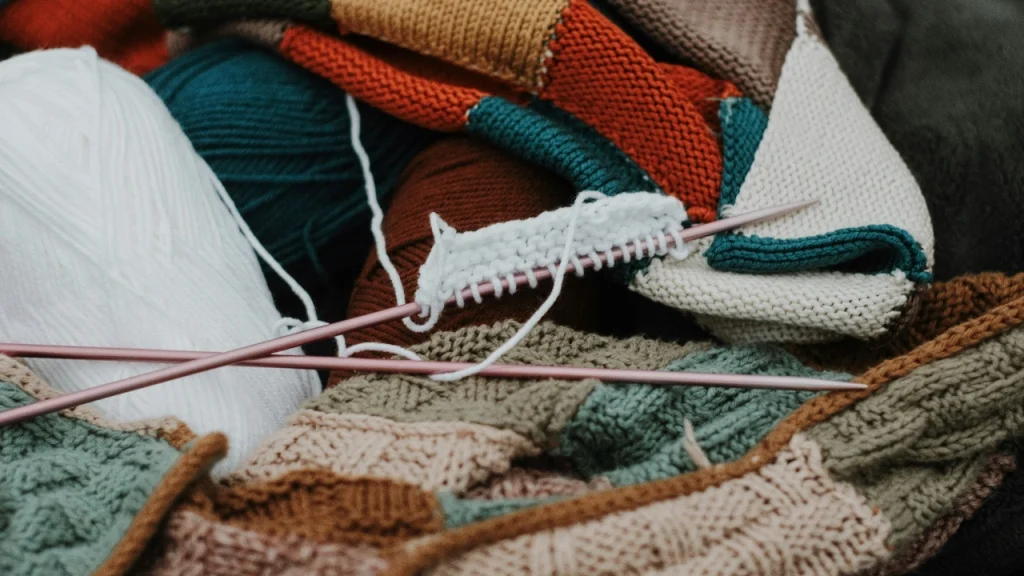
A knit tech pack must describe both the garment and the knitted textile, because the material is not simply selected from a fabric roll. A factory has to interpret the style, build the knitting program, select or match yarn, control stitch density, shape panels, assemble trims, and finish the garment to the approved standard. That is why a custom made sweaters project needs technical drawings, measurements, materials, construction notes, color standards, and approval records in one controlled file.
Factory Ready Information Beats Visual Guesswork
A photo can show mood, but it cannot confirm the sweep width, cuff depth, rib tension, needle gauge, yarn count, ply, seam method, or wash result. A technical pack should begin with the style name, style number, product category, season, sample size, size range, target market, target order quantity, and buyer contact owner. It should also include front and back technical flats, close-up detail views, and callouts for neckline, shoulder, armhole, sleeve opening, hem, pocket, placket, buttons, zipper, logo, and label placement.
As Techpacker’s explanation of tech packs notes, a tech pack is the communication document that carries sketches, materials, measurement specs, grading, colorways, and revision history. For custom knitwear, that communication has to go deeper into yarn and structure, because the same custom pullover sweater drawing can feel light, dense, drapey, or bulky depending on the technical settings.
Knitwear Specifications Must Control the Fabric Itself
CottonWorks explains in its sweater manufacturing basics that sweater production often uses coarse-gauge flat-bed knitting and includes methods such as cut-and-sew, panel knitting, full fashioning, and whole-garment knitting. Those methods affect seams, shaping, appearance, waste, price, and fit. A buyer preparing a custom knitted jumper or custom crewneck sweaters should therefore identify whether the intended result is fully fashioned, linked, cut-and-sew, or another agreed construction.
A practical tech pack usually needs these sections before a factory can quote responsibly:
| Tech Pack Section | What to Include | Why It Matters for Custom Knit Sweaters |
|---|---|---|
| Style identity | Product name, style number, season, sample size, size range | Prevents confusion across colorways, revisions, and suppliers |
| Technical drawings | Front, back, side or detail views, logo and trim positions | Turns design intent into visible construction instructions |
| Measurement spec | Full size chart, POM codes, tolerance, grading | Controls fit, sample comments, and bulk inspection |
| Knit structure | Gauge, stitch type, rib details, density target | Affects weight, elasticity, hand feel, price, and stability |
| Materials and BOM | Main yarn, contrast yarn, trims, labels, packaging | Supports accurate costing and avoids missing components |
| Approval records | Lab dips, knit-downs, sample comments, PP approval | Keeps sampling decisions connected to bulk production |
The table is not a decorative checklist. It is the minimum control map that allows a custom sweater maker, brand team, and merchandiser to discuss the same garment without guessing.
What Measurements Should a Custom Sweater Tech Pack Include?

A custom sweater measurement file should include a complete size chart, defined points of measurement, tolerances, and grading rules. Without these details, the factory may make a visually acceptable sample that cannot be scaled into production sizes, especially when the design includes dropped shoulders, oversized bodies, cropped length, deep rib hems, or a fitted custom knit cardigan.
Points of Measurement Need Codes and Diagrams
Every measurement should have a POM code, a clear name, a measuring method, and a diagram if the point is not standard. Common points include body length, chest width, shoulder width, sleeve length, armhole depth, sleeve opening, cuff height, hem width, neck width, front neck drop, back neck drop, placket length, pocket placement, and logo position. For a custom cardigan, the placket width, button spacing, button distance from edge, and bottom button position should be listed separately. For a custom pullover sweater, the neck rib width, shoulder slope, sleeve join, and hem rib depth usually need more attention.
Do not reuse one generic size chart for all custom made knit sweaters. A boxy custom crewneck sweater, a cropped cardigan, and a long custom knitted jumper may share a chest width target but still need different body length, armhole, shoulder, sleeve, and hem control. If the buyer has a fit sample or reference garment, the tech pack should state whether measurements are taken flat, relaxed, stretched, after wash, or after steam pressing.
Tolerance and Grading Protect Bulk Fit
Knitwear stretches, relaxes, shrinks, and recovers differently depending on yarn composition, gauge, stitch, washing, and pressing. A tech pack should define the allowed tolerance for each POM instead of treating every point equally. A neck opening, placket length, and sleeve length may need tighter control than a relaxed hem sweep on a soft oversized sweater. The factory also needs grading rules from base size to other sizes, not only the finished measurements for one sample.
If your brand sells custom knit sweaters wholesale, grading becomes a commercial issue, not only a technical one. A poor size jump can create returns, uneven sell-through, and reorder uncertainty. For CN Sweaters’ category work across sweaters and related knitwear programs, measurement confirmation is part of turning a sample into repeatable production rather than a one-off prototype.
Which Yarn Gauge and Stitch Details Must Be Specified?
Yarn, gauge, and stitch structure should be specified before sampling because they directly affect cost, MOQ, sample appearance, garment weight, stretch, and wash stability. If these details are missing, different knitwear manufacturer quotations may not be comparable, even if all suppliers are quoting the same picture.
Yarn Information Should Be Practical Not Decorative
The yarn section should include target fiber composition, yarn count or reference yarn, ply, color, hand-feel target, season, price sensitivity, and whether substitution is allowed. A buyer can specify “100% cotton,” “wool nylon blend,” “cashmere blend,” “viscose nylon polyester blend,” or another composition, but the factory still needs the yarn count, twist, thickness, supplier shade card, and target hand feel where possible. If the original reference sample is unknown, the tech pack should say whether the factory may recommend an alternative yarn to balance cost, MOQ, and stability.
Gauge should be written in sweater gauge terms, such as 3GG, 5GG, 7GG, 9GG, 12GG, or 14GG, depending on the desired thickness and machine capability. Coarser gauges usually create heavier, more textured garments, while finer gauges usually need finer yarns and tighter measurement control. The tech pack should also say whether the gauge applies to the whole garment or only to certain panels.
Stitch Structure Changes Fit and Production Risk
A custom knitwear tech pack should specify jersey, rib, cable, jacquard, intarsia, pointelle, full cardigan stitch, half cardigan stitch, links stitch, moss stitch, or other structures by panel. The body, sleeve, cuff, hem, collar, and placket may not use the same structure. A custom cardigan sweaters program, for example, may need a stable placket and button reinforcement, while a relaxed custom pullover sweater may prioritize soft drape and balanced recovery.
CottonWorks notes in its guidance on designing knit textiles that CAD information can include stitch, gauge, yarn size, stripe height, and color positions, while lab dips and knit-downs help approve color and construction before sample yardage or garments proceed. For custom knitwear manufacturers, a knit-down is useful when a jacquard, stripe, cable, or pointelle design needs confirmation before full sample making. It can reveal scale, density, stretch, drape, and pattern clarity earlier than a finished garment sample.
How Should Color BOM Branding and Packaging Be Controlled?
Color, BOM, branding, and packaging should be controlled in the tech pack because they affect both costing and final retail compliance. A beautiful sample can still fail as a production file if the yarn shade, button type, label content, hangtag, polybag, carton mark, or barcode position is not documented.
Color Standards Need More Than Screen References
A screen color is not a production standard. The tech pack should define each colorway using Pantone, a yarn shade card reference, approved lab dip, approved knit-down, or physical swatch. If the buyer wants a mélange, space-dyed, brushed, hairy, or garment-washed effect, the approval standard should be a physical sample because the surface can change under lighting, brushing, and finishing.
For multi-color jacquard or intarsia, list each yarn color by position. Do not say “same as artwork” unless the artwork includes color codes and placement rules. If the design includes stripes, add stripe height, repeat sequence, starting position, and whether the stripe must align at side seams or sleeves. A small omission can change the look of a custom knit cardigan or custom knitted jumper dramatically.
BOM Details Prevent Missing Trims and Wrong Labels
The bill of materials should list main yarn, contrast yarn, sewing or linking yarn, buttons, zipper, drawcord, elastic, patches, embroidery thread, neck label, care label, size label, hangtag, sticker, polybag, carton, and any retailer-specific packaging. Each line should include material, color, size, placement, supplier if required, artwork file name, and approval status.
For private label buyers, the tech pack should also define label content responsibilities. The U.S. FTC’s textile and wool labeling guidance explains that most textile and wool products need labels showing fiber content, country of origin, and the identity of the manufacturer or another responsible business, with care labels governed by another FTC rule. Even when the final market is outside the United States, the same principle applies commercially: label requirements should be confirmed before bulk trims are ordered.
CN Sweaters’ OEM/ODM knitwear service includes private label items such as neck labels, care labels, hangtags, stickers, polybags, and cartons, but the buyer still needs to provide confirmed artwork, placement, and packaging instructions. Packaging is not an afterthought; it affects carton loading, freight estimate, warehouse receiving, and retail readiness.
How Do Samples Revisions and Bulk Acceptance Stay Connected?
Sample rounds and bulk acceptance stay connected when every sample has a purpose, every comment is written into the tech pack, and the approved sample becomes the production standard. Verbal comments often disappear between development, merchandising, factory programming, QC, and packing teams, especially when a season includes multiple styles and colorways.
Each Sample Type Has a Different Job
A reference sample helps explain target look, yarn feel, structure, or fit direction. It is not automatically the production standard unless the buyer states which parts must be copied and which parts are only inspiration. A fit sample checks measurements, balance, comfort, shoulder shape, sleeve length, body length, and wearing effect. A pre-production sample should represent confirmed yarn, gauge, color, trims, labels, workmanship, and finishing as closely as possible. An approved sample is the signed standard for bulk comparison.
Techpacker’s guidance on pre-production sample order terms emphasizes that product specifications, BOM, size table, color codes, and reference samples should be clear before sample production, and that unclear specifications often cause repeated revisions. In knitwear, every revision should identify the sample version, date, changed POMs, yarn change, gauge change, color status, trim update, and approval owner.
Bulk Standards Should Be Written Before Production Starts
The tech pack should include acceptance rules for bulk: measurement tolerance, appearance standard, shade tolerance, hand-feel reference, label placement, packing method, carton information, and inspection method. It should state whether the factory will compare bulk against the approved sample, the approved lab dip, the approved knit-down, or a sealed pre-production sample.
Third-party inspection language can also help buyers define expectations. Intertek’s textile and apparel inspection overview describes pre-production inspection, during-production inspection, garment inline inspection, and before-delivery checks, including review of defects, workmanship, labeling, packaging list, carton count, dimensions, weight, and shipping labels. A buyer does not need to copy a testing company’s full procedure into every tech pack, but the file should make clear what will be checked and what counts as a rejectable issue.
For planning, the tech pack also helps the supplier discuss MOQ and schedule early. CN Sweaters’ MOQ and lead time guidance explains that quantity, color and size split, yarn, gauge, stitch complexity, trims, packaging, and peak season can affect quotation and delivery. A complete tech pack makes those variables visible before the order calendar is already under pressure.
Conclusion
A strong tech pack for custom knit sweaters is not a paperwork exercise. It is the control file that connects design intent, yarn selection, sweater gauge, stitch structure, sizing, BOM, color approval, branding, packaging, sampling, QC, and bulk acceptance. When these details are clear, a knitwear manufacturer can quote more accurately, identify risk earlier, suggest workable yarn alternatives, and compare sample results against written standards instead of memory.
Send your knitwear design, reference sample photos, measurement chart, yarn composition, gauge reference, color standard, branding details, packaging request, target order quantity, target price range, and delivery schedule to the CN Sweaters team to review whether your tech pack is ready for custom knit sweater sampling.
FAQ
Can I ask a sweater factory to quote from photos only?
You can start a rough discussion with photos, but the quote will usually be conditional. For custom knit sweaters, the factory still needs measurements, yarn direction, gauge, stitch structure, color standard, trims, packaging, quantity, and delivery target before pricing is reliable.
Do I need separate tech packs for a custom cardigan and pullover?
Yes. A custom cardigan has placket, button, opening, and front balance details that a pullover does not have. A custom pullover sweater may need more focus on neck rib, shoulder shape, and hem recovery. Separate files reduce wrong assumptions.
What if I do not know the yarn count or gauge?
Provide the desired hand feel, season, target weight, reference sample, fiber preference, and price range. A custom sweater maker can suggest yarn and gauge options, but the approved selection should be written into the revised tech pack before bulk.
Should lab dips or knit-downs be approved before the first sample?
For simple solid colors, a lab dip may be enough before sample or before bulk yarn dyeing. For jacquard, intarsia, stripes, or textured custom knitwear, a knit-down is often useful because it shows scale, color interaction, density, and stretch.
How does a tech pack help compare different factory quotations?
It gives every supplier the same product basis. Without it, one quote may assume a cheaper yarn, looser density, simpler stitch, fewer labels, or different packaging. A clear tech pack makes custom made knit sweaters easier to compare on cost, MOQ, lead time, and production risk.