 CN Sweaters
Cardigan Manufacturer for Brand-Ready Collections
Develop cardigan sweaters with controlled plackets, balanced fit, coordinated yarns and trims, and clear approvals from sample to bulk—all through one knitwear production team in Dongguan.
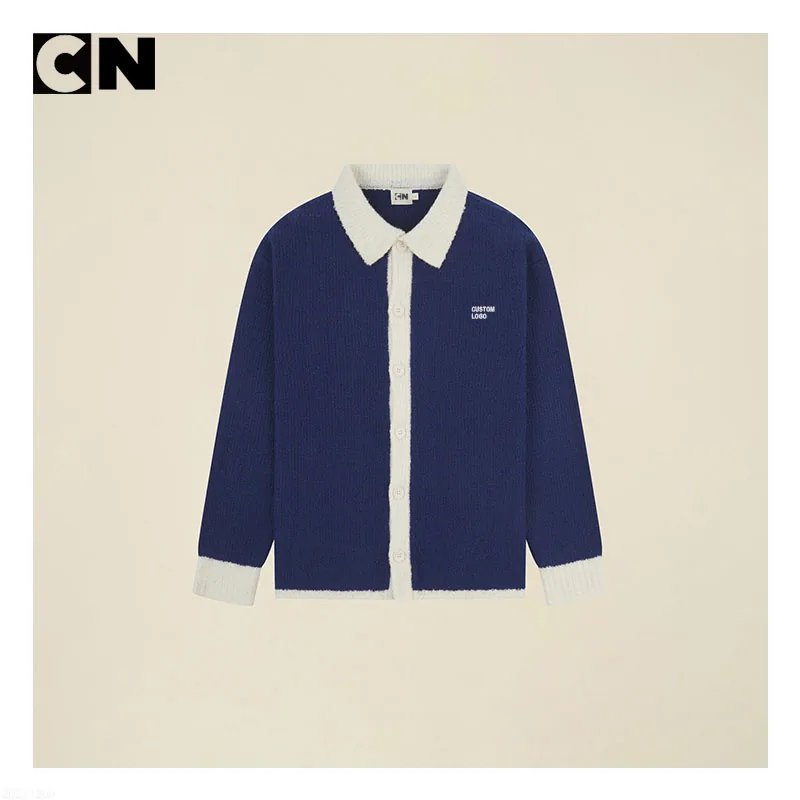
Style-specific cardigan pages
- Cropped cardigan manufacturing — short body length, placket balance and grading
Have a cardigan design or reference ready? Send a custom cardigan brief →
Find the Cardigan Direction That Fits Your Market
Develop women’s, men’s and unisex cardigan programs across different silhouettes, weights and knit structures. Each direction is reviewed for both visual intent and production control.
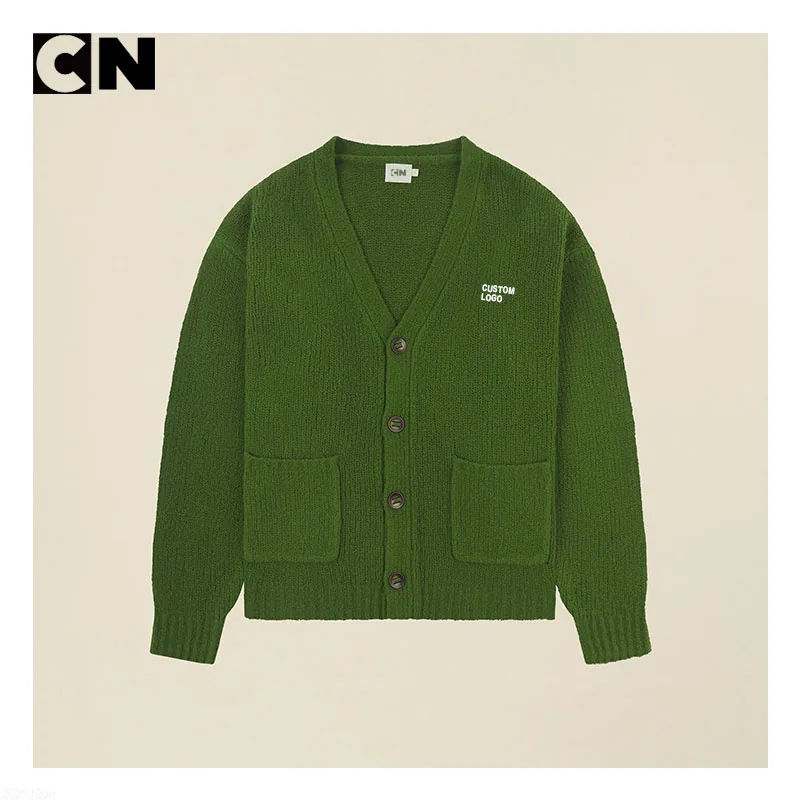
Button-Front & V-Neck Cardigans
Core silhouettes where placket tension, button spacing and front balance directly affect the finished appearance.
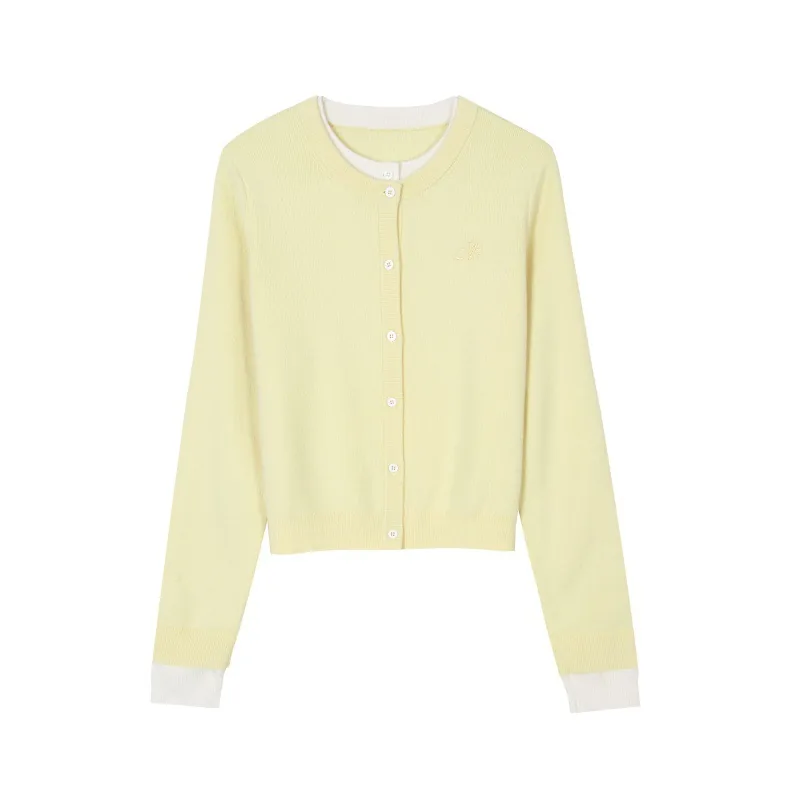
Cropped & Fitted Cardigans
Shorter proportions and closer fits developed with controlled rib tension, length and garment balance.
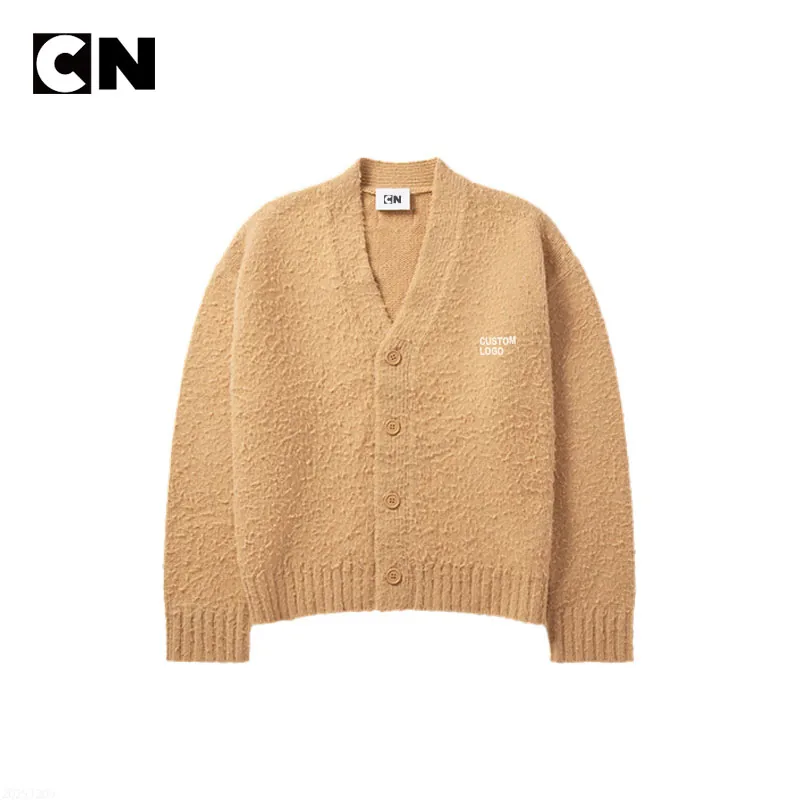
Chunky & Cable Knit Cardigans
Heavier structures for winter and statement collections, with attention to panel balance and finished weight.
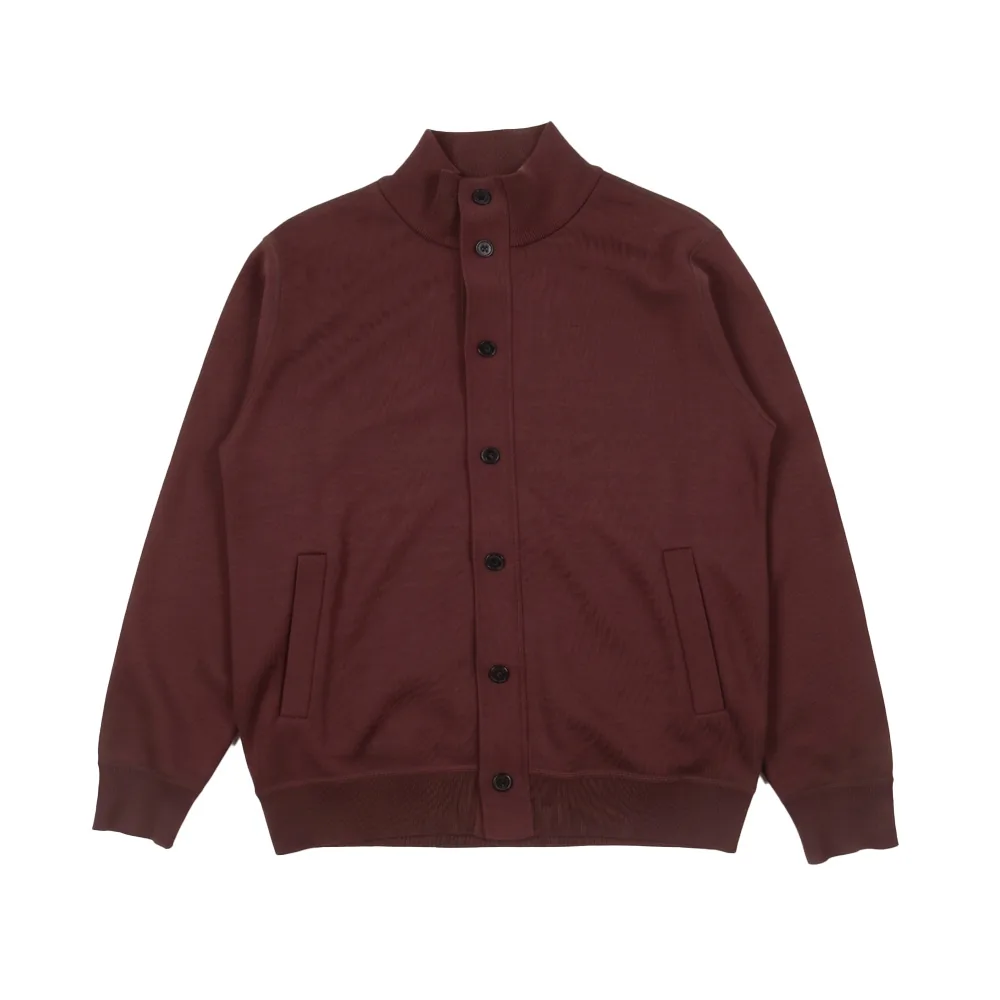
Longline Cardigans & Coatigans
Extended silhouettes that require stable length, consistent weight distribution and controlled finishing.
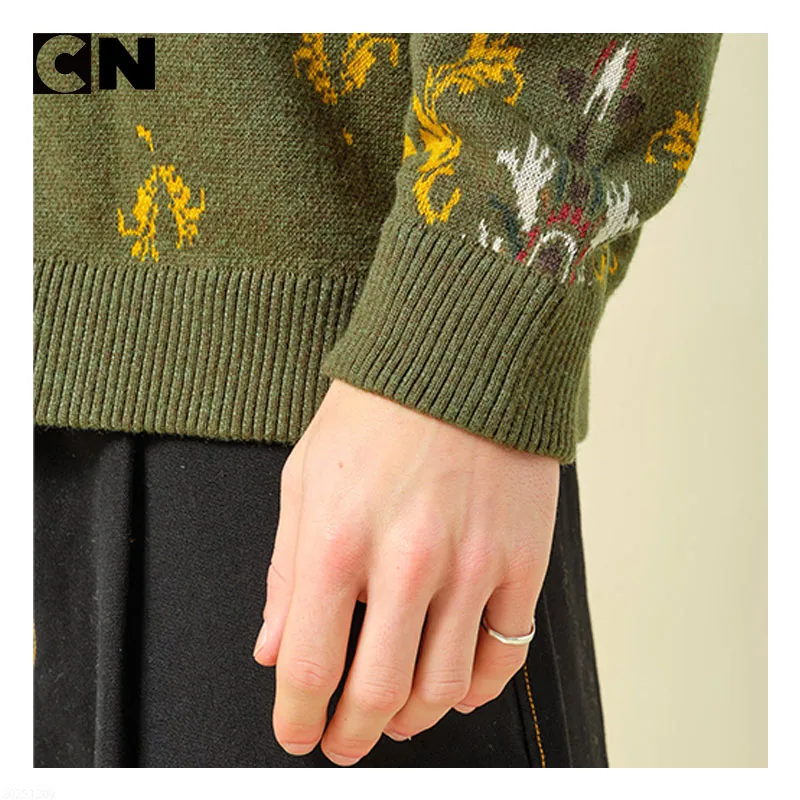
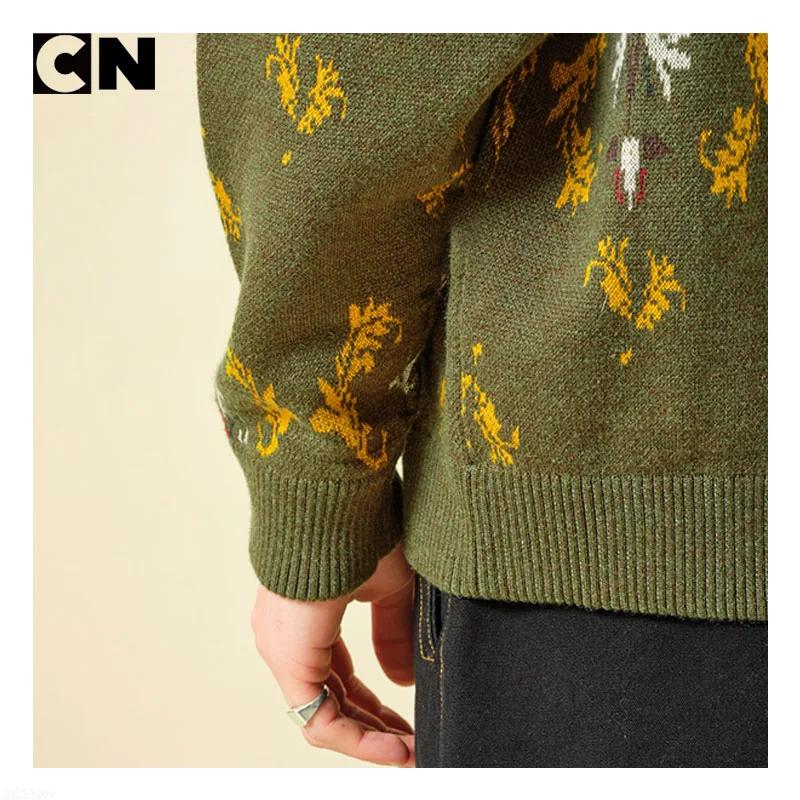
Embroidered, Jacquard & Intarsia Cardigans
Pattern and surface details reviewed for placement, durability and repeatability before bulk production.
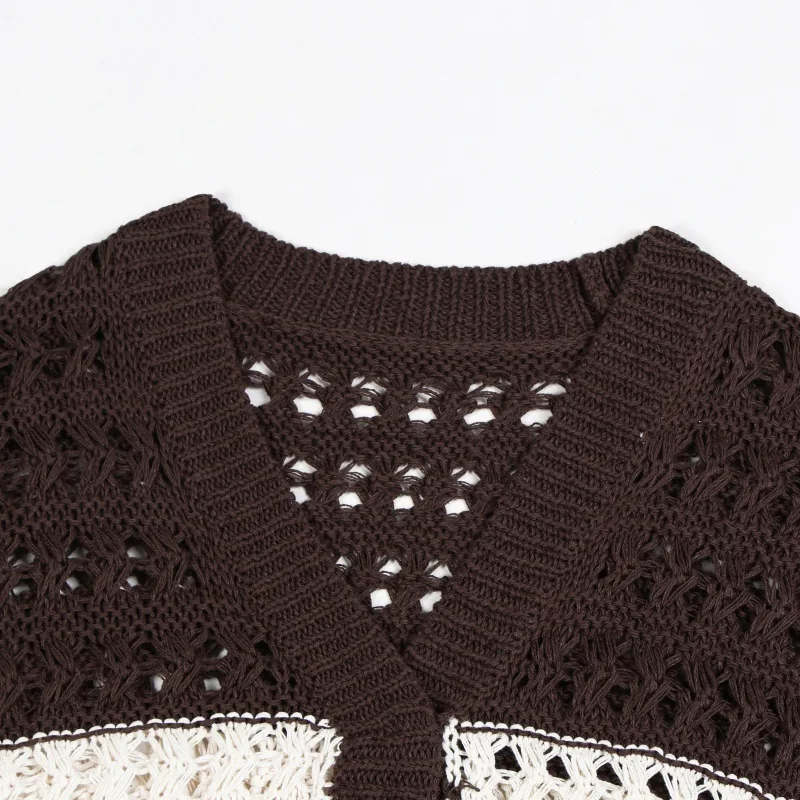
Lightweight & Short-Sleeve Cardigans
Lighter constructions developed around yarn choice, gauge, drape and the intended season or market.
Choose the Development Route That Matches Your Project
The right starting point depends on what is already decided. Share the materials you have, and the next development step can be defined around them.
Launch a New Collection
Turn a design direction into a clear cardigan development plan.
Improve an Existing Cardigan
Review the construction or fit of a style that already exists.
Build a Wholesale or Private-Label Program
Plan a coordinated range across colors, sizes, branding and packing.
Reorder a Proven Style
Use approved references and order records to support repeat production.
Why Cardigans Are Harder to Repeat Than They Look
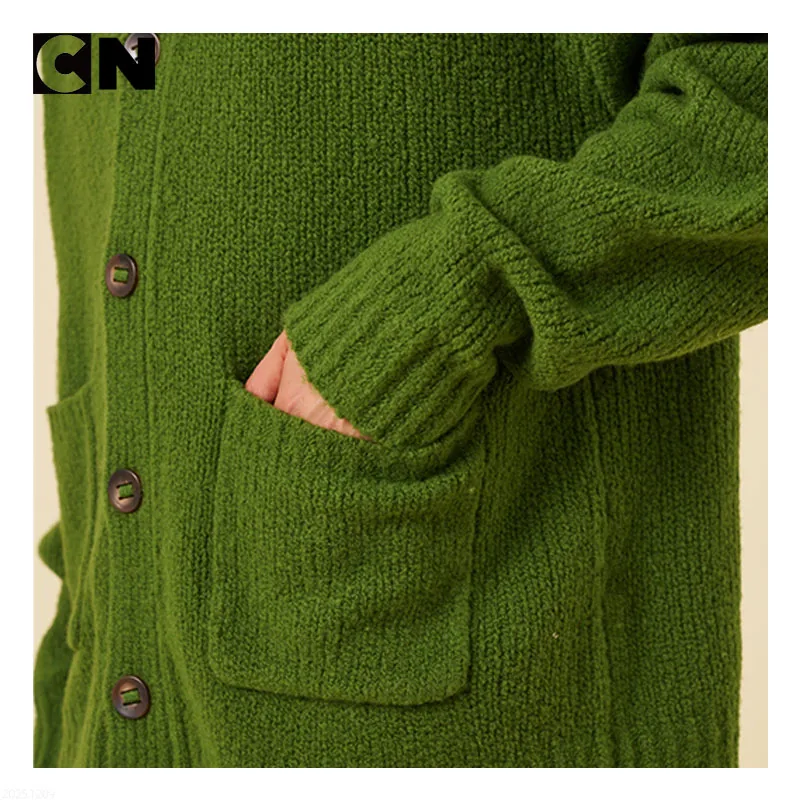
A cardigan can look acceptable when laid flat and still show problems when worn. Front opening, closure and garment balance need to work together from the first sample through bulk production.
-
Placket rolling or stretchingFront edges can lose alignment when yarn, tension and placket construction are not balanced.
-
Button gaping or misalignmentButton spacing and buttonhole tension affect closure, drape and the visual line of the garment.
-
Length growth after finishingGarment weight and knit structure can change finished length if shrinkage and relaxation are not considered.
-
Shoulder and armhole imbalanceFit can shift when the shoulder construction does not match the intended silhouette and yarn behavior.
-
Inconsistent sample-to-bulk handfeelYarn lots, stitch density and finishing need clear references to support a consistent result.
Five Control Points Behind a Production-Ready Cardigan
Each control point connects a common production risk with the information that should be checked, confirmed or recorded before the next stage.
Build the Look. Keep the Specification Clear.
Customization is organized around four connected decisions so the design direction remains practical for sampling and production.
Yarn & Handfeel
Select material direction according to weight, season, surface and target wearing experience.
- Cotton
- Wool
- Blends
- Brushed
- Fuzzy
Stitch & Surface
Match knit structure and surface expression to yarn behavior and garment construction.
- Rib
- Cable
- Milano
- Jacquard
- Intarsia
Fit & Construction
Define silhouette, shoulder construction, length and front opening as one fit system.
- Cropped
- Regular
- Oversized
- Longline
- Raglan
Trims, Branding & Packaging
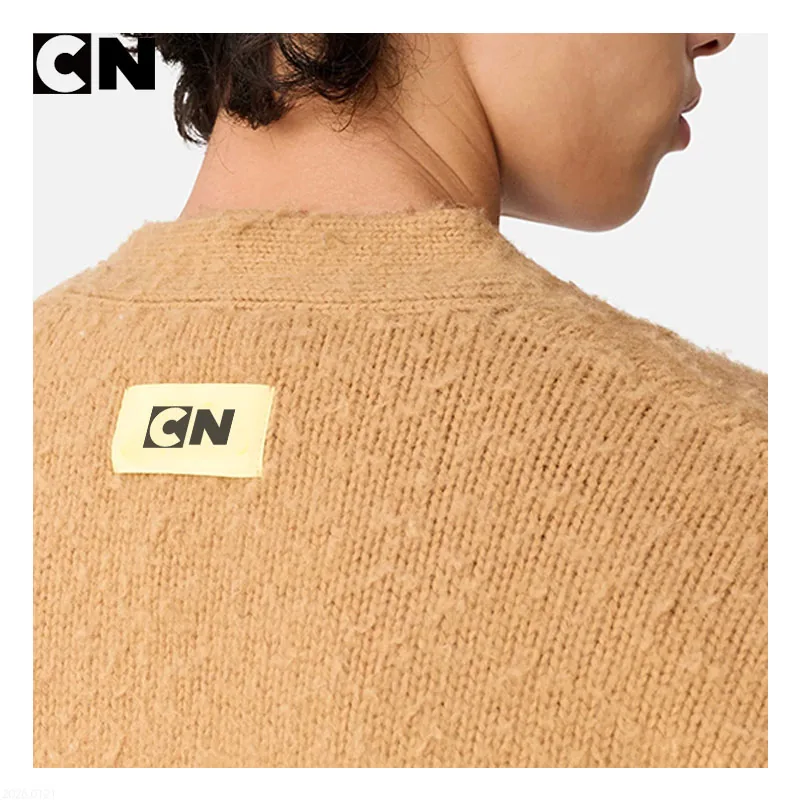
Coordinate closures and brand presentation with the cardigan weight and sales channel.
- Buttons
- Labels
- Embroidery
- Hangtags
- Packing
Know What Is Approved Before Production Begins
A clear approval stage helps both teams work from the same product reference and makes requested changes easier to identify.
Yarn & Color
Material direction, color reference and the intended finished handfeel.
Measurements & Fit
Key measurements, silhouette and approved fit comments.
Stitch, Placket & Trims
Construction details, closures, placement and appearance.
Labels & Packaging
Brand labels, hangtags, folding and packing requirements.
Sample & Revision Notes
The approved sample reference and recorded change points.
From Reference to Repeat Order
Each stage has a specific decision to make. Timing is confirmed after the style, yarn, trims, quantity and approval requirements are understood.
Project Review
Review design files, references, quantity, target market and timing.
Yarn & Construction Direction
Align material, gauge, stitch, fit and key cardigan details.
Sampling & Revision
Evaluate structure, fit, handfeel, trims and requested changes.
Pre-Production Confirmation
Confirm approved references, measurements, trims, labels and packing.
Bulk Production & Quality Control
Apply the approved reference through production, finishing and cardigan-specific checks.
Shipment & Reorder Support
Confirm packing and shipment details, then retain approved information for future repeat orders.
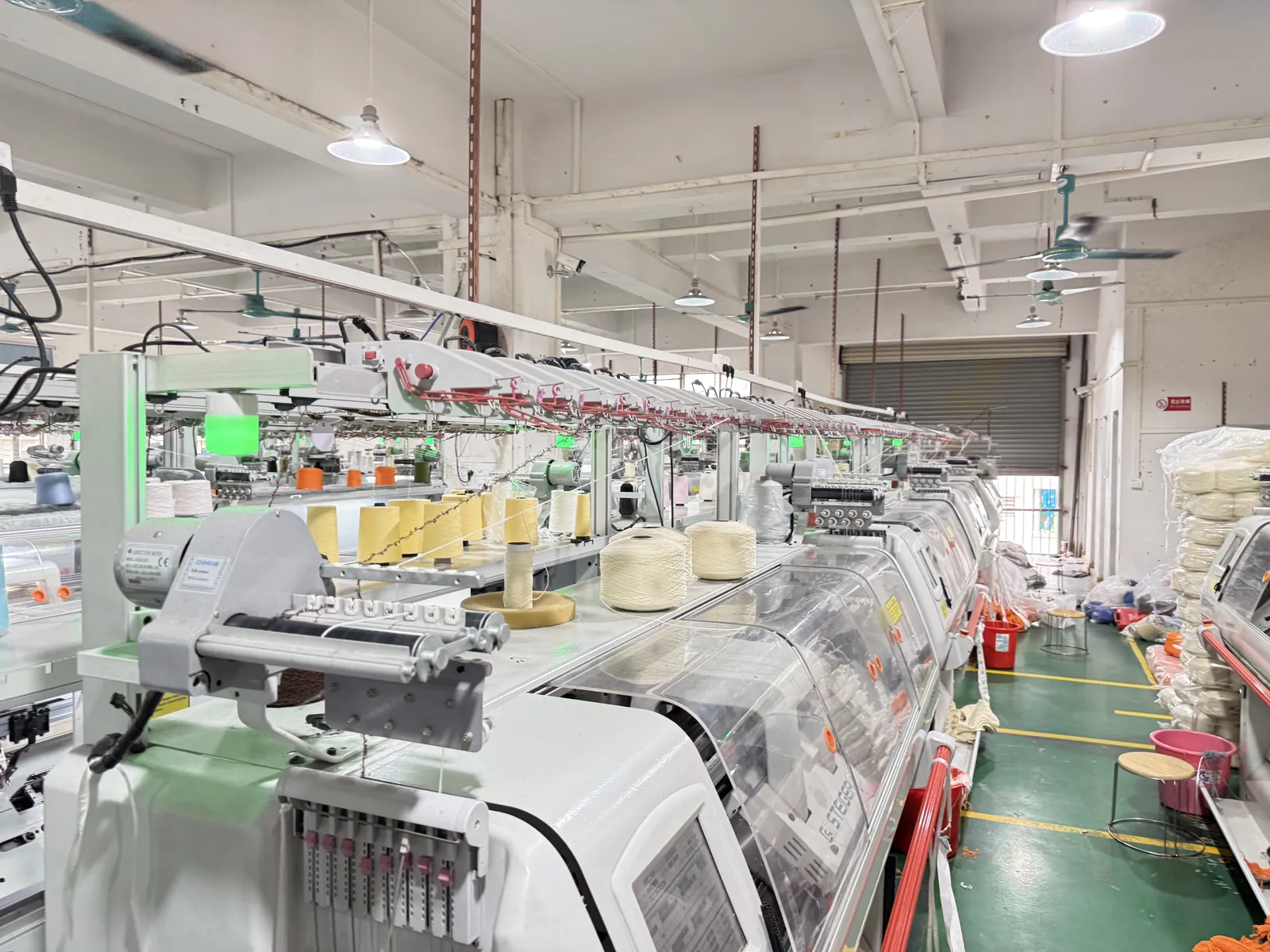
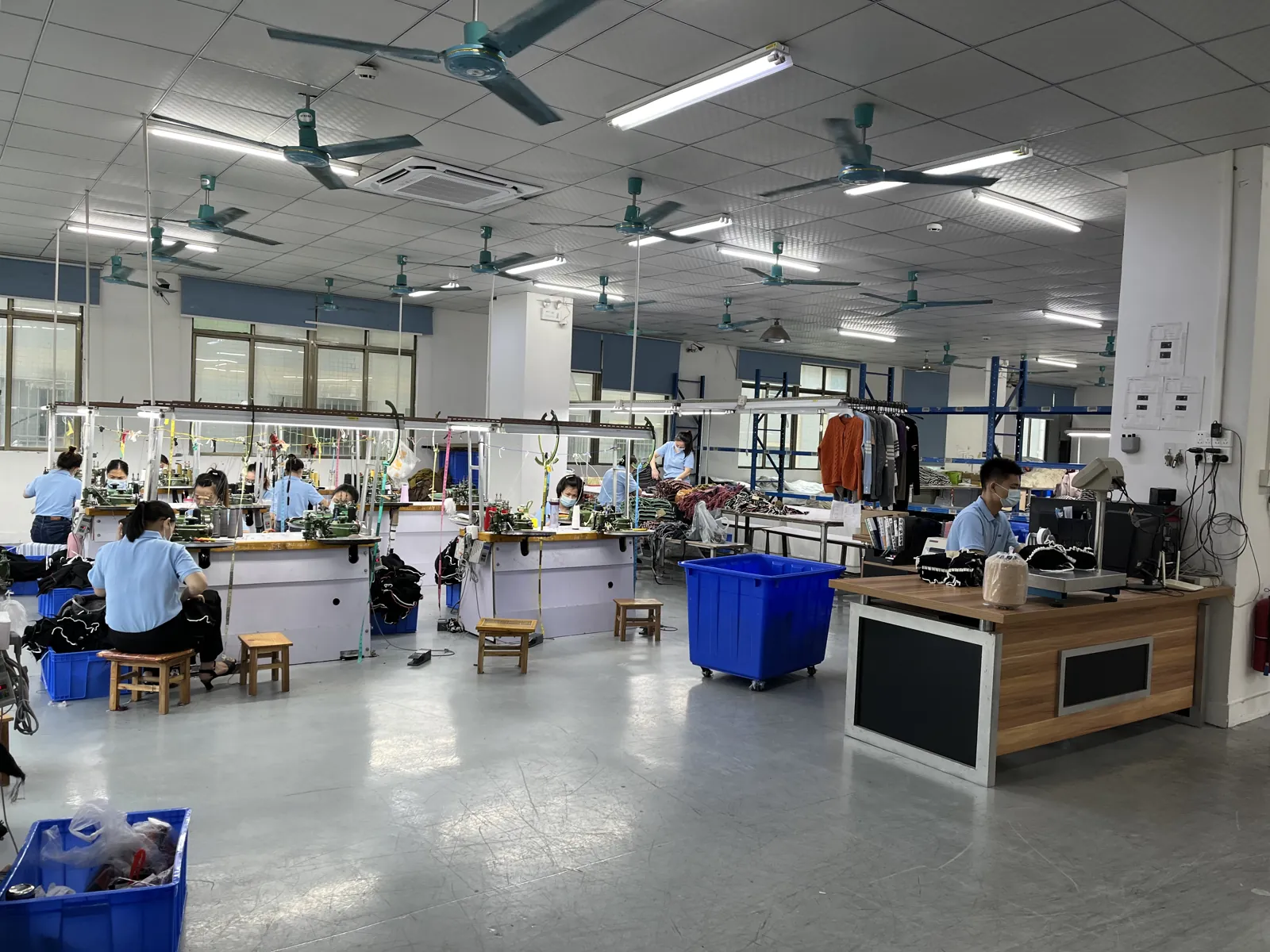
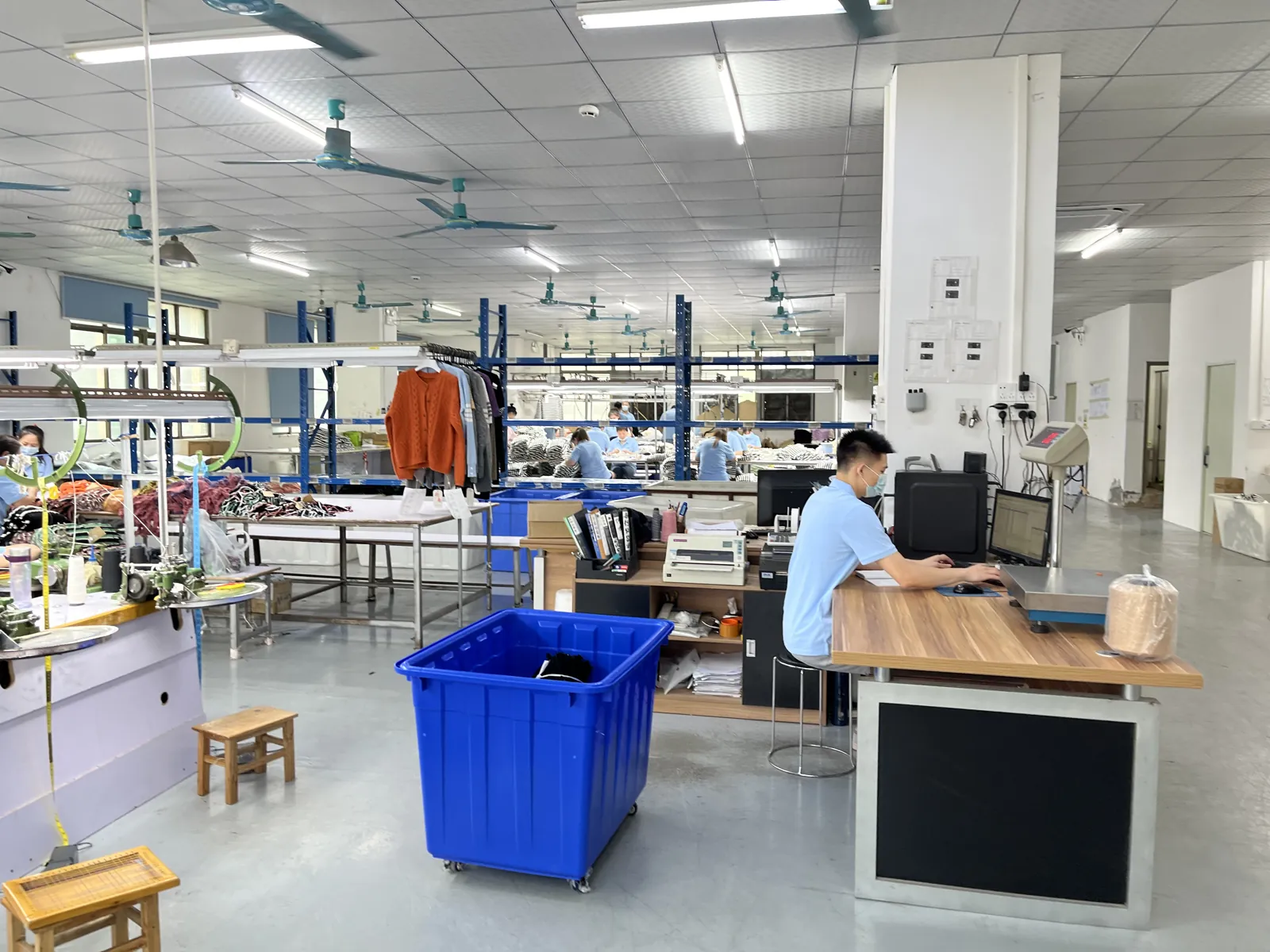
Knitwear Capacity Behind Your Cardigan Program
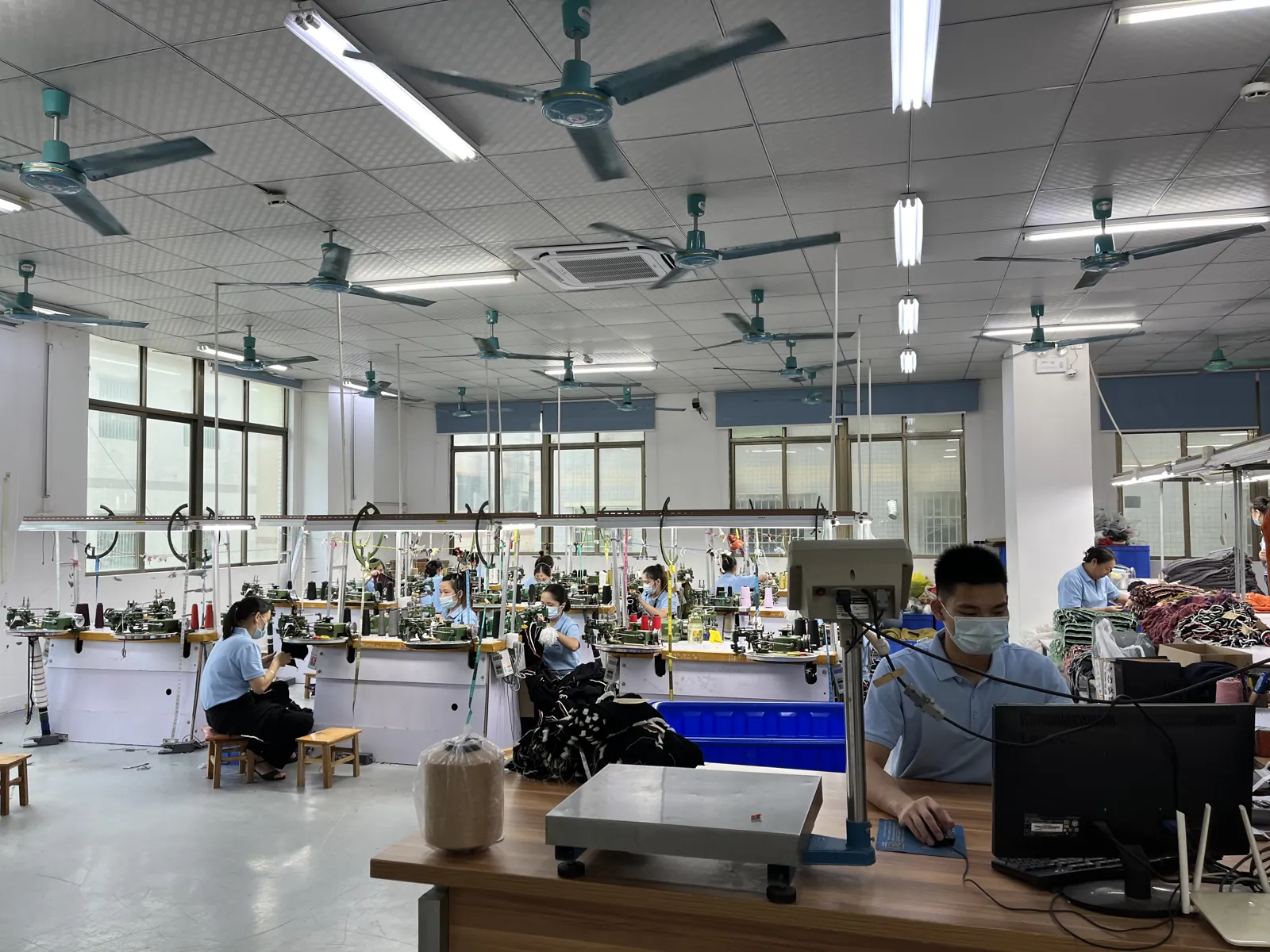
Cardigan development is supported by knitting, linking, sewing, finishing and quality-control teams working through the same production organization in Dongguan.
Company and certification documents should be displayed only after their current validity and project scope are confirmed.
Inspect the Details Most Likely to Shift in Bulk
The quality section focuses on cardigan-specific construction and presentation points instead of repeating a generic inspection promise.
Placket Alignment
Review front-edge balance, tension and visual alignment.
Button Position & Security
Check spacing, attachment and closure presentation.
Finished Measurements
Compare key measurements with the confirmed production reference.
Stitch & Surface Consistency
Review visible knit structure, texture and finishing appearance.
Yarn & Color Consistency
Check production against the confirmed material and color reference.
Finishing, Labels & Packing
Review final presentation before packing and shipment preparation.
Plan the Cardigan Order Before You Commit
MOQ, sampling time and bulk lead time depend on the specification. Confirming the main variables first produces a more useful quotation and schedule.
What Affects MOQ
Yarn sourcing, color count, size breakdown, stitch structure, trims, labels and packaging can all affect the feasible minimum.
What Affects Sampling Time
Material availability, construction complexity, special trims and the number of revision points influence the sampling route.
What Affects Bulk Lead Time
Approved specifications, yarn and trim readiness, quantity, seasonality and production scheduling determine the bulk plan.
Send Us Your Cardigan Project
Share the style, quantity and timing you are working toward. The first review can focus on feasibility, construction direction and the information needed for sampling and quotation.
- Style or reference images
- Estimated order quantity
- Preferred yarn or handfeel
- Color and size breakdown
- Labels and packaging needs
- Target launch or delivery date
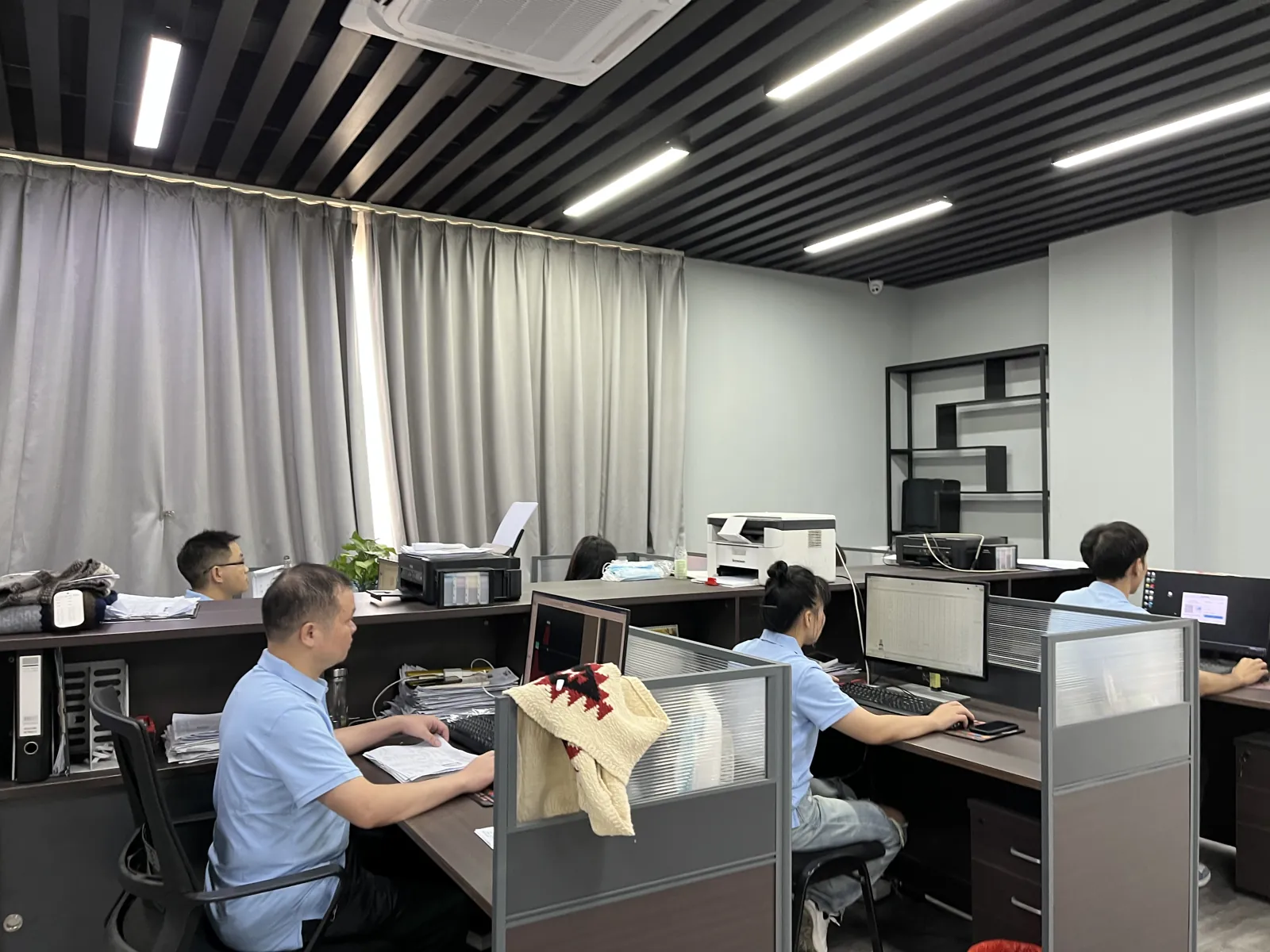
Cardigan Project Review
Use the contact page or email to send your initial requirements and files.
Temporary illustrated contact visual; replace with an approved team photo.
Your project files should be used only to review the requested cardigan development and quotation.