 CN Sweaters
Good fit for
- First orders and capsule collections
- Limited seasonal drops and colorway tests
- Small-batch market validation
- Boutique or e-commerce knitwear programs
- Trial orders planned with future reorders in mind
Work with a low MOQ knitwear manufacturer to plan the styles, yarns, colors and sizes your launch needs. CNSWEATERS reviews custom sweaters, cardigans and knit dresses for project-specific minimums, sampling and private label production.
This page covers small first orders: how to build a low-MOQ launch across styles, colors and sizes. Related pages: MOQ & Lead Time reference · OEM/ODM Services.
MOQ from 50 pcs per color per size · samples in 3–7 days · bulk in 15–45 days. See MOQ & lead time and quality control.
For example, this service helps startup clothing brands, e-commerce labels, boutique teams, private label buyers, wholesalers, importers, and sourcing managers assess a small-batch project before committing to a larger order.
A low MOQ knitwear manufacturer still needs yarn allocation, programming, knitting, linking and finishing for a small order. Splitting the quantity across colors and sizes changes the production mix. A lower garment quantity does not automatically lower yarn or trim minimums.
Review alternatives before expanding the first assortment: fewer launch colors, available yarns, standard trims or a simpler initial pattern. Compare the product compromises, minimums and quoted cost for each option rather than reducing quantity alone.
Review the current MOQ and lead-time policy →Choose the product direction, then review its yarn, construction, artwork and size-color mix. A manageable first style gives the launch a clearer fit and cost comparison.
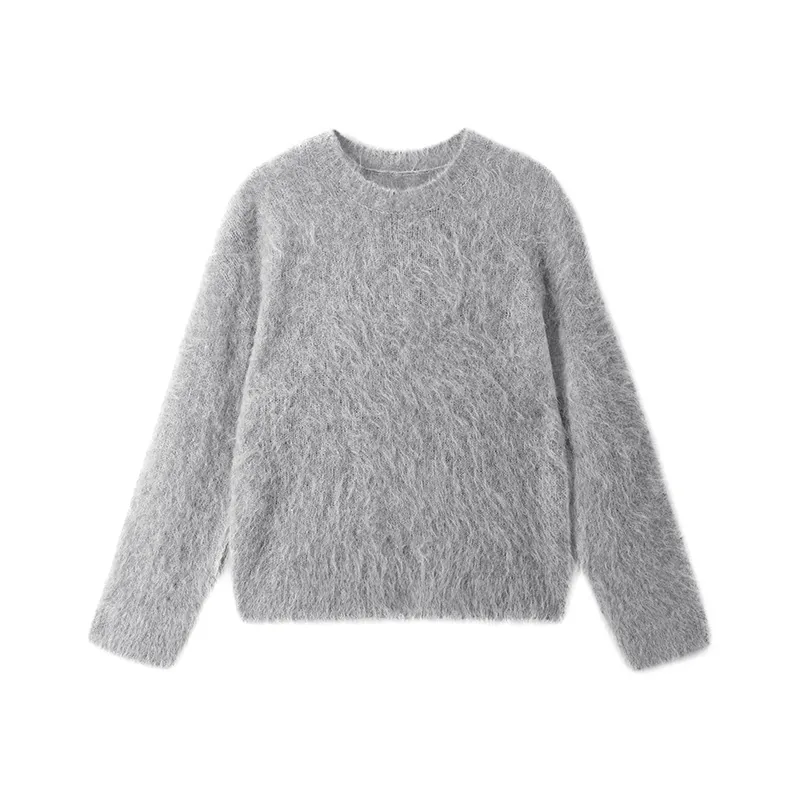
For example, crew necks, V-necks, oversized shapes, rib structures, cable styles, and fine-to-chunky knit directions can support different brand collections.
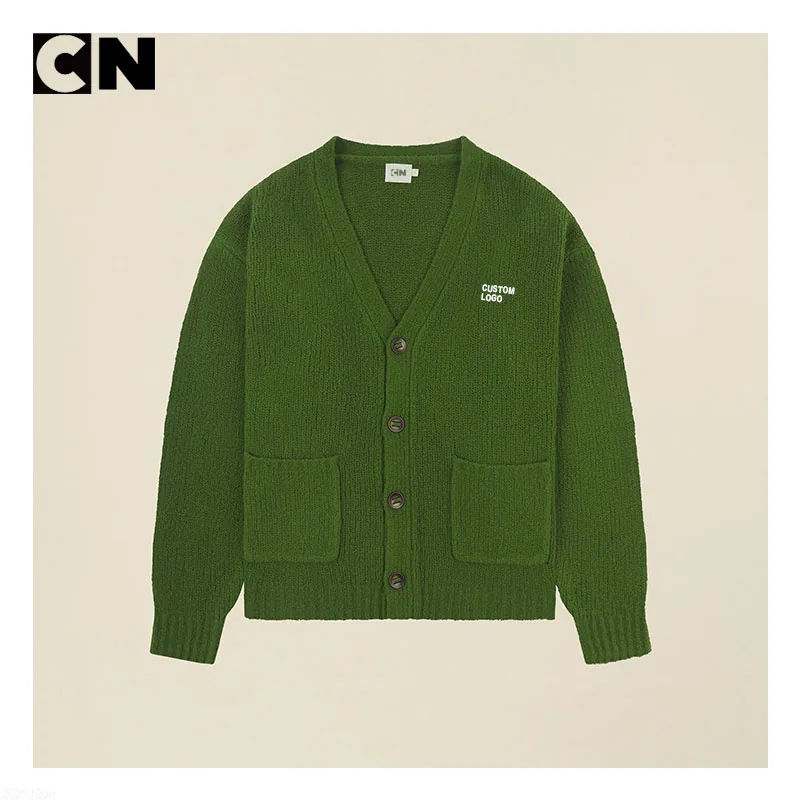
Likewise, button-front, open-front, cropped, longline, relaxed, and structured cardigan programs can be reviewed.
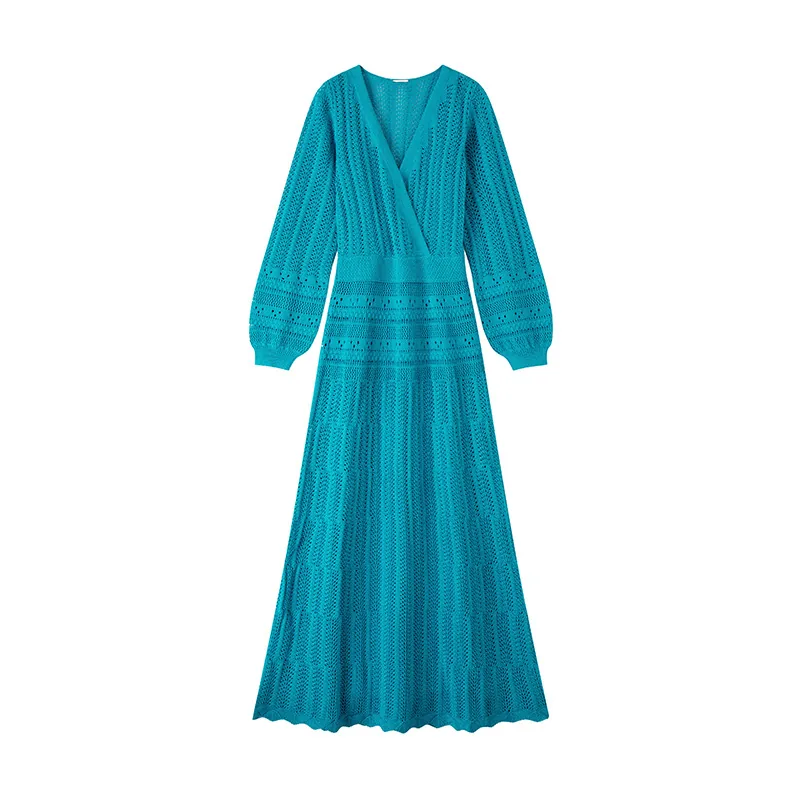
Meanwhile, ribbed, fitted, relaxed, jacquard, and seasonal knit dress developments suit a range of brand collections.
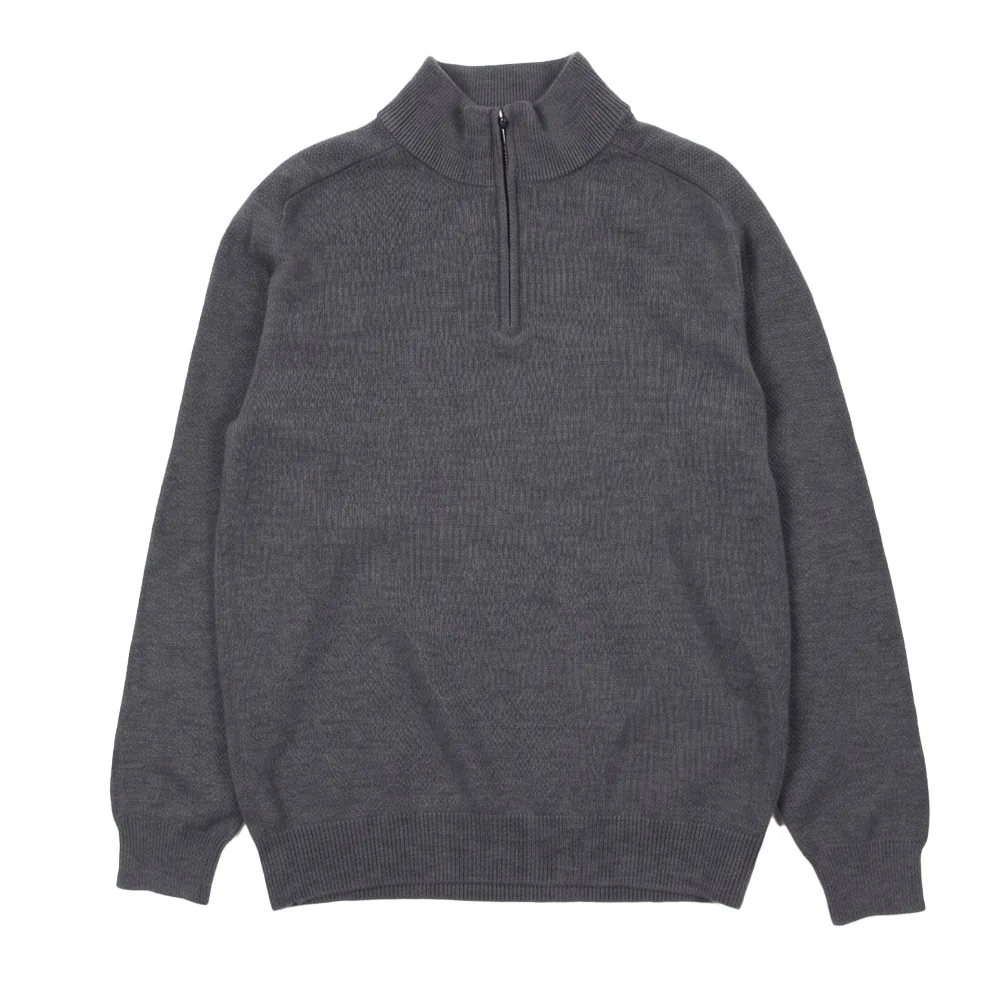
In addition, knit hoodies, zip-up sweaters, quarter-zips, half-zips, and hybrid knit constructions can be assessed.
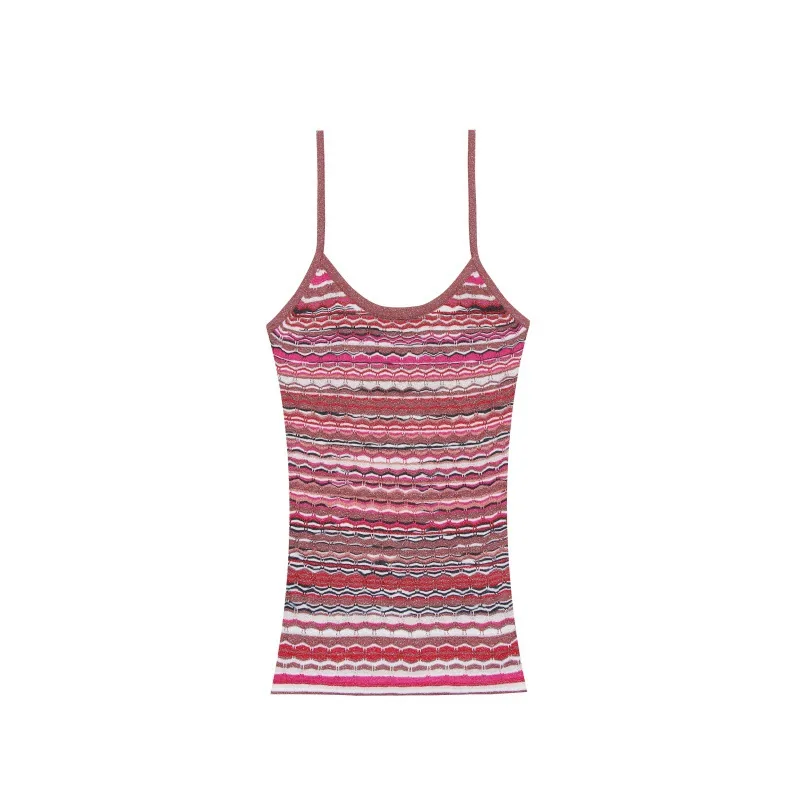
Similarly, sweater vests, sleeveless silhouettes, tank shapes, and layered capsule pieces can support seasonal programs.
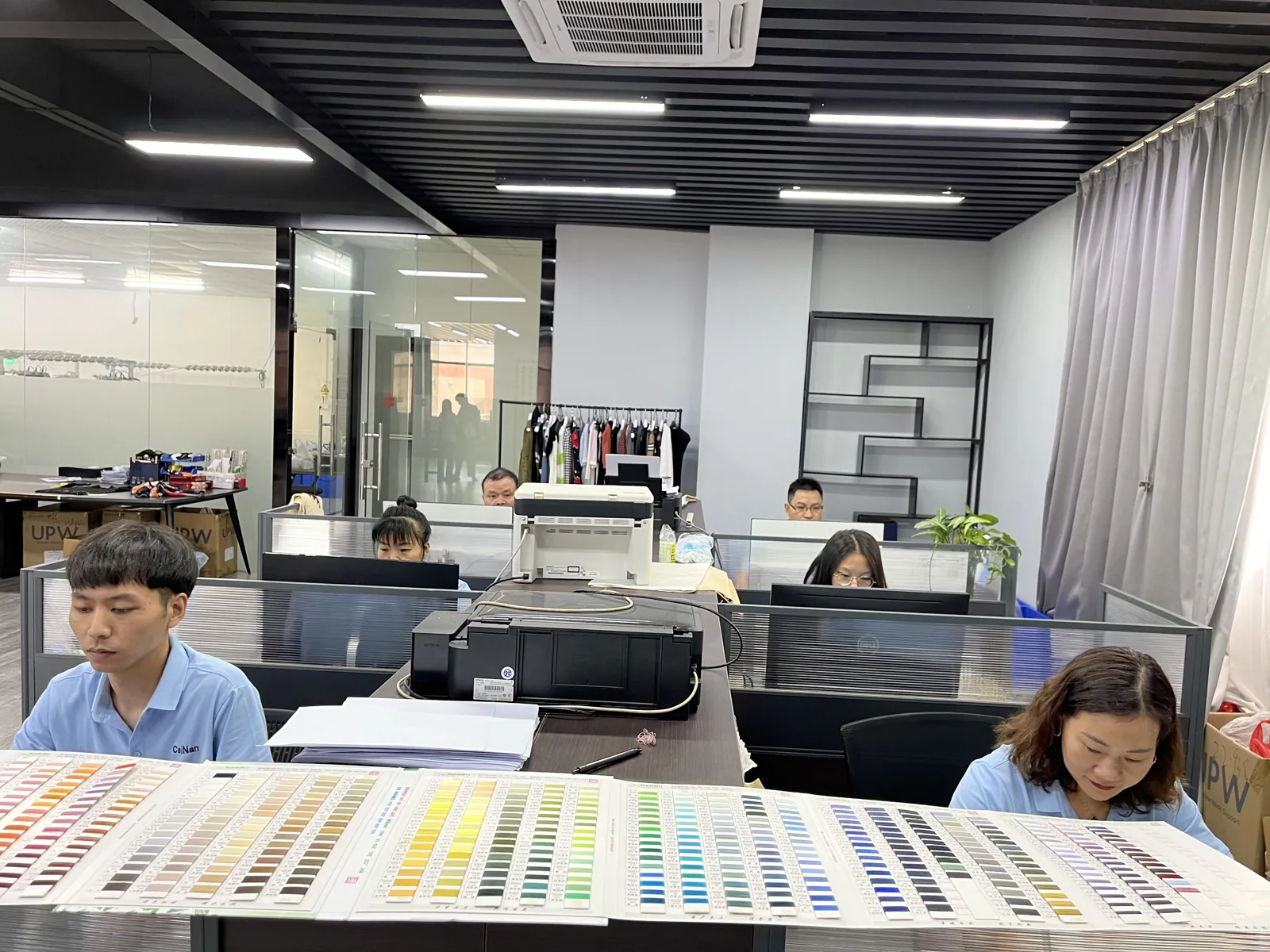
However, artwork-led constructions require a feasibility review based on color count, programming, yarn, and complexity.
As a result, we review these variables together so the MOQ reflects the real project rather than a generic minimum.
Because a small order still requires sample review, machine setup, yarn planning, linking, finishing, quality control, and packing, those fixed activities are spread across fewer garments. As a result, unit cost is usually higher than for a larger bulk run.
However, it gives a brand a way to validate a product, colorway, fit, or launch concept with less first-order inventory. If the test performs well, clear sample records, specifications, color standards, label files, and packing instructions make a later reorder easier to evaluate.
Therefore, each stage reduces uncertainty before the next commitment. Exact timing is confirmed against the final style, material, approvals, and production schedule.
First, share the product type, references or tech pack, quantity, colors, sizes, yarn direction, packaging needs, and launch window.
Next, we assess the production structure and identify elements that may affect minimums, cost, or development complexity.
Then, align yarn, gauge, stitch, measurements, trims, labels, and packaging direction before sample work begins.
Afterward, check fit, hand-feel, construction, measurements, color, details, and finishing. Record approved changes clearly.
Finally, use the approved sample, specifications, color direction, branding files, and packing requirements as the bulk reference.
Once approved, follow agreed production and QC checkpoints, then confirm label placement, finishing, packing, and reorder records.
Ask your low MOQ knitwear manufacturer to quote labels and packing with the garments. Trim and packaging suppliers can have separate minimums, so define these items in the RFQ. For U.S. retail programs, buyers can also review the FTC textile-labeling guidance before finalizing label content.
See OEM & ODM service scope →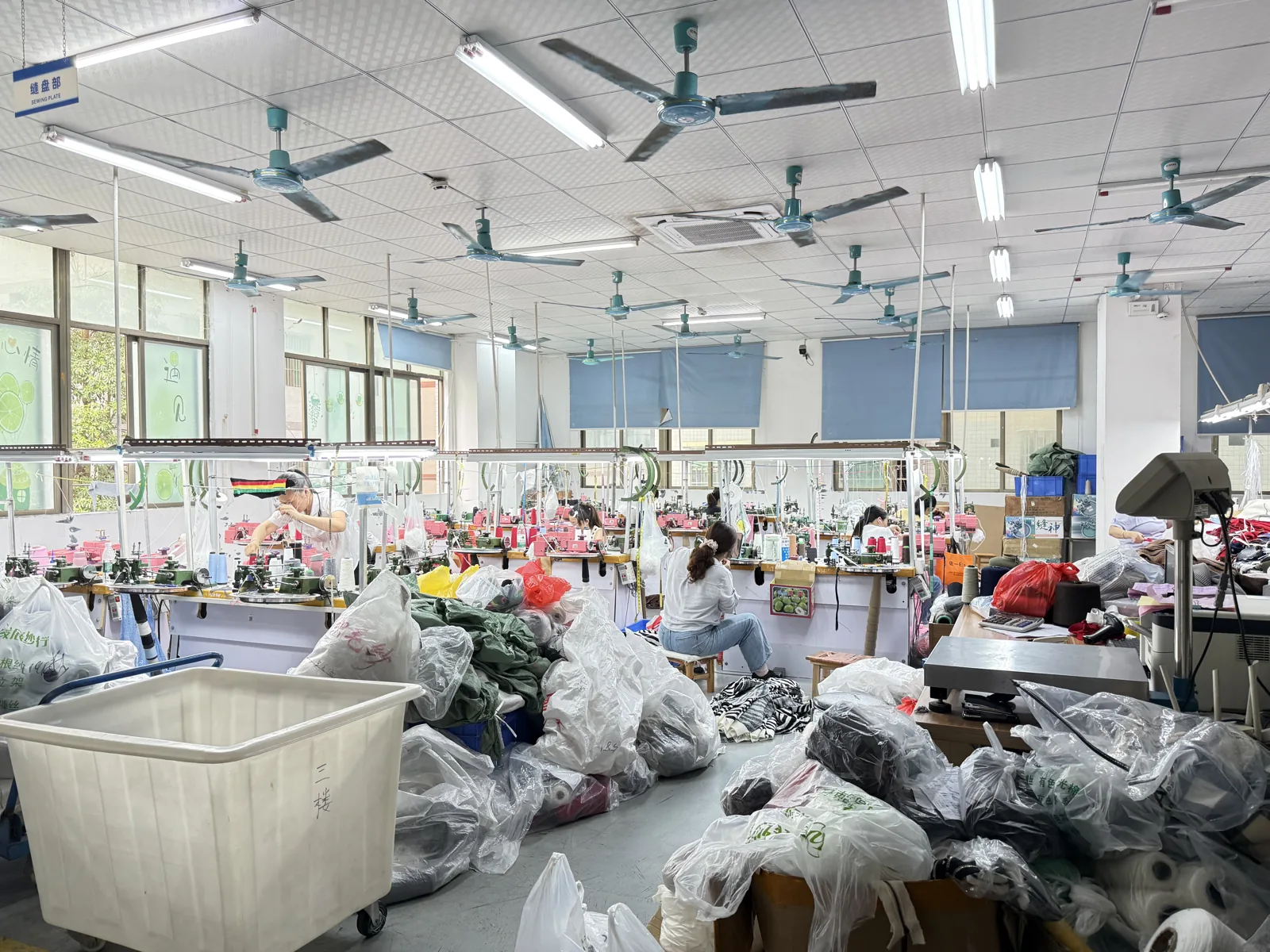
For this reason, the approved sample and written specifications provide the reference for production. Additional inspection, measurement records, testing support, or third-party review can be discussed when the quotation scope is defined.
Start with clear references, fit notes and a material direction. Send an order table with style, color, size and quantity in separate columns. Distinguish the planned launch order from any uncommitted reorder forecast so the first quote uses the quantity you intend to buy.
Our MOQ starts from 50 pcs per color per size. Bulk production usually takes 15–45 days after sample approval, depending on quantity, yarn and season. MOQ is confirmed for the actual style, yarn, color and size mix. Send quantities for each variant, with any special trims, labels or packaging, so the quote can distinguish garment minimums from separate material and supplier requirements.
Yes, labels, hangtags, polybags, stickers, barcodes, folding instructions, and carton marks can be reviewed. These items may have separate supplier minimums, so they should be included in the RFQ before sampling.
Low MOQ can reduce first-order inventory exposure, but unit cost is usually higher than for a larger bulk order because setup, sample review, finishing, QC, and packing work still apply.
Samples usually take 3–7 days once the brief and materials are confirmed. Confirm the sample date after design, yarn availability, stitch and trim requirements are reviewed. Allow for material sourcing and fit or artwork revisions before fixing the launch schedule. Sample-making time and courier transit should be planned separately.
Yes. Send clear front, back, and detail references; desired fit; approximate measurements; material or hand-feel direction; quantity; colors; sizes; and packaging needs. A complete tech pack will make quoting and sampling more precise.
Custom-dyed or special yarn, many colorways, broad size ranges, complex jacquard or intarsia artwork, special trims, custom packaging, and additional testing requirements can all raise the workable minimum.
A reorder can be evaluated more efficiently when the first order retains clear yarn records, color standards, measurement specifications, approved sample notes, label files, and packing instructions. Availability and schedule are reconfirmed for each order.
To begin, send your product type, quantity, colors, size split, yarn direction, target price, packaging needs, and launch window. Our team will review the project details and respond with practical next steps.