 CN Sweaters
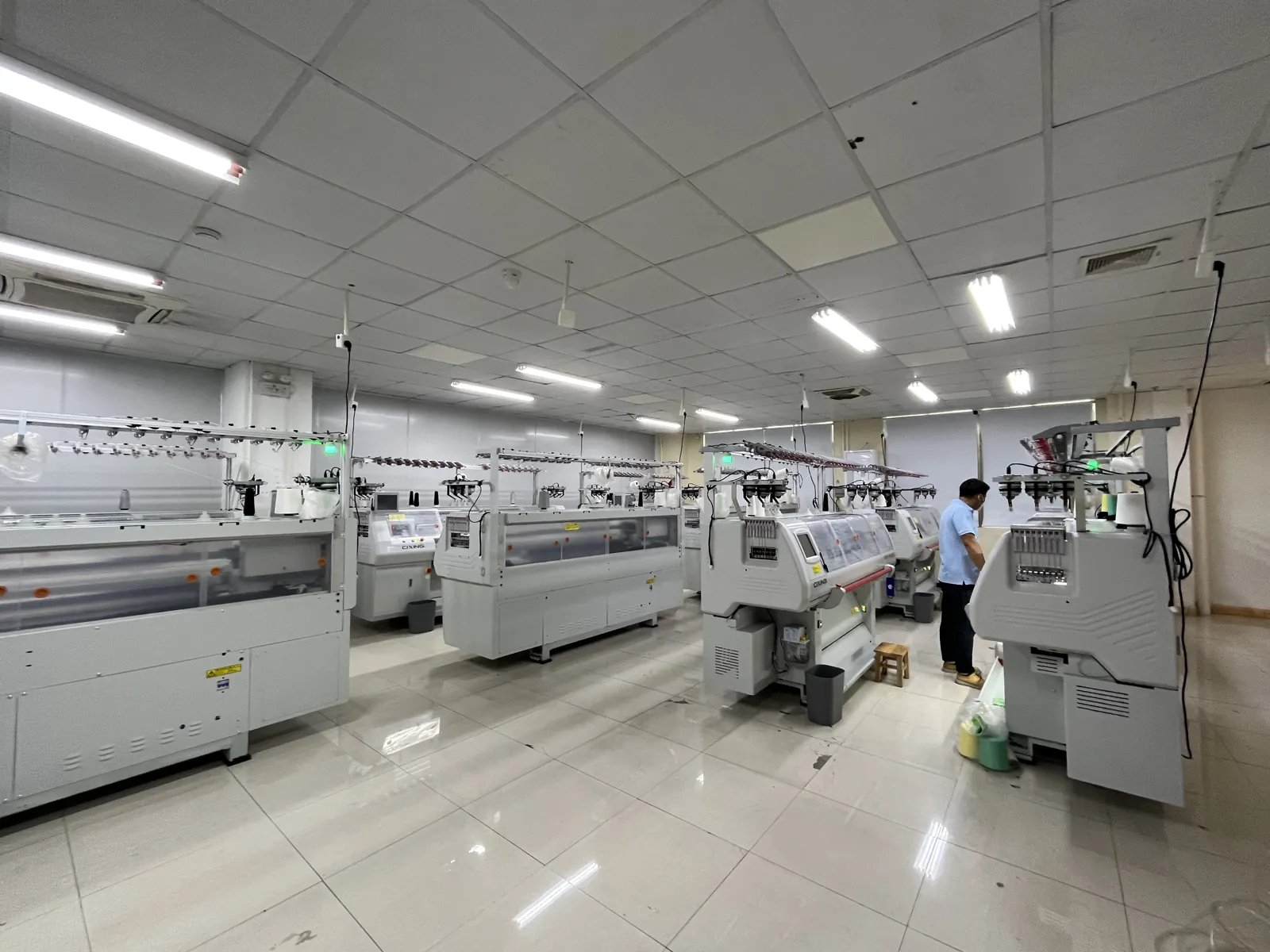
Knitwear lead time is rarely a single number, and treating it like one is the most common reason brands miss their season. From a factory perspective, a realistic sample-to-bulk window for a standard sweater program runs 14 to 22 weeks once yarn sourcing, multiple sample rounds, pre-production approval, knitting, linking, finishing, inspection and shipping are added together honestly.
The buyers who hit their drop dates are not the ones who push factories hardest at the end. They are the ones who backward-plan from the in-store date, lock yarn early, and accept that revision rounds and seasonal capacity are real constraints, not negotiation points. When that planning is missing, the cost shows up as air freight bills, shortened QC windows, color inconsistency between dye lots, or quietly shipped goods that never match the approved PP sample.
What Does a Realistic Knitwear Lead Time Look Like
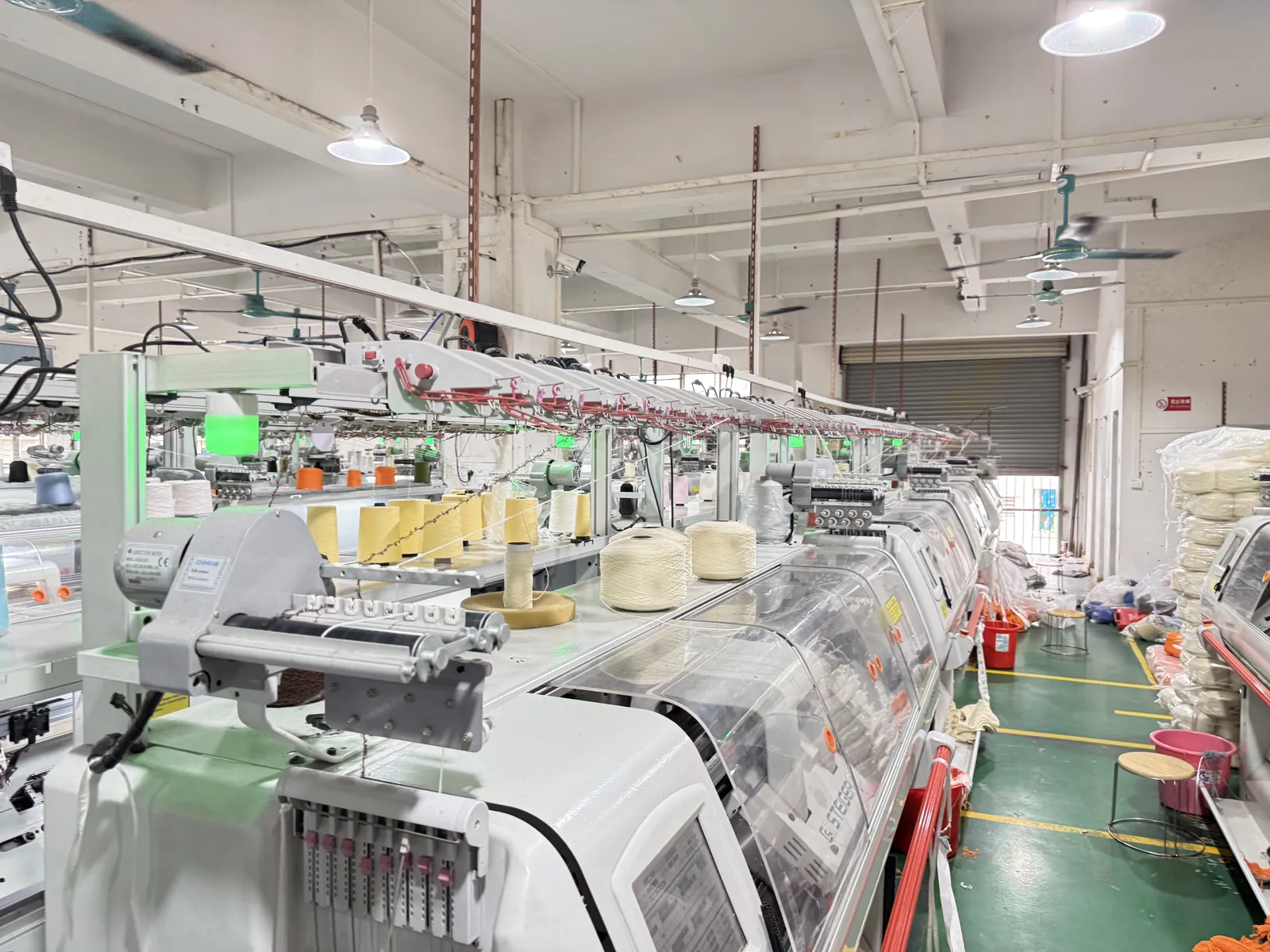
A realistic end-to-end knitwear lead time for a custom program is 14 to 22 weeks, and this range holds for most mid-complexity sweaters and cardigans produced in Asia at MOQs between 300 and 2,000 pieces per style. The shorter end assumes stock-service yarn, a clean tech pack, and only two sample rounds. The longer end is normal when custom-dyed yarn, jacquard programming, or fit issues extend the development cycle. Industry references from the Maker’s Row apparel manufacturing process place full development-to-delivery windows in a similar band, with knitwear typically falling 1 to 2 weeks shorter than woven garments due to simpler pattern engineering.
The five blocks that consume your calendar
Inside that 14 to 22 week window, time is consumed in five blocks that rarely overlap cleanly. Yarn sourcing and dyeing takes 1 to 6 weeks. Sampling, including proto, fit, and PP rounds, takes 3 to 8 weeks. Bulk knitting and linking takes 3 to 6 weeks for typical quantities. Finishing, washing, ironing and inspection takes 1 to 2 weeks. Shipping adds another 1 to 6 weeks depending on whether you choose air, express LCL, or full container sea freight. For a buyer placing 1,000 pieces of a fine-gauge merino crewneck with custom color, planning under 16 weeks is risky.
Why averages mislead procurement managers
A factory quoting “60 days” almost always means 60 days after yarn arrival and PP approval, not 60 days from order confirmation. The pre-production phase is where most slippage occurs, and it is also the phase buyers control directly through tech pack quality, decision speed, and yarn commitment. Misreading the quoted timeline as the total timeline is the single most common source of late shipments we see in seasonal programs.
How Sample Planning Changes Knitwear Lead Time
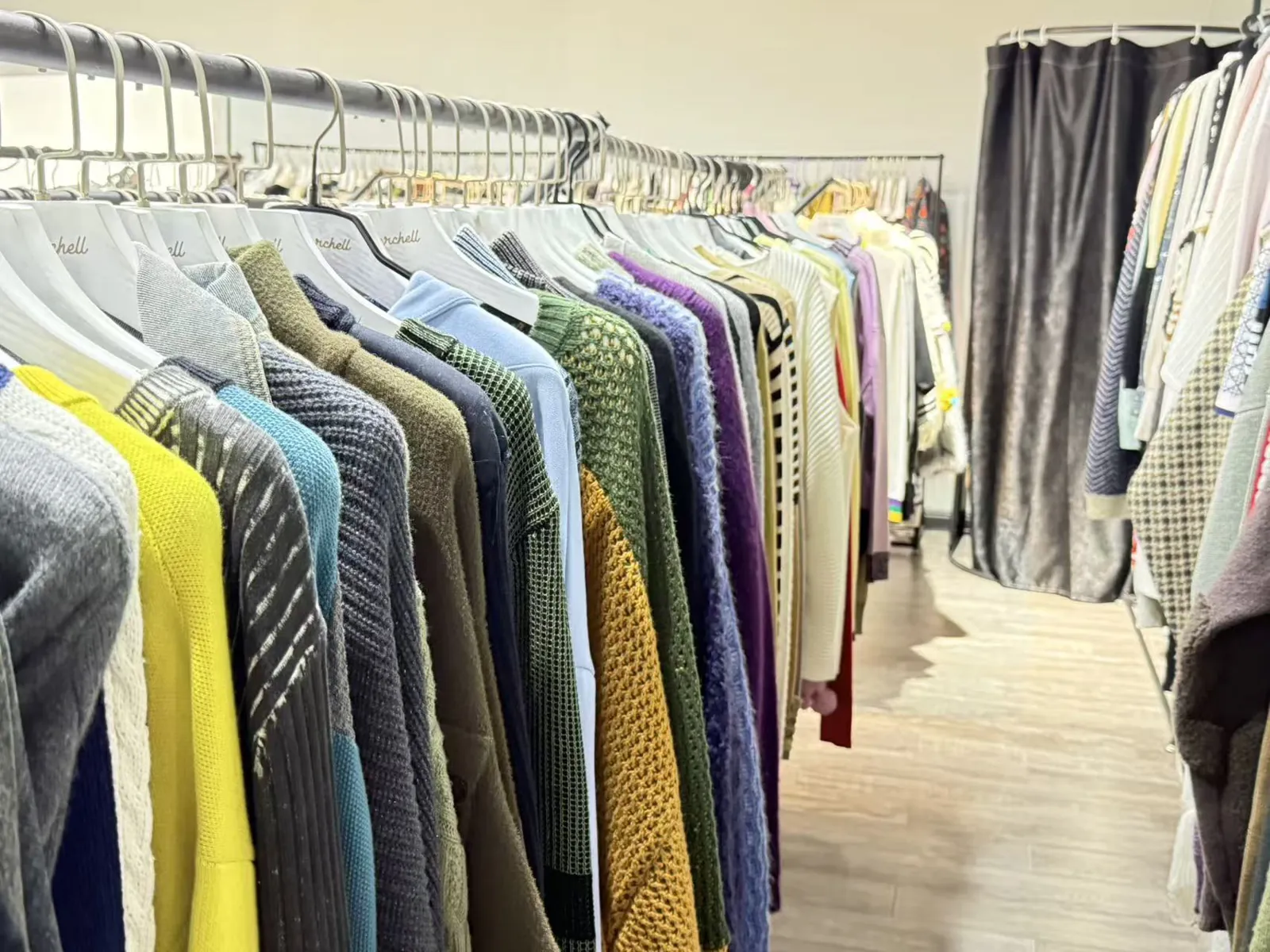
Sample lead time for knitwear typically runs 10 to 30 working days for the first proto, and the variation is driven almost entirely by yarn status and tech pack completeness. With stock-service yarn and a fully specified tech pack, a clean proto can ship in 10 to 15 working days. Once custom-dyed yarn, complex stitch structures, intarsia placement, or unclear measurement charts enter the picture, that window stretches to 20 to 30 working days, and revision rounds extend it further.
Proto, fit, and PP samples explained
Within knitwear lead time planning, the proto sample tests the design idea and is sometimes made in substitute yarn if the correct yarn is not yet available. The fit sample is built in the correct yarn and verifies measurements, hand-feel and panel construction. The PP sample, or pre-production sample, is the sew-by reference produced on the actual bulk line with final yarn, trims and labels. Skipping the PP sample to save two weeks is one of the highest-risk shortcuts a buyer can take, because the PP sample is the only physical record both sides reference during bulk QC.
Revision rounds and their hidden cost
Each revision round adds 7 to 12 working days. Three rounds is common for mid-complexity sweaters; four to five rounds happens when fit feedback arrives in fragments rather than consolidated comments. Buyers who batch all comments into one document per round typically save 10 to 14 days across the sampling phase. Use the guide to sweater sample feedback to consolidate measurement points and requested changes in one report before the next revision round.
When fast-track samples make sense and when they don’t
Fast-track samples in 3 to 5 working days are technically possible for simple styles in stock yarn, but they typically skip washing, dimensional relaxation testing, or full trim application. They are useful for early visual confirmation in showrooms or photo shoots. They are not a substitute for a properly washed, measured fit sample before bulk approval. For buyers, treating a fast-track sample as a final approval document is one of the more common reasons bulk dimensions disagree with the spec sheet.
How Yarn Sourcing Changes Knitwear Lead Time
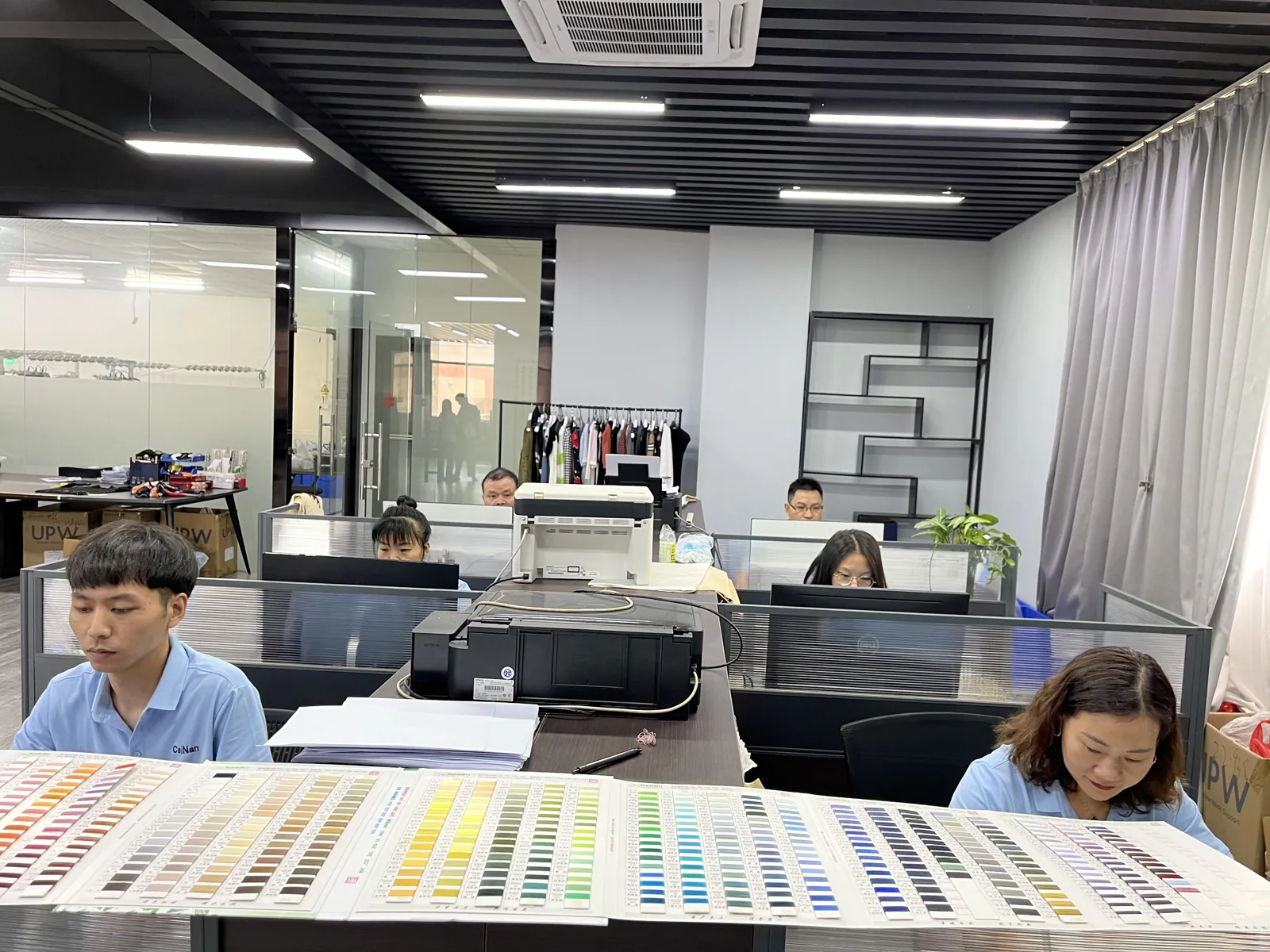
Yarn is the single largest variable in knitwear lead time, and most buyers underestimate it because it sits upstream of the visible production calendar. Stock-service yarn in standard colors can be pulled in 2 to 5 working days. Custom-dyed shades, including lab-dip approval, dye-lot scheduling and minimum dye batch quantities, typically add 3 to 6 weeks before any sampling or bulk can begin. Specialty fibers such as cashmere, yak, recycled blends, or certified organic cotton can extend that further, particularly when global demand peaks in late summer for autumn-winter collections.
Stock yarn versus custom-dyed yarn
Stock-service yarn shortens lead time, lowers per-color MOQ pressure, and reduces the risk of dye-lot variation between sample and bulk. The trade-off is limited color choice, which can constrain brand identity for buyers building a signature palette. Custom-dyed yarn gives full color control but requires a per-color minimum that can range from 50 to 200 kilograms depending on the mill. For a buyer ordering 500 pieces of a heavyweight cardigan, that minimum may exceed actual yarn consumption, locking working capital into surplus stock.
Below is a working breakdown of how yarn status shifts the overall sample-to-bulk window for a typical mid-gauge sweater program at 1,000 pieces.
| Stage | Stock-Service Yarn | Custom-Dyed Yarn | Specialty Fiber Custom Color |
|---|---|---|---|
| Yarn preparation | 2–5 working days | 3–5 weeks | 5–8 weeks |
| Proto sample | 10–15 working days | 15–20 working days | 20–30 working days |
| Revision rounds (2x) | 2–3 weeks | 2–4 weeks | 3–4 weeks |
| PP sample approval | 1–2 weeks | 2–3 weeks | 2–3 weeks |
| Bulk knitting and finishing | 4–6 weeks | 4–6 weeks | 5–7 weeks |
| Total before shipping | 10–14 weeks | 14–18 weeks | 18–24 weeks |
The table makes clear that yarn status alone can shift the total program by 8 weeks or more, which is why yarn commitment, not factory negotiation, is usually the highest-leverage decision a buyer makes.
Peak-season yarn pressure
From May to August, Asian knitwear mills run heaviest as autumn-winter orders consolidate, and textile industry reporting from sourcing and logistics challenges in the textile value chain notes that yarn allocation tightens significantly during this window. Buyers who confirm yarn blocks in February and March typically secure both color and capacity. Buyers who confirm in June often face 2 to 4 week yarn queues even for common counts.
How MOQ and Volume Change Knitwear Lead Time
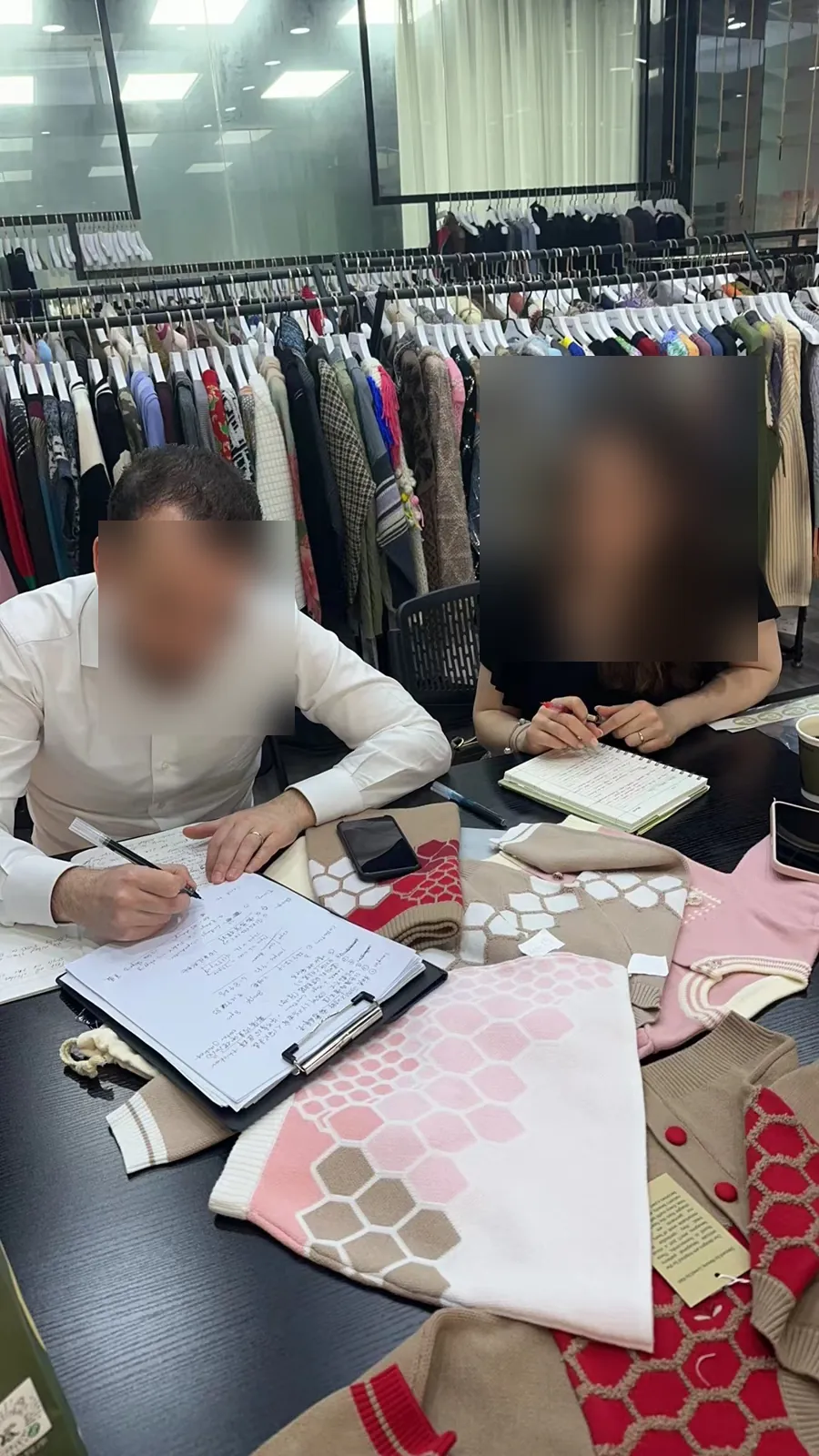
MOQ and quantity affect bulk production time non-linearly, and understanding the curve helps buyers price the trade-off between speed and unit economics. For most sweater factories, bulk knitting plus linking and finishing takes 3 to 4 weeks for 500 to 1,000 pieces per style, 4 to 5 weeks for 1,000 to 2,500 pieces, and 6 to 8 weeks for 5,000 pieces and above. Doubling quantity rarely doubles time because setup costs, programming and operator learning amortize across the run.
Why low MOQ orders aren’t always fastest
A 200-piece order can take longer than a 1,000-piece order in calendar terms, because small runs often sit in queue behind larger committed orders that hold confirmed line slots. Factories optimize for line utilization, and a 200-piece program with three colorways and two sizes may be split across two days of knitting but wait three weeks for a free slot. For buyers, this means low MOQ is a flexibility benefit, not a speed benefit, and combining styles or colors into a single PO often improves scheduling priority.
Complexity Multipliers That Extend Knitwear Lead Time
A plain jersey crewneck might knit in 50 to 70 minutes per panel set on a 12GG machine. A cable-knit cardigan with set-in sleeves and pocket linking can take 90 to 130 minutes per piece, plus additional linking labor. WHOLEGARMENT seamless programs add roughly one week to bulk because of programming and machine-specific scheduling. When buyers compare quotes between factories, the bulk time gap is usually driven by gauge, stitch density, and finishing requirements rather than by raw efficiency.
Refill orders and capacity reservations
Refill orders placed within 30 days of original PP approval, using the same yarn lot, can sometimes ship in 4 to 5 weeks because patterns, programming and trims remain active. Refills placed three months later typically require fresh yarn dyeing and lose dye-lot continuity, returning to a full 10 to 14 week cycle. Buyers planning a strong seller should reserve refill capacity at the time of original PO, not after sell-through data appears, because by then the factory calendar has moved on.
Where Quality Control Checkpoints Fit in Knitwear Lead Time
Quality control adds roughly 1 to 3 weeks to the total knitwear lead time when done properly, and trying to compress it is one of the more dangerous false economies in seasonal production. Inspection by recognized third parties such as Intertek textile and apparel inspection typically runs across three checkpoints: incoming yarn and trim verification, in-line knitting inspection during bulk, and final random inspection at AQL 2.5 before packing.
Pre-production checks that prevent rework
Yarn arrival is checked for count consistency, dye-lot continuity, and twist direction. Trims, labels and packaging are verified against the approved PP sample. Skipping pre-production checks saves 2 to 3 days upfront but creates a 1 to 2 week rework risk if a yarn batch is off-shade or a label print is wrong. For buyers, this is the cheapest insurance in the entire program.
In-line and final inspection
Within knitwear lead time planning, in-line inspection during knitting catches gauge drift, panel measurement creep, and linking defects before they propagate across the full run. Final inspection covers measurement, appearance, hand-feel, packing, carton marking and shipping marks. AQL 2.5 is standard for major commercial buyers; AQL 1.5 is used by premium brands and adds approximately 1 to 2 days to the inspection window. Buyers should align AQL level with end-customer expectations rather than defaulting to the strictest available, since stricter AQL extends lead time and increases reject rates.
When QC findings push the timeline
If final inspection fails, rework typically takes 5 to 10 working days depending on defect type. Linking re-work and seam re-sewing are faster; dimensional issues that require re-pressing or re-washing are slower. Buyers who build a 1-week buffer between final inspection and ex-factory date avoid most air-freight emergencies. Factories that hide failed inspections to protect the shipping date create far larger problems at the distribution center, which is why transparent QC reporting matters more than aggressive promises.
How Buyers Backward-Plan Knitwear Lead Time From Launch
Backward planning is the only reliable way to manage knitwear lead time, and it starts from the in-store or warehouse-in date, not the ex-factory date. Subtracting transit time first, then inspection, finishing, bulk knitting, PP approval, sampling and yarn preparation gives a working PO date that the factory calendar can honor. Buyers who start with “we want it in 90 days” without this subtraction almost always end up cutting QC or paying for air freight.
A worked backward example
For a 1,500-piece custom-color sweater program launching September 15 in a North American warehouse: sea freight from China takes 4 to 5 weeks, so ex-factory must be August 10 at the latest. Final inspection and packing needs the week before, so production must finish August 3. Bulk knitting plus linking and finishing requires 5 weeks, pushing knitting start to June 29. PP approval needs 2 weeks before knitting, so PP sample must be approved by June 15. Sampling rounds and revisions take 5 weeks before PP, so sampling starts May 11. Yarn dyeing and lab-dip approval takes 4 weeks before sampling, so yarn commitment must happen by April 13. That means a September launch realistically requires a confirmed development brief in early April, not late June.
Buffers that protect the calendar
A 7 to 10 working day buffer between PP approval and bulk start absorbs trim arrival delays. A 5 working day buffer between final inspection and booking absorbs minor rework. A 1-week buffer on shipping handles port congestion, which industry data shows still adds unpredictable days during Chinese New Year, Golden Week, and Q4 holiday peaks. Without these buffers, the timeline works only when nothing goes wrong, which is rarely the case across a full seasonal collection.
Aligning OEM and ODM decisions with the timeline
OEM programs, where the buyer supplies the tech pack and the factory executes, run faster because design decisions are pre-locked. ODM programs, where the factory contributes design or development input, require 2 to 4 additional weeks for concept rounds. Buyers evaluating OEM/ODM services against their launch calendar should choose the development mode that matches their internal design capacity, not the one that sounds fastest in the abstract.
What Trade-offs Can Shorten Knitwear Lead Time
When launch dates compress, every speed gain comes from a quality, cost, or flexibility concession, and naming the concession openly is healthier than pretending it doesn’t exist. The fastest knitwear lead time is achieved by combining stock-service yarn, simple stitch structures, two sample rounds maximum, AQL 2.5 inspection, and air freight. That combination can deliver in 8 to 10 weeks for quantities under 1,000 pieces. Each element removed from that list adds time back.
Air freight versus sea freight cost reality
Air freight cuts shipping from 4 to 5 weeks down to 5 to 10 days but adds roughly 6 to 10 times the per-kilo cost of sea freight on standard lanes. For a 1,000-piece sweater shipment weighing around 600 kilograms, that difference often exceeds the gross margin on the order. Air freight makes sense for a high-margin capsule or a critical replenishment, but as a routine fallback it erodes program profitability. Express LCL sea options can compress sea freight to 18 to 22 days at a moderate premium and are often a better middle ground.
Volume versus speed
Lower volumes per style increase relative cost because setup, programming and minimum yarn quantities are amortized across fewer pieces. Higher volumes per style reduce unit cost but require longer bulk windows and more rigorous forecasting. Buyers placing seasonal capsules often accept a 15 to 20 percent unit cost premium for low MOQ flexibility, which is a defensible choice when sell-through risk is high. The mistake is treating low MOQ as a free option; it has a real cost line.
When pushing the factory backfires
A factory that agrees to an unrealistic deadline under pressure typically protects the date by reducing inspection rigor, shortening dimensional relaxation time after washing, or accepting marginal yarn lots. The buyer ships on time but receives complaints six weeks later when garments distort after first wash. Honest factories push back on timelines that compromise quality, and that pushback is a trust signal rather than a sales obstacle.
Closing the Knitwear Lead Time Loop From Inquiry to Delivery
The knitwear programs that ship cleanly and sell through well are the ones planned backward from launch, with yarn locked early, sample rounds disciplined, PP approval treated as a real gate, and QC given the time it needs. The programs that struggle are not usually unlucky; they were planned forward from inquiry, with optimistic assumptions about every stage, and the slippage compounded.
Buyers who treat lead time as a planning input rather than a negotiation output consistently land their drops on schedule and protect their margins. Share your launch date to receive a backward production timeline. Send your target in-store date, garment type, target quantity, fabric or yarn preference, and any branding requirements through the cnsweaters.com knitwear manufacturing contact channel, and we will reverse-build a working calendar including yarn commitment, sampling rounds, PP approval, bulk window and shipping mode. The earlier this conversation happens, the more options remain on the table.
FAQ
What is a typical MOQ for custom sweaters and how does it affect lead time?
Most established sweater factories work at 300 to 500 pieces per style per color for custom programs, with some accepting 150 to 200 pieces per color under stock-yarn conditions. Lower MOQ does not always mean faster delivery, since small runs often queue behind larger committed orders. Combining colorways into the same PO usually improves both pricing and scheduling priority.
How long does a first sample really take for a custom sweater?
With stock-service yarn and a complete tech pack, 10 to 15 working days is realistic. With custom-dyed yarn, jacquard programming, or incomplete measurement specs, expect 20 to 30 working days. Each revision round adds 7 to 12 working days, so consolidating comments before sending feedback meaningfully shortens the sampling phase.
What are the biggest risks when bulk production is rushed?
Compressed bulk windows typically lead to dye-lot mismatches between sample and bulk, inadequate dimensional relaxation after washing, in-line defects that escape inspection, and shortened QC sampling. The cost shows up later as wash distortion, color variation across SKUs, or returns. A 1-week buffer before ex-factory is the cheapest protection.
Can I reorder the same style quickly within the same season?
Refills placed within 30 days of original PP approval, using the same yarn lot still held at the mill, can sometimes ship in 4 to 5 weeks. Refills placed three months later usually require new yarn dyeing and return to a 10 to 14 week cycle. Reserving refill capacity at original PO confirmation is the most reliable way to protect a strong seller.
How early should I lock yarn for an autumn-winter collection?
For deliveries from August through October, yarn commitment in February or March is the safer window. Confirming after May exposes the program to peak-season dye-house queues, color allocation pressure, and capacity competition from larger brands booking the same mills.