 CN Sweaters
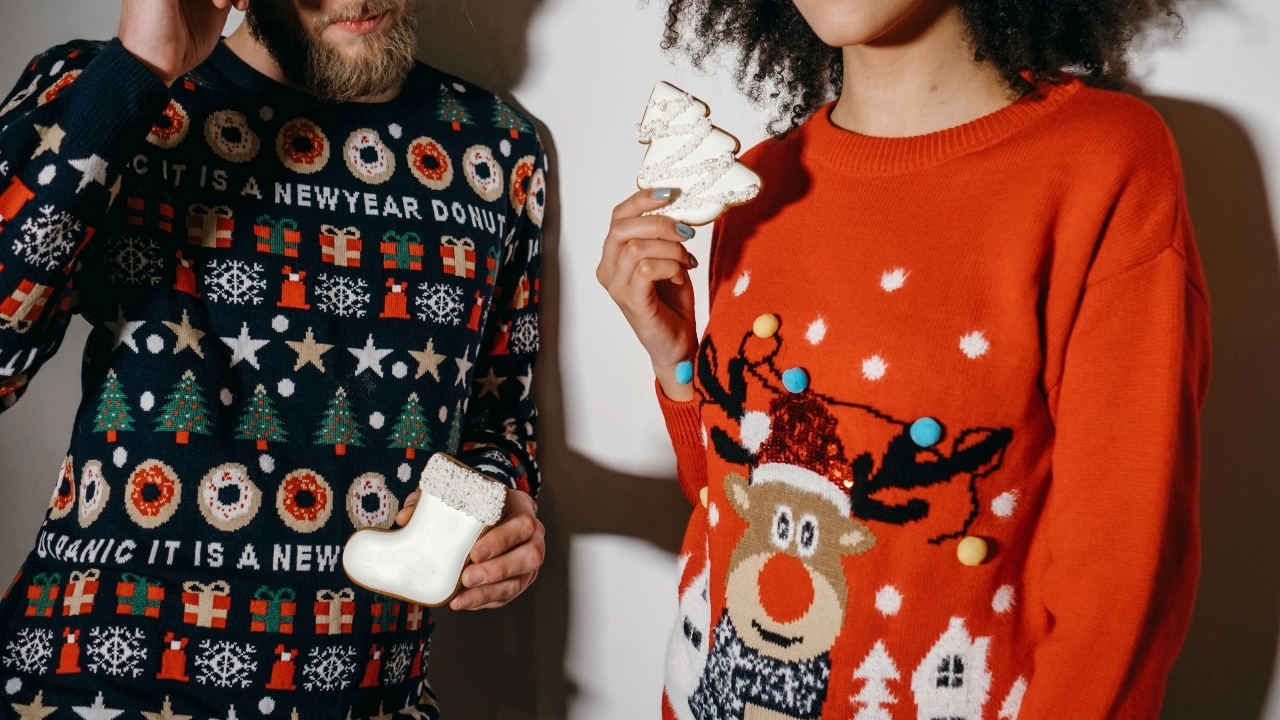
A custom sweater sample succeeds when the factory receives production-ready decisions, not just a reference photo and a request to “make something similar.” For fall collections, unclear sampling input can delay yarn sourcing, distort cost estimates, create repeated revisions, and leave buyers without enough time to approve bulk production before the season window tightens.
A strong sampling checklist turns creative direction into measurable instructions: silhouette, size chart, yarn composition, gauge, stitch structure, color standard, trims, branding, packaging, target MOQ, target price range, and delivery schedule. It also helps the buyer and sweater factory separate what must be copied, what should be changed, and what is only visual inspiration.
What Should a Custom Sweater Brief Include?
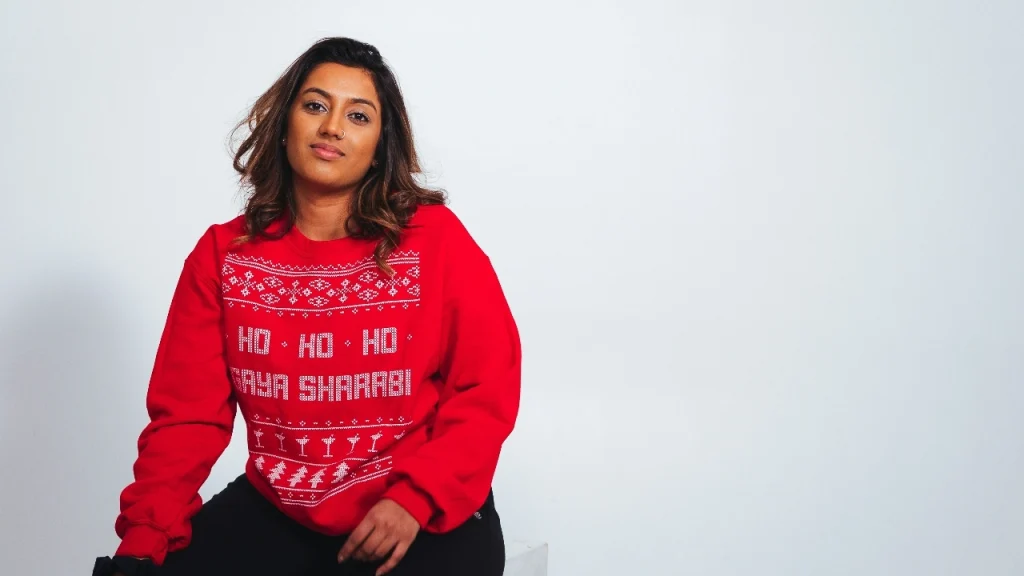
A custom sweater brief should define the product clearly enough that a knitwear manufacturer can quote, sample, revise, and repeat it in bulk with fewer assumptions. The goal is not to remove creative flexibility; it is to prevent the factory from guessing on fit, yarn, gauge, finishing, and branding.
From inspiration to factory instructions
For OEM and private label development, start by organizing the project under one clear product file. Buyers working through OEM and ODM sweater development should include the design sketch or CAD, reference photos, intended product category, target market, sales channel, season, and expected retail positioning.
A useful brief answers these questions before sampling begins:
- Is the style a custom pullover sweater, custom cardigan, custom knitted jumper, vest, or crewneck?
- Is the target fit regular, oversized, cropped, boxy, slim, relaxed, or unisex?
- Which reference details must be retained, and which should be adjusted?
- What is the intended yarn composition, hand feel, thickness, gauge, and season?
- What quantity, target price range, and delivery date should the factory consider?
Buyers sourcing across different custom knitwear product categories should also avoid using one generic instruction file for every style. A cardigan with buttons, placket, ribbed cuffs, and pockets needs different sampling notes from a simple crewneck pullover. A vest may require more attention to armhole shape and shoulder width, while a hooded zip knitwear style needs zipper tape, hood drawcord, and weight balance decisions.
Buyer information the factory should not guess
The factory should not be expected to infer measurements, yarn grade, logo placement, packaging, or acceptable substitutions from images alone. A reference photo can show mood and proportion, but it does not confirm chest width, sleeve length, gauge, yarn count, shrinkage target, color tolerance, or bulk packaging.
Before asking for a sample quote, prepare:
- Design file or clear front, back, and detail views
- Base size and full size chart
- POM measurement list and tolerance
- Yarn composition and price level
- Gauge reference or target fabric density
- Stitch structure and trim details
- Color standard such as Pantone, yarn color card, lab dip, knit down, or physical swatch
- Logo, neck label, wash label, hangtag, and polybag requirements
- Target MOQ, bulk quantity, price range, and delivery date
This is especially important for wholesale custom sweaters because a sample that looks acceptable in one size may still fail when graded, costed, packed, and repeated in bulk.
Which Reference Details Should Stay or Change?

A reference sample is useful only when the buyer explains what the factory should keep, modify, or ignore. Without that separation, the first custom made sweaters sample may follow the wrong details too closely or miss the details that matter most to the brand.
Keep modify or inspiration only
When sending a reference garment or photo, divide feedback into three groups. “Keep” means the feature should be followed as closely as possible. “Modify” means the feature is useful but needs adjustment. “Inspiration only” means the reference communicates mood, not exact construction.
For example, a buyer may want to keep the ribbed hem proportion, modify the sleeve length, and use the cable pattern only as inspiration. Another buyer may want the same relaxed shoulder from a reference pullover but a shorter body length and cleaner neckline for a higher retail price point.
For custom sweater styles, mark decisions for body length, chest width, shoulder width, sleeve length, armhole, neck shape, rib height, hem tension, stitch pattern, and seam finish. For custom cardigan sweaters, also define placket width, button size, button spacing, pocket type, pocket position, and whether the front opening should hang straight or softly drape.
Product structure changes sampling risk
Different structures change yarn consumption, machine setup, sampling time, and bulk stability. A custom crewneck sweater is usually easier to control than a multi-color jacquard cardigan with pockets and a shaped placket. A custom cardigan has more trims and front-opening stability issues than a custom pullover sweater. A sleeveless knitwear style may use less yarn, but the armhole and shoulder line become more visible, so fit comments must be precise.
Structure also affects revision count. Intarsia artwork may need artwork scale correction, while jacquard may need color contrast and float control. Stripes need repeat placement and side seam matching decisions. Heavy ribs may tighten the garment more than expected, while loose open stitches may grow after steaming or wear.
A practical checklist should therefore connect design choice with sampling risk. If the style has special stitches, multiple yarns, contrast trims, zipper hardware, embroidery, crochet, beadwork, or washed effects, identify those details before sampling and ask whether they affect sample fee, sample time, MOQ, and bulk repeatability.
How Do Yarn Gauge and Structure Shape Sampling?
Yarn, gauge, and stitch structure decide the hand feel, weight, drape, cost, and production behavior of custom knit sweaters. Descriptions such as “soft,” “premium,” or “heavy” are not enough because different buyers may use those words for very different fibers, counts, and price levels.
Yarn composition and price level
A useful yarn request should include composition, season, touch, thickness, and commercial level. Instead of saying “premium soft yarn,” specify something closer to “wool blend for fall, soft hand feel, medium weight, not too hairy, target mid-price range.” If the brand already has a yarn swatch, send it with the tech pack. If not, ask the custom sweater maker to recommend options within the target price range.
CottonWorks notes in its guidance on designing knit textiles that yarn, construction, and fabric cost should be determined early because they influence garment margin. For B2B buyers, this means yarn selection is not just a texture choice. It affects unit cost, MOQ, color availability, sample timing, and whether the approved sample can be repeated in bulk.
The checklist should identify:
- Fiber composition, such as cotton, wool, acrylic, nylon, cashmere, viscose, modal, polyester, or blends
- Target hand feel, using physical swatches when possible
- Yarn thickness or count if known
- Season and wearing temperature
- Desired garment weight or GSM range if available
- Price level and acceptable substitute yarn rules
If substitute yarn is allowed, define what can change. A substitute may match color but not drape, or match softness but not pilling performance. Buyers should approve substitute yarn before sampling, not after the first sample arrives.
Gauge stitch and color standards
Gauge controls the number of needles per inch and strongly affects fabric density. CottonWorks explains in its sweater manufacturing basics that sweater manufacturing commonly uses coarse flat-bed machine gauges such as 7 to 14 gauge, while different methods such as cut-and-sew, panel knitting, full fashioning, and whole-garment knitting create different construction outcomes.
For sampling, buyers should connect gauge to the product purpose. A low-gauge sweater may feel chunky and warm but use more yarn and take more space in shipping cartons. A higher-gauge custom crewneck may feel cleaner and lighter but may not deliver the same heavy fall look. Cables, ribs, jacquard, intarsia, pointelle, and textured stitches can all change width, stretch, and production speed.
Color standards should be equally specific. Use Pantone references, yarn color cards, lab dips, knit downs, or physical samples, and state which one is the approval standard. Multi-color samples, custom jacquard sweater styles, custom intarsia sweater styles, and custom striped sweater designs carry higher risks of shade variation, artwork positioning issues, color bleeding perception, and bulk consistency problems.
The table below shows how sampling inputs connect to factory decisions.
| Sampling item | What buyers should provide | Why it affects bulk production |
|---|---|---|
| Yarn | Composition, hand feel, count, price level, substitute rule | Controls cost, MOQ, drape, weight, and color availability |
| Gauge | Target gauge or reference fabric density | Changes thickness, stitch clarity, yarn consumption, and production speed |
| Stitch | Jersey, rib, cable, jacquard, intarsia, pointelle, or mixed structure | Affects sample time, size stability, and revision risk |
| Color | Pantone, lab dip, yarn card, knit down, or physical swatch | Reduces shade disputes and improves repeat order consistency |
| Trim | Buttons, zipper, drawcord, pocket, label, hangtag, packaging | Impacts sample fee, lead time, compliance, and final presentation |
This checklist is not paperwork for its own sake. It helps the factory build the first sample around decisions that can survive costing, grading, and bulk production.
Which Sample Stage Should Buyers Approve?
Buyers should not treat the first sample as the final bulk standard. A responsible sampling process separates design exploration, fit correction, production confirmation, and final approval.
First sample revision sample and fit sample
The first sample checks whether the design direction is technically possible and close to the intended look. It may reveal issues in proportion, stitch scale, yarn behavior, color interpretation, or trim placement. If the buyer changes the design after seeing the first sample, that becomes a design revision, not a factory mistake.
A revision sample confirms corrections. It may adjust body length, chest width, sleeve shape, neckline, rib tension, button spacing, pocket placement, logo size, or yarn substitution. A fit sample focuses on body measurements, wearing comfort, and size balance. For custom made knit sweaters, fit feedback should include model size, garment measurements after steaming, photos on body, and clear written comments.
Techpacker’s guidance on sample order terms stresses that product specifications, size tables, color codes, reference samples, material samples, packaging, and revision expectations should be defined before sampling. That matters because unclear specifications often create avoidable sample rounds.
Pre production sample and approved sample
A pre-production sample should represent the final bulk direction as closely as practical. It should use approved yarn, approved color, approved trims, confirmed measurements, confirmed labels, and confirmed packaging where available. If any component is still substituted, mark it clearly so it is not mistaken for the bulk standard.
An approved sample is the reference used for bulk production and quality comparison. It should be kept with written approval notes, measurement records, color standard, yarn details, trim details, and packing instructions. The buyer should approve it only after checking:
- Size chart and POM measurements
- Tolerance and grading logic
- Yarn hand feel and weight
- Color under agreed light conditions
- Stitch clarity and pattern placement
- Logo, labels, and packaging
- Workmanship and finishing
- Bulk feasibility, MOQ, and delivery timing
For private label custom knitwear, brand trims should be confirmed early. The U.S. Federal Trade Commission explains in its textile and wool labeling guidance that most textile and wool products require labels showing fiber content, country of origin, and the responsible business identity. Buyers selling into regulated markets should confirm label content with their compliance team before bulk production.
How Should Fall Sampling Timelines Be Planned?
Fall sampling should be planned backward from the launch date, not forward from the day the buyer sends a photo. Sweater development often needs time for design confirmation, yarn checking, color approval, sample knitting, steaming, measurement, revision, final approval, and production booking.
Build the calendar before peak season
A realistic fall calendar should include buffer time for yarn availability, lab dip or knit down review, sample shipping, fit meetings, revision samples, and production capacity. This matters more before autumn and winter peaks, when sweater factory sampling rooms and bulk knitting lines become more crowded.
CN Sweaters’ MOQ and lead time information should be reviewed alongside the specific style because quantity, yarn, gauge, trims, and complexity can change timing. A plain custom crewneck sweaters program is not the same as a multi-color jacquard cardigan order with special labels, hangtags, and export packaging.
A practical timeline includes:
- Design and reference confirmation
- Yarn selection and substitute approval
- Color standard confirmation
- First sample production
- Sample shipping and buyer review
- Revision sample if needed
- Fit and measurement approval
- Pre-production sample
- Bulk yarn and trim preparation
- Production, inspection, packing, and shipment
Buyers planning wholesale custom sweaters should avoid using the first sample date as the only schedule marker. The real calendar must include review days on the buyer side, decision delays, and the time needed for the factory to translate approved changes into production instructions.
Connect sampling with quality control
Quality control begins before bulk knitting. If the approved sample is vague, inspection teams have no clear standard for fabric weight, measurement tolerance, color, workmanship, labels, or packaging. Intertek describes textile and apparel inspection services across stages such as pre-production checks, during-production inspection, inline inspection, before-delivery inspection, and garment labeling review. For custom sweaters, that staged thinking is useful because many defects become more expensive to fix after panels are knitted and linked.
Buyers can align sampling and sweater quality control by confirming inspection points before bulk starts. Check yarn lot, color standard, panel measurements, linking quality, seam strength, rib recovery, button attachment, zipper function, label placement, packing ratio, carton marks, and final measurement tolerance.
The approved sample should also match commercial reality. If the buyer approves a sample made with a special yarn that is not available for bulk MOQ, the bulk order may require a last-minute substitute. If the buyer approves one base size without a complete size chart, grading may distort shoulder width, sleeve length, or body proportion. If packaging is not confirmed until the end, shipment can be delayed even when garments are finished.
Conclusion
Custom sweater sampling for fall collections works best when buyers treat the sample as the beginning of a controlled production process, not a quick visual copy. A clear brief helps the sweater factory understand design intent, yarn needs, gauge, color standard, measurements, branding, MOQ, price range, quality expectations, and delivery timing before the first stitch is made.
Send your sweater reference photos, design file, size chart, yarn requirement, gauge reference, color standard, branding details, packaging request, target quantity, target price range, and fall collection delivery schedule to review your custom sweater sampling process with CN Sweaters. Buyers who want to understand factory background and product capability can also review the CN Sweaters company profile before starting development.
FAQ
How long does custom sweater sampling usually take?
Sampling time depends on yarn availability, gauge, stitch complexity, color confirmation, trims, and revision count. A simple custom pullover sweater usually moves faster than a jacquard cardigan, intarsia jumper, or design with special embroidery, labels, and packaging.
Can I send only one photo for a custom cardigan sample?
A photo is useful for direction, but it is not enough for accurate sampling. You should also send measurements, yarn expectations, color standards, construction details, trim notes, logo placement, and packaging requests.
Do I need a full size chart before the first sample?
At minimum, provide the base size measurements and key POM points before the first sample. For bulk approval, a full size chart, grading rules, tolerance, and fit feedback are needed so the style can be repeated across sizes.
What is the difference between a first sample and an approved sample?
The first sample checks design direction and technical feasibility. The approved sample is the confirmed production reference after corrections to fit, yarn, color, stitch, trims, labels, packaging, and measurements.
Why can a sample look good but still fail in bulk?
Bulk risk appears when the sample uses unavailable yarn, unclear color standards, missing tolerances, unapproved trims, incomplete size grading, or construction details that are hard to repeat at the target MOQ and price.