 CN Sweaters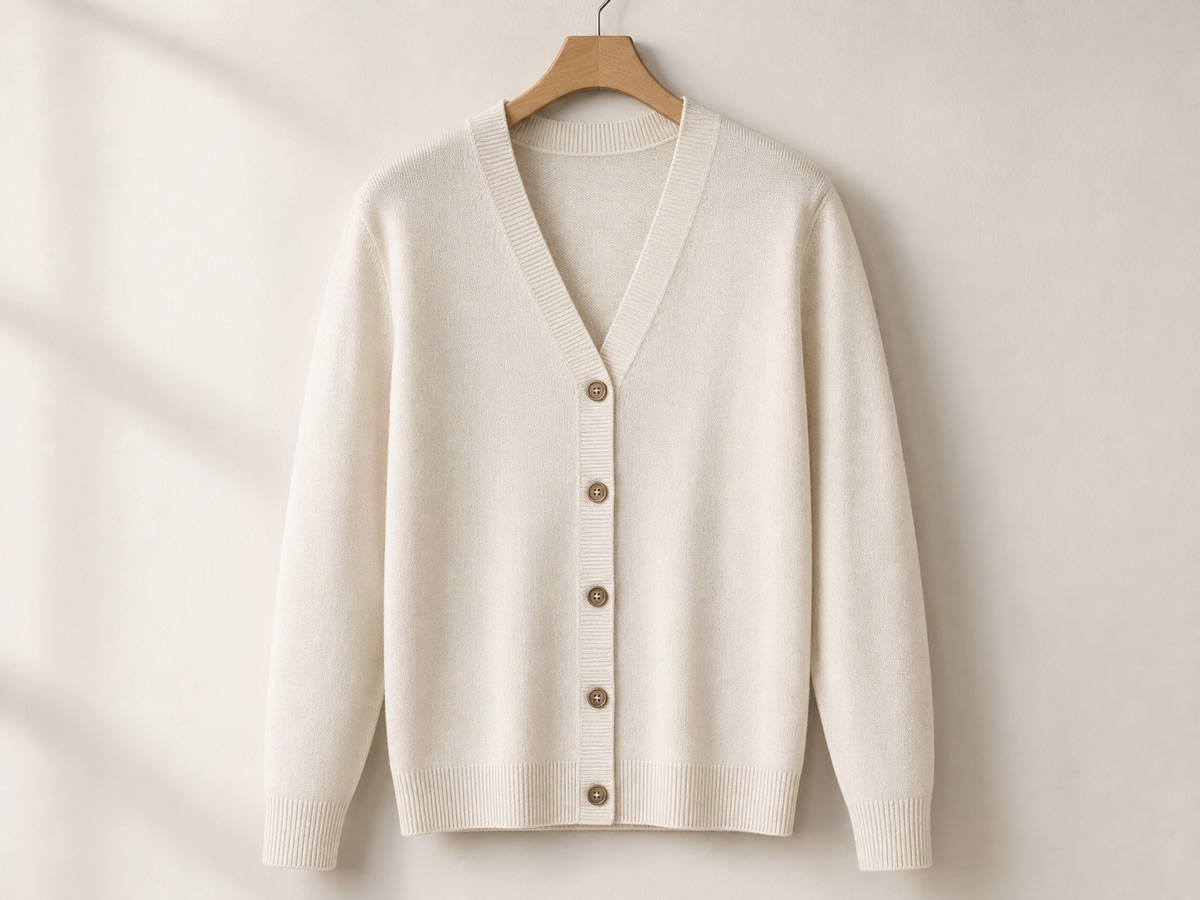
Button & V-Neck Cardigans
Define neckline depth, placket width, button spacing, fit and finished length against the intended size range.
Custom cardigan development & manufacturing
Develop custom knit cardigans around your design, target handfeel, fit, front opening, branding and order requirements—from specification review and sampling through bulk-production planning.
Project fit
This page is for B2B buyers who need a cardigan developed around a defined product direction—not for individual retail purchases or ready-made consumer orders.
For new collections that require style development, brand components, sample review and an approved route into bulk planning.
For cardigan programs planned around market positioning, color and size breakdowns, target quantities and delivery requirements.
For buyers adding a custom cardigan to an existing range, refining a reference sample or adapting a direction for a new season.
RFQ readiness
A complete tech pack is useful, but sketches, reference images and measurement information can also support an initial feasibility discussion.
Product directions
Select the closest design direction, then define the construction details that make it suitable for your customer, price position and assortment.
Define neckline depth, placket width, button spacing, fit and finished length against the intended size range.
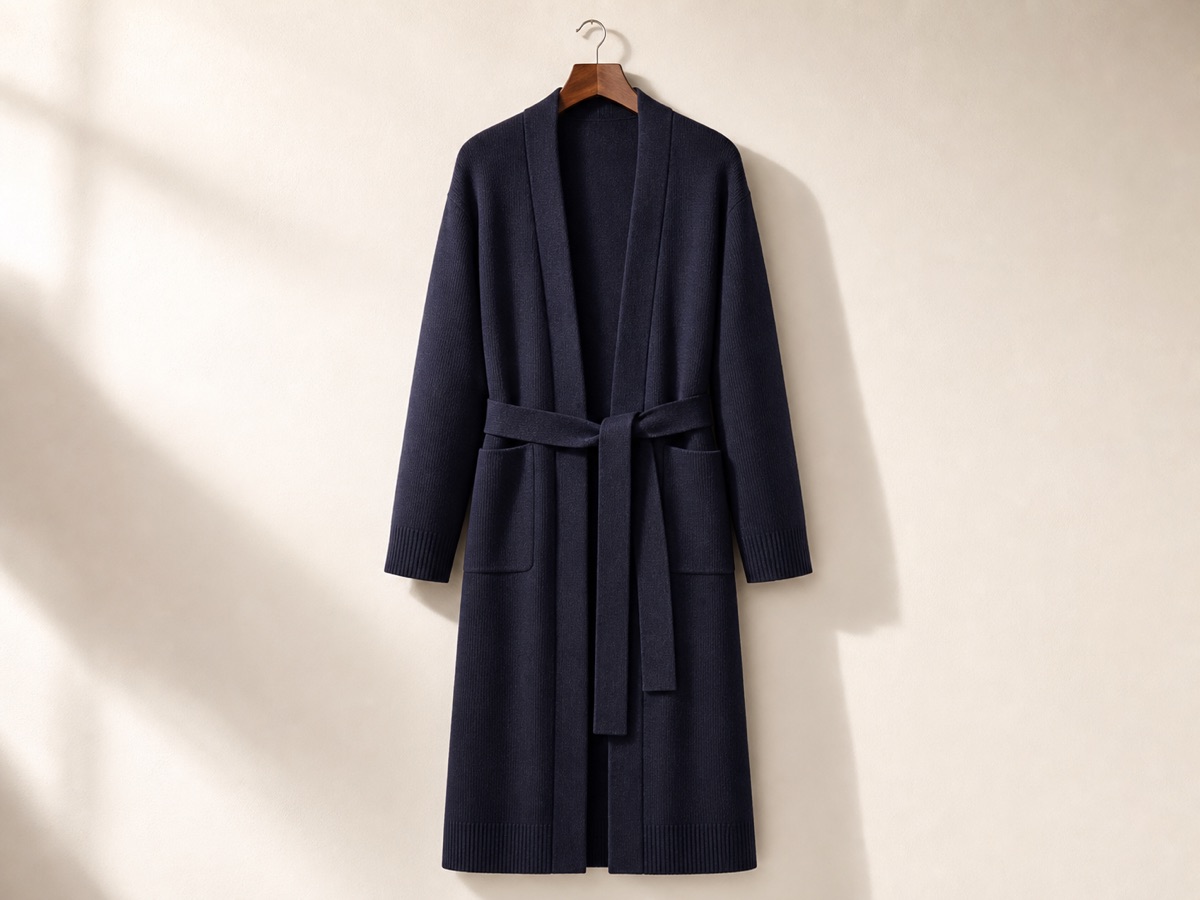
Review front-edge stability, garment length, drape, pocket placement and hem finish for the target silhouette.
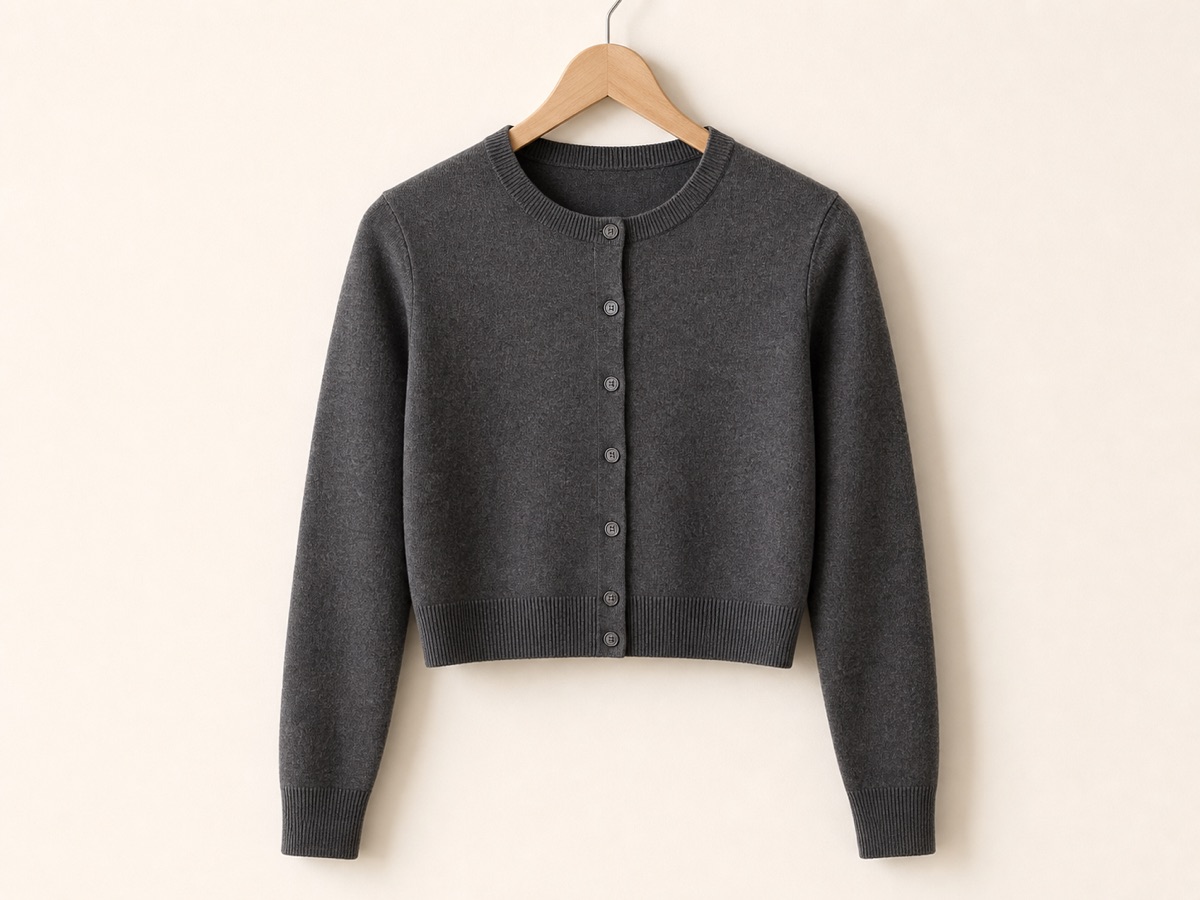
Lock body length, waist or hem recovery, sleeve proportion and grading before the fit is approved.
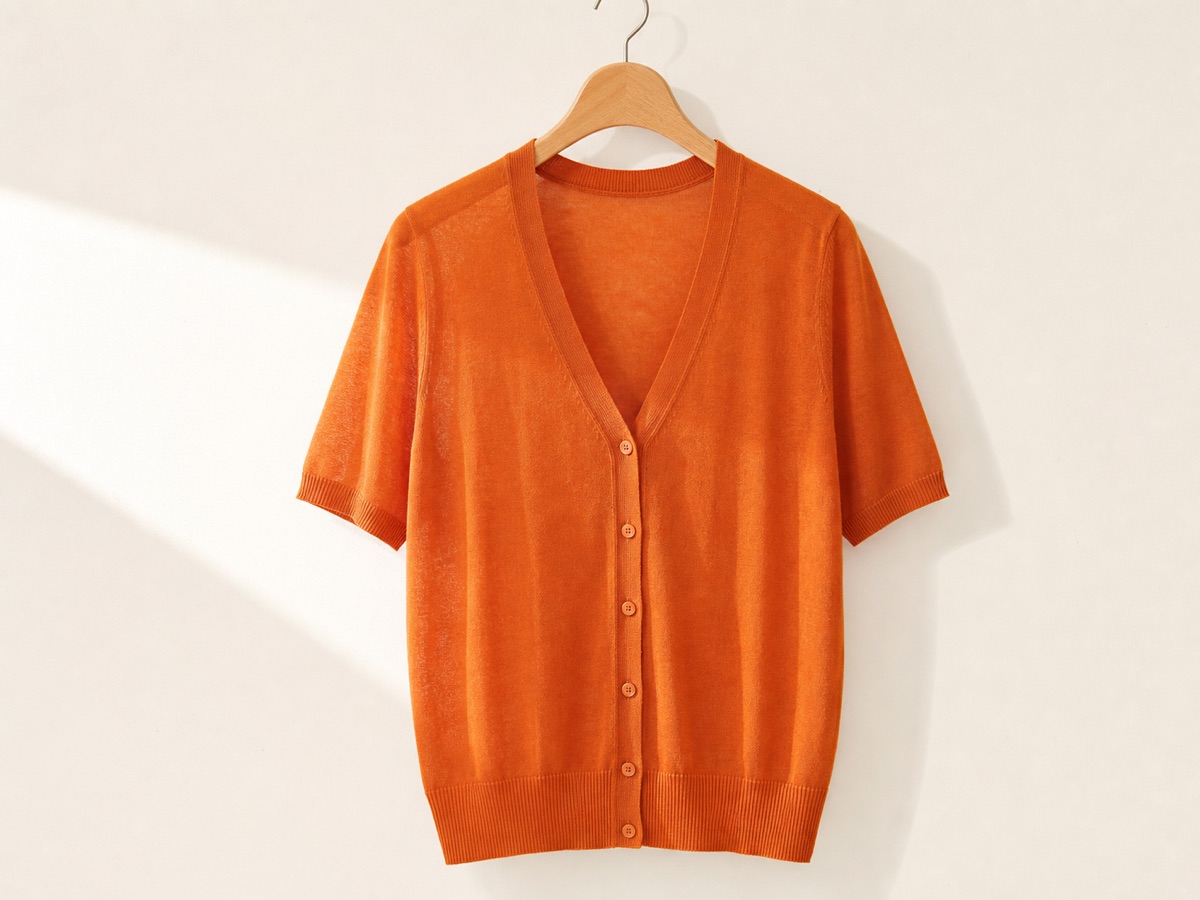
Balance gauge, stretch, recovery and opacity with the intended layering function and finished handfeel.
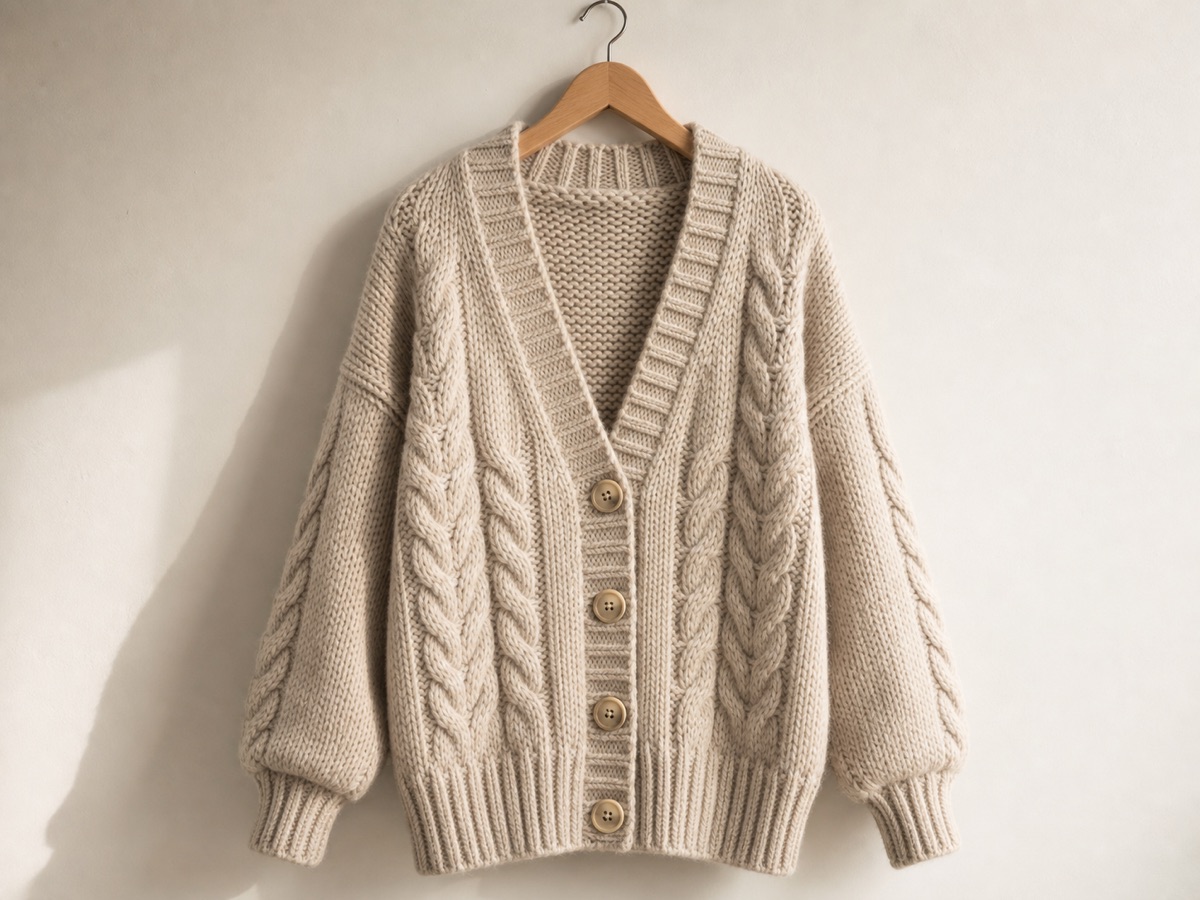
Assess cable scale, yarn weight, panel balance, seam bulk and closure choice before sample development.
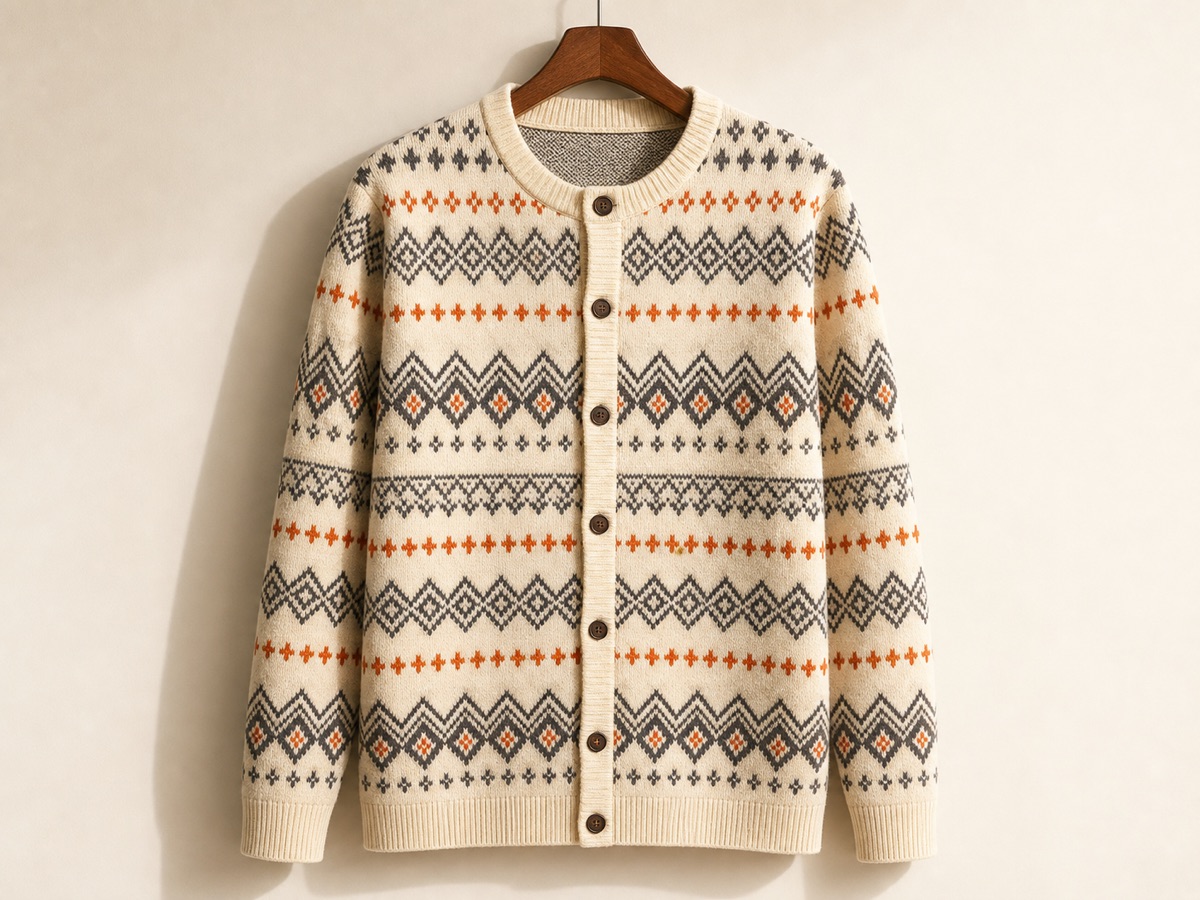
Review repeat scale, color count, placement, trims and decorative techniques for sample and bulk feasibility.
Specification control
A custom cardigan is not defined by one feature. Fit, material, gauge, stitch, front opening and trims must work as one specification before the sample can become a reliable bulk reference.
Body length, ease, shoulder, sleeve shape, hem position and size range.
Measurement logic, proportion, stretch and grading implications.
Neck shape, opening depth, placket width, overlap and edge finish.
Balance, stability, closure alignment and appearance when worn.
Plain, rib, cable, jacquard, intarsia, pointelle or mixed structures.
Gauge, repeat scale, weight, stretch, programming and bulk feasibility.
Button type, size, spacing, pockets, tipping, patches and other trims.
Attachment method, placement, sourcing requirements and order impact.
Color references, stripes, color blocks, logo treatment and label files.
Color matching route, placement, technique and material compatibility.
Size chart, sample size, colors and quantity by color and size.
Sampling scope, production allocation, material planning and feasibility.
Material decisions
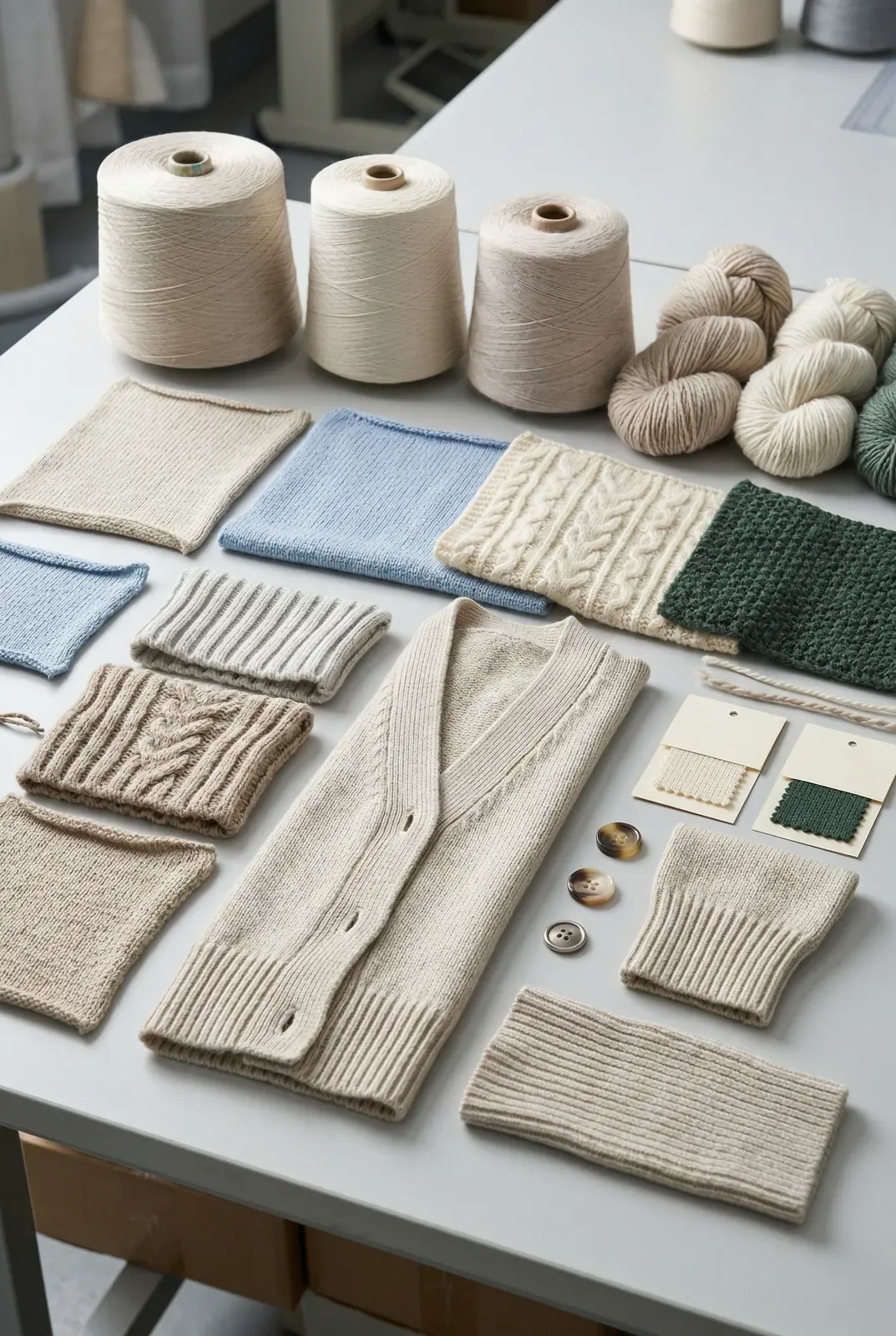
Material selection affects more than fiber content. Yarn count, gauge, stitch density and finishing direction influence weight, drape, recovery, front-edge stability and the final handfeel of a custom cardigan.
Share the target season, price position, handfeel, care expectation and any required composition. Available yarns, colors, minimums and documentation must then be confirmed for the individual project.
| Yarn direction | Buyer priority | Development review |
|---|---|---|
| Cotton & cotton blends | Breathability, season, structure and care | Composition, gauge, weight, color and recovery |
| Wool & cashmere blends | Warmth, softness and price position | Blend, handfeel, care, sourcing and order impact |
| Viscose & synthetic blends | Drape, surface, color and cost target | Stretch, recovery, weight and construction fit |
| Recycled yarn directions | Composition and documentation requirement | Current availability, color, minimum and valid evidence |
Cardigan specification is built above. The terms below are the factory conditions behind the programme.
Development workflow
Each stage should produce information that can be checked and carried forward. The sample is not only a visual reference; it is the point where fit, construction, trims and finishing decisions are aligned before bulk planning.
Review the design, reference, size range, quantity, material direction, branding and target timing.
Confirm the proposed yarn route, gauge, stitch, fit, opening, closure and key cardigan details.
Develop the agreed sample so the buyer can review shape, handfeel, measurements, placket, trims and appearance.
Record feedback and confirm which measurements, materials, structures, trims or finishing details require adjustment.
Lock the approved references, order breakdown, color, labels, trims, packing information and agreed production basis.
Use the approved information to guide production, finishing, inspection, packing and shipment preparation through the confirmed project route.
Brand handover
Brand components need their own files, placement information and approval route. Share these requirements early because custom buttons, labels, trims and packaging can affect sourcing and project timing.
Availability, minimums, development costs and approval timing are confirmed for the individual project and formal quotation.
Quotation inputs
A useful RFQ connects the product specification with the commercial order plan. Send the information available now, and identify any points that still need development review.
Start the review
The specification, sourcing conditions, quantities and requested timing are reviewed together before MOQ, sampling, lead time and commercial terms are confirmed.
Before you start
These answers explain what can be reviewed before an exact commercial proposal is confirmed.
Yes. For custom-made cardigan sweaters, a tech pack can be reviewed together with measurements, yarn direction, colors, trims, branding and target quantity. Any missing construction or material detail should be clarified before sampling so the sample is based on an agreed specification rather than an assumption.
A feasibility discussion can also begin with sketches, reference images, a physical reference or partial measurement information. The team still needs enough detail to identify the intended style, fit, material direction, quantity and development scope before confirming the next step.
Yes. Sample development allows the buyer to review fit, measurements, handfeel, front opening, buttons, stitch appearance, branding and finishing before bulk planning. Required revisions and the approval basis should be recorded so the confirmed information can be carried into production.
Cotton, acrylic, wool blends, cashmere blends, viscose blends and recycled-yarn directions are shown in the current company materials. Exact composition, gauge, color availability, documentation and order conditions must be checked against the individual design and current sourcing situation.
The practical MOQ can depend on yarn and color availability, size breakdown, stitch or structure complexity, custom trims and packing requirements. Send the quantity by style, color and size so the project can be assessed on its actual specification rather than a total number alone.
Timing can be affected by the completeness of the design information, yarn and trim sourcing, sample complexity, revision requirements, approval timing, order volume, finishing and packing. Exact timing should be confirmed after the specification and production basis have been reviewed.
The company materials show support for labels, hangtags, buttons, inner packing and carton preparation. Provide artwork, placement, dimensions and packing instructions early so sourcing, approvals, minimums and timing can be reviewed before bulk production is arranged.
Send the tech pack, sketch or reference; material or handfeel direction; size range; quantity by color and size; branding and packing needs; delivery destination; and target timing. The more specific the project information, the more useful the feasibility and quotation review can be.
Project review
Share the available design and order information so the team can review the product direction, development inputs and commercial feasibility before the next step is confirmed.
Use the website quote form to describe the project and attach the available tech pack or reference files.
Commercial terms and timing are confirmed only after the project information has been reviewed.