 CN Sweaters
If you are sourcing custom knitwear for a private label, the first thing to understand is that custom sweater MOQ is not a single fixed number. From a factory perspective, MOQ is a moving target shaped by yarn type, design complexity, color count, size ratio, trim development, and how flexible your delivery window is. This guide is written for private label brands, procurement managers, and clothing startups who want to plan custom sweater production realistically, avoid surprises during bulk, and negotiate with factories on terms that actually work.
We will walk through how MOQ is calculated, where the real cost drivers sit, what trade-offs are acceptable for low-volume buyers, and how to structure your tech pack so the factory can quote accurately. The goal is not to push a number down to zero, but to help you find the smallest viable order that still protects quality and margin.
What Determines a Custom Sweater MOQ?
The honest answer is that any factory quoting you a flat MOQ without seeing artwork is either oversimplifying or pricing in a buffer. A realistic sweater manufacturer evaluation guide will set MOQ per style, per color, and sometimes per yarn lot, because each of these inputs has its own minimum economic threshold. A 100-piece order in solid acrylic is a very different conversation from a 100-piece order in mélange merino with three intarsia colors.
The Factory Math Behind Custom Sweater MOQ
MOQ exists because a new knitwear style consumes setup work before bulk pieces leave the line: yarn allocation, programming, knitting trials, linking, washing, finishing and quality checks. The commercial effect is simple: the fewer approved units that carry that work, the higher the unit cost or the less flexibility a factory can offer. Ask each supplier to separate its style, colour, yarn and trim constraints rather than accepting one headline MOQ.
Where Buyers Most Often Misread Custom Sweater MOQ
Two buyer errors create avoidable surprises. The first is using MOQ as the only comparison point while ignoring the cost, yarn availability and approval route attached to it. The second is dividing a style across too many colours and sizes before the factory has confirmed a workable ratio. Treat the quote as a configuration: style, gauge, yarn, colour count, size curve, trims and delivery window should all be visible in writing.
How Does Yarn Choice Change a Custom Sweater MOQ?
Yarn is the largest single factor that pushes MOQ up or down. The judgment is straightforward: synthetic and high-volume blends generally allow lower MOQs, while natural luxury fibers and specialty blends usually require higher commitments because of dye-lot economics and yarn supplier minimums.
Stocked yarns versus dyed-to-order
Stocked yarn can remove a development dependency, while a made-to-order shade may introduce a mill allocation and approval step. Neither route guarantees a particular order minimum. Before the factory prices the garment, ask for the yarn name or code, available colours, minimum allocation, proposed waste allowance, reserve policy and the point at which the yarn order becomes non-cancellable.
Practical guidance by fiber family
Do not choose a fibre only because its initial MOQ appears lower. Confirm the hand feel, pilling target, care requirement, colour route and retail fibre claim together. For U.S. retail, most textile and wool products need labels that state fibre content, country of origin and the responsible business; build those decisions into the tech pack rather than correcting them after bulk approval. See the FTC apparel-labeling guidance.
How Much Does Design Complexity Change Custom Sweater MOQ?
Yes, and it often surprises buyers more than yarn does. Design complexity affects machine setup, programming hours, and per-piece knit time, all of which feed back into MOQ. A solid crewneck and a multi-color intarsia pullover may share a tech pack template, but the factory floor treats them as different products.
Use the construction profile below as a feasibility discussion, not as a universal price list. A supplier should confirm the actual machine programme, yarn route and colour split against your own brief.
- Plain or repeat programmes: usually give the buyer the clearest route to a small test order because programming and colour coordination are simpler.
- Texture, cable and engineered stitches: need a sample that proves gauge, recovery and panel dimensions before quantities are discussed.
- Jacquard and intarsia: make colour placement, floats and machine time part of the feasibility review; do not assume a solid-colour MOQ applies.
- Hand finishing or special embellishment: requires a separate capacity and consistency check because the manual operation can become the constraint.
The decision pattern is clear: as programming, colour coordination and manual handling increase, the buyer needs more evidence before accepting the MOQ. Match design ambition to the quantity you can sell, and ask the factory to identify the first constraint that would change the price or delivery date.
Color count and size ratio
Each additional colorway essentially creates a sub-MOQ. Adding a fifth color to a four-color program may seem minor, but it can trigger another dye lot and another machine setup. Size ratio matters too: a balanced S/M/L/XL spread is easier to schedule than a heavy XS or 2XL skew, which can require separate grading runs.
How Sampling Cost Relates to Custom Sweater MOQ
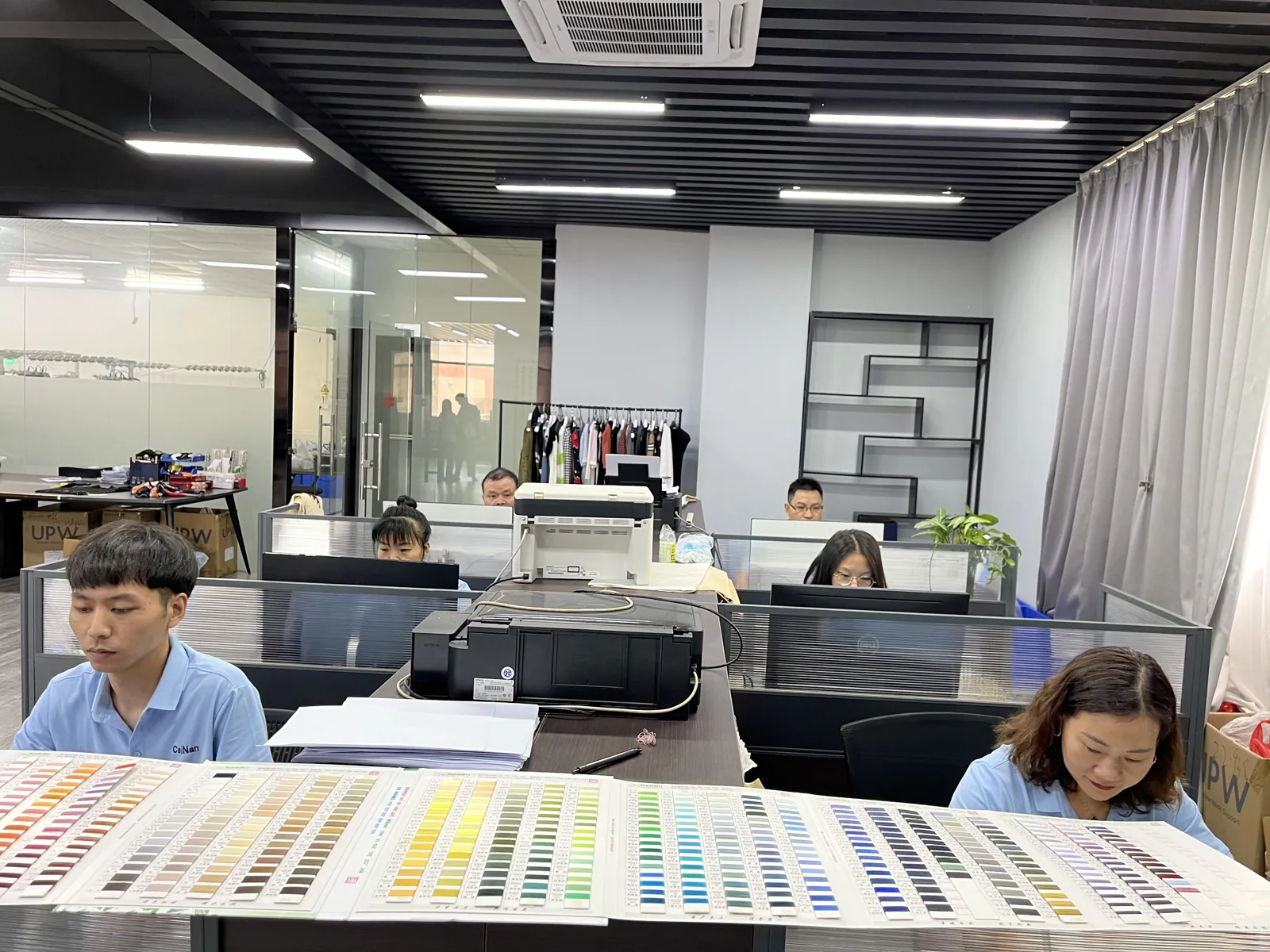
Plan sampling as a sequence of approvals, not as a fixed calendar promise. The first sample proves construction and appearance; the PP sample should lock the production yarn, colour, measurements, workmanship points and label placement. Quote timing only after the supplier has received a usable tech pack, reference materials and a clear feedback owner.
Stages of knitwear sampling
A typical custom knitwear sampling flow has three stages. The first is a proto sample, sometimes in available yarn rather than final yarn, used to validate construction and fit. The second is a pre-production (PP) sample in correct yarn and color, used for sign-off. The third, less universal, is a size-set sample to validate grading. Brands often try to skip the PP sample to save time; we generally do not recommend this for first-season styles, because the cost of a bulk fit error is far higher than the cost of one extra sample round.
Sampling fees and what they cover
Sample fees normally reflect yarn sourcing, programme development, technician time and finishing. Ask whether the fee is credited against bulk, what change requests trigger a new charge, and which inputs are included. If you intend to make a certified-material claim, obtain the relevant chain-of-custody documents before bulk; the Textile Exchange Content Claim Standard explains the role of documented material tracking in substantiated claims.
How Custom Sweater MOQ Affects Production Time
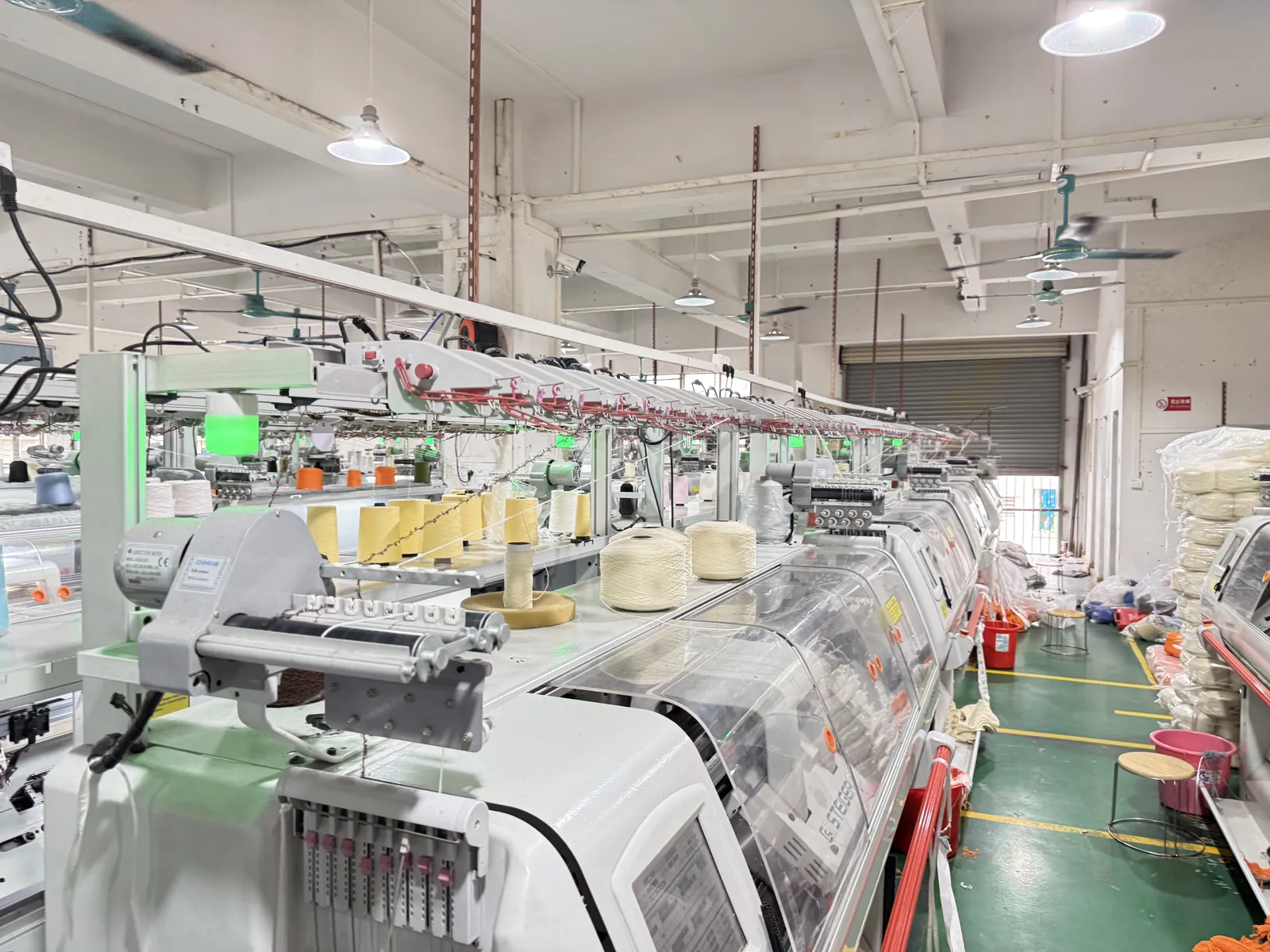
A production calendar depends on whether the yarn is available, when the PP sample is approved, the machine plan, trims, inspection hold points and freight choice. Work backwards from the retail receipt date and give the supplier a dated milestone plan: yarn confirmation, programme release, PP approval, bulk start, inline check, final inspection, packing and handover. The factory should identify which milestone can move the ex-factory date.
Breaking down the lead time
Yarn, trims and approvals can each become the critical path. The buyer’s practical control is to record who owns each approval, the evidence required to close it and the date at which a change affects capacity. This is more useful than relying on a generic lead-time range, because the same style can follow a different route when the yarn colour or programme changes.
Shipping and the full delivered timeline
Choose the shipping mode only after you know the approved ex-factory date, carton information and destination requirement. Confirm the handover terms, documents, buffer and ownership of any delay with your forwarder. A launch date is protected by an approved critical path, not by an early estimate copied from another order.
When Does a Lower Custom Sweater MOQ Make Sense?
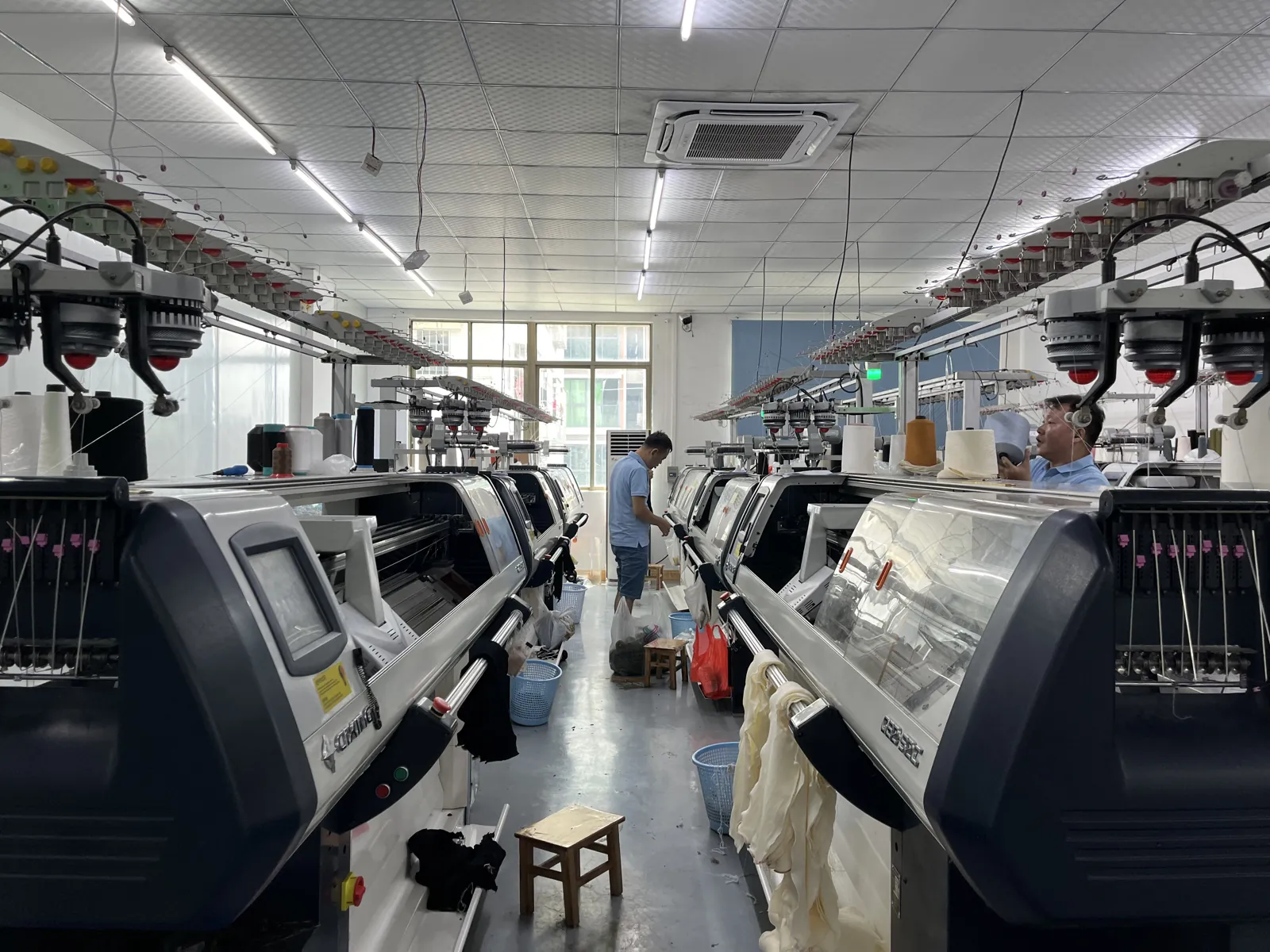
A lower MOQ can be commercially sensible for a first fit test, a limited launch or a controlled reorder trial. It normally trades lower inventory exposure for less price leverage and fewer colour or yarn options. Use it when the evidence you need is customer demand or fit acceptance; do not use it to avoid completing the sampling and approval work.
Good cases for low MOQ
Use a low MOQ when you have a narrow SKU plan, a defined sell-through hypothesis and a decision date for scaling. Keep the first order’s colours and sizes sufficiently concentrated for the supplier to quote honestly. A buyer who is still testing a factory can compare the documents and approval gates in this low-MOQ knitwear manufacturer guide before treating a small initial run as a commitment.
When higher MOQ is the smarter choice
Move to a larger quantity only when the reorder forecast, yarn position and cash plan support it. The buyer should compare the unit-price change against the cost of holding inventory and the risk of a new dye lot later. Ask the supplier to state whether the volume changes yarn allocation, production sequence, inspection access, payment stages or the period for which the factory can hold a repeat programme.
How Can Buyers Reduce Bulk-Order Risk?
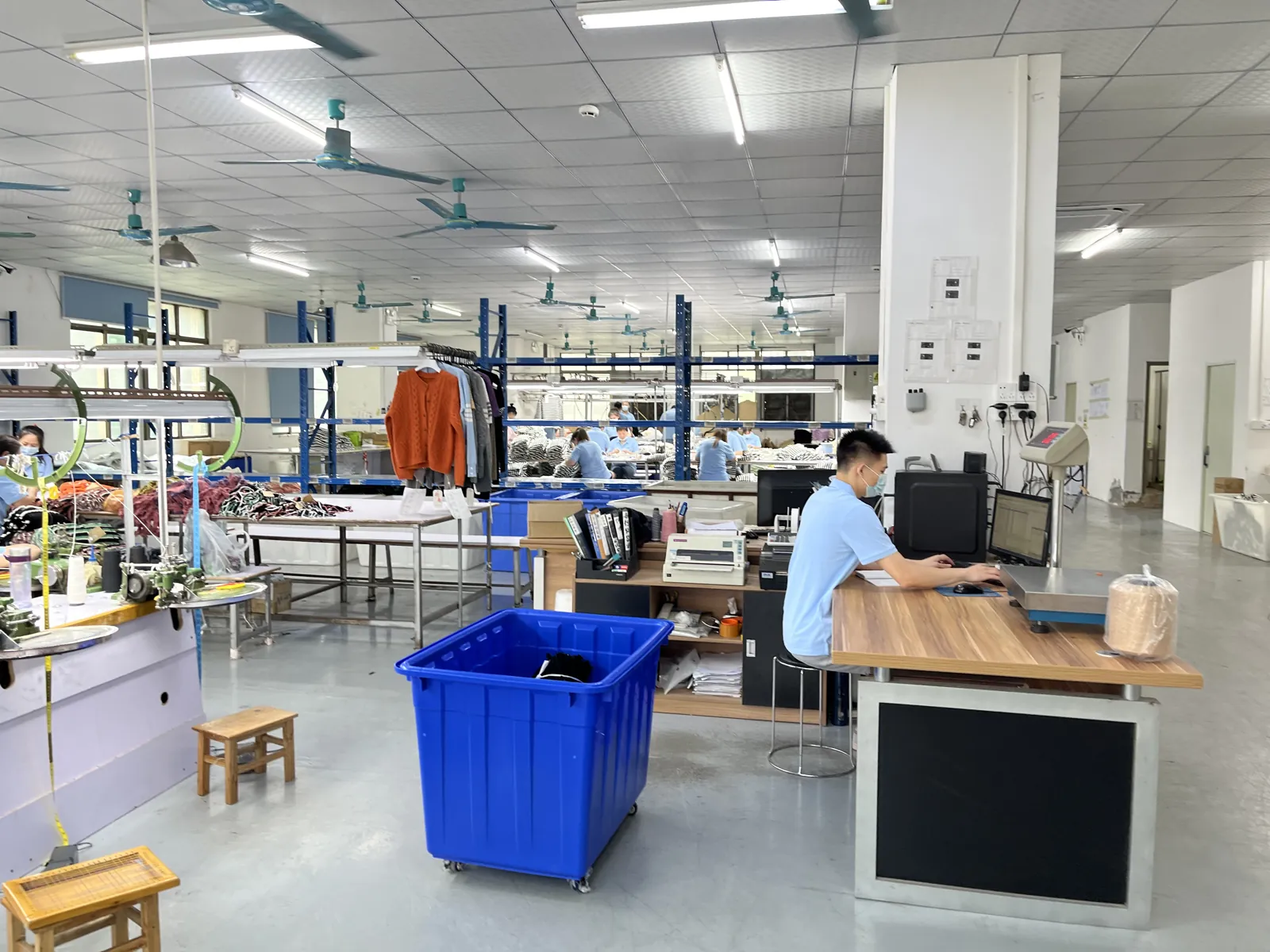
The most effective way to reduce bulk risk is to over-invest in the pre-production stage: complete tech packs, signed-off PP samples, written quality standards, and a clear inspection protocol. Most bulk problems are traceable to ambiguity in the development phase, not to factory negligence in production.
Quality control checkpoints
Before bulk, write the inspection plan into the purchase order: approved PP sample reference, measurement tolerances, appearance standards, colour reference, test requirements, sampling method, defect classification, rework route and the person who can release shipment. For first-time supplier relationships, agree whether an independent inspector will attend and how a failed inspection changes the delivery plan.
Reorders and refill planning
A reorder can remove development work only if the programme, yarn, colour, trims and specifications remain controlled. Confirm what the supplier has retained from the first run, whether the original yarn can be matched, and which changes require new approval. Your next PO should be based on the approved production record, not on an old email thread.
Conclusion: What Should Buyers Confirm Before Approving MOQ?
Custom sweater MOQ is a calculation, not a wall. The right number for your project sits at the intersection of yarn availability, design complexity, color and size strategy, sampling discipline, and how much risk you are willing to carry on inventory. Brands that treat MOQ as a planning input rather than a barrier consistently get better pricing, cleaner production, and fewer bulk surprises.
What should a buyer send for a decision-ready MOQ quote?
Send one controlled package rather than scattered messages: technical sketch, measurements and tolerances, gauge and stitch direction, fibre composition, yarn or swatch reference, colour codes, size ratio, labels and trims, packaging, target quantity by style and colour, destination, target receipt date, and a clear approval owner. If supplier selection is still open, use the sweater manufacturer evaluation guide to compare quotation assumptions. If the first order is deliberately small, check the low-MOQ sourcing checklist. A complete knitwear tech pack prevents a factory from pricing a guess, while the sample-to-bulk control guide helps keep the approved result intact.
Which release gates protect the buyer before bulk starts?
Set the commercial release gate before the factory books bulk capacity. The quote should name the style, yarn code or approved swatch, colour route, gauge, size curve, quantities by colour, trim specification, sample stage, Incoterm, payment trigger and expected ex-factory date. If any element is still provisional, mark it as a dependency rather than allowing it to disappear inside a headline MOQ. The supplier’s written response should show what changes if the yarn is unavailable, the colour allocation is reduced or the size mix becomes impractical.
Set the technical release gate with an approved PP sample and a frozen technical file. Buyers new to the category can cross-check the factory sequence in this how sweaters move from yarn to garment guide. For private-label teams, the relevant comparison is not simply who accepts the smallest run; it is who can document development, approvals and communication in a way that fits the brand’s operating model. This private-label knitwear manufacturer comparison outlines the evidence worth requesting.
Finally, set the shipment release gate: final inspection evidence, label and packing confirmation, carton data, balance-payment condition and freight handover. Do not let a rush to protect a launch date bypass a failed approval. When the buyer and factory agree those gates early, MOQ becomes a controlled starting quantity rather than an ambiguous promise.
For U.S.-bound orders, include your intended fibre claim, label content and country-of-origin information in the brief. The FTC textile-labeling guidance explains why those records belong in the production file. Where an importer must establish supply-chain compliance, use the relevant CBP UFLPA guidance to decide what traceability evidence it needs.
Approve the MOQ only after the supplier has returned that brief with a specific configuration, assumptions, sample route, approval points and delivery dependencies. This turns the number into a decision you can audit at bulk and reorder stage.
Frequently Asked Questions: Custom Sweater MOQ
What is the lowest realistic MOQ for a custom sweater?
There is no transferable “lowest” MOQ. A solid style in an available yarn may be a feasible test order at one factory and uneconomic at another because the programme, colour route, size split and production calendar differ. Ask for the minimum by style, colour and yarn, together with the price and conditions that apply below the preferred production quantity.
How long does sampling take and what files do you need?
Sampling timing should be quoted against the actual brief and approval sequence. The factory needs a complete tech pack, construction and measurement specifications, colour direction, yarn reference, artwork files and trim references before it can give a reliable plan. Name one feedback owner and return consolidated comments; incomplete or conflicting inputs are a common source of delay.
Can I split MOQ across multiple colors or sizes?
Often, but only within the supplier’s confirmed colour and size rules. Ask the factory to show the proposed quantity by colour and size, the yarn allocation behind it, and the cost or lead-time consequence of moving units. A split that looks acceptable at style level can be unworkable once each colour and size is programmed.
What are the main risks in bulk production and how do I reduce them?
The main risks are colour variation, measurement drift, workmanship inconsistency and a late change to the critical path. Reduce them with a signed PP sample, written tolerances, a defined inspection method, documented colour reference and named release points before shipment. For a new supplier, agree in advance whether an independent inspection is required and how non-conformities will be closed.
Can I do a reorder of an existing style faster than a new style?
Usually, provided the approved programme, yarn, colour, trims and specifications are still available and unchanged. Confirm what the factory has retained from the original order and whether a new dye lot, programme update, sample or trim approval is needed. A production record and early forecast provide a more reliable reorder route than an assumed “standard” lead time.