 CN Sweaters
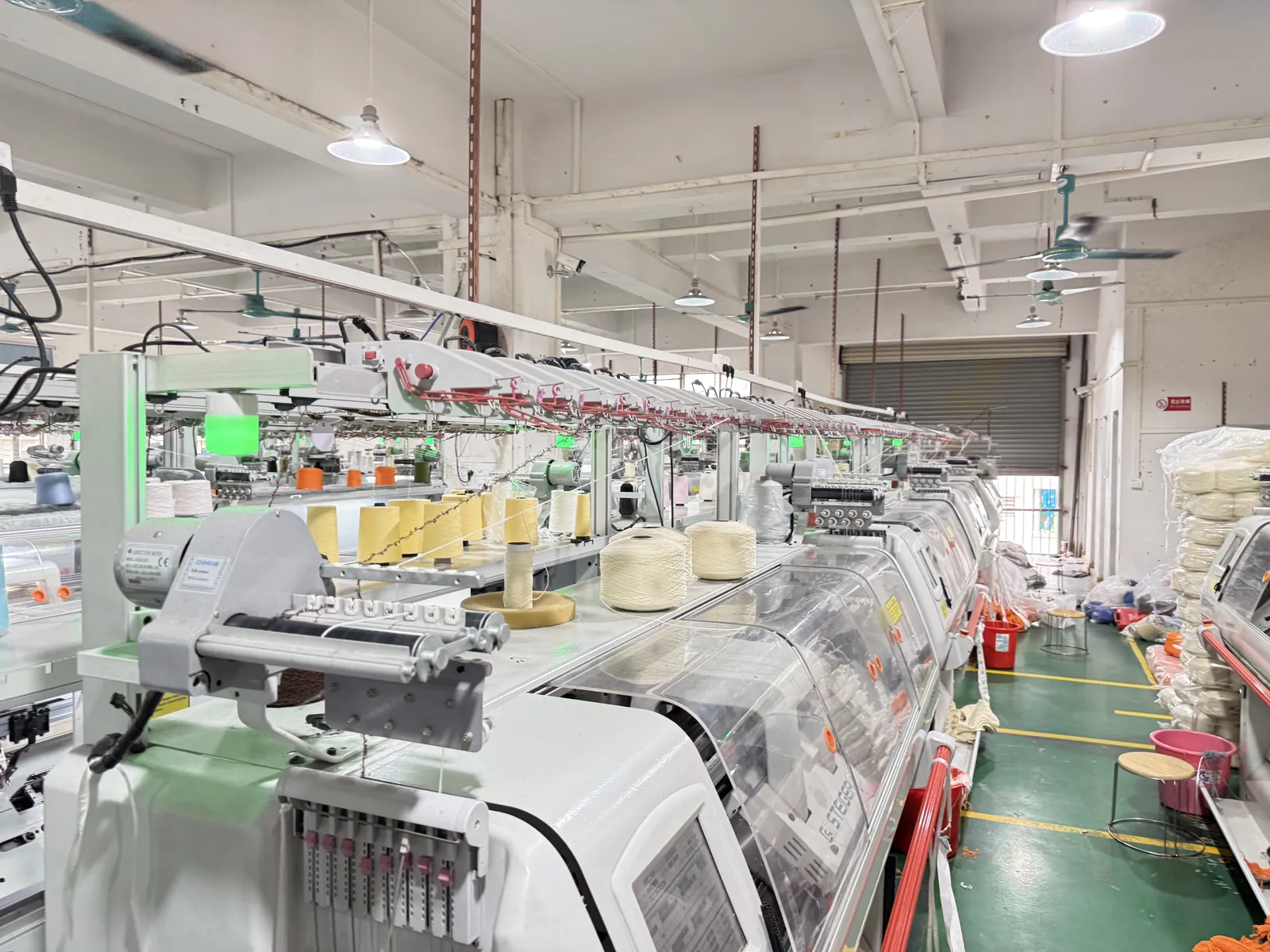
A pre-RFQ sweater manufacturing cost estimate is not a fixed price. It is a feasibility check based on yarn, gauge, stitch complexity, quantity, wastage, trims, packaging, and timing. If a buyer asks only for a unit price without confirming those variables first, the quote may look fast, but it will not be a strong basis for planning margin, delivery, or production risk.
From a factory perspective, the goal of early cost estimation is not to promise an exact number before development starts. It is to help you decide whether the project fits your budget, whether your target retail position is realistic, and which inputs matter enough to lock before you approach a sweater factory. That matters even more for bulk knit sweaters, because small changes in yarn type, knit structure, or color setup can shift the cost direction before production begins.
When buyers do this step well, RFQs become more comparable, sample revisions are easier to control, and internal teams can align finance, product, and sourcing earlier. When they skip it, they often end up comparing quotes that are built on different assumptions.
What should a sweater manufacturing cost estimate include?
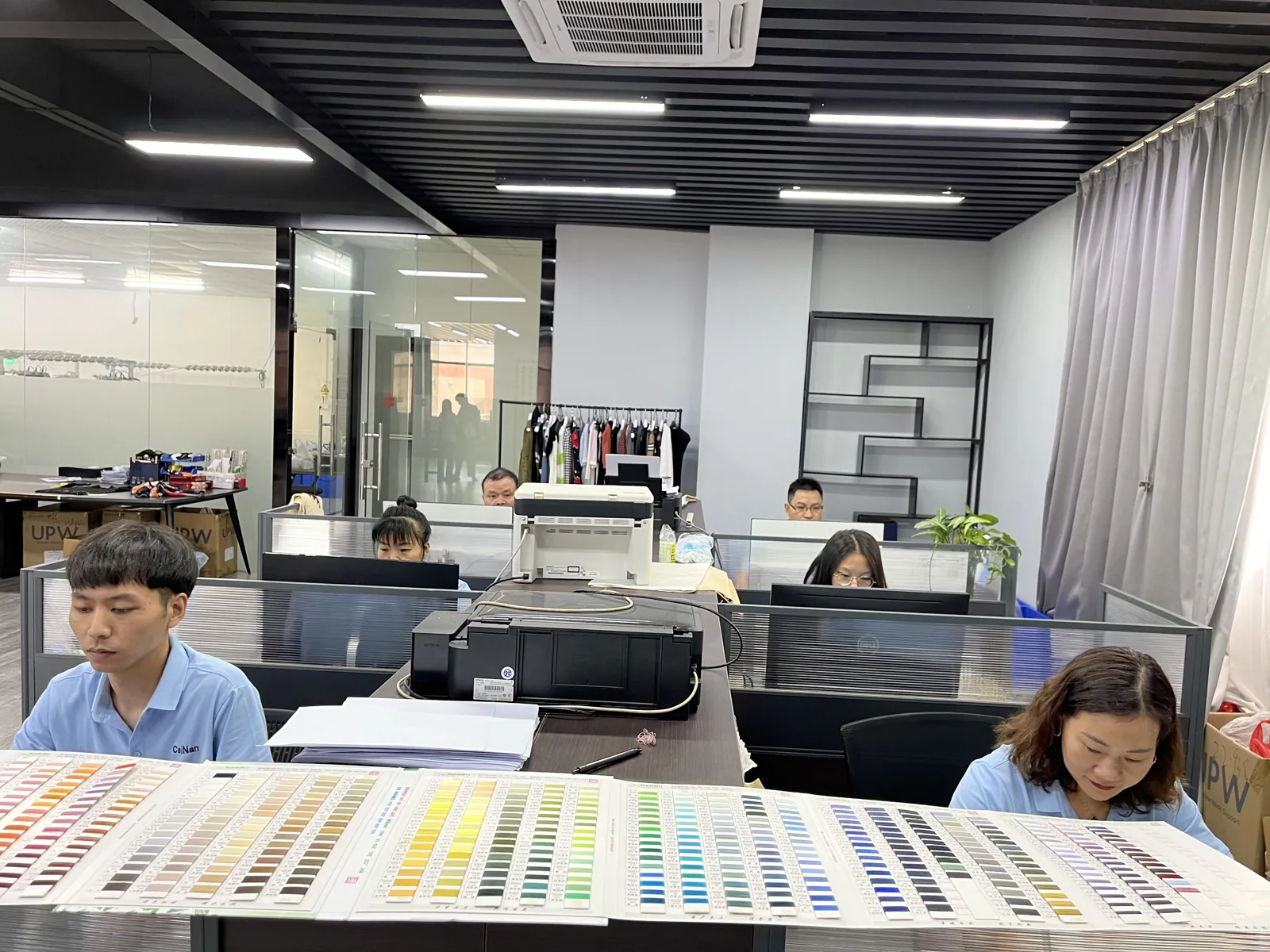
A useful sweater manufacturing cost estimate should include every variable that changes material usage, machine time, labor time, or post-knitting handling. If one of those areas is still vague, the estimate should stay as a working range rather than a fixed offer.
Yarn and material choice comes first
In knitwear, yarn cost usually sets the direction of the whole budget. Fiber type, yarn count, blend ratio, dye method, and whether the yarn is stock-supported or custom sourced can all move the cost before the garment is even programmed. As noted in CottonWorks’ knit textile design overview, finer yarns are generally more expensive than coarser ones, and spinning method also affects yarn cost. For a buyer, that means “soft hand-feel” is not enough information for cost planning. You need to define the likely fiber family and quality level first.
Gauge, stitch, and garment weight shape consumption
The same silhouette can land in very different cost brackets depending on gauge and stitch structure. A chunky cable sweater usually consumes more yarn than a lighter fine-gauge pullover, but fine-gauge styles can still require tighter control and slower development. On the factory side, we usually look at the expected garment weight, not only the sketch, because weight gives a more practical signal of yarn usage and shipping impact.
Trims, labels, packaging, and testing are not minor details
Buttons, zippers, embroidery, branded labels, hangtags, polybags, carton rules, and compliance requirements all affect the real quote. Maker’s Row’s production budgeting guidance makes the same point from a budgeting angle: small component choices can raise the production cost faster than many new brands expect. For B2B buyers, this means the right question is not “What is your sweater price?” but “What is included in the manufacturing scope?”
A practical estimate should therefore separate core garment cost from optional add-ons. That makes it easier to compare suppliers and avoid scope drift later.
How Does Yarn Change Sweater Manufacturing Cost?
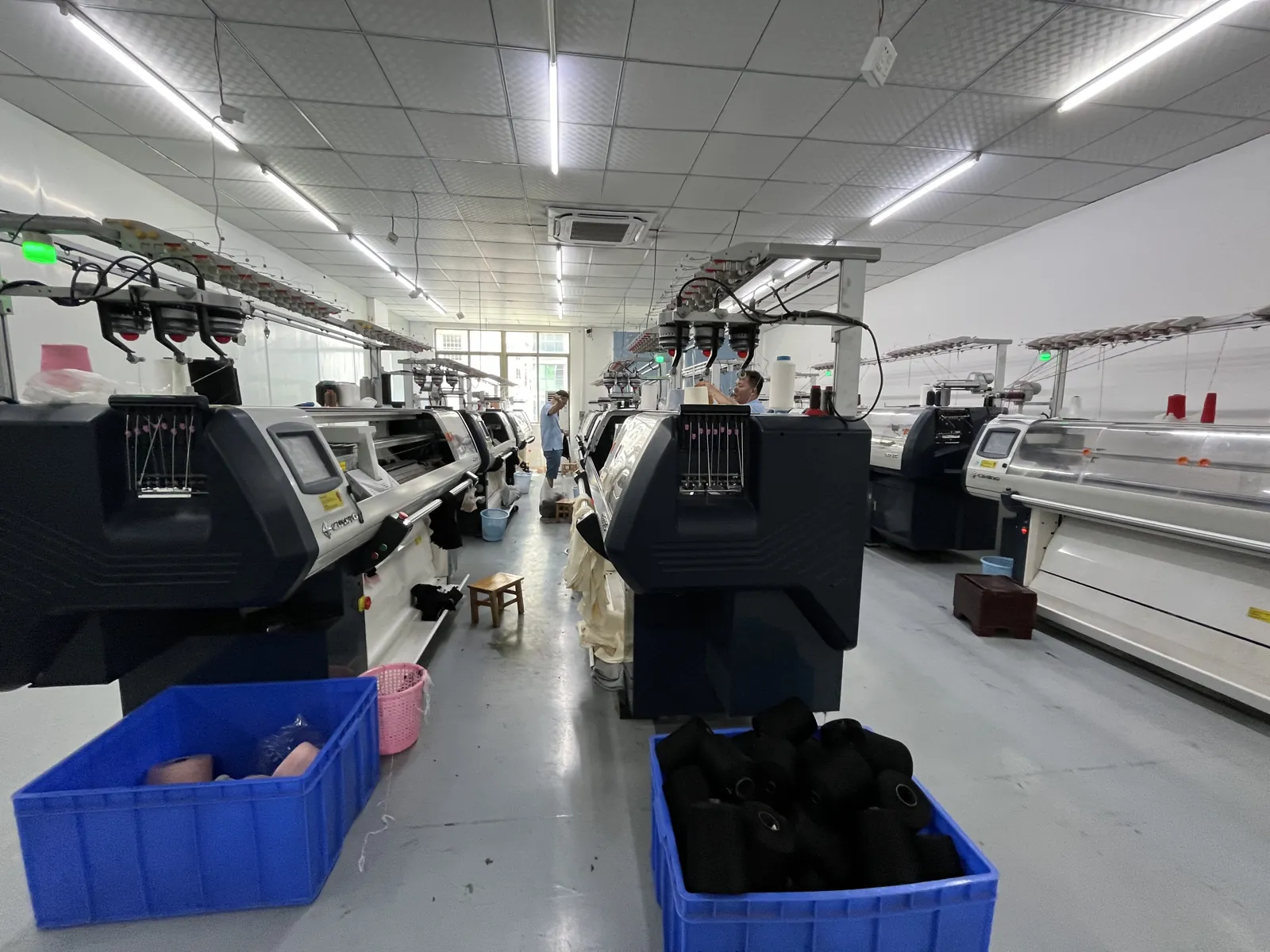
Yarn cost moves quickly because it is not just about fiber name. It reflects the material grade, yarn count, sourcing method, dye route, minimum purchase requirement, and how much waste the program creates across sample and bulk stages.
Fiber category does not tell the full story
A cotton sweater, wool blend, viscose blend, or cashmere blend may sound straightforward at concept stage, but cost still depends on the exact specification. Even within one fiber family, finer counts, longer staple fibers, and different spinning methods can change the budget. CottonWorks points out that finer yarns cost more than coarser ones, and ring-spun yarns cost more than open-ended yarns. For procurement teams, that means two sweaters described as “cotton knit” can sit in very different cost ranges.
Color planning can create hidden waste in sweater manufacturing cost planning
Color affects cost in two ways. First, custom dye or low-volume shades can raise material cost. Second, too many colors in small quantities can create leftover yarn and poor purchasing efficiency. This matters before RFQ because the cost problem may come from order fragmentation rather than from the garment itself. If you are testing the market, a narrower color plan often gives a more reliable starting estimate than a broad launch palette.
Yarn availability changes feasibility, not only price
From a factory perspective, one of the most useful early questions is whether the yarn can be sourced from stock or needs special development. Stock-supported yarns usually make early costing more stable. Custom sourcing can still make sense, but the estimate should reflect longer lead time, possible dye minimums, and a wider tolerance at quotation stage.
This is why buyers planning custom knit sweaters should confirm yarn preference early, even if the final lab dip or hand-feel approval comes later. The procurement meaning is simple: if the yarn route is unclear, the quote is still only directional.
How do gauge, stitch, and construction change labor and machine time?
Gauge, stitch, and construction can change the cost even when the garment shape looks similar on paper. In knitwear, the visual design is only part of the factory workload. The production route matters just as much.
Gauge affects both look and manufacturing control in sweater manufacturing cost planning
A heavier 3GG to 5GG sweater and a lighter 12GG to 14GG sweater do not only use different yarn quantities. They also behave differently during programming, knitting, linking, finishing, and measurement control. On the sweater manufacturing program, fine-gauge sweaters are positioned as lighter and more precise, while heavier gauges typically consume more yarn. For buyers, that means gauge should be treated as a commercial decision, not only a design choice.
Complex stitch structures slow output
According to CottonWorks’ explanation of knit construction, jersey is faster to knit, while more complex constructions run slower because of how the machine alternates needle action. The same logic applies in commercial sweater development. Jacquard, intarsia, cable, pointelle, and engineered details can improve product identity, but they usually require more programming attention, more setup discipline, and more quality control in bulk.
Construction method also changes cost logic in sweater manufacturing cost planning
Fully fashioned construction, cut-and-sew knit panels, and added craft processes do not sit in the same cost structure. On the OEM/ODM services page, the workflow from RFQ to sampling, PP approval, bulk, and QC is clearly separated because each step carries its own labor and control requirement. From a factory perspective, a style with simple silhouette but difficult stitch placement can cost more than a more basic-looking buyer expects.
This is the procurement takeaway: if two suppliers quote different prices, the difference may come from different assumptions about gauge, construction, or finishing standard rather than from markup alone.
Which variables usually matter most before you ask for a quote?
Before sending an RFQ, buyers do not need every technical detail locked. They do need the variables that most strongly move price direction. The table below shows the inputs that usually change sweater cost early in the decision process.
| Cost driver | What usually happens | Why buyers should confirm it early |
|---|---|---|
| Yarn type and count | Changes raw material cost quickly | It sets the baseline budget and affects lead time |
| Gauge and stitch | Changes yarn usage and machine efficiency | It influences both look and manufacturing difficulty |
| Quantity by color and size | Changes MOQ efficiency and line allocation | It affects unit cost more than total quantity alone |
| Garment weight | Changes yarn consumption and freight | It helps finance and sourcing estimate landed cost |
| Trims and branding | Adds component and handling cost | It prevents under-quoting on labels, buttons, and packaging |
| Sample rounds | Adds development time and waste | It affects launch timing and approval planning |
| Delivery window | Peak season can tighten cost and capacity | It changes material booking and production scheduling |
The main point is that buyers should not focus on one cost driver in isolation. For example, low quantity is not always the only reason a quote feels high. A moderate quantity with many colors, custom yarn, branded packaging, and a narrow delivery window can become less efficient than a larger but simpler order.
That is why a good RFQ package should describe the commercial shape of the project, not just the design idea. When the cost drivers are visible early, the supplier can tell you which part is the real constraint and which part still has room to optimize.
How Do MOQ and Timing Change Sweater Manufacturing Cost?
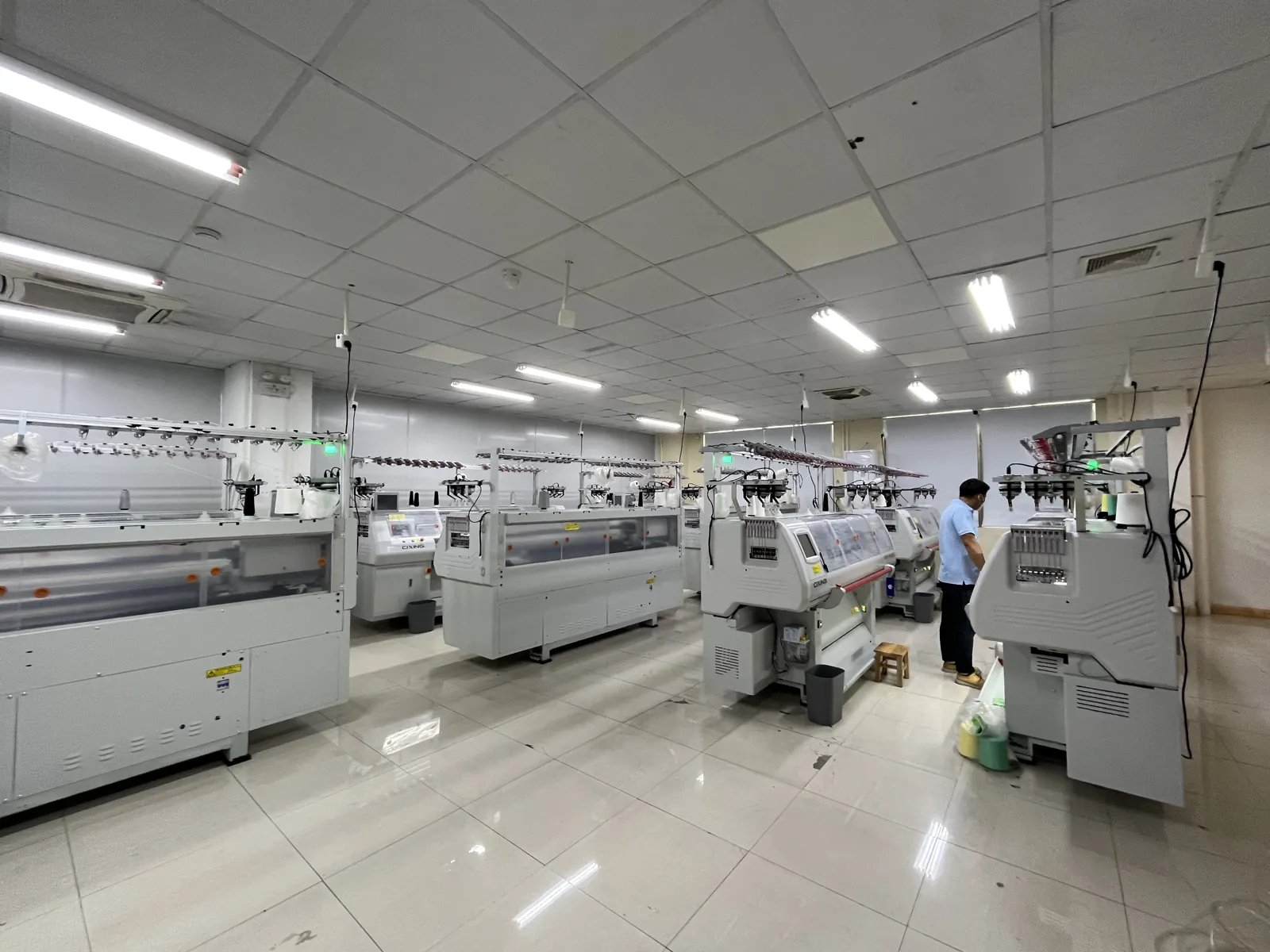
MOQ and timing are cost factors because they affect purchasing efficiency, machine allocation, labor planning, and material waste. They should be treated as part of the quote logic, not as separate operational details.
MOQ is about how the order is split
On the published MOQ and lead time page, MOQ is explained through style, color, and size ratio rather than through one flat number for every project. That is the right way to read MOQ in knitwear. If a buyer orders one style in two colors with a tight size run, the cost logic is different from a buyer ordering the same total pieces across many color and size splits.
For procurement teams, this means a “small order” can still be relatively workable if the style is simple and the order structure is clean. On the other hand, a larger order can remain inefficient when it is fragmented across too many variants.
Timing affects raw materials and factory capacity
The same internal page also notes that sample development typically takes a few days and bulk production moves in different ranges by quantity, with peak season from August to January. The cost meaning is important: if you book late in peak season, you may face higher raw material pressure, tighter line planning, and less room for revision. That does not mean every late order becomes expensive, but it does mean the estimate should carry more caution.
Sample and PP approval shape the real schedule
From a factory perspective, development time is not dead time. Sample revisions, yarn confirmation, fit correction, and PP approval are part of the cost control process because they prevent bulk errors. If the approval path is loose, the risk simply moves downstream into rework, delivery stress, or quality disputes.
So when buyers calculate sweater manufacturing cost before RFQ, they should include calendar assumptions, not just unit assumptions. That is how you judge whether the project is commercially realistic.
How can buyers estimate feasibility without forcing a fake unit price?
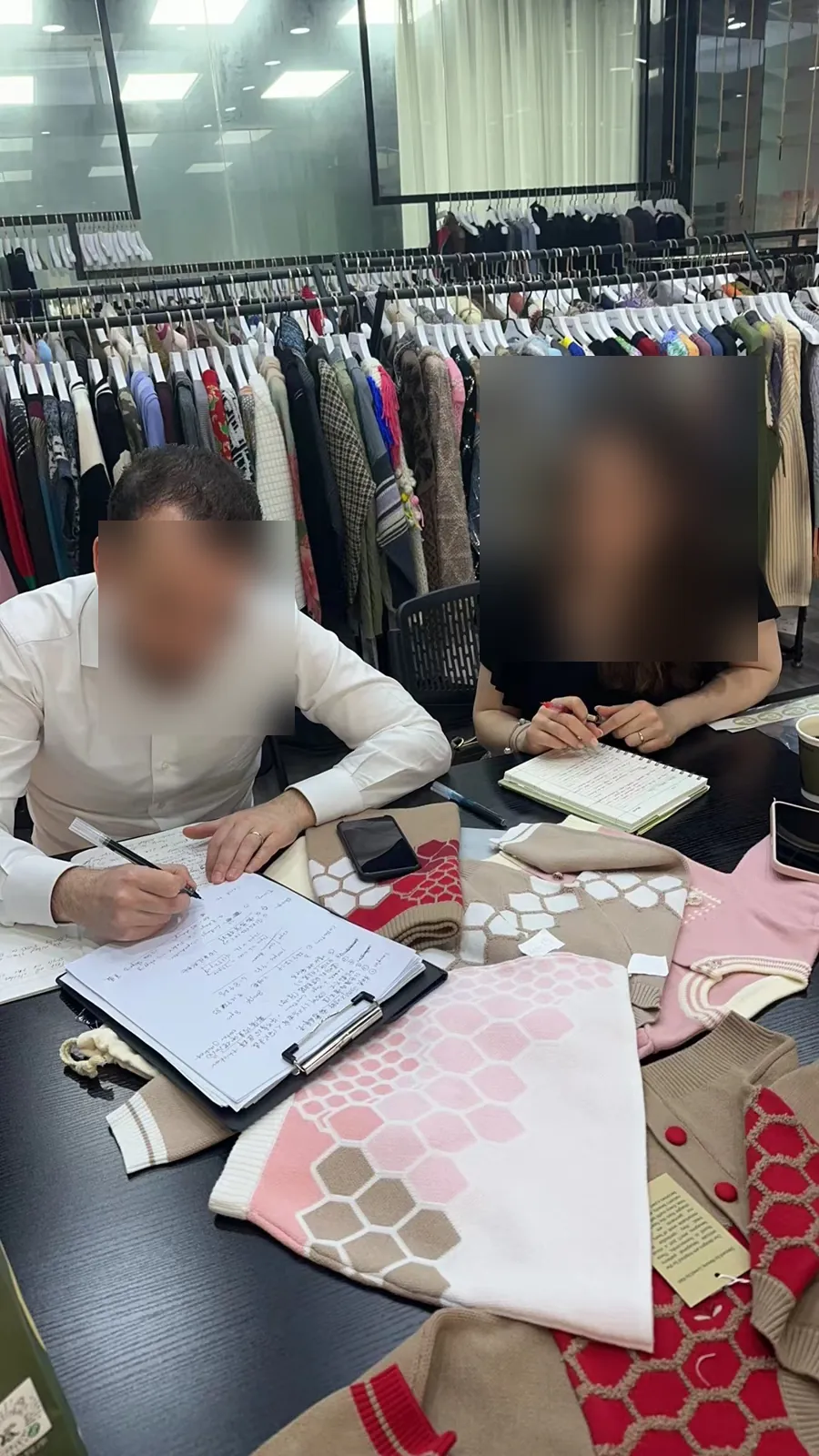
The best way to estimate feasibility is to build a decision range, not to push for a single unit price too early. A fake fixed price may feel convenient, but it usually hides the variables that will later reopen the negotiation.
Start with a target range, not a target fantasy in sweater manufacturing cost planning
A workable pre-RFQ estimate usually starts with three layers: expected yarn level, expected garment complexity, and expected order structure. Once those are defined, finance and sourcing teams can test whether the target gross margin still makes sense. If your target price only works with lower-weight yarn, simpler stitches, or fewer colors, that is useful to know before sampling begins.
Separate must-haves from negotiables
Buyers often get better results when they split the brief into non-negotiable items and flexible items. Non-negotiables may include silhouette, gauge direction, key yarn preference, target ship window, or brand packaging requirements. Flexible items may include exact stitch placement, trim upgrades, extra colorways, or optional embellishment. This helps the sweater factory quote a realistic base version first and then price upgrades clearly.
Send the right RFQ inputs from the beginning
A practical RFQ does not need to be perfect, but it should include the basics:
- garment type and target fit
- tech pack, artwork, or reference images
- expected quantity by color and size ratio
- yarn preference or at least fiber direction
- target price range
- target delivery date
- branding and packaging requirements
If you are still at concept stage, a capable knitwear manufacturer can often help narrow the cost range, but the estimate will become much more useful once those inputs are defined. For B2B teams, that early discipline is what turns costing into a sourcing tool instead of a guessing exercise.
Conclusion
Estimating sweater manufacturing cost before RFQ is mainly about understanding cost structure, not chasing an exact price too early. Yarn cost, gauge, stitch complexity, quantity split, wastage, trims, packaging, and timing all work together, so the right first step is to identify which variables are already fixed and which ones still need a commercial decision.
From a factory perspective, the most useful early estimate helps you answer three questions: Is the project feasible, is the target budget realistic, and which trade-offs are worth making before sampling starts? If you want a more practical quote, send your artwork or tech pack, garment type, quantity by color and size, yarn or fabric choice, target delivery date, and any branding requirements through our OEM knitwear inquiry process. That gives the supplier enough detail to price the project on real assumptions rather than on guesswork.
FAQ
Can I estimate sweater manufacturing cost without a tech pack?
Yes, but the estimate will be broader. A reference sample, clear front and back images, target gauge direction, yarn preference, and quantity split can still support an early feasibility range. The more precise your inputs are, the easier it is to separate likely base cost from optional upgrades.
Why do two factories quote very different prices for a similar sweater?
They may be pricing different assumptions. Yarn quality, gauge, stitch method, labeling, packaging, sample rounds, and delivery timing can all change the quote. Before comparing prices, make sure both suppliers are quoting the same construction scope and approval standard.
Does MOQ only affect small brands in sweater manufacturing cost planning?
No. MOQ affects any buyer when the order is split across too many colors, sizes, or yarn routes. Even established brands can lose efficiency if a program is fragmented. MOQ is really a production-structure issue, not only a brand-size issue.
Should I ask for air, sea, or rail shipping at quotation stage?
If delivery timing matters to margin, yes. Freight is not the same as factory price, but shipping mode changes landed cost and planning logic. A sourcing team should at least flag the likely shipment method before approving the budget.
What information helps a factory give a practical quote fastest?
The most useful package usually includes garment type, tech pack or artwork, quantity by color and size, yarn or fiber direction, target price, target ex-factory or delivery date, and private label or packaging requirements. That is enough to move from a rough estimate to a more decision-ready quote.