 CN Sweaters
AQL inspection is not a quality guarantee. It is a statistical rule for accepting or rejecting a sweater shipment based on a sample, and treating it as anything more is where most buyer-supplier disputes begin. From a factory perspective, the orders that move smoothly through final inspection are not the ones with the strictest AQL on paper, but the ones where defect classifications, sampling levels, measurement tolerances, and rework boundaries were fixed in writing before the first cone of yarn was knitted.
Sweaters add complications that woven garments do not have. Pilling tendency, panel-to-panel shading on yarn-dyed pieces, linking irregularities, dimensional movement after washing, and natural fiber variation all sit in a grey zone between “acceptable craft” and “major defect.” If a buyer signs off on AQL 2.5 major / 4.0 minor without defining what counts as each, the result on inspection day is predictable: arguments, partial holds, or worse, a shipment released that should not have been.
This piece walks through how AQL actually functions on a sweater production floor, where it protects buyers, where it does not, and what should be locked down before bulk knitting begins.
What does AQL inspection really mean for a sweater order?
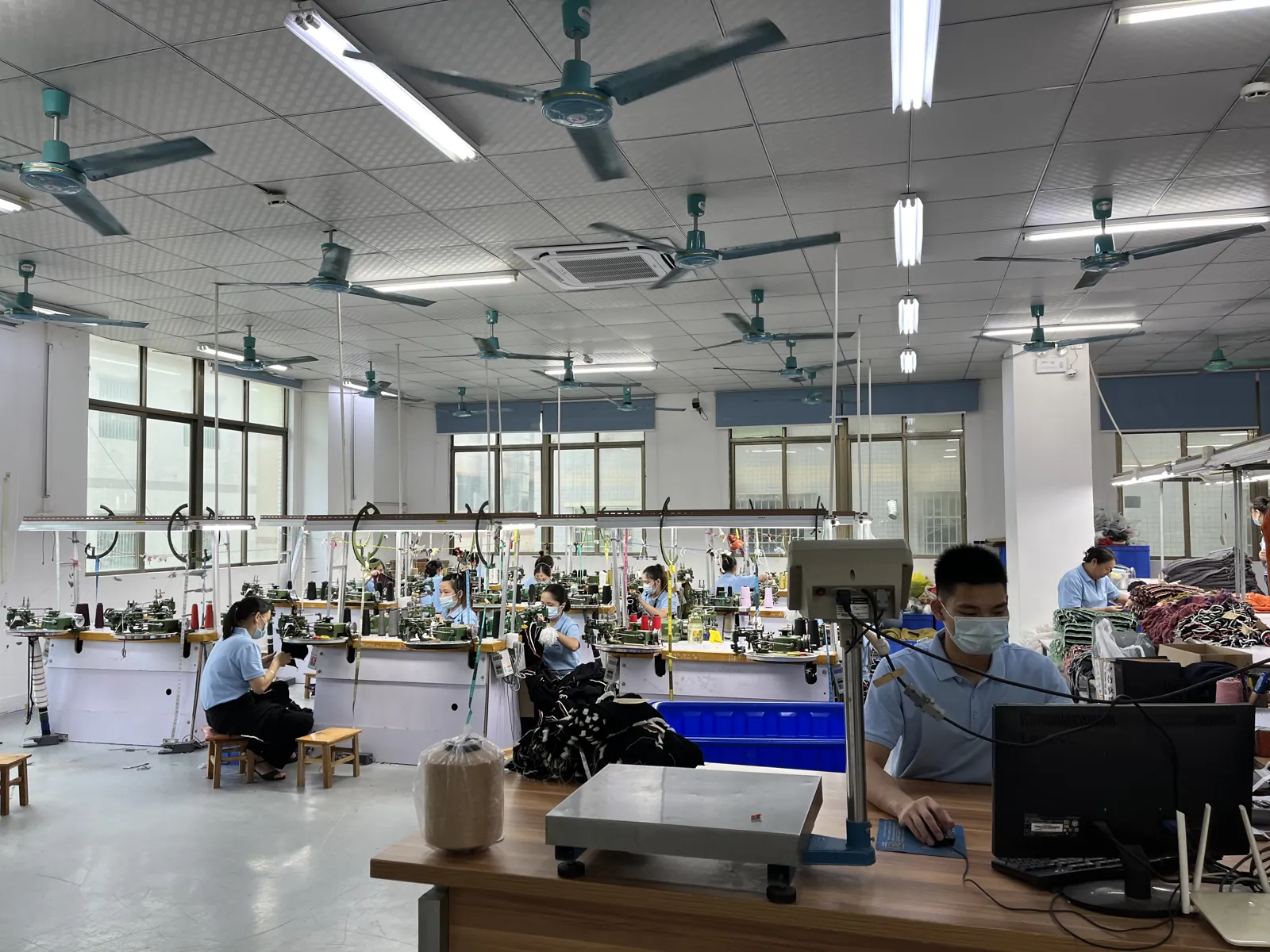
AQL inspection is a pass/fail decision made on a randomly drawn sample, not a 100% quality check of every sweater in the carton. The Acceptable Quality Limit defines the maximum percentage of defective units that a buyer is willing to accept on average across many lots. If the number of defects in the sample exceeds the acceptance number from the ANSI/ASQ Z1.4 or ISO 2859-1 table, the lot is rejected. If it falls at or under the limit, the lot is accepted, even though defective units almost certainly remain inside.
Why AQL Inspection Is a Commercial Tool, Not a Quality Promise
From a factory perspective, we treat AQL as a shared commercial rule that lets both sides close out a shipment without inspecting every piece. It manages risk; it does not eliminate it. A lot passed at AQL 2.5 for majors on a 200-piece sample can still contain a small percentage of defective sweaters that simply were not pulled. That is by design. Buyers who expect zero defects from an AQL pass are misreading the standard.
Where AQL Inspection Stops Being Useful
AQL is weak when defects are not visible during a random visual check. Latent issues such as low pilling resistance, color bleeding after three washes, or shrinkage outside tolerance are not caught by final inspection at all. They require apparel testing on physical and chemical performance conducted earlier, typically on pre-production or top-of-production samples. Buyers who rely only on a final visual AQL inspection for these failure modes are exposed.
Why definitions matter more than the number
An AQL number means little without a defect classification list agreed between buyer and factory. Two factories inspecting the same 500-piece sweater lot at AQL 2.5 can produce opposite results if one counts a 1.5 cm chest measurement deviation as major and the other as minor. The number is the easy part. The definitions, sample size, inspection level, and tolerance windows are where real protection sits, and these belong in the tech pack and the quality control documentation from the start of the project.
How AQL Inspection Classifies Knitwear Defects
The three-tier defect structure is industry standard, but the line between major and minor in sweaters is far less obvious than in woven shirts. From a factory perspective, the disputes we see are rarely about critical defects, which everyone agrees on. They are about whether a small slub, a 1 cm panel shade variation, or three trimmable loose ends on the inside of a sleeve should fail a unit.
Critical defects carry zero tolerance
Critical defects render a sweater unsafe, non-compliant with regulation, or legally unsellable. A broken needle fragment embedded in a seam, a sharp metal trim on childrenswear, an incorrect fiber content label, a missing care symbol required by the destination market, or a failed flammability result all sit in this category. AQL for critical is set at 0.0, meaning a single occurrence in the sample fails the lot. We treat any critical finding as a full hold, not a negotiation point.
Major defects affect saleability
Major defects do not endanger the consumer but cause the sweater to be returned or refused at retail. Common examples in knitwear include open seams or skipped linking at the shoulder, holes from dropped stitches, broken or missing buttons, measurements outside the agreed tolerance (commonly +/- 1 cm to 2 cm depending on the point of measure), visible oil or dirt stains, panel-to-panel shading that is clearly noticeable on a flat surface, broken zippers on cardigans and hoodies, and incorrect placement of embroidery or labels. AQL 2.5 is the apparel default for majors.
Minor defects are cosmetic and trimmable
Minor defects include small untrimmed yarn ends, very light pilling within the agreed reference standard, slight shade variation within an approved range, a small isolated knot that does not affect appearance, or minor creasing from packing. AQL 4.0 is the conventional setting. The key is that minor defects must be defined against an approved physical reference, not described in words. We always ask buyers to sign off a workmanship standard sample at PP stage so the inspector has a real benchmark.
How to Choose an AQL Inspection Level for Sweaters
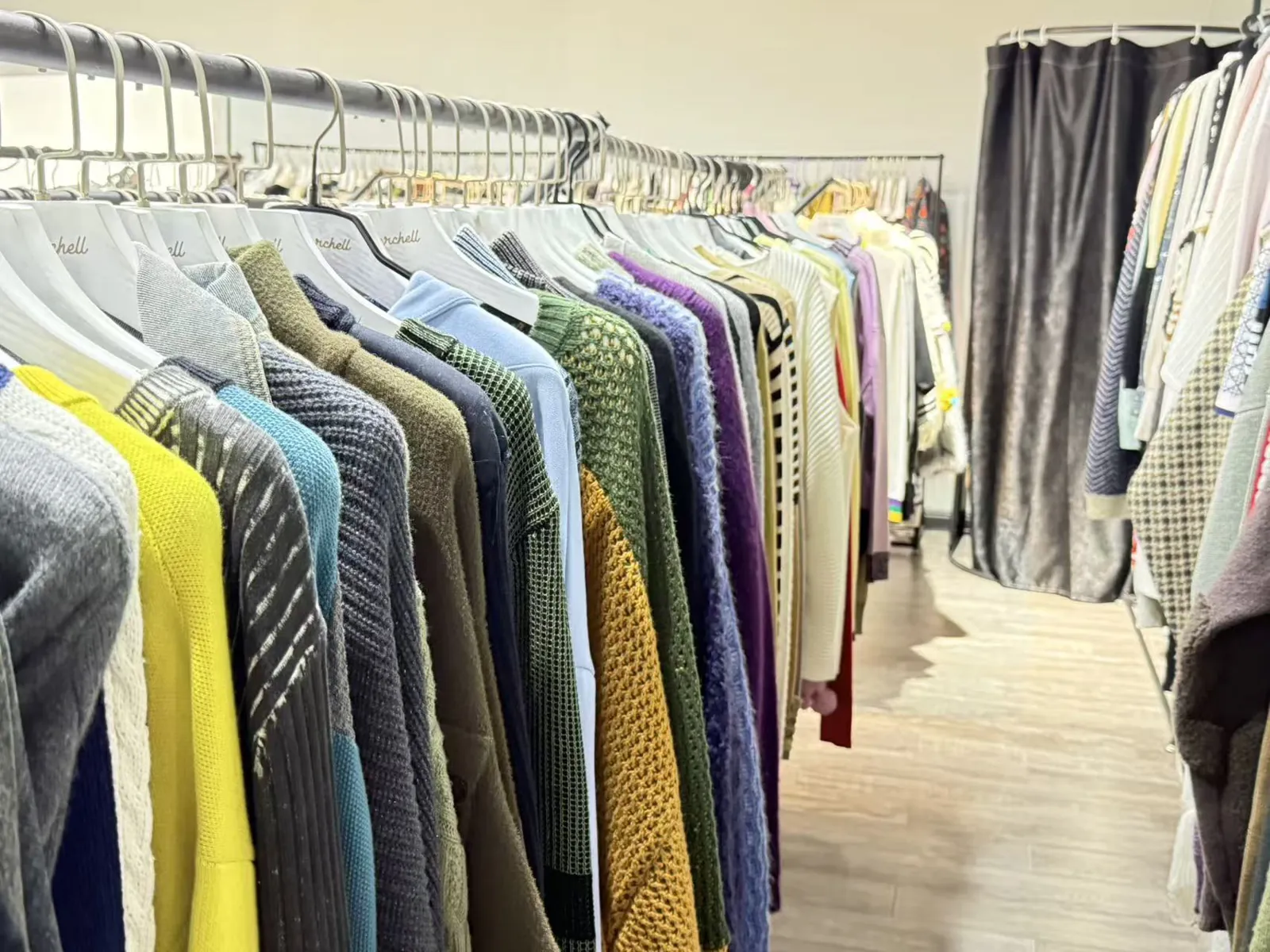
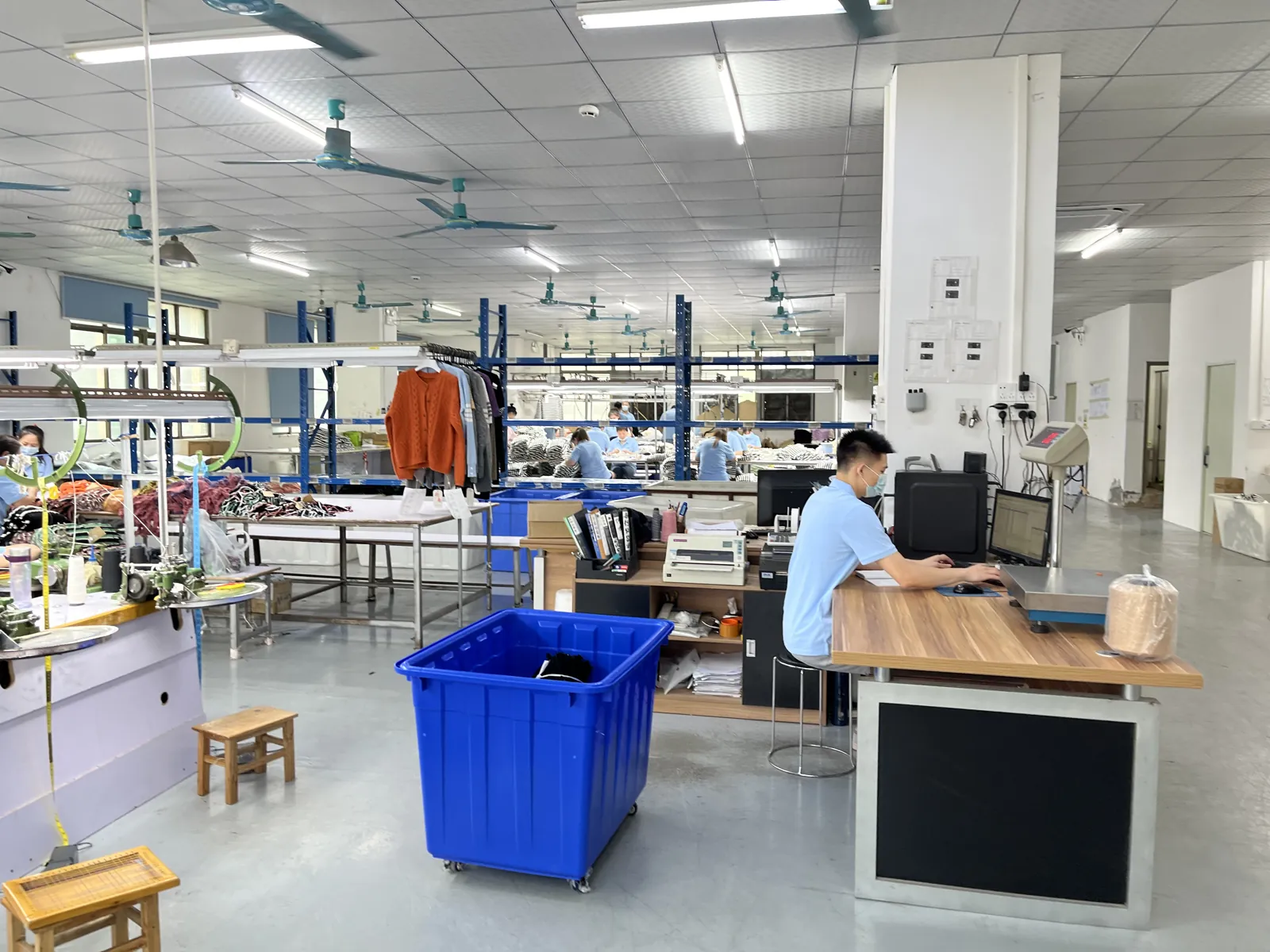
AQL sampling level controls how many sweaters are pulled from the lot, which in turn controls how confident the result is. Level II is the apparel default. Level III draws roughly 60% more units and gives a tighter read on lot quality, at higher inspection cost and slightly longer inspection time. From a factory perspective, the right choice depends on the history with the supplier, the value of the order, and the risk profile of the product, not on a blanket rule.
Below is a working comparison of how the two general inspection levels behave on a typical 5,000-piece sweater lot under ANSI/ASQ Z1.4. These figures are the standard table values and should be confirmed against the official sampling plan during inspection planning.
| Parameter | General Inspection Level II | General Inspection Level III |
|---|---|---|
| Sample size for a 5,000-piece lot | 200 units | 315 units |
| AQL 2.5 major defects, accept / reject | 10 / 11 | 14 / 15 |
| AQL 4.0 minor defects, accept / reject | 14 / 15 | 21 / 22 |
| Typical use case | Repeat orders, stable supplier, established program | New supplier, new program, high-value styles, or higher inspection confidence needed |
| Inspection cost impact | Baseline | Higher, more inspector time required |
| Risk of accepting a poor lot | Moderate | Lower than Level II because more units are checked |
The table shows that Level III is not simply “stricter,” it gives a statistically firmer answer. For first orders, premium yarns such as cashmere or fine merino, or any program where a rejected shipment would create a serious downstream problem, the additional inspection cost is small relative to the protection.
When Level II is enough
Repeat orders with a factory that has a stable track record on the same construction, the same yarn, and the same washing process can run reliably at Level II. We see no quality benefit from forcing Level III on a fifth refill of an established program if the previous four passed cleanly. The cost is then wasted.
When Level III is the safer call
Level III is the right setting when one or more risk factors stack: first production with a new mill, new yarn supplier mid-program, complex multi-color intarsia or jacquard, a tight retail launch window where rework is not possible, or a previous failed inspection on the same buyer-factory pair. The same logic applies to programs with aggressive MOQ and lead time targets where there is no slack to redo a lot.
Why Pre-Production and Inline Checks Matter More Than Final AQL Inspection
Final AQL inspection catches the defects that survive to the end of the line. It cannot fix what was built incorrectly upstream. From a factory perspective, the cheapest defect to address is the one identified at yarn or panel stage. The most expensive is the one found at FRI, when the sweaters are already washed, labeled, and packed. Buyers who concentrate all their quality budget on final inspection routinely pay for that imbalance in delays and rework.
Pre-production sampling sets the standard
Before bulk knitting starts, we run a pre-production sample that fixes the workmanship benchmark, the measurement points, the approved shade band, and the acceptable pilling and dimensional stability results. This is the reference the final inspector compares bulk against. Without it, the inspector is interpreting the tech pack alone, which creates inconsistency between lots and between inspection agencies. Third-party textile and apparel inspection providers consistently recommend this approach because it removes ambiguity at the decision point.
Inline inspection catches systemic issues early
Inline inspection, conducted when roughly 20% to 40% of the order is off the knitting machines and partially linked, is where we identify systemic problems: a yarn lot shift causing barriness, a linker producing a consistent shoulder defect, or a measurement drift across sizes. Catching these at inline allows correction on the remaining 60% to 80% of production. Catching them at final inspection means rework on the full order, which usually means missing the ship date.
How AQL fits into a layered system
AQL inspection at final stage is one layer in a quality system, not the system itself. Properly run, the layers are: yarn inward check, knitting in-process check, linking and finishing in-process check, inline inspection, performance testing on TOP samples, and final random inspection at AQL. Each layer catches a different failure mode. Removing any of them puts disproportionate pressure on the others, and AQL is the worst layer to overload because its statistical nature means it will always let some defects through.
Which Physical and Chemical Tests Should Accompany AQL Inspection?
AQL handles visible workmanship and measurement defects. It does not address how the sweater performs after the buyer takes it home. For that, the order needs an apparel testing plan that runs in parallel with inspection. From a factory perspective, the failures that damage a brand the most are not the ones caught at FRI; they are the ones that show up after three home washes, when the consumer has already paid.
Core physical tests for sweaters
Dimensional stability to washing is the single most important physical test for knitwear. Sweaters move. Acceptable tolerance is typically +/- 5% for knit constructions, with tighter bands negotiated for fine gauge or fitted styles. Pilling resistance, abrasion resistance, colorfastness to washing, colorfastness to rubbing (both dry and wet), and colorfastness to light should all be on the test list. For yarn-dyed multi-color sweaters, colorfastness to crocking is particularly important because color transfer between panels in the bag is a frequent complaint.
Chemical compliance is non-negotiable
Sweaters destined for the EU, US, or other regulated markets need chemical testing aligned with the destination regulation. EU REACH restricted substances, US CPSIA requirements for childrenswear, and program-specific RSL lists from individual brands all need to be checked at TOP stage. Common test items include formaldehyde content, banned azo dyes, heavy metals, phthalates on any plastic trims, and pH. Testing fails at this stage are recoverable; failures at customs are not.
How testing connects to AQL inspection
Test results should be reviewed and signed off before the final AQL inspection is booked. If pilling has failed and rework is needed, there is no point pulling a 200-piece sample for visual defects yet. We coordinate testing schedules with the OEM and ODM development workflow so that lab reports are in the buyer’s hands before the inspector arrives at the warehouse. This sequence avoids the worst outcome, which is a clean AQL pass followed by a failed lab report two weeks later.
How Should Buyers Handle AQL Inspection Failures and Rework?
A failed AQL inspection is not the end of the order. It is the trigger for a defined process that should already be written into the contract. From a factory perspective, the worst situation is a fail with no agreed rework path, because both sides then negotiate under time pressure with the ship date approaching. Buyers protect themselves by deciding the rework rules before production starts, not after the inspector files the report.
Sorting, reworking, and re-inspection
When a lot fails, the standard response is 100% sorting by the factory, removing defective units, reworking those that can be repaired, replacing those that cannot, and then booking a re-inspection. The buyer pays for the re-inspection in most contracts, since the failure was on the factory side. Some defects are repairable, such as loose ends, missing buttons, light steaming for creases, and minor label corrections. Others are not, including holes in the body panel, broken shoulder linking on intarsia, or shade variation on a finished sweater.
When to accept with a deduction
For minor defect failures on tight-deadline programs, buyers sometimes accept the lot with a price deduction rather than delay shipment for full rework. This should be a documented commercial decision, not an informal one, and it should reference the specific defect count and AQL gap. We recommend buyers think through this option in advance, because the answer changes based on whether the season can absorb a late delivery or not.
Documentation protects both sides
Every inspection, pass or fail, should produce a written report with photographs of any defects found, the sampling plan used, and the inspector’s signature. The report becomes the evidence base for any commercial discussion. Buyers operating across multiple suppliers should also align their inspection criteria with their broader supplier accountability framework. The OECD due diligence guidance for the garment and footwear sector sets out the broader principle: purchasing practices, including how inspection failures are handled, should not push suppliers into corner-cutting on labor or environmental standards.
What buyers should confirm before bulk sweater production starts
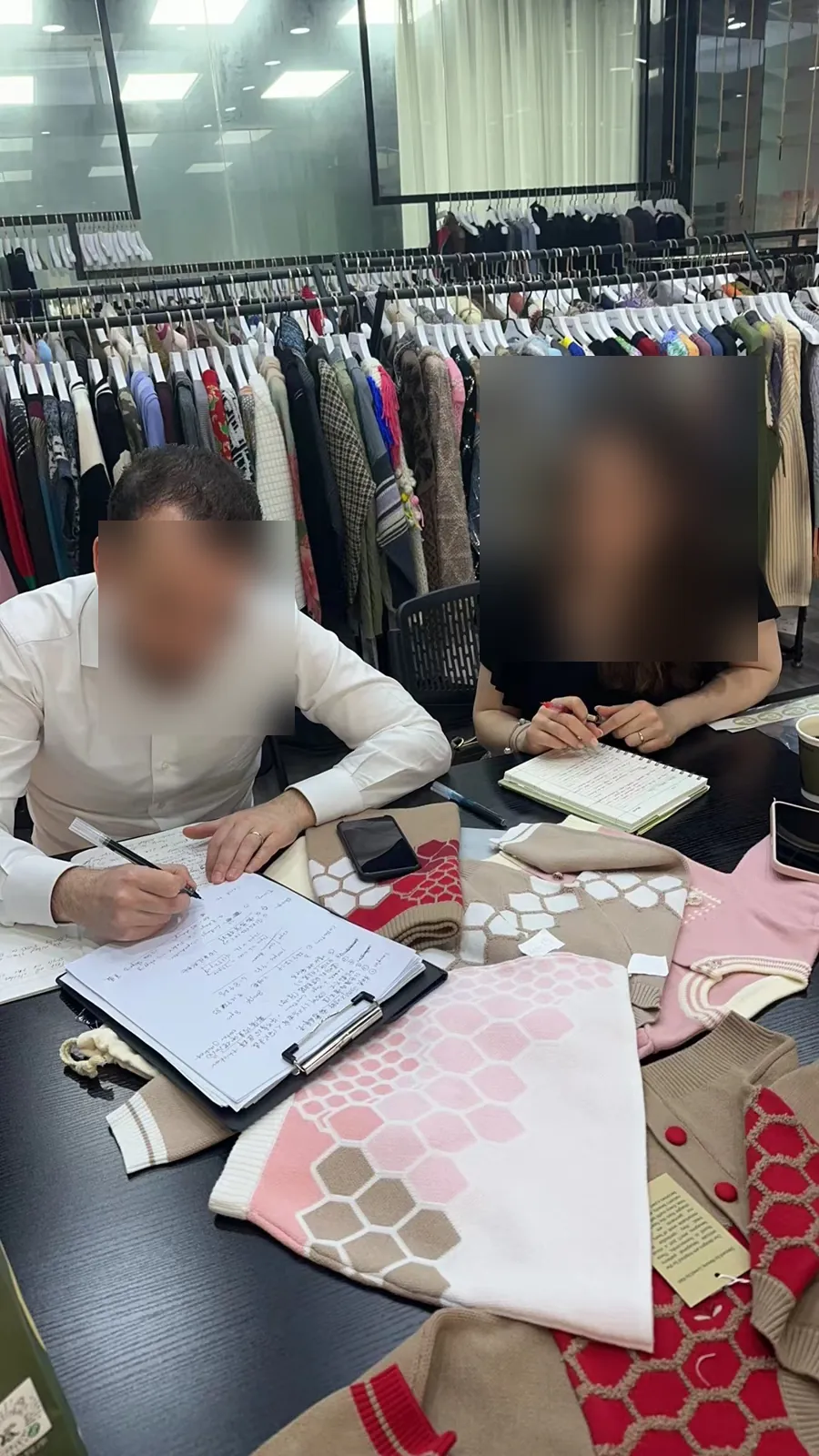
The work that prevents inspection disputes happens before bulk knitting begins, not during final inspection. From a factory perspective, the buyers who get clean inspection results consistently are the ones who walk in with a fully closed-out quality checklist at the PP stage. The list is not long, but every item on it matters, and each one becomes very expensive to fix once production has moved past it.
The pre-production confirmation list
- Defect classification list, with critical, major, and minor categories defined against actual sweater defect types, not generic apparel language.
- AQL levels for each defect class, typically 0 / 2.5 / 4.0, with the inspection level (II or III) specified.
- Measurement tolerance table for every point of measure, by size, with tighter tolerances on critical fit points such as chest, body length, and sleeve length.
- Approved workmanship sample physically held by both the factory and the inspection agency, with photo records of acceptable and unacceptable conditions.
- Shade band approval, including the acceptable range from lightest to darkest, and end-to-end and side-to-side shading limits within a single garment.
- Pilling, dimensional stability, and colorfastness test results on TOP samples, signed off before final inspection is booked.
- Chemical compliance scope and required test reports for the destination market.
- Packing specifications, including polybag, hangtag, main label, care label, carton marking, and assortment ratio.
- Rework, deduction, and re-inspection rules written into the purchase agreement.
Who is responsible for what
Responsibility should be explicit. The factory carries the quality of execution against the agreed standard. The buyer carries the clarity of the standard itself. The inspection agency carries the impartiality of the check. When any of these three roles is blurred, particularly when the buyer’s QC team and the factory’s QC team operate from different reference samples, the inspection result becomes a disagreement rather than a decision.
Where AQL ends and judgment begins
Even with everything documented, sweater inspection involves judgment calls on borderline pieces. A defect that is clearly major on one garment may sit on the edge for another. Experienced inspectors will photograph borderline units and ask the buyer’s QC for a written ruling before counting them. This protects the inspection result and prevents the kind of post-shipment dispute where the buyer rejects on arrival what the inspector accepted at the factory. AQL gives the framework; the people running it still have to think.
Closing the loop before the container leaves
AQL inspection works when it is the last gate in a quality system that has already been doing its job from yarn intake through inline production. It fails when buyers treat it as the only gate. The number on the inspection sheet, whether 2.5, 4.0, or any other, is meaningful only when the defect definitions, measurement tolerances, sample size, inspection level, and test results behind it are all locked in writing before bulk knitting starts.
If you are planning a new sweater program or refining an existing one, the most useful step is to close the inspection criteria before the first kilo of yarn is committed. Send us the tech pack, target quantity, fiber composition, target delivery date, destination market, and any existing RSL or quality manual you work to, and we will confirm the inspection plan, defect classification, and testing scope in writing. Confirm inspection criteria with our team before bulk production starts via the cnsweaters.com homepage, and we will align the full quality framework before the order goes on machine.
FAQ
What AQL levels do most sweater buyers use for major and minor defects?
The apparel default is AQL 2.5 for major defects and AQL 4.0 for minor defects, with 0 for critical defects. Premium brands and childrenswear programs often tighten majors to AQL 1.5 or 1.0. The number itself matters less than the defect classification list behind it, since two factories applying AQL 2.5 to different definitions will produce different inspection outcomes.
Can we use AQL 2.5 / 4.0 on small MOQ sweater orders?
Yes, AQL tables cover lot sizes from very small batches upward. For a 300-piece sweater order at Level II, the sample size is around 50 units. The mechanics are the same, but small lots have less statistical room, meaning a small number of defects can fail the inspection. Buyers running low-MOQ programs should expect tighter outcomes and plan rework time accordingly.
How long before shipment should final inspection be booked?
Final inspection should be scheduled when the order is at least 80% packed, with the remaining 20% packed during or immediately after the inspector arrives. Booking the inspection three to five working days before the planned ship date is typical. This window allows time for rework if the lot fails, while keeping the inspection close enough to shipment that the packed condition reflects what actually leaves the factory.
Who pays for re-inspection after a failed AQL result?
In most contracts, the factory pays for re-inspection when the failure is due to factory-side defects. The buyer pays if the failure is due to a specification change requested after the inspection criteria were locked, or if the inspection criteria themselves were ambiguous and the lot was reinterpreted. This split should be written into the purchase order so it is not negotiated under time pressure on the day.
Does a passed AQL inspection guarantee no defective sweaters in the shipment?
No. AQL accepts a lot when the sample contains defects at or below the acceptance number. By definition, defective units can remain in the unsampled portion of the lot. A clean AQL pass means the lot is statistically within the agreed quality limit on average, not that every garment is perfect. Buyers expecting zero defects need 100% inspection, which costs significantly more and is reserved for high-value or high-risk programs.