 CN Sweaters
Layering focused
Sweater Vests
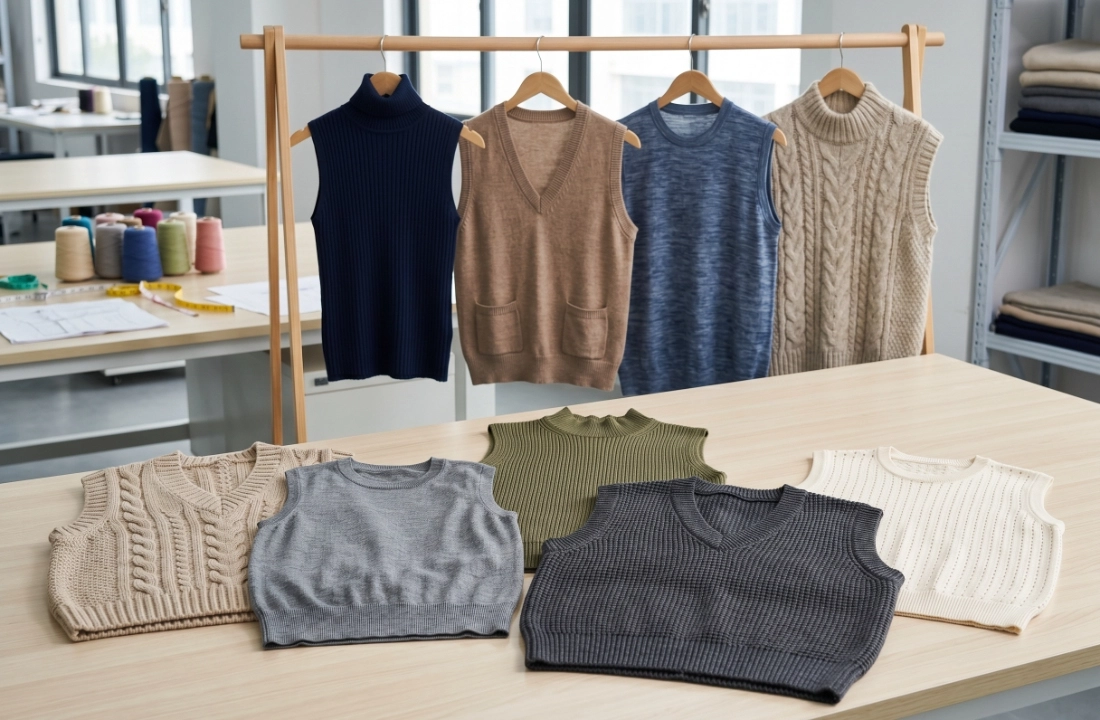
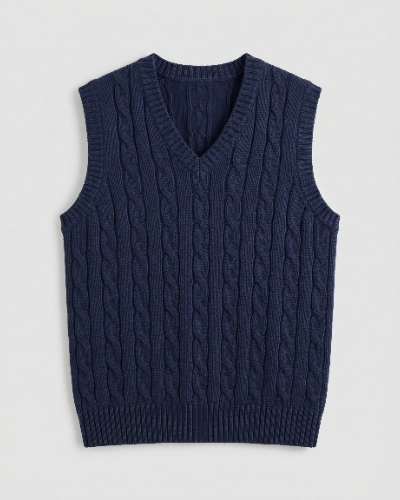
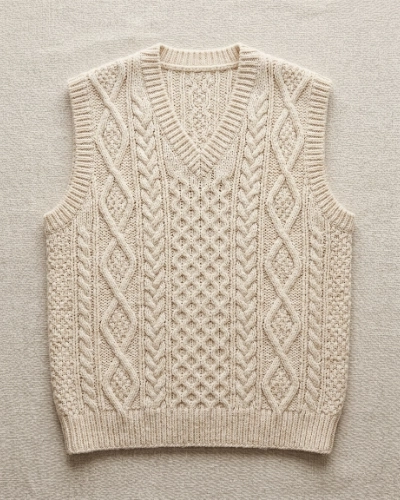
Develop classic or fashion-led vests with enough room for shirts, tees, or lightweight knitwear underneath. Armhole shape, shoulder width, rib recovery, and body proportion are reviewed together.
Develop custom sweater vests and sleeveless knit tops for fashion brands, wholesalers, importers, and private-label collections—from yarn and construction review through sampling, fit approval, branding, production, inspection, and packing.
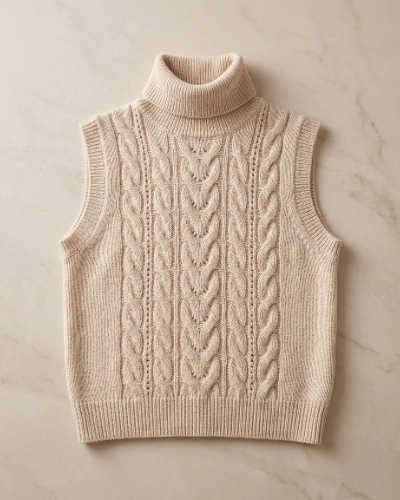
Sweater vests and sleeveless knit tops share a sleeveless format, but their fit, weight, armhole, neckline, and styling priorities should be developed for different uses.
Develop classic or fashion-led vests with enough room for shirts, tees, or lightweight knitwear underneath. Armhole shape, shoulder width, rib recovery, and body proportion are reviewed together.
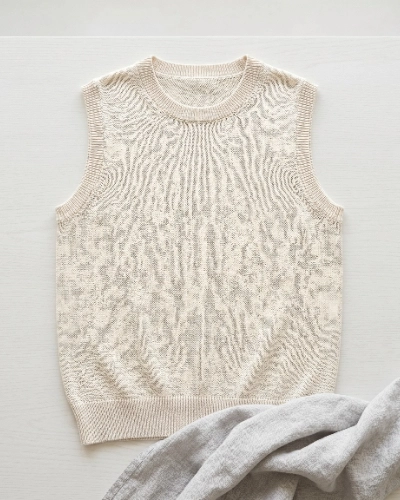
Develop lighter, closer-fitting, cropped, or contemporary silhouettes. Neckline stability, shoulder coverage, armhole finish, and body shaping receive more direct fit attention.
Use this comparison to frame the first brief. The approved tech pack and sample—not a fixed category rule—control the final specification.
| Development area | Sweater vest | Sleeveless knit top |
|---|---|---|
| Typical use | Layering over shirts, tees, or knitwear | Layering or standalone wear |
| Fit direction | Often allows more room for the underlayer | Can be closer to the body or more fashion-led |
| Armhole | Must account for the garment worn underneath | Relates more directly to body fit and coverage |
| Weight | Can run from chunky to fine gauge | Often uses lighter or finer constructions |
| Common programs | Preppy, uniform, casual, and fashion collections | Contemporary, women’s fashion, and seasonal programs |
These are practical starting points rather than fixed construction rules. Final decisions should follow the target fit, yarn, gauge, reference garment, intended use, and approved sample.
Removing the sleeve makes the neckline, armhole, shoulder, and body balance more exposed. Sampling connects these areas before the bulk specification is locked.
V-neck, crew, round, square, or custom shapes change visual proportion and finishing requirements.
Depth, shaping, and edging affect comfort, coverage, layering room, and side-body appearance.
Narrow shoulders create a fitted look; extended shoulders support relaxed or oversized silhouettes.
Regular, cropped, or elongated lengths are balanced with garment width and intended styling.
Yarn elasticity, rib structure, garment weight, and stretch influence how the hem holds shape.
Gauge, yarn count, and stitch density work together to create the target drape and coverage.
Side seams, fashioned shaping, and rib placement control ease from chest through hem.
Armhole and neckline finishing must stay clean, stable, comfortable, and consistent in bulk.
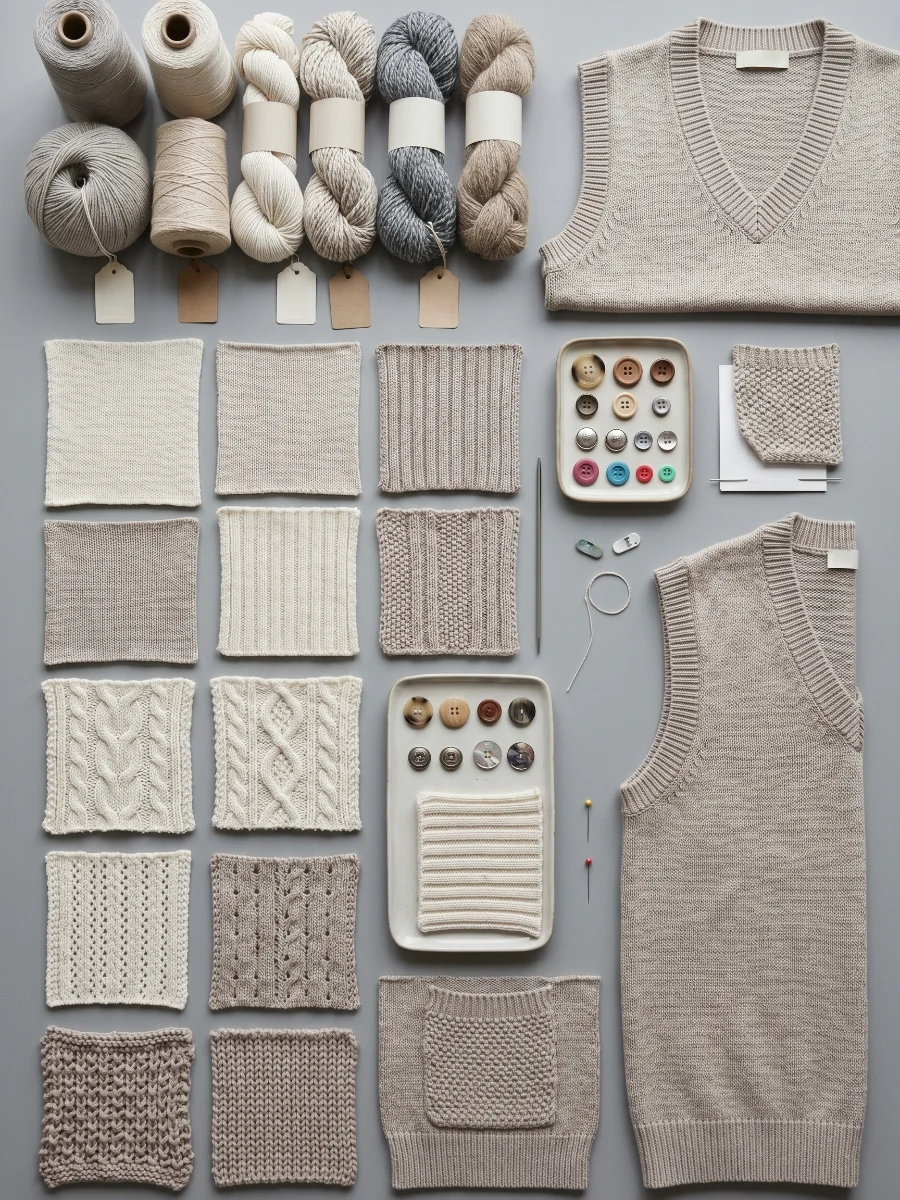
The fiber name alone does not define the result. Yarn count, ply, gauge, stitch, density, silhouette, hand feel, care direction, and target cost should be reviewed together.
Clean, versatile surfaces for classic silhouettes.
Elastic structure for fitted forms and edge recovery.
Raised texture with weight and dimensional depth.
Integrated motifs developed around color and float control.
Placed graphics with project-specific color planning.
Surface interest through engineered stitch combinations.
Knitted patterns aligned with gauge and artwork detail.
Project-led construction developed through sampling.
Branding and packaging are reviewed with the garment specification so artwork, placement, materials, supplier minimums, and packing instructions can be included in the quotation and approval route.
Branding items are quoted by project and should not be assumed to be included in the garment unit price.
Quantity, yarn, gauge, stitch complexity, colors, size ratio, branding, revisions, material availability, and the production schedule can all change the applicable route.
Share the proposed quantity and size breakdown so yarn, trim, and production minimums can be assessed together.
Timing starts after the required design information, construction direction, and relevant materials are confirmed.
Fit, yarn, color, stitch, and branding revisions are reviewed before the production reference is approved.
Production timing follows material readiness, product complexity, approvals, capacity, packing, and handover needs.
Each step narrows product, construction, commercial, and quality decisions before the next stage begins.
Share tech pack or references, quantities, size range, and target market.
Align yarn, gauge, neckline, armhole, fit, stitch, and branding.
Produce the first garment for fit, appearance, and construction review.
Complete revisions and approve the production reference and packing inputs.
Proceed with bulk production, agreed checks, packing, and shipment planning.
Inspection requirements are agreed against the tech pack, approved sample, order specification, and packing instructions rather than one generic checklist.
These answers are planning guidance. The exact RFQ and approved specification control the final quotation and production route.
MOQ is confirmed by project. The yarn, gauge, stitch, colors, size split, trims, and proposed quantity can all affect the applicable minimum.
The sampling schedule is confirmed after the development inputs and relevant materials are reviewed. Custom yarn, complex structures, and revision rounds can extend timing.
Sample fees are quoted by style according to yarn, programming, construction, pattern complexity, and development work. Commercial terms are confirmed before sampling.
Yes. Both categories can be developed, while fit, armhole, neckline, yarn, and construction are reviewed for their intended use.
Yes. Neckline shape, shoulder width, armhole depth, edge finishing, and body proportions can follow your tech pack or approved sample.
Yes. The pattern is evaluated against color count, yarn, gauge, float control, artwork detail, and order requirements.
Yes. Options can include labels, hangtags, logo applications, polybags, and project-specific packing requirements.
Timing is confirmed after product, materials, approvals, branding accessories, quantity, capacity, and packing requirements are reviewed.
Send your tech pack or reference images, target quantity, size range, yarn direction, branding requirements, destination, and launch window. We will review the product type and development route before confirming commercial details.