 CN Sweaters
Bodycon Rib Knit Dress
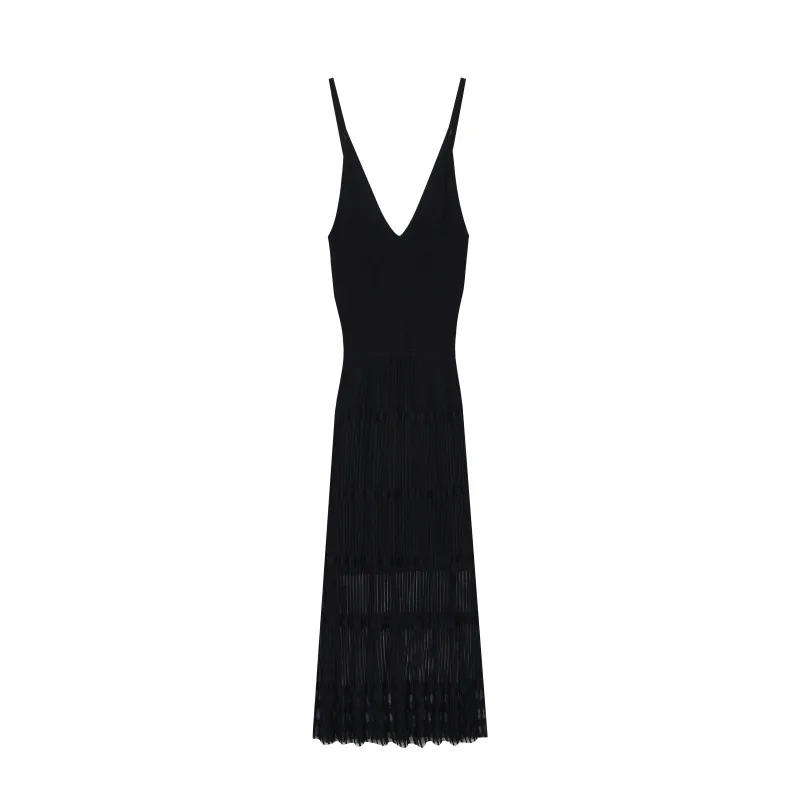
Best for: fitted and body-conscious fashion collections.
Development focus: body ease, rib recovery, opacity and shape retention.
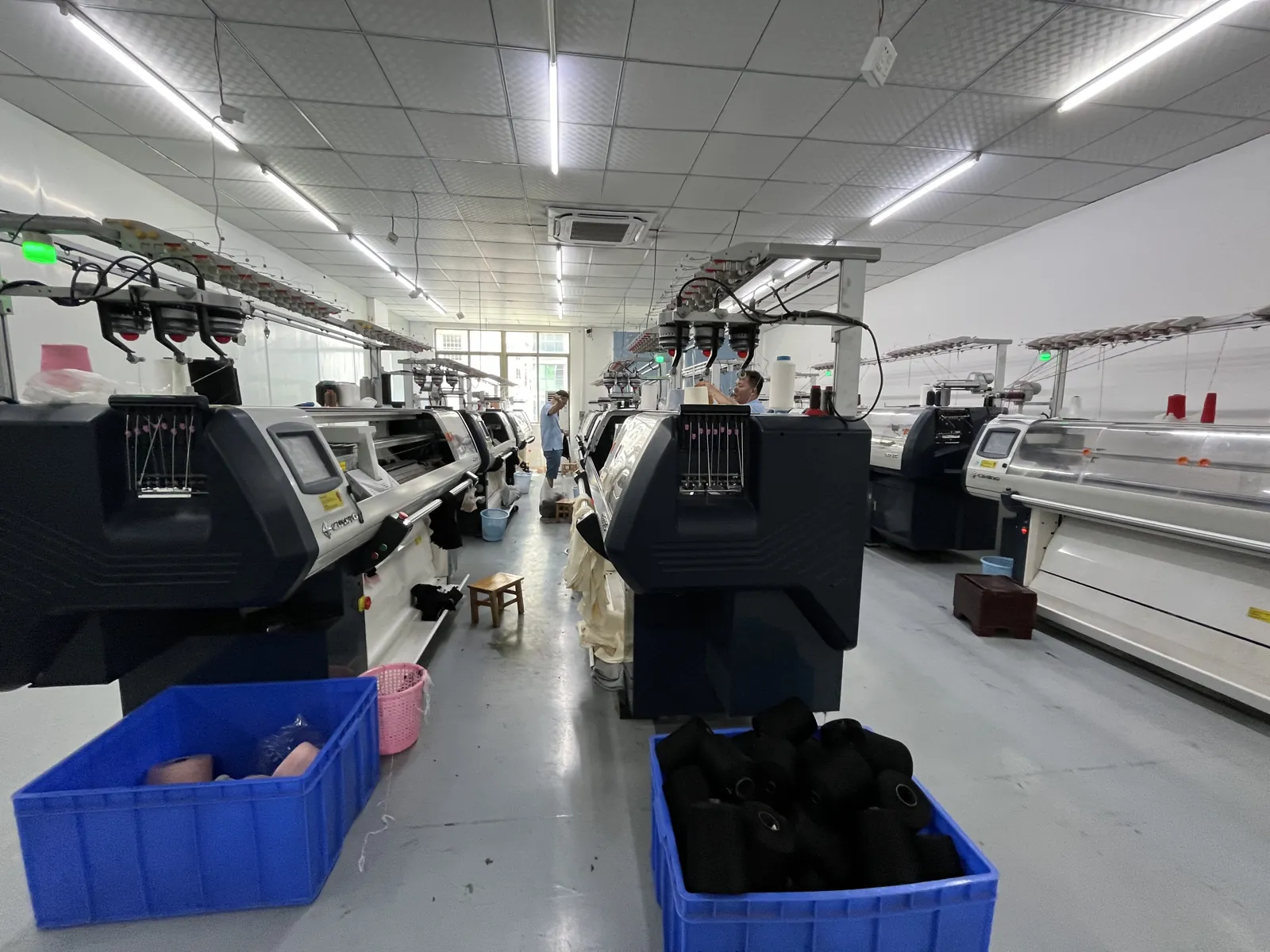
Work with a rib knit dress manufacturer to develop the fit, stretch, coverage, drape and length your collection requires.
Cainan Clothing supports yarn, gauge and rib structure review through sampling, fit adjustment, private labeling, bulk production, inspection and packing.
This page covers rib knit dresses: stretch recovery, coverage and on-body fit. Related pages: Knit Dress Manufacturer · Custom Knit Dresses.
MOQ from 50 pcs per color per size · samples in 3–7 days · bulk in 15–45 days. See MOQ & lead time and quality control.
A rib knit dress should not be developed by fit alone. Stretch, body tension, opacity, garment length, hem stability and shape retention need to be reviewed together before bulk production.
Not intended for: single-piece retail purchases, ready-stock sourcing, or standard cut-and-sew jersey dresses.
Define the silhouette first, then develop yarn, gauge, rib structure and finishing around that direction.
Best for: fitted and body-conscious fashion collections.
Development focus: body ease, rib recovery, opacity and shape retention.
Best for: contemporary and elevated everyday collections.
Development focus: fit balance, vertical stability, hem control and drape.
Best for: long-line and statement knitwear collections.
Development focus: garment weight, length stability, lower-body balance and drape.
Best for: spring/summer and transitional fashion programs.
Development focus: armhole fit, neckline recovery, bust ease and lightweight structure.
Best for: autumn/winter and transitional knitwear collections.
Development focus: sleeve balance, shoulder fit, body recovery and overall weight.
Best for: feminine and fit-and-flare collection directions.
Development focus: upper-body fit, waist transition, skirt expansion and hem balance.
Give your rib knit dress manufacturer both intended body measurements and relaxed garment measurements for the reference size. Agree where bust, waist, hip and length are measured so the size chart describes both wearer and garment.
Balance extension and control so a fitted dress follows the body without uncontrolled tension.
Coordinate bust, hip, rib extensibility, silhouette and size range.
Prevent excess tension from distorting the rib or too little tension from losing shape.
Grade bust, waist, hip, openings, length and sweep together, using the same measurement method for every size.
Stretch and recovery serve different needs. Agree the intended fit during movement and the shape expected after wear, then review both on the finished sample.
Concern: the garment needs enough extension for fit and movement.
Development focus: match rib structure, yarn and gauge to the intended body tension.
Concern: the dress should not remain visibly stretched after wear.
Development focus: review construction, yarn behavior and finished shape against the approved sample.
Concern: rib openings can become more visible when the garment stretches.
Development focus: review gauge, color, yarn and body tension in fitted areas.
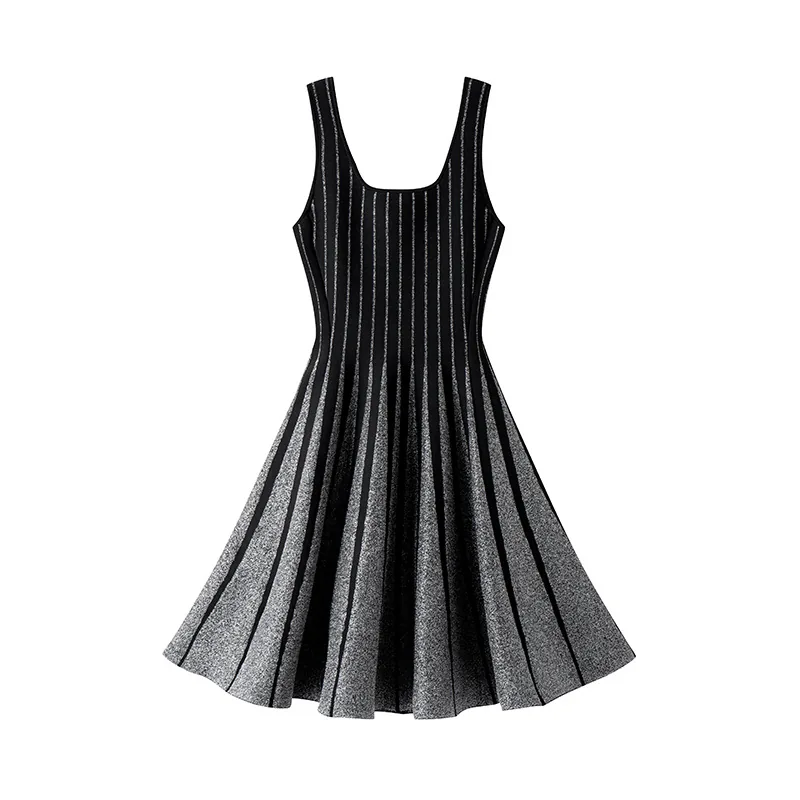
A fitted rib dress should be evaluated as a complete silhouette.
Review coverage on-body in the lightest colorway, using the intended undergarment. Check the bust and hip while standing, sitting and moving, not only with the dress lying flat.
A knit dress carries more material below the waist than a sweater or top. As length and weight increase, yarn behavior, construction and finishing have a greater influence on how the garment hangs.
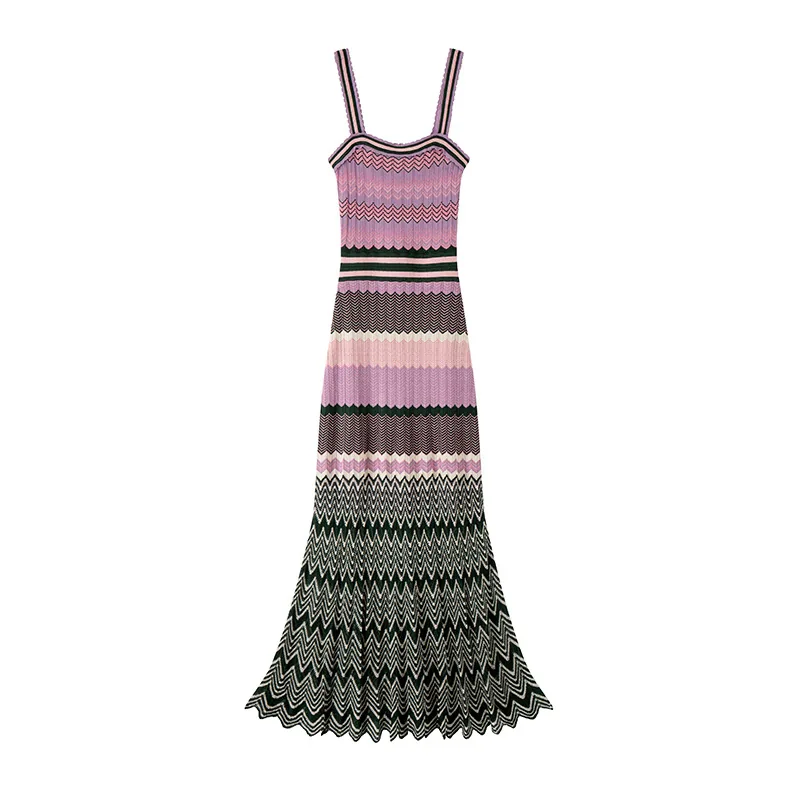
Discuss yarn and rib structure with your rib knit dress manufacturer. Compare target fit, coverage and price together. Yarn examples are sourcing directions; confirm composition and color availability before choosing the sample material.
Send a swatch or target weight if gauge is undecided. Review yarn and rib for coverage, fit and dress length, then confirm an available construction. Fine gauge does not automatically mean better.
| Quotation factor | Why it matters |
|---|---|
| Yarn | Changes material cost, handfeel and garment behavior. |
| Gauge | Affects knitting time, surface appearance and weight. |
| Rib Structure | Influences stretch, recovery and knitting complexity. |
| Dress Length | Changes yarn consumption and stability requirements. |
| Fit Complexity | Affects sampling and measurement development. |
| Neckline / Armhole | Adds shaping and finishing requirements. |
| Colors | Affect yarn sourcing and production planning. |
| Quantity | Affects material purchasing and production efficiency. |
Begin with a tech pack, reference image, existing garment or defined concept, then narrow the product through each approval stage.
Provide the design, quantity, size range and target delivery requirement.
Review silhouette, fit, dress length, yarn, gauge and construction requirements.
Check yarn, gauge and rib structure against intended weight, stretch and appearance.
Develop a physical sample as the initial technical and fit reference.
Review tension, length, recovery, drape, openings and overall balance.
Incorporate required fit or construction changes into the specification.
Confirm the sample and agreed specifications as the bulk reference.
Produce, inspect and pack the confirmed order for shipment.
Build the schedule around yarn, rib construction, color and size mix, fit review and the required arrival date. Confirm materials, sample scope and revision costs before setting production dates.
Confirm the minimum for the proposed style, colors, size split and yarn choice.
Agree the sample scope, materials and planned completion date before work starts.
Timing depends on the requested changes.
Confirm the included development work and any separate materials, revisions or sample-shipping charges.
| Planning stage | What to confirm |
|---|---|
| Before sampling | Design details, coverage target and material availability |
| After approval | Final fit specification, production schedule and shipment plan |
Confirm the sample charge, revision scope and any bulk-order credit in the quote. Set the schedule against materials, fit approval and the required shipment date.
Share the target delivery date, quantity and number of colorways so timing can be reviewed against the actual specification.
Quality control should focus on problems most likely to change the fit or appearance of the approved rib dress.
Risk: the dress remains visibly stretched after wear or fitting.
Focus: compare finished shape and measurements with the approved reference.
Risk: the garment becomes longer and loses the approved proportion.
Focus: review total length and balance against the specification.
Risk: fitted areas become more transparent as the rib opens.
Focus: review key body areas against the approved sample.
Risk: neckline or armhole openings lose shape or symmetry.
Focus: check dimensions, construction and finished appearance.
Risk: the hem waves, curls or hangs unevenly.
Focus: review hem structure, dimensions and finished balance.
Risk: the front, back or lower body hangs unevenly or twists.
Focus: compare the overall silhouette with the approved reference.
Ask your rib knit dress manufacturer to itemize labels, trims and packaging in the quote. Provide artwork, placement and packing details so approvals cover the complete product.
For U.S. sales, review FTC textile-labeling guidance when preparing label artwork.
Brand identity.
Care information.
Size identification.
Retail presentation.
Embroidery or knit detail.
Project-specific finishing.
Standard or branded.
Buyer-defined packing.
Related service: Private Label Knitwear Manufacturer
An image can start the review. Include body and garment size charts, intended length, color and size quantities, coverage requirements and the proposed care method.
Our MOQ starts from 50 pcs per color per size. Bulk production usually takes 15–45 days after sample approval, depending on quantity, yarn and season. MOQ depends on the style, yarn, colors and size split. Send quantities for each variant so the quote can confirm garment minimums and separate material or trim requirements.
Yes. A reference image, sketch or existing garment can support the initial review. More complete measurements improve sampling accuracy.
Yes. Different silhouettes can be developed according to the required fit, length, yarn, gauge and rib construction.
Fit is reviewed across the bust, waist, hip, total length and overall body tension rather than relying on stretch alone.
The approved sample and specification are used as the production reference. Key dimensions and garment balance are checked against the agreed requirements.
Yes. Neckline, shoulder, armhole, sleeve length and related construction details can be developed according to the design.
Compare quotes at the same finished length, garment weight, yarn, rib construction and size mix. A midi-to-maxi change affects more than silhouette: include revised yarn use, sweep and finishing in the price review.
Samples usually take 3–7 days once the brief and materials are confirmed. Confirm the sample date after yarn, rib construction and the fit brief are reviewed. Allow time for on-body coverage and movement review, fit revisions and final approval before the bulk start date.
Yes. Labels, hangtags, logo details, packaging and other brand components can be included according to confirmed project requirements.
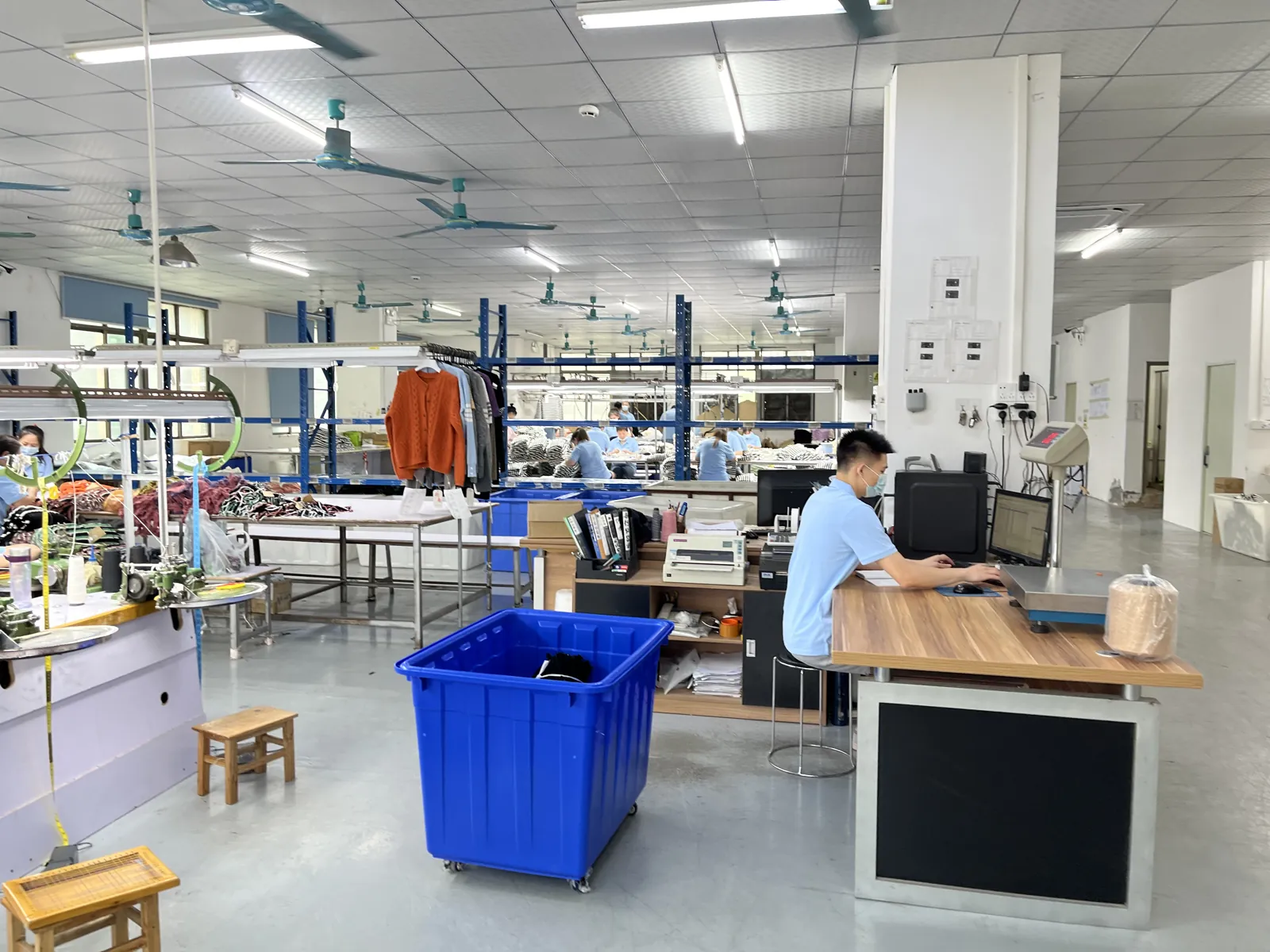
Measurements, garment balance, recovery, openings, opacity and hem appearance should be checked against the agreed sample and specification—not assumed from a relaxed garment alone.
Send your tech pack, reference image or existing sample. We will review the product definition before quotation and bulk planning.
Fit → Rib Structure → Recovery → Yarn → Gauge → Dress Length → Drape → Neckline → MOQ → Sampling → Production