CN Sweaters – Premium Knitwear Manufacturer

OEM/ODM Sweater Manufacturer in Dongguan

Custom Knit Sweaters for Brands and Wholesale Programs

Explore custom knit sweater options for private-label, seasonal, repeat-order, and bulk programs. CNSWEATERS supports product selection, specification review, sampling, production planning, quality checkpoints, and packing coordination for B2B buyers.

  • Factory-direct coordination
  • OEM/ODM development
  • Sampling before bulk
  • Private-label support
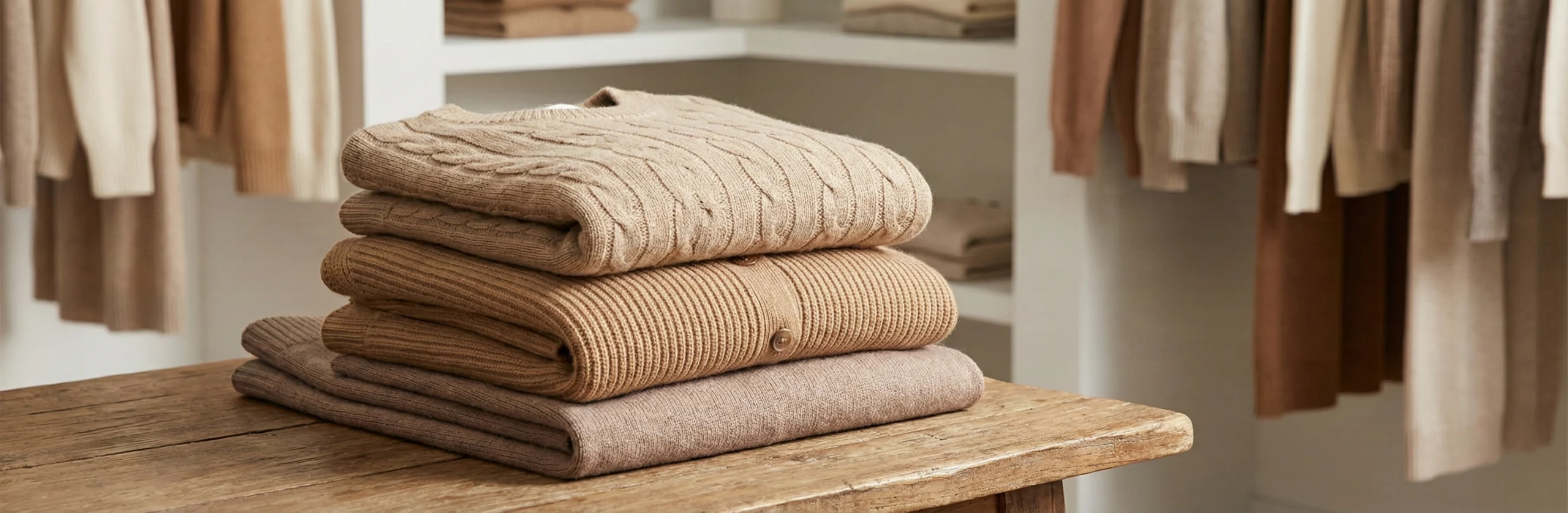
Wholesale knitwear collection displayed in a showroom
Start with your product direction Then confirm yarn, structure, quantity, branding, and delivery requirements.

Sweater Category

Explore Our Custom Sweater Categories

Start with the product category that matches your collection. Each dedicated product page provides more specific information about design directions, customization, production planning, and inquiry requirements.

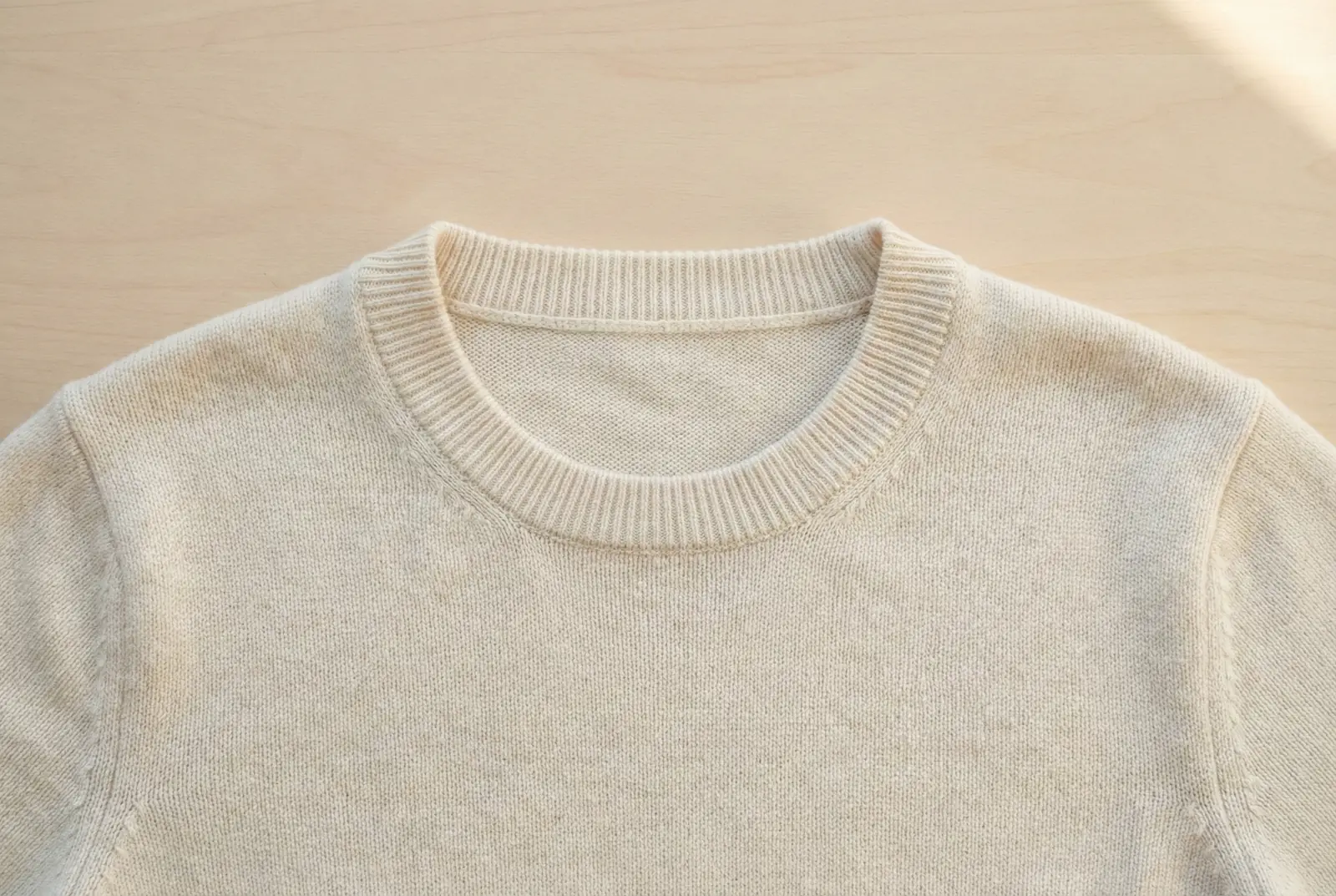
Classic crewneck sweater representing custom pullover development
Dedicated Product Page

Custom Pullover Sweaters

Develop crew neck, V-neck, turtleneck, oversized, cable, jacquard, textured, and fine-gauge pullovers for branded and wholesale collections.
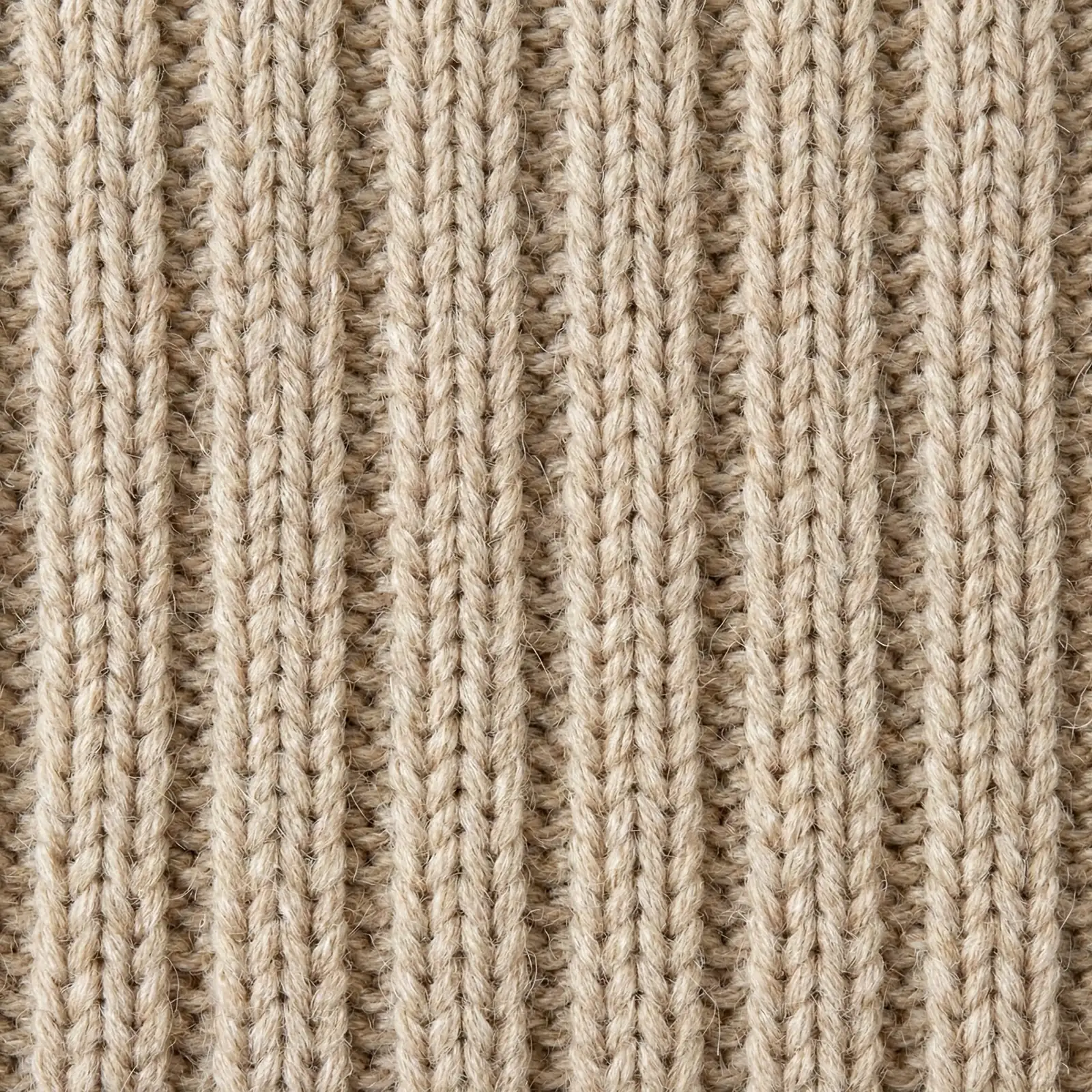
  • Neckline & fit
  • Yarn & gauge
  • Stitch & pattern
  • Private label
Explore Custom Pullover Sweaters

Product Directions

Popular Custom Sweater Directions

These are design directions within the current pullover category, not separate product pages. Each can be reviewed against your target market, price position, yarn choice, and order plan.

Classic crewneck sweater for custom knitwear programs

Crewneck Sweaters

A practical foundation for core collections, private-label basics, and repeat-order programs with adjustable fit, yarn, and stitch.

View pullover options
Rib stitch texture for custom V-neck sweater development

V-Neck Sweaters

A flexible direction for layered programs where neckline depth, rib structure, shoulder shape, and size grading need clear specification.

View pullover options
Turtleneck sweaters shown in multiple colors

Turtleneck & Mock Neck

A cold-season product direction where collar height, stretch recovery, hand feel, and garment weight need to work together.

View pullover options
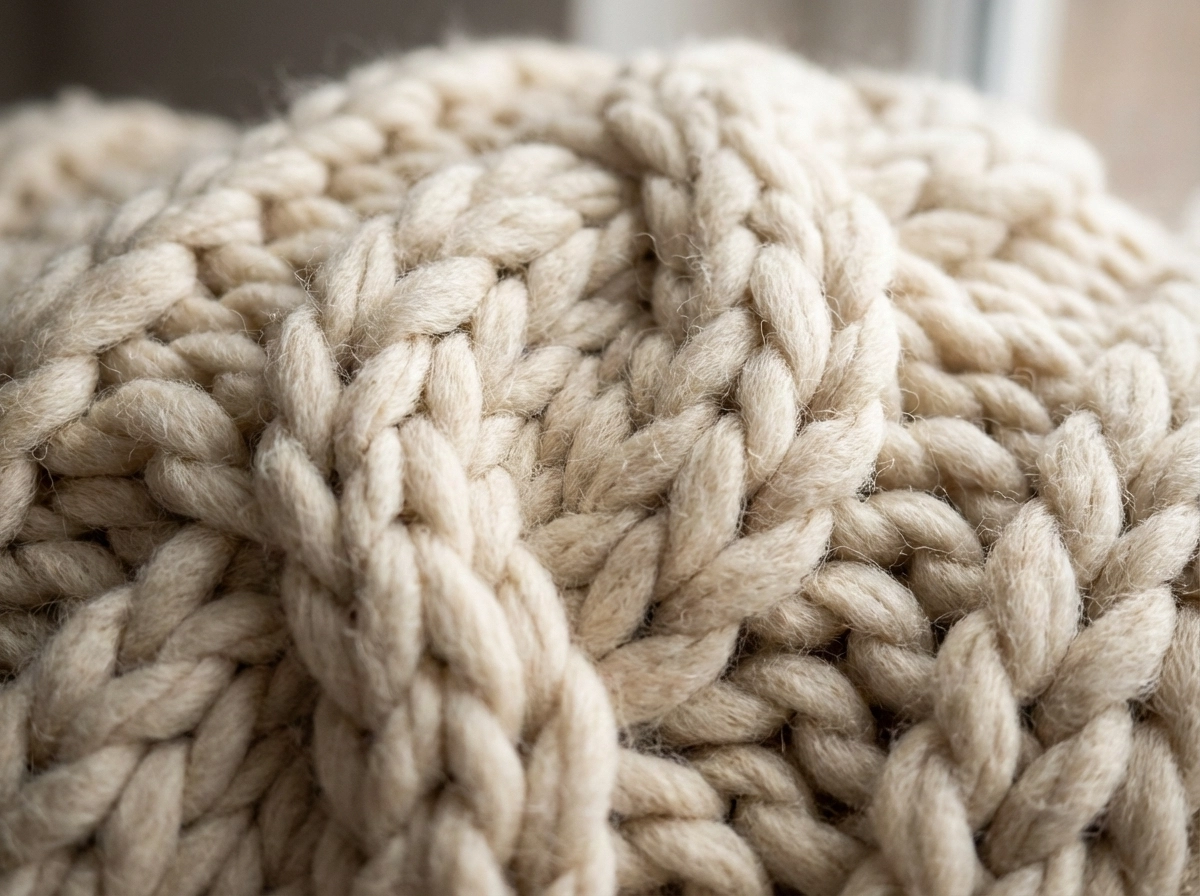
Heavy-gauge knit texture for oversized and chunky sweater development

Oversized & Chunky

A volume-led silhouette that requires careful balance between yarn weight, garment measurements, structure, and target price.

View pullover options
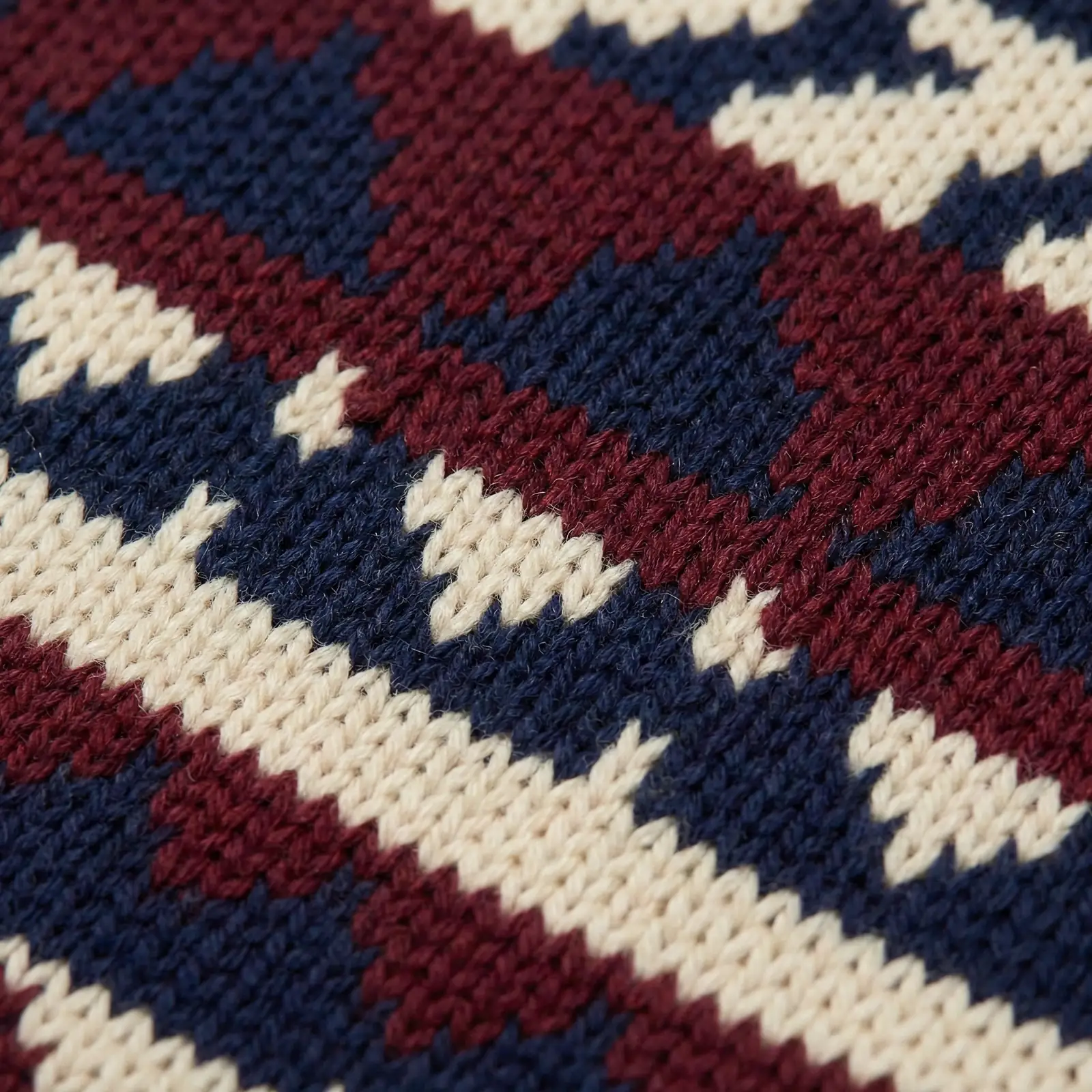
Jacquard knit pattern detail representing patterned sweater development

Jacquard & Intarsia

Pattern-led sweaters for branded graphics and color programs, with feasibility reviewed against scale, color count, yarn, and structure.

View pullover options
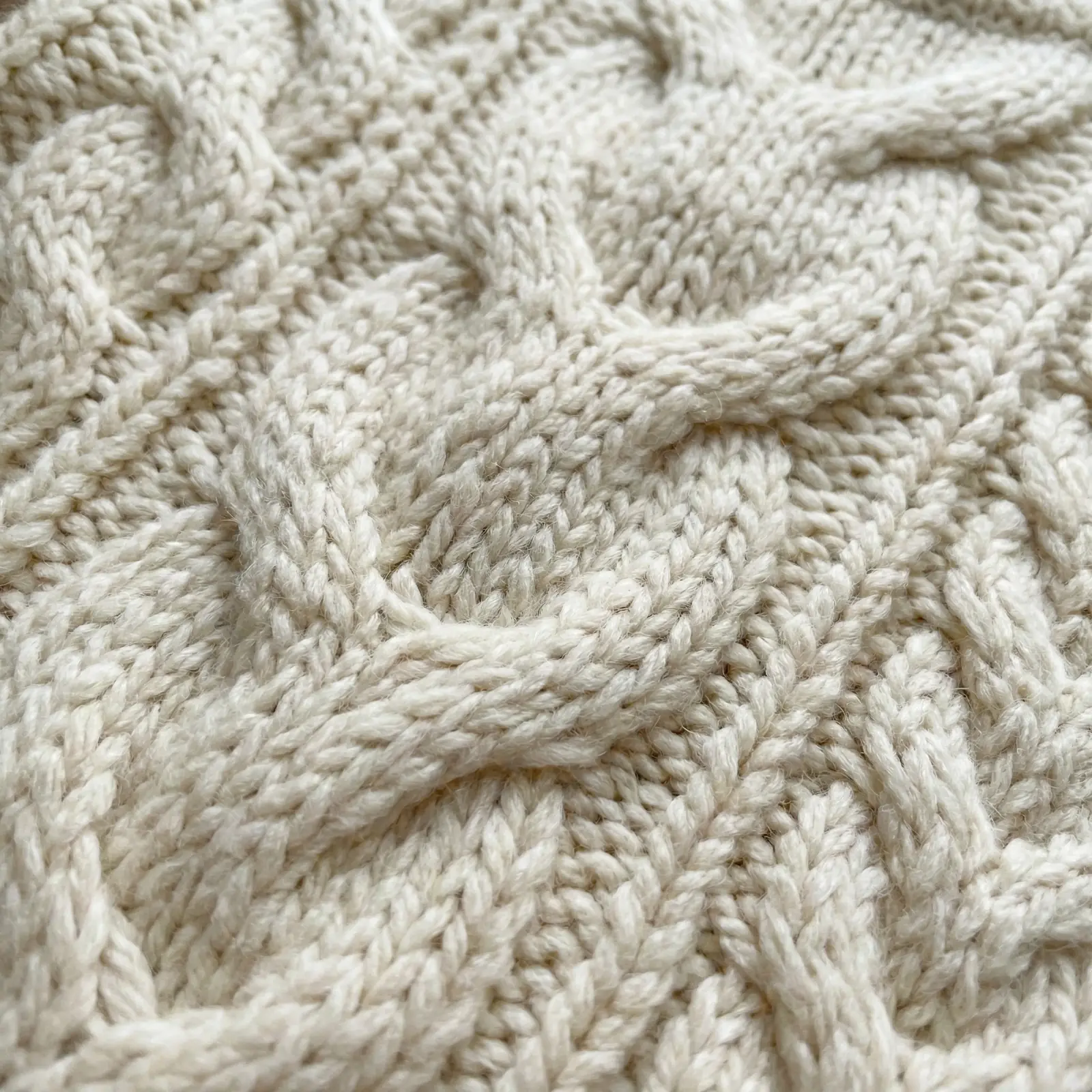
Cable knit pattern swatch for textured sweater development

Cable & Textured

A structured direction where stitch definition, yarn thickness, panel placement, and finished garment weight affect the result.

View pullover options

B2B Applications

Sweater Programs for Different Buying Needs

Product selection should follow the way the buyer plans to launch, sell, replenish, and manage the collection—not a consumer styling occasion.

Discuss Your Program
  1. 01

    Seasonal Fashion Collections

    Develop specific silhouettes, colors, textures, and visual details around a defined launch calendar and assortment plan.

  2. 02

    Core & Repeat-Order Programs

    Prioritize stable specifications, repeatable fit, consistent materials, and clear approval references for recurring styles.

  3. 03

    Private-Label Product Launches

    Coordinate product development with brand labels, hang tags, logo applications, care information, and packing requirements.

  4. 04

    Wholesale & Bulk Assortments

    Plan style, color, and size breakdowns with realistic material, sampling, bulk, and packing requirements.

Product Strategy

Build the Sweater Around Your Market and Price Position

A workable sweater program connects the design idea with material availability, construction, quantity, target customer, and commercial requirements.

Design for the Target Market

Choose silhouette, weight, hand feel, and visual detail around the intended customer and sales channel.

Connect Design to Cost Drivers

Yarn composition, garment weight, pattern complexity, color count, and trims all affect project planning.

Approve Before Bulk

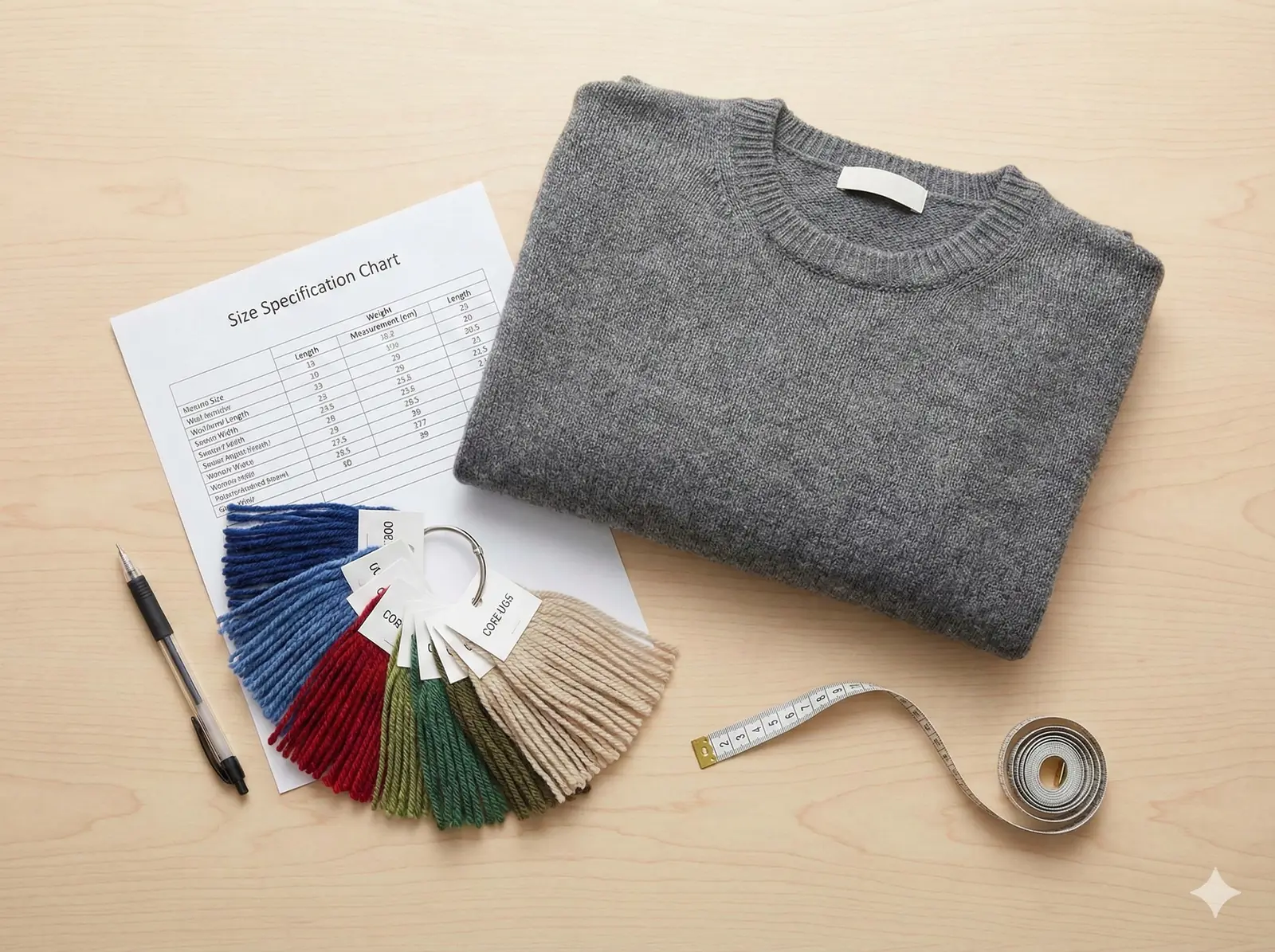
Use sampling to review fit, hand feel, color, construction, branding, and workmanship before bulk production planning.

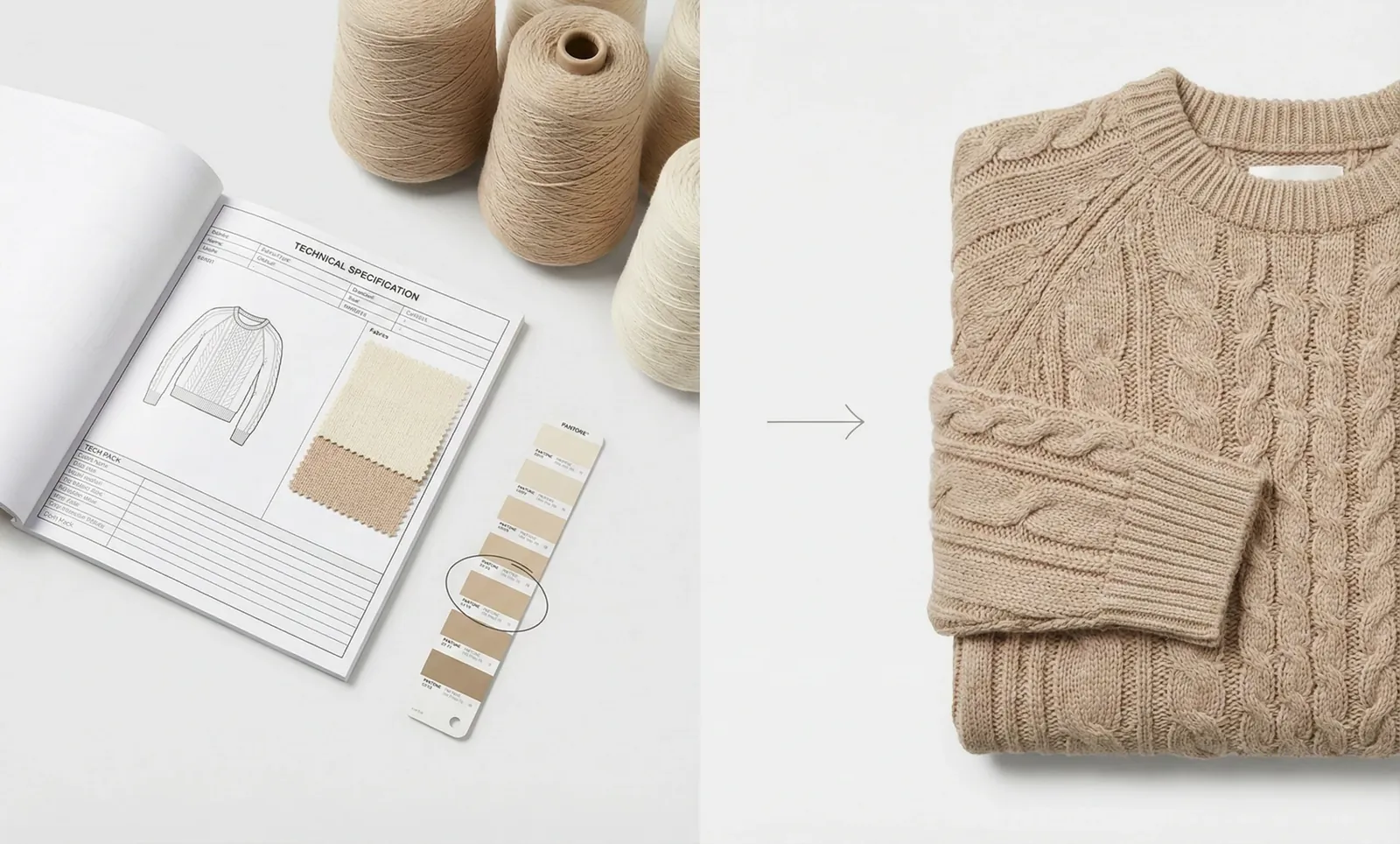
OEM and ODM knitwear development from specification to sample

Customization

Customization Across Our Sweater Programs

Share a tech pack, reference garment, sketch, or image. The available development route is reviewed against the selected sweater category and the project specification.

Product Development

  • Silhouette and fit
  • Size specification
  • Yarn composition
  • Color direction
  • Gauge and garment weight
  • Stitch and pattern

Branding & Finished Product

  • Logo application
  • Embroidery and added details
  • Labels and hang tags
  • Trims and accessories
  • Care information
  • Folding and packaging
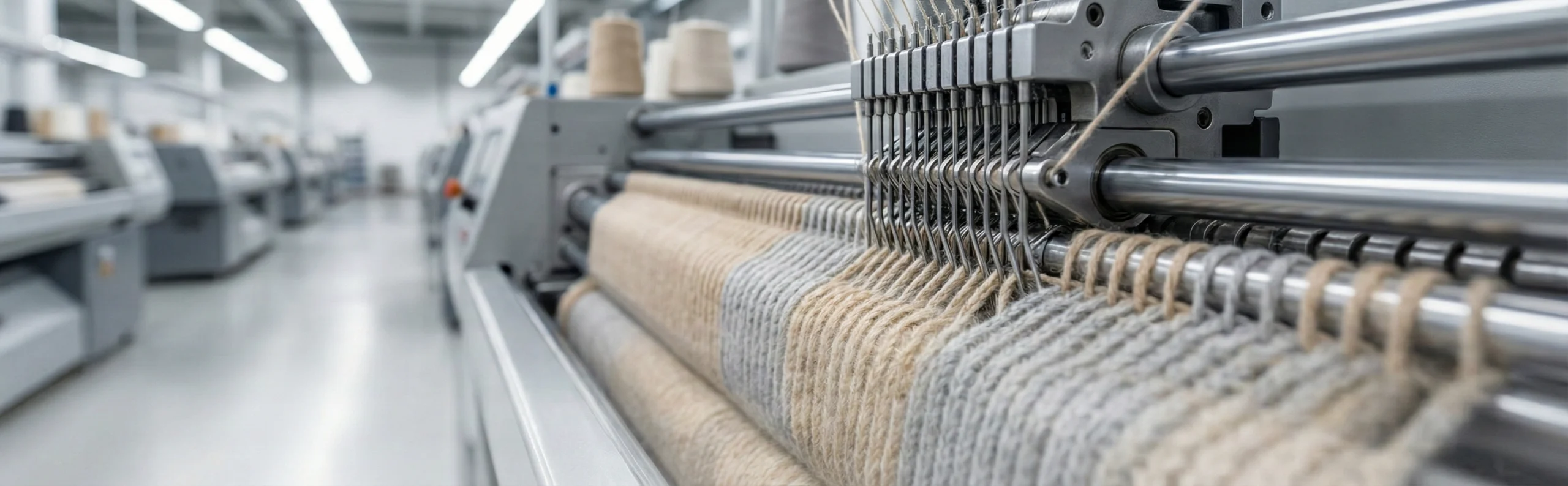
Knitting technology and yarn textures used in custom knitwear development

Material & Construction

Choose Yarn, Gauge and Craft for the Target Product

The right combination should support the intended hand feel, silhouette, weight, appearance, price position, and production plan.

01

Yarn & Composition

Review cotton, wool and cashmere blends, mohair blends, viscose or modal blends, and synthetic blends against softness, warmth, drape, structure, care, and availability.

02

Gauge & Garment Weight

Use gauge and yarn selection to define whether the product should feel chunky, mid-weight, refined, or lightweight. Exact capability is confirmed for the selected style.

03

Stitch, Pattern & Craft

Consider jersey, rib, cable, cardigan stitches, jacquard, intarsia, pointelle, embroidery, crochet, beading, print, dye, and wash effects according to project feasibility.

Knitwear sample approval package and development references

Quotation Logic

What Affects Custom Sweater Pricing?

A useful quotation requires more than a reference image. The following variables shape material use, production complexity, approval work, and order planning.

  • Yarn composition and availability
  • Gauge and garment weight
  • Stitch and pattern complexity
  • Number of colors
  • Fit and size range
  • Logo and decorative craft
  • Quantity per style and color
  • Labels, packing, and documentation

Procurement Planning

MOQ, Sampling and Bulk Lead-Time Planning

MOQ and timing are reviewed after the product direction, yarn, construction, color and size breakdown, branding requirements, quantity, and approval route are understood.

Planning Stage What Is Reviewed Planning Outcome
Project Review Style, specification, yarn direction, quantity, colors, sizes, branding, and destination. Feasibility questions and quotation basis.
Sampling Construction complexity, material readiness, fit requirements, and revision scope. A project-specific sampling plan.
MOQ Order quantity by style, color, and size, plus yarn and process requirements. A workable order structure for discussion.
Bulk Planning Approved sample, material readiness, total quantity, season, packing, and delivery needs. A production schedule based on confirmed requirements.
No single MOQ or lead-time promise applies to every sweater. Confirm these points against the actual style before fixing a launch or delivery schedule.

Development Route

From Sweater Concept to Bulk Production

A structured approval path keeps the product specification, commercial plan, and bulk requirements connected.

Step 01

Requirement Review

Share the product idea, reference, specification, quantity, and target timing.

Step 02

Feasibility & Quote

Review yarn, structure, craft, branding, and order variables.

Step 03

Specification Confirmation

Align yarn, color, measurements, stitch, trims, and sample requirements.

Step 04

Sample Development

Develop the sample for review of fit, hand feel, appearance, and workmanship.

Step 05

Approval & Bulk Plan

Confirm the approved reference, order breakdown, packing, and production plan.

Step 06

Production & Packing

Coordinate bulk production, quality checkpoints, finishing, and packing.

Risk Control

Common Sweater Risks and How They Are Controlled

Sweater quality depends on agreed specifications and control from development through packing. The relevant checkpoints are defined for the product and order rather than described as a universal guarantee.

Garment inspection workshop at Dongguan Cainan Clothing

Common Risks to Review

  • Pilling behavior
  • Measurement variation
  • Shade or color variation
  • Uneven knit tension
  • Linking and seam defects
  • Pattern alignment issues
  • Trim or label placement errors
  • Packing inconsistency

Project Control Points

  • Confirmed yarn and product specification
  • Sample review before bulk planning
  • Measurement and appearance checking
  • Workmanship review during production
  • Color and visible defect checking
  • Linking, seam, and trim review
  • Approved branding and packing references
  • Final packing verification

Why CNSWEATERS

Why Buyers Work With CNSWEATERS

The value of a sweater supplier is not a single marketing claim. Buyers need a workable combination of product understanding, project communication, sample review, production coordination, and quality checkpoints.

01

Located in Dalang, Dongguan

Coordinate sweater development with a company based in a specialized knitwear production area.

02

OEM/ODM Development Support

Start from a tech pack, reference garment, sketch, or image and review a practical development route.

03

From Sample to Packing

Keep the approved product direction connected to bulk planning, visible quality points, finishing, and packing requirements.

Have a sweater concept or specification?

Share the product direction, expected quantity, target market, branding needs, and required timing for a project review.

Check Project Feasibility

Factory Proof

Inside Our Sweater Production

Real factory images show the production environment behind knitting, linking, finishing, inspection, and packing coordination.

Computerized knitting machine workshop at Dongguan Cainan Clothing
Knitting workshop for developing and producing knitted garment panels.
Knitting and linking work in sweater production
Linking and assembly work where panel construction and seam appearance are reviewed.
Garment ironing and finishing area at Dongguan Cainan Clothing
Finishing and preparation before final checking and packing requirements are completed.

Buyer Priorities

What B2B Buyers Need From a Sweater Supplier

A sourcing decision becomes easier when the supplier can turn an initial concept into a clear product specification and a realistic approval and production plan.

Clear Feasibility Feedback

Explain what needs confirmation before quoting, sampling, or approving a design for bulk planning.

Specification Discipline

Keep yarn, measurements, stitch, color, branding, trims, and packing references organized.

Sample-to-Bulk Alignment

Use the approved sample and confirmed order information as practical references for bulk execution.

Realistic Project Timing

Review material readiness, revision needs, quantity, season, packing, and delivery requirements before fixing dates.

Visible Quality Checkpoints

Define the measurements, appearance, workmanship, color, branding, and packing details that matter to the order.

Complete Inquiry Information

Provide enough product and order information for the supplier to ask focused questions and prepare a useful response.

FAQ

Custom Sweater Manufacturing FAQs

Practical questions to review before starting a custom knit sweater or bulk sweater program.

A project can begin from a tech pack, reference garment, sketch, or reference image. The team reviews the required yarn, structure, measurements, pattern, branding, quantity, and timing before confirming a development route.

For crew neck, V-neck, turtleneck, oversized, cable, jacquard, textured, or fine-gauge pullovers, review the Custom Pullover Sweaters page. If the product direction is not yet clear, submit the project brief for category guidance.

Share the product reference or specification, estimated quantity, color and size breakdown, preferred material or target hand feel, branding requirements, delivery market, and required timing. More complete information supports a more focused review.

MOQ is discussed against the actual style, yarn, gauge, color quantity, size breakdown, branding, and production requirements. It should be confirmed for the project rather than treated as one fixed number for every sweater.

Yes. Sampling is used to review fit, measurements, hand feel, color, construction, branding, and workmanship before the approved reference and order details move into bulk planning.

Material and construction options are reviewed according to the selected product, target hand feel, appearance, weight, price position, and availability. Exact gauge and stitch feasibility is confirmed for the style.

The approved product direction and confirmed order information provide references for measurements, appearance, workmanship, color, trims, labels, finishing, and packing. Relevant checkpoints are set according to the product and buyer requirements.

Timing is reviewed after the specification, material readiness, sampling or revision requirements, total quantity, season, packing, and delivery needs are clear. A project-specific schedule should be confirmed before fixing the launch plan.

Project Inquiry

Tell Us About Your Sweater Project

Prepare the information that helps the team understand the product and order before discussing feasibility, quotation, sampling, MOQ, and timing.

  • Tech pack, sketch, sample, or reference image
  • Estimated quantity by style and color
  • Size range and target market
  • Preferred yarn or target hand feel
  • Stitch, logo, label, and packing needs
  • Target delivery timing and destination

You will continue to the CNSWEATERS quote page to provide contact details and upload project files.