 CN Sweaters
High-Collar Full-Zip Sweater
Best for: transitional and smart-casual knitwear collections.
Development focus: collar shape, zipper top transition, front alignment and body fit.
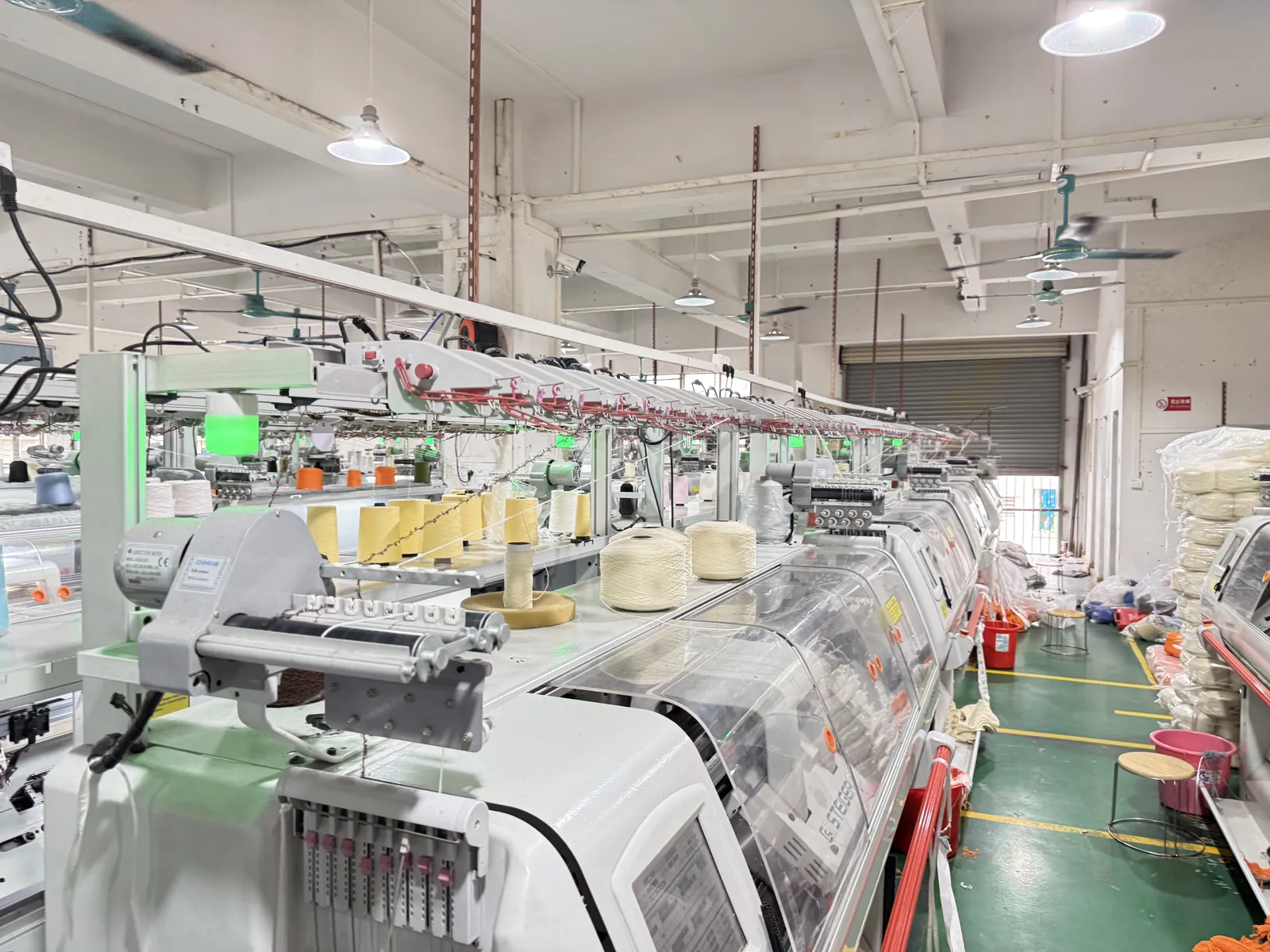
Work with a full-zip knit sweater manufacturer to develop the fit, zipper function and front construction your collection needs. Review the knit and hardware together from sampling to bulk planning.
Cainan Clothing supports yarn, gauge and construction review through zipper sourcing, sampling, fit adjustment, private labeling, production, inspection and packing.
This page covers full-zip knit sweaters: zipper length, front alignment and tape shrinkage. Related pages: Knit Hoodies & Zip-Up Sweaters · Custom Zip-Up Knitwear · Quarter Zip Sweaters.
MOQ from 50 pcs per color per size · samples in 3–7 days · bulk in 15–45 days. See MOQ & lead time and quality control.
A stable zipper and a flexible knitted front behave differently. The zipper, front edge, neckline, hem and garment fit therefore need to be developed as one system before bulk production.
Not intended for: single-piece retail purchases, ready-stock sourcing or non-knit cut-and-sew jackets.
Define the silhouette first, then review yarn, gauge, stitch, zipper and front-edge construction around that direction.
Best for: transitional and smart-casual knitwear collections.
Development focus: collar shape, zipper top transition, front alignment and body fit.
Best for: clean and contemporary fashion programs.
Development focus: neck height, zipper endpoint, neckline balance and closure comfort.
Best for: stretch-focused and texture-led collections.
Development focus: rib recovery, zipper compatibility, body tension and front stability.
Best for: textured fall/winter knitwear collections.
Development focus: garment weight, cable placement, zipper support and front balance.
Best for: graphic, branded and statement knitwear programs.
Development focus: mark the zipper split and matching points in the artwork, including how motifs meet at the neckline and hem.
Best for: fine-gauge and transitional layering collections.
Development focus: lightweight zipper selection, edge stability, drape and clean attachment.
Appearance is only one input. Weight, tape behavior, length, finish and operating direction need to work with the finished knitted front.
A light fine-gauge sweater and a dense winter knit require different hardware balance. The zipper should support the front without dominating it.
Match the tape to garment weight, knit structure, gauge, front-edge construction, intended fit and zipper type.
Specify finished zipper length by garment size, measured against the finished center front, with neckline and hem endpoints defined.
Choose the puller reference, tape color and teeth or coil appearance. Confirm the trim sample, availability and any substitutions before garment sampling.
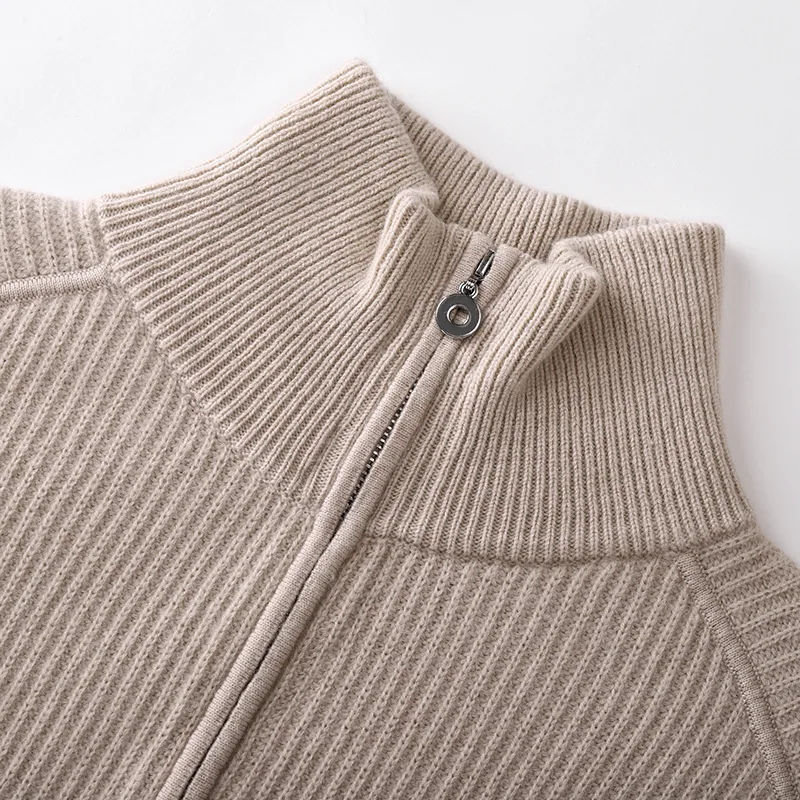
The selected zipper still needs to work with the actual knitted edge during attachment and after finishing.
A full-zip sweater must work as an open layering piece and as a fully closed garment. The edge, zipper and body fit need to remain balanced in both states.
Use a structured edge, facing, supported panel or project-specific reinforcement that supports attachment without becoming excessively stiff.
Align left-right height, top stop, collar, comfort and internal finishing without visible bulk.
Coordinate the zipper endpoint with the hem so both sides meet level without pulling.
When worn open, confirm:
When fully zipped, avoid:
Ask your full-zip knit sweater manufacturer to review the finished garment open and fully zipped over the intended layer. Record front alignment, hem levels and collar position, and check that the slider clears the knit. A zipper sample alone cannot show how the garment will behave.
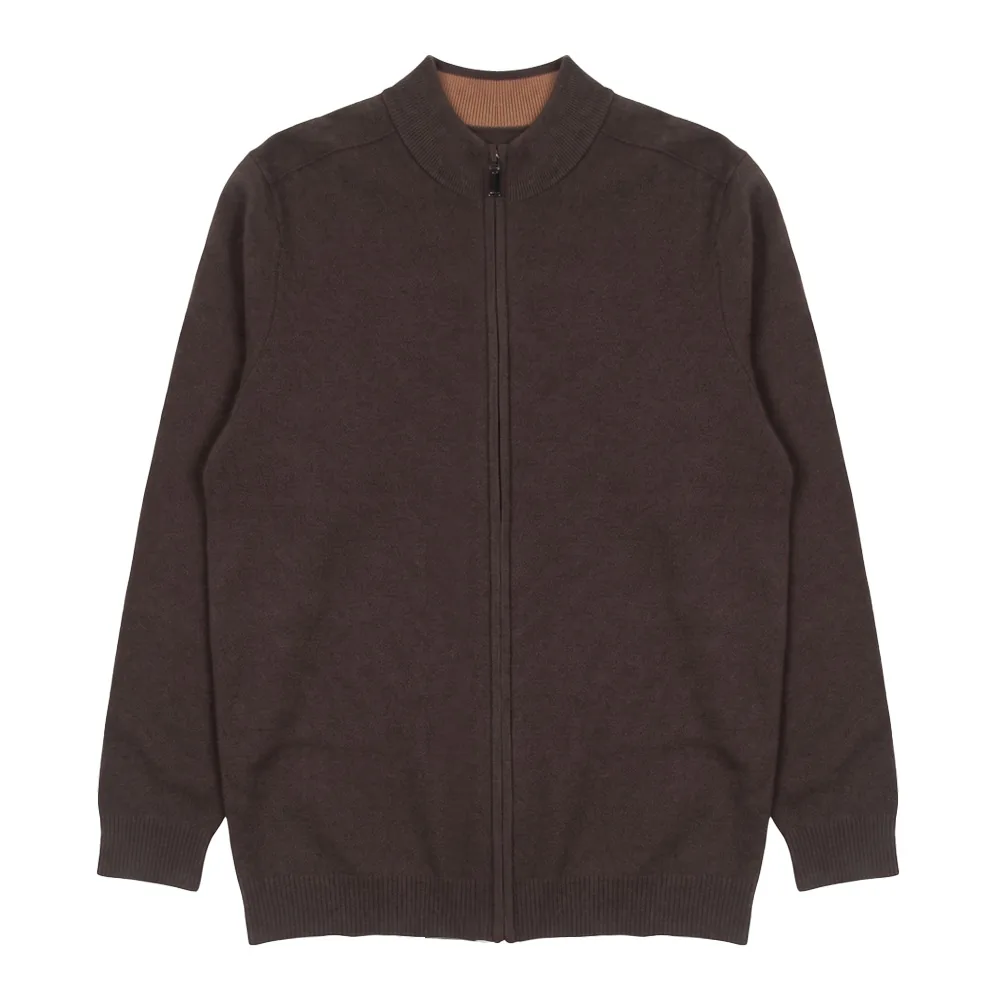
Brief your full-zip knit sweater manufacturer on both the knit and zipper: length by size, tape color, puller and custom finish. Confirm yarn availability; garment quantities and custom-hardware minimums may need separate review.
Send a swatch or target garment weight. Review yarn, gauge and front-edge construction with the proposed zipper before confirming the production route.
| Quotation factor | Why it matters |
|---|---|
| Yarn | Changes material cost, handfeel and garment behavior. |
| Gauge | Affects knit density, weight and production time. |
| Garment Weight | Changes yarn use and zipper requirements. |
| Zipper Type | Affects function, sourcing and trim cost. |
| Zipper Length | Affects grading, sourcing and assembly. |
| Stitch / Pattern | Changes knitting and programming complexity. |
| Front Construction | Adds stability and finishing requirements. |
| Colors | Affect yarn and zipper sourcing. |
| Branding | Adds labels, pullers, trims and packaging. |
| Quantity | Influences material purchasing and production planning. |
Start with a tech pack, reference image, existing garment or defined concept, then narrow the product through each approval stage.
Provide the design, quantity, size range and target delivery requirement.
Review silhouette, yarn, gauge, zipper direction and construction.
Check the zipper against garment weight, front-edge structure and fit.
Develop a physical sample as the initial technical and fit reference.
Review alignment, stability, hem, neckline and operation in both states.
Incorporate required fit, zipper, construction or trim changes.
Confirm the sample and specifications as the bulk reference.
Produce, inspect and pack the confirmed order for shipment.
Build the schedule around yarn, zipper specification, color and size mix, custom hardware and the required arrival date. Confirm materials and trim approval before setting sample and production dates.
Confirm the minimum by style, color and size split, including zipper and yarn requirements.
Agree materials, zipper approval, sample scope and the planned completion date.
Timing depends on the requested changes.
Confirm included development work and any separate material, trim, revision or shipping charges.
| Planning stage | What to confirm |
|---|---|
| Before sampling | Knit specification, zipper details and material availability |
| After approval | Final fit, trim approval, production and shipment plan |
Confirm the sample charge, revision scope and any bulk-order credit in the quote. Agree the schedule alongside zipper availability and trim approval, including custom-puller or finish requirements.
Send the required arrival date, quantities by color and size, and zipper requirements. Plan trim approval, revisions, production, inspection and transit separately in the delivery schedule.
Quality control should focus on the interface between the knitted front and the zipper.
Risk: the center front ripples after attachment or finishing.
Focus: review zipper-to-front length relationship and finished alignment.
Risk: zipper tape appears wrinkled, compressed or uneven.
Focus: review attachment, feeding and finished front appearance.
Risk: left and right hem levels do not meet when zipped.
Focus: compare front lengths, zipper endpoint and hem alignment.
Risk: the garment pulls or rotates when the zipper is closed.
Focus: review body balance, front edges and zipper alignment together.
Risk: the zipper top transition becomes thick or distorted.
Focus: check neckline, top position and finishing balance.
Risk: the slider catches or interferes with the surrounding knit.
Focus: check clearance, attachment and opening/closing function.
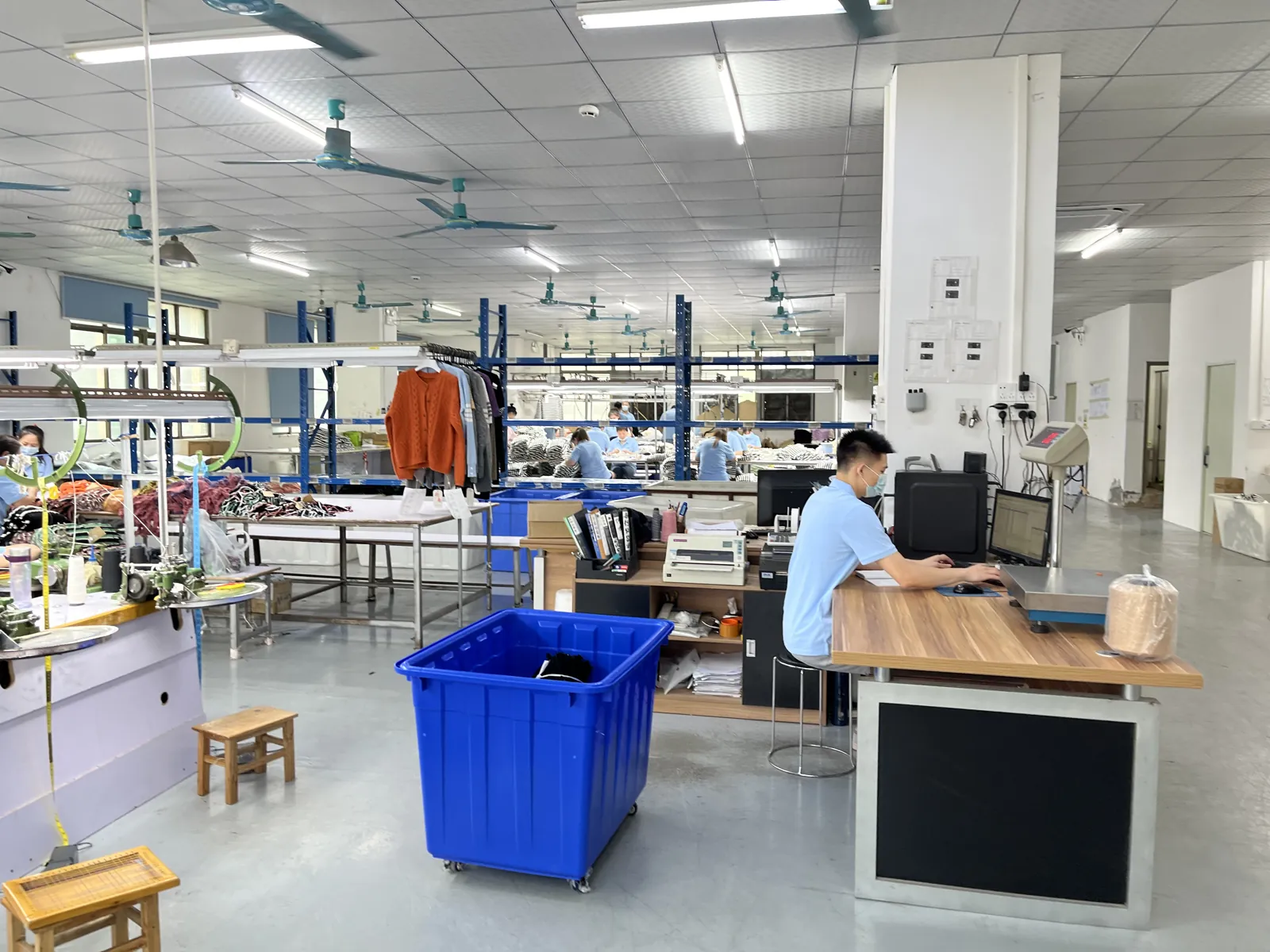
The approved sample and specification remain the bulk reference. Zipper operation alone is not enough if the front, hem or collar loses its approved shape.
Give your full-zip knit sweater manufacturer the label artwork, puller reference, zipper color and packing specification. Custom hardware depends on supplier availability and confirmed order quantities.
For U.S. sales, review FTC textile-labeling guidance when preparing label artwork.
Brand identity.
Care information.
Size identification.
Retail presentation.
Brand-specific hardware.
Project-specific appearance.
Standard or branded.
Buyer-defined packing.
Related service: Private Label Knitwear Manufacturer
An image can start the review. Add a size chart, finished zipper length by size, separating/open-end function, one-way or two-way direction, tape color and puller reference for the quote.
Our MOQ starts from 50 pcs per color per size. Bulk production usually takes 15–45 days after sample approval, depending on quantity, yarn and season. MOQ is confirmed against style, yarn, colors and size split. Custom pullers, finishes or special lengths may have separate supplier requirements, so provide garment quantities and the hardware brief together.
Yes. A reference image, sketch or existing garment can support the initial review. More complete measurements and specifications improve sampling accuracy.
Zipper suppliers such as YKK, SBS or other suitable options can be evaluated according to project requirements, availability and supplier minimums.
Yes. Project-specific colors, finishes and puller directions can be evaluated according to supplier availability, quantity and design requirements.
One-way or two-way directions can be reviewed according to the product design, intended use, supplier options and project requirements.
Review zipper length and weight with front-edge stability, attachment and finishing rather than treating waviness as only a sewing issue.
Yes. Cable, jacquard and other structures can be evaluated according to yarn, gauge, garment weight and zipper/front construction.
Samples usually take 3–7 days once the brief and materials are confirmed. Confirm the first-sample date after knit construction, zipper specification and materials are reviewed. Allow for trim approval and fit or attachment revisions before setting the bulk schedule.
Key variables include yarn, gauge, weight, zipper type and length, stitch complexity, front construction, colors, branding and quantity.
Yes. Labels, hangtags, zipper-related branding, packaging and other brand components can be included according to confirmed requirements.
Send your tech pack, reference image or existing sample. We will review the product definition before quotation and bulk planning.
Fit → Yarn → Gauge → Front Edge → Zipper → Neckline → Hem → Trims → MOQ → Sampling → Production