 CN Sweaters
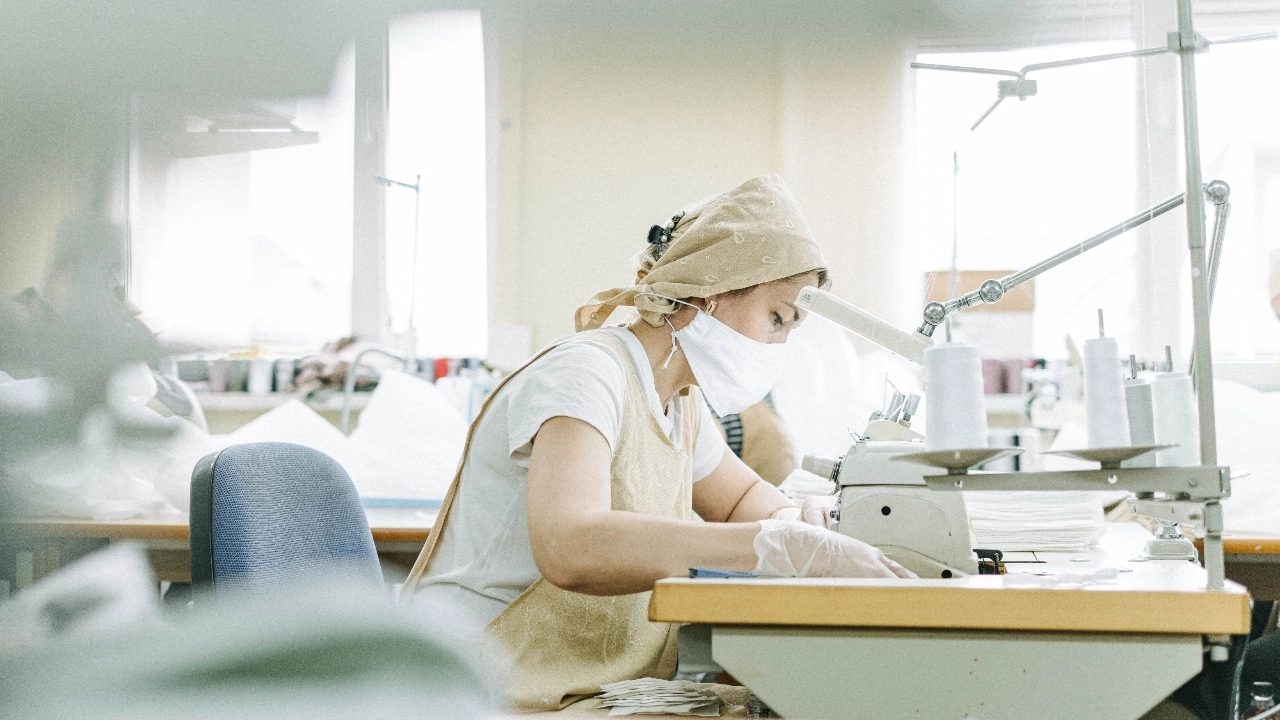
A sweater factory is ready for bulk production only when the approved sample has been translated into controlled yarn, gauge, measurement, color, trim, QC, packing, MOQ, and lead time standards. A good-looking sample and a low unit price do not prove that a knitwear factory can repeat the same hand feel, size, shade, and workmanship across hundreds or thousands of pieces.
For custom sweater, custom knitwear, private label knitwear, and wholesale knitwear orders, production readiness is a practical risk filter. If the buyer enters bulk production before yarn lots, machine gauge, garment weight, washing behavior, size tolerance, color approval, trims, packaging, and inspection criteria are fixed, the bulk order may drift away from the sample. The common results are heavier or thinner garments, sleeve length movement after finishing, shade variation across sizes, higher repair rates, carton mistakes, and a lead time that looks acceptable on paper but fails against the launch calendar.
When Is a Sweater Factory Ready for Bulk Production?
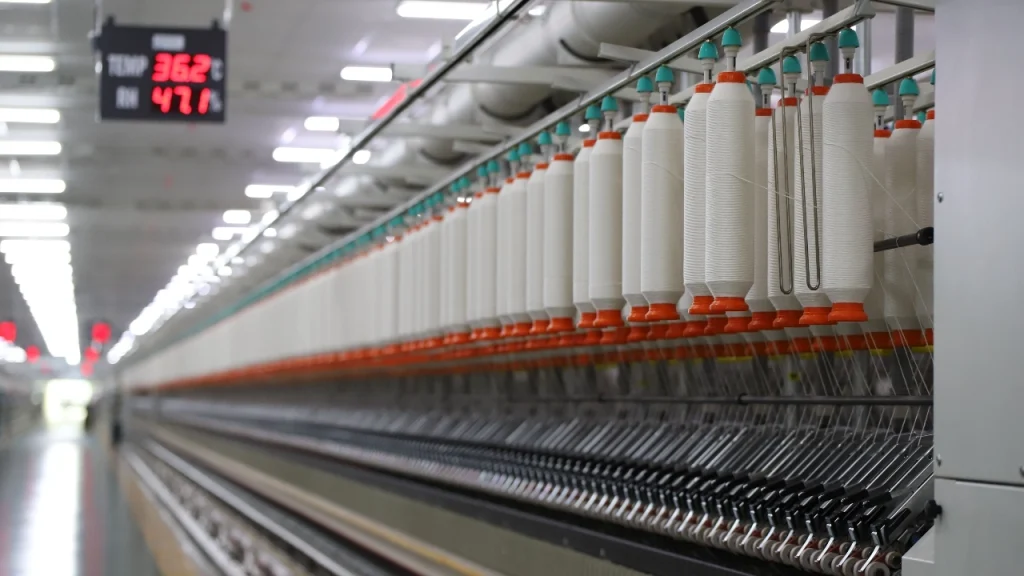
A sweater factory is ready for bulk production when it can show how the approved sample will be repeated, not just how it was made once. The real test is whether the sweater manufacturer can lock the production standard before yarn purchasing, machine booking, linking, washing, finishing, and packing begin.
Readiness Is a Locked Production System
For a knitwear manufacturer, the pre-production sample should become a production control file. That file needs yarn composition, yarn count or supplier reference, gauge, stitch structure, garment weight target, size chart, tolerance rules, color approval, trims, labels, packaging, and inspection checkpoints. CottonWorks explains that sweater manufacturing may involve cut and sew, panel knitting, full fashioning, or whole-garment knitting, and each sweater manufacturing method affects how panels, seams, fit, and production control are handled.
If the factory cannot say whether the bulk garment will be knitted as shaped panels, fully fashioned panels, or cut-and-sew pieces, the buyer is not looking at a finished production plan. The risk is not theoretical. A rib cardigan, a cable pullover, and a fine-gauge lightweight sweater can all pass sample approval, yet fail in bulk if machine tension, panel size, washing shrinkage, and linking tension are not controlled.
Red Flags Before a PO
A factory is not ready if it answers bulk questions with only “no problem.” Buyers should slow down when the factory cannot explain yarn availability, dye lot control, gauge allocation, size tolerance, or how many machines will be assigned to the order. It is also risky when the quotation excludes trims, packing, lab dips, testing, sample revisions, or final inspection.
For CN Sweaters projects, the OEM/ODM process is structured around RFQ intake, yarn and color confirmation, sample making, PP approval, bulk production, inline QC, final QC, packing, and shipment handover. That kind of milestone logic matters because knitwear does not become safer simply because the buyer has paid a deposit. It becomes safer when each variable is fixed before the first bulk panel is knitted.
What Should a Factory Audit Check Before Production?
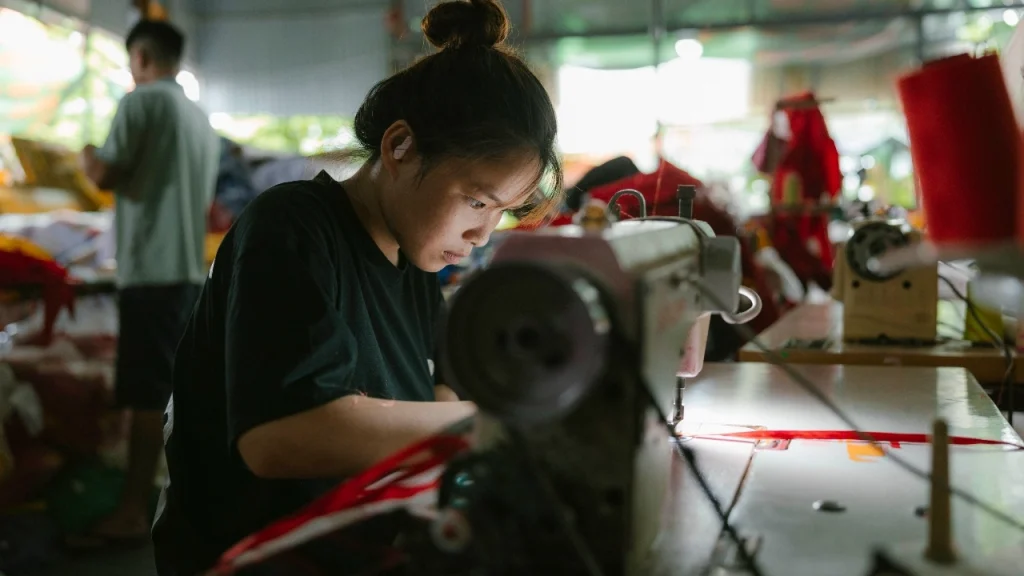
A factory audit should test whether the sweater manufacturer can explain and document the production path for the buyer’s actual style. A general tour of machines, workers, and finished samples is not enough for production readiness.
Audit Materials Machines and Documents
The audit should connect the design to the factory floor. If the project is a 7GG lambswool-blend cardigan with horn buttons, the audit should check yarn sourcing, shade continuity, button supply timing, linking capacity, washing method, measurement points, and carton packing. If the project is a 12GG fine-gauge pullover, the audit should focus more on yarn fineness, machine availability, panel stability, edge rolling, and tighter measurement control.
Use a production readiness table instead of relying on factory presentation slides:
| Audit Area | Buyer Should Confirm | Risk If Not Fixed |
|---|---|---|
| Yarn and composition | Fiber blend, yarn supplier, lot plan, substitute rules | Bulk hand feel or pilling risk differs from sample |
| Gauge and stitch | Machine gauge, stitch program, density, garment weight | Size drift, unstable texture, slower output |
| Sample approval | PP sample, measurement spec, color standard, trim card | Factory follows memory instead of a sealed standard |
| MOQ logic | Quantity by style, color, and size ratio | Minimum order quantity misunderstood after PO |
| Lead time | Yarn booking, machine schedule, QC, packing, shipping buffer | Launch window missed despite “normal” production time |
| Inspection | Inline check, final quality inspection, defect classification | Problems found too late for practical correction |
The table is useful because it forces the knitwear factory to answer in production terms. A factory that can make a sample but cannot fill these fields is still in development mode, not bulk mode.
Use the Audit to Test Explanations
The strongest factory audit questions are specific. Ask how color lots will be separated, what happens if one size shrinks more after finishing, how many machines are available for the gauge, and whether the same yarn lot can be reserved for replenishment. CottonWorks notes that machine gauge, stitch length, feeders, and flat-bed machine setup affect fabric weight, width, appearance, and productivity in knit machinery guidance. That is why a readiness audit should include technical scheduling, not only compliance paperwork.
This is especially important for custom sweater and private label knitwear programs with multiple colors. A low unit price is not useful if the factory later splits production across different yarn lots without shade control.
How Should MOQ and Lead Time Be Tested?
MOQ and lead time should be tested against the order breakdown, not accepted as a single number. For a sweater factory, 600 pieces in one color and 600 pieces split into six colors do not create the same production burden.
MOQ Is a Capacity Question
Minimum order quantity is shaped by style, color, size ratio, yarn availability, dyeing requirements, stitch complexity, trims, and machine setup. CottonWorks notes that knit construction and yarn choices affect cost, and that more complex knit structures can be slower to knit than simpler jersey structures. In sweater bulk production, that same logic shows up in MOQ: the factory must cover setup time, yarn purchasing minimums, color control, and production efficiency.
A buyer should ask the knitwear manufacturer to calculate MOQ by style, color, and size. If a factory says “300 pieces MOQ” but later explains that it means 300 pieces per color, the product plan changes immediately. If the project includes five sizes and three colors, the buyer needs to know whether the factory can support the intended size ratio or whether certain size-color combinations become too small to run cleanly.
CN Sweaters explains its MOQ and lead time around style, color, size ratio, yarn, gauge, stitch complexity, trims, packaging, and seasonality. That is the right direction for buyer evaluation because knitwear MOQ is a production planning issue, not just a sales threshold.
Lead Time Must Include Approval Time
A realistic lead time starts before bulk knitting. It includes yarn confirmation, lab dip or shade selection, sample revision, PP approval, bulk yarn preparation, machine allocation, knitting, linking, washing or steaming, finishing, inline quality control, final inspection, packing, and shipment handover.
The common mistake is counting only knitting days. That is risky for wholesale knitwear programs with fixed delivery windows. If PP approval is delayed by one week, or if a custom-dyed yarn needs another approval round, the bulk schedule may still show “30 days,” but the calendar no longer supports the launch. A factory ready for bulk production should provide a lead time with dependencies, not a vague promise.
Which Quality Control Points Must Be Fixed Early?
Quality control must be fixed before bulk production because knitwear defects often become expensive after linking, washing, and finishing. A final quality inspection can reject a shipment, but it cannot easily recover a wrong yarn lot, unstable gauge, or incorrect measurement rule.
Testing Should Match the Garment Risk
Not every sweater needs the same testing package. A cotton sweater for spring layering, a brushed acrylic cardigan, and a wool-blend chunky pullover have different risk points. The buyer should decide which tests matter for the target market and selling channel: fiber composition, dimensional stability after washing, pilling resistance, colorfastness to rubbing or washing, seam strength, appearance retention, and care label accuracy.
Intertek lists apparel test areas including dimensional stability, colorfastness, abrasion, pilling resistance, strength, pH, and care label support in its textile testing programs. For sweater buyers, this means testing should not be treated as a generic checkbox. If the garment is dark navy, color rubbing matters. If it is a loose multi-ply yarn, pilling and snagging matter. If it is a fitted rib dress, recovery and size tolerance after finishing matter.
Inspection Standards Need Defect Language
Quality inspection must define what counts as critical, major, and minor before production starts. For sweaters, buyer and factory should align on holes, dropped stitches, broken yarn, visible knots, poor linking, twisted seams, shade bands, oil stains, loose trims, incorrect labels, measurement out-of-tolerance, carton shortage, barcode errors, and packaging omissions.
CN Sweaters describes its quality control around raw material inspection, inline QC, finishing and hand mending, measurement checks, final audit, and safety checks. For a buyer, the practical question is whether those checkpoints are tied to the approved PP sample and size chart. If the factory checks appearance but not garment weight, a bulk sweater may look acceptable while feeling different from the sample. If it checks measurements before steaming but not after finishing, the final folded garment may fail the spec.
AQL can support final inspection, but it is not a replacement for inline control. QIMA explains that AQL sampling uses shipment quantity, inspection level, and defect limits to determine sample size and accept or reject points. For knitwear, AQL works best when the buyer has already defined sweater-specific defects instead of using a generic apparel checklist.
Can the Factory Repeat the Same Standard on Reorders?
A knitwear factory is truly ready for bulk production when it can also explain how the same standard will be repeated on replenishment. Reorders fail when the original production information is scattered across emails, sample comments, and memory.
Reorders Depend on Lot Control
For private label knitwear and wholesale knitwear, the first order is only part of the business. If the style sells well, the buyer may need replenishment with the same color, hand feel, size, and packaging. That requires archived yarn lot information, approved shade records, stitch program files, measurement specs, trim references, label artwork, packing method, and inspection results.
The buyer should ask what can be repeated and what may change. If the original yarn lot is unavailable, the factory should explain the approval process for a substitute yarn. If a shade card color is discontinued, the buyer should approve a new lab dip before production. If a reorder moves from 7GG to another gauge to save cost, it is no longer the same garment and should go through sample approval again.
For categories such as pullovers, cardigans, hooded knits, knit dresses, and sleeveless knitwear, CN Sweaters presents different sweater product capabilities by gauge, construction, yarn, stitch, decoration, customization, QC, MOQ, and lead time. Buyers should use that category logic when comparing reorders because each product type creates different repeatability risks.
Packaging Is Part of Readiness
Packaging should be approved before bulk production, not after final inspection. Neck labels, care labels, hangtags, stickers, size stickers, polybags, carton marks, barcode placement, folding method, and carton assortment all affect delivery accuracy. Intertek’s apparel inspection process includes packaging list review, carton count, carton dimensions, shipping labels, shade identification, garment count, poly bags, hangtags, and barcodes in its textile and apparel inspection scope.
This matters because a sweater can be well made but still fail the buyer’s receiving process. A boutique retailer may need individual polybags and size stickers. A wholesale distributor may need carton-level SKU separation. An e-commerce brand may need barcode accuracy and clean folding. If these are added after production, the factory may need rework time, extra labor, or new materials, and the lead time becomes less reliable.
Conclusion
A sweater factory is ready for bulk production when it can prove that the sample standard has become a repeatable production system. Before placing a bulk order, buyers should confirm yarn composition, yarn lot control, gauge, stitch structure, garment weight, size tolerance, wash behavior, pilling risk, color approval, trims, packaging, MOQ logic, lead time dependencies, inline QC, final quality inspection, and reorder records.
Do not move into bulk only because the unit price is attractive or the sample looks close enough. Send your sweater design, target material, gauge direction, expected MOQ, size range, color plan, packaging request, quality standard, and delivery timeline through CN Sweaters’ OEM/ODM knitwear services to review whether your production plan is ready for bulk manufacturing.
FAQ
How can I tell if a sweater factory is ready for bulk production?
Ask the factory to show the PP sample, yarn details, gauge, stitch program, size chart, tolerances, color approval, trim card, packing method, QC checkpoints, MOQ calculation, and lead time schedule. If these are not fixed, the project is still in development, not ready for bulk.
Why should MOQ be checked by color and size?
Because knitwear MOQ is affected by style, color split, size ratio, yarn availability, and machine setup. A 500-piece order in one color is easier to schedule than the same quantity split across many colors and sizes.
What quality inspection standard works for sweaters?
AQL can be used for final inspection, but the checklist must include sweater-specific defects such as dropped stitches, poor linking, shade variation, pilling risk, measurement drift, loose trims, and packing errors.
When should packaging be confirmed?
Packaging should be confirmed before bulk production begins. Care labels, hangtags, stickers, polybags, folding, carton marks, SKU separation, and barcodes can delay shipment if they are treated as late-stage details.
What makes reorders difficult in knitwear?
Reorders become difficult when yarn lots, shade records, stitch programs, finishing settings, size specs, trims, and packaging files are not archived. If any of these change, the reorder may not match the first bulk run.