 CN Sweaters
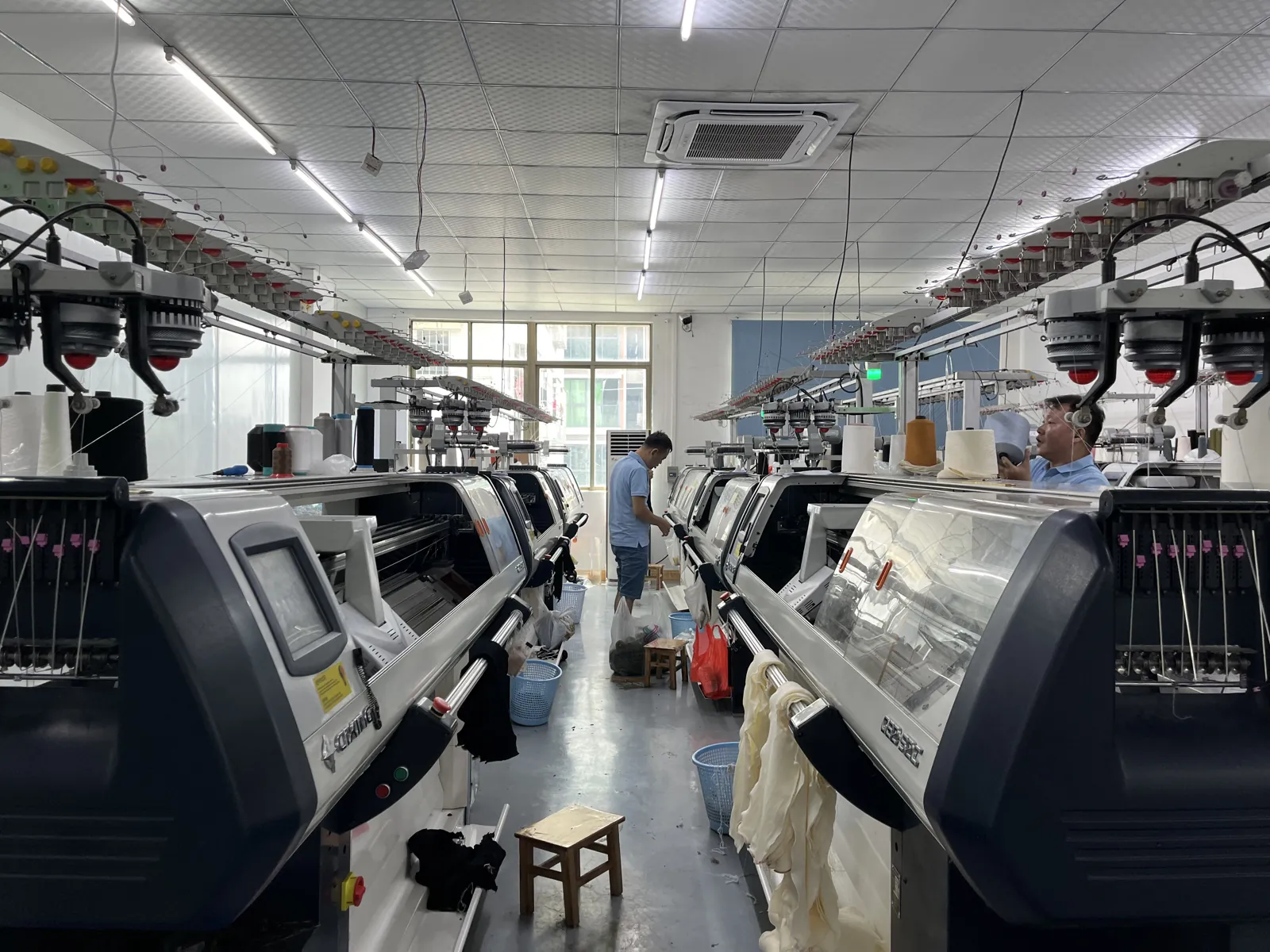
The core difference in a knitwear manufacturer vs sweater factory comparison is scope of service; a manufacturer handles strategic development and technical engineering, while a factory mainly executes assembly based on finished specifications. For sourcing managers, brand founders, and product developers, choosing between these two supplier types is the single decision that most directly shapes quality, lead time stability, and long-term margin. This guide is written for brands evaluating knitwear manufacturer options versus transactional sweater factories, and it compares what each model actually delivers across MOQ, sampling, QC, and capability.
From our perspective as a development-led producer with a monthly capacity of 150,000 pieces and an in-house library of 100+ yarns, we see daily how these differences play out. Brands that treat sourcing as a purely price-driven exercise usually end up paying more later through reworks, delayed shipments, and inconsistent bulk. Brands that select a partner based on engineering depth and communication discipline tend to scale faster with fewer surprises. Below we break down the 7 areas that matter most when matching a supplier profile to a brand’s actual development needs.
Why Choose a Knitwear Manufacturer Over a Basic Sweater Factory?
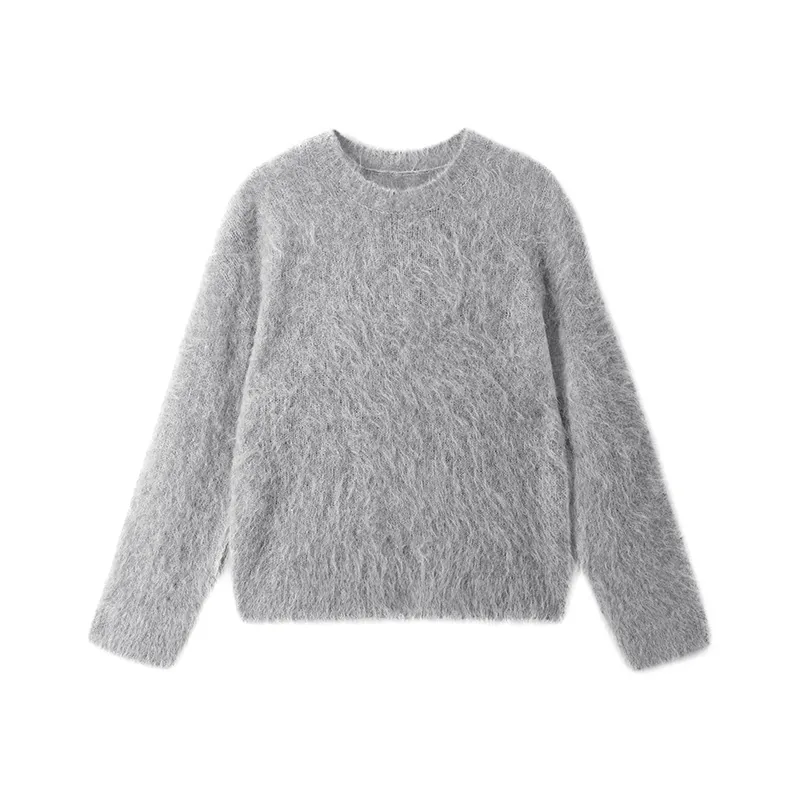
A knitwear manufacturer is the right choice when your designs require technical input, yarn advice, or structural engineering; a basic sweater factory is sufficient only when your tech pack is fully production-ready and you simply need execution. The key trade-off is control. A basic factory operates as an execution engine, expecting finalized specifications, approved yarn swatches, and a complete bill of materials before they commit machinery time. If the tech pack contains an error in stitch tension, gauge, or yarn weight, most factories produce exactly what the paperwork says, even when the resulting garment loses shape, skews after wash, or fails basic pilling checks.
Development capability as the dividing line
We operate differently because knitwear is a three-dimensional construction built from a single continuous yarn rather than pre-made fabric. That means every decision upstream, from fiber blend to needle gauge, affects drape, recovery, and hand feel downstream. A true manufacturer invests in technical designers, pattern makers, and machine programmers who can challenge a design before it enters bulk. For growing brands, that internal QA is the difference between a clean first production run and three rounds of corrections.
When a basic factory still makes sense
Basic factories remain useful for repeat programs, simple jersey styles, or blanks where the construction is already de-risked. If you are reordering a proven SKU with no changes, paying for full manufacturer-level development adds cost without added value. The problem arises when brands use a basic factory for new development, assume the factory will “figure it out,” and then absorb the quality penalty in season. For B2B buyers, the practical meaning is simple: the more custom your design, the more you need a partner with engineering depth rather than just sewing capacity.
Knitwear Manufacturer vs Sweater Factory vs Trading Company
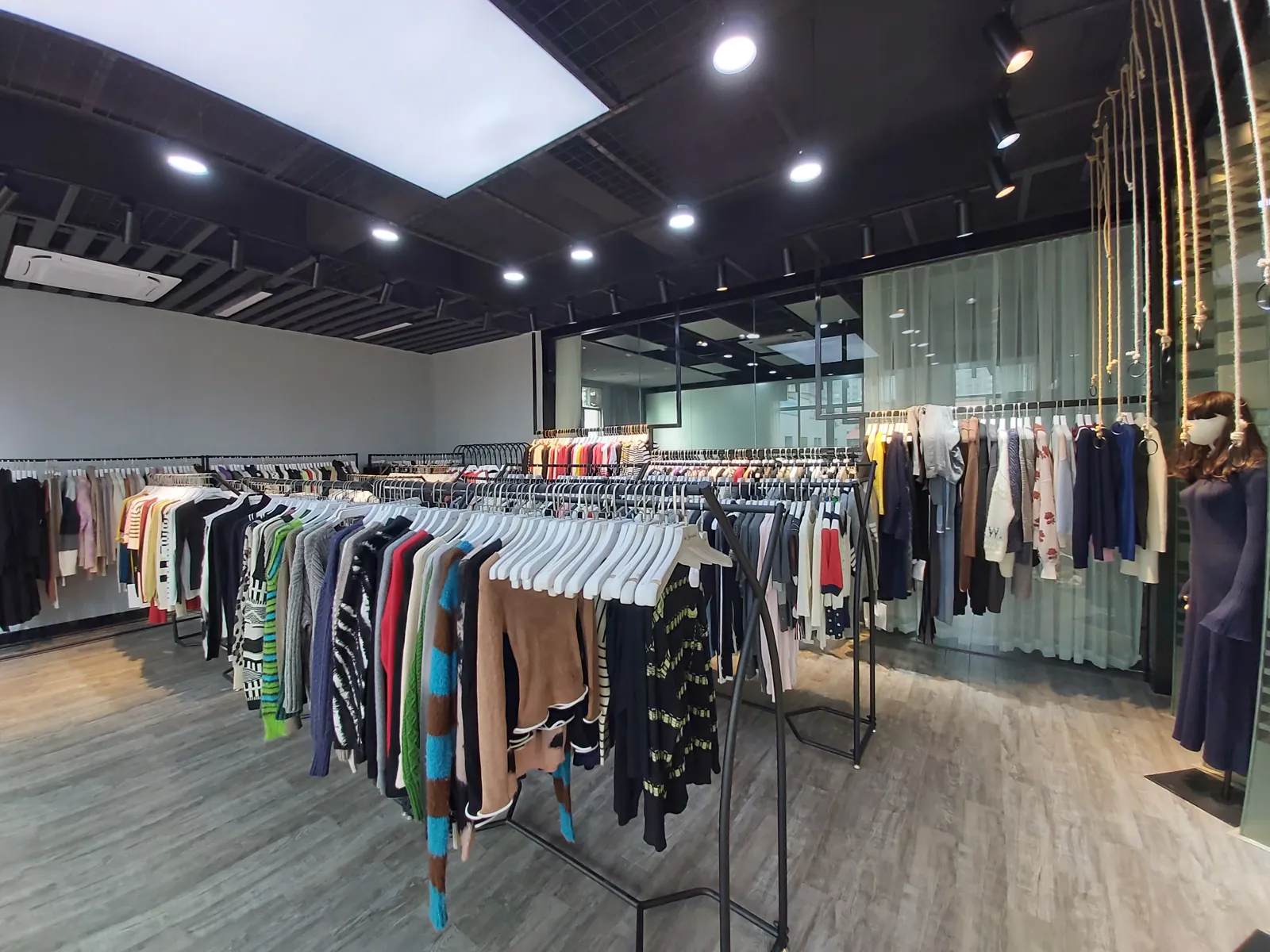
Before committing to any supplier, it helps to see how the three dominant sourcing models differ across the variables that matter to buyers. The table below summarizes how a direct knitwear manufacturer, a basic sweater factory, and a trading company typically compare on MOQ, lead time, and customization depth.
| Supplier Type | Average MOQ (per style/color) | Standard Bulk Lead Time | Customization Level | Best Fit For |
|---|---|---|---|---|
| Knitwear Manufacturer (Direct) | 100 – 300 units | 30 – 60 days | High (custom yarn & stitch) | Brands needing development, ODM, or technical knits |
| Basic Sweater Factory | 300 – 500 units | 45 – 90 days | Medium (follows tech pack) | Reorders and simple OEM with finalized specs |
| Trading Company | 50 – 100 units | 15 – 30 days | Low (blanks or stock styles) | Small brands buying existing open-line products |
The table shows that lower MOQs often come with lower customization, while deeper engineering requires modest volume commitments. For buyers, the sensible read is to match supplier type to project type rather than defaulting to the cheapest quote.
Reading the trade-offs honestly
Trading companies look attractive for startups because of low MOQs, but quality control is layered and traceability is limited. Basic factories deliver predictable execution but rarely solve design problems. Direct manufacturers carry higher development overhead but absorb most of the technical risk before bulk, which is where real cost blowouts happen.
How brands typically mix models when comparing a knitwear manufacturer vs sweater factory
Mature brands often run a hybrid strategy, using a direct manufacturer for flagship collections and a trading channel for fill-in basics. The important point is intentionality. Knowing which model you are buying from, and why, prevents the common mistake of expecting manufacturer-grade service at trading-company prices.
Is Your Current Sweater Factory Meeting Development Needs?
If your current supplier keeps returning samples with the same issues, or if every new style feels like a fresh round of firefighting, the factory is likely under-equipped for development work. The symptom is the “development gap,” the space between a designer’s sketch and the factory’s physical output. A factory that offers only OEM services usually assumes you are the technical expert; if the tech pack is incomplete or ambiguous, production will drift. A manufacturer that offers full OEM/ODM services closes that gap by translating creative intent into machine-readable logic.
Signs your factory is under-equipped
Common red flags include repeated sample rejections for the same measurement deviation, an inability to suggest yarn alternatives when stock runs out, vague answers on shrinkage tolerance, and last-minute substitutions without written approval. These patterns usually mean the factory lacks in-house technical designers or programmers. Our internal rule is that any substitution, whether of yarn lot, button supplier, or washing recipe, must be documented and signed off before production moves forward.
What development-ready partners actually do
A development-ready partner evaluates yarn performance across gauges, advises on whether a design benefits from 12G fine-knit or 7G chunky-knit construction, and flags structural risks early, such as ribbing that will lose elasticity or seams too heavy for a specific fiber. We routinely request mill test reports on yarn before committing to a dye lot, because fiber inconsistency is one of the most common root causes of bulk defects.
The cost of staying with the wrong fit when comparing a knitwear manufacturer vs sweater factory
Staying with an under-equipped factory costs more than switching. Rework, air freight to recover delays, and lost retail windows typically outweigh any unit-price savings. For B2B buyers, the practical benchmark is whether your factory proactively raises issues or only responds when you raise them. Passive suppliers create active problems.
Understanding the Production Logic of Knitted Sweater Manufacturers
The production logic of a knitted sweater manufacturer is vertical: yarn engineering, machine programming, knitting, linking, washing, and finishing are coordinated as one continuous system rather than handed off between unrelated steps. This matters because a sweater’s final hand, weight, and dimensional stability are determined as much by finishing as by knitting. A factory that only controls the sewing stage has limited ability to fix issues that originated at the yarn or knit stage.
Yarn library and machinery when comparing a knitwear manufacturer vs sweater factory
We maintain over 100 yarns in active rotation, covering cotton blends, merino wool, cashmere, acrylic, recycled fibers, and specialty novelty yarns. Pairing that inventory with computerized flat-knitting machines allows us to execute jacquards, intarsia, cable patterns, and textured stitches at production scale. For buyers, the practical meaning of a deep yarn library is faster sampling and fewer stock-out surprises when a mill discontinues a shade mid-season.
Tension control and daily calibration
Every yarn batch carries variance in moisture, twist, and elasticity. Without daily machine calibration, those variances produce uneven gauge, sizing drift, and inconsistent hand feel across a single run. We calibrate machines at shift start and verify with test swatches before committing to bulk panels. This discipline is invisible on the price sheet but visible in the finished product.
Finishing as a structural decision
Washing, steaming, and drying are not cosmetic. They bloom fibers, set dimensions, and lock in the density that defines premium knitwear. A manufacturer that treats finishing as an afterthought often ships sweaters that look correct at the line but lose shape after one home wash. Our finishing parameters are recorded per style, so refill orders match the original approved sample rather than drifting over time. For buyers, that repeatability is what makes a product line defensible at retail.
What Does Knitwear Manufacturer vs Sweater Factory Mean for MOQ?
MOQs and lead times are dictated by machine setup economics and yarn sourcing realities, not by arbitrary policy. A direct manufacturer usually sets MOQs based on the minimum dye lot required by the yarn mill and the setup time needed to program and calibrate a knitting machine for a specific style. Basic factories often carry higher MOQs because they lack the flexibility to run short orders efficiently. Trading companies appear to offer lower MOQs, but often because they are reselling blanks or leftover yarn from other projects.
Typical ranges and conditions
For custom knitwear, sampling typically runs 4 to 6 weeks and bulk production 8 to 12 weeks, though conditions change these numbers substantially. When a brand selects yarns already in our stock-service library, we can compress bulk to 21 to 35 days. When the project requires custom-dyed yarn, both MOQ and lead time rise because the mill imposes its own minimum dye-lot volume, usually starting around 300 to 500 kilograms per color. For buyers, the implication is that yarn strategy shapes timeline more than factory speed does.
Why setup efficiency drives MOQ when comparing a knitwear manufacturer vs sweater factory
Programming a computerized flat-knitting machine for a complex jacquard can take several hours before the first usable panel comes off the bed. Running only 10 pieces against that setup is economically irrational; the per-unit price becomes prohibitive. Our 150,000 pieces per month capacity allows flexible MOQs for growing brands because setup cost is amortized across larger parallel runs.
Planning refills and seasonal reorders
Refill orders are usually faster than first runs because programming and calibration are already documented. We recommend brands confirm refill windows at the time of the original PO, especially for core SKUs, so yarn can be reserved rather than re-sourced. This single planning step often prevents the most common late-season stock-out.
Critical Quality Control Standards in Knitwear Production
Quality control in knitwear is more demanding than in woven apparel because a single dropped stitch can unravel an entire panel. Responsible manufacturers align internal processes with recognized third-party standards. We structure our QC around protocols consistent with international Intertek textile and apparel inspection practices, running pre-production, in-line, and final random inspections on every order. The 4-point system is applied to knitted panels to flag slubs, holes, and color shading before linking.
QC starts with raw yarn when comparing a knitwear manufacturer vs sweater factory
We test incoming yarn for evenness, twist consistency, and colorfastness before it reaches the knitting floor. Yarn that fails these checks is returned to the mill rather than pushed into production. Skipping this step is one of the most common root causes of bulk defects we see when brands switch to us from under-equipped factories.
In-line tension and dimensional checks
During knitting, tension control is the primary variable. Loose tension causes stretch and shape loss; tight tension produces stiffness and early pilling. Operators run test panels each shift and check dimensions against the tech pack. In-line inspectors catch open seams, misaligned patterns, and linking faults before finishing, where repair cost rises sharply.
Wash testing and final AQL when comparing a knitwear manufacturer vs sweater factory
Before shipment, we wash-test sampled units from each lot for shrinkage and pilling resistance using standardized methods. Final audits follow AQL 2.5 for major defects, which aligns with most mainstream retail program requirements. For buyers, that means documented defect rates rather than verbal assurances. A single quality failure at retail can trigger markdowns and returns that dwarf any unit-price advantage, so treating QC as a cost center rather than a protection layer is usually false economy.
How Should Brands Evaluate Supplier Capability Before Sampling?
Brands should evaluate supplier capability across four concrete dimensions before committing sampling budget: machinery, yarn expertise, QC infrastructure, and communication discipline. A quote alone tells you almost nothing. The goal of a capability review is to confirm that the supplier can actually deliver what the tech pack promises, not just price it. Following helpful-content principles similar to those in the Google Search Central helpful content guidelines, buyers should demand transparency and verifiable information rather than marketing claims.
Machinery and technical depth when comparing a knitwear manufacturer vs sweater factory
Ask which knitting machine brands and gauges the factory operates. Computerized flat-knitting machines from Stoll or Shima Seiki indicate investment in repeatability; older manual equipment typically struggles with complex stitches and consistency across large runs. Confirm that programming and calibration are handled by dedicated technicians rather than shared informally across operators.
Yarn expertise and sourcing reach
A capable manufacturer should function as an advisor on fiber behavior, not just a buyer. Ask how many yarns they keep in permanent inventory, which mills they source from, and how they handle dye-lot variance between seasons. Directories such as the apparel sourcing resources maintained by Maker’s Row on the apparel manufacturing process outline similar diligence steps for brands new to production sourcing. Partners who cannot explain pilling grades, colorfastness ratings, or typical shrinkage tolerances are transactional rather than technical.
QC systems and communication cadence when comparing a knitwear manufacturer vs sweater factory
Request copies of recent inspection reports, audit certificates, and a written description of the sampling workflow. Evaluate how quickly the supplier responds to technical questions and whether answers are specific rather than generic. A true partner is transparent about limitations. If a factory claims to do everything at the lowest price in the shortest time, that claim itself is a warning sign.
Conclusion
Choosing between a knitwear manufacturer and a basic sweater factory is ultimately a choice about where risk sits in your supply chain. Manufacturers absorb development and engineering risk upstream, which reduces bulk surprises. Factories execute finalized specifications efficiently but rely on the brand to own technical accuracy. Trading companies simplify sourcing but limit traceability. For brands scaling beyond open-line basics, a development-led partner with documented capacity, yarn depth, and QC discipline is usually the more durable choice.
Before your next collection enters sampling, send us your tech pack, target quantity, fabric preferences, decoration method, branding requirements, and required delivery window. Our team will return a written capability review so you can plan with real data rather than assumptions. Work with a specialized knitwear manufacturer that treats every stitch as an engineering decision, and review our production range of high-quality sweaters to align expectations before the first sample is cut.
Frequently Asked Questions
What is the standard MOQ for custom knitwear from a direct manufacturer?
Standard MOQs generally sit between 100 and 300 pieces per style and color for direct manufacturers. Lower MOQs around 50 to 80 units can sometimes work when using stock-service yarns already held in inventory, but custom-dyed shades usually require higher volumes to meet yarn mill dye-lot minimums, which typically start at 300 to 500 kilograms per color.
How long does the full sampling process usually take?
Fast-track samples using existing yarns can be completed in 3 to 5 business days when the factory has in-house technical designers. Standard sampling, including yarn sourcing, fit adjustments, and at least one round of revisions, typically runs 7 to 15 business days. Fully custom projects with new dye lots or bespoke stitch programs usually require 4 to 6 weeks to reach an approved PP sample.
Do I need a complete tech pack before contacting a manufacturer?
A complete tech pack speeds up quotation and reduces miscommunication, but it is not always required. A development-capable manufacturer can work from a detailed sketch, reference garment, or partial specification and help build the missing technical details, including stitch logic, yarn weight, gauge, and measurement charts. The more information you provide upfront, the more accurate the initial quote and lead time estimate will be.
What are the most common quality defects in bulk sweater production?
The most frequent issues are pilling, dimensional instability after washing, tension variance producing uneven gauge, color shading between panels, and linking faults at shoulder or neck seams. These are mitigated through raw yarn testing, daily machine calibration, 100 percent in-line inspection, wash testing on lot samples, and AQL 2.5 final audits before shipment.
How should brands plan refill orders to avoid stock-outs?
Confirm refill windows at the time of the original purchase order and reserve yarn for core SKUs in advance. Refill lead times are usually shorter than first runs because programming and finishing recipes are already documented, but yarn availability is the variable most likely to cause delay. Planning refills 60 to 90 days before the expected reorder window reduces the risk of mill dye-lot mismatches and expedited freight costs.