 CN Sweaters
V-Neck Sweater Vest
A classic direction for preppy, schoolwear-inspired, menswear and layering collections. Review V-neck depth, rib width, shoulder proportion and room for the layer underneath.
Work with Cainan Clothing, a sweater vest manufacturer, to develop your tech pack, reference image or sample into private label knitwear for the intended layer and fit.
From yarn and construction review through sampling, fit approval, private labeling, bulk production, inspection and packing.
Sweater vests may look structurally simple, but neckline proportion, armhole shaping, shoulder width, rib tension and layering room all affect the result. We review these details during development, rather than relying on one standard vest block.
Different sweater vest styles require different proportions, knitting structures and finishing.
A classic direction for preppy, schoolwear-inspired, menswear and layering collections. Review V-neck depth, rib width, shoulder proportion and room for the layer underneath.
Suitable for casual and contemporary collections where the neckline has a stronger visual presence.
Built around shoulder width, body ease and armhole proportion—not just a larger grade of a regular vest.
A shorter silhouette where body length, hem recovery and overall width need to stay visually balanced.
For textured autumn/winter collections. Cable scale, yarn weight, gauge and garment weight are reviewed together.
For branded graphics, color patterns and statement knitwear where placement and proportion are part of construction.
A vest should be developed around how it will actually be worn. A design intended over a button-down shirt may need different chest and armhole dimensions from one intended over a light T-shirt.
Discuss yarn, gauge and stitch with your sweater vest manufacturer for the intended layer, weight and surface. Confirm material availability and construction for the project.
Bring a reference swatch or target weight if you have not chosen a gauge. Confirm yarn availability and construction against the intended layer, drape and finished fit.
| Quotation factor | Why it matters |
|---|---|
| Yarn composition | Changes material cost, handfeel and purchasing requirements. |
| Gauge | Affects knitting time, weight and construction. |
| Cable / Jacquard / Intarsia | Adds programming and knitting complexity. |
| Neckline & armhole | Influences shaping and finishing work. |
| Garment weight | Changes yarn consumption. |
| Colors & quantity | Affect yarn purchasing and production efficiency. |
| Branding | Labels, hangtags and packaging add supplier and labor costs. |
For an accurate quotation, send your design rather than choosing only by a target unit price.
Each approval becomes a practical reference for the next stage.
Provide a tech pack, reference image, existing sample, size chart or basic concept.
We review silhouette, yarn, gauge, neckline, armhole, stitch structure and branding requirements.
Check the proposed yarn and structure against target handfeel, weight, appearance and cost.
Develop a physical sample as the initial technical reference for fit and construction.
Review the sample over the intended layer, with arms relaxed and moving, before settling chest ease, armhole, neckline and length.
The confirmed sample and agreed specifications become the production reference.
Begin production according to confirmed order conditions and schedule.
Complete agreed quality checks and packing before shipment arrangement.
Agree the order mix, sample scope and delivery plan before committing to development. Keep garment minimums, sample charges and material requirements separate in the quotation.
Confirm quantities by color and size against the proposed yarn, trims and labels.
Agree the sample date after the fit brief, yarn and required materials are reviewed.
Send marked photos and measurement changes in one comment sheet for the next sample.
Confirm the development charge, included revisions, materials and sample-shipping costs.
| Planning stage | What to confirm |
|---|---|
| Production start | Approved fit, yarn availability and final color-size quantities |
| Shipment plan | Factory completion, inspection, packing and destination transit |
Record agreed dates and approval dependencies in the order plan.
Work backward from the delivery date. Send the target date with your RFQ so the actual schedule can be reviewed against yarn availability, construction and quantity.
Confirm any sample-fee credit and its qualifying conditions in the written quotation before development starts.
Give your sweater vest manufacturer the approved sample, measurement method and size chart. Check layering ease and neckline proportions against those references.
Risk: Stretching, curling or left-right inconsistency.
Check: Compare opening shape and dimensions against the approved specification.
Risk: An open, distorted or unstable neckline after finishing.
Check: Neckline dimensions, rib construction and finished appearance.
Risk: Uneven sides or front/back balance.
Check: Shoulder width, joining position and garment balance.
Risk: Rib that flips, stretches or pulls the body.
Check: Rib construction and the finished garment shape.
For cable, jacquard and intarsia styles, check placement, repeat proportion and appearance against the approved reference.
Check bulk measurements and visible construction against approved specifications and agreed requirements.
Additional inspection or third-party testing can be arranged according to buyer requirements.
Turn the vest into a complete brand-ready product.
Branding and packaging are quoted according to artwork, material, quantity and supplier requirements.
For U.S. sales, review FTC textile-labeling guidance when preparing label artwork.
Related service: Private Label Knitwear Manufacturer
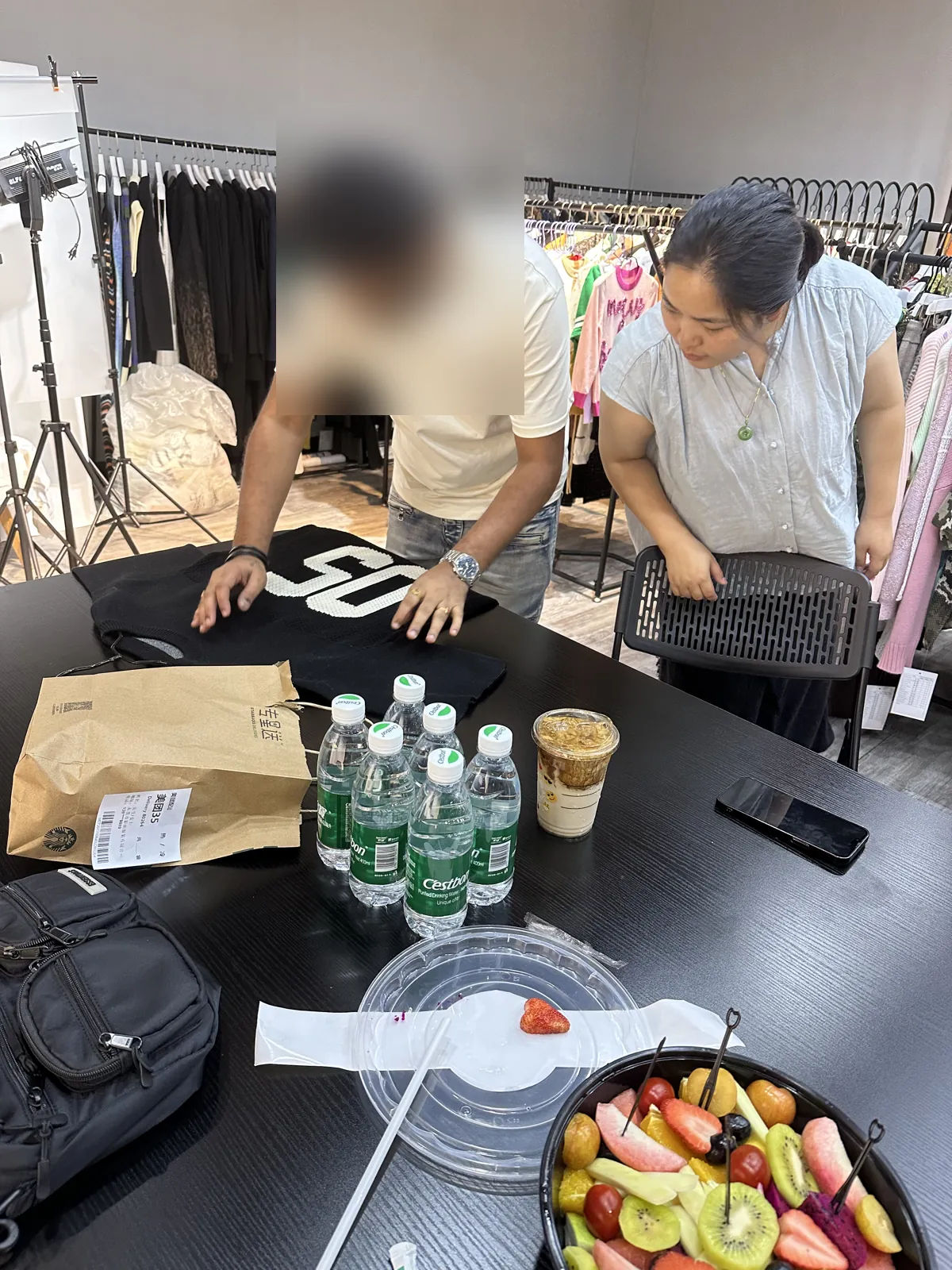
Start with an image or sample and the intended underlayer. Add chest width, shoulder width, armhole depth, neckline depth and body length for the reference size, plus quantities by color and size.
Our MOQ starts from 50 pcs per color per size. MOQ is confirmed for the style, yarn, colorways and size split. Send quantities for each variant so the quote can identify garment minimums and separate yarn, label or trim requirements.
Yes. Reference images or an existing sample can be used for initial project review, although more complete specifications make quotation and sampling more accurate.
Start with the intended shirt, T-shirt or other layer and the target silhouette. Review the sample over that garment, with arms relaxed and moving. Chest and armhole ease should follow this fit reference, not a universal extra allowance.
A layering vest starts with room for the garment underneath and the desired neckline and shoulder balance. A top intended for direct wear places more emphasis on coverage against the body. Define the intended use first; the name alone does not set thickness or fit.
Samples usually take 3–7 days once the brief and materials are confirmed. Confirm the sample date after yarn, construction and the fit brief are reviewed. Allow time to assess the vest over the intended layer and resolve armhole, neckline or proportion changes.
Yes. Labels, hangtags, logos and packaging can be included according to the project requirements.
Bulk production usually takes 15–45 days after sample approval, depending on quantity, yarn and season. The schedule is quoted against the approved vest, materials, quantity and production allocation. Confirm start conditions and shipment date, with inspection, packing and transit included in your arrival plan.
Send us your tech pack, reference image or existing sample. We will review the yarn, gauge, neckline, armhole, fit, stitch, MOQ, sample and production route before providing the project quotation.
Yarn → Gauge → Neckline → Armhole → Fit → Stitch → MOQ → Sample → Production