 CN Sweaters
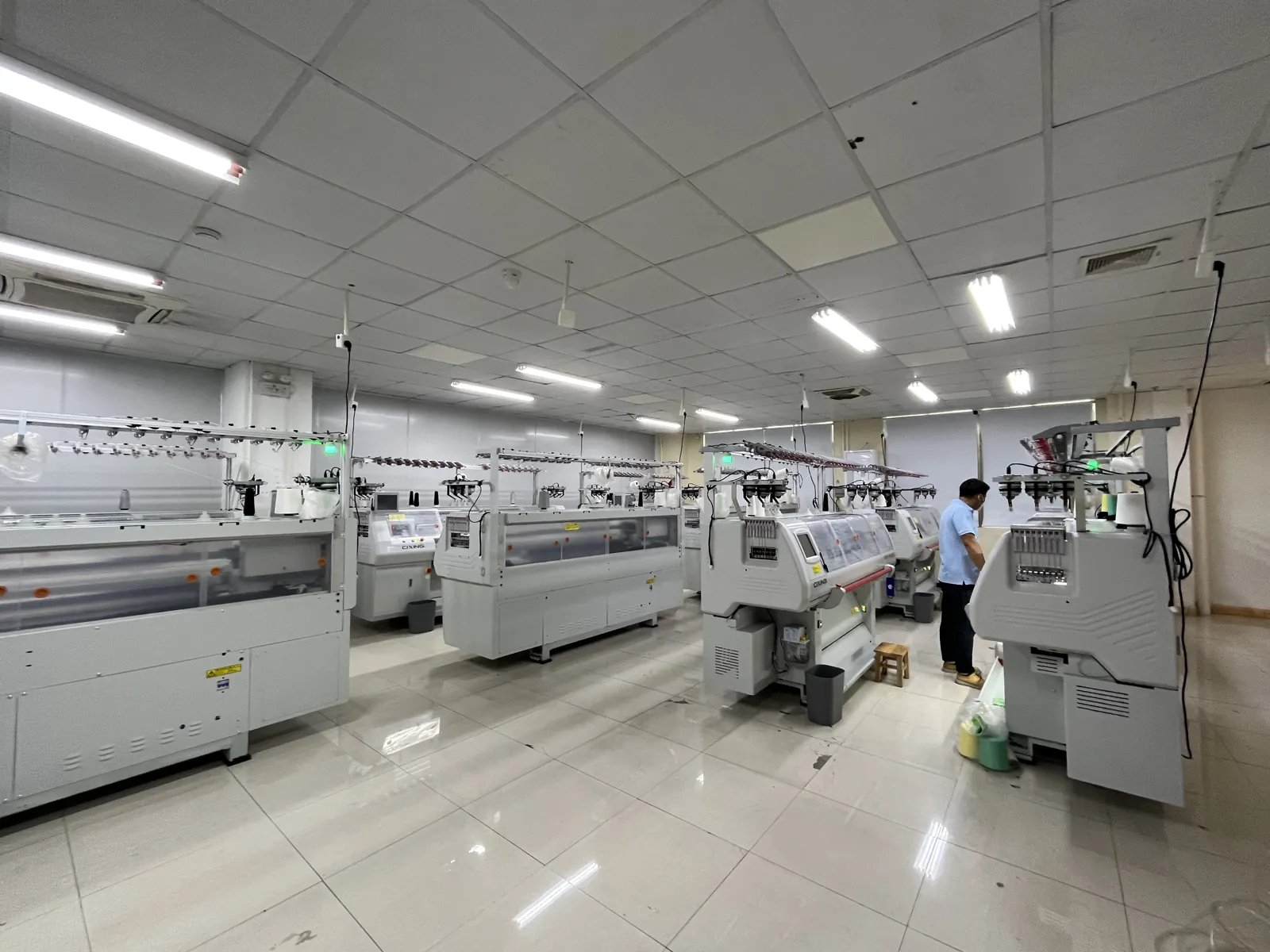
Comparing knitwear manufacturers on unit price alone is the fastest way to turn a clean tech pack into an unstable bulk order. From a factory perspective, the supplier who quotes lowest is rarely the one who delivers consistent gauge, accurate measurements, and stable shrinkage across thousands of pieces. Sampling capability, MOQ structure, and bulk execution sit on three different cost curves, and a knitwear factory strong in one area can easily be weak in the others.
That mismatch is where most procurement risk lives. A workshop can hand-finish a brilliant gold sample, then fail to hold the same handfeel when industrial machines run 800 units across three colors. A larger sweater manufacturer may have impressive capacity but block your project because the per-color MOQ does not fit your launch quantity. The wrong choice shows up late, usually after deposit, after fabric is dyed, and after your retail dates are fixed.
A more defensible comparison framework treats sampling, MOQ adaptability, and bulk production stability as three separate scoring axes. We will walk through how to read each axis, where trade-offs are unavoidable, and how to detect which kind of factory actually matches your project before commitments are signed.
Why Knitwear Manufacturers Need More Than a Good Sample
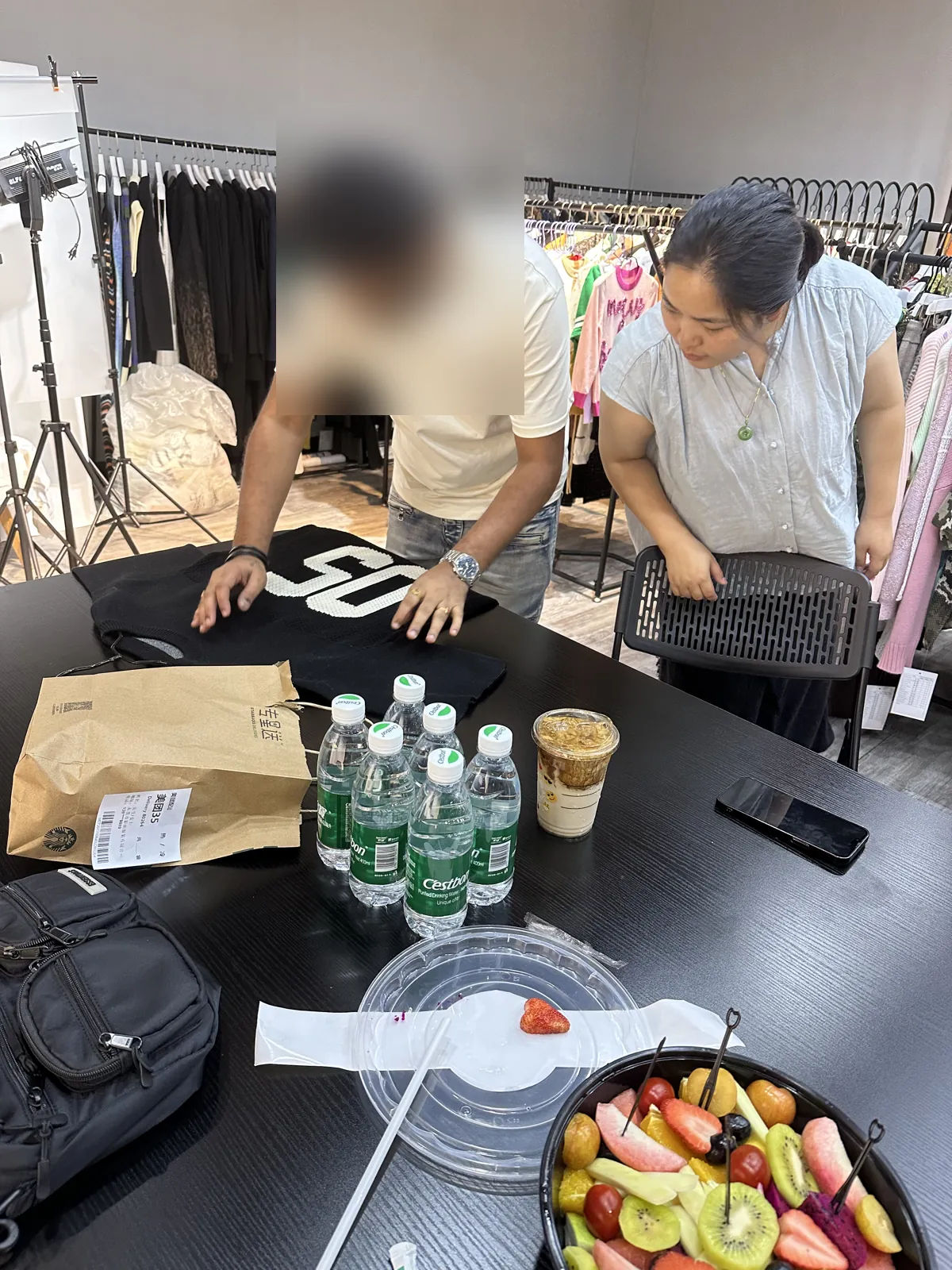
A perfect sample is necessary but not sufficient. From a factory perspective, the gold sample is usually built on a single machine, by a senior technician, with carefully picked yarn cones and unhurried timing. Bulk production runs across multiple machines, multiple operators, and yarn pulled from different dye lots. The gap between those two realities is where most quality failures occur, and it is the gap brands underestimate when they choose suppliers by sample alone.
The gold sample trap
Sampling rooms are tuned for problem-solving, not for repeatability. Technicians can adjust tension manually, re-link panels, or hand-press to hide a tension issue that would surface on a production floor. When that same style scales to bulk, the machine program has to perform without those manual interventions. If a factory cannot explain how the sample setup translates to the bulk machine program, that is a signal worth taking seriously.
Yarn lot variation
Bulk yarn rarely comes from one dye lot. Cones used for sampling are often premium stock, while production yarn may arrive in larger, less uniform batches. Slight differences in twist, hairiness, or shade between lots can shift gauge, handfeel, and shrinkage. A factory that asks for bulk fabric or yarn approval before cutting, and runs a pre-production trial, is structurally better positioned to keep the bulk close to the gold sample. For procurement teams, this means a slightly longer pre-production window is usually worth more than a faster sample turnaround.
Operator skill distribution when comparing knitwear manufacturers
The linker who joined your sample may not be the linker who joins 600 pieces. Factories with documented skill grading and rotation policies tend to deliver more uniform seams and shoulder lines. Without that, the difference between piece 1 and piece 500 can be visible to a buyer’s QC eye, even if both technically pass measurement.
How to Evaluate Knitwear Factory MOQ for Scaling Brands
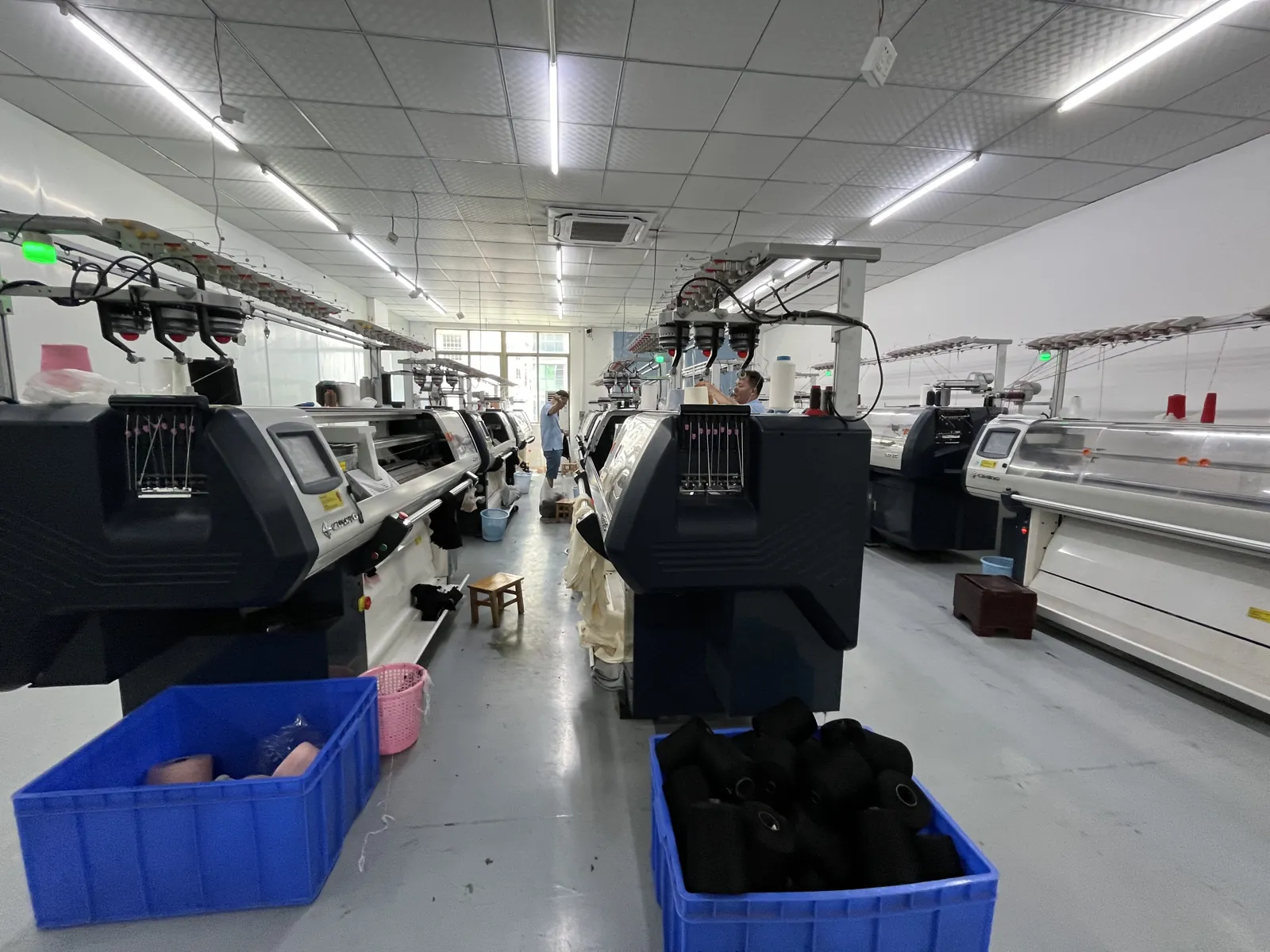
MOQ is not a single number, and treating it as one leads to bad supplier shortlists. The right way to read MOQ is as two layers stacked on top of each other: a raw material minimum driven by yarn dyeing and procurement, and a production efficiency minimum driven by machine setup and program development. A knitwear factory that quotes a low per-style MOQ but cannot accommodate your per-color split will still leave you stuck.
Raw material minimums
Yarn dyeing typically requires a minimum batch per color, often in the range of 30 to 50 kg depending on the mill, which directly sets a floor on how few pieces a custom color can support. For heavier gauges or cable constructions that consume more grams per piece, the same dye minimum translates into fewer finished units, sometimes making low-piece colorways economically unworkable without a dye surcharge.
Production efficiency minimums when comparing knitwear manufacturers
Programming a knitting machine, calibrating linking lines, and setting up finishing for a new style carries fixed cost. Whether you produce 80 pieces or 800, those hours are similar. That is why factories quoting very low MOQs often charge a noticeably higher unit price, or quietly run mixed yarn lots to fill capacity. For a scaling brand, low-MOQ trial runs are useful for market testing, but they are rarely the right setup for the second or third reorder, where consistency matters more than flexibility. The MOQ and lead time structure a factory publishes tells you a lot about which order size they actually run efficiently.
Negotiation that does not break quality
Lower MOQ is possible without sacrificing stability, but the cost has to go somewhere. Common arrangements include paying a flat dye fee for sub-minimum colors, using stocked yarn programs for solid colors, or grouping multiple styles under one color to share the yarn minimum. Resources such as the Maker’s Row guide to clothing manufacturers for startups describe similar negotiation logic for early-stage brands, and the principle holds for knitwear with the added constraint that yarn dyeing is rarely as flexible as fabric dyeing.
Comparing Technical Expertise in Custom Knit Projects
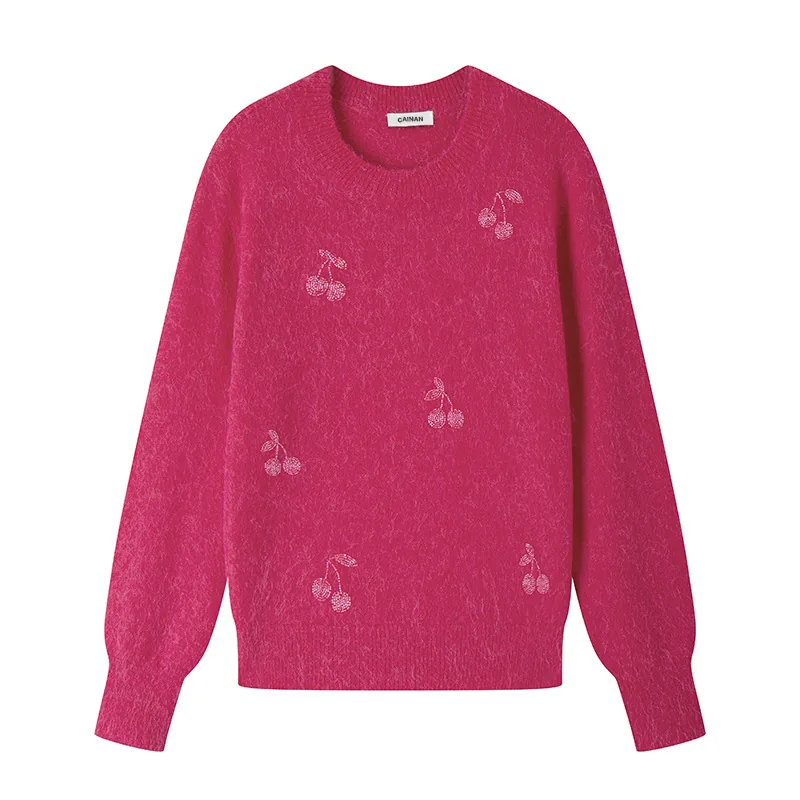
Technical depth is what separates a custom knit sweater manufacturer that can develop your design from one that can only copy a reference. The shortlist criteria here are gauge range, yarn compatibility, and the role of in-house technicians. Factories vary widely on all three, and the differences become visible only when a project pushes past standard 7gg jersey constructions.
Gauge range and machine fleet when comparing knitwear manufacturers
Standard sweater gauges run from 3gg heavy cable to 14gg or finer fine-knit. Most factories specialize in a sub-range rather than the full spectrum. If your line includes a 5gg chunky cardigan and a 12gg merino crew, you need to confirm the factory has both machine groups in working capacity, not just on paper. Mixed-gauge collections placed at a single-gauge specialist often result in subcontracting, which weakens quality control and traceability.
Yarn compatibility and sourcing
A capable knitwear factory should be able to advise on yarn substitution when your specified yarn is unavailable, on long lead, or priced outside your target. That advice should reference twist, ply, and fiber blend, not just color matching. Factories that only accept buyer-supplied yarn lists, without offering technical input, often produce technically correct but commercially weak samples. Strong sampling teams, as outlined in our sampling and product development process, treat yarn discussion as part of design risk reduction.
Technician role in development
The technician translating your tech pack into a machine program is the most underrated person in custom knit projects. A senior technician can flag construction issues early, suggest stitch substitutions that hold shape better, and predict shrinkage behavior before the first swatch is knitted. Without that role filled by an experienced operator, sampling rounds multiply, and lead time stretches. For procurement, the practical question is simple: who specifically will program your style, and how many seasons have they handled comparable constructions?
Which Metrics Prove Knitwear Manufacturers’ Bulk Stability?
Bulk stability is measured by what survives the journey from raw material to packed carton, not by what looks correct in a single piece. The most useful framework treats inspection as a sequence of stages, each catching a different failure mode. Skipping any one stage shifts risk forward to a place where remediation is more expensive. Third-party providers such as Intertek textile and apparel inspection structure their services along similar checkpoints, which is a useful reference point when building your own QC plan.
The table below compares what each inspection stage is designed to catch, and why each one matters for bulk production stability.
| Inspection Stage | Primary Focus | What It Catches | Risk If Skipped |
|---|---|---|---|
| Pre-production | Raw material and PP sample | Yarn defects, shade mismatch, shrinkage variance, fit deviation from gold sample | Defects baked in before cutting; rework cost falls on entire batch |
| In-line (during production) | Knitting and linking workmanship | Tension drift, skipped stitches, panel symmetry, linking alignment | Systemic defects spread across hundreds of pieces before discovery |
| Final AQL audit | Finished, packed goods | Measurement drift, pilling on test rubs, labeling, packaging accuracy | Shipment delay, partial rejection, or buyer-side returns |
Read together, the three stages form a layered defense. A factory that runs only final AQL is essentially betting that nothing went wrong upstream, which is rarely a safe bet for knitwear given the cumulative effect of tension, yarn lot, and finishing variance. For B2B buyers, the procurement signal is concrete: ask which stages are standard, which are optional, and who pays for re-inspection when defects are found.
Can a Sweater Manufacturer Handle Your Lead Time Pressure?
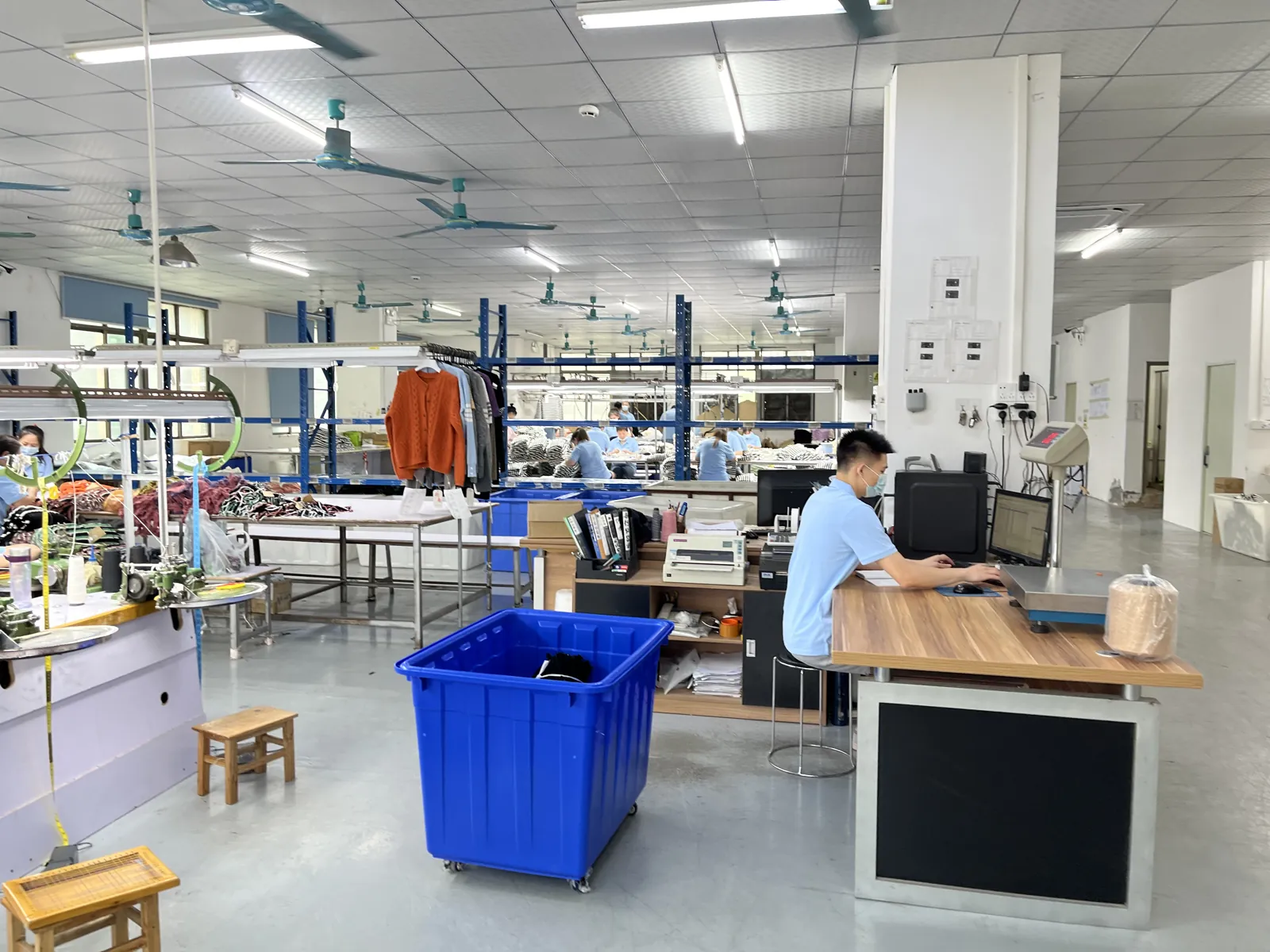
Lead time stability is mostly a function of yarn sourcing and capacity planning, not knitting speed. A sweater manufacturer that quotes a tight 45 to 60 day bulk window in February may need 75 to 90 days in August when peak season demand stacks up. Treating quoted lead time as a fixed number across the year is one of the most common procurement mistakes in this category.
Yarn sourcing as the hidden bottleneck
Custom-dyed yarn typically takes two to four weeks before knitting can even start, and that window expands when mills are running at capacity. Stocked yarn programs cut this stage to days but limit color flexibility. For brands with tight retail calendars, the practical question is whether the factory has direct mill relationships or works through traders, because the former usually gives more reliable visibility on yarn lead time.
Peak season capacity
Autumn and winter knitwear production peaks roughly from June to October in Northern Hemisphere supply chains. During that window, even well-organized factories face linking and finishing bottlenecks. Booking capacity in advance, with confirmed yarn deposits, is usually the only reliable way to hold your delivery date. Factories that accept unlimited new orders without flagging capacity constraints should be treated with caution, because that flexibility often translates into silent subcontracting or quality compromises later.
Bottleneck visibility when comparing knitwear manufacturers
A mature knitwear factory will share a production plan that breaks down yarn arrival, knitting, linking, washing, and finishing as separate stages with internal deadlines. If the only date visible is the final ex-factory date, you have no early warning system. For procurement, insisting on stage-level milestones is one of the few low-cost moves that meaningfully reduces shipment surprises. Combined with a clear understanding of the end-to-end knitwear manufacturing process, this visibility lets you intervene before a problem becomes a delay.
Why Quality Control Must Extend Beyond the Final Audit
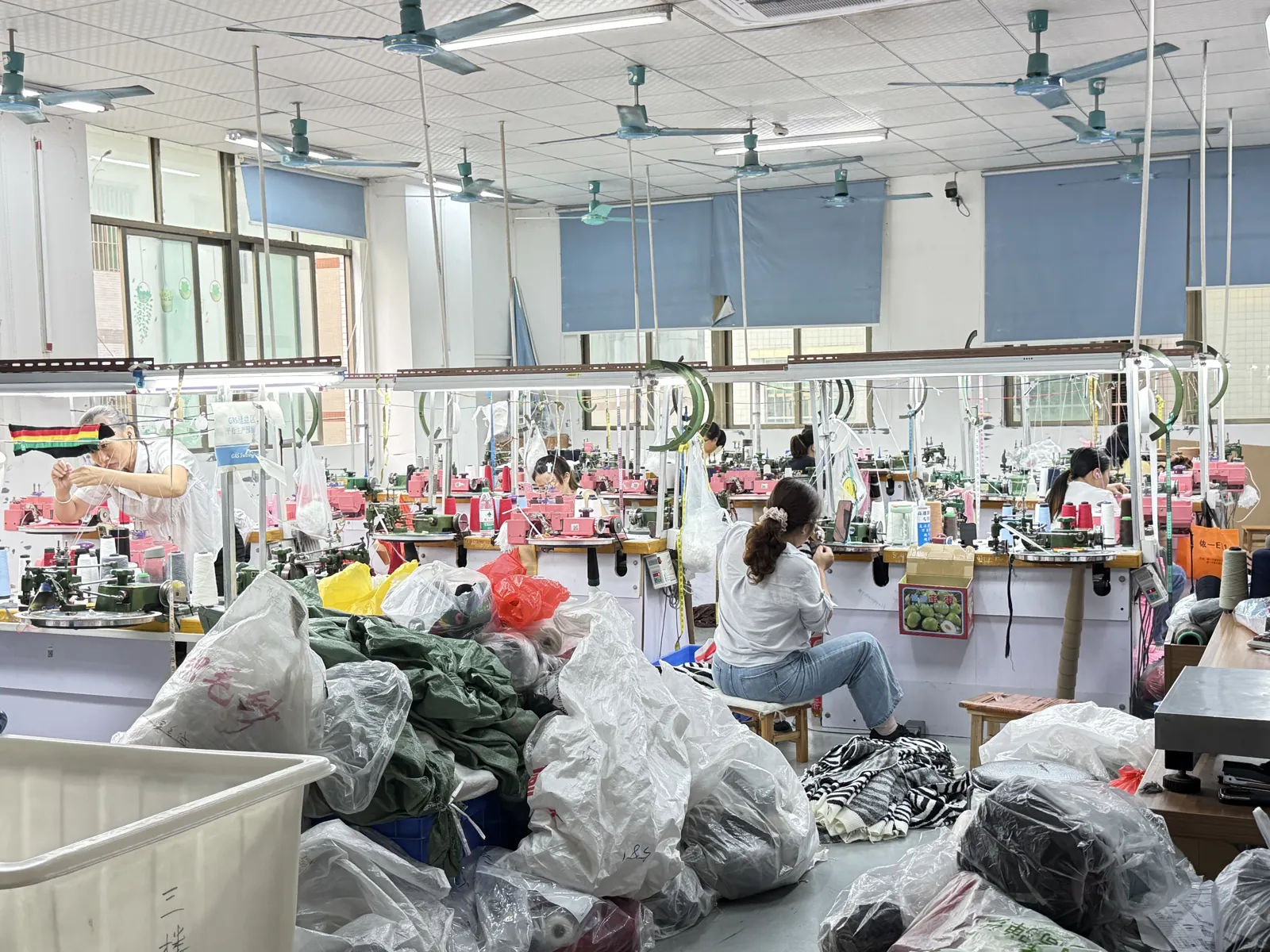
A final AQL pass alone does not predict reorder consistency. Quality control that only happens at shipment is reactive by design, and for knitwear it tends to detect defects too late to fix the underlying cause. The factories that deliver stable second and third orders treat QC as a continuous loop spanning pre-production trials, in-line monitoring, and post-shipment review.
Pre-production trials when comparing knitwear manufacturers
Before bulk knitting starts, a short trial run of 10 to 30 pieces using bulk yarn and bulk machine settings exposes problems that the gold sample cannot. Tension behavior, shrinkage after wash, and seam strength under real production conditions all become visible. The cost of this trial is small relative to the cost of discovering the same issue after 800 pieces are knitted. For custom knitwear manufacturers handling new constructions, skipping the trial is one of the most common avoidable risks.
Reorder consistency
Reorders are where the difference between factories becomes most visible. A factory that documents yarn lot, machine program version, and finishing parameters can reproduce a style months later with minimal drift. A factory that relies on memory or informal handoffs will produce a second batch that looks subtly different, often in handfeel or shade. For brands building a continuity program, this documentation discipline is more valuable than a marginally lower unit price.
Responsible sourcing as a stability signal when comparing knitwear manufacturers
Supplier discipline often correlates with broader operational discipline. The framework outlined in the OECD due diligence guidance for the garment and footwear sector emphasizes traceability, worker engagement, and documented processes, and factories that take those requirements seriously tend to have cleaner internal record-keeping. That cleanliness shows up in QC consistency, not only in audit reports. For procurement teams comparing knitwear manufacturers on long-term partnership potential, this overlap between responsible sourcing maturity and bulk stability is worth noting.
Conclusion
Choosing among knitwear manufacturers is rarely about finding the cheapest unit price. The practical trade-offs sit between sampling agility, MOQ flexibility, and bulk production stability, and very few factories score equally well across all three. Sampling specialists are fast in development but may struggle at scale. Large-capacity factories run tight bulk but often need higher MOQs to be efficient. The right partner is the one whose strengths match your specific project size, complexity, and reorder pattern.
To compare suppliers on a real basis, send your tech pack, target quantity per style and per color, fabric or yarn preference, decoration method, branding requirements, and target delivery dates. With that information, our team can map your project against the right knitwear manufacturing setup and flag trade-offs before they cost you time. You can share your project details with our knitwear team to start that comparison.
FAQ
What is a realistic MOQ for a custom knit sweater manufacturer in China?
Typical MOQs run from 50 to 300 pieces per style per color, depending on yarn class, construction, and whether stocked or custom-dyed yarn is used. Solid-color styles on stocked yarn sit at the lower end, while custom-dyed multi-color intarsia or cable styles often require higher minimums to cover yarn dye batches.
How long does sampling usually take before bulk production starts?
A standard proto sample takes about 7 to 10 working days once the tech pack is approved, with revisions adding one to two weeks each. Fast-track sampling using stocked yarn can compress to 3 to 5 days. Bulk production should only start after the pre-production sample is signed off against the gold sample.
What is the main risk in bulk orders even after sample approval?
The main risk is drift between sample conditions and bulk conditions, especially yarn lot variation, machine tension differences across multiple knitting machines, and finishing inconsistency. A pre-production trial and documented in-line inspection reduce this risk significantly compared to relying only on final AQL.
How should I plan shipping timelines for autumn and winter knitwear?
Lead time from order confirmation to ex-factory typically runs 60 to 90 days for custom knitwear, with peak season pushing toward the upper end. Add 25 to 40 days for sea freight to North America or Europe, or 5 to 10 days for air. Booking yarn and capacity early in the season is the most reliable way to protect retail dates.
Can I reorder later and expect the same quality when comparing knitwear manufacturers?
Reorder consistency depends on whether the factory documents yarn lot, machine program, and finishing parameters from the original run. Factories with formal records can reproduce a style with minimal drift, while those without will show subtle differences in shade or handfeel. Always confirm reorder documentation policy before the first bulk order.