 CN Sweaters
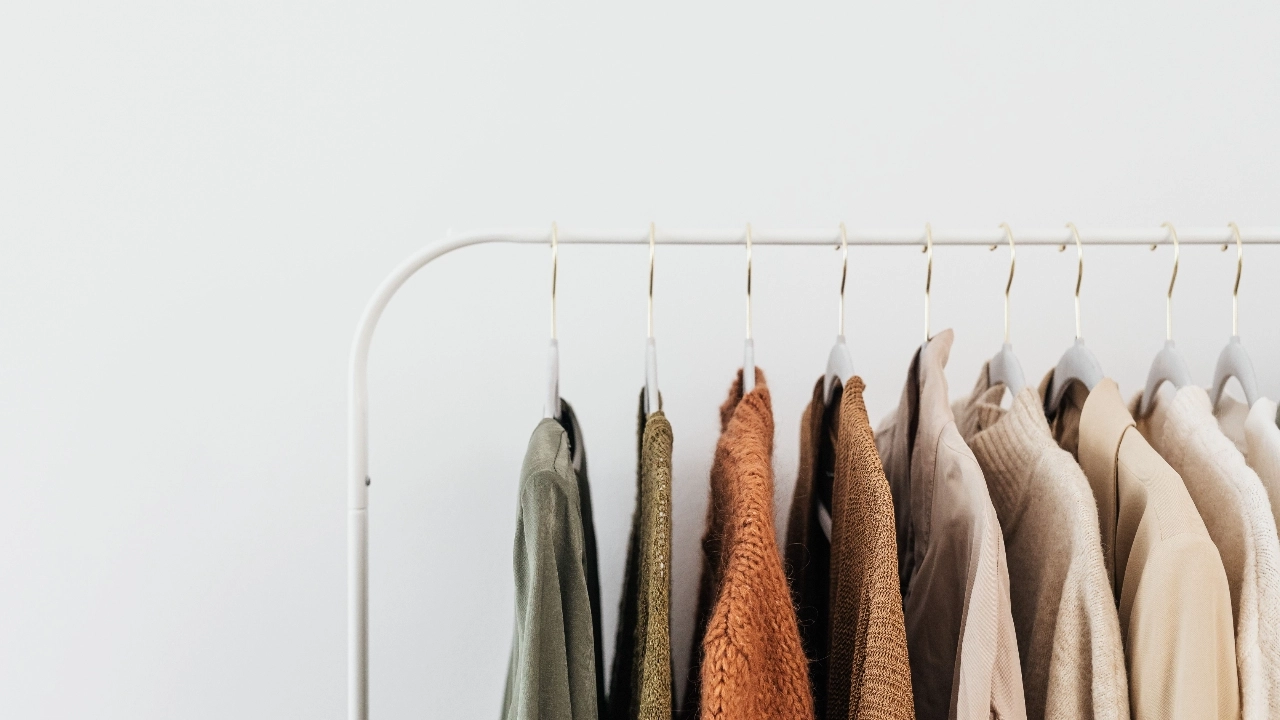
A knitwear supplier quote is not a simple price tag. For sweaters, cardigans, custom knitwear, private label knitwear, and wholesale knitwear programs, a lower unit price may reflect a different yarn composition, gauge, stitch density, finishing process, packaging level, inspection scope, or production responsibility.
That is why supplier comparison should start with comparable specifications, not with the cheapest number in a spreadsheet. If three knitwear suppliers quote the same custom sweater, one may include lab dips, linked seams, bulk shade control, carton labeling, and final inspection, while another may only include basic knitting and packing. The lower offer can look attractive before sampling, then become expensive when bulk production shows size drift, color variation, weak ribs, uneven hems, loose cuffs, pilling complaints, or retail packaging rework.
For B2B buyers, the real question is not “Which knitwear manufacturer is cheapest?” It is “Which knitwear factory can repeat the approved sample at the planned MOQ, lead time, quality level, and reorder standard?”
Why Is the Cheapest Knitwear Supplier Quote Risky?
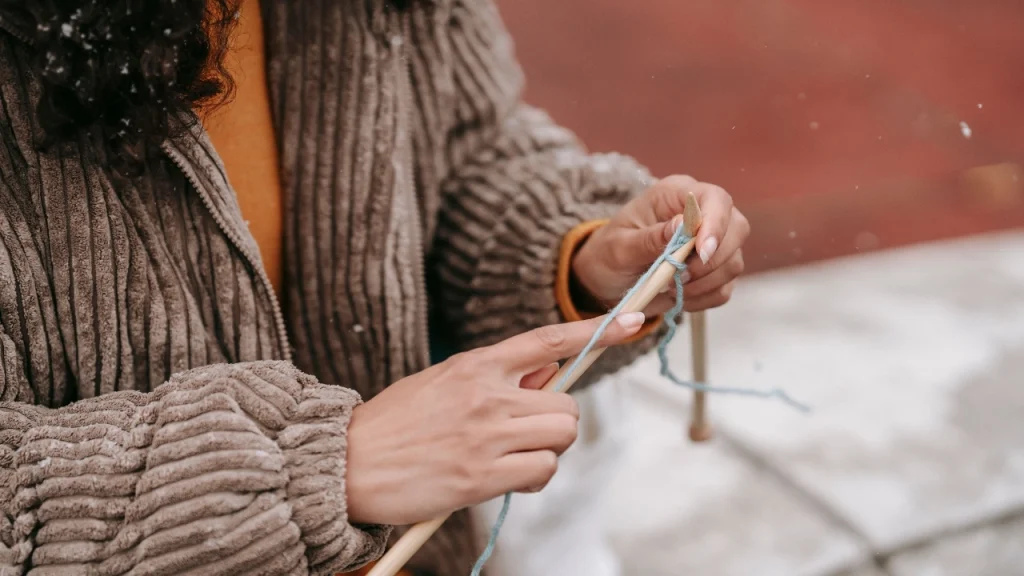
The cheapest knitwear supplier quote is risky because knitwear cost is built into the garment structure, not only the labor line. A sweater supplier can reduce cost by changing yarn grade, using a looser stitch density, simplifying ribs, shortening finishing time, lowering packaging quality, or reducing quality inspection steps.
Low unit price can hide technical reductions
In cut-and-sew woven garments, buyers often compare fabric, trim, sewing, and CM cost separately. Knitwear is more integrated. Yarn, gauge, stitch program, panel shaping, linking, washing, steaming, hand mending, measurement control, and packing all affect both cost and performance.
CottonWorks explains that sweater manufacturing often uses weft knitting with flat-bed machines, and that methods such as cut and sew, panel knitting, full fashioning, and whole-garment knitting create different production implications. A quote for a fully fashioned custom sweater is not directly comparable with a quote using a simpler construction, even when the sketch looks similar.
If the quote does not state yarn composition, yarn count, gauge, stitch structure, garment weight, finishing method, sample inclusions, packing method, and inspection level, the price is not yet comparable. It is only a rough number.
Hidden savings often move into bulk risk
A low quote may be workable for a simple wholesale knitwear item with standard yarn and flexible tolerance. It becomes more dangerous when the project needs custom knit sweaters, private label packaging, repeat colors, special plackets, jacquard, intarsia, brushed texture, or a tight delivery window.
The common bulk risks are practical rather than dramatic: sample hand-feel does not match bulk, color lots shift between sizes, sleeves grow after steaming, cuffs lose recovery, button lines twist, cardigan plackets stretch, packaging does not meet retail requirements, or final inspection catches defects too late. In these situations, the lowest unit price can become a higher total cost through rework, discounts, air freight, returns, or delayed selling dates.
What Should a Supplier Comparison Actually Compare?
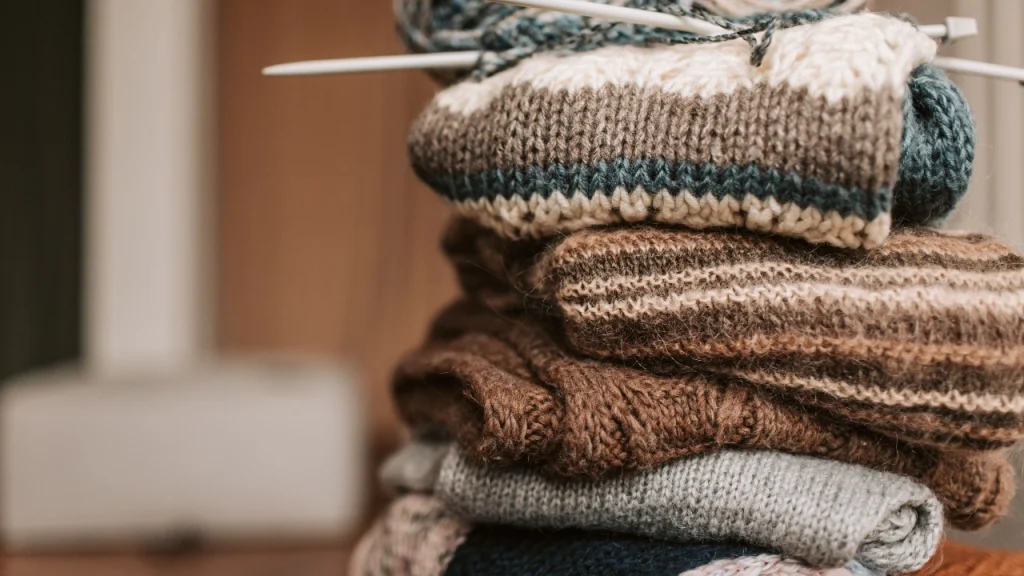
A useful supplier comparison should compare the complete production plan behind the quote. The buyer should ask every knitwear manufacturer, sweater factory, or garment supplier to quote against the same material, gauge, construction, MOQ, lead time, packaging, and quality control requirements.
Build a quote sheet that forces clarity
Before comparing knitwear manufacturers, create one RFQ sheet that includes product category, target market, reference images, tech pack, size range, color plan, target yarn, gauge direction, stitch details, MOQ expectation, delivery window, packing standard, label requirements, and testing needs.
CN Sweaters describes a milestone-based OEM ODM knitwear process where RFQ intake, yarn and color confirmation, sampling, PP approval, bulk production, inline QC, final QC, and shipment are defined before production. That type of workflow helps buyers compare whether a supplier is pricing the same responsibilities.
Here is a practical comparison table buyers can use before choosing a knitwear supplier:
| Comparison item | What a cheap quote may leave unclear | Better question to ask |
|---|---|---|
| Yarn composition | Generic “cotton blend” or “wool blend” without percentages | What exact fiber percentages and yarn count are included? |
| Gauge and density | Same gauge stated, but looser stitch density | What garment weight or stitch density target is quoted? |
| Stitch structure | Simplified rib, cable, jacquard, or placket details | Which structures are included in the sample and bulk price? |
| MOQ | One total MOQ without color or size logic | Is the minimum order quantity calculated by style, color, and size? |
| Lead time | Calendar promise without yarn or PP approval assumptions | What timeline starts after yarn booking and PP approval? |
| Inspection | “QC included” without inspection stage details | Are raw material, inline, final, and packing checks included? |
| Packaging | Basic polybag only | Are labels, hangtags, barcodes, carton marks, and retail packing included? |
| Reorder support | No yarn lot or color continuity plan | How will the same hand-feel and shade be maintained for replenishment? |
This table often reveals that the cheapest quote is not necessarily wrong, but it may cover a narrower scope.
Compare total landed risk, not only unit price
A strong supplier comparison should include cost after corrections. If one clothing manufacturer supplier quotes lower but cannot explain yarn batch control, carton count, packaging marks, inspection level, or reorder stability, the buyer may pay later through air shipment, repacking, rejected cartons, markdowns, or customer complaints.
Broad searches for clothing manufacturers, garment manufacturers, wholesale clothing manufacturers, or wholesale garment suppliers can be useful when a buyer is still defining product category. For knitwear, however, the final comparison should focus on knitting-specific variables. A general garment supplier may understand sewing and sourcing, but a specialist knitwear factory should be able to discuss gauge, stitch density, panel tension, linking, steaming, shrinkage, pilling, and placket stability with more precision.
How Do Yarn Gauge and Stitch Density Change Cost?
Yarn, gauge, and stitch density change cost because they control material consumption, knitting speed, hand-feel, appearance, and dimensional stability. A quote that ignores these variables is incomplete, even if the style name and sketch match.
Yarn composition is a cost and quality decision
For custom knitwear, yarn is usually the largest technical decision. Cotton, wool, cashmere, viscose, modal, acrylic, nylon, polyester, and blended yarns behave differently in softness, warmth, drape, recovery, pilling tendency, shrinkage, and price. Even within one fiber name, yarn quality can vary by fiber length, spinning method, twist, ply, dyeing, and finishing.
CottonWorks notes in its guidance on designing knit textiles that yarn selection, knit construction, pattern, color, and machine capability all affect fabric cost and performance. This is why buyers should avoid comparing a “100 percent cotton sweater” quote unless the yarn count, gauge, construction, target weight, finishing, and testing expectations are aligned.
For a custom sweater, a cheaper yarn may still be acceptable if the target is a price-sensitive promotional item. It may not be suitable for a premium private label knitwear program where the buyer needs stable hand-feel, low pilling risk, consistent recovery, and repeatable reorders.
Gauge and stitch density must match the target garment
Gauge indicates needle density on the knitting machine. A coarse gauge such as 3GG to 5GG is often used for chunky winter sweaters, while finer gauges such as 12GG to 14GG are used for lighter layering pieces. But gauge alone does not tell the full story. Two 7GG sweaters can feel different if one uses a denser stitch setting, heavier yarn, tighter linking, or more controlled finishing.
CN Sweaters describes professional sweater manufacturing across heavy, medium, fine, and extra-fine gauge ranges, with different weight and lead time implications. Buyers comparing quotes should ask whether the supplier is quoting the same gauge direction, garment weight, stitch density, rib tension, and finishing process.
This matters especially for cardigans. A cardigan may look simple in a sketch, but placket construction, buttonhole tension, rib recovery, and front opening balance decide whether the garment keeps shape after wear. A lower quote that simplifies the placket can reduce unit price while increasing distortion risk in bulk.
How Should MOQ Lead Time and Capacity Be Judged?
MOQ, lead time, and capacity should be judged as one production system. A low MOQ offer is useful only when the supplier can explain how color splits, size ratios, yarn sourcing, machine allocation, sampling, PP approval, bulk production, and inspection will be handled.
Minimum order quantity is not only a total number
MOQ means minimum order quantity, but in knitwear it is often calculated by style, color, and size ratio rather than by one total PO number. A buyer may think “300 pieces” is enough, but if that order includes five colors and six sizes, the production split may become too small for stable yarn use, machine setup, and finishing control.
CN Sweaters states that MOQ and lead time depend on variables such as style, color, size ratio, yarn, gauge, stitch complexity, crafts, trims, packaging, and season. This is the level of detail buyers should expect from any knitwear supplier or custom knitwear manufacturer.
Search terms such as low MOQ clothing manufacturer or clothing manufacturers low MOQ can attract buyers starting a new line, but a low MOQ offer should be checked carefully. Lower quantities may be possible with stock yarns, simple stitches, fewer colors, and flexible delivery. They may become inefficient when the project uses custom dye, special yarn, complex jacquard, heavy cable, multiple trims, or strict retail packaging.
Lead time depends on approvals and production allocation
Lead time is not only the number of days after deposit. It is affected by yarn availability, color lab dip approval, sample revision, PP sample sealing, machine programming, production queue, linking, washing, steaming, inspection, packing, and shipping mode.
A buyer should ask when the clock starts. Does the timeline begin after RFQ, after payment, after yarn confirmation, or after PP approval? For custom knitwear, the cleanest planning point is usually PP approval, because the approved pre-production sample locks material, color, measurement, trims, workmanship, and packaging.
If two knitwear suppliers both quote 30 days but one has not confirmed yarn availability or machine capacity, the faster promise may be less reliable. For bulk production, ask how many machines can be allocated, whether production will run by color or size, how inline problems will be corrected, and how peak season affects queue time.
How Can Sample Quality and QC Predict Bulk Results?
Sample quality predicts bulk results only when the sample is treated as a measurable standard, not just a sales piece. A good-looking sample without measurement files, yarn records, shade approval, stitch cards, finishing notes, and packing instructions does not protect the buyer during bulk production.
The approved sample should lock the production standard
For custom knit sweaters and private label knitwear, sample approval should include fit, hand-feel, garment weight, stitch appearance, neckline recovery, rib tension, placket balance, sleeve length, hem stability, color, trims, labels, and packaging. The buyer should also approve the measurement tolerance for key points such as chest, shoulder, body length, sleeve length, cuff width, and bottom opening.
Intertek lists textile testing areas including fiber identification, colorfastness, dimensional stability, appearance retention, strength, abrasion, and pilling resistance in its textile testing solutions. Not every sweater program needs every test, but the buyer should decide which tests matter for the market, selling price, fiber type, and claim risk.
For example, a fuzzy mohair blend cardigan may need different evaluation than a clean cotton rib pullover. A school uniform sweater, premium cashmere blend, fashion jacquard, or high-volume wholesale knitwear item may each require different tolerances and testing priorities.
Quality inspection should cover production stages
Quality control should not wait until cartons are closed. A reliable knitwear factory should check yarn and shade before knitting, panel dimensions during production, linking and seam elasticity during assembly, hand mending and steaming during finishing, and measurements before packing.
CN Sweaters outlines a quality control system that covers raw material inspection, inline QC, finishing and hand mending, final audit, dimensional stability, visual inspection, and third-party testing support when needed. This helps buyers separate a supplier that says “QC included” from one that can show where defects are prevented or corrected.
Inspection also affects shipping risk. Intertek explains that textile and apparel inspection can include pre-production checks, during-production inspection, inline inspection, before-delivery inspection, defect classification, labeling review, workmanship assessment, and packaging list verification through its textile and apparel inspection services. For B2B buyers, this means the inspection plan should be discussed before bulk production, not after a quality problem appears.
What Supplier Fit Matters After the First Order?
The right knitwear supplier should fit the buyer’s next order as well as the first one. For brands, boutiques, wholesalers, and private label teams, long-term value comes from repeatable materials, stable sizing, predictable lead time, transparent communication, and clear responsibility when adjustments are needed.
Reorder stability protects margin
A first order proves that a supplier can make one approved product. Reorders test whether the supplier can repeat yarn hand-feel, color, size, trim, packaging, and carton details after time has passed. This is where yarn lot records, shade bands, PP samples, measurement files, and bulk comments become commercially important.
If a sweater supplier cannot explain how it records yarn lots, color approvals, stitch settings, finishing method, and packing specifications, future replenishment may shift. The buyer may receive a reorder that is technically the same style but feels lighter, looks duller, stretches more, pills faster, or fits differently.
This matters for wholesale knitwear because buyers often sell across multiple accounts. One inconsistent reorder can disrupt replenishment plans, create account complaints, and reduce confidence in future seasonal buys.
Specialist knitwear communication is different from general garment sourcing
Many clothing manufacturers and garment manufacturers can produce apparel, but knitwear requires a more specific conversation. The supplier should be able to explain how yarn, gauge, stitch structure, machine allocation, linking, washing, steaming, inspection, packaging, and delivery interact.
For U.S. market planning, labeling also needs early attention. The FTC guidance on textile and wool labeling requirements states that most textile and wool products need labels showing fiber content, country of origin, and the identity of the manufacturer or another responsible business. Buyers should confirm these requirements before packaging approval, especially for private label knitwear.
A good supplier comparison should therefore include communication quality. Does the supplier ask about target market, sales channel, fit block, price point, size ratio, packaging, care label, inspection standard, and reorder plan? If not, the quote may be cheap because the supplier has not yet priced the real project.
Conclusion
Make the quote comparable before you choose
Choosing a knitwear supplier by the lowest unit price can work only when every technical and commercial variable is already equal. In real sourcing, quotes differ because yarn composition, gauge, stitch density, sample quality, MOQ logic, lead time assumptions, bulk production capacity, quality control, packaging, and reorder responsibility differ.
Before selecting a knitwear manufacturer, ask each supplier to quote the same specification and explain what is included. Check whether the supplier can protect sample-to-bulk consistency, clarify minimum order quantity, plan capacity, inspect production, and support future replenishment.
Send your knitwear design, target material, gauge direction, expected MOQ, size range, color plan, packaging request, quality standard, and delivery timeline to compare whether our knitwear production plan fits your sourcing needs.
FAQ
How many knitwear suppliers should I compare before choosing one?
For a serious custom knitwear project, comparing three to five suppliers is usually enough if the RFQ is detailed. More quotes can create noise when the specifications are unclear. The key is to make every knitwear supplier quote the same yarn, gauge, MOQ, packing, lead time, and inspection scope.
Why can two custom sweater quotes differ so much?
Two custom sweater quotes may differ because one supplier priced better yarn, denser knitting, linked construction, extra finishing, private label packaging, testing, or final inspection. Another may have quoted a simpler version. Ask for a line-by-line explanation before assuming one quote is overpriced.
Is a low MOQ clothing manufacturer a good choice for knitwear?
A low MOQ clothing manufacturer can be useful for market testing, but knitwear low MOQ depends on yarn availability, color count, size ratio, stitch complexity, and machine setup. Low MOQ is safer with stock yarns, simple structures, fewer colors, and flexible lead time.
What should I check before approving a knitwear sample?
Check yarn composition, hand-feel, garment weight, gauge, stitch density, measurements, rib recovery, placket stability, color, trims, labels, packaging, and wash or steaming behavior. Approval should create a measurable standard for bulk production, not just a visual yes.
How do I reduce bulk production risk with a sweater factory?
Reduce bulk risk by confirming the PP sample, measurement tolerance, yarn lot, color standard, packing method, inspection plan, and delivery milestones before production starts. Ask for inline updates and make sure final quality inspection happens before shipment.