 CN Sweaters
Ribbed Sleeveless Knit Top
Suitable for fitted or body-conscious programs where stretch, recovery and surface structure are important.
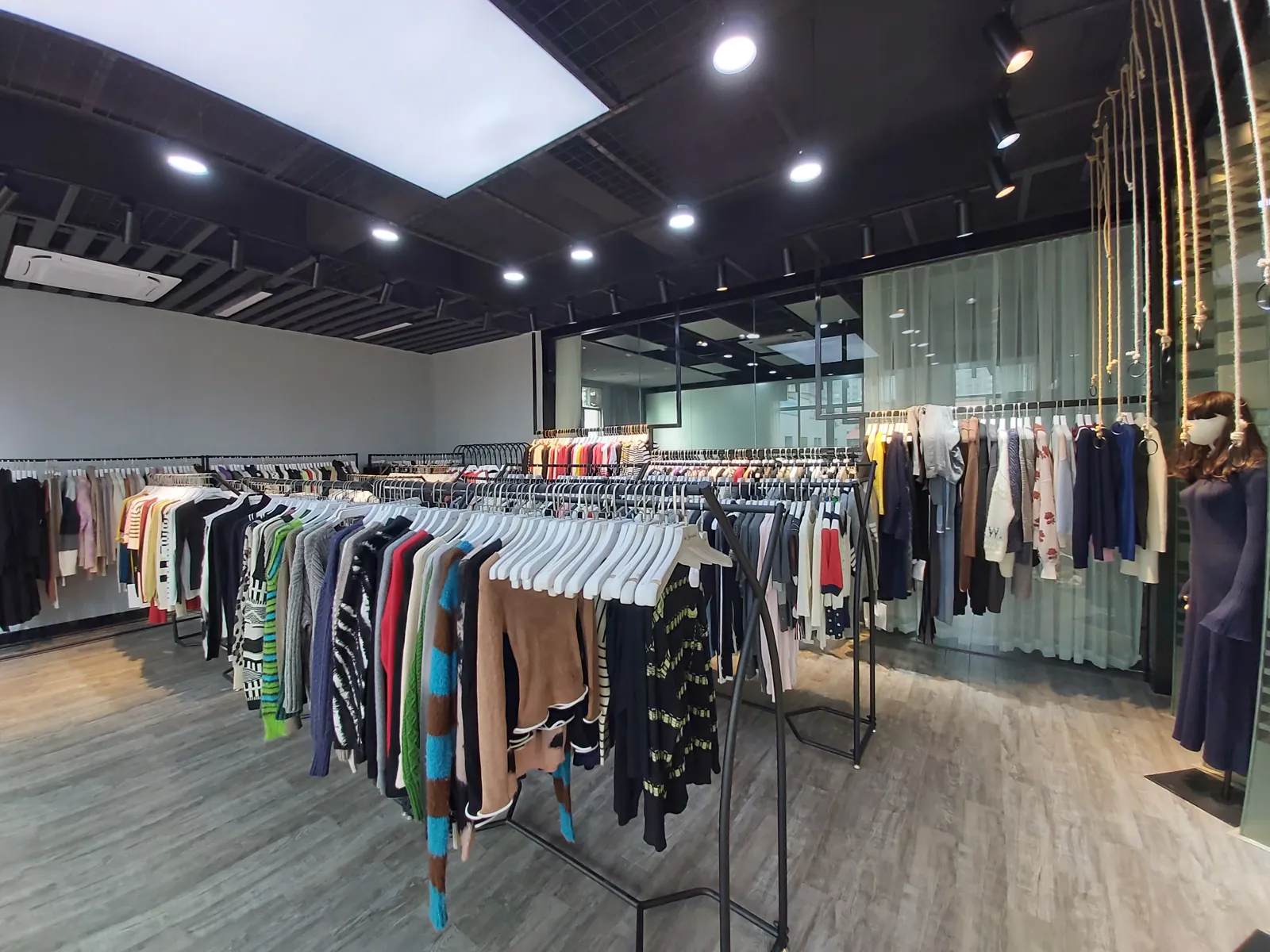
Cainan Clothing is a sleeveless knit top manufacturer developing flat-knit and sweater-knit styles directly from yarn for private label fashion collections.
We review fit, gauge, yarn, neckline, armhole, drape and shape retention from sampling through bulk production.
This page is for knitted sleeveless tops where the garment is developed from yarn and the silhouette depends on sweater-knit construction. It is not for jersey tank tops cut from finished knitted fabric.
Each direction is developed around its own balance of stretch, recovery, neckline structure, body proportion and intended handfeel.
Suitable for fitted or body-conscious programs where stretch, recovery and surface structure are important.
Suitable for lightweight fashion collections, standalone wear and transitional seasons.
Designed around body length, bust proportion and hem stability.
A fashion-led silhouette where neckline width, depth, shoulder proportion and recovery need close attention.
Requires neckline structure to balance body fit and lightweight construction.
Uses additional body ease while maintaining controlled armhole and shoulder proportions.
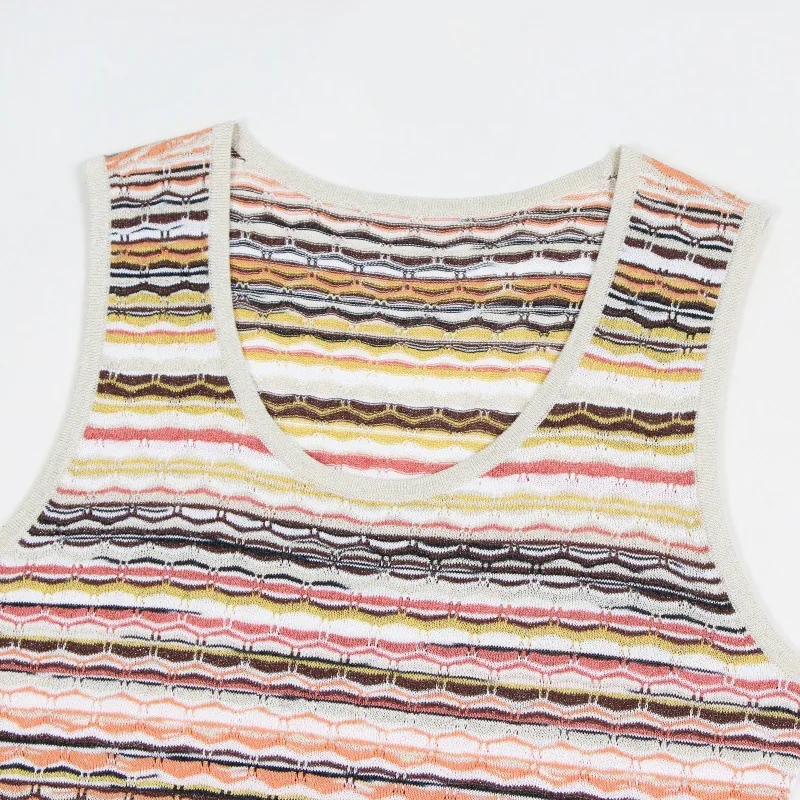
Unlike a layering-focused sweater vest, a sleeveless knit top is often worn directly on the body. Specify the intended undergarment and coverage at the armhole and neckline. Review the sample at rest and in normal movement, including the opacity of light colors.
Discuss yarn and construction with your sleeveless knit top manufacturer around the target handfeel, weight, coverage and silhouette. For pointelle or openwork, confirm whether visible openings are intentional and whether an underlayer is required.
If the gauge is undecided, send a reference swatch or target garment weight. Review yarn, gauge and stitch together for coverage, drape and fit; confirm the available construction before sampling.
| Quotation factor | Why it matters |
|---|---|
| Fit & body shape | Changes sample development and measurement control. |
| Yarn | Determines cost, handfeel, weight and drape. |
| Gauge | Changes knitting time and visual refinement. |
| Neckline | Affects shaping and recovery requirements. |
| Armhole | Influences fit and finishing complexity. |
| Rib / texture | Changes knitting structure and stability. |
| Garment weight | Changes yarn consumption and drape. |
| Quantity & colors | Affect sourcing and production efficiency. |
| Branding | Adds labels, tags, packaging and other operations. |
Each approval stage narrows the product definition before bulk production begins.
Provide a tech pack, reference photo, size chart, existing garment or development idea.
Review fit, length, neckline, armhole, yarn, gauge, structure and branding.
Assess yarn, gauge and structure against handfeel, weight, drape and appearance.
Create the physical reference for fit, measurements and construction review.
Refine bust ease, armhole, shoulder, neckline, length, rib recovery and silhouette.
Approve the size chart, measurement method, yarn and color reference, armhole and neckline coverage, and finished-sample fit before bulk planning.
Proceed according to the confirmed order requirements.
Complete agreed inspection and packing requirements before shipment.
Build the quotation around your order mix and sample scope. Confirm the applicable minimum, development charges and approval dates together before committing to the production plan.
Confirm the minimum against quantities by style, color and size, including yarn and trim requirements.
Confirm required materials, development work and the planned sample date before work starts.
Send one consolidated comment sheet with marked photos and measurement changes to agree the next sample.
Confirm the sample charge and any separately priced yarns, trims, shipping or revisions.
| Checkpoint | What to confirm |
|---|---|
| Production start | Material availability, sample approval and final order requirements |
| Shipment plan | Factory completion, inspection, packing and transit to your destination |
Confirm any sample-fee credit and its qualifying order conditions in the written quotation before commissioning the sample.
Share the required delivery date early, especially for spring/summer programs, multiple colorways or custom materials.
Give your sleeveless knit top manufacturer the approved sample, size chart and measurement method as inspection references. Include armhole and neckline coverage, opacity where relevant, and the finished dimensions expected for the style.
Risk: the opening stands away from the body.
Check: depth, width and left/right consistency.
Risk: the neckline loses its intended shape.
Check: dimensions, construction and finished appearance.
Risk: rib sections remain stretched.
Check: construction and finished garment against the approval.
Risk: the garment loses its intended cropped proportion.
Check: finished measurements and silhouette.
Risk: pieces appear heavier, stiffer or softer.
Check: yarn, construction, dimensions and finishing.
Risk: front/back or left/right proportions differ.
Check: garment balance against the approved specification.
Risk: pointelle repeats or openings vary.
Check: pattern repeat, opening consistency and surface appearance.
Risk: the knit becomes more see-through than the approved reference.
Check: compare coverage under the same lighting and intended stretch with the approved sample.
Custom sleeveless knit tops can be prepared as complete private label products. Branding items are quoted according to quantity, material, artwork and supplier requirements.
For U.S. sales, review FTC textile-labeling guidance when preparing label artwork.
If your retailer requires barcode or SKU labels, include the artwork and placement instructions in your brief; availability and cost need confirmation in the quotation.
Related service: Private Label Knitwear Manufacturer
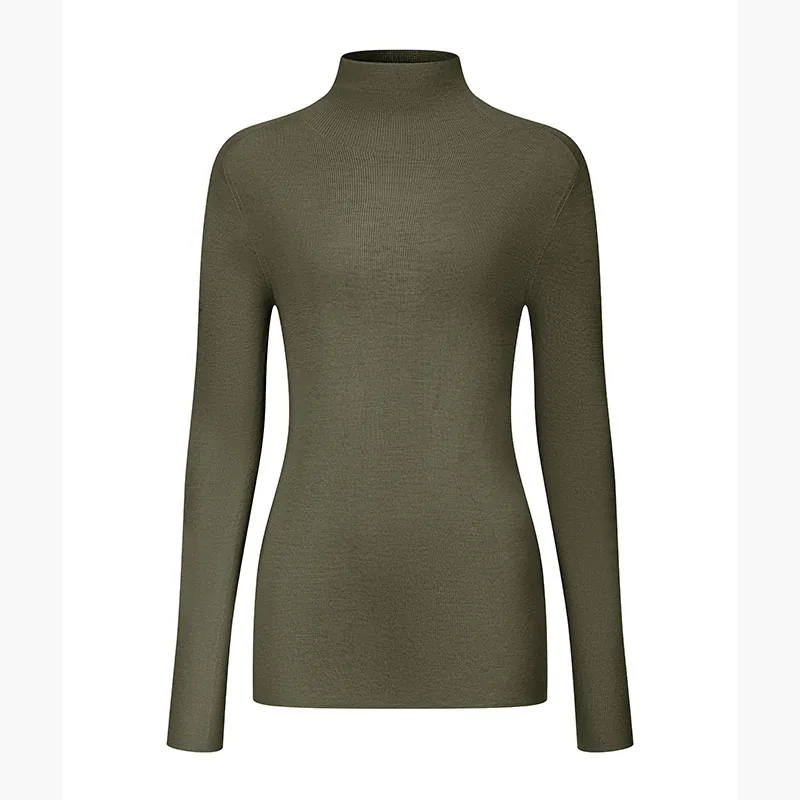
A clearer starting brief helps align the first material and construction review.
No. This page focuses on flat-knit or sweater-knit sleeveless tops developed from yarn, rather than jersey tops cut from finished fabric.
Our MOQ starts from 50 pcs per color per size. The minimum is confirmed for the proposed style, yarn, colors, size split and trims. Send quantities by style, color and size so the quote can state the applicable garment and material minimums.
State whether the top is for direct wear or an underlayer. Provide neckline and armhole measurements with your target fit. For fitted or cropped styles, approve coverage, bust ease and hem position together, both at rest and in normal movement.
Yes. An image is useful for the first style review, but it cannot define finished measurements, yarn stretch or edge construction. Add a size chart or reference garment and mark the details to keep or change before sampling.
Cotton, Pima cotton, wool, cashmere, mohair, blends and project-specific yarns can be considered according to the required handfeel, weight and appearance.
Samples usually take 3–7 days once the brief and materials are confirmed. Confirm the first-sample date after the brief and materials are reviewed. Allow time for sample shipping, fit comments and revisions. Changes to yarn, neckline or armhole construction can change the schedule.
Yes. Custom labels, hangtags and packaging can be included in the quotation. Provide artwork, placement, label content and packing instructions; agree the included items and approval references before bulk.
Bulk production usually takes 15–45 days after sample approval, depending on quantity, yarn and season. The schedule depends on the approved specification, materials, order mix and production allocation. Confirm the start conditions and shipment date, then allow for inspection, packing and transit to meet your required arrival date.
Send your tech pack, reference images or sample, target fit, quantities by color and size, and required arrival date. Flag essential armhole, neckline and coverage details so the quote reflects the product you intend to buy.
Fit → Neckline → Armhole → Yarn → Gauge → Drape → Construction → MOQ → Sampling → Bulk Production