 CN Sweaters
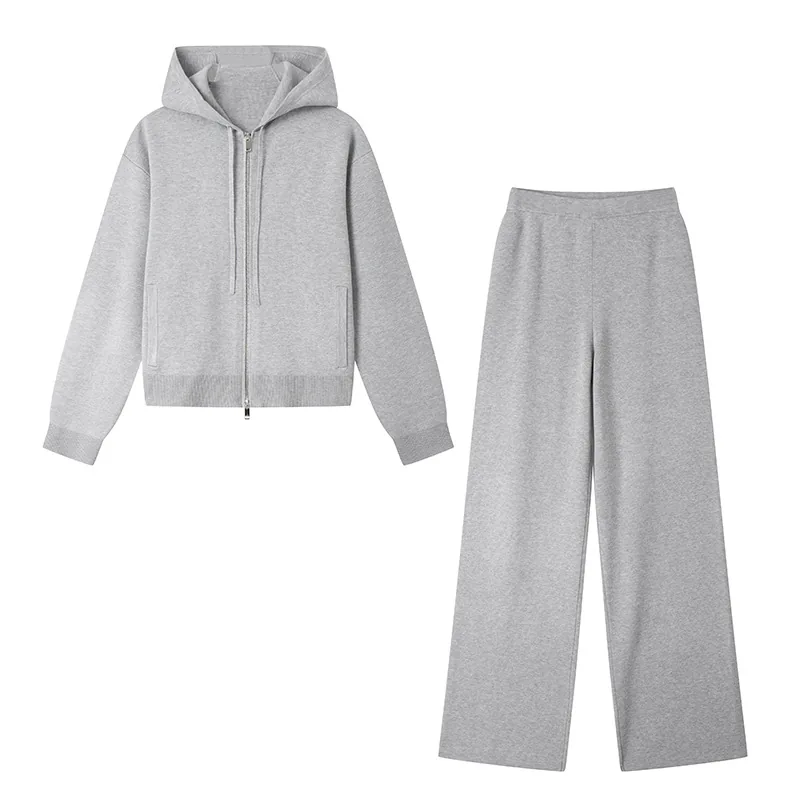
Knit hoodie sizing needs a recorded relationship between the hood, neckline and body. A hood has to cover the head on every size, while the body has to fit a wide range of chests and shoulders. Head, neck and torso dimensions require separate grade decisions. Do not apply a chest increment to the hood without checking the resulting coverage and neckline join.
Keep the hood and body measurement maps connected at the neckline. Compare the represented sizes with the hood up and down, then record any shared hood size or construction transition. For finished examples, browse our knit hoodie and zip-up category.
Why knit hoodie sizing needs two sets of rules
The body of a hoodie follows the chest, shoulder and length grade of your fit block. The hood, however, follows the head and the neck. These two areas meet at the neckline, where the hood seam joins the body. That join has to work on every size.
Evaluate the actual knitted or cut-and-sew construction rather than assuming either route has a more stable hood. A knitted hood stretches, drapes and relaxes after washing. In addition, a heavy hood on a fine gauge can drag the back neck down and pull the front neckline tight. So we plan the hood weight and the neckline together rather than one after the other.
Hood-down and hood-up are different fits
Review the hood-down state as well as the hood-up state. In that state, the hood should sit flat on the back and keep the neckline centered. When the hood goes up, it should cover the head without pulling the body up at the hem. We review both states because one can pass while the other fails.
Key knit hoodie sizing measurements for the hood and body
Before sampling, we agree a measurement map. It should cover both the hood and the upper body, since the two affect each other. The main points are:
- Hood height from the neck seam to the crown
- Hood width at the widest point
- Face opening length and any drawcord channel
- Neck seam length on the hood and on the body
- Front neck drop and back neck width
- Shoulder width, chest width and body length
- Center back length from the neck seam
We also note the hood build: two panels with a center seam, three panels with a center strip, or a single knitted piece. Each build shapes the crown differently and grades differently.
Material inputs that affect knit hoodie sizing
Next, we record the yarn, the gauge and the knit structure for both the body and the hood. Some styles knit the hood in a lighter structure to reduce weight at the back neck. Others add a double-layer face edge for a cleaner look. Because we run 70 computerized flat knitting machines from 3G to 14G, we can sample both options.
We also confirm trims early. A drawcord, eyelets or a zip changes how the hood opening sits. For instance, a full-zip front lets the hood open wider at the chin, while a pullover hood depends on the neck stretch alone.
Checking knit hoodie sizing on a fit model
First, we put the base size on a fit model with the hood down. We look at how the hood lies on the back, whether the neckline stays centered and whether the front neck pulls. Then we check the side and back views. A heavy hood often shows as a dip at the back neck.
After that, the fit model puts the hood up. We check crown clearance, the face opening and how far the hood comes forward. The model then turns the head and lifts the arms. If the hem rises a lot, the hood seam may be too short for the body.
Separating hood faults from body faults
A hood can look wrong because of the body. For example, narrow shoulders pull the neck seam inward, and the hood then sits too close to the head. Likewise, a deep front neck drop can make a good hood fall back. So we record fit notes for the body and the hood separately before we change anything.
Knit hoodie sizing rules for hood and body
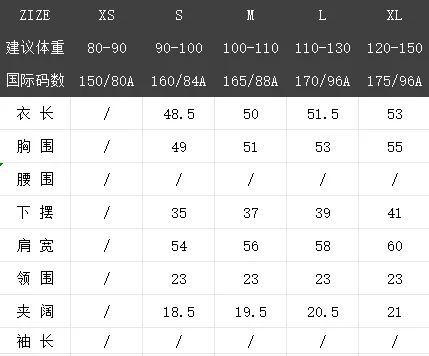
The body grades by your normal chest, shoulder and length rules. Meanwhile, the hood usually grades in much smaller steps. Many brands keep hood height nearly the same across sizes and only grow the width and the neck seam a little.
The neck seam is the link between the two. The body neckline grows with each size, so the hood neck seam must grow to match. Set the lower-hood and crown increments separately, then check the neckline join and head coverage on the represented sizes.
Sharing one hood across sizes
For some ranges, one hood pattern can serve two neighboring sizes. That reduces program work. However, the hood neck seam still has to match each body neckline, so we check the join carefully. Record each shared hood size and verify its join and coverage on every represented body size.
Confirming knit hoodie sizing on a size set
We never approve the grade on the base size alone. Instead, we sample at least the smallest, the base and the largest size. On each one, we check hood-down balance and hood-up coverage. For general grading steps, read our guide on how to grade sizes for custom knit sweaters.
Washing, stretch and knit hoodie sizing in bulk
A knitted hood relaxes after washing and pressing. As a result, a hood that fits well from the pressing table can grow after the first wash. We review the size set after the agreed care method. For fabric stretch, some buyers refer to ASTM D2594 for knitted fabric stretch. Still, a swatch result does not replace a check on the finished hood.
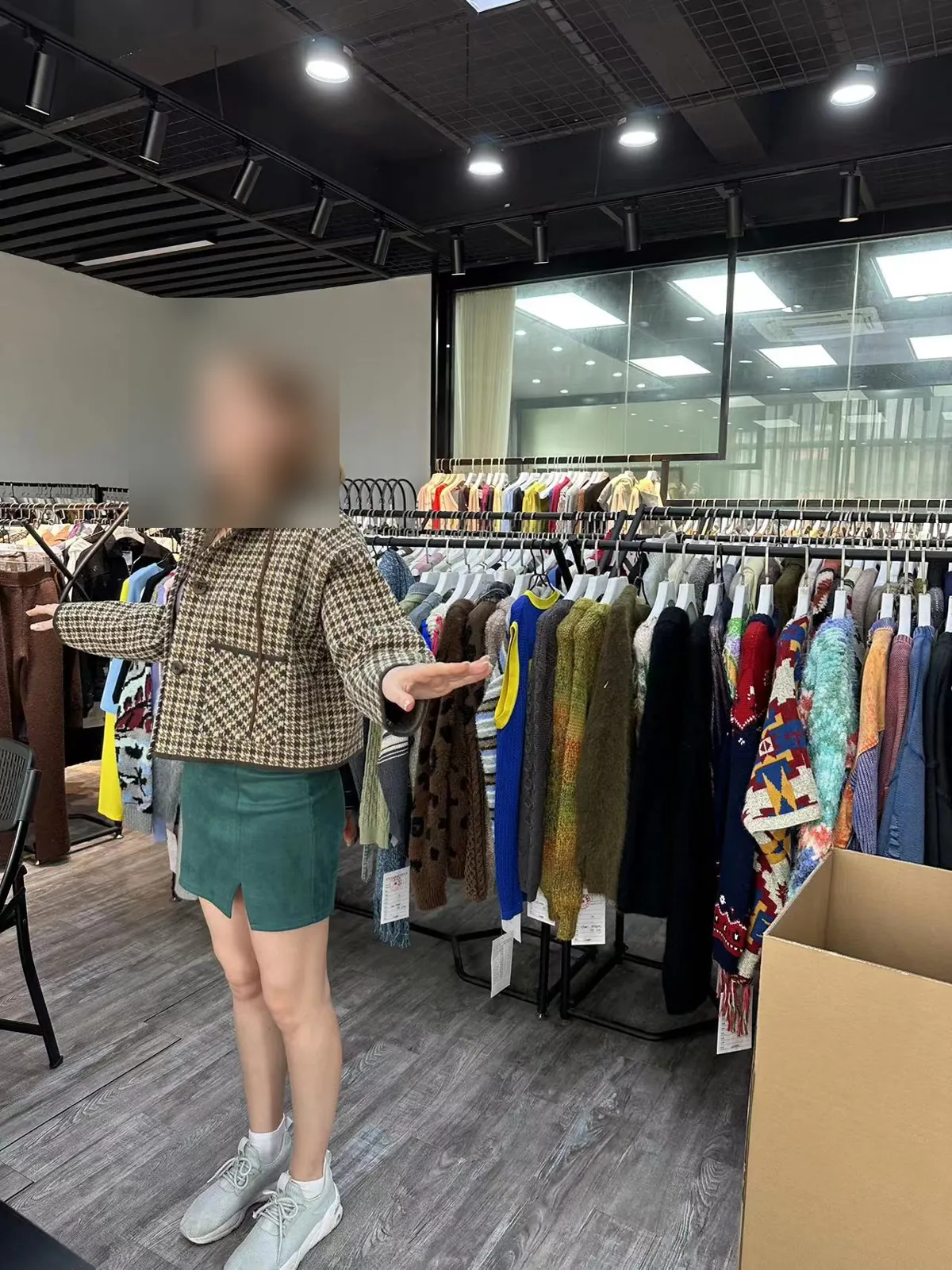
Once the size set passes, we lock the approved inputs. These include the yarn lot, hood and body programs, the hood size per garment size, the linking route and the finishing steps. Our in-house linking, washing, pressing, QC and packing teams then follow the same route in bulk.
From sample to bulk
A knit-hoodie quote should include the accepted hood opening, body ease and shoulder-to-hood balance for the intended underlayer. Ask to compare a smaller and larger size worn with that layer, then keep the approved measurements with the OEM/ODM process handoff. If the construction itself is undecided, review knit versus cut-and-sew hoodies before assigning a sample or bulk date.
Conclusion
Retain the knit hoodie sizing matrix with the hood-to-body mapping and accepted neckline views. A changed hood item or body block needs a check of that join and coverage before it can use the earlier grade approval.
Send us your hoodie tech pack and we will review the hood and body grade before sampling.
FAQs
In knit hoodie sizing, should the hood grow at the same rate as the chest?
Define the hood and body increments separately for the intended fit population, then verify their neckline join. A chest increment does not by itself determine hood coverage.
Can one hood fit several sizes?
Yes, often for two neighboring sizes. However, the hood neck seam still has to match each body neckline.
Why does my hood pull the neckline back?
Usually the hood is too heavy for the body gauge. A lighter hood structure or a firmer back neck often fixes it.
How many sizes do you sample before bulk?
Select samples that represent the range and each hood-pattern or construction change. Check those samples after the agreed care route.