 CN Sweaters
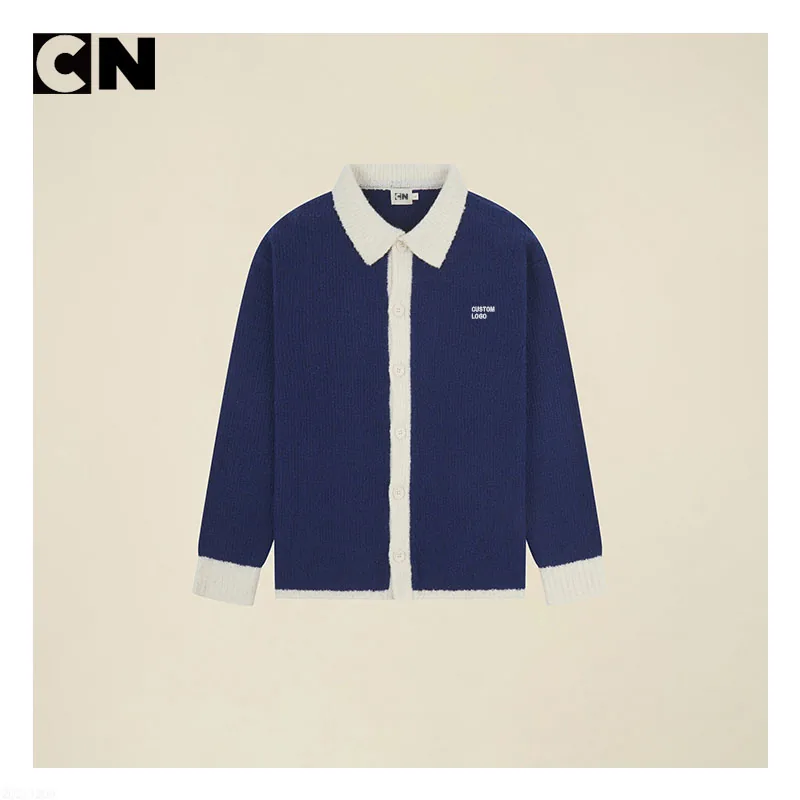
One viscose cardigan front may grow more than the other during hanging. Locate the change against the selected drape before replacing yarn or adding support. Compare paired front lengths, trim loads, band construction and finishing in the same hanging and rest conditions.
Why a viscose cardigan front edge grows
Garment mass loads the knitted structure while it hangs. Its response depends on the actual yarn, stitch, edge and finish, so a fibre name does not predict how much front length will remain after rest.
Buttons, bands or pockets can add local load. Inspect how the front, shoulder, side seam and back carry the garment together. A paired-front difference is a reason to compare those routes, rather than assume the edge always grows faster than the body.
Drape is not the same as growth
Drape is the selected resting outline. For a growth comparison, measure how the front changes during the agreed hanging and return-to-rest sequence. Judge the difference against the intended shape and any deliberate asymmetry.
Choose whether the fronts should hang straight, fall open or meet at fastenings. Mark body length, paired front lengths and hem on that reference before deciding which changed shape is unacceptable.
Start with the viscose cardigan yarn record
“Silky” and “fluid” describe hand, not composition. Identify the actual yarn declaration, item, count, ply, twist, colour and lot. Visually similar cones can supply different constructions, so use the records alongside sampled fronts.
Keep fibre type and trade name distinct. A modal, lyocell or other substitute sample represents its own yarn and route; review its relevance before transferring the result to the selected viscose garment.
Blends and yarn twist
A proposed blend, twist or ply change can affect both hand and shape. Compare the identified candidates in matched swatches and assembled fronts. Record the accepted compromise instead of assuming added synthetic fibre guarantees recovery.
Viscose cardigan construction that keeps the front stable
Compare the placket, body stitch and finish together. A yarn change does not explain a result if the attachment or pressing route also changed.
Placket and band structure on a viscose cardigan
A milano, tubular or other band is a construction proposal to compare in the selected yarn. If a shorter band is attached to the body, identify its joining relationship and inspect the finished sample after hanging and care. No fixed ease amount guarantees later growth control.
A stay tape can limit extension along its installed route while changing softness and drape. Compare the actual tape, attachment and finished band before selecting it for the garment.
Stitch density and trim weight
Ask the technician whether a local stitch-density change is workable in the selected construction. Sample that front with the body and inspect their interface; a tighter setting is a proposal, not a guarantee that the edge and body will hang as intended.
Identify button and pocket mass where it loads the front. Compare a lighter trim only against the same band and body route, and check that its appearance and function still suit the design.
Comparing the cardigan through hanging and rest
Use a defined sequence so the sample and reference are compared in the same states:
- First, measure both front lengths, body length and band width flat, after the garment has rested.
- Next, hang the cardigan on a standard hanger with the buttons done up, and note the start time.
- Then re-measure the fronts after the agreed hanging period, both on the hanger and flat.
- Finally, let it rest flat again and measure once more to see how much length stays.
Measure left and right separately. Equal length changes can retain visual balance; unequal changes can create a stepped hem. Neither result is accepted without the selected shape and limits.
Washing and care checks
Compare the assembled cardigan after its intended care route. Washing, drying and support can alter dimensions and appearance. Select a suitable procedure with the responsible team; ISO 6330 supplies domestic washing and drying procedures where applicable.
A swatch omits the assembled band, trims and joins. Compare both fronts and the body after the chosen treatment; the how a knitted sweater manufacturer controls shrinkage describes broader dimensional-change work.
Grading and size checks for a viscose cardigan
A size with more material or another band component can place a different load on its front. Select sizes around those changes and compare the same hanging/rest sequence rather than extend a base result automatically.
Long-line and duster cardigans need extra care. A size-set comparison should record the same front-edge points immediately after rest and after the agreed hanging interval on each measured size. If the larger size adds more front weight, compare absolute length change as well as percentage change before changing the band or stay tape.
Viscose cardigan bulk production and storage
Ask how the selected knitting, joining and finishing route will be represented in production. Compare paired fronts in the agreed rested state instead of restoring the shape by pulling during inspection.
Keep sampled yarn lots and finishing groups identifiable in the order. If a group changes mass or front response, obtain its relevant comparison. The quality control guide can inform the agreed inspection plan.
Compare the chosen folded or hanging packing presentation after unpacking. Identify support points and the front arrangement; a storage condition should match the garment being evaluated.
Inputs for a viscose cardigan quote
Specify which garment lengths and size/component transitions need comparison, the hanging and rest intervals and the paired front points. Compare absolute change alongside percentage change, since the two describe different aspects of a long-line front.
Attach the original and rested front views, yarn identity and proposed band route when you Send us your viscose cardigan design.
FAQs
Is a longer front always a fault?
No. Compare the measured change with the selected drape, including any deliberate asymmetry. A new mismatch or continuing change outside the agreed requirement needs review.
Can a modal sample stand in for viscose?
It can inform a development question, but the actual selected yarn and assembled front need relevant evidence. Do not infer identical growth from similar hand or appearance.
Does a blend reduce growth?
Compare the proposed blend in its actual knit and finish. It can change hand and response together; added nylon, polyester or elastane alone does not establish the garment’s growth result.
Should we hang-test a viscose cardigan before or after washing?
Use the states relevant to the product question. A before-care and after-care comparison needs the same hanging/rest conditions and identified garment; one result should not be relabelled as the other.