 CN Sweaters
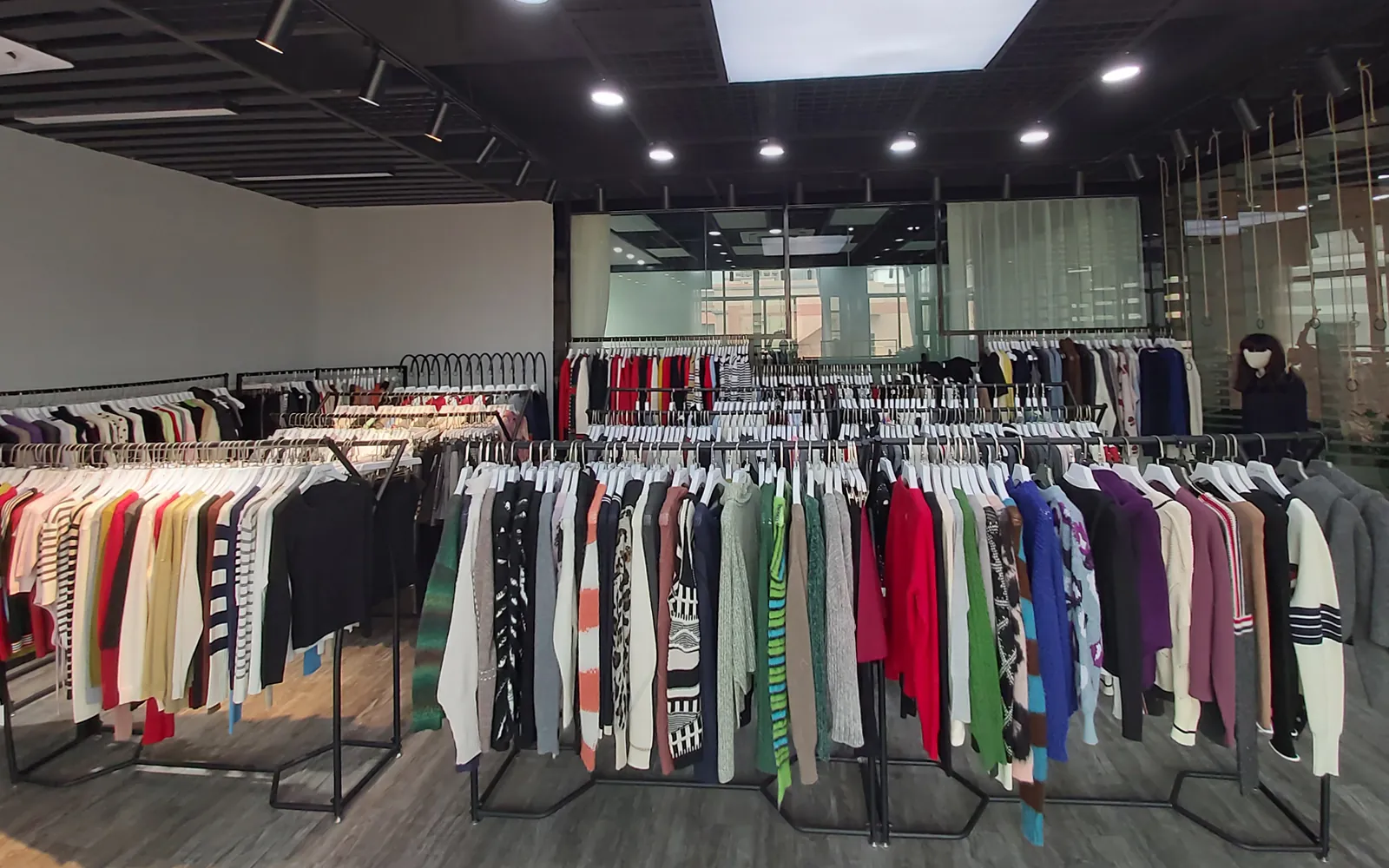
Teams that grade sizes for custom knit sweaters should not use rules from woven shirts, jersey hoodies, or cut-and-sew garments. Each construction needs different size logic. Knitted fabric stretches, recovers, and shrinks differently across yarn types, gauges, and stitch structures. When teams copy woven grading rules, a size M base sample may fit correctly. The XS or 2XL can still become disproportionate. Brands developing custom knitwear in bulk should use a safer approach. They should build the grading system around each construction’s elasticity, relaxation, and post-wash behavior.
This guide addresses production problems in size scaling. They often begin when buyers send one approved sample and expect the factory to scale the full range. The risks are familiar: narrow shoulders on larger sizes, long sleeves on smaller ones, and ribbing that varies by color. Washed garments can also stop matching the original tech pack. Getting the grading right before bulk production cuts rework and color inconsistency. It also reduces end-customer returns. The sections below explain how to set the base size and scale each measurement point. They also show what factory-side information to lock before bulk knitwear production begins.
Why Factories Grade Sizes Differently in Knitwear
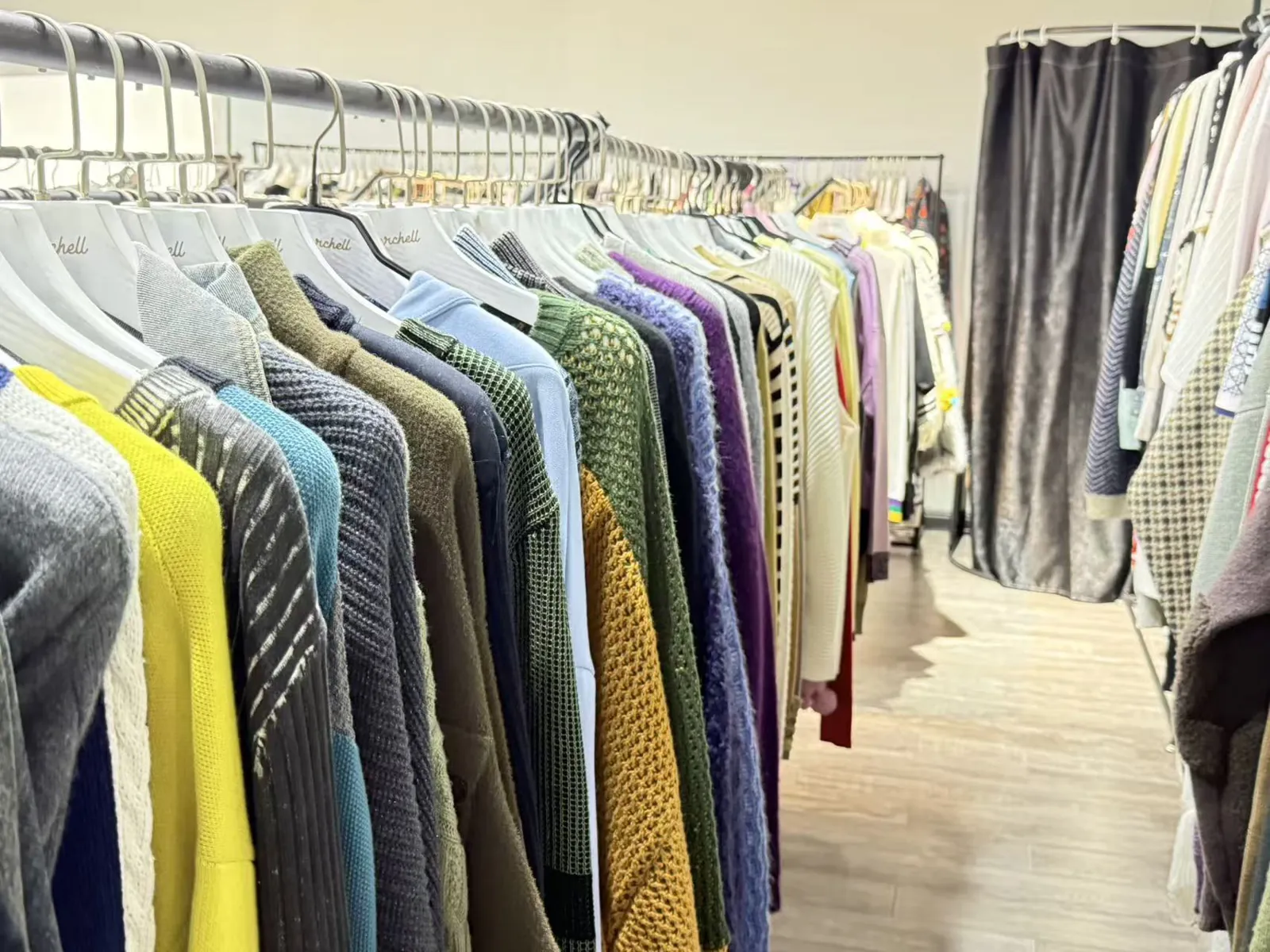
When factories grade sizes, custom knit sweaters behave as engineered loops, not as flat panels cut from a roll. Every measurement point on the garment is the result of stitch count, course count, yarn tension, and finishing treatment. A buyer may request a 2 cm chest increase between M and L. The factory cannot simply add 2 cm of fabric. The pattern team translates the 2 cm into a stitch count at the defined gauge. It then verifies the increment after steaming, washing, and relaxation.
How Knit Construction Changes the Math
A 7gg cotton sweater and a 12gg merino sweater follow different grading logic. This remains true even when their finished M measurements match. Finer gauges allow smaller increments between sizes. Coarser gauges force larger stitch-count steps that can create visible jumps in proportion. Cable knits, jacquards, and structured stitches add another layer because graders must keep each fixed-width pattern repeat intact. This is why a custom cable knit sweater often needs grading rules built around the cable repeat rather than around a clean centimeter increment.
Why Woven Grading Rules Fail on Knitwear
Woven grading assumes the fabric is dimensionally stable and that seams hold the shape. Knitwear assumes the opposite. The garment will stretch under its own weight, recover after relaxation, and shrink after the first wash. A rule that ignores these behaviors may pass on the base sample. Extreme sizes such as XS and 2XL or 3XL can still fall outside tolerance. Factories must test the grading nest at the actual production gauge before they approve any size for bulk.
How to Grade Sizes from the Right Base Sample
Before teams grade sizes, they must choose a base size for the entire grading nest. That decision affects every other size in the run. Most brands default to M for womenswear and L for menswear. A better choice reflects the largest expected sales group and the body block that anchors the intended fit. If the core customer skews larger, an M anchor can distort the upper sizes. If sales favor XS and S, an L anchor can stretch the smaller sizes.
What the Base Sample Must Document Before You Grade Sizes
A usable base sample is more than a fit-approved garment. It needs a measurement chart, yarn composition, confirmed gauge, and documented washing method. It also needs a recorded post-wash measurement. Without these, the grading team has no anchor for the rest of the size run. For custom knit sweaters developed under OEM or ODM programs, we typically ask the buyer to confirm the base sample in both pre-wash and post-wash states before grading begins.
Aligning the Base Sample with the Target Fit
Oversized, regular, relaxed, and slim fits use different ease allowances. Grading rules should follow that fit logic instead of a generic increment table. An oversized custom pullover sweater may need smaller increments at the shoulder and larger increments at the body, while a slim custom knitted jumper may need the opposite. Confirm the target fit on the base sample. This prevents the factory from applying a default rule that conflicts with the brand’s design intent.
How a Measurement Table Helps You Grade Sizes
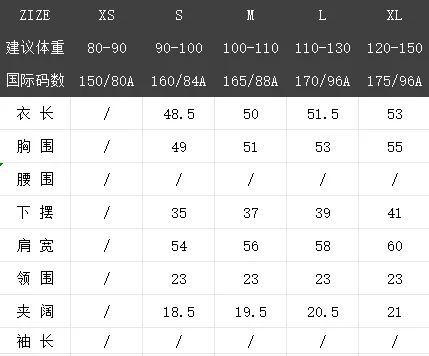
When teams grade sizes, the table should list every measurement point and base-size value. It should also show each increment and tolerance. The increment is rarely uniform across all points. Chest and waist usually grade in larger steps than the neck opening or cuff width. Sleeve length follows different increments because arm and torso proportions do not scale linearly.
Below is a simplified example of how grading increments typically distribute across a five-size run for a regular-fit adult sweater. Actual values depend on yarn, gauge, and fit.
| Measurement Point | XS to S | S to M | M to L | L to XL | XL to 2XL | Typical Tolerance |
|---|---|---|---|---|---|---|
| Chest width (flat) | +2.5 cm | +2.5 cm | +3 cm | +3 cm | +3.5 cm | ±1.5 cm |
| Shoulder width | +1 cm | +1 cm | +1.25 cm | +1.25 cm | +1.5 cm | ±0.75 cm |
| Body length | +1.5 cm | +1.5 cm | +2 cm | +2 cm | +2 cm | ±1.5 cm |
| Sleeve and opening measurements used to grade sizes | ||||||
| Sleeve length | +1 cm | +1 cm | +1.25 cm | +1.25 cm | +1.5 cm | ±1 cm |
| Sleeve opening (cuff) | +0.5 cm | +0.5 cm | +0.75 cm | +0.75 cm | +1 cm | ±0.5 cm |
| Neck opening | +0.5 cm | +0.5 cm | +0.5 cm | +0.75 cm | +0.75 cm | ±0.5 cm |
| Hem width (flat) | +2 cm | +2 cm | +2.5 cm | +2.5 cm | +3 cm | ±1.5 cm |
The table shows why a single uniform increment cannot work across the run. Shoulder and neck openings change slowly, so they use small grading steps. Chest and hem need larger steps to maintain visual balance. For a B2B buyer planning wholesale custom sweaters, agreeing on this table before bulk cutting is the most reliable way to prevent proportion drift between sizes.
Tolerance Is Part of the Grading Rule
Tolerance is not a quality concession; it is a manufacturing reality. Knit fabric relaxes after pressing and continues to settle for several hours. A ±1.5 cm chest-width tolerance is standard for most sweater categories. Finer gauges and stable yarns can support tighter tolerances. Buyers should set tolerance based on yarn behavior, not based on what looks tight on paper.
How Yarn and Stitch Structure Affect Size Grading
When teams grade sizes, yarn and stitch structure shape stretch, recovery, and shrinkage. These factors also determine how grading increments translate into finished measurements. A cotton sweater behaves differently from a wool blend. A jacquard panel also behaves differently from plain stockinette at the same gauge. According to Intertek apparel testing standards, dimensional stability testing on knit garments should be performed under controlled wash and dry conditions before bulk grading is finalized.
Cotton, Wool, Acrylic, and Blends
Cotton tends to shrink more in length than in width, especially on heavier gauges. Wool relaxes and felts depending on washing temperature. Acrylic is dimensionally stable but has lower recovery, which means stretched areas may not return to the original shape. Blends combine these behaviors in proportion to the fiber mix. Reference data from the CottonWorks shrinkage performance guide shows that cotton knits can shrink 3% to 8% in length depending on construction and finishing, which is a meaningful range when grading body length across five or six sizes.
Ribbing, Cables, and Structured Stitches
Ribbed cuffs, hems, and necklines have built-in elasticity that does not scale linearly. A 5 cm rib on XS does not need to become 7 cm on 2XL. Rib height often remains close while width changes through stitch count. Cable patterns must grade in full repeats, not in centimeters, so the grading team may need to adjust the cable count between sizes rather than the cable width. Fixed motif widths in structured stitches such as jacquard or intarsia limit how graders can widen the panel.
How Wash Tests Change the Way You Grade Sizes
When factories grade sizes, post-wash measurement is where many errors become visible. A sweater that passes pre-wash inspection can fail post-wash when the grading rule ignores the shrinkage rate. The standard practice is to grade against the post-wash target measurement, not the pre-production measurement, and to build the shrinkage allowance into the knitting program.
Setting Shrinkage Allowances by Construction
Shrinkage allowances differ by yarn and gauge. A 7gg cotton sweater may need 5% to 7% length allowance, while a 12gg wool blend may need 2% to 4%. Factories should confirm the allowance through a wash test on the base sample before grading begins. The Intertek textile and apparel inspection protocols recommend at least three wash cycles for shrinkage verification on knit garments intended for retail.
Compare Color Shrinkage Before You Grade Sizes
Different dye lots and different colors can shrink at slightly different rates, especially on cotton and cotton blends. Darker colors often shrink more than lighter colors because of the dyeing process. Buyers planning a multi-color custom sweater program should request a wash test on each color before bulk grading is locked, and should include a color-to-color tolerance in the quality control specification.
How to Prepare a Tech Pack That Supports Grading
Before teams grade sizes, a grading-ready tech pack must contain more than a measurement chart. It needs the base size, the full size range, the increment table, the tolerance table, the measurement method for each point, the yarn composition, the gauge, the washing instruction, and the post-wash target. Missing any of these forces the factory to make assumptions, which is where most grading disputes start. The general framework described in the apparel manufacturing process overview applies here, but knitwear requires the additional layer of yarn and gauge documentation.
Define the Measurement Method Before You Grade Sizes
Two factories can produce different measurements on the same garment if they measure differently. Factories may measure chest width 2.5 cm below the armhole or at the widest point. Factories may measure sleeve length from the center back neck or from the shoulder seam. The tech pack should use arrows to show exactly where the team measures each point. For buyers ordering custom sweaters wholesale, this single document prevents most of the back-and-forth during PP sample approval.
Sample Approval and PP Sample Records
The grading rule should be verified on the PP sample, not just on the development sample. The factory produces the PP sample under bulk conditions with bulk yarn, bulk machines, and bulk washing, so it reflects the production run. Approving the grading nest on the PP sample, with measurements recorded in writing and signed by both sides, is the most reliable way to lock the size run before cutting begins.
How Different Fits Require Different Grading Rules
When brands grade sizes, oversized, regular, relaxed, slim, and plus-size fits each need their own logic because ease differs across the body. A grading rule designed for a regular fit will distort an oversized garment, and a slim fit grading rule will make a relaxed garment look misproportioned. The grading team needs to know the target fit before setting the increment table.
Oversized and Relaxed Fits
Oversized sweaters typically have larger body width and drop shoulders, which means the shoulder point is no longer a critical grading anchor. The grading rule shifts more weight to chest, hem, and sleeve length, while shoulder width grades in smaller steps or stays flat across two adjacent sizes. Relaxed fits sit between oversized and regular, with moderate ease at the body and slightly larger sleeve openings.
How to Grade Sizes for Slim and Plus-Size Fits
Slim fits have tighter ease and require finer grading increments to maintain the close-to-body look across sizes. Teams should build a separate plus-size grading nest because body proportions change and chest, waist, and hem usually need larger increments than the standard step. Brands developing a plus-size range should treat it as a separate grading nest rather than an add-on to the main run, and should confirm MOQ and lead time implications with the factory before committing to the extended range.
Conclusion
The work required to grade sizes for custom knit sweaters depends on yarn, gauge, stitch structure, washing behavior, and target fit. A grading rule copied from woven garments or from a different knit program will almost always produce proportion drift, color-to-color inconsistency, or post-wash failures. The reliable path is to build the grading table around the actual base sample, verify it on the PP sample, document the tolerance and measurement method, and confirm post-wash behavior before bulk knitting starts. Send your base size sample, measurement chart, target fit, yarn composition, size range, washing requirements, and acceptable tolerance to our knitwear development team to review the size grading requirements for your custom knit sweater program before bulk production begins.
FAQ
What is the typical MOQ when a factory must grade sizes across a custom knit sweater range? MOQ depends on yarn, gauge, and color count, but for a graded run across five to six sizes, factories usually set a per-color or per-style minimum that allows the grading to be tested across the full nest. Smaller MOQs are possible on simpler constructions, while jacquard and cable styles often require higher minimums because of program setup time.
How long does it take to develop and approve a graded size set before bulk? Development sample, fit sample, and PP sample together usually take four to eight weeks depending on yarn availability and revision rounds. Grading approval on the PP sample is the last step before bulk knitting starts, and rushing this stage is where most grading errors enter the production run.
How to Verify Results When Factories Grade Sizes
Can the factory grade from a single approved sample without a full measurement chart? A factory can grade sizes from one approved sample, but we do not recommend it. Without a documented measurement chart, tolerance table, and measurement method, the grading team has to make assumptions that may not match the brand’s intent. Providing a complete tech pack reduces revision rounds and shortens the approval timeline.
What tolerance should buyers expect on graded knit sweaters after washing? For most sweater categories, ±1.5 cm on chest and body length and ±1 cm on sleeve length are standard post-wash tolerances. Buyers and factories can achieve tighter tolerances on finer gauges and stable yarns, but they should agree on them in writing before bulk production starts.
How should buyers handle grading when the same style is produced in multiple colors? The factory should wash-test each color on the base sample before it locks bulk grading because darker dye lots may shrink slightly more than lighter ones. Buyers should add a color-to-color tolerance to the quality specification and approve the PP sample in the color expected to behave most differently from the base.