 CN Sweaters
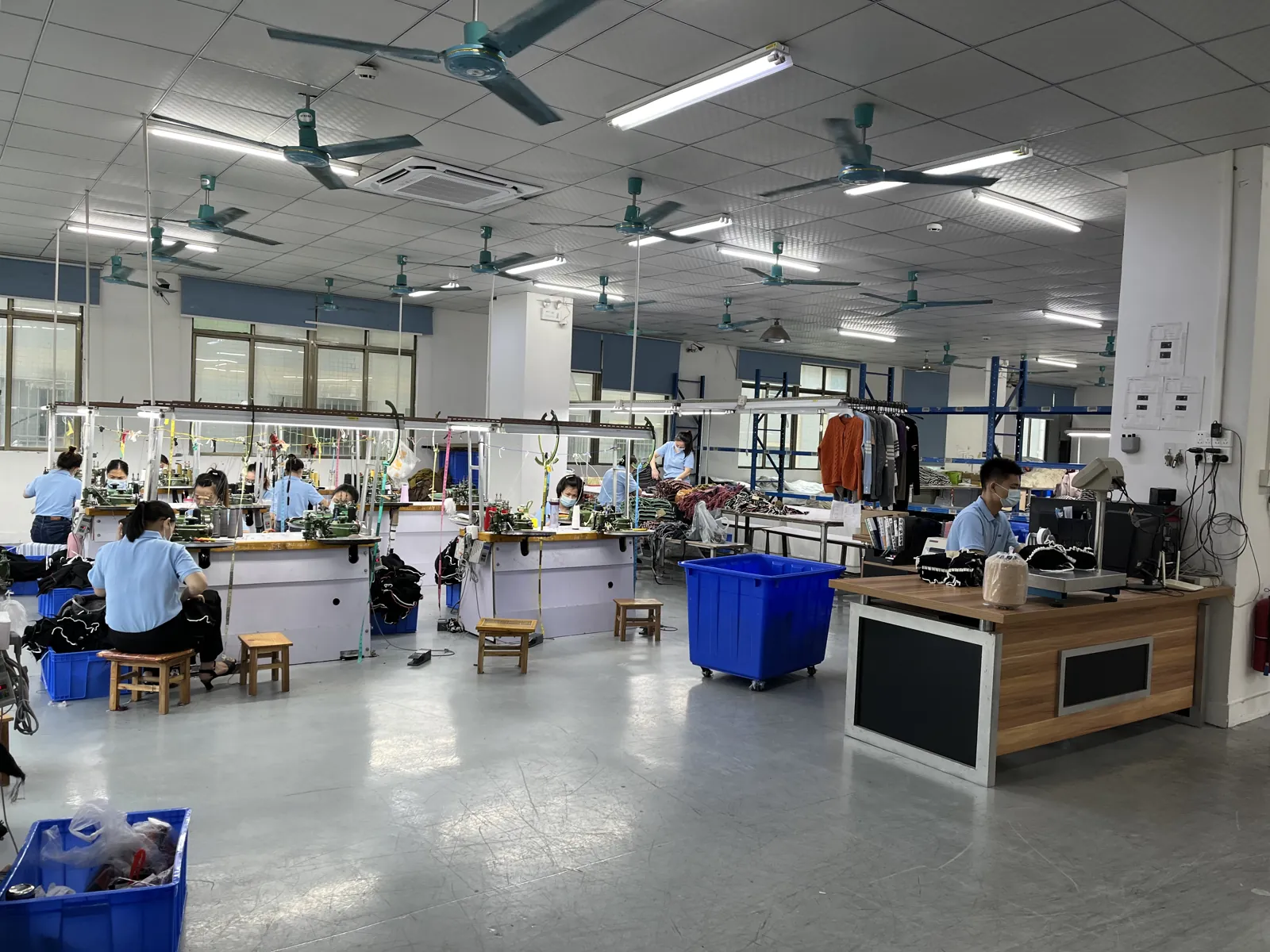
When buyers compare quotes from one knitwear factory to another, linking quality is often the single biggest hidden variable behind price gaps, sample approvals, and bulk rejection rates. From a factory perspective, linking is the stitch-by-stitch joining of fully fashioned panels at the shoulder, armhole, neckline, and placket, and it directly controls how a finished sweater looks, stretches, holds its shape, and survives wash and wear. If linking is wrong, no amount of yarn quality, knit structure, or finishing can save the garment.
This article is built around one practical question for B2B buyers developing sweaters, cardigans, knit dresses, vests, or other fully fashioned knitwear: how do you read linking quality before you place a bulk order, and how do you write it into your quality requirements so samples and production actually match. We will explain why linking failures happen, how to inspect seams on samples and pre-production samples, how linking differs from standard sewing and seamless production, and how MOQ, lead time, and sampling decisions interact with seam quality in real production.
What Linking Quality Means in a Knitwear Factory
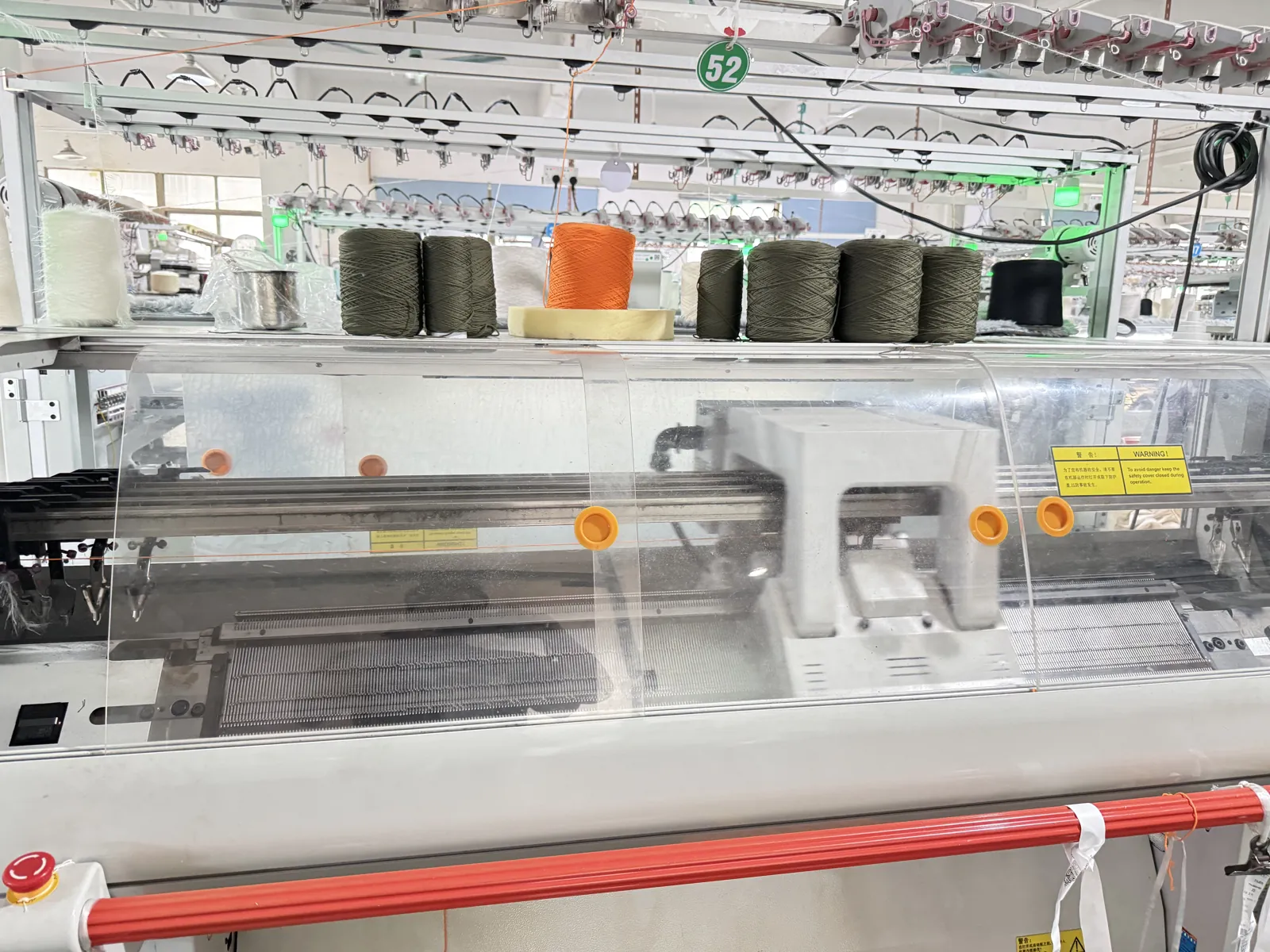
Linking is a loop-to-loop joining method used in a knitwear factory to connect fully fashioned panels along their bound-off edges. Unlike cut-and-sew, where panels are cut from larger pieces of fabric and overlocked, linking takes each individual loop from one panel and joins it to the corresponding loop on the other panel using a linking machine. The result is a flat, elastic, low-bulk seam that follows the natural stretch of the knit fabric.
For B2B buyers, this matters because linking is what separates premium fully fashioned knitwear from lower-tier knitted garments. A correctly linked shoulder seam stretches with the body, sits flat against the shoulder line, and does not create the rope-like ridge that overlocked seams often leave. For brands selling at mid to high price points, that difference is visible on the hanger and felt on the body, and it shows up directly in return rates and customer reviews.
How Linking Differs from Standard Cut and Sew Seams
Standard cut-and-sew seams use overlock or flatlock machines to join fabric edges, which works well for jersey or interlock knits used in t-shirts and hoodies. On heavier gauge sweaters and cardigans, overlocking creates a thick, less elastic seam that can pull, twist, or break under stretch. Linking avoids this by matching loops one-to-one, so the seam carries the same stitch count and elasticity as the panel.
Where Linking Is Used on a Typical Sweater
On a typical pullover from a sweater factory, linking is applied to shoulder seams, armholes when set-in sleeves are used, neckline trims, button plackets on cardigans, and pocket openings on knitted jumpers. Side seams and underarm seams are sometimes linked and sometimes overlocked depending on gauge, structure, and buyer specification, which is a decision that should be confirmed before sampling rather than left to the factory.
Why Linking Quality Fails in Fully Fashioned Knitwear
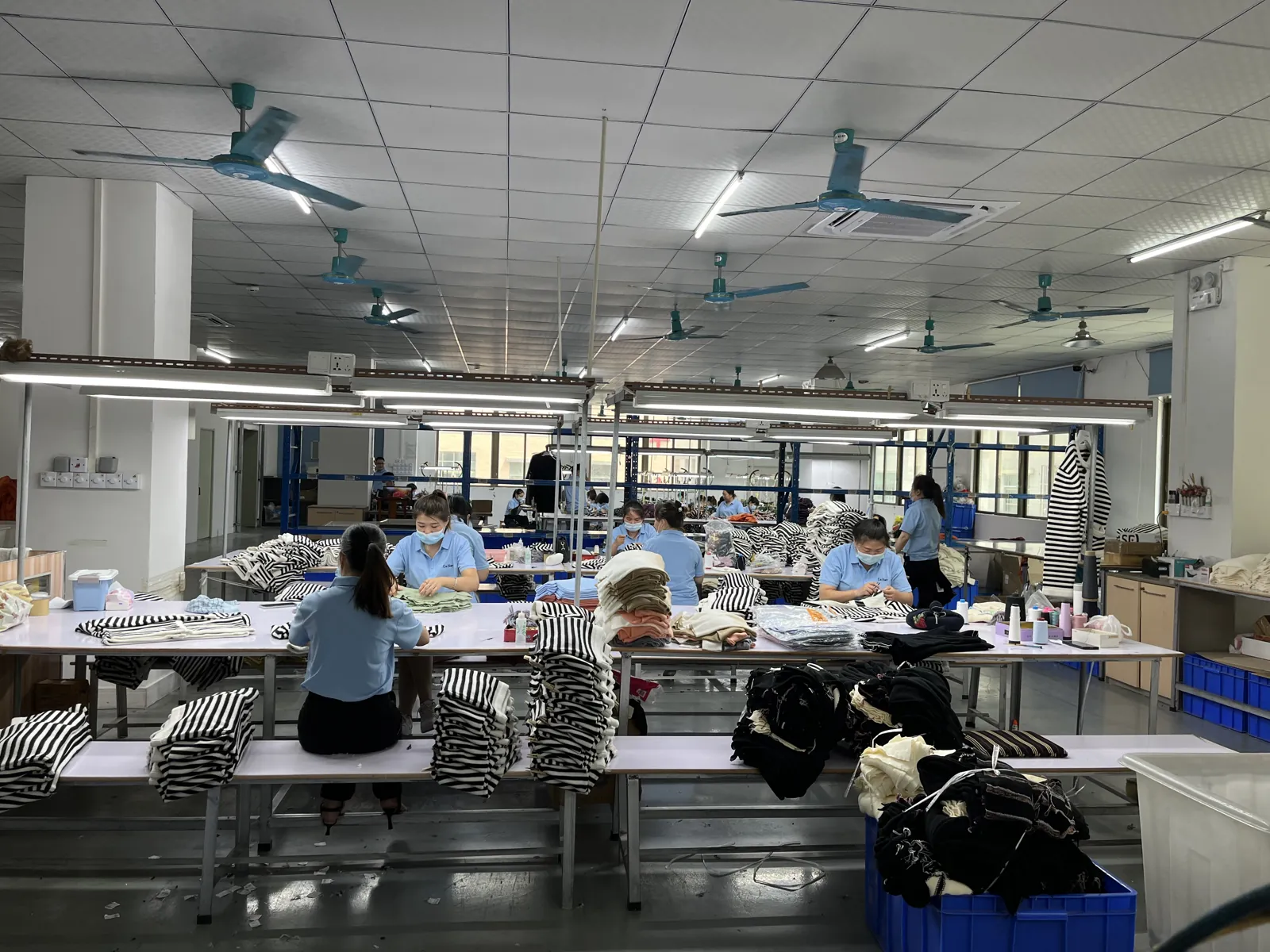
Most linking defects trace back to one of three root causes: stitch count mismatches between panels, gauge-to-linker mismatches on the equipment, and operator errors during the linking pass. Understanding these causes helps buyers diagnose sample problems and write better specifications before bulk production begins.
Stitch count mismatches happen when the front, back, sleeve, or trim panels are knitted with different loop counts along the edges that need to be joined. Even a difference of two or three stitches across a shoulder seam will force the operator to either skip loops, double up loops, or ease in extra fabric, which produces puckering, asymmetry, or a wavy seam line. From a factory perspective, this is why pattern grading and panel programming must be locked before bulk knitting starts, and why pre-production samples should be measured against the tech pack at every seam.
Gauge mismatches occur when the linking machine’s point spacing does not match the gauge of the knitted panel. A 12gg sweater requires a 12-point linker, a 7gg sweater requires a 7-point linker, and so on. If a knitwear factory tries to link a fine gauge panel on a coarser linker to save setup time, loops will be skipped or doubled, creating dropped stitches and seam holes that may not appear until after washing.
Common Defects Buyers Should Recognize on Samples
The most frequent defects we see during sample review include dropped stitches at seam intersections, asymmetrical armholes where left and right sleeves sit at different heights, twisted shoulder seams that roll forward, neckline ripple from over-easing the trim, and placket waving on cardigans where the button band is linked at a different tension than the body. Each of these defects has a specific cause, and each should be flagged in writing rather than approved with a verbal note.
How Yarn and Structure Affect Linking Difficulty
Slippery yarns such as silk blends, mercerized cotton, and certain viscose constructions make loops harder to pick up cleanly on the linker. Loose gauges, pointelle structures, and intarsia panels also increase difficulty because the loops are larger, less stable, or interrupted by color changes. When working with these materials, lead time and sample rounds should be planned with more buffer, and the OEM/ODM services team should confirm linker capability before quoting.
How to Inspect Linking Quality on Samples
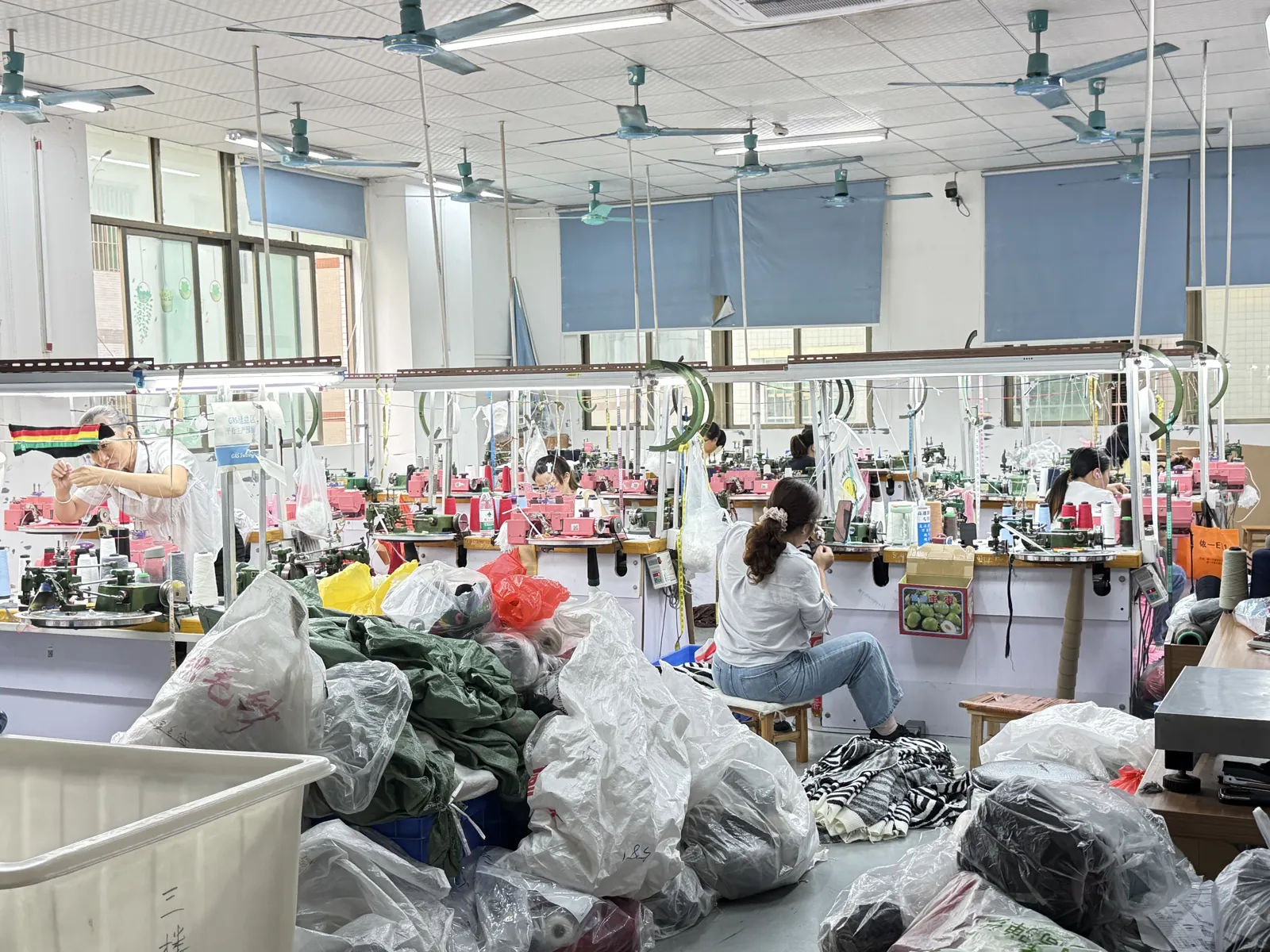
Inspecting linking on a sample is not the same as inspecting a finished garment for fit. Buyers need a separate seam-level checklist that covers shoulder, armhole, side seam, neckline, and placket, and that checklist should be applied at the proto sample stage, the size set stage, and the pre-production sample stage before bulk approval.
The fastest way to find linking problems is to lay the garment flat, smooth out the panels, and look along each seam line for puckering, waving, or twist. Then turn the garment inside out and check whether the seam allowance is consistent in width, whether loops are visible and intact, and whether any threads are loose at start and end points. Finally, gently stretch each seam to roughly 110 percent of its relaxed length and release, watching for popped stitches or permanent distortion. According to the textile and apparel inspection guidance published by Intertek, seam strength and appearance are among the most common defect categories found during pre-shipment audits, which aligns with what we see in daily production.
The table below summarizes the seam checks we apply at each sample stage, and what action a buyer should take when a defect appears.
| Seam Area | What to Check | Common Defect | Recommended Action |
|---|---|---|---|
| Shoulder | Flatness, symmetry, twist | Rolling forward, uneven height | Reject sample, recheck panel stitch counts |
| Armhole | Setting line, easing | Asymmetry left to right | Remeasure pattern, reset linking ease |
| Neckline | Trim tension, ripple | Wavy or tight collar | Adjust trim pickup ratio |
| Placket | Button band alignment | Waving, length mismatch | Reprogram band length and tension |
| Side Seam | Stitch type, elasticity | Tight or popped seam | Confirm linked vs overlocked spec |
Reading the table from a buyer’s view, the recurring pattern is that most linking defects are correctable before bulk if they are caught at the size set or pre-production stage, but become expensive rework once 500 or 1000 units are already knitted and assembled.
What to Document in the Sample Approval Comments
When approving or rejecting a sample, written comments should specify the seam location, the defect type, the acceptable tolerance, and the corrective action expected. Generic comments such as please improve quality do not give the factory enough information to fix the problem, and they often lead to the same defect reappearing on the next round.
How Linking Quality Changes the Choice Between Linked, Seamless, and Cut-and-Sew Production
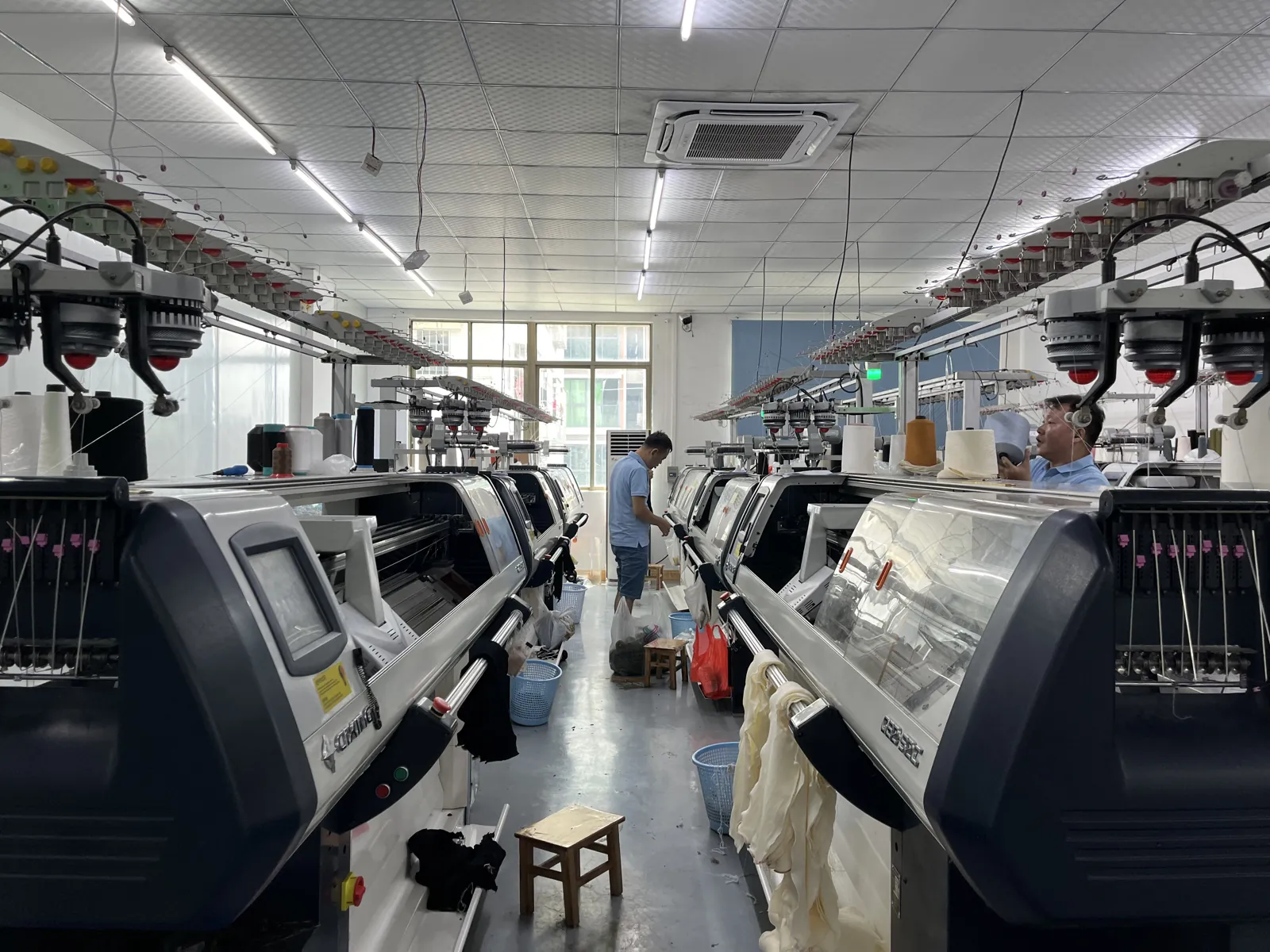
Linking, seamless knitting, and cut-and-sew construction each have different cost structures, MOQ implications, and quality profiles. Choosing the right method for a specific style depends on the design, the price point, the order quantity, and the buyer’s tolerance for visual seams. The knit machinery overview published by CottonWorks gives a useful technical background on flat, circular, and seamless platforms, which helps frame the trade-offs below.
Fully fashioned linking is the standard choice for mid to high-end sweaters, cardigans, and knit dresses where shape, drape, and seam quality matter. It supports complex shaping, intarsia, jacquard, and pointelle structures, and it produces the cleanest seam appearance. However, it requires skilled linking operators, takes more production time per garment, and has higher labor cost than overlocked construction.
Seamless production, typically on Shima Seiki Wholegarment or Stoll knit-and-wear machines, eliminates linking entirely by knitting the garment as one continuous piece. This works well for simple silhouettes in fine to mid gauges, but it limits design complexity, requires very high machine investment, and often carries higher MOQs because of programming and setup time. For most private label brands ordering 300 to 1000 pieces per color, fully fashioned linking remains the more flexible option.
How MOQ and Lead Time Change with Construction Method
A typical fully fashioned program at a knitted sweater factory runs on an MOQ of around 300 pieces per color per style, with lead times of 45 to 60 days for bulk after sample approval. Seamless programs often start at 500 to 800 pieces per color due to machine setup amortization, while cut-and-sew sweater production can go lower on MOQ but loses the linking quality advantage. Buyers should confirm exact numbers against the current MOQ and lead time policy before locking in a development plan.
Matching Construction to End Use
Heavy gauge outerwear cardigans, fully fashioned knit dresses, and structured pullovers benefit most from linked seams. Lightweight base layers, simple crewnecks at value price points, and high-volume basics may be better suited to seamless or cut-and-sew depending on margin targets. The decision should be made jointly with the development team before tech pack finalization, not after sampling has started.
How to Write Linking Quality Into the Product Standard
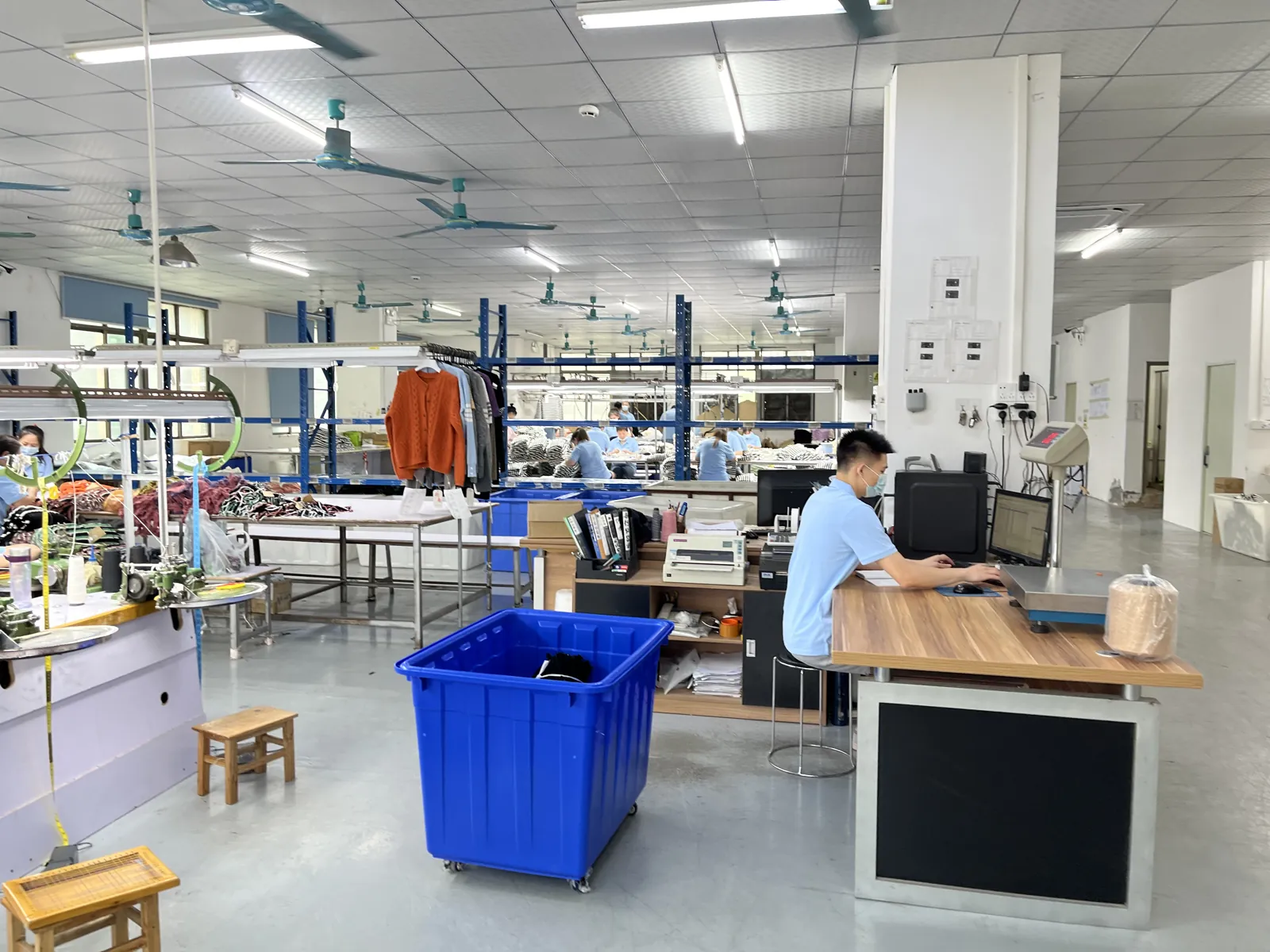
A clear written linking specification reduces the risk of bulk rejection more than any other single document in the development process. Buyers who rely on verbal agreements or generic phrases like good quality consistently see higher defect rates than buyers who write seam-by-seam requirements into the tech pack and the purchase order.
A useful linking specification covers six elements: which seams must be linked versus overlocked, the acceptable seam allowance width, the maximum allowable stitch skips per seam, the seam stretch recovery requirement, the appearance tolerance for puckering and waving, and the inspection sampling plan. These should be attached to the tech pack and referenced in the quality control section of the purchase agreement. Reference standards from apparel testing services such as seam slippage and seam strength tests can be cited to give the specification measurable criteria rather than subjective language.
Sampling Plan and AQL Considerations
For B2B bulk orders, an AQL 2.5 sampling plan on major defects is common for knitwear, with linking defects typically classified as major when they affect appearance or wearability and as minor when they are limited to small cosmetic irregularities. Buyers should decide in advance how dropped stitches, seam twist, and asymmetry will be classified, because that classification determines whether a shipment can pass inspection or must be reworked.
Refill Orders and Consistency Across Production Runs
When a style is repeated in a refill order, linking consistency across runs depends on the same operators, the same linking machines, and the same yarn lot characteristics being available. If any of these change, a small confirmation sample should be approved before bulk to catch shifts in seam appearance early. This is particularly important for custom knit sweaters and cardigans where the seam is part of the visible design.
How Linking Quality Affects Cost, Returns, and Brand Reputation
The cost of poor linking is rarely visible in the unit price quote, but it shows up clearly in three places: rework labor at the factory, return rates at retail, and damage to brand reputation through negative reviews. From a factory perspective, a single rework cycle on a 1000-piece order can erase the entire margin on the production run, which is why factories with strong linking standards tend to price slightly higher than competitors.
The sweater manufacturing basics reference from CottonWorks notes that finishing and assembly account for a significant share of total sweater production time, and within that share, linking is the most skill-dependent step. Skilled linking operators typically need two to three years of training to handle fine gauges and complex structures consistently, which is one reason why experienced knit sweater manufacturer operations protect their senior operators carefully.
For buyers, the practical implication is that the cheapest quote is often not the lowest total cost. A factory that charges 5 to 8 percent more per piece but delivers consistent linking quality can reduce return rates, eliminate rework cycles, and protect retail sell-through, which usually outweighs the unit price difference over a full season.
Visible Symptoms of Linking Problems at Retail
End consumers do not use the word linking, but they describe its failures clearly in product reviews: seams that pop after one wash, shoulders that sit unevenly, collars that ripple, plackets that wave, and sweaters that lose shape after wear. Each of these complaints can usually be traced back to a specific linking decision made during development or production.
How to Protect Margins Through Better Specification
The most cost-effective protection is front-loaded investment in specification clarity, sample inspection rigor, and pre-production sample approval discipline. Catching a linking issue at the pre-production stage costs the buyer a few days of schedule. Catching it after bulk shipment costs the buyer a season.
Conclusion
Linking quality is not a finishing detail. It is the structural backbone of fully fashioned knitwear, and it determines whether a sweater, cardigan, or knit dress looks, fits, and lasts the way the brand intended. Buyers who treat linking as a measurable, specifiable, and inspectable process consistently see lower defect rates, smoother bulk approvals, and stronger retail performance than buyers who leave it to the factory’s discretion.
Before your next sample round or bulk order, take time to review your tech pack for seam-by-seam linking requirements, align with your factory on construction method, and build seam inspection into your sample approval workflow. To start a development conversation with our team, send your tech pack, reference sample, yarn composition, gauge, knit structure, size range, seam requirements, target quantity, and quality standard through our custom knitwear development inquiry so we can review possible linking risks before sample and bulk production.
FAQ
What is the typical MOQ for fully fashioned knitwear with linked seams? For most fully fashioned programs, MOQ starts at around 300 pieces per color per style, though it can vary based on yarn type, gauge, and structure complexity. Lower MOQs are sometimes possible for repeat customers or simpler styles, but very low quantities usually carry higher per-unit costs because setup time is amortized across fewer pieces.
How long does sampling take for a custom knitted jumper with complex linking? Initial proto samples typically take 15 to 20 working days from tech pack approval, with one to two revision rounds before pre-production sample sign-off. Complex structures like intarsia, pointelle, or multi-color jacquard with linked trims may need an extra week, especially when yarn dyeing or special trims are involved.
Can linking defects be repaired on finished sweaters before shipment? Minor dropped stitches and small seam irregularities can sometimes be hand-repaired by skilled menders, but structural issues like asymmetrical armholes or incorrect stitch counts cannot be fixed without disassembly and re-linking. This is why catching defects at the pre-production sample stage is far more cost-effective than after bulk knitting.
How do I verify a knitwear factory actually has linking capability before placing an order? Ask for photos and videos of the linking floor showing different gauge machines, request samples of recent fully fashioned production in similar gauges to your project, and arrange a virtual or in-person factory tour. A genuine sweater factory should be able to show 7gg, 12gg, and finer linking machines in active use, along with trained operators.
Should side seams be linked or overlocked on a custom knit sweater? It depends on gauge, weight, and price positioning. Heavier gauge sweaters at premium price points often have fully linked side seams for appearance and elasticity, while lighter gauge basics may use overlocked side seams to control cost. The choice should be specified in writing before sampling rather than left to default factory practice.