 CN Sweaters
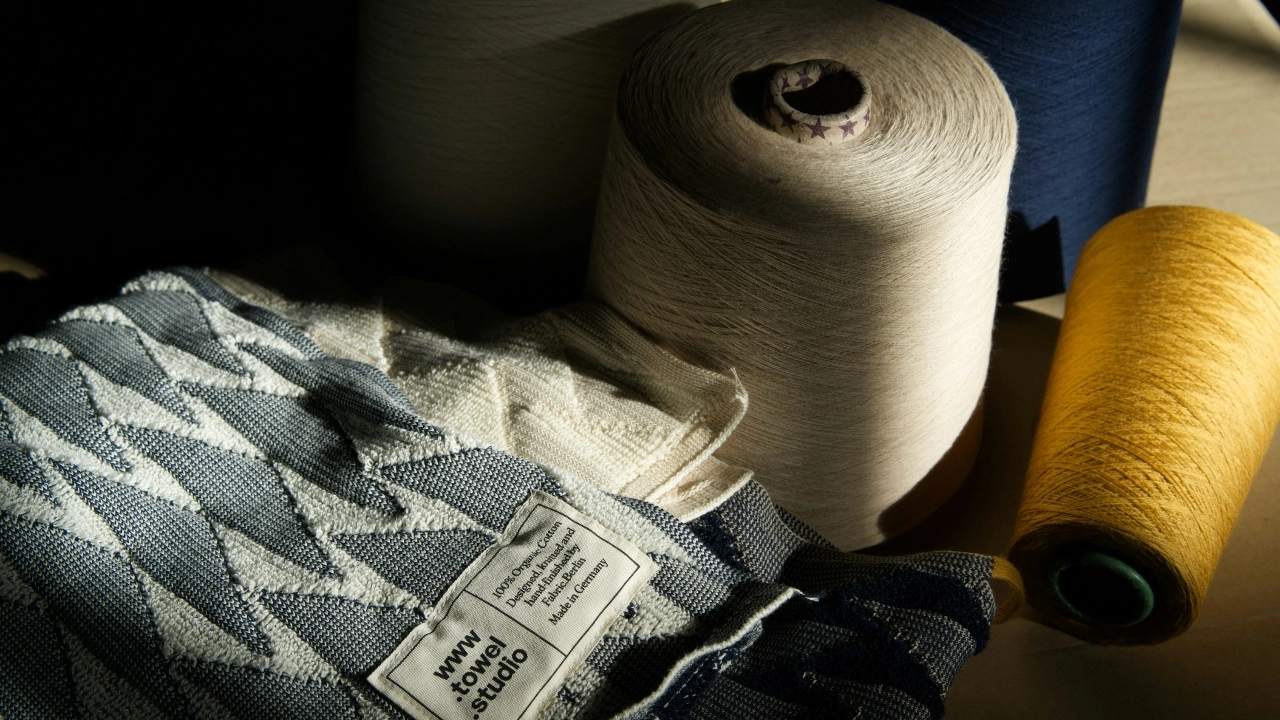
Sending physical reference samples to a sweater factory only works when the package contains a clear hierarchy of what must be copied, what must be changed, and what is provided for inspiration only. Brands that simply ship a garment with the note “make it like this” usually receive a first proto that misses the construction, weight, or fit they actually wanted, and the project then loses two to four weeks in unplanned revisions. A custom sweater is built from many independent variables — yarn count, fiber blend, gauge, stitch structure, panel shaping, trims, and finishing — and each one needs an explicit instruction before bulk costing and lead time can be locked.
Reference preparation also protects the commercial side of the project. A vague sample brief produces vague quotations: the factory hedges yarn substitution risk, sampling rounds, and packaging assumptions into the FOB, and the buyer cannot compare offers from different knitwear manufacturers on equal terms. A complete reference dossier, by contrast, allows the factory to confirm whether the target price, MOQ, and launch date are realistic before any sampling cost is spent. The sections below walk through what to put in the box, how to label it, what data to attach, and how to control the chain of custody so the same sample that defines the development brief can later be used to verify bulk.
Why Physical Reference Samples Outperform Photos and Tech Packs Alone
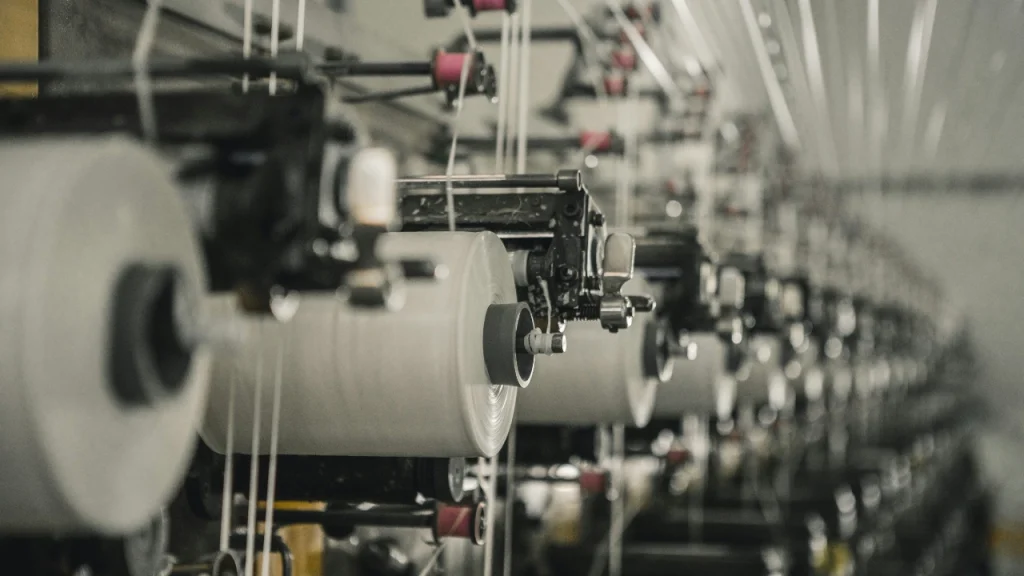
A real garment carries information that a photo, a flat sketch, or even a fully detailed tech pack cannot fully transmit. When a developer holds the sample, they can read the actual gauge by counting wales and courses per inch, weigh the panel to estimate grams per square meter, feel the twist and hairiness of the yarn, check the elasticity of the rib, examine the linking at shoulder and armhole, and judge whether the hand is dry, soft, dense, or airy. None of these properties can be reliably extracted from a JPEG, and even a perfect tech pack relies on the receiver and sender agreeing on the same construction vocabulary.
Photos, mood boards, and AI renders remain useful, but only at the inspiration layer. They communicate silhouette, color story, and styling intent. They cannot confirm yarn count, internal structure, true measurements, or finished weight. Designers who rely on images alone often discover at proto stage that the visual they loved was knit at 3gg in a chunky brushed lambswool, while their target retail price only supports a 7gg acrylic blend — a gap no factory can close without changing the look.
When Each Reference Format Is Appropriate
| Reference type | What it confirms reliably | What it cannot confirm |
|---|---|---|
| Physical garment | Yarn hand, gauge, weight, stitch, fit, trims | Future colorways, brand labels |
| Studio photos | Silhouette, styling, color direction | Yarn count, weight, true measurements |
| Tech pack with POMs | Target measurements, tolerance, construction notes | Hand feel, true yarn behavior |
| Mood board / AI render | Aesthetic mood, season, customer feeling | Any technical specification |
The practical rule is to send a physical sample whenever a fit, hand, or structural decision needs to be replicated, and to use photos plus a tech pack for everything that is being newly designed.
What Goes Inside the Reference Box for a Custom Sweater Project
A complete reference package for a custom sweater project usually contains four layers of material, and each layer needs to be labeled before the box leaves the buyer’s office. The first layer is the physical sample itself — ideally the exact garment whose fit and construction the brand wants to reproduce, in the size that matches the intended base size of the new development (most factories grade from a single approved base size). The second layer is documentation: a printed sample list, a tech pack draft, a measurement chart, and a marked-up modification sheet. The third layer is material reference: yarn swatches, color standards (Pantone TCX or physical lab dips), and trims such as buttons, zippers, labels, and hangtags. The fourth layer is commercial information attached to the brief, not to the sample.
Sample List and Modification Sheet
Every physical item in the box must appear on a single-page sample list with a unique reference code, a short description, and a clear status: “match exactly,” “modify per notes,” or “inspiration only.” The modification sheet then lists, per sample, which points of measure should be kept, which should change and by how much, and which construction details (neckline, rib depth, cuff treatment, hem, pocket, button stand, zipper, logo position, brand label, hangtag, polybag) come from this sample. Cotton Incorporated’s technical reference on sweater manufacturing basics is a useful baseline for the vocabulary buyers and factories should share when annotating these construction details, especially around fully fashioned shaping, linking, and cut-and-sew assembly.
How to Document Measurements, Yarn, Gauge and Construction
Measurements are the single most disputed area in custom knit sweaters, and almost every dispute traces back to either an undocumented sample state or an unstable measurement protocol. Before measuring, record whether the sample has been worn, washed, dry cleaned, steamed, or stored folded under pressure — all of these change the measurements of a knitted garment. Then measure the garment flat, on a hard surface, lightly relaxed, using the same point-of-measure definitions the factory will use during bulk inspection. The international reference for how to prepare and mark textile specimens for measurement is published by ISO under standard 3759, and aligning the buyer’s measuring protocol with that standard removes most of the noise from later production tolerance discussions.
If the sample is years old, has been laundered, or shows obvious stretching at the hem or cuffs, the buyer should mark these measurements as “historical, not target” and provide separate target measurements in the tech pack. Otherwise the factory will treat a stretched 56 cm chest as the target and engineer the bulk to land there, even though the brand wanted the original 52 cm.
Yarn, Gauge and Stitch Documentation
For yarn, the buyer should communicate what is known — fiber blend, approximate count such as 2/26Nm or 2/48Nm, ply, and whether the yarn is worsted, woolen-spun, or brushed — and explicitly allow substitution where the original yarn cannot be identified. The Woolmark Company publishes a public yarn specification SY-1 that defines fiber content thresholds and quality parameters in a vocabulary factories can match against, which is helpful when the buyer wants wool-rich performance without knowing the exact original source.
Gauge should be expressed in machine terms (3gg, 5gg, 7gg, 12gg) wherever possible, with a swatch attached if available. Structure notes should specify ground stitch (jersey, full milano, half cardigan, 1×1 rib, 2×2 rib, links-links, jacquard, intarsia, cable) and whether shaping is fully fashioned or cut-and-sew. The construction principles behind these stitch choices are summarized in Cotton Incorporated’s Designing Knit Textiles reference, which provides the underlying logic for how stitch selection drives drape, weight, and stretch.
How to Mark Samples for Match, Modify and Inspiration Only
The single most useful habit a brand can develop is attaching three categories of physical tags to each reference: green for “match,” yellow for “modify,” and red for “inspiration only.” On a custom pullover sweater, for example, the buyer might mark the body length and chest as “match,” the sleeve length and cuff depth as “modify +2 cm and 4 cm respectively,” and the entire color and yarn as “inspiration only.” On a custom cardigan sweater, the placket construction and button spacing may need to be matched precisely while the collar shape is being newly designed.
This three-tag system prevents the most common development failure, which is the factory replicating something the buyer did not actually want copied — usually because it was the most visible feature of the sample. It also makes proto evaluation faster: at first fitting, the buyer can grade each marked point as accepted or revised, and the factory can update only those points in the next round.
Avoiding Open-Ended Instructions
Phrases like “make it the same,” “make it softer,” “make it a bit thicker,” or “high quality finish” should be replaced with measurable language. “Softer” becomes “use a yarn with a softer hand than the reference, similar to a 2/48Nm cashmere blend, and submit two handfeel options for approval.” “Thicker” becomes “increase finished garment weight from approximately 420 g to 480 g at base size by switching from 12gg to 7gg or by changing to a heavier yarn count, factory to recommend.” This language gives knitwear manufacturers a defined target to engineer toward, instead of a feeling they have to guess at.
Chain of Custody, Photography and Sample Handling Rules
Once the sample is documented, the buyer needs to lock the chain of custody before anything is shipped. The garment should be photographed on a neutral background — front, back, both sides, neckline close-up, cuff and hem close-up, trim and label close-up — with a ruler in frame for at least one shot per panel. These photos become the reference state: if the factory later reports damage, missing trims, or different measurements, the dispute is resolved against the photos rather than against memory.
Each sample receives a printed label sewn or pinned in a non-destructive location with the sample code, the buyer’s project name, and the date. Inside the box, a printed copy of the sample list goes on top, and the modification sheet is sealed in a clear sleeve attached to its corresponding garment. Customs paperwork should mark the shipment as samples of no commercial value, with a low declared value consistent with that status, to avoid duty disputes that can hold the package for a week or more.
Destructive Testing Permissions
The buyer must also tell the factory, in writing, what they may and may not do with the sample. Permission to unpick a seam, cut a swatch of yarn for spinning analysis, weigh after washing, or run a controlled wash test should be explicit. If the sample must be returned intact at the end of the project, that requirement also needs to be documented up front, because some technical analyses cannot be done without minor sample damage. Where third-party verification is needed during bulk, Intertek’s textile and apparel inspection program outlines the AQL-based protocols factories and buyers commonly align on, and the reference sample itself often becomes the physical benchmark used during those inspections.
Commercial Information the Factory Needs Alongside the Samples
Reference samples answer the technical question — what does the product look like and how is it built — but they do not answer the commercial question of whether the project is buildable at the buyer’s price, MOQ, and timeline. That commercial information must travel with the brief, not inside the sample box. The factory needs target FOB price per piece, target order quantity per style and per color, full size range, number of colorways, sample rounds expected, branding requirements (main label, care label, hangtag, hardware), packaging requirements (polybag, hangtag attachment, master carton), required testing and certification, and the on-shelf date the brand is working backward from.
The reason this matters is that the same custom knitted jumper can be engineered three different ways depending on the price point. A 12gg fully fashioned merino pullover at one MOQ tier will not cost the same per piece as a 7gg cut-and-sew acrylic blend at another tier, and the factory cannot recommend the right path without seeing the commercial frame. When buyers withhold the target price, they typically receive a quote based on the most premium interpretation of the sample, and then spend two rounds value-engineering it back down.
Branding, Labeling and Packaging Specifications
Branding and labeling deserve their own page in the brief because they intersect with regulatory compliance. In the United States, for example, apparel sold at retail must carry country-of-origin, fiber content, and care information consistent with the FTC’s care labeling rule, and the textile and wool labeling guidance specifies the registered identification or company name requirements. Communicating these requirements up front allows the factory to source the right label stock, plan correct placement, and avoid late-stage rework. The same brief should cover MOQ split across colors and sizes, which connects directly to how MOQ and lead time are scoped on the production calendar.
Common Failures and How a Complete Reference Package Prevents Them
Even experienced buyers run into the same recurring failures when their reference package is incomplete. The most common is dimensional misalignment, where the sample was already stretched or shrunk and became the unofficial target — a problem that disappears once measurements are taken on a controlled flat-relaxed protocol and labeled with the sample’s history. The second is yarn irreproducibility, when the original yarn was a niche development run that the original mill no longer offers; this is solved by allowing equivalent substitution with hand and price approval at lab-dip stage, rather than insisting on a one-to-one match the factory cannot deliver.
A third failure pattern is the proto-to-bulk drift, where the first proto is approved but the bulk production looks different. This is almost always traceable to under-specified construction in the original brief — the proto developer made judgment calls about linking, rib depth, or finishing that bulk production then made differently. Locking the approved proto as a sealed counter-sample, with full measurement records and photographs taken under the same protocol used for the original reference, closes this gap. Detailed quality control checkpoints across the production timeline are then built on top of the sealed sample.
The Cost of Incomplete Briefs
Every revision round on a custom sweater design typically costs the buyer one to three weeks of calendar time and a sampling fee that can equal a meaningful portion of the per-piece cost on the first production lot. A buyer who submits a complete reference package usually clears proto in one or two rounds; a buyer who submits an incomplete one routinely takes four or five. On a tight launch window — for example, an autumn-winter knitwear drop targeting an August warehouse-in date — those extra rounds can move the product from on-time to post-season, which is by far the most expensive outcome.
Conclusion
A reference sample is only as useful as the documentation that travels with it. Brands that prepare physical samples with green-yellow-red tagging, stable measurement protocols, explicit yarn and gauge notes, written destructive-testing permissions, photographic chain of custody, and a parallel commercial brief give the factory everything it needs to produce a first proto that lands close to the target, quote realistic FOB and MOQ, and lock a credible lead time. The discipline takes a few extra hours at the front of the project and saves weeks across sampling, costing, and bulk production.
Send your reference sample photos, sample measurements, technical drawings, modification notes, yarn and handfeel requirements, target quantity, price range, branding details, packaging requirements, and launch date to our development team for a custom sweater development and feasibility review across our sweaters and cardigans categories.
FAQ
How many physical samples should I send to a sweater factory for one custom sweater project? One garment per style is usually enough if it is the closest match to the intended fit and construction. Add a second garment only when a specific feature — for example, a placket from one sample and a sleeve from another — needs to be combined. More than three reference garments per style tends to confuse the brief rather than clarify it, unless each one is clearly tagged as match, modify, or inspiration only.
What measurements should I record before shipping the reference sample? At minimum: body length from high point shoulder, chest one inch below armhole, waist, bottom hem, shoulder width, sleeve length from center back, sleeve length from shoulder, armhole depth, cuff width, neck width, neck drop, and rib depths at cuff, hem, and collar. Record whether the sample is washed or unwashed, and whether the measurements were taken flat-relaxed or under tension.
Can I send only photos and a tech pack instead of a physical sample? For brand-new designs, yes — a detailed tech pack with measurement chart, construction notes, and yarn target is workable. For projects where you want to replicate an existing fit, hand, or weight, a physical sample is strongly recommended. Photos cannot transmit yarn count, garment weight, or true measurements, and the proto round is significantly more accurate when the factory can hold the reference in hand.
What happens if the factory cannot source the original yarn used in my reference sample? The factory should offer one or two equivalent substitutions and submit hand-feel swatches for approval before sampling begins. Confirm in writing that hand, weight, shrinkage behavior, and pilling performance are evaluated against the original, not just price. Allowing this substitution in advance avoids a common deadlock where the project stalls because the original yarn no longer exists at scale.
Will my reference sample be returned at the end of the project? Only if you specify it in writing before shipment. Most factories keep approved counter-samples on file for the duration of bulk production and for a defined retention period afterward, so that quality control can verify bulk against the sealed reference. If you need the original returned intact, also state whether destructive testing — cutting a yarn swatch, unpicking a seam, washing — is permitted, because some technical analyses are not reversible.