 CN Sweaters
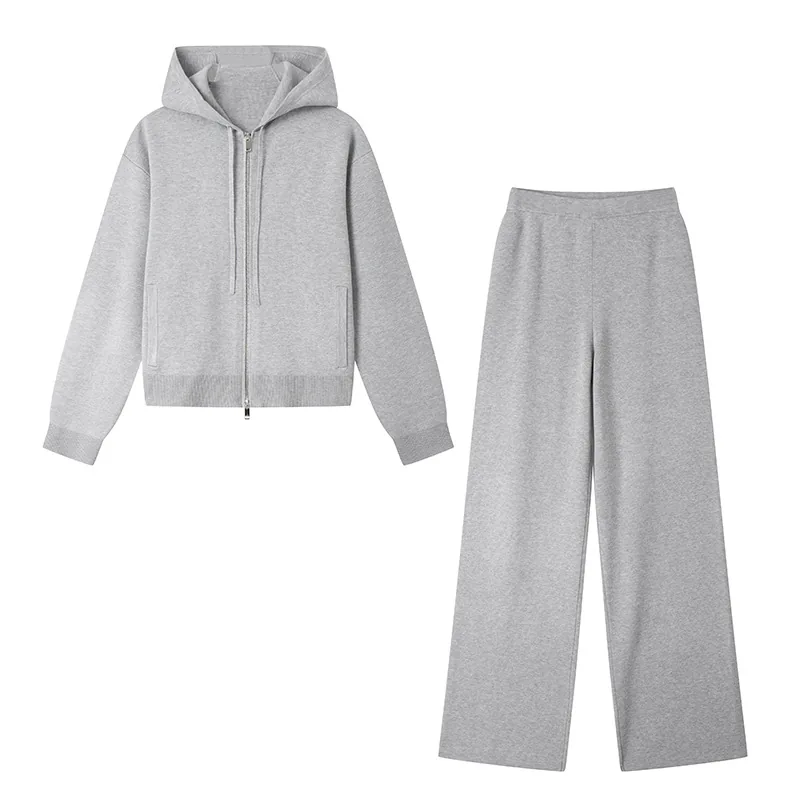
A waffle knit hoodie is not a fleece sweatshirt with a textured face. It is a knitted garment whose hood, neckline, shoulders, body and sleeves must carry a three-dimensional stitch structure as one balanced system.
That difference changes development. The hood can weigh enough to pull the neckline backward. Waffle cells can flatten during pressing, change scale after washing or open across the shoulder. A zip-front version adds a rigid component to an elastic body, while a pullover version needs a neck opening that works without losing shape.
For knitwear brands, a successful sample is only the first proof. Bulk production spreads the program across yarn lots, machines, sizes, operators and finishing batches. The buyer therefore needs a sealed physical standard, measurable controls and early inspection points. The controls below show what the buyer should approve with a knit hoodie manufacturer.
Define the Waffle Knit Hoodie Construction Route
Start by deciding what kind of hoodie the customer is buying. The answer determines the yarn, construction, weight, fit, hardware and care route.
Define the wearer, season and layer
Record the target customer, climate, selling window, intended underlayer, silhouette, retail channel, price position and care expectation. State whether the hoodie is a light transitional knit, a mid-weight casual layer or a heavier winter piece.
Define how it will be worn. A close-fitting thermal hoodie needs controlled stretch, a comfortable inner face and a hood that does not feel bulky at the back neck. A relaxed outer layer needs shoulder and hem structure, a hood with enough shape, and retail presentation that survives hanging or folding.
Add the intended hood use. Is it primarily visual, expected to cover the head, designed to layer under a jacket, or meant to sit over a cap? “Functional hood” is not specific enough for pattern development.
Choose Fully Fashioned Knit or Cut-and-Sew for a Waffle Knit Hoodie
A fully fashioned knit hoodie uses shaped knitted panels and knitwear assembly methods. A cut-and-sew hoodie is made from yardage, often jersey, French terry or fleece, that is cut and sewn like other casual apparel.
The two routes can produce similar silhouettes but different surfaces, seams, costs, MOQs and risks. The knit hoodie versus cut-and-sew guide explains the distinction in more detail.
For this article, waffle refers to a knitted cell structure engineered into the garment or panel. The tech pack should identify the construction route so the factory does not interpret the reference as printed texture, woven waffle yardage or sweatshirt thermal fabric.
Decide pullover or zip front early
A pullover hoodie concentrates risk at the neck opening, hood join and front pocket if used. A zip hoodie adds zipper length, tape, teeth, slider, top and bottom stops, reinforcement and installation balance.
Do not sample the body first and decide the opening later. The front construction changes panel shape, width, weight distribution, finishing and packing. It also changes which measurements and defect examples belong in the PP pack.
Build the Material System for a Waffle Knit Hoodie
Waffle is a family of three-dimensional structures, not one universal stitch recipe.
Compare Waffle Cells on the Target Yarn for a Waffle Knit Hoodie
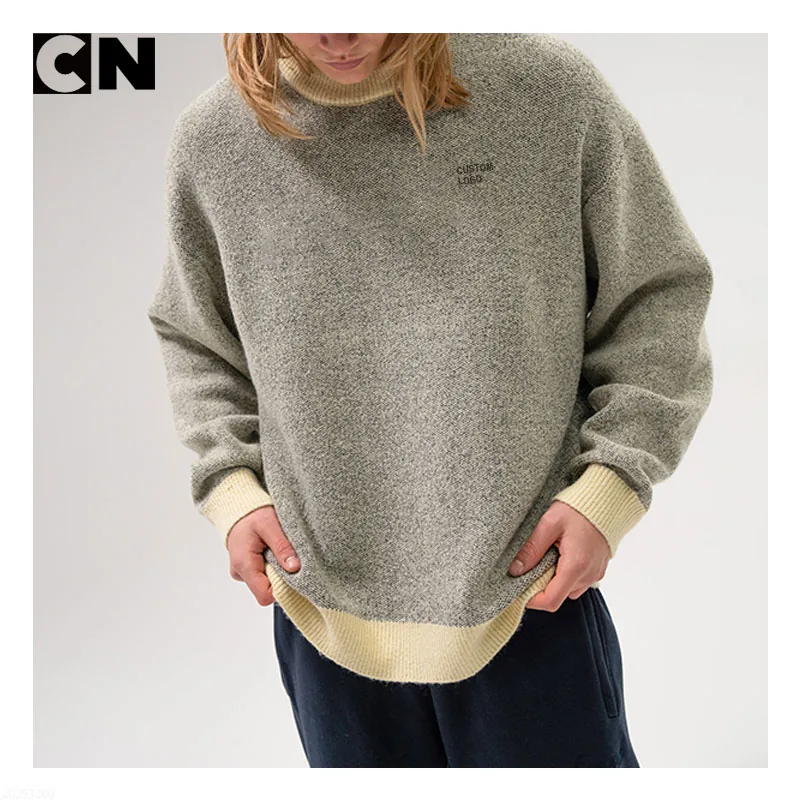
Ask for labeled mini, standard or larger-cell swatches in the proposed yarn, gauge, stitch program and finishing route. Compare only options that support the intended product role.
ISO 8388 vocabulary describes a weft-knitted waffle or honeycomb construction as jersey-based layers connected by tuck loops. For buyers, the important point is that the raised grid comes from the knitted architecture itself.
Review each swatch under side lighting so cell depth is visible. Check repeat size, ridge height, recess depth, regularity, opacity, inner-face comfort, stretch, recovery and edge behavior. Photograph the approved swatch from the same distance and angle used for bulk comparison.
Select yarn for weight, recovery and care
Evaluate fiber percentages, yarn count and ply, twist, hairiness, elasticity, pilling risk, color method, availability, care and price. Cotton can support a familiar casual story but can also add weight and dimensional movement. Wool and blends may provide recovery and warmth with different care requirements. Viscose-rich yarns can add drape while increasing growth risk.
The private-label yarn planning guide helps connect fiber choice with gauge, structure, garment weight, MOQ and reorder risk.
Do not specify a universal elastane percentage or machine setting. Approve the actual yarn-and-structure combination. If bulk uses a new lot or substitute, require a knit-down comparison before the full run proceeds.
Record weight with the measurement state
The waffle structure, rib trims, hood, pocket, zipper and drawcord can all change total garment weight. Record the finished sample size, conditioning or relaxation state and whether accessories are included.
ASTM D3776/D3776M covers fabric mass per unit area. A fully fashioned hoodie may also need complete-garment and component weights as internal controls. Use the same method when comparing sample and bulk.
Weight is diagnostic, not sufficient by itself. Two hoodies can weigh the same while having different cell depth, hood balance or body dimensions.
Do not promise warmth from texture alone
Raised waffle cells hold small air pockets and look thermal, but warmth still depends on fiber, density, thickness, fit, moisture and layering. Keep “waffle” as a description of the structure, and base any warmth or thermal wording on the finished hoodie and the brand’s own wear or test evidence.
Engineer the Waffle Knit Hoodie Neckline
The hood is the defining engineering problem because its mass hangs from the neckline and upper back.
Balance hood volume, weight and neckline
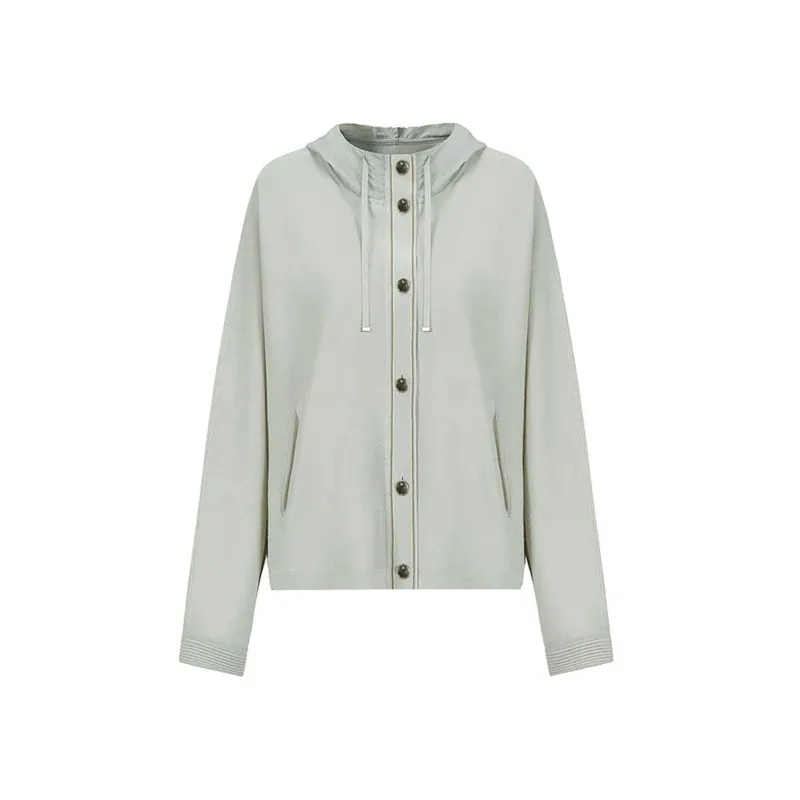
Define hood height, depth, opening, overlap or center panel, crown shape, number of layers, waffle direction, edge finish and attachment method. Record whether the hood must cover the head or mainly hold a sculpted shape when down.
Weigh or compare the approved hood in its finished state. A hood that is too heavy can pull the front neck upward and the back neck downward. A hood that is too light may collapse, twist or look empty on the rack.
Review the hoodie with the hood down, raised and partially folded. Check neckline position, shoulder balance, upper-back drag lines and whether the hood opening frames the face as intended.
Reinforce without creating a hard ridge
The hood-to-body join may use linking, knitted reinforcement, tape or another approved construction. The choice should support the weight without making the neckline stiff or uncomfortable.
Inspect the seam from inside and outside while relaxed and lightly stretched. Look for skipped loops, holes, uneven easing, ridges and asymmetry. The linking-quality guide explains why loop count and equipment matching matter to knitwear seams.
If the waffle grid meets a rib neckline or smooth hood facing, seal a close-up photo of the transition. “Neat seam” is too subjective for repeat production.
Check hood symmetry and pattern direction
Mark center front, center back, crown and any panel joins. Compare left and right opening edges, drawcord channels and waffle orientation.
For multi-panel hoods, the cell grid may not align continuously across every curved seam. The buyer should decide which visual alignments matter and approve the intended compromise on the sample.
Measure the hood after the agreed relaxation period. A fresh-steamed hood and a rested hood may not give comparable results.
Specify Openings, Closures, and Trims for a Waffle Knit Hoodie
Hardware and knitted structure must work together without distortion.
Engineer a zip front as a balanced assembly
For a zip style, specify zipper type, material, gauge or chain size, tape color, length, slider, puller, stops, insertion method and reinforcement. Approve the zipper on the actual finished body, not as a loose trim.
Close the zipper on a flat table and on the intended body. Look for waves, diagonal pulling, uneven hem, top-edge mismatch and cell compression along the tape. Test opening and closing through the full travel.
The zipper and waffle body can react differently during washing. Check them after the selected care procedure before approving bulk.
Define pullover neck opening and recovery
For a pullover, specify the relaxed neck opening, stretched access requirement, edge structure, hood overlap and recovery expectation. Fit it over the intended head form or wearer without overstretching the seam.
After repeated donning, the opening should return sufficiently for the product role. A comfortable opening that remains permanently enlarged is not an approved result.
If a half placket, buttons or snaps are used, add component-specific operation and reinforcement checks.
Treat drawcords and metal parts as a separate system
Specify whether a drawcord is included, its fiber, construction, diameter, color, finished length, exit position, cord end and attachment or bar-tack method where applicable. Define eyelet or embroidered-hole size, material, finish and reinforcement.
Requirements can vary by product age group and destination market. Do not copy an adult fashion drawcord specification into childrenswear or another regulated category. Confirm applicable safety and labeling requirements for the intended market before bulk.
Run use and wash checks on the complete assembly. Look for fraying, migration, sharp edges, discoloration, detachment and damage to the knit around the exit.
Control Waffle Knit Hoodie Fit and Size Grading
The hood, waffle body and rib trims must remain proportionate across the size range.
Fit a Waffle Knit Hoodie With the Intended Underlayer
Measure and fit the finished sample after the agreed relaxation time. Use the intended T-shirt, sweater or base layer under it.
ISO 18890:2018 defines principal garment measurement points and allows additional points by agreement. Add hoodie-specific diagrams for hood height and depth, neck opening, shoulder, chest, body length, sleeve, cuff, hem and any pocket or zipper positions.
State whether measurements are taken flat without tension, fastened or open, hood raised or laid in a defined position, and pre-wash or post-wash. Use the same condition for sample and bulk.
Review movement and hood behavior together
Check front, side and back views while standing, reaching and turning the head. Look for shoulder restriction, armhole drag, sleeve twist, neckline movement and hood pull.
The waffle cells may open across the upper back during movement. Confirm that they recover sufficiently and do not create permanent distortion.
Photograph the hood down and up. Written fit comments should identify the problem, requested change and affected measurement rather than rely on “make hood better.”
Approve a representative size set
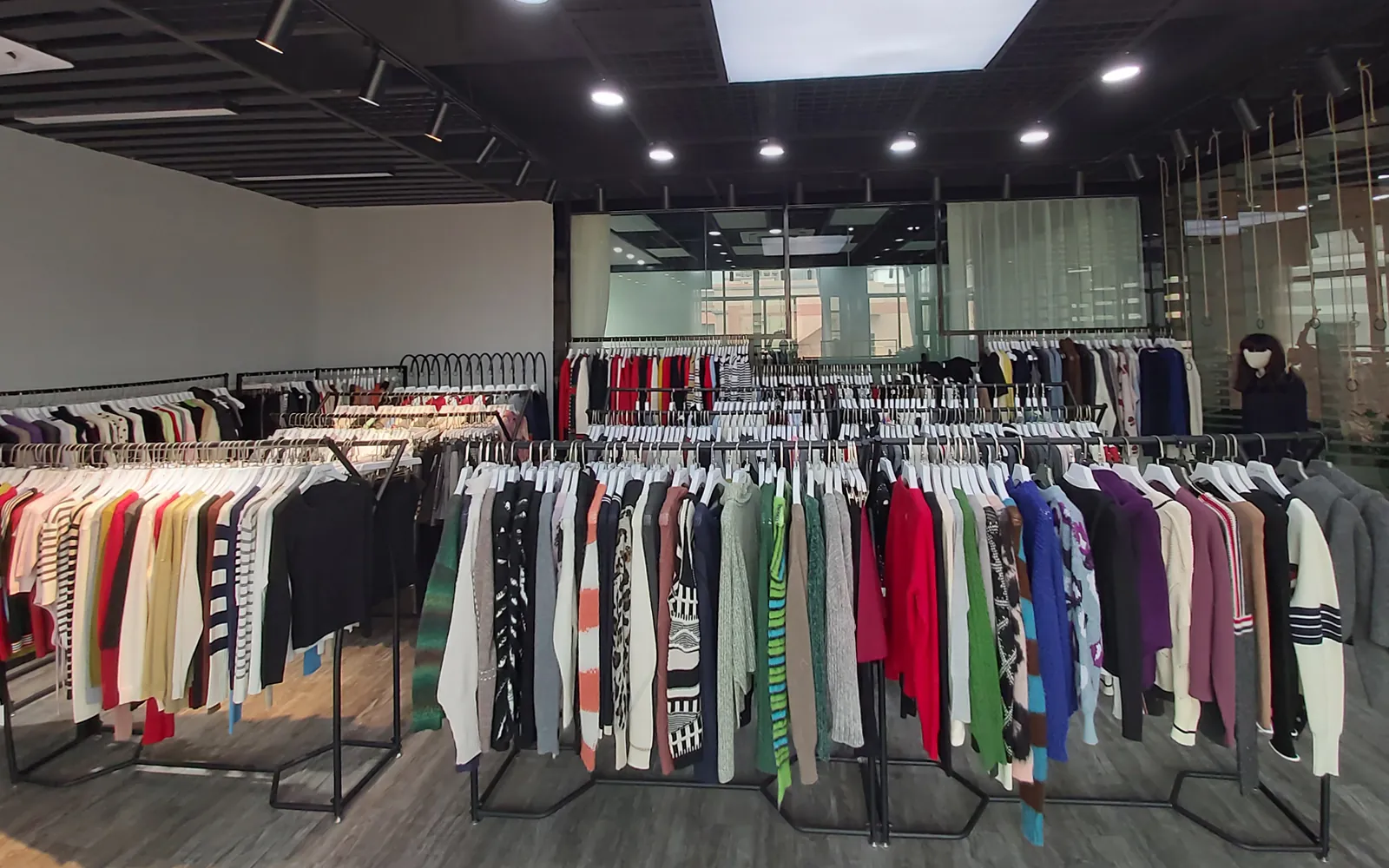
Select lower, base and upper sizes that expose grading risk. Measure and fit them after the approved finish.
Check hood coverage, opening, neckline, shoulder position, chest ease, sleeve, cuff, hem, pocket and zipper length where relevant. The hood should not simply scale in every direction if that creates excessive volume in larger sizes or poor coverage in smaller sizes.
Separate grading increments from tolerances. The grade defines intended size differences; the tolerance controls production variation around each target.
Check Waffle Knit Hoodie Ribs and Body Seams Against the Grid
Cuff and hem ribs should hold the waffle body in place without pulling it or flaring out. Record each rib’s structure, depth, yarn, gauge, attachment and finished size. A heavy hem rib can drag down a light waffle body, and a short, tight cuff can bunch the sleeve and change sleeve length. Check where the cell grid meets each rib: the repeat should finish cleanly at the edge, and the rib should not make the body buckle.
On the body, look at the shoulders, armholes, side seams and underarms while relaxed and lightly stretched. Seal a photo showing how the cell grid should meet across each visible seam. As a quick consistency check, compare garment weight across the size set: weight should rise steadily with size, and a sudden jump can point to a program, yarn or trim difference.
Test Washing, Recovery and Appearance
The finished and laundered hoodie is the product the customer experiences.
Select a care route that matches the label
ISO 6330:2021 specifies domestic washing and drying procedures for textile testing, and ISO 5077:2007 covers dimensional change after washing and drying. Select the procedure, cycles and evaluation points that match the intended care claim.
Measure the complete hoodie before and after the agreed route. Check body and sleeve dimensions, hood height and depth, neckline balance, cell repeat, cuffs, hem, seams, zipper or drawcord and handfeel.
Do not test only a waffle swatch. The complete garment combines shaped panels, trims, reinforcement and component weight.
Assess component and surface appearance
ISO 15487:2018 covers assessment of apparel appearance after washing and drying, including color change, pilling, fuzzing, matting, smoothness, seams and damage to components such as buttons, fasteners and slide fasteners.
Agree which appearance changes matter for the product. For a waffle hoodie, inspect cell depth, ridge regularity, pilling, seam smoothness, zipper waves, eyelet condition and cord-end damage.
Use consistent lighting and compare with the sealed PP sample. Side lighting helps reveal whether the cells have flattened.
Lock the finishing recipe
Record the approved wash, softening, drying, steaming, pressing and relaxation route. Excess pressing can flatten waffle cells. Uneven steam can change hood symmetry or body length. Too much softener can alter handfeel and structure.
Compare batches after equal rest time. If the recipe changes because of yarn-lot behavior, approve a confirmation sample before applying it to the remaining bulk.
Separate stretch, growth and recovery
Stretch is how far the knit extends under a set load. Growth is the change that remains after that load. Recovery is how far the knit returns to its original size. Record all three separately. On a waffle hoodie, check the elbows, cuffs, hem and upper back after representative wear. Cells that open during movement must close up again well enough for the product, or the hoodie will look baggy even when the yarn is undamaged.
Plan Colors, MOQ and Packaging
The assortment and packing method affect both production feasibility and retail presentation.
Approve Every Waffle Knit Hoodie Color on the Textured Surface
Cell shadows can make colors appear deeper or less even than on a yarn card. Dark shades may hide valleys; pale shades can reveal irregularity.
Approve a knit-down or full sample in each bulk color. Compare body, hood, ribs, zipper tape, drawcord and labels under the agreed light source.
Plan quantities by color, size, yarn requirement and trim minimum. A custom zipper, metal finish or cord end may have a different MOQ and lead time from the knitted garment.
Pack the hood without crushing the product
Approve hood folding, tissue support, drawcord position, zipper state, polybag size, carton fill and hanger use. A tightly folded hood can create a hard crease or flatten the waffle cells before retail.
Run a packing trial, leave it packed for a representative period, then reopen it. Check recovery of the hood, body surface and rib trims without aggressive re-steaming.
Add packing photos to the PP pack so the method can be repeated across shifts.
Transfer the Approved Waffle Knit Hoodie Into Bulk
Stable production depends on a controlled handoff and early checks.
Build a complete PP control pack
Include the sealed hoodie, finished waffle swatch, yarn and shade references, current tech pack, size grade, hood diagrams, component approvals, machine and program record, finishing route, labels, packing method, defect examples and inspection plan.
Confirm all teams use the same revision. A previous hood pattern or zipper length can create a correct-looking but unapproved bulk lot.
The bulk knit consistency guide provides a wider framework for translating sample approval into production evidence.
Inspect first-off units before full production
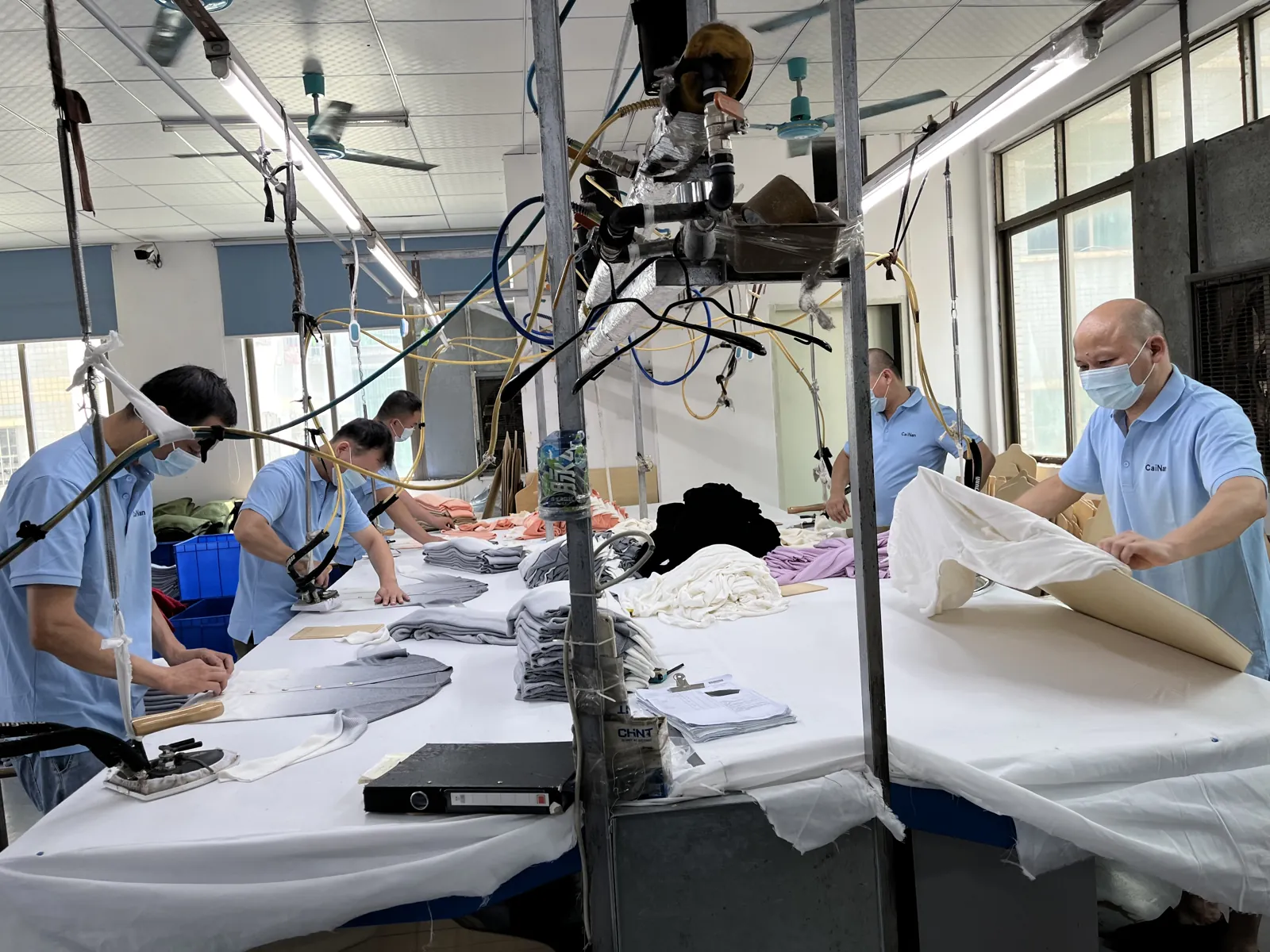
Check first-off panels and complete hoodies before releasing the full run. Then inspect representative units by machine, yarn lot, color, size and finishing batch.
Use a control map:
| Stage | Primary checks | Evidence |
|---|---|---|
| Yarn and knit-down | composition, count or ply, shade, cell definition | approved yarn and finished swatch |
| Panels | cell repeat, dimensions, weight, defects, left/right match | panel records by machine and lot |
| Assembly | hood symmetry, linking, zipper or opening, trims | first-off and inline garment checks |
| Finish | measurements, cell depth, hood balance, handfeel, shade | sealed PP comparison by batch |
| Packing | hood support, fold, labels, carton fill, recovery | approved packing trial and photos |
The CNSweaters quality-control checklist helps map pre-production, inline and final controls. Final random inspection should confirm a controlled run, not discover a systemic hood or cell problem after packing.
Preserve records for refill orders
Archive physical standards, specifications, yarn lots, machine groups, program versions, finishing records, component suppliers, inspection data and shipment samples.
Before a reorder, identify changes in yarn, zipper, drawcord, machine or finishing line. A confirmation sample may be necessary even when the design is unchanged.
This record turns a fashion hoodie into a repeatable knitwear program rather than a one-time sample.
Link each control to its drift risk
A stage checklist says what to inspect. A drift map shows what the buyer loses when a control slips, and so which checks deserve the closest attention:
| Control area | Approved reference | Inline evidence | Risk if it drifts |
|---|---|---|---|
| Yarn | supplier, composition, count or ply, color and lot | cone labels and knit-down | shade, handfeel or cell change |
| Waffle cell | repeat, face, depth and reference photo | swatch or panel comparison | flat, irregular or enlarged cells |
| Machine program | gauge and approved revision | machine and panel records | inconsistent repeat or dimensions |
| Weight | conditioned swatch and finished garment state | representative panels and garments | cost, warmth or density shift |
| Dimensions | defined points and relaxation state | panel, PP, inline and final checks | fit and size inconsistency |
| Finish | approved wash, steam, press and handfeel | batch records and sealed comparison | shrinkage, flattening or harsh touch |
Do not copy a GSM, gauge or weight target from another waffle product. A mini-waffle base layer and a chunky hoodie need different benchmarks.
Watch trends by machine and batch
Bulk drift usually builds gradually. Review results by machine, yarn lot, size, color and finishing batch. Shallow cells from one machine point to a different cause than flattened texture across one pressing batch. When measurements or weights move steadily toward a tolerance limit, correct the process before it fails a formal check. Our quality control process records inline results by source so that trends like this show up early.
Conclusion
A reliable waffle knit hoodie starts by treating the hood, neckline, waffle body, trims, fit and finishing as one system.
Define the product route and wearing state first. Approve the actual yarn and cell structure, then engineer hood weight and neckline balance on the complete garment. Specify openings and components, validate representative sizes, and test the care route on the finished hoodie.
Finally, transfer the sealed sample into a documented PP pack and inspect first-off production before defects spread. That process protects the surface, fit and retail presentation from sample through bulk.
Related CNSweaters Resources
- Custom Knit Hoodies and Zip-Up Sweaters
- Knit Hoodie vs Cut-and-Sew Manufacturing
- Why Linking Quality Matters
- Bulk Knit Consistency From Sample to Production
- Knitwear Quality Control Checklist
Developing a Waffle Knit Hoodie?
Send the target customer, market, season, construction route, yarn direction, waffle reference, hood requirements, pullover or zip opening, trims, size range, colors, quantities, care route, packing and delivery date. The team can review a practical sampling and bulk-control path.
FAQ
Is a waffle knit hoodie the same as a waffle thermal sweatshirt?
Not necessarily. A fully fashioned knit hoodie uses shaped knitted panels and knitwear assembly, while a thermal sweatshirt may be cut and sewn from knitted yardage. The production route should be stated in the brief.
Why does a knitted hood pull the neckline backward?
The hood may be too heavy, too deep or insufficiently supported at the neckline and shoulders. Yarn, cell structure, layers, reinforcement and finishing all affect the balance.
Should a waffle knit hoodie use a zipper or pullover opening?
Either can work. A zipper adds component and installation controls, while a pullover needs reliable neck-opening access and recovery. Choose the route before pattern and panel approval.
How should the hood be measured?
Use diagrams for hood height, depth, opening and overlap or panel positions. State the relaxation time, whether the hood is laid in a defined position, and whether measurements are pre-wash or post-wash.
What makes waffle cells go flat in bulk?
Common causes are a change of yarn, stitch program or machine setting, or of washing, softening, steaming or pressing. Compare the affected batch with the sealed swatch and PP sample to find the stage where cell depth changed.
Can final inspection prove wash and hood performance?
No. Final visual inspection cannot replace earlier wash tests, size-set fitting, first-off checks and inline controls. Hood balance, cell recovery and component behavior should be approved before the order is packed.