 CN Sweaters
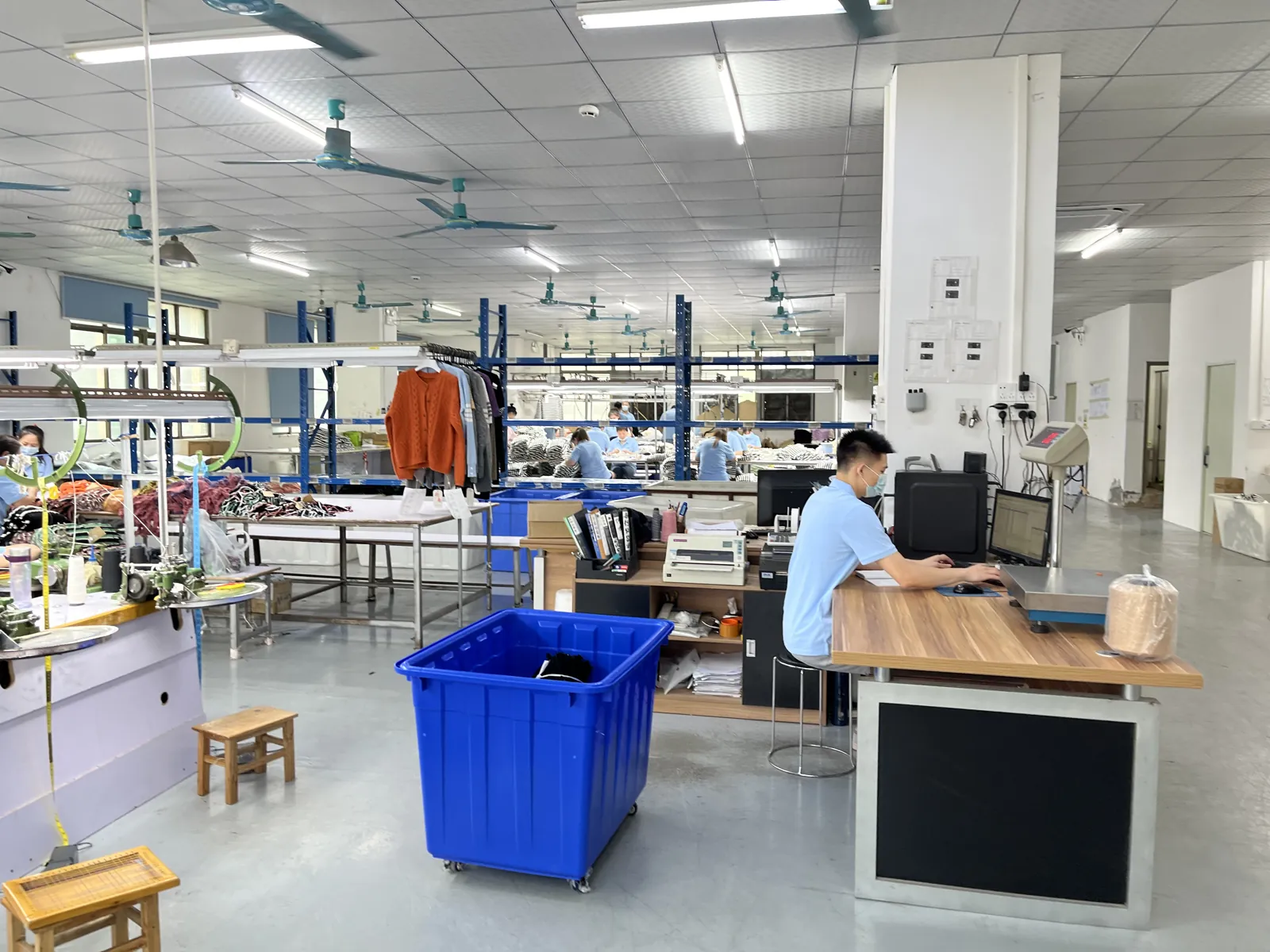
Effective quality control for knitwear depends on a tiered framework that runs across pre-production, inline production, and final inspection, not a single check at the end of the line. From a factory perspective, the orders that arrive on time with low defect rates almost always share one trait: the buyer and the supplier agreed early on what to inspect, when to inspect it, and what level of variance is acceptable. The orders that miss delivery dates or trigger chargebacks usually skipped one of those layers.
Knitwear behaves differently from cut-and-sew apparel. Yarn tension, panel shrinkage, linking accuracy, and post-wash dimensional change all compound through the production cycle. A defect introduced at the knitting machine is cheaper to fix at the panel stage and far more expensive to fix once garments are linked, washed, and pressed. That is why a structured PP–Inline–Final protocol matters more for sweaters, cardigans, hoodies, and knit dresses than for woven garments. For procurement managers, the cost of building this framework upfront is almost always lower than the cost of rework, air freight, or customer returns triggered by skipping it.
Why Quality Control for Knitwear Needs a Tiered Framework
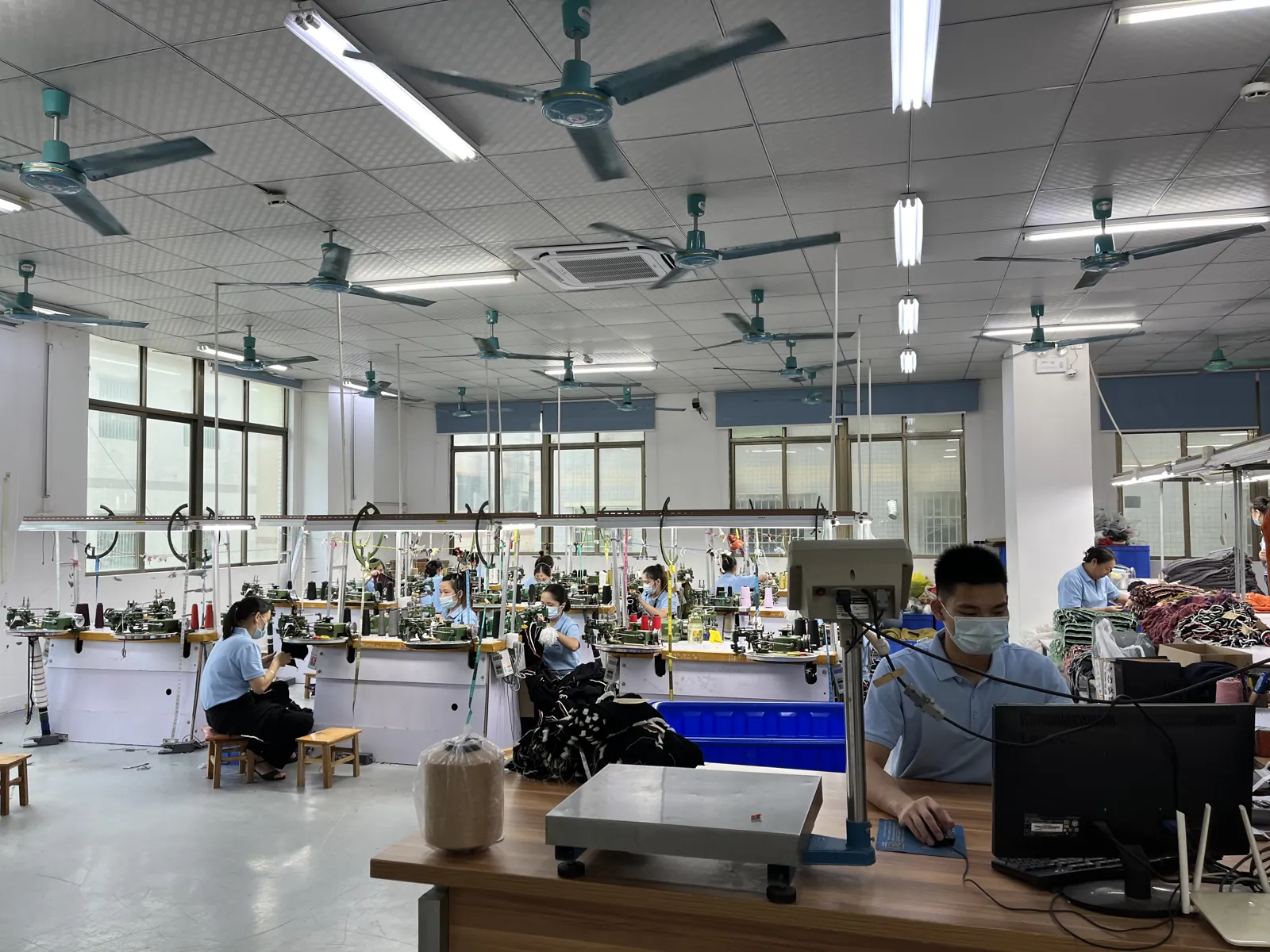
A tiered QC framework matters because knitwear defects are cumulative, not isolated. A 3% width variance in a knitted panel becomes a 5% chest measurement deviation after linking, and possibly an 8% deviation after washing. If you only inspect at final stage, the only options left are accept-with-discount, rework, or rejection. None of those protect lead time. Spreading inspection across three checkpoints converts late-stage rejection risk into mid-stage correction.
The three checkpoints and what each one controls
Pre-production (PP) inspection locks the physical standard. Inline inspection controls process drift on the knitting and linking floor. Final inspection, usually AQL-based, verifies the finished lot against agreed defect tolerances before shipment. Each stage answers a different question: PP asks “is the recipe correct?”, inline asks “is the recipe being followed?”, final asks “is the output acceptable?” Skipping any of the three creates a blind spot that defect data alone cannot recover.
What this framework actually costs versus what it saves
Adding inline checkpoints usually adds 2–5% to production lead time and a modest QC labor cost. The trade-off is a measurable reduction in the rework and rejection rate at final inspection, which is where the bigger financial exposure lives. For brands managing reorders and refill cycles, a documented QC history also makes scaling MOQ negotiations and second-season planning more predictable. Our broader approach to quality control and compliance is built around this logic: catch problems where they are cheapest to fix.
Who in the supply chain owns each checkpoint as part of quality control for knitwear
Ownership should be clear before the order is placed. The factory QC team typically owns inline checks. The brand or buyer’s nominated third party, such as Intertek’s textile and apparel inspection service, often owns the final inspection. PP sample sign-off is shared, but the buyer’s written approval is what makes it binding. When ownership is vague, accountability falls apart at the worst moment, usually two days before shipment.
How Does a PP Sample Become Your Production Blueprint
A PP sample becomes the production blueprint when it is made on the actual bulk line, using bulk yarn lots, bulk trims, and the same machinery that will run the order. Anything less is a prototype, not a PP sample. Once signed off in writing, the PP sample is the physical reference against which every inline and final check is measured. If the PP sample is wrong or ambiguous, the entire downstream QC chain inherits that ambiguity.
What must be locked at PP sample approval
At PP stage we lock yarn count and composition, gauge (e.g. 3GG, 7GG, 12GG), stitch density, panel measurements, color shade under a D65 light box, trims, labeling, packaging, and the post-wash dimensional behavior. Hand-feel is also recorded, though it is harder to quantify. Buyers who treat sampling and product development as a serious checkpoint, rather than a formality, almost always have fewer surprises in bulk.
The Role of Wash and Shrinkage Data in PP Quality Control for Knitwear
For knitwear, the PP sample should be washed and measured to record relaxation shrinkage. Wool blends, cotton blends, and acrylic-rich yarns all behave differently. We typically document shrinkage after the standard care cycle and write tolerance ranges directly into the tech pack. Without that data, inline measurement targets are guesses, and final inspection becomes a dispute rather than a verification.
Why a verbal “looks fine” is not approval
A verbal or email-only “looks good” does not give either side a defensible standard. We require signed approval, photos of the sealed sample, and a written acceptance of any deviation. If a buyer wants to deviate from the original tech pack at PP stage (for example, switching trims or changing a stitch), the deviation should be recorded so that inline inspectors know what to enforce. This is especially important on OEM and ODM services where multiple stakeholders may have input.
What Inline Checkpoints Catch at Knitting and Linking
Inline inspection catches process drift before it becomes lot-wide damage. The two most consequential checkpoints for knitwear are the knitting stage and the linking stage. Knitting drift affects fabric structure and panel dimensions; linking drift affects garment construction, fit, and aesthetic finish. Both are recoverable if caught at 15–30% production completion. Both become expensive once the lot is fully assembled.
Knitting stage controls as part of quality control for knitwear
At the knitting machine we monitor yarn lot consistency, tension, gauge accuracy, panel width and length, stitch density uniformity, and panel symmetry. Common defects include drop stitches, holes, uneven tension lines, and slubs from yarn knots. A 10% panel sampling rate is typical, with corrective action triggered if defects exceed an agreed threshold. Catching a tension problem here means stopping one machine for an hour; catching it at final means re-knitting hundreds of panels.
Linking stage controls
Linking joins panels at the shoulders, neckline, sleeves, and side seams. Inspectors check loop alignment, seam straightness, neckline symmetry, armhole curve accuracy, and absence of puckering or broken stitches. Linking defects are particularly visible because they sit on structural seams that the wearer sees and feels. Rework at this stage is possible but labor-intensive, which is why we prefer to identify systemic linking errors within the first day or two of the linking run.
Inline vs final inspection trade-offs
The following table summarizes how the same defect type behaves differently depending on where it is caught.
| Defect Type | Caught Inline (Knitting/Linking) | Caught at Final Inspection |
|---|---|---|
| Yarn tension drift | Stop machine, recalibrate, re-knit affected panels only | Lot-wide measurement deviation, possible full rejection |
| Drop stitches / holes | Panel-level rework, minimal lot impact | Garment-level repair or scrap, shipment delay |
| Linking misalignment | Operator correction, retraining within hours | Open seams across batch, AQL major defect risk |
| Color shading between dye lots | Lot segregation before assembly | Mixed cartons, customer returns, brand damage |
| Measurement deviation | Adjustment of remaining panels in production | Full lot re-measure, possible rework or discount |
The pattern is consistent: inline catches contain the problem; final inspection only documents it. That is why we recommend at least one structured inline visit on any order above pilot volume.
How Should Washing Quality Control for Knitwear Be Structured?
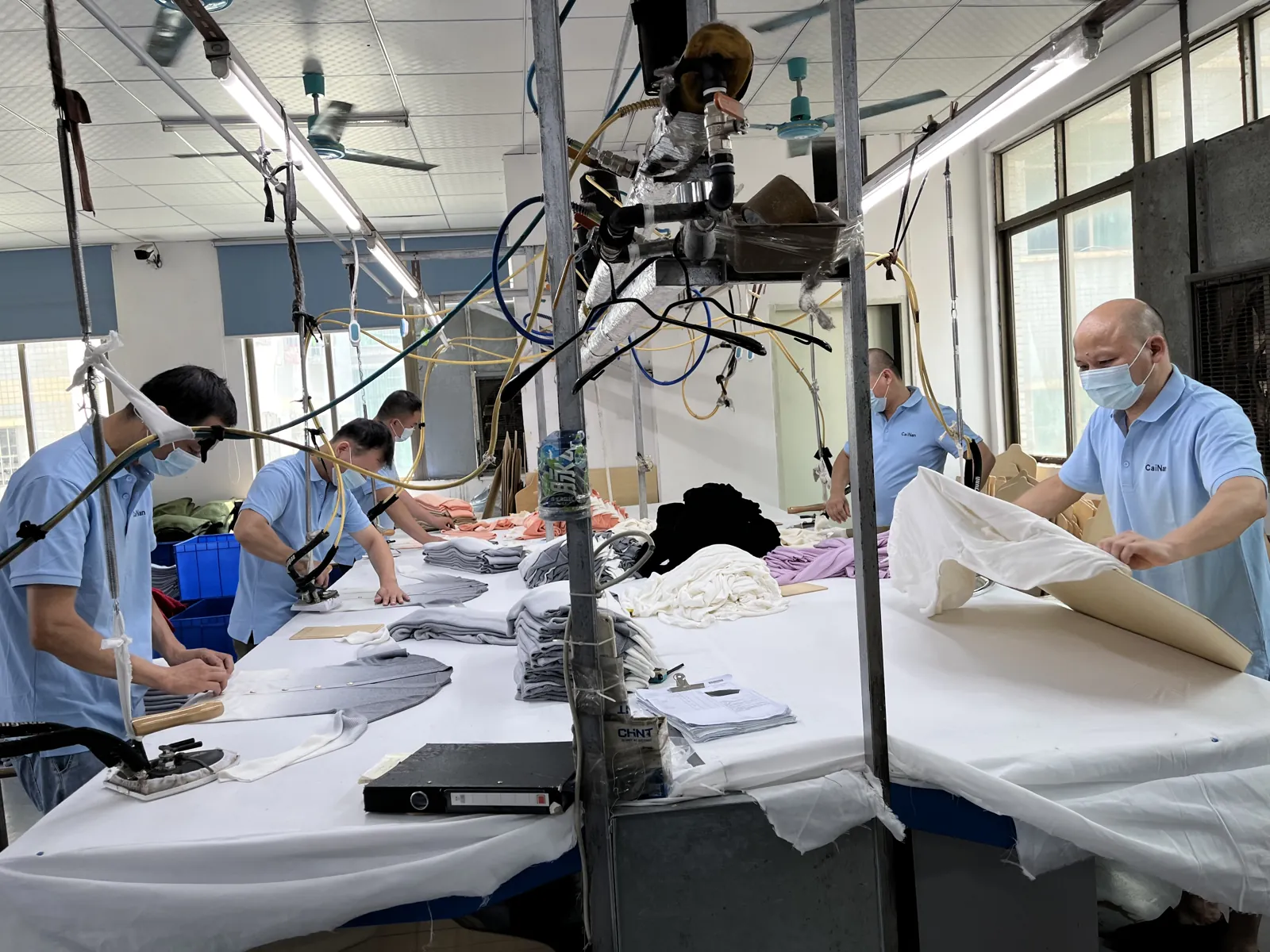
Washing and drying QC should be structured around three measurable outcomes: dimensional stability, colorfastness, and surface condition. Knitwear is especially sensitive at this stage because the wash process releases tension stored in the yarn during knitting, and that release shifts measurements, hand-feel, and sometimes shade. If wash QC is treated as a passive step, defects pile up at final inspection with no path back.
Dimensional stability and relaxation shrinkage
We measure garments before and after the agreed wash cycle and compare against PP-sample tolerances, commonly ±1.5 cm for body widths above 55 cm and tighter for kids’ knitwear. If shrinkage exceeds tolerance, the issue may be yarn-related, tension-related, or wash-parameter related. Each cause has a different fix, so the inspection record must capture wash temperature, time, RPM, and chemicals used. Without those variables logged, troubleshooting becomes guesswork.
Colorfastness and shade variation
Colorfastness testing typically follows ISO or AATCC methods, with grade 3–4 minimums for wash and rub. Shade variation between dye lots is checked under a controlled D65 light source. Garments from different dye lots should not be packed in the same carton unless explicitly approved by the buyer. Third-party labs such as SGS textile inspection services often perform these tests when a brand requires independent verification.
Pilling, hand-feel, and surface defects as part of quality control for knitwear
Post-wash QC also includes pilling resistance, surface smoothness, and detection of any wash-induced defects such as felting in wool blends or fiber migration in mixed-fiber yarns. Hand-feel is subjective but should be compared directly against the sealed PP sample, not against memory or photos. If hand-feel drifts, the cause is usually in softener dosage, drying time, or yarn supply variation between lots.
What Belongs in a Final Inspection and AQL Plan
A final inspection and AQL plan should specify sample size, inspection level, defect tolerance limits per severity class, and the criteria for accept/reject decisions. Final inspection is conducted when production is 100% complete and at least 80% packed, using random sampling drawn from sealed cartons. The plan must be agreed in writing before production starts, not negotiated at the inspection itself.
AQL levels typical for knitwear
Standard apparel AQL levels are 0 for critical defects, 2.5 for major, and 4.0 for minor, drawn from ANSI/ASQ Z1.4 or ISO 2859-1 tables at Inspection Level II. Premium knitwear brands sometimes tighten major-defect AQL to 1.5 or 1.0, which lowers the acceptable defect count per sample but increases the chance of rejection on borderline lots. The right AQL level depends on retail price point, channel, and brand tolerance for variance.
Final inspection checklist core items
A full final inspection covers quantity verification, carton condition, packaging and polybag specifications, hangtags and barcodes, label content and placement, garment measurements against the spec sheet, workmanship, shade matching within and across cartons, functional checks on zippers and trims, and a smell check for any chemical or storage odor. For sweaters specifically, net garment weight is also recorded because it is a reliable proxy for yarn consumption and gauge consistency.
When to insist on third-party final inspection as part of quality control for knitwear
Internal factory QC is sufficient for trusted, long-running programs with established defect history. For new programs, new factories, or shipments going into regulated retail channels, third-party final inspection adds an independent verification layer. The cost is typically a few hundred USD per man-day and is small relative to the value of the shipment. The procurement decision is less about whether to use third-party inspection and more about which lots justify it.
Classifying Defects Without Disputes at Shipment
Defect classification reduces disputes only when the categories and examples are defined before inspection day. The standard three-tier model is critical, major, minor, but without photographic standards and written criteria, the same defect can be argued either way at the gate. From a factory perspective, the most productive conversations with buyers happen when the defect library is built during PP stage, not negotiated mid-shipment.
Critical defects and zero tolerance
Critical defects are safety or compliance failures: stray needles, sharp metal fragments, missing legally required labels, choking-hazard trims on children’s knitwear, or banned chemical residues. AQL for critical defects is 0. Even one occurrence in the sample is grounds for full lot hold. These should be screened with metal detectors and label verification before the lot reaches final inspection.
Major defects and functional failure
Major defects affect saleability: open seams longer than agreed, holes above a defined size, broken stitches that compromise structure, measurement deviations beyond tolerance, or color shade outside the approved range. These are the defects most often debated, because the line between major and minor depends on garment type, price point, and end customer. Written examples and graded photos are the only reliable way to settle these calls quickly.
Minor defects and aesthetic tolerances as part of quality control for knitwear
Minor defects are visible but do not impair use: small loose threads, minor slubs that are within yarn-character tolerance, slight asymmetry within agreed limits. AQL 4.0 is common. The procurement implication is that a “perfect” knit garment does not exist at scale; the question is which imperfections are acceptable and at what frequency. Setting that boundary clearly avoids the most common shipment-day argument: whether a garment is technically saleable.
Turning QC Data Into a Procurement Advantage
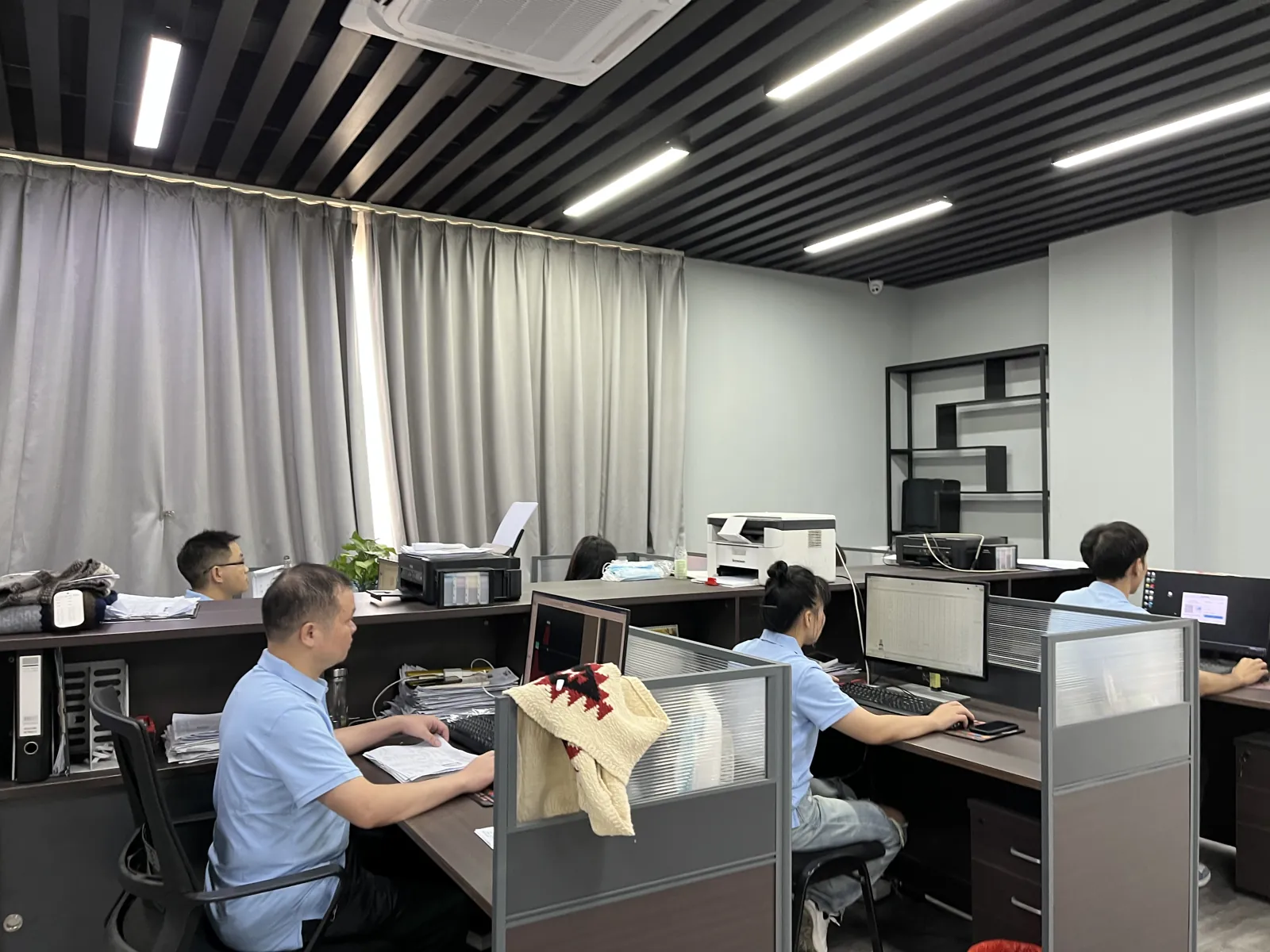
QC data becomes a procurement advantage when it is collected consistently across orders and used to drive supplier scorecards, reorder planning, and risk pricing. A single inspection report tells you about one shipment. A year of inspection data tells you which fabrics, gauges, or factories run cleanly, and which ones consistently produce edge-case defects. That pattern is what separates reactive procurement from proactive procurement.
Reducing reorder and refill risk
Refill orders carry hidden risk because yarn lots may change, dye lots almost always change, and the original PP sample may be months old. Our preferred practice is to retain a sealed reference sample, retest the new yarn lot against PP color and gauge specs, and run a fresh inline check on the first 15–20% of the refill run. This is more disciplined than rerunning a full PP cycle but more protective than assuming the original approval still applies.
Lead time protection through earlier defect capture
Most lead-time disasters in knitwear come from final-stage rework, not from raw production speed. A buyer who pushes to compress inline inspection to “save time” almost always loses more time at the back end. The procurement signal here is straightforward: build inline checkpoints into the production calendar, not on top of it, and treat them as schedule protection rather than schedule overhead.
Using Quality Control for Knitwear History in Commercial Negotiations
Documented QC performance also strengthens commercial conversations. Factories with clean inspection histories have stronger ground to negotiate MOQ flexibility, payment terms, and priority scheduling. Buyers with clean spec discipline and reasonable AQL expectations tend to get better lead times because their orders are predictable to plan. QC data, in other words, is not just a defect record; it is a relationship asset.
Conclusion
Knitwear quality control works when it is treated as a tiered system rather than a final-stage gate. PP locks the standard, inline controls the process, and final inspection verifies the lot against an AQL plan that everyone agreed to in writing. Skipping any layer shifts risk forward in the production calendar, where it becomes more expensive and less recoverable. The factories and brands that protect their delivery dates and their margins are the ones that invest early in clear specs, structured checkpoints, and documented defect criteria.
If you want a QC checklist tailored to your program, share your artwork, tech pack, garment type, target quantity, fabric choice, target delivery date, and any branding or packaging requirements with our team through our quality control and compliance team. We will return a checklist that maps to your AQL expectations and your production timeline.
Frequently Asked Questions
1. How early should we request our first PP sample for a new knitwear program?
For a new development with custom yarn and trims, plan on 3–5 weeks from finalized tech pack to a usable PP sample, longer if the yarn requires dyeing or a custom blend. Rushing PP usually means signing off on a sample that does not fully represent bulk, which then weakens every downstream inspection. Building this time into the calendar protects the rest of the schedule.
2. What MOQ supports a full PP, inline, and final inspection cycle?
There is no universal MOQ, but in practice an order needs enough volume to justify the inspection labor. For sweaters and cardigans, MOQs in the few-hundred-pieces-per-style range generally support a structured QC cycle without making per-unit inspection cost disproportionate. Smaller pilot runs can still be inspected, but the cost ratio shifts and some buyers choose a lighter inline visit instead of a full one.
3. Can we use AQL 1.0 instead of 2.5 to get tighter quality?
You can, and some premium brands do, but a tighter AQL increases the chance of full lot rejection on borderline shipments. We recommend matching AQL to retail price point and channel expectations rather than defaulting to the strictest setting. AQL 1.0 also raises factory pricing on labor-intensive styles because the defect tolerance is narrower.
4. Who pays for rework if defects are found at final inspection?
This should be defined in the purchase order or supply agreement before production starts. The general industry practice is that the factory bears the cost of rework on defects attributable to workmanship or process error, while design-related issues or spec changes after PP approval are handled differently. Clear contractual language here prevents most disputes.
5. Do we need third-party inspection on every shipment?
Not necessarily. Third-party inspection adds the most value on new factories, new categories, regulated retail channels, or high-value shipments. For established programs with strong QC history, internal factory inspection plus periodic third-party audits is often a more cost-effective balance. The right answer depends on your risk appetite and the value at stake per shipment.