 CN Sweaters
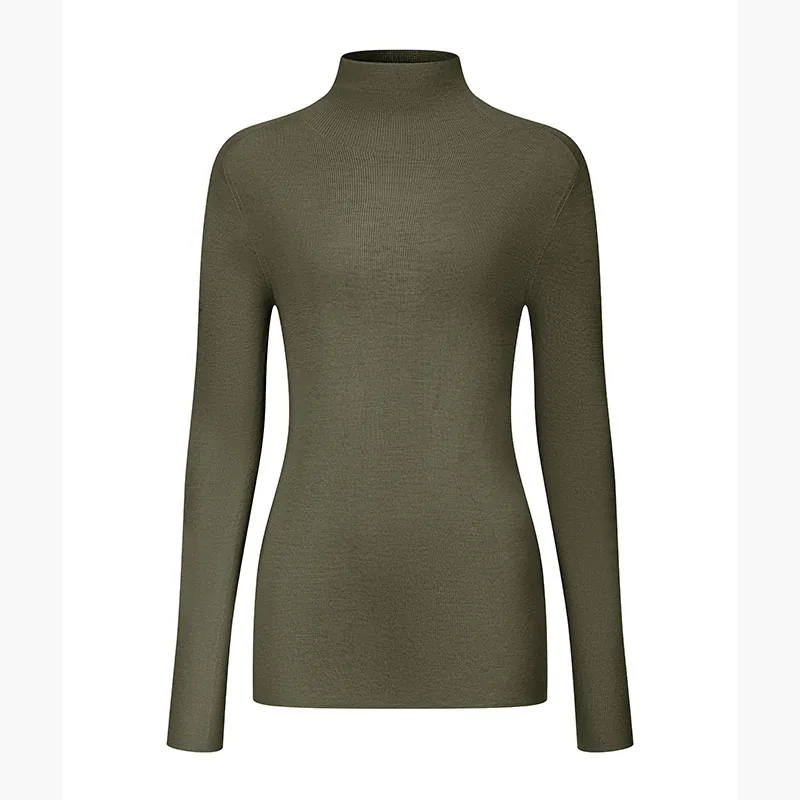
A mock neck pullover sweater can look simple on a line sheet while carrying a concentrated set of development risks. With no print, oversized trim, or decorative construction to distract the eye, buyers notice the collar height, opening, symmetry, surface, shoulder balance, and color consistency immediately. A few millimeters of collar flare or a slight change in stitch density can make an otherwise clean program look inconsistent.
Minimalist brands should therefore brief the style as an engineered knitwear product, not as “a basic sweater with a higher neck.” The RFQ should connect neckline geometry, yarn, gauge, garment weight, stretch and recovery, fit, grading, wash behavior, labels, and packaging to measurable approval points. This guide shows sourcing and product teams what to lock before sampling and how to carry an approved mock-neck silhouette into bulk production.
1. Define the Mock Neck Product Before Quotation
Separate a mock neck from nearby collar types
A mock neck normally stands above the base of the neck without folding over. A turtleneck has enough height and circumference to fold or roll, while a high crew neck may sit close to the neck but has little vertical stand. Those definitions are useful starting points, but a factory still needs dimensions and construction details.
Specify whether the collar should stand straight, lean slightly inward, or follow a softer relaxed shape. State whether the look is compact and architectural or soft and casual. Reference photographs can communicate mood, but the tech pack must convert that mood into collar height, opening, front and back neck shape, rib structure, and finished appearance.
State the Intended Wearing Situation for the Mock Neck
A mock neck worn directly against the skin needs a different handfeel and opening comfort from one designed over a shirt or lightweight base layer. A close winter silhouette may use a compact rib and smaller opening; a trans-seasonal program may need more ease and a lighter body. Identify the target climate, retail season, wearer, and layering assumption before asking for a price.
Review the available custom pullover sweater structures before selecting the development route.
- Related guide: custom pullover sweater structures
Give the Supplier a Usable Mock Neck RFQ Package
At minimum, send a front and back sketch, target measurements, fiber composition, yarn count or approved handfeel reference, gauge direction, stitch map, color standards, size range, quantity by color and size, label package, packing method, test requirements, target delivery date, and destination market. Mark any element that is still open for supplier recommendation.
Use the same RFQ assumptions when comparing suppliers. Require each quotation to state the yarn basis, machine gauge, sample stages, testing assumptions, MOQ, and excluded costs.
| Control point | Buyer should define | Approval evidence |
|---|---|---|
| Collar geometry | Height, top opening, base, front and back shape | Measurement sheet and photos |
| Construction | Rib ratio, layers, linking, edge treatment | Approved sample and stitch record |
| Material | Fiber, yarn count, ply, gauge, density | Approved swatch and yarn reference |
| Fit | Body block, layering use, key measurements | Fit sample and size set |
| Performance | Recovery, wash change, surface appearance | Agreed test reports |
| Color | Physical standard, viewing light, lot policy | Approved lab dip or yarn standard |
| Bulk release | Tolerances, labels, packing, defect limits | Sealed PP control pack |
Confirm the supplier's professional sweater manufacturing capabilities against the required yarn, gauge, sampling and bulk controls.
- Related guide: professional sweater manufacturing capabilities
2. Engineer the Mock Neck as a Measurable Component
Lock finished collar height and opening
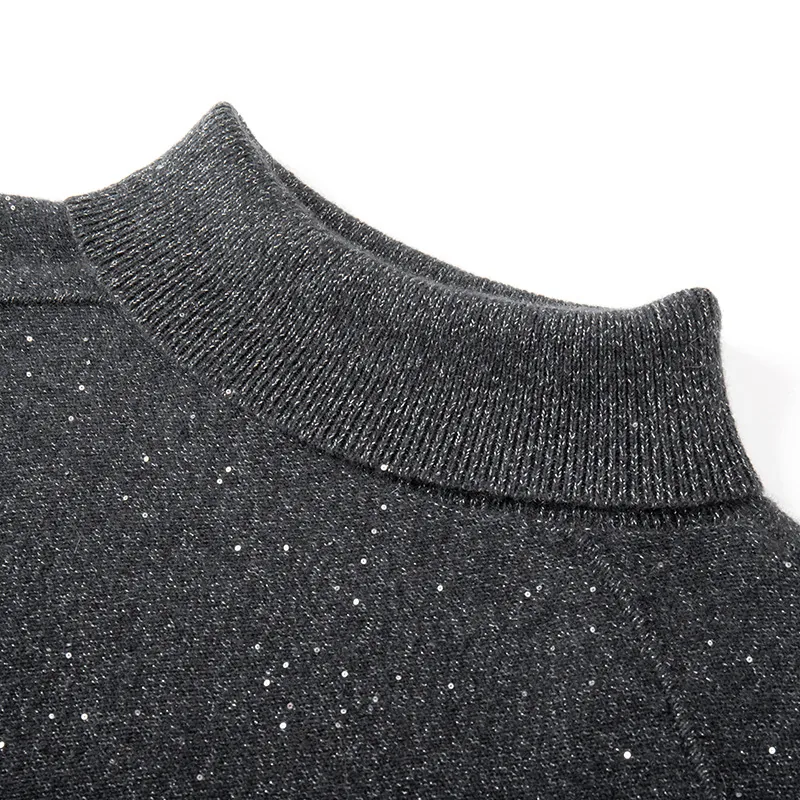
Measure collar height from a defined neckline seam or body intersection to the finished top edge. Record whether the measurement is taken with the garment laid flat and relaxed. Also specify the half-opening or full circumference at the top and base of the collar. One number cannot describe a collar that tapers.
The opening must balance two competing requirements: it must pass over the intended head-size range, and it must recover without looking stretched after dressing. A relaxed measurement, a controlled extension check, and a recovery check give more useful evidence than asking whether the collar is “stretchy enough.”
Define front, back, and shoulder relationships
The visible collar position depends on more than the rib itself. Front neck drop, back neck drop, shoulder slope, shoulder seam position, and neckline shaping influence whether the collar sits upright or pulls forward. A collar can be symmetrical on the table yet appear uneven when the body block is unbalanced.
Include front and back neckline diagrams in the tech pack. Mark the shoulder-neck points and the measurement path. When comparing samples, place the garment on the approved form or fit model and check front, side, and back views rather than judging only a flat photograph.
Use a consistent garment measurement framework such as ISO 18890:2018 when defining measurement positions and methods.
- Official standard: ISO 18890:2018
Choose collar construction deliberately
Common options include a fully fashioned rib collar linked to the body, an integral collar knitted with the body panel, or a double-layer construction. The right choice depends on the desired edge, bulk, recovery, seam feel, gauge, and machine capability. A double layer may look clean but can become heavy or tight; a single layer may feel lighter but needs sufficient stability.
State rib ratio, finished width, ply, attachment method, seam allowance, and edge treatment. If elastane or reinforcement yarn is permitted, document where it is used and whether it changes handfeel or recyclability claims. Do not allow an unrecorded reinforcement solution to appear only in the approved sample.
Control flare, roll, and collar collapse
Collar flare can come from an opening that is too large, insufficient rib recovery, excessive linking stretch, aggressive pressing, or a mismatch between collar and body density. Rolling can be affected by structure, edge tension, layer balance, and finishing. Collapse may reflect a soft yarn, low stitch density, excessive height, or inadequate recovery.
Add fold controls if the collar becomes a turtleneck
Many minimalist ranges offer the same body with a taller fold-over collar. Once the collar folds, the approval needs extra measurements. Record the full unfolded height from the neckline seam, the target folded height, and where the fold should sit when worn. Do not leave the fold line to each operator, or the retail rail will show visibly different collar heights.
A fold-over collar described as double layer can put four layers of knit around the neck once it is folded. Thick yarn, dense rib and a bulky attachment seam can feel restrictive and leave a ridge. Seal front, side and back photographs with the collar folded in a consistent way, and list the unacceptable results: uneven left and right height, twisting, flare, edge roll, the seam showing through, collapse at center front, or a fold that rides up during wear.
3. Approve Mock Neck Yarn, Gauge, and Surface Together
Start with handfeel and end use
Fiber content alone does not predict how the sweater will feel or perform. Yarn count, ply, twist, fiber length, blend ratio, spinning system, dyeing, knitting density, and finishing all affect the result. Provide an approved physical handfeel reference when possible and describe the acceptable range: dry or soft, compact or lofty, matte or slightly lustrous.
For direct-to-skin styles, inspect the inside collar seam and yarn contact at the neck. A body yarn that feels acceptable on the hand may irritate at the collar. If multiple fiber options are quoted, require comparable swatches knitted in the intended structure and gauge.
Select gauge with garment weight and opacity
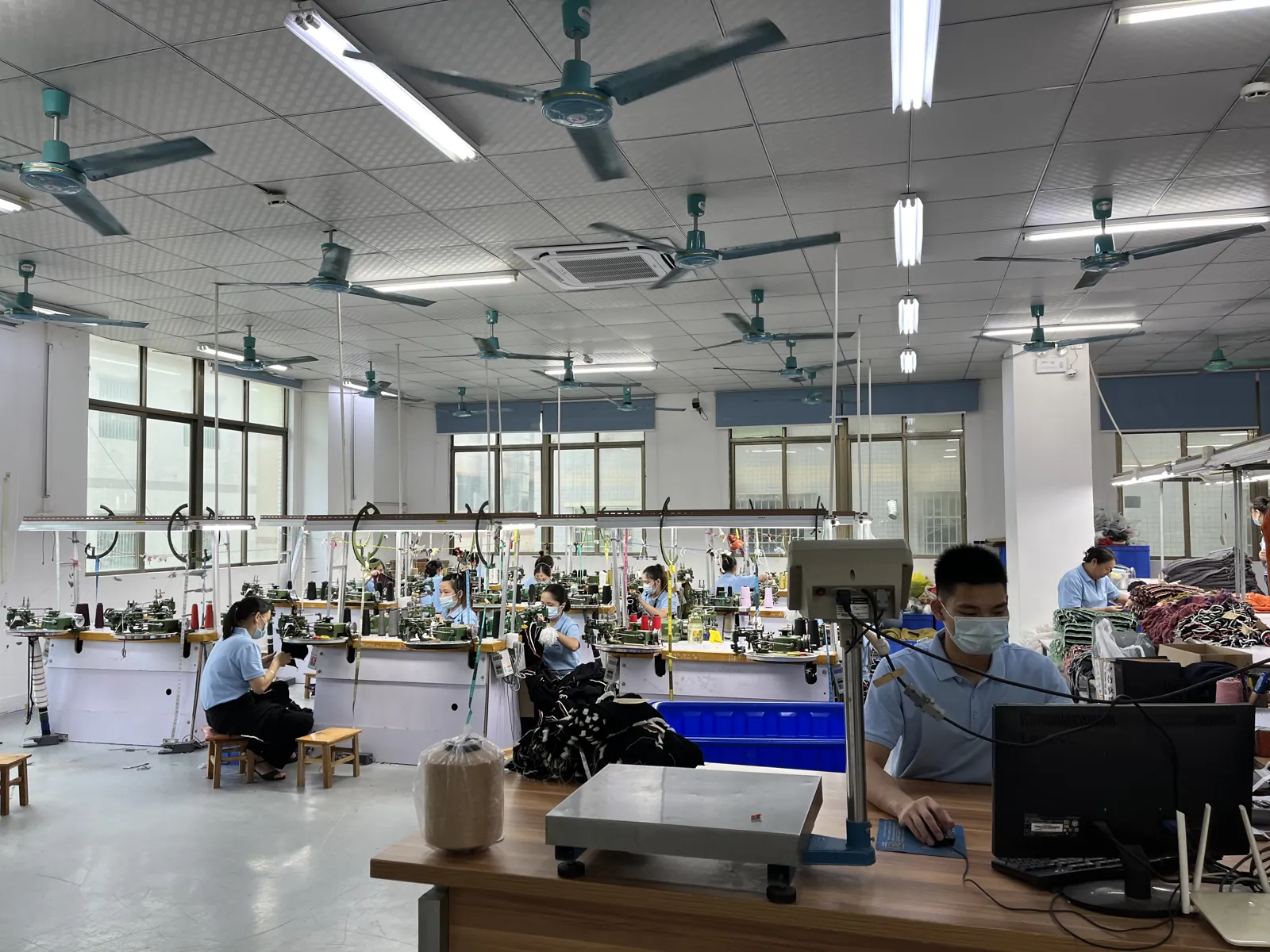
Gauge is a machine and construction decision, not a standalone quality ranking. Fine gauge can create a refined minimalist surface, but an unsuitable yarn or loose stitch setting can produce transparency, spirality, weak recovery, or excessive cling. A heavier gauge may add structure but change cost, drape, and layering use.
Approve machine gauge, yarn count and ply, stitch density, finished garment weight, and opacity as a group. Record the conditioned sample weight and the measurement method. Compare light and dark colors because dyeing and fiber behavior can affect fullness and dimensional response.
Use the custom sweater gauge guide to align yarn count, density, weight, and silhouette.
- Related guide: custom sweater gauge guide
Make neutral colors production-controlled
Minimalist programs often rely on black, navy, charcoal, grey, camel, and ecru. These colors are commercially useful but unforgiving. Dark solids can reveal pressing shine, barre, needle lines, lint, and lot variation. Pale neutrals can expose contamination, uneven opacity, and handling marks.
Set a physical color standard, viewing light, lot policy, and acceptable shade range. Define whether all components must be dyed together and how replacement yarn will be controlled. Review collar and body under the same light because different structures can make the same yarn appear different.
Approve surface after finishing
Judge the finished surface after the intended washing, drying, steaming, brushing, or softening sequence. Confirm pilling, fuzzing, skew, seam smoothness, collar posture, and dimensional change rather than approving handfeel alone.
ISO 15487:2018 provides a method for assessing apparel appearance after domestic washing and drying, including pilling, fuzzing, matting, color change, and seam appearance.
- Official standard: ISO 15487:2018
Document fiber claims and pilling targets
If the program is sold as cashmere, merino or another premium fiber, the declared composition, supplier documentation, care label and marketing copy must match and be approved together. A soft handfeel is not evidence of fiber content, so do not let a phrase like “cashmere feel” become a composition claim. Confirm the labeling requirements for each destination market before labels are ordered.
Soft yarns can fuzz or pill where the collar touches the chin and a coat collar. Tie the pilling target to a named method, such as the pilling-box procedure in ISO 12945-1, together with a set number of cycles, a rating scale and an approved visual reference. A general “anti-pilling” request is not a test plan.
4. Build Mock Neck Fit and Grading Around the Neckline
Approve the base-size body block first
The collar cannot be approved independently from the body. Chest ease, shoulder width, armhole depth, sleeve pitch, body length, and hem tension affect how the sweater hangs and how the neck is presented. Confirm whether the silhouette is fitted, straight, relaxed, or oversized and state the intended underlayer.
Use a measurement table with points of measure, methods, tolerances, and fit comments. Photographs should support the evaluation but not replace measurements. Check the garment relaxed, on the intended form or fit model, and after a reasonable wear period.
Test head access and recovery
A sample that fits one development model does not prove that the full size range will be comfortable. Establish a practical head-access check for the intended wearer range. Record the top opening before extension, during the agreed check, immediately after release, and after a defined recovery period.
ASTM D2594 addresses stretch and growth in low-power knitted fabrics and explains why both extension and residual growth matter. Buyers should agree with the supplier or laboratory on an appropriate method for the actual structure rather than copying a fabric result directly into a garment pass/fail rule.
Review the scope and limitations of ASTM D2594/D2594M before specifying stretch and growth evidence for knitted components.
- Official standard: ASTM D2594/D2594M
Grade collar dimensions intentionally
Mechanical grading can make smaller sizes too tight and larger sizes visibly loose. Decide which collar dimensions remain constant and which change by size. The top opening, collar base, front drop, back drop, shoulder-neck point, and collar height may need different rules.
Review at least the smallest, base, and largest sizes. Compare head access, collar stand, front and back position, shoulder balance, and visual proportion. If the program includes an extended size range, consider an additional fit block rather than forcing one grade rule across every size.
Follow a controlled custom knit sweater size-grading process before approving the size set.
- Related guide: custom knit sweater size-grading process
Write tolerances that protect the silhouette
Not every point of measure needs the same tolerance. Collar opening, collar height, shoulder width, front neck drop, and body length can have a strong visual effect. Set tolerances according to product risk and measurement repeatability, then make sure grade increments remain larger than the tolerance overlap.
Define how measurements are taken after conditioning and whether the garment is steamed before inspection. An undefined measurement state can create arguments even when production is consistent.
5. Use Mock Neck Sampling and Testing as Release Gates
Prototype the risk before refining details
The first sample should answer the largest technical questions: collar construction, opening, recovery, yarn-gauge compatibility, body balance, and overall weight. Do not spend several rounds refining label placement while the neckline structure is still unstable.
Comment with measured differences and one clear revision request per issue. Replace “collar looks wrong” with the observed height, opening, flare location, recovery result, and target. Keep a revision log so later samples do not reintroduce rejected settings.
Wash the complete garment
Swatch results help screening, but the complete garment includes linked seams, rib tension, labels, finishing, and construction interactions. Wash and dry the sample using the procedure tied to the intended care claim. Measure before and after conditioning and inspect collar height, opening, recovery, body length, chest, sleeve, skew, surface, and seam appearance.
ISO 6330:2021 specifies domestic washing and drying procedures used in textile testing.
- Official standard: ISO 6330:2021
ISO 5077:2007 covers determination of dimensional change after washing and drying.
- Official standard: ISO 5077:2007
Approve a graded size set
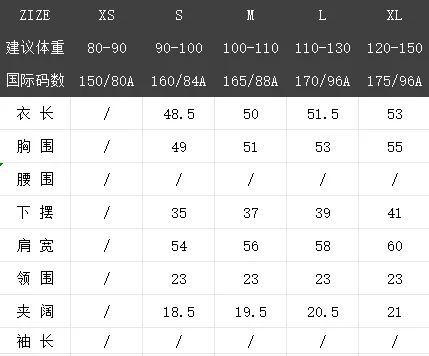
The size set is the point where the grading rule becomes physical evidence. Review measurement tables together with front, side, and back fit. Confirm that the smallest size is wearable without excessive opening strain and that the largest size maintains collar posture without gaping.
If a yarn or color behaves differently, test the highest-risk combination. Do not assume the base-size sample in one color proves all sizes and colors.
Seal the PP sample and control pack
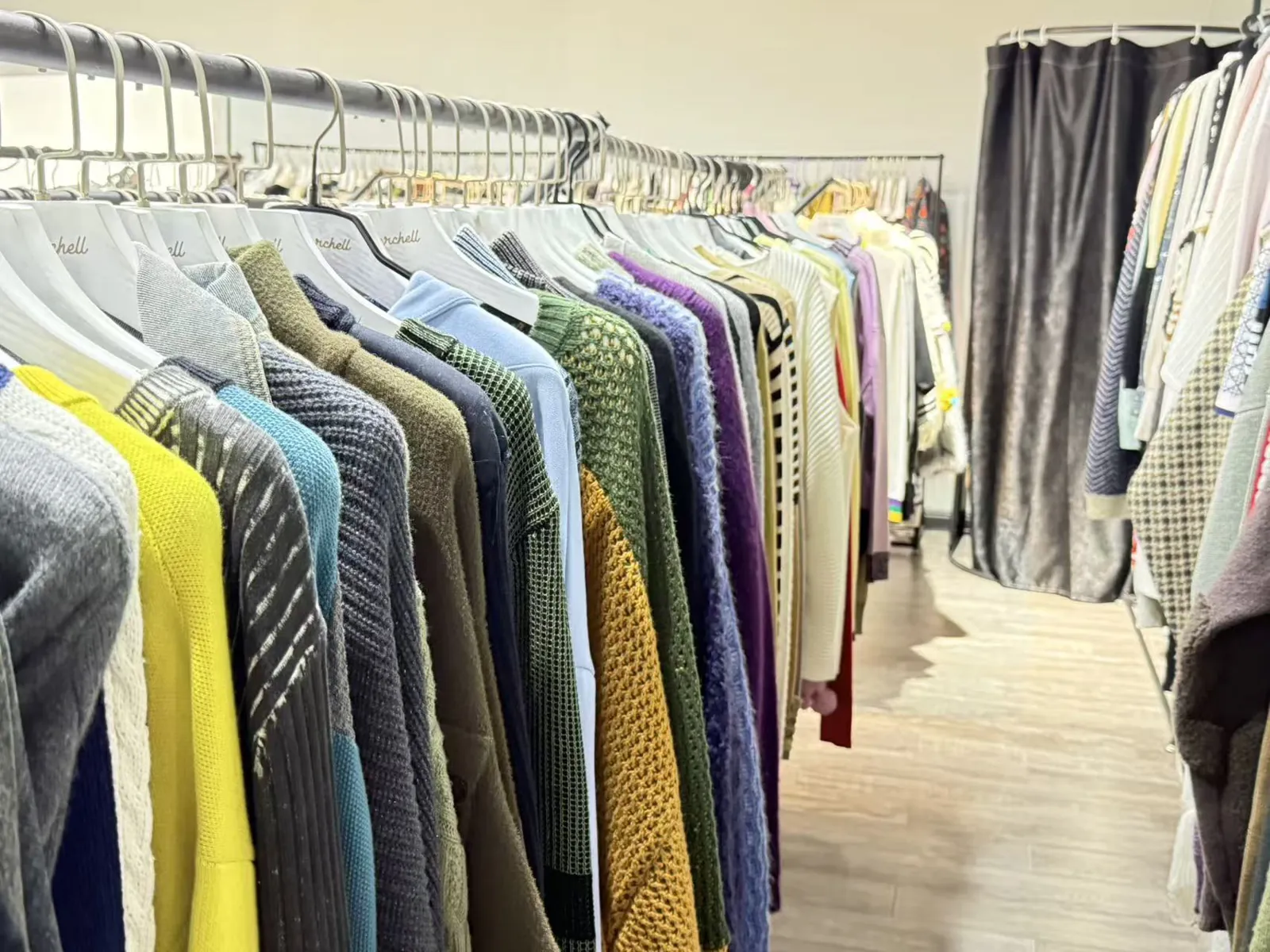
The pre-production approval should include a signed or otherwise traceable PP sample, final tech pack revision, measurement chart, tolerances, yarn and color references, approved labels, packing instructions, test reports, and defect examples. Photograph the sealed sample and identify where it is stored.
Wear-test the fit sample
Photographs record how the collar looks. Wear notes explain why it changes. Have the intended wearer put the sweater on and take it off several times, then move through normal head and shoulder movement. Check whether the collar shifts, touches the jaw, rotates at the seam, rides up at the front neck, or stays enlarged after dressing. Record the sample size, wearer, underlayer, room conditions and wear time so the next round can be compared fairly.
Plan approval gates backward from delivery
Bulk lead time usually starts after PP approval, so it leaves out the yarn sourcing, color approval, prototype revisions, fit, testing and size set needed to reach PP. Ask which yarns are stock-supported and which need spinning or custom dyeing, then set a decision deadline and an owner for every gate. When a date slips, decide openly whether to change the material, color count, construction, transport mode or launch date. Dropping a wash test or size-set review to save time turns a visible schedule problem into a hidden product risk. Our MOQ and lead-time guide shows how these stages fit together.
6. Transfer the Approved Mock Neck Look Into Bulk Production
Start with first-off and inline checks
Inspect early knitted panels and the first linked garments before volume builds. Check stitch density, collar dimensions, linking stretch, neckline symmetry, shoulder position, garment weight, and color lot. A first-off gate can prevent hundreds of garments from repeating the same collar problem.
Inline inspection should compare measurable characteristics with the control pack. Record machine, yarn lot, color, size, and corrective action so recurring variation can be traced.
Apply a documented knitwear quality-control checklist from first-off through final inspection.
- Related guide: knitwear quality-control checklist
Manage pressing as a controlled process
Pressing can improve presentation but also stretch openings, flatten rib, create shine, or disguise a collar that later changes. Define steam, temperature, pressure, garment positioning, and cooling time. Inspect collar measurements after the garment has cooled and relaxed.
Compare lots and colors against the same reference
Compare garments from different machines, operators, yarn lots, and production times against the sealed PP sample, swatch, and color standard. Minimal styles benefit from a rail review because small differences become obvious together.
Protect sample-to-bulk sweater consistency with first-off, inline, and final comparison gates.
- Related guide: sample-to-bulk sweater consistency
Finish with packing and final inspection
Confirm measurements, collar appearance, surface, color, labels, folding, tissue, bag dimensions, carton assortment, and moisture controls before shipment. Folding pressure should not permanently crush the standing collar. If inserts or a specific fold are required, approve them during PP rather than at final packing.
Final inspection should classify critical, major, and minor defects and use the buyer’s agreed sampling plan. Collar twisting, severe opening distortion, wrong yarn or color, missing labels, and measurements outside critical tolerances require defined decisions rather than subjective negotiation.
7. Questions Buyers Ask About Mock Neck Programs
What Is the Most Important Mock Neck Measurement?
No single measurement is sufficient. Finished collar height, top opening, collar base, front and back neck shape, and shoulder-neck position work together. The opening and recovery check are especially important because a collar must be wearable and still return to the approved appearance.
Should a minimalist mock neck use fine gauge?
Fine gauge can support a clean surface, but it is not automatically the best choice. The yarn count, stitch density, garment weight, opacity, recovery, and target climate must support it. Approve a complete swatch and garment combination, not gauge alone.
Can collar height stay the same in every size?
It can, but only if size-set review confirms the proportion and comfort. Opening and collar base often need controlled grading even when the visible height stays constant. Review the smallest and largest sizes rather than relying on a mathematical rule.
When should the buyer approve wash results?
Approve relevant wash and appearance evidence before PP release and before bulk yarn or production commitments become difficult to change. Repeat confirmation when yarn, color, finish, or construction changes.
What should be sent to a mock neck sweater manufacturer?
Send the design, measurements, collar geometry, yarn and gauge direction, handfeel reference, color standards, size range, quantities, labels, packaging, testing needs, target market, and delivery date. Identify open choices so the supplier can quote alternatives transparently.
When should bulk yarn be booked?
Yarn can be reserved commercially early, but irreversible commitments should follow the agreed risk gates. Before booking, the buyer should know the approved material, color direction, construction, likely consumption, and what later sample changes would mean for the booked yarn.
How does production change if the collar folds over?
A fold-over turtleneck adds unfolded height, folded height, layer bulk and fold behavior to the approval. The neckline, opening and recovery controls in this guide still apply, but the fold needs its own photos, tolerances and packing method.
8. Conclusion
A minimalist mock neck pullover sweater succeeds when its apparent simplicity is supported by disciplined product engineering. Buyers should define the collar as a measurable component, then approve it together with the body block, yarn, gauge, weight, surface, fit, and finishing. Head access and recovery must be balanced rather than optimized separately, and collar grading should be checked physically across the size range.
The safest production path uses clear RFQ inputs, risk-led prototypes, complete-garment wash testing, a graded size set, a sealed PP control pack, and early bulk checks. Neutral colorways, pressing, linking tension, and packing deserve explicit controls because small inconsistencies remain highly visible. When every approval has a measurement, reference, or test record, the supplier can reproduce the intended clean silhouette instead of interpreting an abstract minimalist mood.