 CN Sweaters
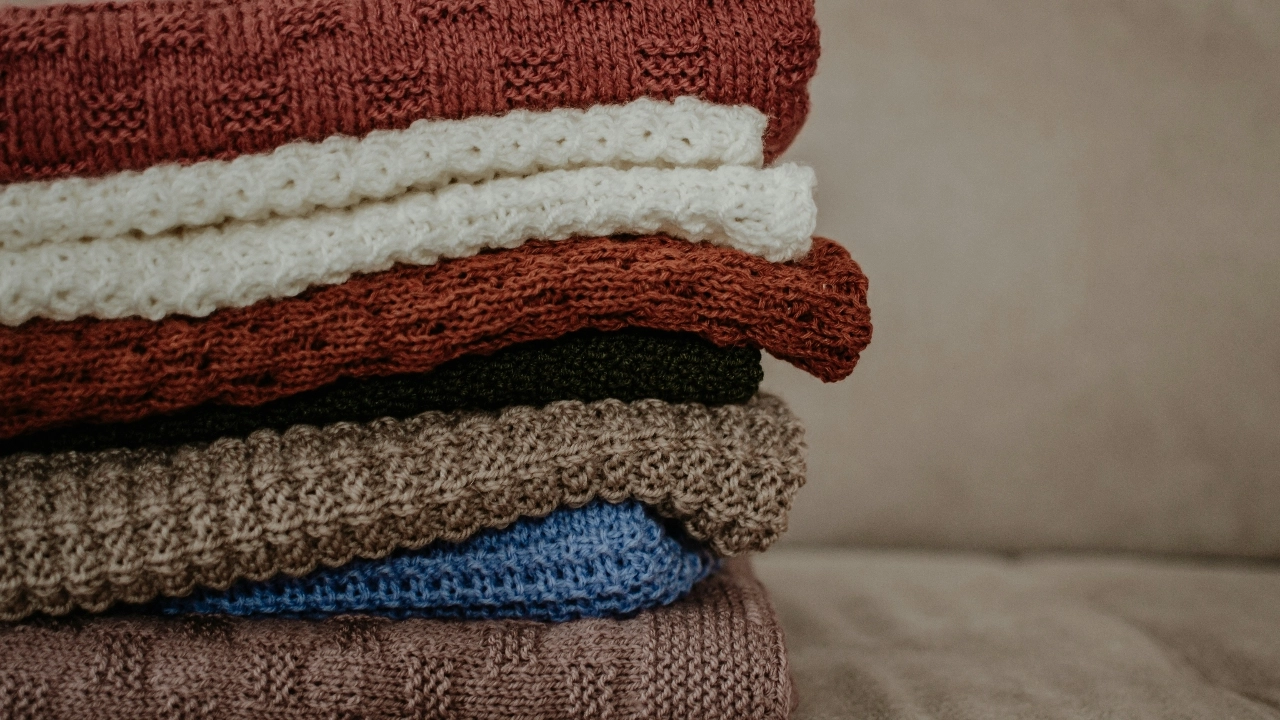
Color is usually the first reason a wholesale custom sweaters shipment is rejected, marked down, or returned by retail partners, even when the construction, measurements, and yarn composition all match the approved sample. A single shade drift across a thousand-piece order, a misaligned stripe on a body panel, or a jacquard motif that prints one row off can turn a profitable program into a margin-eroding one. For brand buyers, private label teams, and wholesalers, color risk is not a styling detail but a procurement risk that touches yarn purchasing, dye lot planning, SKU control, packing, and final inspection. The buyers who consistently receive clean multi-color orders treat color as a quantitative variable, not a creative one, and they set their tolerances, references, and inspection rules before the first cone of yarn is dyed. The sections below explain how to plan, approve, produce, and inspect color across both single-color and multi-color knit programs, so that custom knit sweaters arriving in your warehouse look the same as the swatch you signed off on.
Why Do Color Defects Cost More in Wholesale Custom Sweaters Than in Woven Apparel?
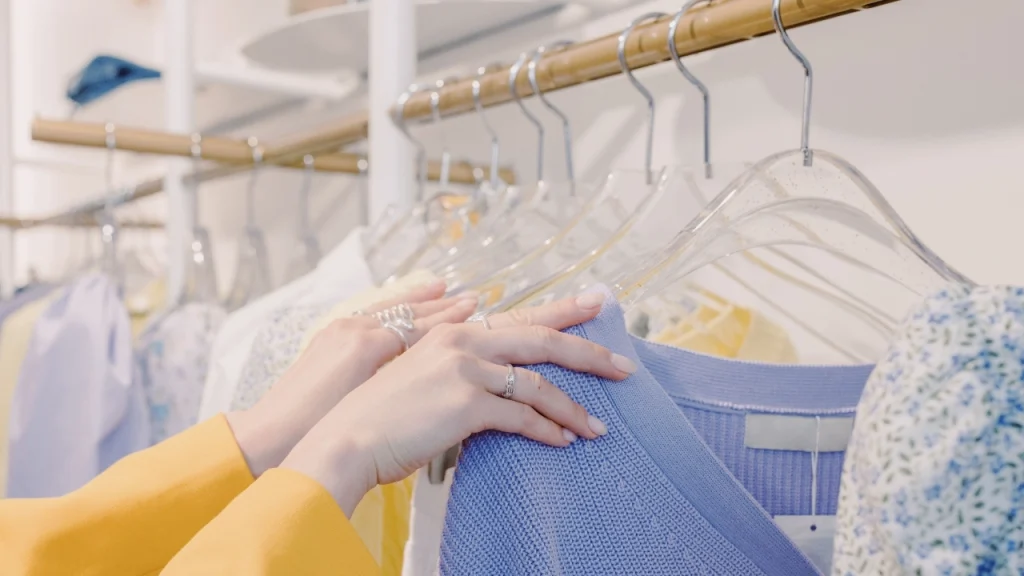
Color defects on knitwear are harder to hide than on woven garments because knit loops scatter light differently, and any shade variation, dye migration, or yarn mix-up shows up over a large continuous surface. In wholesale custom sweaters, a single defective dye lot can contaminate hundreds of pieces, and unlike a printed tee, the color cannot be patched, overprinted, or selectively rewashed. The financial impact compounds quickly: rework on knit panels often means re-linking, re-washing, and re-pressing, and in worst cases the body has to be cut from a new dye lot entirely.
How shade drift turns into financial loss
Most buyers experience color loss in three stages. First, the dye house delivers cones whose lab dip looked correct but whose bulk yarn drifted half a grade. Second, the knitting floor uses cones from two different batches in the same garment without flagging it. Third, the inspection team approves the order under warm office light, and the warehouse only discovers the variation under daylight or D65 cabinet conditions. By that point, the order is packed, labeled, and partially shipped. Reducing this loss starts with clearer references and tighter dye lot discipline, which is why every reputable mill builds Pantone, swatch card, and lab dip steps into its routine, as outlined by Pantone’s textile color systems.
Why knit structure amplifies any color mismatch
Because every loop reflects light in two directions, the same Pantone reference can appear noticeably different in a 3GG chunky cable versus a 12GG fine merino. This is why custom knitwear should never be approved against a flat printed color chip alone, and why the same buyer cannot reuse a cotton color standard for a cashmere or merino program without re-dipping and re-approving.
How Should You Confirm Color Standards Before Bulk Production Starts?
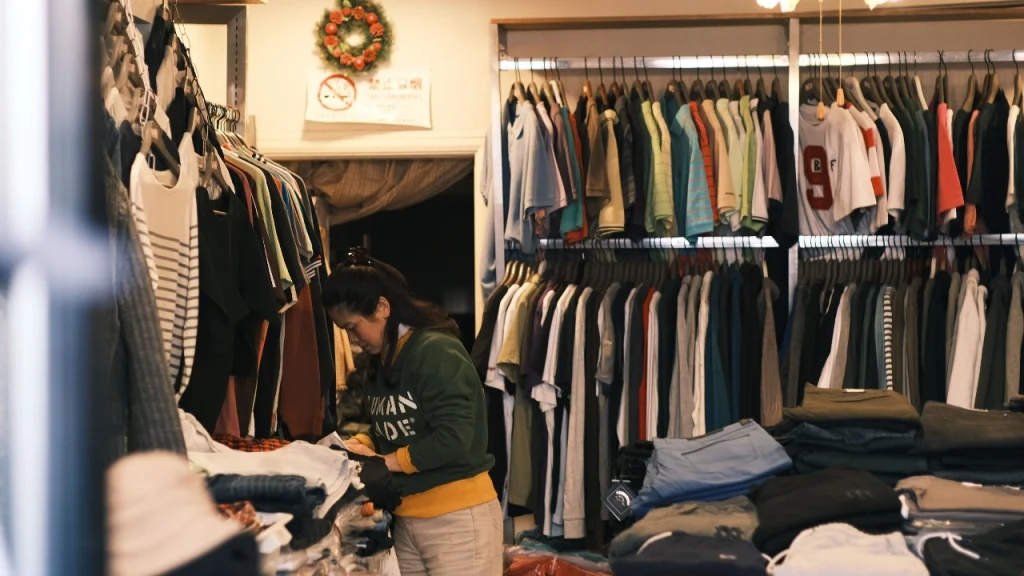
Color confirmation is the single most leveraged step in a bulk knit sweaters program. Once bulk yarn is dyed and knitted, the room for correction is narrow. A solid confirmation package for custom made sweaters includes a Pantone TCX reference, a physical yarn color card from the spinner, a knitted swatch in the actual gauge and stitch, an approved size set in the production color, a written tolerance against grey scale grades, and a defined viewing condition for inspection.
Why physical references must replace screen approvals
Approving color from a phone screen, a desktop monitor, or a JPEG attached to an email is the most common cause of bulk color rejection. Monitors are rarely calibrated, ambient light shifts perception, and image compression flattens depth. A physical Pantone TCX cotton swatch, paired with a yarn-dyed lab dip from the actual mill, gives both parties a tangible standard that survives shipping, factory floor handling, and final inspection. Buyers placing repeat orders should keep sealed master standards in their own office and send identical sealed copies to the factory and the dye house.
How material and gauge change the same Pantone reference
The same Pantone number dyed on wool, cotton, cashmere, acrylic, and viscose blends will not look identical, because each fiber absorbs dye differently and reflects light differently. A 100% cotton custom knit sweater dyed to a chosen reference will read brighter than the same code on a wool-acrylic blend, and a 5GG cable knit in the same yarn will read deeper than a 12GG fine jersey because of loop density. For every fiber, every yarn count, and every gauge change, a fresh knitted lab dip should be approved against the master standard under a controlled light source such as D65 or TL84. Practical guidance on dyeing and finishing differences is documented in the CottonWorks learning hub on sweater dyeing and finishing, which buyers should read alongside their own quality control standards.
Which Multi-Color Order Type Are You Actually Running?
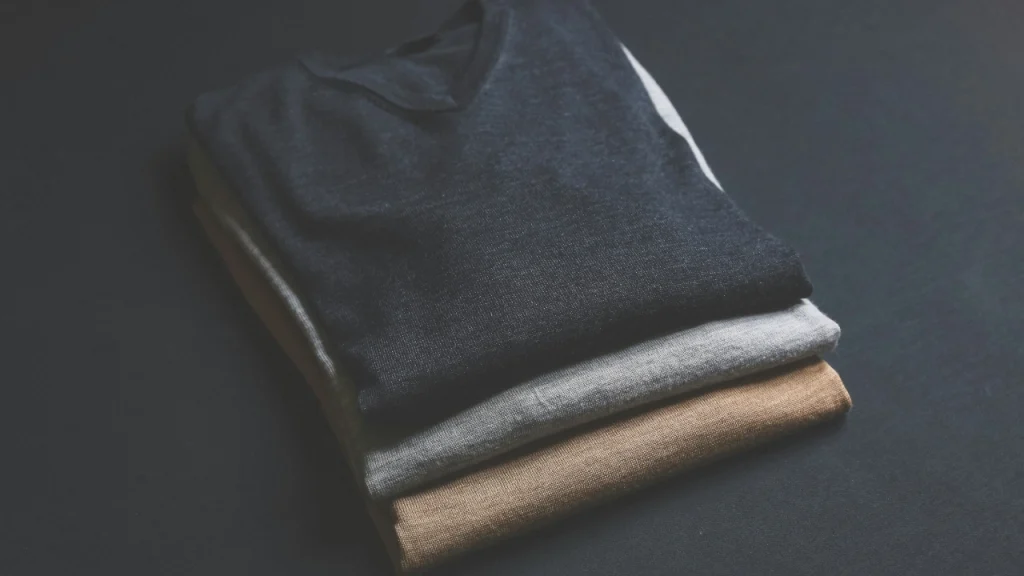
Many buyers describe their order as multi-color without separating two very different production realities, and the wrong assumption changes the entire risk profile. Before planning yarn, MOQ, or inspection, define which of the two categories your program belongs to.
Multiple solid colors of the same style
The first category is a single style of custom knit sweaters produced in several solid colorways, where each finished piece carries only one color. The risk here is not pattern alignment but yarn batch management, color-to-size allocation, and SKU control. If a wholesale knitted sweaters order is split into eight colors across five sizes, the program now has forty unique SKUs, each of which must trace back to a specific yarn batch, sample approval, label, and carton.
Multi-color inside a single garment
The second category covers a colorblock knit sweater, a striped knit sweater, a jacquard knit sweater, a patchwork knit sweater, and an intarsia knit sweater. In these patterned knit sweater programs, two or more colors live inside the same body, sleeve, or yoke. The risk profile expands to include color change points, pattern repeat alignment, yarn tension between contrasting cones, float length on the reverse, edge contamination, and differential shrinkage between fibers or counts. These risks are well documented in technical literature on intarsia and jacquard knit construction and require different inspection criteria than solid programs.
How to Plan Color Count and Quantity per Color
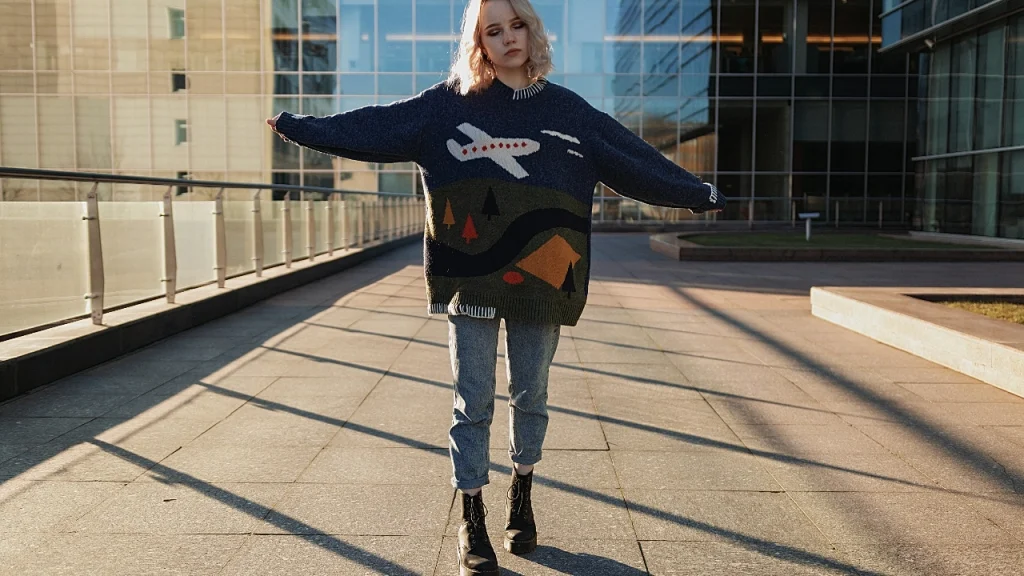
Color planning is a procurement decision, not a design preference. Every additional color adds dyeing setup, yarn waste, machine changeover, packaging variants, and inspection time. For a bulk knit sweaters program to land on margin, the number of colors must be matched to total volume, size range, and the dye house minimum.
Minimum dye lot and yarn purchase thresholds
Most spinners and dye houses have a practical minimum order per shade, often expressed in kilograms of fiber or yarn. Below that minimum, the per-kilo cost rises sharply, the dye house may refuse the lot, or the shade is dyed in an oversized bath that risks variability. Buyers planning MOQ and lead time should treat each color as a sub-MOQ with its own break-even point.
Color quantity versus size range and SKU planning
When the total quantity per color drops below the size-range threshold, some sizes end up with single-digit pieces, which is uneconomical to cut, link, wash, and pack. The table below offers a practical guideline buyers can use during pre-production planning for custom knitwear programs. It assumes a five-size range from XS to XL and standard 12GG to 5GG yarn counts.
| Total Order Quantity | Recommended Max Colors | Minimum Pieces per Color | Risk if Exceeded |
|---|---|---|---|
| 300 to 600 pieces | 2 to 3 | 150 | Sizes short-stocked, dye lot below mill minimum |
| 600 to 1,200 pieces | 3 to 4 | 200 | Higher per-color cost, longer changeover time |
| 1,200 to 3,000 pieces | 4 to 6 | 250 to 300 | Manageable with strict SKU control |
| 3,000 to 6,000 pieces | 6 to 8 | 350 to 400 | Acceptable with multi-batch dyeing discipline |
| Above 6,000 pieces | 8 to 12 | 500 and above | Sustainable for repeat seasonal programs |
The pattern is consistent across most wholesale custom sweaters programs: as color count rises, the minimum quantity per color must rise with it, otherwise dye cost, changeover loss, and SKU complexity erode the order economics. Buyers running smaller programs typically benefit from concentrating volume on two or three high-confidence colors rather than spreading thin across eight.
What Yarn and Dye Lot Controls Reduce Batch Color Variation?
Even after color standards are approved, the actual yarn purchased for bulk introduces a second layer of risk. Yarn arrives in batches, and even within a single dye lot there can be measurable cone-to-cone variation. Without disciplined batch tracking, a single garment can knit body, sleeves, and trim from three different lots, which becomes visible after the first wash.
Yarn batch tracking and segregation on the floor
Every cone entering the knitting floor should carry a batch identifier that links back to the dye order. Cones from different batches must be stored in separate racks, and the knitting program must call cones from the same batch for the same garment whenever possible. When two batches must be mixed, the rule of most disciplined mills is to mix them within the same panel rather than between panels, so that any minor difference is averaged across the loop structure rather than concentrated on a single sleeve. Knit development practice on yarn selection and structure is summarized in the CottonWorks knit textile design guide, which is a useful reference for buyers reviewing factory practice.
Material-specific color behavior across fibers
The same dye recipe behaves differently across wool, cotton, cashmere, acrylic, viscose, and their blends. Wool absorbs acid dyes with deeper saturation, cotton requires reactive dyes and rinses more aggressively, cashmere is sensitive to scour temperature, and synthetic blends create heather effects that read as a third tone. For every fiber switch within the same color story, a fresh approval is required, and the buyer should review the yarn and material options across the sweater category before locking the color list. Internationally recognized colorfastness criteria such as those in ISO 105 colorfastness to washing provide an objective backbone for setting wash and rubbing tolerances on each fiber.
How to Control Pattern Alignment and Color Contamination in Multi-Color Knitting
When two or more colors meet inside a single garment, four new risk categories appear: color change point accuracy, pattern repeat alignment, yarn tension between contrasting cones, and color contamination between cones. Each of these requires its own pre-production rule and its own inspection check.
Stripe, jacquard, intarsia, patchwork alignment
For a striped knit sweater, the stripe width, repeat, and position relative to the chest, hem, and cuff must be defined in centimeters or rows, not as a visual reference. For a jacquard knit sweater, the motif size and repeat must be plotted on a knitting program with explicit float management, because long floats on the reverse can snag and pull the face surface. For an intarsia knit sweater, the color block boundary depends on bobbin handling and yarn tension, and any tension mismatch between bobbins produces puckering at the join. For a patchwork knit sweater, separately knitted panels must be linked with matched tension and a verified shrinkage rate per panel, otherwise the finished garment distorts after wash. Production practice across these construction types is described in general apparel manufacturing references such as the Maker’s Row glossary of apparel manufacturing terminology, which buyers can use to align internal language with their supplier.
Yarn carry-over, floats, and dye migration
Color contamination occurs when a darker cone carries fibers into a lighter cone area, or when a wet finishing step lets a non-color-fast dye migrate from a stripe into the adjacent ground. Both risks rise with darker tones such as black, navy, deep red, and saturated jewel colors. To control them, mills should clean knitting heads between color changes, dye dark colors in separate baths, and test every multi-color piece for crocking and wash bleed before the order is released to packing. Combined with disciplined development practice through OEM and ODM services, these controls reduce the chance that a colorblock knit sweater leaves the factory with shadowing or bleed.
Which Inspection Steps Actually Catch Color Defects Before Shipment?
Most color defects discovered in the warehouse were visible at the factory and were missed because the inspection plan did not include the right checks at the right stages. A multi-color program for wholesale custom sweaters needs three checkpoints, not one final AQL pull.
First piece, in-line, and packing inspection
The first piece check confirms that the bulk yarn, knitting program, and finishing recipe reproduce the approved sample under a defined light source, with grey scale grading against the master. The in-line check, performed every few hundred pieces, catches drift in color, stripe position, and pattern alignment before it accumulates. The packing check verifies that each carton contains the correct ratio of colors, sizes, and SKUs, with each piece traced to a yarn batch record. Independent textile inspection providers describe similar checkpoint structures in detail, including Intertek’s textile and apparel inspection services, which can be used as a benchmark for setting in-house criteria.
SKU, label, packaging, and reorder traceability
Color defects also hide inside packaging. A correct sweater inside the wrong polybag, with the wrong size label or hangtag, becomes a defect at retail even if the garment is perfect. Each style, color, and size needs a unique SKU that ties the yarn batch, knitting machine, linker, and packer together, and that SKU must appear consistently on the size label, hangtag, polybag barcode, and outer carton. This traceability is also what makes reorders possible, because the next season’s batch must reference the same dye recipe and yarn supplier. Buyers comparing the full range of available knit product categories should align SKU rules early so that repeat programs do not lose color continuity between seasons.
Bringing Color Discipline Into Your Next Custom Knitwear Order
Color defects in wholesale custom sweaters are rarely caused by a single failure. They accumulate from screen approvals replacing physical references, from too many colors spread across too little volume, from mixed dye lots, from unmeasured pattern positions, and from inspection plans that only look at finished cartons. The buyers who consistently receive clean multi-color shipments treat color as a procurement variable that is planned, measured, and traced from yarn to carton, and they accept that custom knit sweaters need tighter discipline than basic woven categories. To review the color and quality risks of your next program, send your sweater styles, yarn composition, color list, Pantone references, approved color standards, quantity per color, size range, pattern details, packaging requirements, delivery schedule, and inspection criteria through the CN Sweaters contact channel so the right pre-production checks can be scheduled before yarn dyeing begins.
Frequently Asked Questions
How many colors can I run in one wholesale custom sweaters order without raising color defect risk?
There is no single number, but the risk rises sharply when the quantity per color falls below the dye house minimum and below the size-range threshold. For most programs between 600 and 1,200 pieces, three to four colors is the practical ceiling. Above 3,000 pieces, six to eight colors becomes manageable if dye lot discipline and SKU control are in place.
Do I need a separate sample for every color in a multi-color program?
For solid colorways of the same custom knit sweater style, a full size set in one color plus a knitted lab dip in each additional color is usually sufficient. For a colorblock knit sweater, jacquard knit sweater, intarsia knit sweater, or patchwork knit sweater, every distinct color combination needs its own approved bulk-yarn swatch, because the colors interact differently.
How do I write a color tolerance into my purchase order?
Reference a recognized grey scale grade for color change and staining, such as a minimum grade 4 on the AATCC or ISO grey scale, evaluated under a defined light source like D65. Specify the master reference, the acceptable variation, the viewing geometry, and which party signs off. Avoid vague terms like close to sample.
What is the most common color defect that ships undetected?
Mixed dye lots within a single piece. Two cones from different batches knitted into the same garment can pass casual inspection in factory lighting but show clearly under daylight after the first wash. Yarn batch segregation and the rule of mixing within a panel, not between panels, prevent most of this loss.
Can I reorder the same color next season without a new approval?
Yes, if the spinner, fiber, count, gauge, and dye recipe are identical, and if a sealed master standard is on file at both the buyer and the factory. In practice, a new lab dip should still be approved for each reorder, because spinner stock and dye chemistry can drift between seasons.