 CN Sweaters
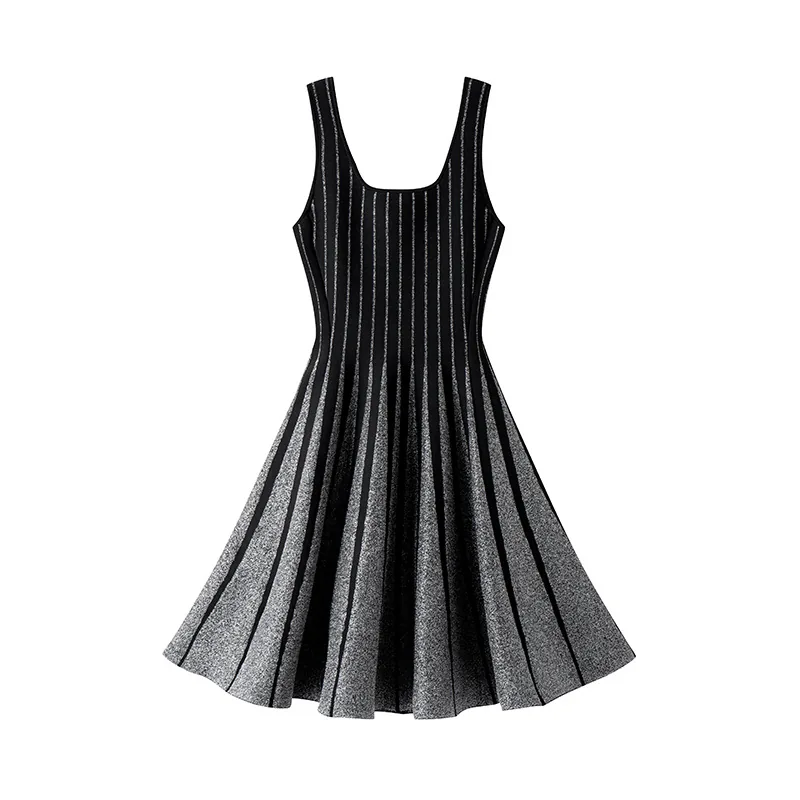
For a black knit dress, colorfastness testing and shade approval answer different purchasing questions. A dress can match the approved black under one lamp and still rub color onto a white bag. Another dress can pass the rub test while the sleeves look browner than the body.
Connect the approved black reference, exposure-specific tests and shade-group records before releasing bulk. Long and sleeveless black dresses put large panels side by side, making small shade differences easier to see. For style references, you can also browse our knit dress category.
Why black knit dresses need extra care in colorfastness testing
A black dress puts a lot of black fabric side by side. Sleeves sit next to the body, front and back panels meet at the side seams, and a skirt often reflects light differently from the bodice. So a shade gap that nobody notices on a small swatch becomes obvious on a hanger.
In addition, “black” is not one color. One black reads slightly blue, another slightly red or green, and a brushed surface looks softer than a smooth jersey. If the order sheet only says “black”, the buyer and the factory may compare different things and both think they are right.
Define the approved black before colorfastness testing
Before any testing, we agree on one physical reference. It can be an approved lab dip, a knit-down, a sealed sample dress or a retained production piece. We record the yarn, the color code, the date and who holds the reference. A screen image helps communication; however, it never replaces the physical standard.
Next, we write a short note on undertone and surface. For example: “cool jet black, matte, no visible sheen after pressing”. That note explains why the team chose this reference. It does not replace the reference itself.
Structure changes how black looks
Knit structure affects reflected light. Rib, jersey, milano and pleated panels can all look different even when we knit them from one yarn lot. A rib panel also looks deeper when relaxed and lighter when it stretches over the body. Therefore we compare black panels in the state that matters, both flat and on a form.
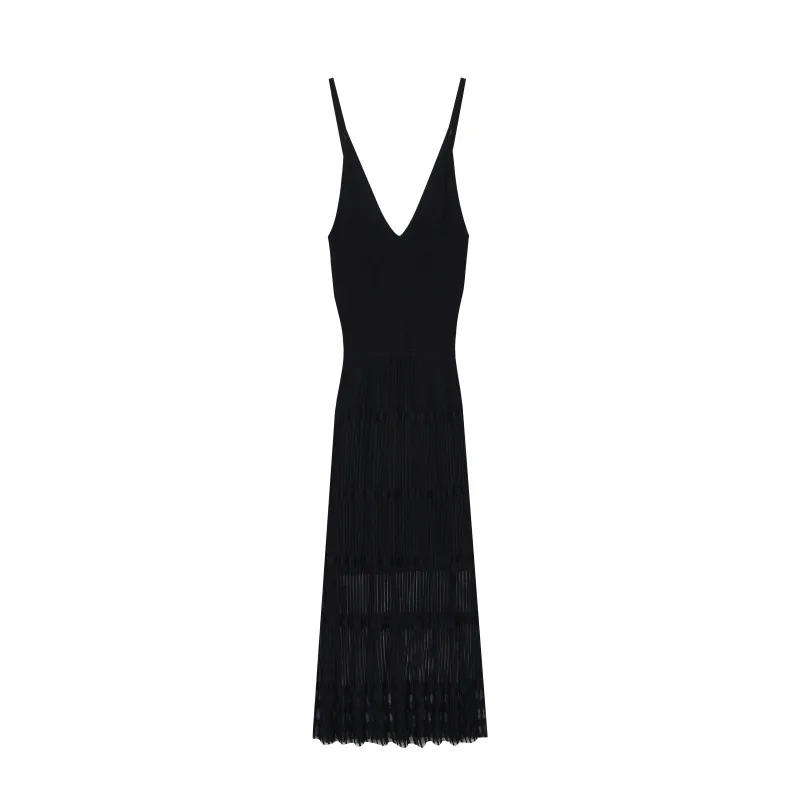
Which colorfastness testing questions belong in the brief?
In practice, colorfastness testing is not one test. The AATCC colorfastness module lists separate method families for laundering, water, perspiration, rubbing and light. A pass in one family does not answer a question from another. As a result, the brief must say which exposure the product needs evidence for.
For black knit dresses, the questions we see most often are these:
Rubbing (crocking). Does color transfer onto a light bag, a sofa or skin? AATCC TM8 covers dry and wet rubbing against white cloth. Record dry and wet rubbing separately; one result cannot establish the other.
Laundering. Does the dress fade or stain other items in the wash? AATCC TM61 covers accelerated home laundering.
Perspiration and water. These matter for close-fitting styles and summer dresses.
Light. This matters for shop-window display and for dresses that customers wear outdoors a lot.
Match the colorfastness testing report to the actual dress
When a colorfastness testing report arrives, we read the specimen details before we read the grade. We check the fiber content, the yarn reference, the color code, the knit structure and the finishing route. Also, we confirm whether the lab tested the yarn, a knitted panel or the finished dress.
A fabric result answers a fabric question. However, it may not cover a black trim, a lining, a contrast binding or the seams. If the care label will say “machine wash cold”, the laundering evidence should come from the same yarn and finish that the dress will carry. Because the buyer and the lab set the pass grades, we do not quote a universal number here.
Keep dry and wet colorfastness testing results separate
Dry and wet rubbing tell you different things. A dress can give a good dry result and a weaker wet result. So we report both, and we never let a dry pass stand in for a wet use case such as a rainy commute or a sweaty evening.
Colorfastness testing for shade and staining
Shade comparison and staining are two different checks. Shade compares the bulk black with the approved reference. Staining asks whether color moved onto a white control cloth during a test. A complaint can mention both; nevertheless, they need separate records and often different fixes.
A fixed viewing routine
For repeatable shade review, record the light source, neutral background, viewing distance and placement of the approved reference beside the bulk panel. AATCC EP9 describes visual color assessment; agree the applicable procedure before judging the pair.
Sometimes two panels match under the main light but separate under shop lighting or daylight. In that case, the buyer decides whether to accept the pair for the intended store, check under a second light or change the yarn or finish. We write the decision down. Also, we never report only the light that makes the pair look closest.
Grading staining with a gray scale
For staining, the lab rates the white control cloth against a gray scale, as described in AATCC EP2. We keep the control cloth, the specimen, the method and the conditions together in one file. A phone photo of a stained white cloth is useful for a quick alert. However, it cannot replace a full report.
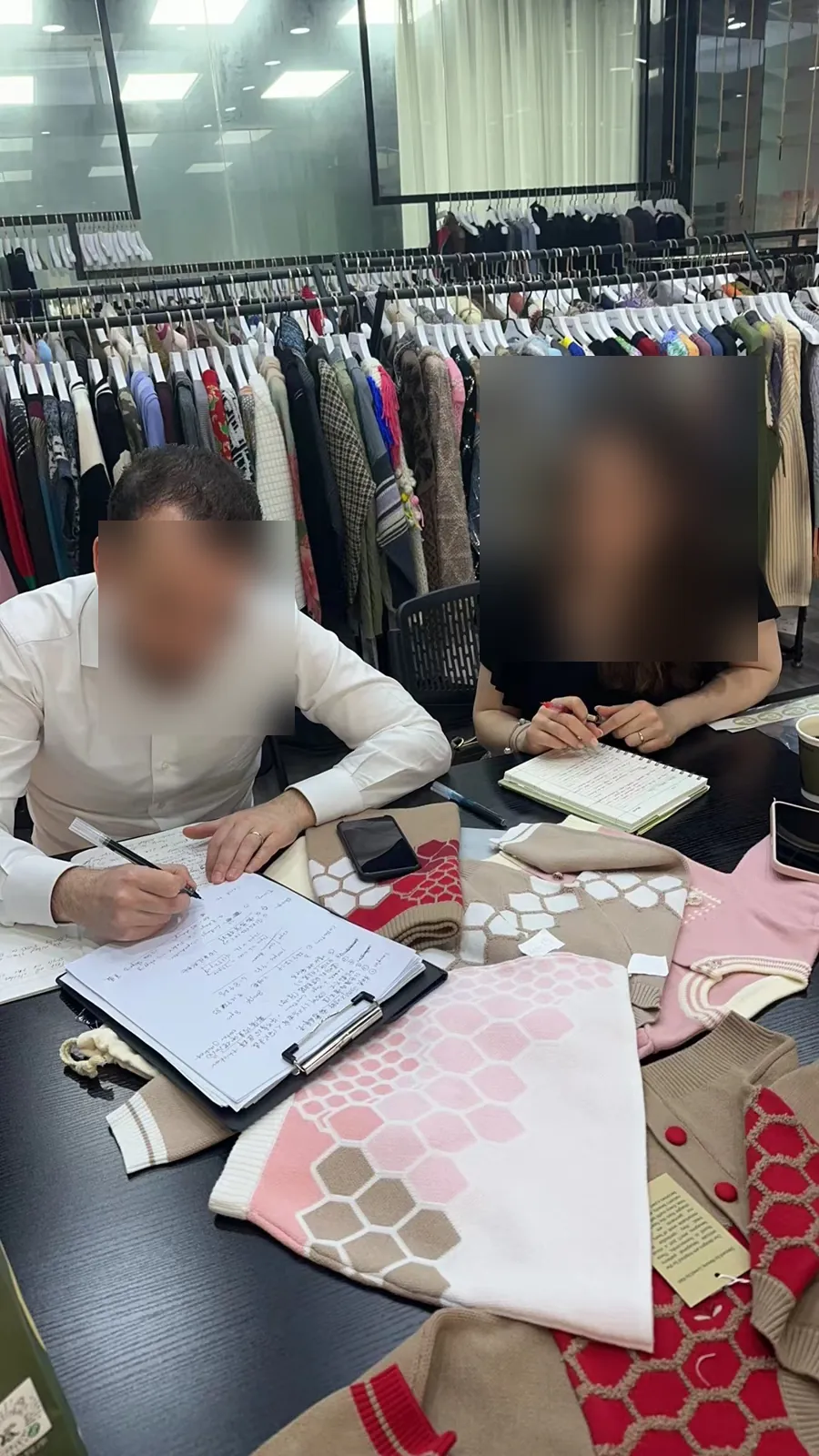
Keeping lots and panels traceable after colorfastness testing
Black shade depends on the yarn lot, the dye lot, the knitting machine, the washing batch and the pressing route. So we keep a simple group identity from yarn through knitting, quality control and packing. If a question comes up later, we can point to the exact group rather than guessing.
Check sleeves, body and skirt together
Before linking, we lay each sleeve beside its body panel and compare front and back at the side seam. After linking and pressing, we check again on the finished dress. Panels that match flat can still separate after assembly, because the knit sits at a different angle to the light.
We also include more than one size. For instance, a sleeve may open more at the upper arm in a large size, which changes how deep the black reads. So we compare real graded garments rather than stretching one sample to imitate another size.
Let the dress rest before judging
Fresh steam, a tight polybag or a long time on a hanger can all change sheen. Therefore we let every dress rest in a set condition after pressing, and we use the same condition for every comparison.
Sorting and packing black shade groups after colorfastness testing
During final inspection, we pull units from different sizes, groups and carton positions. We also include pieces that sit near the edge of the approved shade band. We never photograph only the neatest garments and call that the result.
Our checklist for black dresses adds a few lines to the standard inspection: sleeve-to-body match, front-to-back match, undertone, surface depth, visible rub-off and group identity. For sampling plans and defect levels, see our guide to AQL inspection for bulk sweater orders.
Can two approved groups share a carton?
Two groups can each sit inside the approved range and still look different when a shop hangs them side by side. So the buyer decides whether groups may share a carton, a size run or a store delivery. If they must stay apart, we mark cartons with the group code on the outer label and in the packing list. Packing cannot fix a shade gap; it can only keep the groups separate.
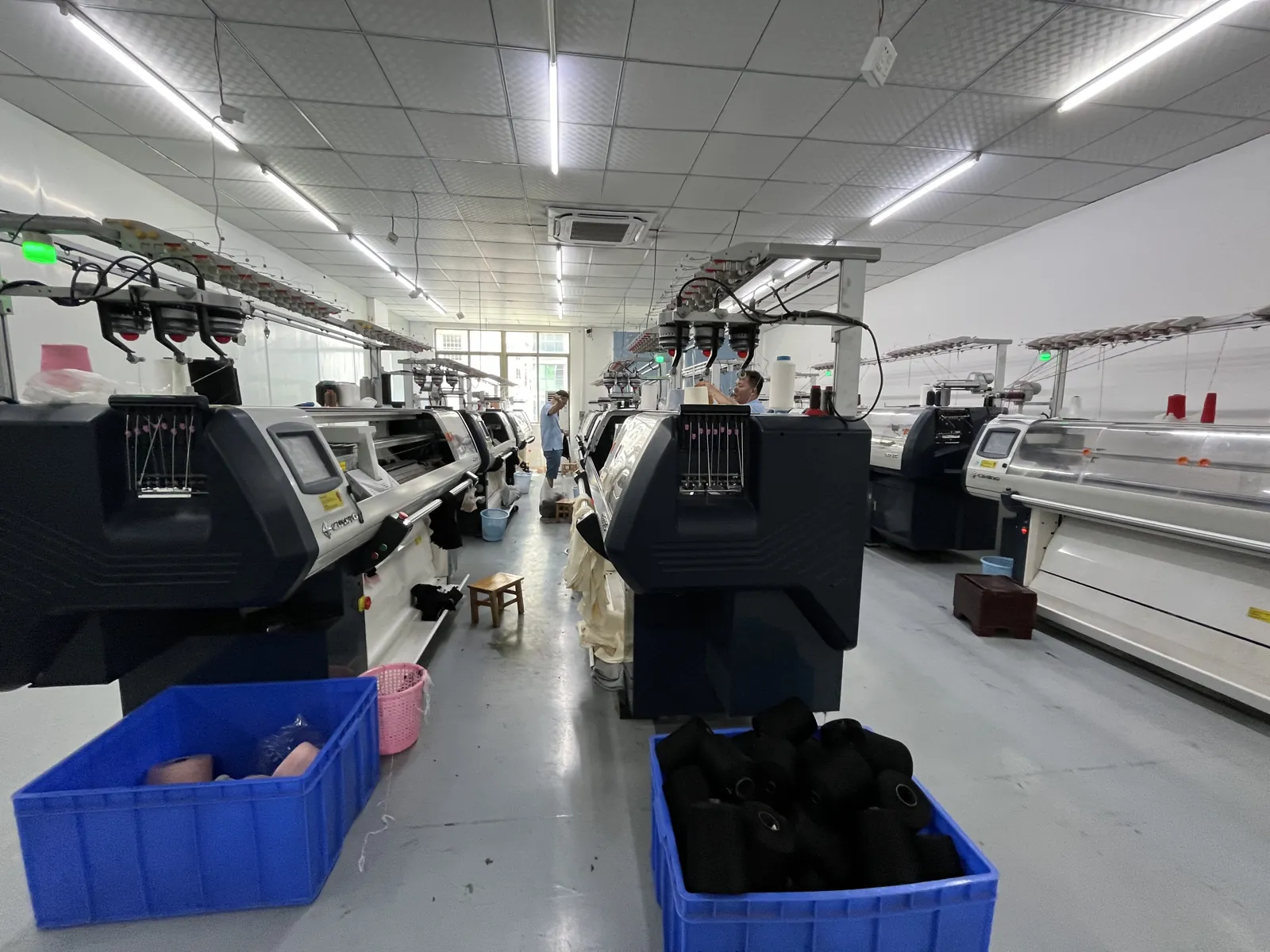
When to release, hold or repeat colorfastness testing
Before shipment, we confirm that the black reference, the shade band, the yarn and structure, the test reports and the packing groups all refer to the same dress. If the sleeves and body read as two different blacks, we hold that group and investigate. Similarly, if the colorfastness testing report covers a different yarn or finish, the claim stays on hold until the correct report arrives.
A change can also reopen earlier approvals. For example, a new yarn lot may need a fresh shade check and a new rub test. In contrast, it does not change the size chart. A new washing route, on the other hand, can affect shade, hand feel and dimensions at the same time.
Set the black-dress colorfastness evidence before quoting
A black knit-dress order should state the chosen dye or yarn lot, the intended care label and the colorfastness methods relevant to actual wear and laundering. Ask for results on the selected material and finish before locking the shade; one certificate cannot substitute for a test on a different lot. If OEKO-TEX STANDARD 100 is required, request the current certificate and check its product scope. The custom knit dresses page is the route for an order-specific quote and calendar.
Conclusion
Before releasing a black knit dress group, connect its shade reference and panel identities with the applicable colorfastness testing reports. Record any permitted mixing of shade groups in the packing instruction so receiving inspection can trace the delivered combination.
Send us your black dress tech pack and we will list the shade and colorfastness checks before sampling.
FAQs
Should the darkest sample become the approved black?
No. The deepest sample may have the wrong undertone or too much sheen. Instead, choose the sample that matches the intended look under the agreed light.
Can one rub test approve every black part of the dress?
Not always. A lining, trim or contrast binding may use a different yarn. So each black material needs its own evidence or a clear reason why one result covers it.
Is a dry rubbing result enough for colorfastness testing?
Ask for the dry and wet results required by the agreed exposure specification. A dry result alone cannot support a claim about wet rubbing.
Can we mix two approved black lots in one carton?
Only if the buyer agrees. Because two lots can look different side by side, many buyers keep them in separate cartons or deliveries.