 CN Sweaters
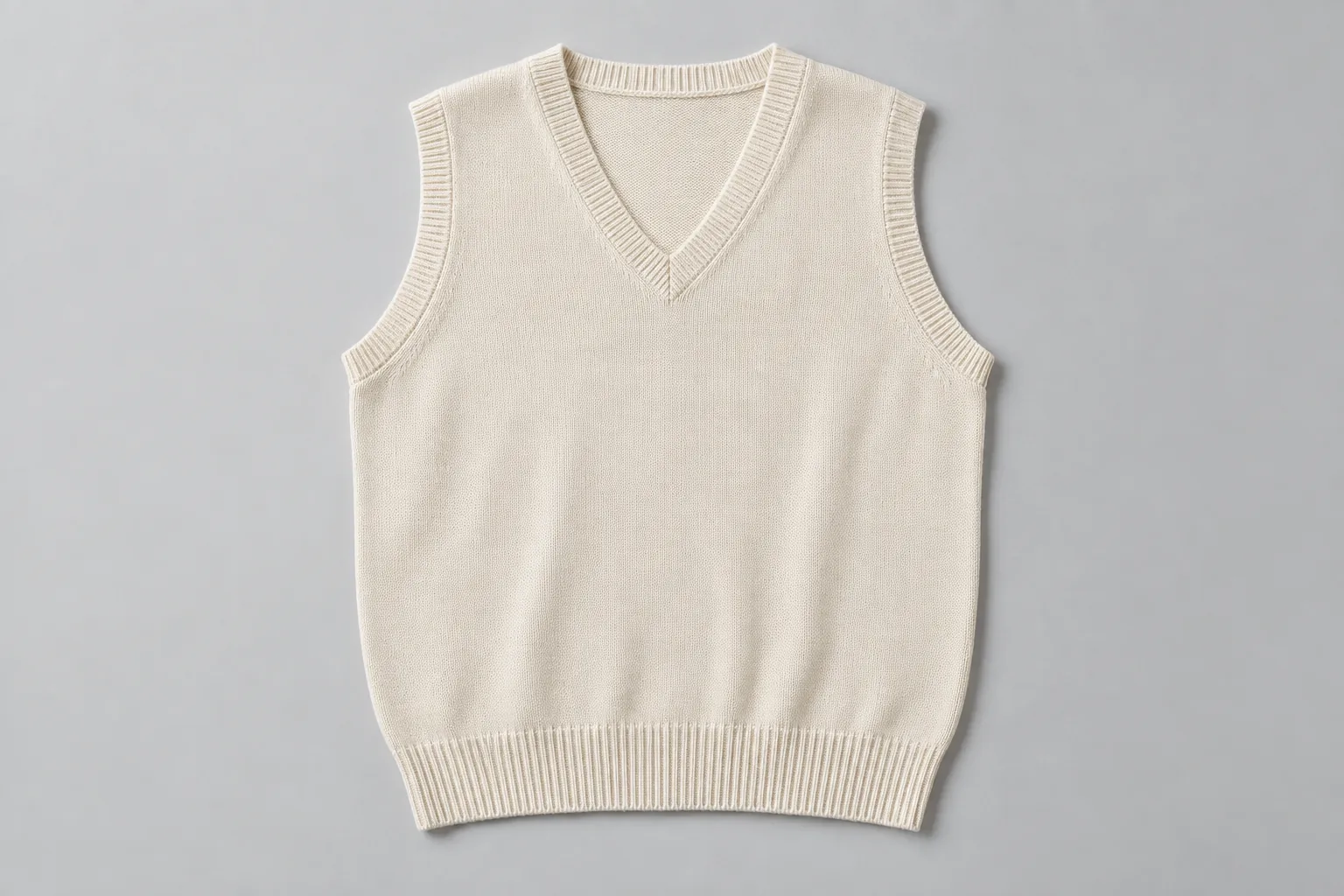
Check the armholes, neckline, hem and body of a cotton sweater vest separately after the agreed care route. One zone can change while the others still match their references. The vest still fits on paper, but it no longer looks like the approved sample.
Connect the yarn and edge construction with the local measurements and care records used for approval. Carry those references into the bulk inspection plan. For finished styles and construction ideas, you can also browse our sweater vest category.
Why a cotton sweater vest changes shape after washing
Fiber properties contribute to recovery, but the cotton vest’s yarn construction, loop structure and finishing also affect its response. Compare the actual rib after movement, care and rest. A fiber label alone cannot establish how far an armhole or hem will recover.
In a vest, those effects show up in three places. First, the armhole rib carries movement every time the wearer lifts an arm. Second, the hem rib joins the body and may draw it in or flare, depending on the construction and fit. Third, the neckline needs review together with the shoulders and armhole edges, even though the vest has no sleeves.
Each zone moves at a different rate
The body, the armholes and the hem rarely change by the same amount. For example, a body in plain jersey can shrink in length while the 1×1 armhole rib grows in circumference. A chest measurement alone will not show that. Therefore we check each zone separately rather than reporting one overall shrinkage figure.
Stretch during wear is a separate issue from shrinkage in the wash. A rib can stretch on the body and then recover fully, partly or not at all. So we look at both: how the vest changes after laundering, and how the edges behave after normal movement and rest.
Yarn and knit choices for a stable cotton sweater vest
The yarn decision comes first. Combed cotton, mercerized cotton, cotton with a little nylon, and cotton blended with wool or acrylic all behave differently. Compare the actual blend, yarn construction and finish in the intended rib; a fiber percentage alone does not establish recovery or drape. Our development library contains 100+ yarns and 200+ color cards. Confirm available options against the actual vest brief.
Next, we match the yarn to the gauge. A 12G or 14G cotton vest suits layering over a shirt. Meanwhile, a 7G or 5G vest works as an outer layer and needs a firmer knit to stop the hem from dropping. Our 70 computerized flat knitting machines run from 3G to 14G, so we can sample both directions.
Knit density and stitch setting
A loose stitch feels soft on the sample, but it gives the fibers room to move in the wash. A slightly tighter setting often keeps the body more stable. However, if we go too tight, the vest turns stiff and loses the relaxed handfeel that buyers want from cotton.
Ask the sample room to compare proposed stitch settings in swatches under the selected care route before making a full sample. Keep measurements before and after care with each identified swatch so the proposed settings can be compared.
Rib structure and edges on a cotton sweater vest
Compare 1×1, 2×2, tubular or milano edge proposals in the actual yarn and stitch setting. Record their relaxed shape, movement and post-care result rather than treating one structure as the best option for every cotton vest.
Also, the way we attach the rib matters. Compare linked and sewn armhole-band proposals in the actual yarn and construction. Inspect seam bulk, edge movement and recovery rather than assuming one attachment method will perform better. Our in-house linking team handles this step, and we confirm the linking tension on the first sample.
Cotton sweater vest measuring points that show local change
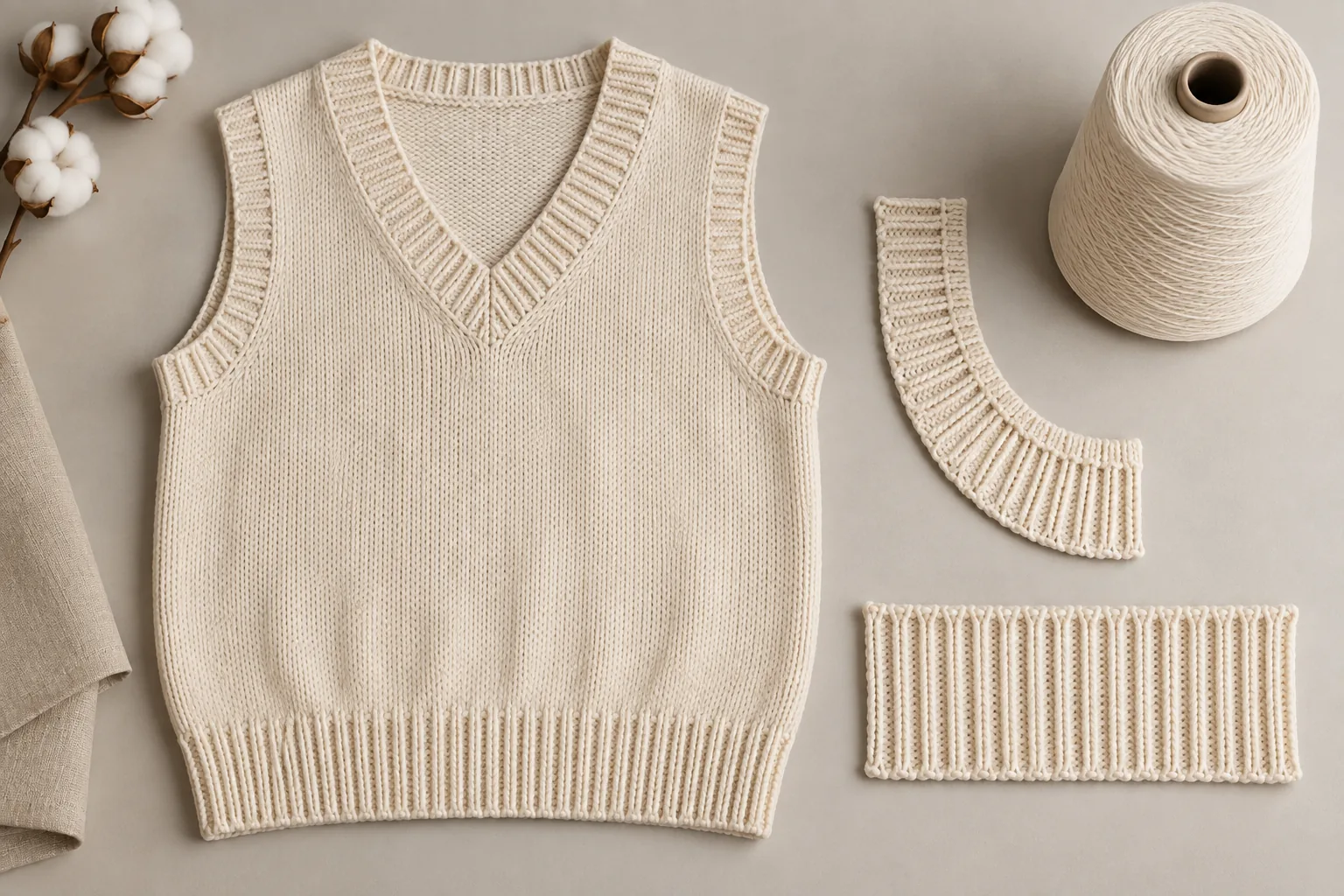
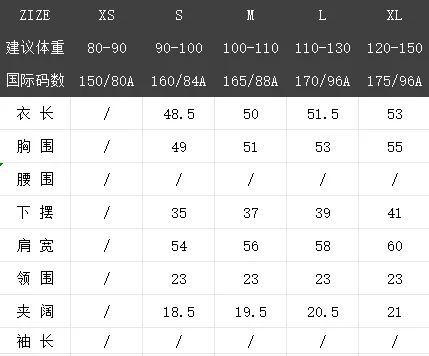
For a dimensional comparison, mark the same vest before and after the specified wash, drying and rest route. Include chest, body length, shoulder, neckline and hem, then add armhole path and rib depth where those are the product risks. Record both raw values; a single shrinkage percentage can hide a changed opening.
For the base measurement method, we follow the principles in ISO 18890, which covers garment measurement points and lets buyers and suppliers agree on extra points. We use the same points, the same flat-lay method and the same person where possible. That way, a change in the numbers reflects the garment rather than the measuring.
Record the values, not only the percentage
A percentage change hides the cause. If the hem width grows by a small amount, it may be because the rib grew, or because the body shrank in length and spread sideways. So we keep the original value and the post-wash value side by side for every point. This makes the correction clear when we adjust the next sample.
How we wash and review a cotton sweater vest sample
Before we wash anything, we agree on the care route with the buyer. That includes wash temperature, machine or hand wash, tumble or flat dry, and whether the garment gets pressed afterwards. The care label and the test route must match. Otherwise, a sample might pass our test and still fail in the customer’s home.
If a formal garment dimensional-change result is required, ask the laboratory whether AATCC TM150 applies to the actual vest and care route. An in-house wash photograph or measurement can guide development when labeled with its real procedure; it must not be presented as a completed TM150 test or third-party report.
Armhole review after wear and rest
A flat measurement does not show how the armhole looks on the body. Therefore we also put the vest on a form or a fit model over the intended underlayer, such as a shirt or a fine knit. We check side coverage, then ask for normal movements like reaching forward and lifting an arm.
After that, we let the vest rest and check again. If the armhole returns to its approved line, the rib is doing its job. If it stays open, compare rib structure, linking tension and opening dimensions before selecting a correction.
Hem and body review
At the hem, we look for flaring, a wavy edge or a rib that rolls outward. We compare the hem with the body, because a hem often flares when the body shrinks more than the rib. In that case, ask the technician to compare body and hem changes before selecting a revised stitch setting.
We also check the shoulder. When a shoulder stretches towards the neck, the armhole looks deeper even though the rib has not changed. Separating these records helps us find the real cause quickly.
Finishing and pressing control
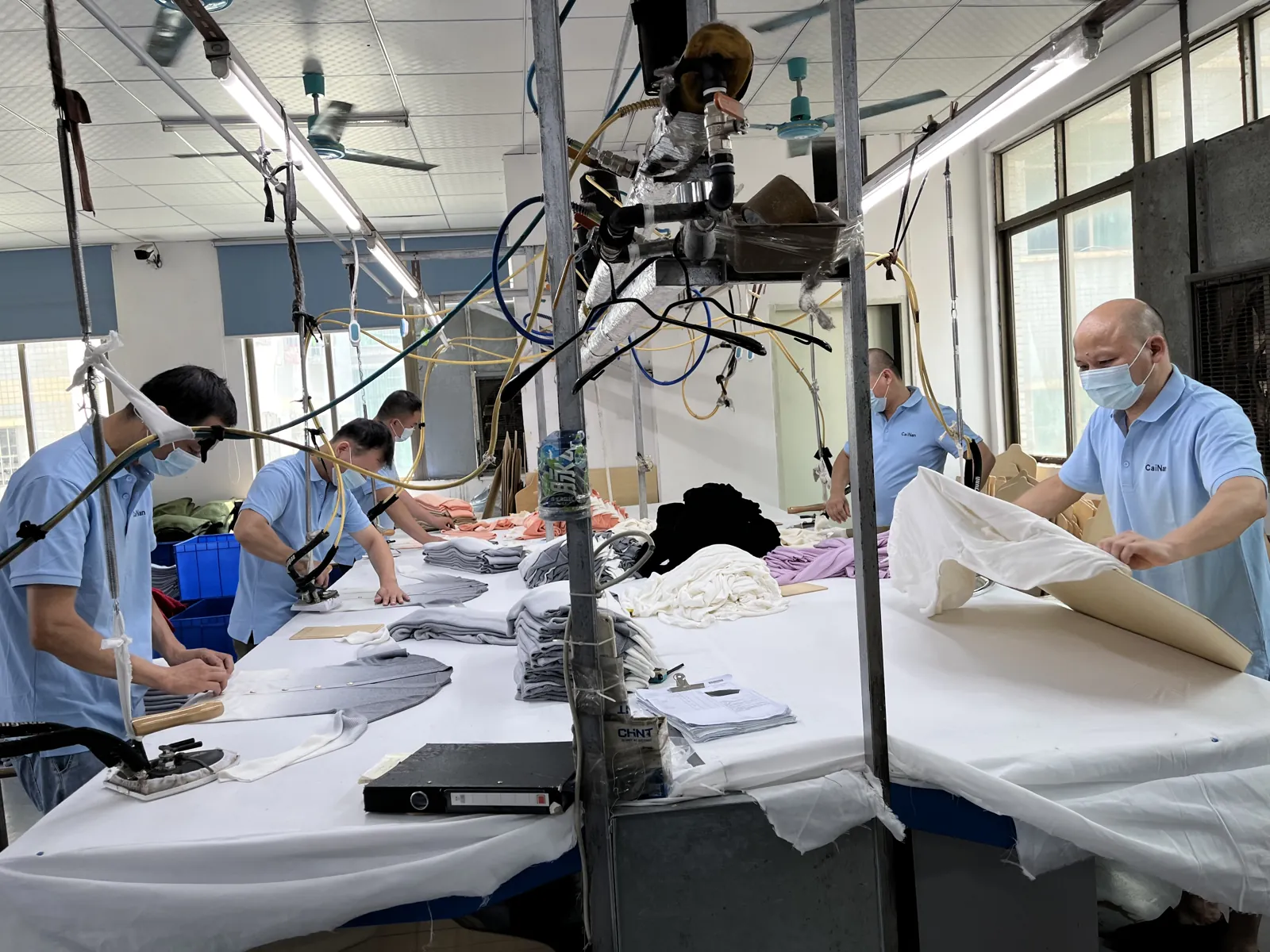
An in-house wash and press can alter the dimensions and handfeel of a cotton vest before shipment. Compare an identified sample before and after that route, including its rest period. Do not promise a reduction in later shrinkage without measured results from the chosen garment and care method.
Do not press a flared hem flat only for approval photographs. Compare its shape after cooling and the stated rest period. If it returns to a flare, investigate the body and rib construction instead of accepting a temporary finish.
Moving a cotton sweater vest from sample to bulk
Keep the approved, identified washed sample as the comparison reference for bulk. Record its yarn lot, gauge, stitch, rib attachment and finishing state. A changed lot or construction reopens the affected care comparison; do not assume the earlier result transfers to a different version.
For the first bulk lots, agree which finished measurements are sampled by size and color and whether a post-care garment check is needed. Compare those identified units with the approved sample. The quality-control overview describes the general factory checkpoints; the order-specific frequency belongs in the inspection plan.
For fit, gauge and neckline planning beyond washing, read our sweater vest fit and gauge guide.
Conclusion
Retain the cotton sweater vest’s measured armhole, neckline and hem references with the accepted yarn and care route. A later change to rib, attachment or finish should reopen the affected comparison before that version enters bulk.
Send us your vest sketch or tech pack and we will suggest a yarn and rib plan before sampling.
FAQs
Does a cotton sweater vest shrink more than a wool one?
It depends on yarn, stitch, finishing and the care route. Cotton and wool blends can change dimensions in different ways; compare the actual proposed vest before and after the declared care method instead of assigning a universal shrinkage direction.
Which rib works best for cotton sweater vest armholes?
Compare the proposed edge structures and attachment methods in the actual yarn, fit and care conditions. Use the accepted garment result to choose the armhole route.
Can you add stretch to a cotton sweater vest rib?
A different rib yarn or a small stretch component can be proposed, but its hand and recovery must be checked on the actual vest. Adding another fibre does not guarantee the intended edge shape.
What post-care evidence should a buyer request before bulk?
Ask for paired measurements of an identified vest before and after the agreed care route. If a formal report is needed, define the applicable method and laboratory before anyone describes the result as a standard test.