 CN Sweaters

Pilling is the single most common post-shipment complaint we receive from buyers who approved a sweater sample purely on hand feel. Before you sign off on bulk yarn or release production at any sweater factory, you should be asking for written pilling test parameters, not just looking at a swatch under showroom light. A sample that feels soft and clean in your hands can still fail after three home washes, because pilling behavior depends on fiber length, yarn twist, knit structure, finishing, and the exact wear conditions the garment will face in your target market.
This article walks through the specific questions a B2B buyer should put to a knitwear supplier before sample approval and before locking in bulk yarn. The reason this matters is commercial, not technical. A batch of 3,000 wool-blend pullovers that pills at Grade 2 after one wash creates returns, marketplace claims, and a quality reputation problem that is far more expensive than running a USD 60–120 pilling test up front. From a factory perspective, the buyers who avoid these problems are the ones who arrive with a clear testing standard, a defined acceptable grade, and a written agreement on what gets tested and when.
Why Pilling Behavior Is Not Visible in a Sample
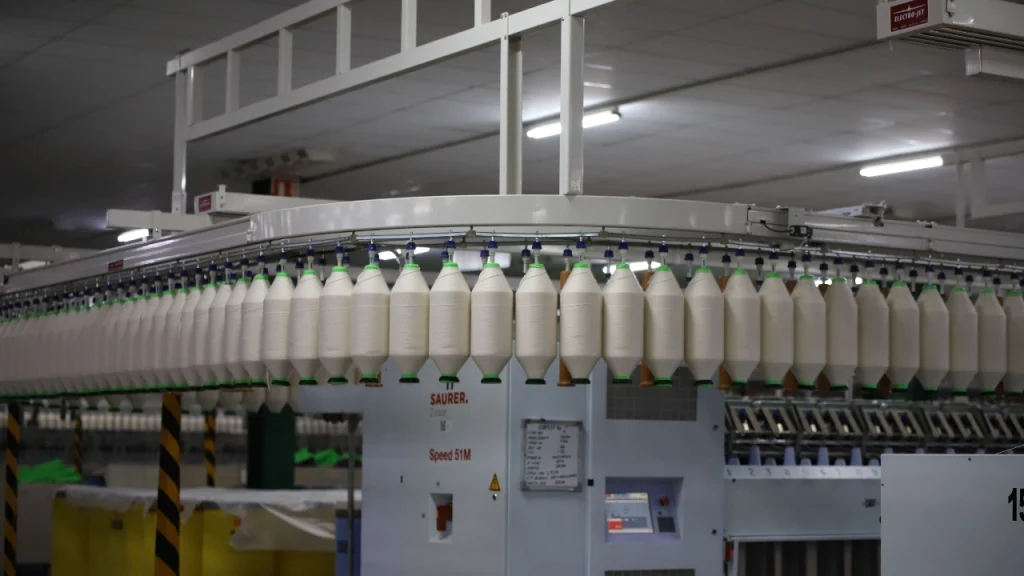
Pilling is a delayed defect. A sweater sample can look perfectly smooth at the sample approval stage and still develop visible pills after the consumer wears it three or four times. This is because pill formation requires three sequential events: surface fibers must work loose, those loose fibers must entangle into balls, and those balls must remain anchored to the fabric long enough to be visible. None of those events happen during a showroom inspection. They happen during washing, friction against bags and seatbelts, and rubbing against other layers of clothing.
What Actually Triggers Pilling in Knitted Sweaters
From a factory perspective, six variables drive pilling behavior, and a buyer should ask the knitted sweater manufacturer to confirm each one in writing:
- Fiber length. Short staple fibers migrate to the surface faster. Combed long-staple cotton pills less than carded short-staple cotton at the same yarn count.
- Yarn twist. Lower twist gives a softer hand but releases surface fibers more easily. Higher twist resists pilling but feels firmer.
- Yarn structure. Single yarns pill more than two-ply or compact-spun yarns under the same conditions.
- Gauge and density. Looser 3GG or 5GG knits trap fewer fibers; tighter 12GG fine-gauge structures hold fibers in place better but can still pill if the yarn is weak.
- Finishing. Singeing, enzyme washing, and anti-pilling chemical treatments change the surface fiber profile significantly.
- End-use friction. A sweater worn under a coat with a backpack strap will pill faster than the same garment worn on its own.
The practical takeaway for buyers is that a sample feels nothing like a worn-and-washed garment. You need a test that simulates use, not a visual inspection that captures one frozen moment.
Which Pilling Test Method Should You Specify
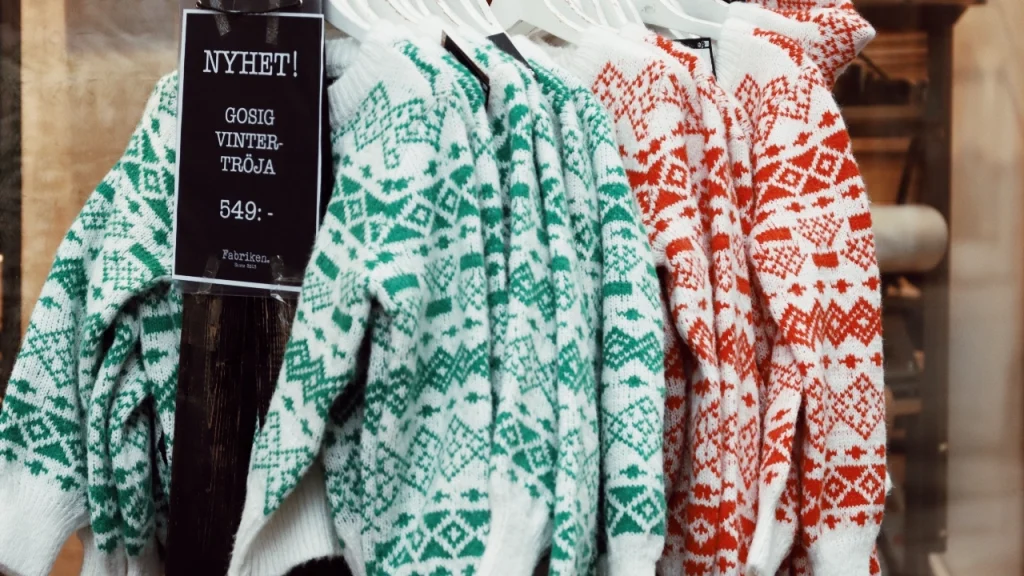
The first question to ask your sweater factory is which test method will be used, because different methods produce different grades on the same fabric. The three methods you will encounter most often are ASTM D3512 random tumble, ISO 12945-2 Martindale, and ICI pilling box. These are not interchangeable. A fabric graded 4 under one method may grade 2–3 under another, and accepting a “pass” without naming the method is how disputes start.
Random Tumble Versus Martindale Versus Pilling Box
We typically recommend that buyers choose the method based on intended use and target market. For most knitted sweaters destined for European retail, ISO 12945-2 Martindale is the expected standard, with assessment after 2,000 and 5,000 rubs and a typical acceptance of Grade 3–4 at the final cycle. For US-market knitwear, ASTM D3512 random tumble is more common, using a defined tumbling time inside an abrasive chamber. Pilling box testing under ISO 12945-1 is mostly used for woven or heavier knit structures and is less predictive for fine-gauge sweaters.
The table below shows how the three methods compare in practice, based on what our custom knitwear manufacturers team specifies for different product categories. You can refer to the published ASTM standard via the ASTM D3512 random tumble pilling method for the full procedure.
| Test Method | Mechanism | Typical Use | Common Acceptance | Best For |
|---|---|---|---|---|
| ASTM D3512 (Random Tumble) | Free tumbling with cork liner and gray cotton | US market knitwear, casualwear | Grade 3 or above after 30 min | Cotton, cotton-wool blends |
| ISO 12945-2 (Martindale) | Lissajous-path controlled rubbing | EU market sweaters, fine gauge | Grade 3–4 at 2,000–5,000 rubs | Wool, cashmere, fine knits |
| ISO 12945-1 (Pilling Box) | Polyurethane tubes in tumbling box | Heavier knits, blankets | Grade 3 or above | Coarse gauge, woven |
The takeaway for buyers is to match the method to your end market. Specifying the wrong method results in either over-engineering the yarn or under-protecting your customer.
How Material Choice Changes the Acceptable Pilling Grade
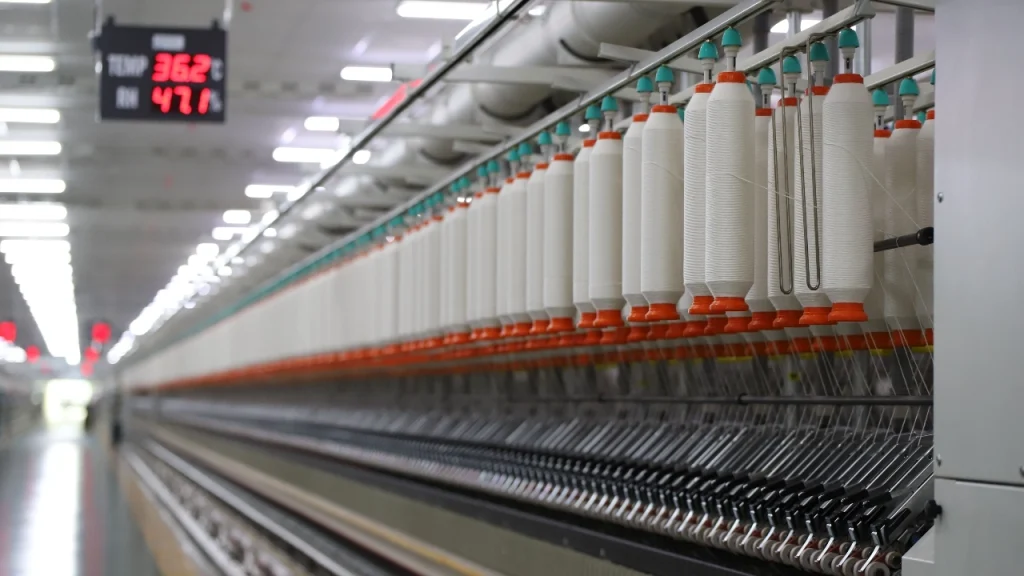
You cannot apply the same pass-fail line to every fiber type. This is one of the most common mistakes we see when a buyer copies pilling specs from a previous tech pack and applies them to a new material without adjustment. A cotton knit sweater and a cashmere jumper behave differently on the same testing equipment, and pretending they should not is how you end up rejecting bulk that meets industry norms or accepting bulk that will fail at retail.
Cotton, Wool, Cashmere, and Blended Knitwear
Cotton has shorter, straighter fibers and tends to shed pills rather than hold them, but it still pills visibly in the first few washes. Wool has scaly fibers that entangle easily, so wool sweaters typically pill more in early wear and then stabilize. Cashmere is finer and softer than wool, and a cashmere sweater factory will normally accept a slightly lower grade than a comparable wool product, because pure cashmere pilling at Grade 3 is considered industry-normal, not a defect. Mohair and alpaca have long surface hairs by design, so judging them on standard pilling scales without adjusting expectations leads to false rejections.
Below is a working reference we share with buyers comparing typical pilling risk and the grade we recommend as commercially reasonable.
| Material | Pilling Risk | Reasonable Acceptance | Notes |
|---|---|---|---|
| Cotton knit sweater | Medium | Grade 3–4 | Combed cotton pills less than carded |
| Wool sweater | Medium-high | Grade 3 | Pills early, then stabilizes after 3–5 washes |
| Cashmere jumper | High | Grade 2–3 acceptable | Industry norm for pure cashmere |
| Wool cashmere sweater | High | Grade 2–3 | Behavior closer to cashmere than to wool |
| Cotton wool sweater | Medium | Grade 3 | Blend ratio determines result |
| Acrylic blend | Low-medium | Grade 3–4 | Synthetics can pill harder and longer |
The Woolmark Company itself acknowledges that there is no universally accepted method that accurately predicts pilling, which is why the Woolmark guidance on pilling emphasizes managing expectations for natural fibers rather than chasing a single number. Buyers selling premium cashmere at retail price points should educate their end customers that some surface pilling is normal and removable with a comb, not a defect.
What Sample Condition and Wash Cycle You Should Demand
The biggest gap between sample-stage testing and real-world performance is washing. A fabric tested in its as-knit state will almost always grade better than the same fabric tested after one or three home wash cycles. If your sweater factory only provides as-knit pilling data, you do not have the information you need to predict retail returns.
Pre-Wash Versus Post-Wash Testing
We recommend asking for pilling test results in three states: as-knit, after one ISO 6330 wash cycle, and after three wash cycles. The difference between these three points tells you whether the finishing is masking weak yarn. A fabric that tests Grade 4 as-knit but drops to Grade 2 after one wash is a red flag, because it means the smooth surface comes from a coating that will not survive in consumer use. A fabric that holds Grade 3–4 across all three test points is genuinely stable.
You should also specify the wash conditions clearly: water temperature, detergent type, drying method, and number of garments in the load. A test done with one specimen at 30°C delicate cycle does not predict performance for a consumer who washes at 40°C with a full load. For knitted sweaters going into mass-market retail, we recommend testing at 30°C standard cycle with mild detergent, because that matches the wash condition most consumers actually use, regardless of the care label.
This is also where MOQ and lead time planning becomes important. Multi-stage washing tests add 5–10 days to the sampling timeline, so buyers who want full pre-wash and post-wash data need to build that into the development calendar rather than rushing approval based on as-knit results alone.
How to Read a Pilling Test Report Without Being Misled
A pilling test report should give you enough information to reproduce the test independently. If the report only states “Grade 4 pass” with no method, no cycle count, and no sample state, it is not a usable document. From a factory perspective, we encourage buyers to require third-party lab reports from recognized testing houses such as Intertek, SGS, or Bureau Veritas, rather than internal factory measurements alone, for any order above a certain value threshold. You can review the scope of independent testing through resources like the Intertek textile testing program and the published standards on the AATCC standards page.
Required Fields on a Credible Test Report
A complete pilling test report should contain the following information, and you should reject reports missing any of these fields:
- Test method and standard reference number (e.g., ISO 12945-2:2020)
- Number of cycles or rubs at each assessment point
- Sample condition (as-knit, after 1 wash, after 3 washes)
- Wash standard used (e.g., ISO 6330 4N)
- Grade at each assessment point on the 1–5 scale
- Identity of the assessor and date
- Lab accreditation reference
If a report shows Grade 4 at 2,000 rubs but does not state the result at 5,000 rubs, the fabric may have collapsed between those two checkpoints. Asking for the intermediate readings is not nitpicking. It is how you build a defensible quality file for your own customers and platform claims processes.
Setting Acceptable Standards Before Bulk Yarn Approval
The acceptable pilling grade should be locked in writing before bulk yarn is ordered, not after the first bulk inspection finds a problem. From a factory perspective, the most expensive mistake a buyer can make is asking for “good pilling resistance” without naming a number. Vague language transfers the risk to the factory, but it does not actually protect the buyer, because there is no objective reference for the final inspection dispute.
What to Lock in the PO and Tech Pack
The purchase order or tech pack should state the test method, the cycle count, the sample condition, the minimum acceptable grade, and the testing house. For a typical mid-market wool-blend sweater going into European retail, a reasonable written specification might read: ISO 12945-2, 5,000 rubs, after one ISO 6330 wash, minimum Grade 3, tested by accredited third-party lab. That single sentence prevents 90 percent of pilling disputes we see, because both sides know exactly what passing looks like.
Locking these terms early also affects yarn sourcing. If you require Grade 4 post-wash on a cotton-wool blend, the factory may need to use compact-spun yarn or add an enzyme finish, which changes the cost and the lead time. Buyers who specify acceptable pilling grades after sample approval often find that the yarn that produced the approved sample cannot economically meet the bulk requirement, and the only options are price renegotiation or a switch to a different yarn that requires a new sample. Building the acceptance criteria into the original sample brief avoids this cycle.
Conclusion
Pilling resistance is a contractual question, not a sensory one. Buyers who approve sweater samples on hand feel alone are accepting all the downstream risk of returns, claims, and rework, because nothing about a smooth swatch predicts how the garment behaves after three washes and a season of wear. The buyers who avoid these problems specify the test method, the cycle count, the sample condition, the acceptable grade, and the testing lab in writing, before bulk yarn is committed. This shifts the conversation from subjective judgment to a defined and auditable standard that both sides can work to.
If you are preparing a new sweater program and want to confirm the right testing requirements for your material, target market, and price positioning, reach out through our contact and inquiry page with your yarn composition, product type, target market, reference sample, expected wear conditions, testing standard, and acceptable pilling grade, and we will review the quality requirements before sample and bulk approval.
FAQ
What pilling grade should I accept for a cashmere jumper? For pure cashmere or high-cashmere-content blends, Grade 2–3 on ISO 12945-2 after 5,000 rubs is industry-normal. Cashmere is a fine, short fiber that naturally pills more than wool in early wear. Requiring Grade 4 forces the yarn supplier to add coarser guard hairs or synthetic content, which compromises hand feel. Set retail customer expectations accordingly.
Can the sweater factory run pilling tests in-house, or do I need a third-party lab? For sampling stage and internal development, in-house testing on a calibrated Martindale or random tumble machine is acceptable. For bulk approval and any order where you need a defensible quality file for your own customers, marketplaces, or platform disputes, third-party lab reports from Intertek, SGS, or Bureau Veritas are strongly recommended.
How long does pilling testing add to my sampling timeline? As-knit pilling testing adds 3–5 working days. Adding post-wash testing extends this by another 5–7 days because the wash cycle and conditioning must complete before assessment. If you want full pre-wash and post-wash data on a third-party lab report, plan on 10–14 additional days in the development calendar.
What if my bulk fails the pilling test after passing the sample stage? This usually means the bulk yarn lot differs from the sample yarn lot in twist, fiber length, or finishing. The first step is to request the yarn lot certificate and compare against the sample yarn parameters. Most disputes are resolved by adjusting the finishing process or, in serious cases, replacing the yarn lot. This is why locking acceptance criteria in the PO matters.
Does anti-pilling treatment affect the hand feel of the sweater? Yes. Enzyme washing and chemical anti-pilling treatments remove surface fibers, which can make the fabric feel slightly less fluffy and reduce loft. For premium cashmere or mohair products where soft, fuzzy surfaces are part of the product story, aggressive anti-pilling treatment is usually not appropriate. The trade-off should be agreed with the factory before bulk.