 CN Sweaters
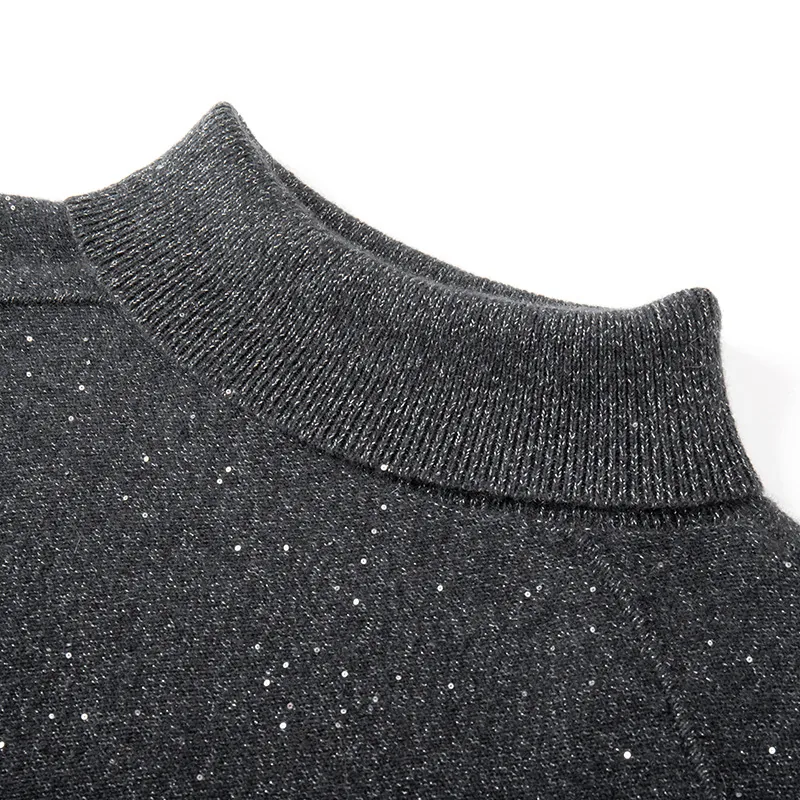
A cashmere sweater is not automatically a premium product just because the label says “100% cashmere.” From a factory perspective, what actually decides the value of a cashmere sweater is the fiber length, the yarn construction, the gauge, the knitting tension, the finishing process, and the quality control behind each step. Brands that skip verification on these points often end up with garments that pill heavily after two wears, lose shape after the first wash, or fail third-party fiber testing at retail.
This is where most cashmere sourcing problems begin. Buyers compare quotes on price per piece, assume the material is consistent across suppliers, and discover the real differences only after bulk production. Cashmere is a category where small differences in raw material grade translate into very large differences in hand feel, durability, and customer complaint rates. A cashmere jumper made from 36mm long-staple Inner Mongolian fiber behaves very differently from one made from short-fiber blends, even when both carry the same composition label.
The goal here is to walk through what brands developing cashmere knitwear, mens cashmere sweaters, or cashmere cardigans should verify before confirming bulk. We will cover fiber sourcing, blend ratios, yarn count, weight, pilling behavior, wash performance, testing documentation, and how to read a supplier’s sampling capability. Each section reflects what we see during real OEM and ODM development for premium knitwear programs.
Why Cashmere Sweater Composition Needs Verification
Composition claims on cashmere are one of the most common areas where mislabeling occurs, and brands cannot rely on the supplier’s word alone. The safest approach is to require third-party fiber content testing on every new development, ideally from an accredited lab such as those operating under standards covered by Intertek’s textile testing services. Without this step, a “100% cashmere” label may actually contain wool, viscose, or shorter recycled fibers that change the hand feel and durability.
What “100% Cashmere” Means for a Cashmere Sweater
Pure cashmere yarn can still vary widely. Two suppliers can both deliver 100% cashmere and produce sweaters with completely different performance because fiber length, fineness measured in microns, and origin affect the final result. Inner Mongolian and Alashan-region cashmere typically runs 14.5 to 16 microns with longer staple length, which produces softer hand feel and lower pilling. Shorter or coarser fibers cost less but pill faster.
When Blended Cashmere Makes Sense in a Cashmere Sweater
A cashmere blend is not automatically lower quality. A 70% wool 30% cashmere blend can offer better shape retention and lower cost for entry-price programs, while still delivering noticeable softness. Blends with nylon at 5 to 10 percent often improve durability for mens cashmere sweaters where elbows and cuffs wear faster. The issue is disclosure. Buyers should require the exact blend on every tech pack and verify it on production samples, not just on initial lab dips.
How to Request Composition Documentation
Ask the supplier for the mill’s yarn certificate, the dye lot record, and a third-party test report from production yarn, not from a separate sample batch. For programs above 1,000 pieces, we generally recommend testing one report per color per season to catch any substitution before shipment.
How Yarn Count and Gauge Change a Cashmere Sweater
Yarn count and knitting gauge determine how a cashmere sweater drapes, how warm it feels, and how it ages. The short answer is that finer yarn and higher gauge produce a more refined, lightweight garment suited to layering, while thicker yarn and lower gauge produce heavier, more structured knitwear. Neither is better in absolute terms. The right choice depends on the retail price point, the season, and the customer.
Common Yarn Counts Used in Cashmere Sweater Production
Cashmere yarn is usually described in metric count such as 2/26Nm, 2/28Nm, or 3/16Nm. A 2/26Nm yarn knitted on a 12-gauge machine produces a classic fine-gauge cashmere crewneck sweater suitable for spring and autumn programs. A 3/16Nm yarn on a 7-gauge machine produces a heavier winter cashmere cardigan with more visible stitch structure. Buyers developing a cashmere jumper for layering should usually request 2/26Nm or 2/28Nm at 12gg.
Matching Gauge to Garment Type
The table below shows the gauge ranges we most commonly use for different cashmere knitwear categories.
| Garment Type | Typical Yarn Count | Common Gauge | Approx. Weight |
|---|---|---|---|
| Fine cashmere crewneck | 2/26Nm or 2/28Nm | 12gg | 280–340g |
| Cashmere cardigan, light | 2/26Nm | 12gg | 320–380g |
| Mens cashmere sweaters, mid weight | 2/26Nm doubled | 7gg or 5gg | 450–550g |
| Chunky cashmere knitwear | 3/16Nm or 4/12Nm | 5gg or 3gg | 600–800g |
These ranges shift based on stitch structure, rib content, and trim weight, but they give buyers a workable starting point when briefing a factory.
Why Gauge Affects Pilling and Cost
Higher gauge knitting uses finer yarn with tighter loops, which reduces surface friction and lowers pilling. It also requires more machine time per piece, which raises cost. Lower gauge knitting is faster and uses thicker yarn, but loose loops expose more fiber ends and can pill faster in friction zones. Brands should weigh aesthetic preference against expected wear pattern when locking gauge.
Verifying Cashmere Sweater Hand Feel, Weight, and Drape
Hand feel is the single most subjective factor in cashmere sweater sourcing, and it is also the factor most likely to cause disputes between brand and factory. The practical answer is to lock hand feel against a physical reference sample before bulk, not against words like “soft” or “luxurious” on a tech pack. Without a signed gold seal sample, hand feel arguments after bulk shipment rarely have a clear resolution.
Setting a Gold Seal Sample
A gold seal sample should be made in the actual production yarn, on the same machine type as bulk, and finished with the same washing and steaming process. We recommend signing two copies, one held by the brand and one held by the factory. This protects both sides if shipment hand feel is questioned.
Weight Tolerance and Why It Matters
Cashmere garments are usually quoted at a target weight in grams. A 320g cashmere jumper may be acceptable at 310 to 335g in bulk, depending on the contract tolerance. Buyers should confirm the tolerance in writing because a 10 percent weight drop can change the entire feel of the garment and is sometimes used to reduce cost without disclosure.
Finishing and the Effect on Drape
Cashmere finishing typically involves washing, milling, and steaming. The milling step opens the fiber surface and creates the soft hand feel buyers expect. Over-milling weakens the structure and increases pilling, while under-milling leaves the garment feeling stiff and dry. From a factory perspective, this is where many sampling rounds are spent, and rushing this stage to meet a tight lead time is one of the main causes of inconsistent bulk.
Managing Cashmere Sweater Pilling and Wash Performance
Pilling is the most frequent end-customer complaint on cashmere sweaters, and it cannot be eliminated entirely. The honest answer is that all cashmere pills to some degree because the fiber is short and soft by nature. What buyers can control is the rate of pilling and the appearance after pilling, which depend on fiber length, twist level, and finishing. Brands should plan testing and customer communication around this fact rather than promise pill-free performance.
Testing Methods and Expected Grades
Martindale pilling tests grade results from 1 to 5, where 5 is best. For premium cashmere knitwear, a grade of 3 to 4 after 2,000 cycles is a realistic and acceptable target. Anything below 3 is likely to generate complaints at retail. Buyers should request pilling test data on production yarn samples before approving bulk.
Wash Care and Shrinkage
Care instructions guidance from sources like the Woolmark care recommendations supports hand washing or specific delicate machine cycles for cashmere garments. Factory wash testing should cover dimensional change after one wash. A cashmere cardigan with more than 5 percent shrinkage on length or width usually points to an under-relaxed knitting tension or insufficient steam setting before bulk.
How Refill Orders Can Drift
A common issue in repeat orders is fiber lot variation. The first bulk may pass all tests, while the refill three months later shows different pilling behavior because the yarn mill switched lots. Brands placing recurring cashmere programs should lock yarn supplier and yarn lot specifications in the purchase order, and budget time for a confirmation sample on every refill rather than going straight to bulk.
MOQ, Lead Time, and Sampling for a Cashmere Sweater Program
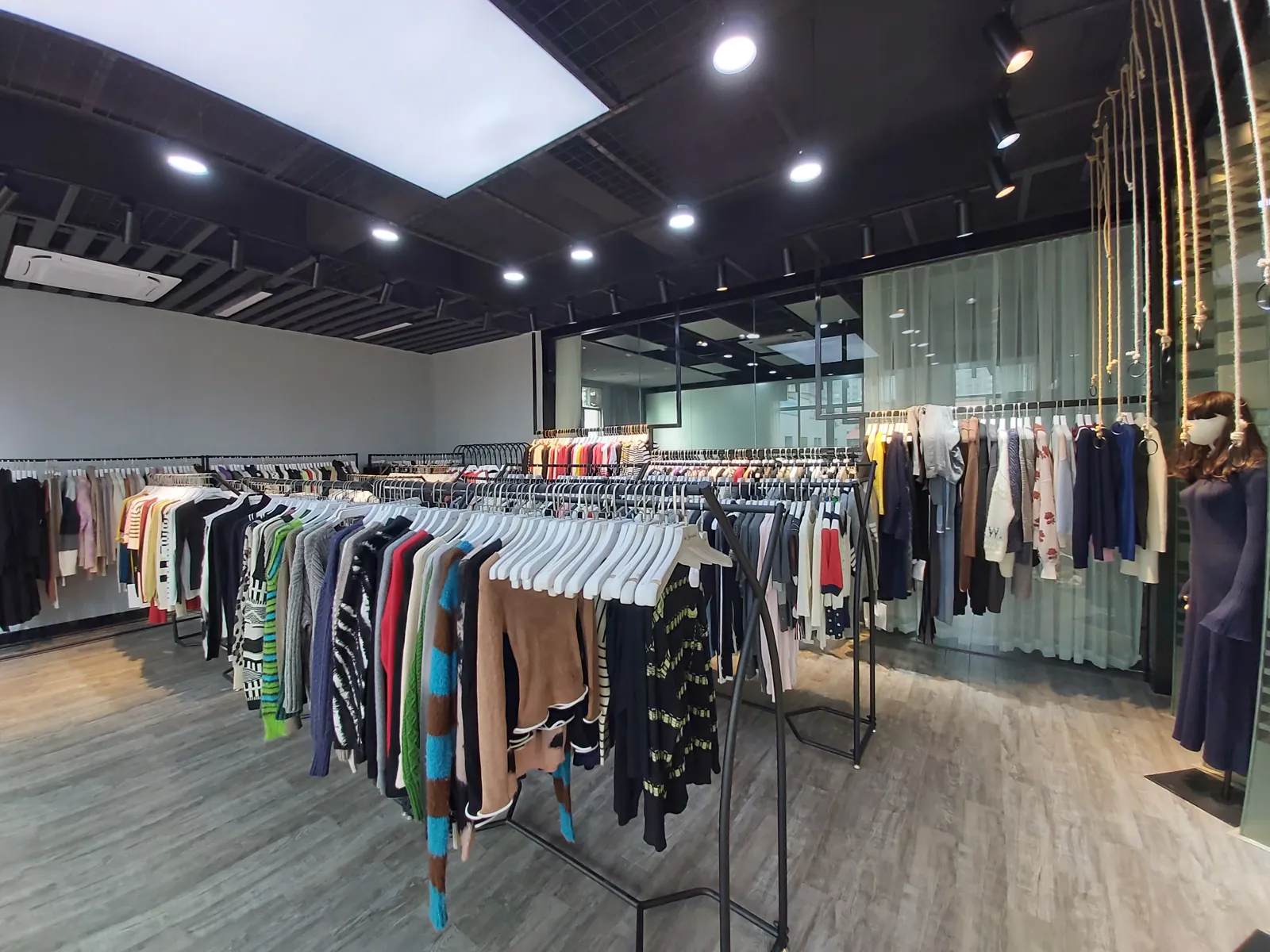
MOQ and lead time on cashmere are stricter than on cotton or acrylic programs because yarn must often be dyed to order and mills run on scheduled lots. The practical answer is that cashmere development should be planned at least four to five months ahead of the retail on-counter date, and MOQ flexibility depends on whether the buyer accepts stock yarn colors or requires custom dyeing.
Typical MOQ Bands
For a custom sweater program in cashmere, MOQ usually starts at 100 to 300 pieces per color per style when using stock yarn, and at 500 to 800 pieces per color when requiring lab-dipped custom colors. Smaller MOQs are sometimes possible during off-peak months but should not be assumed. Buyers planning capsule collections often combine multiple styles in the same yarn color to clear minimums.
Sampling Timeline
A realistic cashmere sampling cycle includes yarn sourcing at 7 to 14 days, lab dip approval at 10 to 14 days, proto sample at 10 to 15 days after yarn arrival, size set at 10 days, and gold seal at 7 to 10 days. Compressed timelines are possible but usually require paying for express yarn lots or accepting stock yarn colors.
Bulk Production and Shipping
Bulk lead time for cashmere knitwear typically runs 60 to 75 days after gold seal approval, depending on quantity, decoration, and packaging requirements. Sea freight from South China to Europe or the US East Coast adds another 30 to 40 days. Air freight is available but rarely commercially viable for cashmere at retail price points below mid-tier luxury.
Supplier Verification and Responsible Sourcing
Verifying a cashmere supplier is more than checking a factory audit certificate. Brands should review the full supply chain from herder to mill to knitter, because the most common issues with cashmere relate to fiber substitution and animal welfare claims at the raw material stage. The OECD Due Diligence Guidance for the garment and footwear sector outlines a practical framework for identifying and addressing these supply chain risks across multiple tiers.
What to Ask Beyond Standard Audits
Standard social audits cover the cut and sew or knitting factory but rarely reach the yarn mill or the fiber trader. Buyers should request the yarn mill name, the fiber origin region, and where possible the dehairing facility. For brands marketing premium knitwear with sustainability claims, traceability documentation from the mill is essential, not optional.
Reviewing Factory Capability
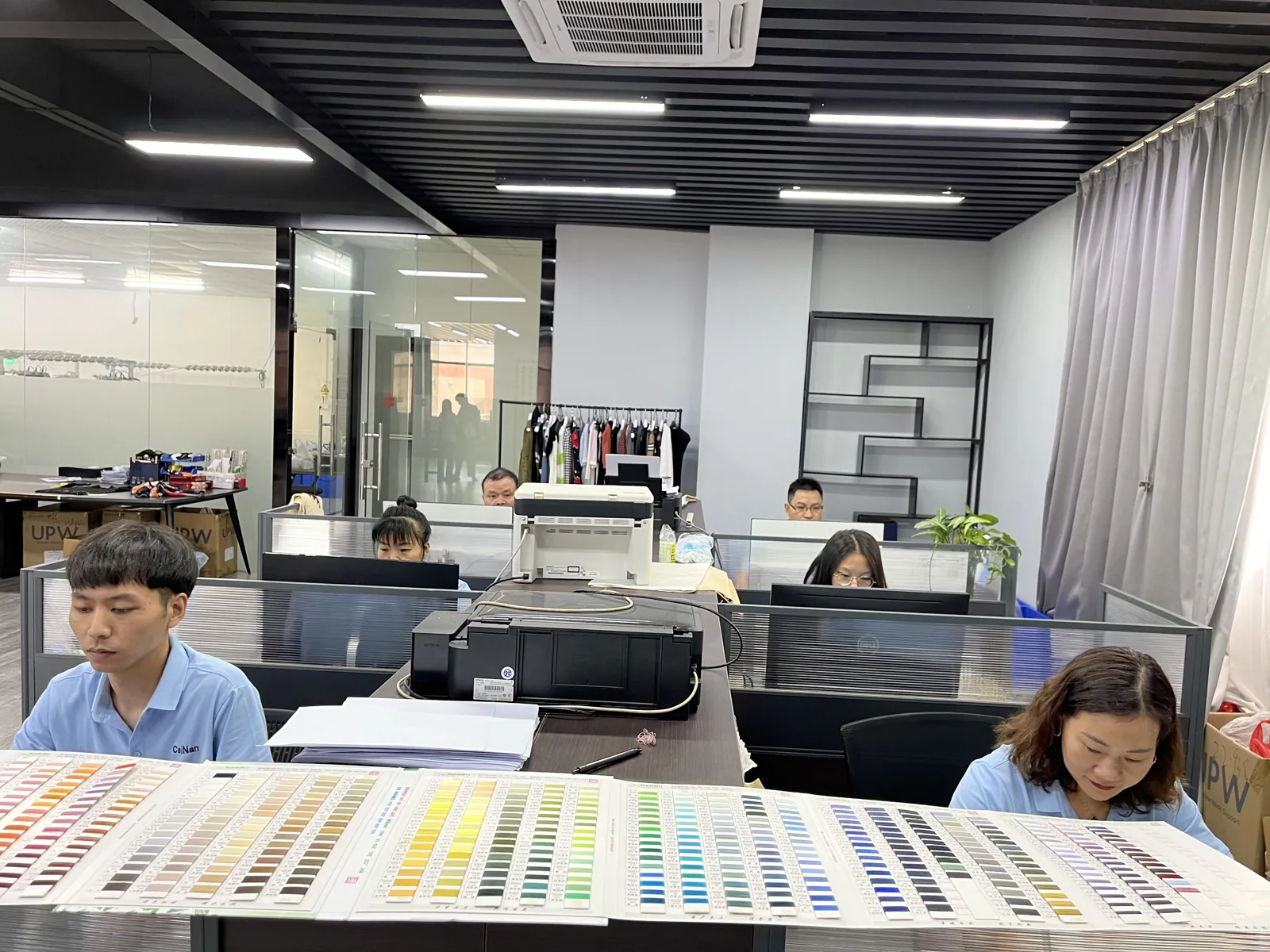
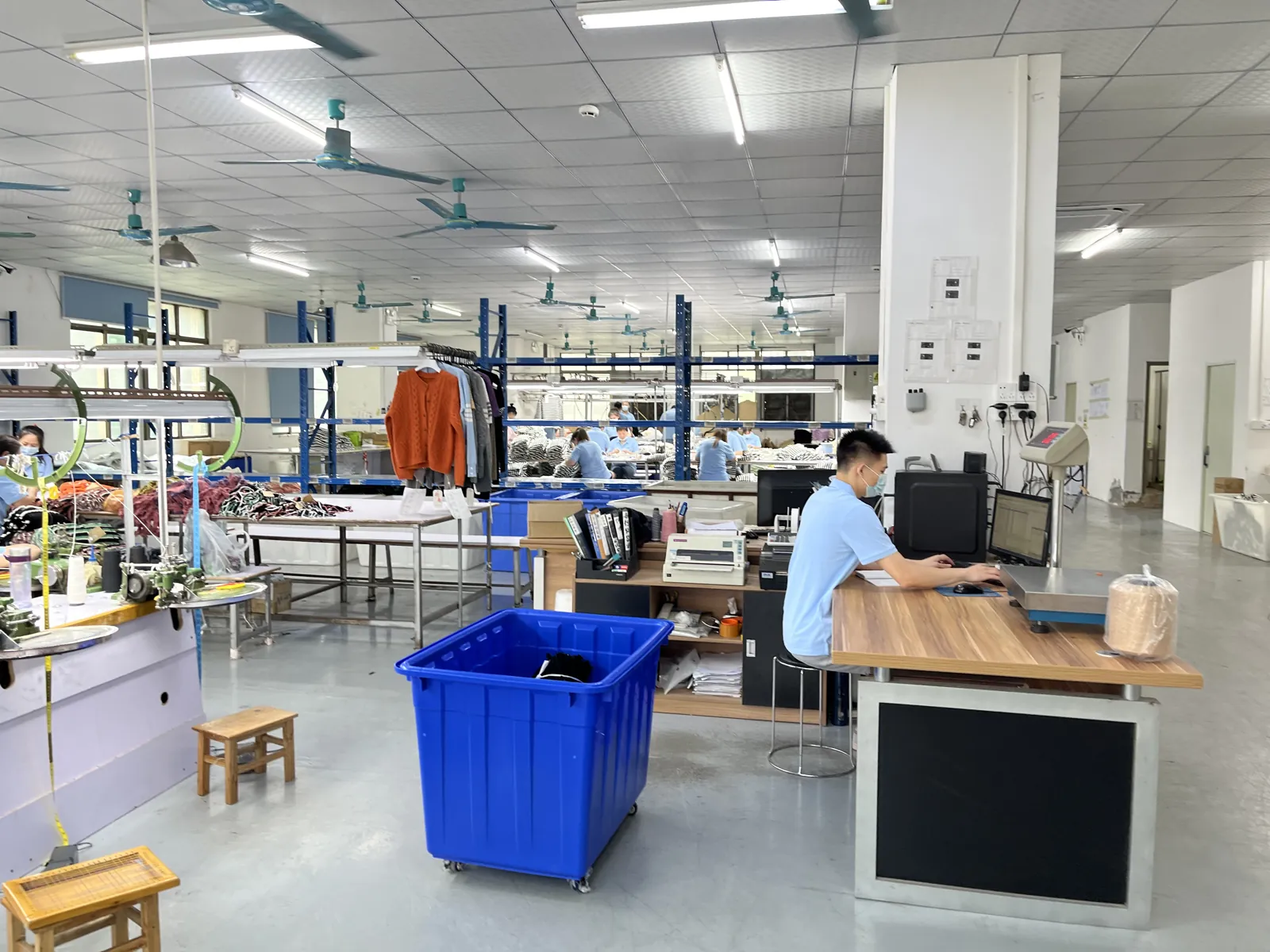
A capable cashmere factory should show its own sample room, in-house linking, in-house steaming, and trained QC inspectors. Outsourced linking is acceptable for volume balancing but should be disclosed. Buyers can review supplier capability on our sweaters production page and OEM and ODM development services to understand what a vertically integrated cashmere knitwear program looks like in practice.
Quality Control Checkpoints
A reasonable QC plan for cashmere includes yarn inspection on arrival, in-line knitting check, post-linking check, after-finishing inspection, and a final AQL 2.5 inspection before packing. Skipping any of these steps raises the risk of mixed-grade fiber, uneven stitch density, or missed linking faults reaching retail.
Conclusion
Sourcing cashmere knitwear well requires verification at every step from fiber origin to final inspection. Brands that lock composition, gauge, weight, hand feel, pilling targets, and wash performance against signed reference samples avoid most of the common problems that surface at retail. Programs that rely on price comparison alone tend to discover quality variation only after the first season of customer feedback, when correction is expensive and slow.
The factories best positioned to support premium cashmere programs are those willing to share yarn certificates, run pilling and shrinkage tests on production yarn, and commit to lot specifications on refill orders. If you are planning a cashmere development cycle, you can reach our cashmere knitwear team to discuss material options, gauge suggestions, and a sample planning timeline that fits your launch window. Ask for cashmere sweater material options, gauge suggestions, and sample planning advice.
FAQ
What is the typical MOQ for a custom cashmere sweater program? For stock yarn colors, MOQ usually starts at 100 to 300 pieces per color per style. For custom lab-dipped colors, MOQ generally moves to 500 to 800 pieces per color because yarn mills require minimum dye lot volumes. Combining multiple styles in the same color is the most practical way to manage minimums for capsule programs.
How long does cashmere sweater sampling take before bulk? A full sampling cycle including yarn sourcing, lab dip, proto sample, size set, and gold seal typically runs 8 to 12 weeks. Stock yarn shortens this significantly, while custom colors and complex stitch structures extend it. Planning sampling at least three months before bulk start is realistic for most cashmere programs.
What fiber content tests should we request on production yarn? Request a third-party fiber composition test from an accredited lab, a fiber length and micron report from the mill, and a pilling test such as Martindale on the production yarn. For sustainability claims, traceability documentation from the dehairing facility is also recommended.
How can we reduce pilling complaints on cashmere garments? Specify longer staple fiber, request a Martindale pilling grade of 3 to 4 minimum, lock the finishing process on the gold seal sample, and provide clear care instructions to end customers. Pilling cannot be eliminated on cashmere but the rate and appearance can be controlled.
What lead time should we plan for cashmere bulk production? Bulk production after gold seal approval typically runs 60 to 75 days, with sea freight adding another 30 to 40 days to Europe or the US. Brands should plan four to five months from gold seal to in-store date for a comfortable timeline.