 CN Sweaters
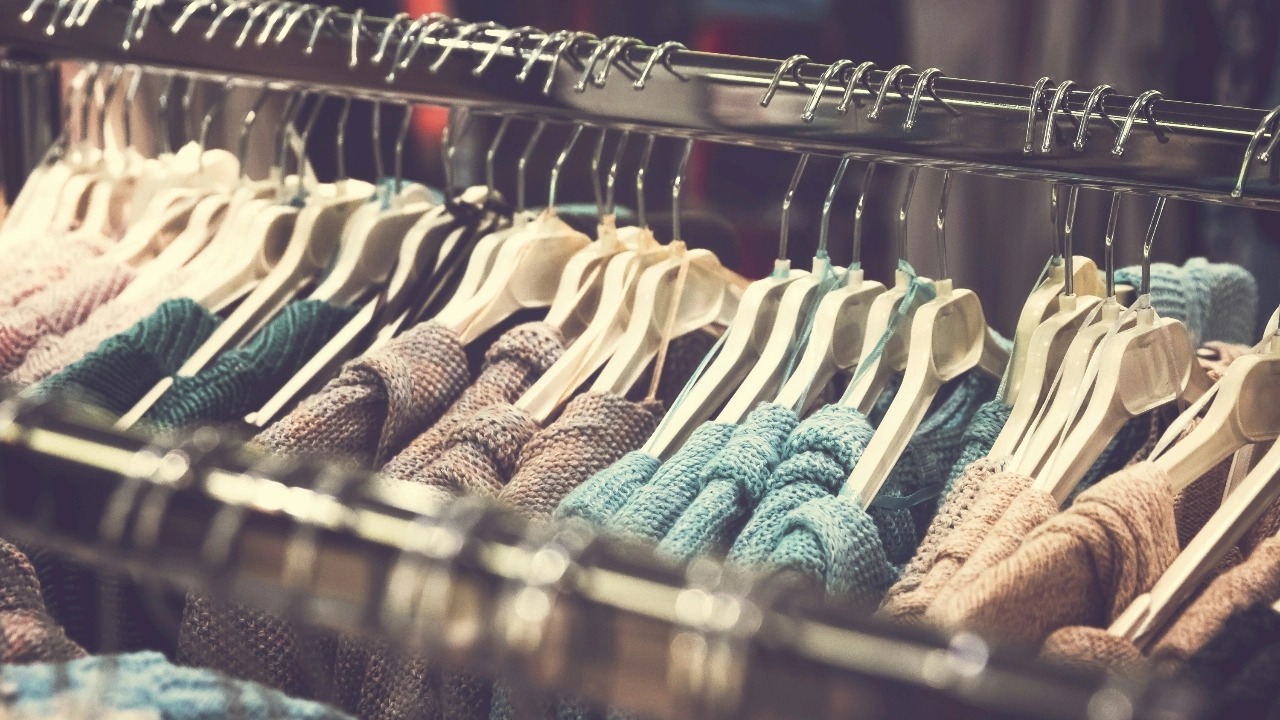
Before placing an order for bulk knit sweaters, the safer path is almost always a small, deliberate trial run rather than a full production commitment. A trial order lets a brand validate fit, yarn behaviour, color performance and real customer response on a handful of core styles, so the bigger investment in inventory, packaging and shipping is made with evidence rather than assumption.
This is especially important for startup labels, private label teams, small wholesalers, independent designers, retail buyers and product developers who are building a knitwear program for the first time. From a factory perspective, we see the same pattern again and again: brands that test 80–200 pieces across two or three styles can adjust their tech pack, sizing and price before committing to several thousand units. Brands that skip this step often end up with dead SKUs, mismatched size ratios or yarn choices that look good on the sample table but underperform on the rack.
A trial order is not a free sample run. Small batch custom knitwear still carries real fixed costs for yarn purchase, knitting machine set-up, linking, labels, packaging and inspection. Understanding where those costs sit, and which data points actually justify scaling up, is what separates a useful test from an expensive guess. The rest of this guide explains how we structure that test, what to measure, and how to move cleanly from trial to bulk knit sweaters without losing the quality you confirmed during sampling.
Why Test Before Ordering Bulk Knit Sweaters
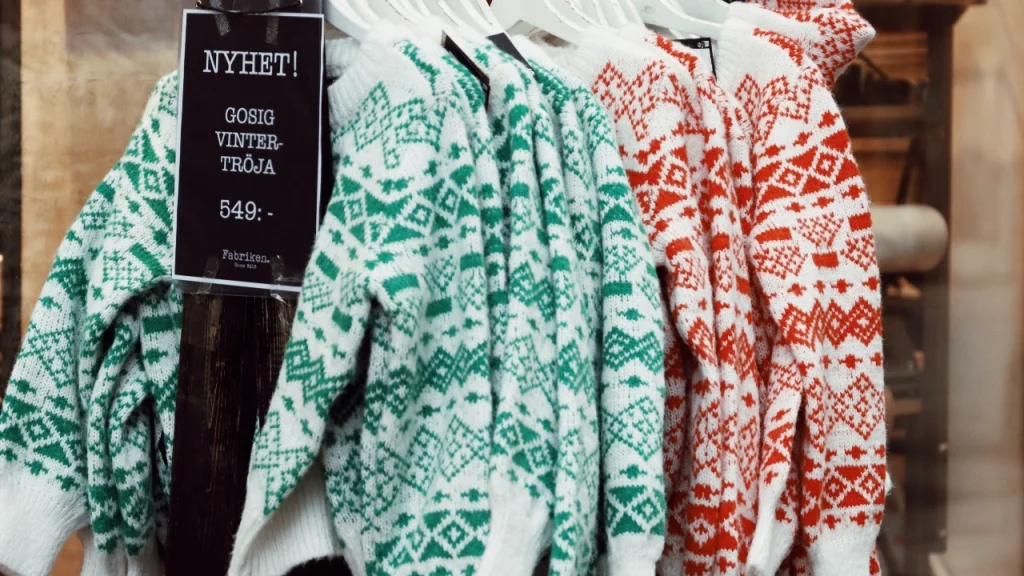
A trial order exists to remove the most expensive type of mistake in knitwear: buying inventory the market does not want. Before committing to bulk knit sweaters, a brand needs evidence on three things — the product itself (fit, hand feel, durability), the buyer (size split, color preference, price acceptance) and the supply chain (yarn availability, knitting consistency, lead time stability). Without that evidence, even a strong design can turn into slow-moving stock.
For B2B buyers, this matters because every unsold sweater carries storage cost, capital cost and markdown risk. A test run shifts that risk from a five-figure inventory decision to a much smaller one.
What a trial order is actually validating
A useful trial is not just “a smaller order”. It is a structured check on the assumptions in your tech pack. We typically ask buyers to confirm: which one or two silhouettes are the strongest, which yarn blend matches the target retail price, which two or three colors represent the seasonal range, and which size ratio reflects the target customer. When these are written down before knitting starts, the data coming back after sell-through is comparable and actionable.
When testing is worth the extra cost per unit
Trial production almost always has a higher unit price than bulk, because fixed costs are spread across fewer pieces. The trade-off is worth it when the brand is new to a category, entering a new market, launching a new yarn or fibre, or working with a custom knitwear program that has not been produced before. In those situations, the higher per-unit cost on the trial is usually smaller than the markdown risk on an untested bulk order. Once a style has proven sell-through, repeat orders move into normal MOQ economics and the unit cost drops.
How Many Styles and Units Should a Test Order Cover
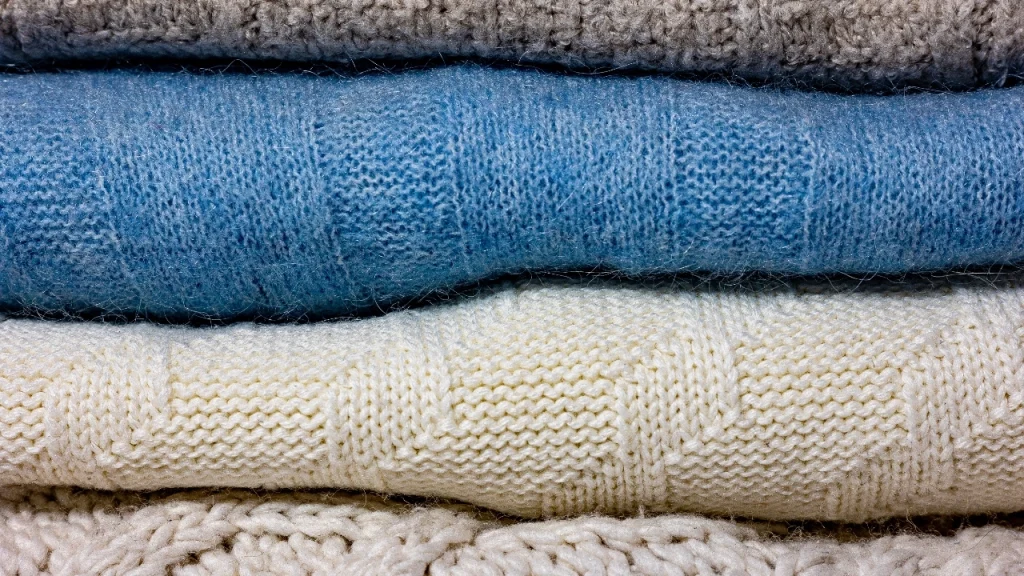
A practical trial order covers a narrow style range and a realistic, not symbolic, quantity. From our production experience, two to four core styles, two to three colors per style and a total volume in the range of roughly 100–300 pieces is usually enough to generate meaningful sell-through data without locking in unsold inventory. The exact split depends on price point, channel and how confident the buyer is in the design.
The goal is not to test everything. It is to test the styles most likely to anchor the next bulk knit sweaters order, so that scaling decisions rest on the strongest evidence.
Choosing core styles and a controlled color plan
We recommend selecting silhouettes that share construction logic — for example, a crew neck and a half-zip built on similar gauge and yarn — so the knitting set-up and quality benchmarks can be reused later. Colors should include one safe neutral, one seasonal accent and, where relevant, one brand signature. Maker’s Row’s production budgeting guidance makes a similar point for new brands: narrowing the first assortment to a small number of styles makes it easier to scale into the next season without rebuilding the entire pattern library.
Size ratio and how to set it for a first test
Size ratio is one of the most common reasons a trial looks successful on paper but produces a messy bulk re-order. A common starting point for unisex or relaxed knits is a bell curve around M and L, with smaller quantities at XS and XXL — but the right curve depends on the target customer. We ask buyers to send any existing sell-through data, returns data or size guide from comparable products before we lock the cut plan, so the test reflects real demand rather than a default ratio.
Why Small Batch Knit Production Is Not “No Minimum”
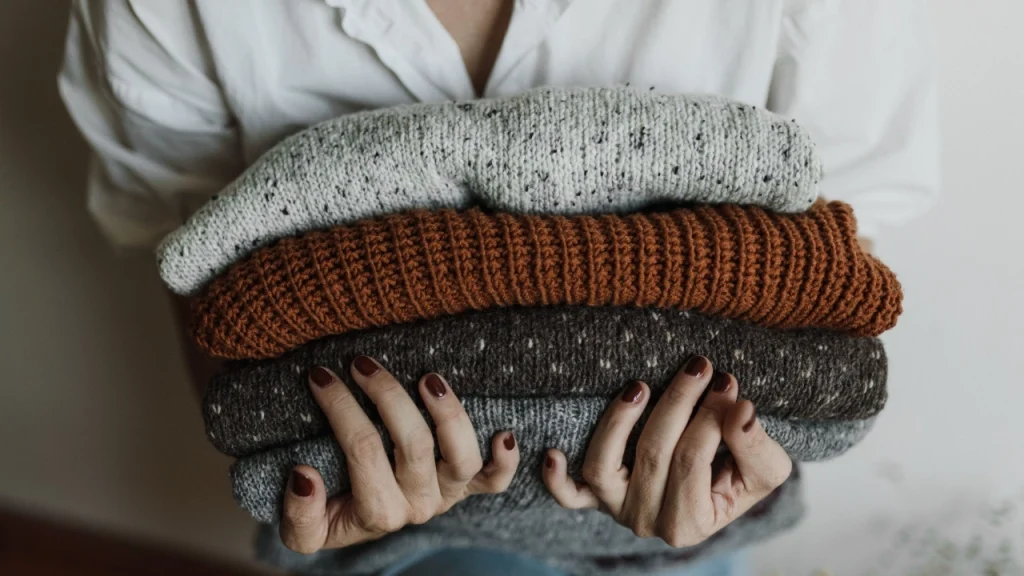
Small batch custom knit sweaters still carry fixed costs, which is why “no minimum” is rarely a realistic expectation in real knitwear manufacturing. Yarn has to be purchased in cones, knitting machines have to be programmed, linkers have to be set, labels and packaging have to be produced, and quality control still runs the same checkpoints whether the order is 80 pieces or 8,000. Those costs do not disappear at low quantities; they get distributed across fewer units.
For brands planning custom made sweaters, understanding this cost structure is what makes a trial order economically sensible rather than disappointing.
Where the fixed costs actually sit
The main fixed costs in a knitwear trial are yarn minimums (cone or dye-lot driven), pattern and programming time, sample development, branded labels and hangtags, polybags and cartons, and inspection. On top of that, factories absorb opportunity cost: a small run still occupies machines and operators that could be running a larger order. Maker’s Row’s manufacturing 101 overview notes the same logic for cut-and-sew apparel — a 20-unit run can cost a factory nearly as much to plan as a 200-unit run, because the set-up does not scale down linearly.
Below is a simplified comparison of how cost categories typically shift between a trial and a bulk knit sweaters order. Figures are illustrative and depend on yarn, gauge, branding and destination market.
| Cost Category | Trial Order (~150 pcs) | Bulk Order (~1,500 pcs) | What Changes at Scale |
|---|---|---|---|
| Yarn purchase | Cone or dye-lot minimum applies | Bought at production volume | Lower price per kg, custom dye possible |
| Machine set-up & programming | Spread across few units | Spread across full run | Set-up cost per piece drops sharply |
| Sampling & confirmation samples | Same number of samples | Same number of samples | Fixed regardless of run size |
| Labels, hangtags, polybags | Often above branded MOQ | Within branded MOQ | Per-unit branding cost decreases |
| Inspection & QC | Full process applied | Full process applied | Cost per piece drops with volume |
| Logistics | Often LCL or courier | FCL or consolidated freight | Lower freight cost per piece |
The pattern is consistent: the set-up and overhead costs are largely the same; only volume changes the per-piece economics. That is why a trial should be priced and planned as a learning investment, not as a discount round.
How to keep trial costs proportional
To control trial cost, we usually advise buyers to limit color count, reuse a single base construction across styles, and accept stock yarn rather than fully custom dye until the product is validated. Branded packaging can be ordered in a slightly higher quantity than the test itself, so it carries over into the first repeat order without re-tooling.
How to Sample, Approve and Lock Quality Before Bulk
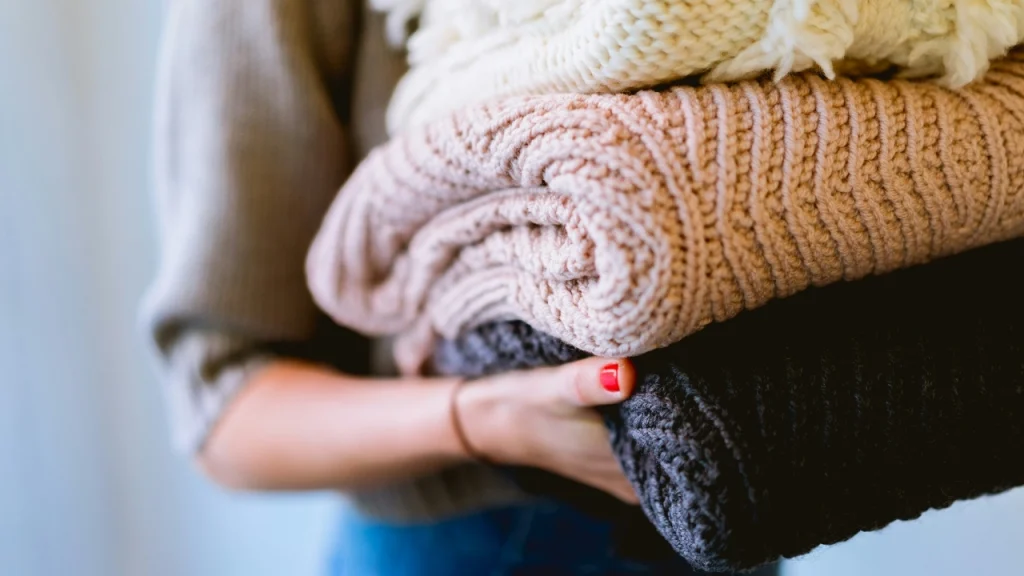
Sampling is the bridge between design and bulk knit sweaters, and the work done here directly controls whether the bulk run is reproducible. A typical knitwear sampling cycle moves through a proto sample, a fit or development sample and a pre-production (PP) sample, with measurement and yarn approval recorded at each step. Skipping or rushing any of these stages is one of the most common reasons “the sample looked perfect but the bulk feels different”.
A clear approval trail also protects the brand commercially, because everyone references the same physical and written standard.
Documents and physical references to keep
For every trial that we expect to scale, we keep a signed PP sample, a written tech pack with finished measurements and tolerances, a yarn card with composition and supplier reference, color lab dips with light-box conditions, and a packaging sample. These references become the baseline for repeat and bulk production. Maker’s Row’s apparel manufacturing process overview emphasises that most production problems come from misalignment between stages rather than a single failure point — locked references close those gaps.
Inspection points that matter for knitwear
For knitwear specifically, inspection should cover yarn count and composition, gauge and stitch density, finished measurements against the tech pack, seam and linking quality, shrinkage after washing, color consistency under standard lighting, and labelling. Third-party providers such as Intertek describe a similar structure across pre-production, in-line and pre-shipment inspection, with critical, major and minor defects classified separately so commercial decisions can be made on objective data. Aligning the factory’s internal quality control process with this framework keeps the trial and the eventual bulk run on the same standard.
What Data Should Decide Whether to Move to Bulk
The decision to scale from trial to bulk knit sweaters should rest on measurable sell-through and return data, not on internal enthusiasm. A trial that sold out quickly because it was discounted is not the same as one that sold through at full margin with low returns. We ask buyers to track a small but specific set of indicators before committing to repeat or bulk volumes.
If those indicators are not in place during the trial, the bulk decision is essentially a guess wearing more data.
Key sell-through and quality indicators
The most useful indicators we see brands use are sell-through rate by style and color over a defined window, full-price versus markdown share, return rate with reason codes, size-based return patterns, customer review themes (fit, hand feel, pilling, shrinkage), gross margin after returns, and inventory turn. When those numbers are read together, they usually point clearly to which SKUs deserve bulk volume, which need a small tweak, and which should be dropped.
When the trial says “do not scale yet”
Sometimes the right decision after a trial is to hold. Common signals include high size-specific returns (a fit issue, not a demand issue), color-driven returns (a dye or photography issue), strong reviews but weak sell-through (a pricing or marketing issue), or recurring quality complaints (a construction or yarn issue). Each of these has a different fix, and moving to bulk before fixing them tends to multiply the original problem across the new inventory.
How to Move Cleanly From Trial to Bulk Knit Sweaters
Once the data supports scaling, the move from trial to bulk knit sweaters should be a controlled re-order, not a fresh project. The factory should be working from the same approved PP sample, the same yarn reference, the same color standard and the same tech pack used in the trial. Anything that changes — yarn supplier, dye-lot, knitting machine, packaging spec — needs to be flagged and re-approved, because each change introduces a variable that can break the consistency the trial established.
Most “sample was perfect, bulk was off” complaints we see trace back to undocumented changes between these two stages.
Planning MOQ, lead time and repeat windows
For bulk planning, the buyer should align expected volume, target launch date and any repeat windows with the factory’s MOQ and capacity. As a rough working frame, knitwear bulk lead times typically run from sampling approval through yarn procurement, knitting, linking, washing, finishing, QC and shipping — and each stage has its own buffer. Realistic MOQ and lead time planning, agreed in writing, prevents the common situation where a successful trial is followed by a bulk order that misses the season because yarn or capacity was not reserved in time.
Keeping branding, packaging and compliance consistent
Branding and packaging should be locked at trial stage and carried into bulk without redesign. Care labels, fibre composition labels, country of origin and any market-specific compliance (for example, EU or US labelling requirements) should already have been verified on the trial units. Reusing those approved specs in bulk reduces the risk of last-minute rejections and keeps the visual identity consistent for customers who buy both the trial drop and the larger release.
Conclusion
Testing before committing to bulk knit sweaters is not a sign of caution — it is the standard way professional buyers de-risk a new knitwear program. A focused trial on two to four core styles, with a realistic quantity, a controlled color and size plan, locked samples and a defined set of sell-through indicators, turns the bulk decision from a bet into an informed re-order.
The brands that move smoothly from trial to bulk are the ones that treat the trial as a documentation exercise as much as a sales exercise: signed PP samples, written tech packs, yarn cards, color standards, packaging specs and QC records that the factory and the buyer can both reference later. If you are planning a knitwear launch and want to structure a workable trial-to-bulk path, you can share your project details directly with our team at Cnsweaters to review timing, quantities and specifications together.
FAQ
What is a realistic trial order size for custom knit sweaters before going to bulk? There is no single number, but for most new private label knitwear programs a trial of roughly 100–300 pieces across two to four core styles is enough to test sell-through, size ratio and color performance. Smaller trials are possible, but per-unit cost rises sharply because yarn, set-up and inspection costs are spread across fewer units.
Why does small batch custom knitwear still have minimums? Knitwear minimums exist because yarn is sold by cone or dye-lot, machines must be programmed for each style, and linking, washing, labelling and inspection all carry fixed labour cost. A small run uses the same set-up time as a larger one, so factories set MOQs that keep the work commercially viable for both sides.
How long does it take to move from trial to bulk knit sweaters? Once a trial is approved and sell-through data is in, a bulk re-order generally runs through yarn procurement, knitting, linking, washing, finishing and QC, followed by shipping. Lead time depends on yarn availability, gauge, decoration and destination, which is why MOQ and lead time should be confirmed in writing before launch dates are committed.
Which documents should I keep from a trial to protect bulk quality? At minimum: a signed pre-production sample, the final tech pack with measurements and tolerances, a yarn card with composition and supplier, approved color standards or lab dips, a packaging and label sample, and the inspection report. These references are what the factory uses to reproduce the trial quality in bulk.
Can I change yarn or color between trial and bulk? You can, but each change should be re-sampled and re-approved before bulk knitting starts. Yarn supplier, dye-lot and even a different knitting machine can affect hand feel, shrinkage and color. Treating every change as a small re-development step is what keeps the bulk run consistent with the trial that customers already validated.