 CN Sweaters
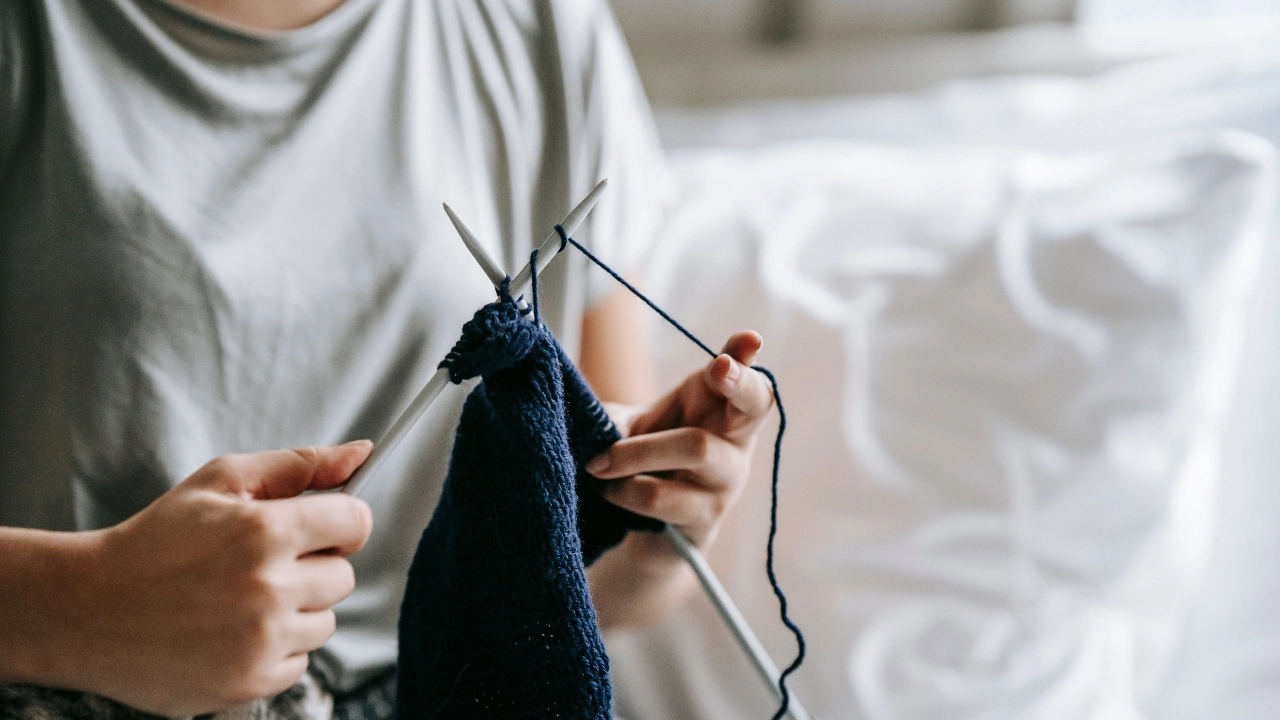
If you want to bring a custom knitwear program to market in one season instead of two, the most reliable shortcut is to build on a sweater factory’s existing styles rather than design every piece from a blank sheet. Starting from a proven base style cuts pattern risk, shortens sampling, and locks in production behavior the factory already understands.
That matters because most missed launch windows in knitwear are not caused by design ambition. They come from underestimating how long yarn sourcing, panel knitting, linking, washing, and quality control take when every parameter is new. A factory style carries its own development memory — gauge, shrinkage, seam allowance, washing recipe — and that memory is worth weeks. The harder part is knowing which factory styles fit your brand, which modifications stay inside an ODM workflow, and where you must still pay for full development to protect differentiation and avoid commodity-grade results.
Why Factory Styles Matter for Custom Knitwear Programs
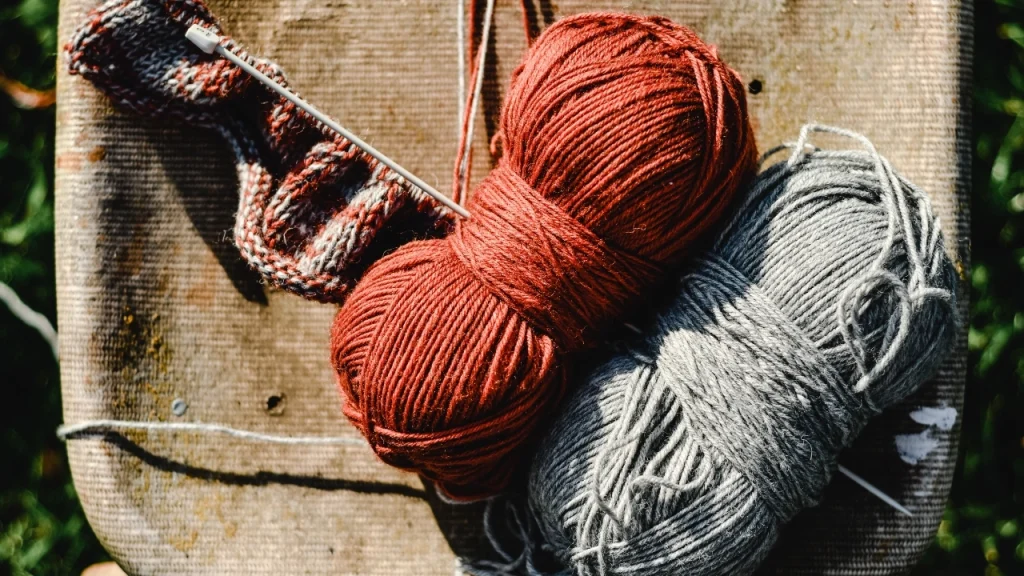
For most B2B buyers launching a small or mid-size knit collection, factory styles are the single biggest lever on speed and cost. We see it on the floor every season: programs that start from an existing block move from brief to bulk in noticeably fewer revisions than programs that try to invent structure, fit, and yarn at the same time.
The reason is structural. Knit garments are built loop by loop on flat-bed or circular machines, and machine gauge, needle action, and stitch length all interact with yarn count to determine hand feel, weight, and shrinkage. When a sweater factory already runs a style in 7gg or 12gg with a known yarn blend, the shrinkage curve, panel measurements, and linking tolerances are documented. A new style has to rediscover all of those values through sampling.
What a factory style actually is
A factory style is not a finished SKU waiting to be relabeled. It is a documented combination of pattern block, gauge, stitch structure, yarn family, and finishing recipe that the factory has produced in bulk before. The technical foundations — weft knitting on flat-bed machines, stitch transfers, ribbed trims — are well documented in published guides such as the CottonWorks sweater manufacturing basics, and a usable factory style brings those decisions out of theory and into a verified production record.
When to start from a factory style versus a blank sheet
From a factory perspective, a base style works well when your target silhouette, gauge band, and price tier overlap with something we already run. It works less well when you need a structure the factory has not knit before, a yarn class outside the existing supplier list, or a fit philosophy that conflicts with the block. In those cases, you are not really doing ODM — you are doing OEM on top of a factory reference, which costs more time and sampling.
How Do You Select the Right Base Style From a Knitwear Manufacturer
Selecting the right base is mostly a filtering exercise, and buyers who treat it that way avoid most rework. Start by narrowing the catalog to styles that match your silhouette family, gauge, and yarn class, then evaluate them against your market position and price ceiling. Pulling a style only because it looks like a reference image is the single most common reason ODM projects slide back into full development.
We usually ask buyers to confirm five things before requesting samples: target retail price band, intended end use (everyday layering, gift, transitional outerwear), fiber preference, acceptable gauge range, and the modifications you already know you want. With those, we can recommend two or three candidate styles per silhouette rather than sending the full catalog.
Reading factory style cards and tech packs
A useful style card from any knitwear manufacturer should show the style number, body and sleeve measurements per size, yarn composition and count, machine gauge, stitch structure, trim details, washing instructions, and a clear photo of the bulk-condition sample — not a styled lookbook shot. If you cannot match each of those fields to your brief, you do not have enough information to commit. Ask for the original size chart in cm rather than a converted retail size chart, and ask whether the listed measurements are pre-wash or finished.
Matching the base style to your market position
The same base body in 12gg fine merino and 5gg chunky acrylic blend serves very different shoppers. The planning questions in the CottonWorks guide to designing knit textiles — target market, end use, performance attributes, price point, and aesthetic direction — are the same ones we use when matching a buyer’s brief to a candidate factory style. If your retail target is a premium independent boutique, a factory style originally built for a value chain may not survive the yarn upgrade without re-engineering the gauge.
Which Modifications Fit ODM and Which Need Full Development
The single decision that controls your timeline is where you draw the line between ODM modification and full development. As a rule, anything that keeps the existing pattern block, gauge, and stitch geometry can usually be handled inside an ODM workflow. Anything that rewrites how the panels are knit usually triggers a new development cycle, with its own sampling rounds and its own risk profile.
The table below summarizes the boundary we see most often when reviewing buyer briefs against factory styles. The classification is a working guideline — every project has edge cases, especially at the chunkier gauges or in styles with complex trims.
| Change request | Typical workflow | Lead time impact | Risk level |
|---|---|---|---|
| Yarn color change, same yarn family | ODM, lab dip only | Minimal | Low |
| Yarn composition swap within same count and gauge | ODM with hand-feel sample | Small to moderate | Low to moderate |
| Logo, woven label, hangtag, packaging change | ODM, branding sample | Minimal | Low |
| Neckline or sleeve length adjustment within block | ODM, fit sample | Small | Low to moderate |
| Body length, ease, or size range extension | ODM with new size set | Moderate | Moderate |
| New stitch pattern, cable, jacquard, or intarsia | Full development | Significant | Moderate to high |
| New gauge, new yarn count, or new silhouette | Full development | Significant | High |
The pattern is consistent: changes that stay inside the existing gauge and pattern block move quickly because the factory does not have to re-engineer panel counts, shrinkage allowances, or linking tolerances. Once those parameters shift, you are funding a new style, even if it visually resembles an existing one.
Low-risk changes that move fast
Color swaps, label and packaging changes, small trim adjustments, and minor measurement tweaks are usually the safest ODM modifications. We can typically deliver a confirmation sample for these on top of an existing style without rewriting the bill of materials, and bulk behavior is predictable because the underlying construction is unchanged.
Changes that quietly trigger a new development cycle
The riskier cases are the ones that sound small in the brief but rebuild the garment underneath. Replacing a 2/26Nm merino with a heavier wool/nylon blend at the same gauge changes drape, weight, and shrinkage. Adding a cable across the front panel changes panel width even if the body measurement is “the same.” Buyers who plan these as ODM tweaks often discover the timeline only after the first sample is rejected. For projects in this category, you should expect a full OEM workflow, the kind documented under our OEM and ODM services.
What Are the Cost and Lead Time Trade-offs for Custom Knit Sweaters
The honest trade-off is this: starting from a factory style usually lowers your sampling cost, shortens lead time, and protects bulk consistency, but it constrains how distinctive your final garment can be. Starting from scratch maximizes design freedom but exposes you to more sampling cycles, longer development, and a higher risk of bulk variation against the approved sample.
For most first-season private label programs and refill-driven wholesale ranges, the trade is worth it. For brands whose differentiation depends on a proprietary stitch or silhouette, it is not, and a hybrid approach — factory-style trims and finishing, custom panels — often makes more sense.
Sampling, MOQ, and price impact for custom knit sweaters
Sampling for an ODM modification is normally faster and less expensive than sampling a new style because the panel charts and washing recipe already exist. MOQ behavior, however, depends mostly on yarn — not on whether the style is ODM or OEM. If your modification requires a yarn the factory does not stock, MOQ is set by the mill’s minimum dye lot rather than by the garment quantity. Buyers planning custom knit sweaters wholesale for a multi-color drop should ask early whether all chosen colors share the same dye lot minimum, because that single answer often reshapes the entire buy plan. Our standard quantity bands and timing assumptions are published under our MOQ and lead time page, and we recommend treating them as planning baselines, not fixed quotes.
Lead time differences from base style to bulk
Sample lead time for a confirmation off a factory style is typically shorter than for a fully new development, because we are validating modifications rather than discovering parameters. Bulk lead time depends mainly on yarn availability, order size, and the knitting and linking queue rather than on whether the style is ODM or OEM. The most common overrun we see is not knitting — it is yarn delivery from upstream mills.
How to Brief Knitwear Manufacturers for Custom Sweaters Wholesale
A clear brief saves more time than any production optimization. From a factory perspective, the briefs that move quickly all share the same shape: they tell us what the buyer has decided, what is still open, and what the constraints are, in that order. Briefs that read like a wish list without constraints almost always trigger a second clarification round before sampling starts.
If you are sourcing wholesale custom sweaters across several silhouettes — pullovers, cardigans, vests — send one consolidated brief per silhouette rather than mixing them into a single document. Different silhouettes touch different production lines and different style cards, and bundling them slows the response.
Information you should send with every brief
A workable brief includes target market and channel, target retail price or landed cost ceiling, preferred silhouette and any reference images with the factory style number where known, yarn or fiber preference, gauge preference if any, required size range and grading rules, target quantity per color and per size, decoration requirements, packaging requirements, and the launch or delivery date. If you also have brand-specific requirements such as preferred care labels, neck tape colors, or compliance documents, include them upfront so they are priced and planned, not bolted on at the end. Buyers who want to anchor briefs against a current range can browse our knit cardigans and broader knitwear product range before writing the document.
What to request back from the knitwear manufacturer
Ask the factory to return: candidate style numbers, full size chart in cm, yarn composition and count, gauge, available colors and any dye lot minimums, sample lead time, bulk lead time at your quantity, ex-works price at the requested quantity and any nearby quantity bands, and a clear list of which of your requested modifications fall inside ODM and which require full development. That last point is where most schedule slippage hides, and asking for it in writing forces an early decision rather than a mid-sampling discovery.
How Do You Protect Brand Differentiation in ODM Custom Sweaters
ODM speed is only an advantage if your final product still feels like your brand, not a relabeled version of someone else’s. The risk is real: a factory style available to one buyer is usually available to others, and a program built only on color and label changes can land in the market next to a near-identical garment from a competitor. We have seen this happen often enough that we now flag it during style selection, not after bulk.
The practical answer is to combine ODM efficiency with at least one meaningful proprietary element — a trim treatment, a stitch detail, a unique color palette developed against a specific reference, a defined fit adjustment, or a packaging system that ships with the garment.
Avoiding the recolor-and-relabel trap
A useful test before approving an ODM style: if a competitor sourced the same base, could a shopper still tell the two apart in a flat lay photograph? If the answer is no, the project needs at least one structural or visual change beyond color and label. That change can still sit inside an ODM workflow — a different rib height, a contrast neck tape, a specific wash finish — but it has to be specified, sampled, and documented.
Locking exclusivity and version control
Ask the factory in writing what exclusivity, if any, applies to the modified version. In most cases the underlying base style is not exclusive, but the specific modified version, including your panel adjustments, color call-outs, and trims, can be reserved for your brand within agreed markets or for an agreed period. Pair that with version control — a fixed approved sample, an approved size set, and inspection criteria that match the approved sample, aligned with how we run knitwear quality control and consistent with the inspection logic described in the Intertek textile and apparel inspection framework — and bulk variation against your approved version becomes much easier to challenge.
Conclusion
Factory styles are the fastest reliable path from brief to bulk for most custom knitwear programs, but only when buyers treat them as a starting block rather than a finished product. The work that makes the speed real happens before sampling: filtering candidate styles against your market and price, drawing a clear line between ODM modifications and changes that need full development, and committing in writing to exclusivity, modifications, and inspection criteria. Done that way, you reduce sampling rounds, protect bulk consistency, and still build a recognizably branded range. Send your target market, preferred sweater type, reference images, required modifications, yarn preference, size range, target quantity, price range, packaging requirements, and launch date through our contact channel for custom knitwear programs to review suitable factory styles for your collection.
FAQ
What is a realistic MOQ when starting from a factory style?
MOQ depends mostly on yarn dye lot minimums rather than on the style itself. For stocked yarns and standard colors, MOQ per size per color can be modest, but a custom-dyed color usually carries a higher minimum tied to the mill’s smallest dye lot. We confirm both the per-color and per-size minimums in writing before you finalize the buy plan, because a multi-color drop can shift the total commitment significantly.
How long does sampling take if we only change color and labels?
A confirmation sample for color, label, and packaging changes on top of an existing factory style normally moves faster than a new-style sample, because the panel charts and washing recipe already exist. Exact timing depends on yarn availability and current sampling queue, so we share a specific date once the brief and base style are confirmed.
Can we mix ODM modifications and one fully developed style in the same order?
Yes, and it is a common pattern. Buyers often use ODM modifications for core basics and reserve full development for one or two signature pieces. The mixed approach controls overall lead time while still giving the range a distinct anchor, but the fully developed style usually sets the slowest milestone, so plan the calendar around it.
Who owns the modified version of a factory style?
The base style is typically not exclusive, but the modified version — your specific measurements, colors, trims, and labels — can be reserved for your brand within agreed scope. We recommend documenting market, channel, and time-frame exclusivity in the order confirmation rather than relying on a verbal understanding.
What inspection coverage should we ask for on ODM custom sweaters?
At minimum, request pre-production checks on yarn and trims, an in-line check during knitting and linking, and a pre-shipment inspection against the approved sample and an agreed AQL level. For first-time programs, adding an in-line garment check before linking and washing helps catch panel issues while they are still correctable.