 CN Sweaters
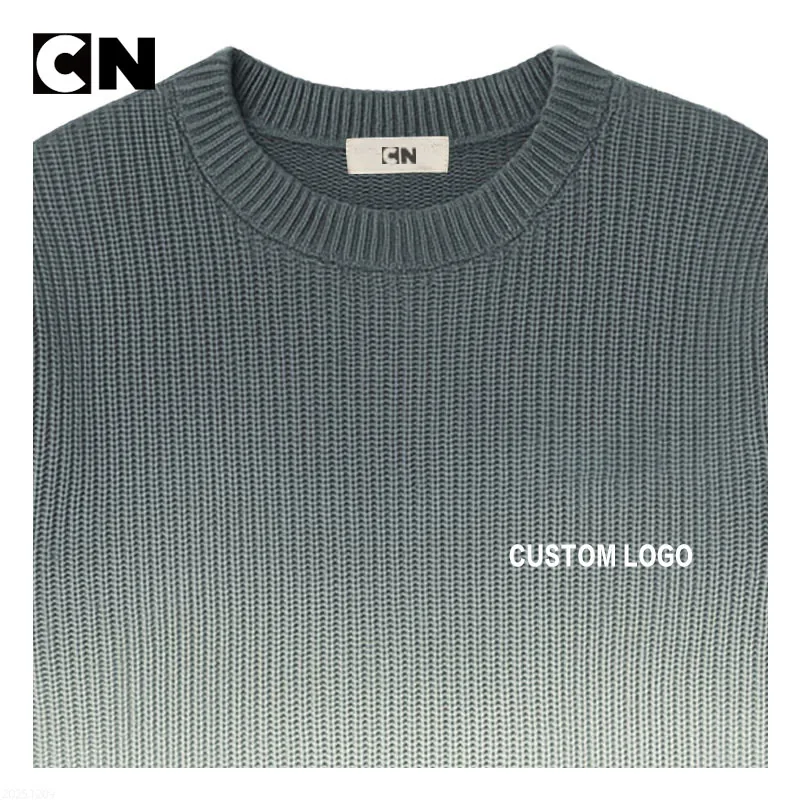
If you are sourcing wholesale mens knitwear for your brand, the real challenge is not finding a factory that can knit sweaters. It is finding one that can turn your product idea into a repeatable business result. For most buyers, that means stable fit, workable MOQ, clear sampling, reliable labeling, and fewer surprises when it is time to reorder.
From a factory perspective, wholesale mens knitwear for private label works best when both sides are clear about the commercial goal. Some buyers need a low-risk launch with a few core styles. Others need a supplier that can support replenishment, retail-ready packaging, and long-term consistency. Those are different projects, even if both start with the same product category.
This is why sourcing should begin with process fit, not just product images. A supplier that already offers structured OEM / ODM knitwear services and category-specific sweater development is usually easier to work with than one that only shows finished styles without explaining how approvals, production control, and shipment are handled.
Who Should Use Private Label for Wholesale Mens Knitwear
Private label is not the best choice for every buyer. It makes the most sense when you want control over branding, fit, packaging, and product direction, but you do not want to build an internal development and production team from scratch.
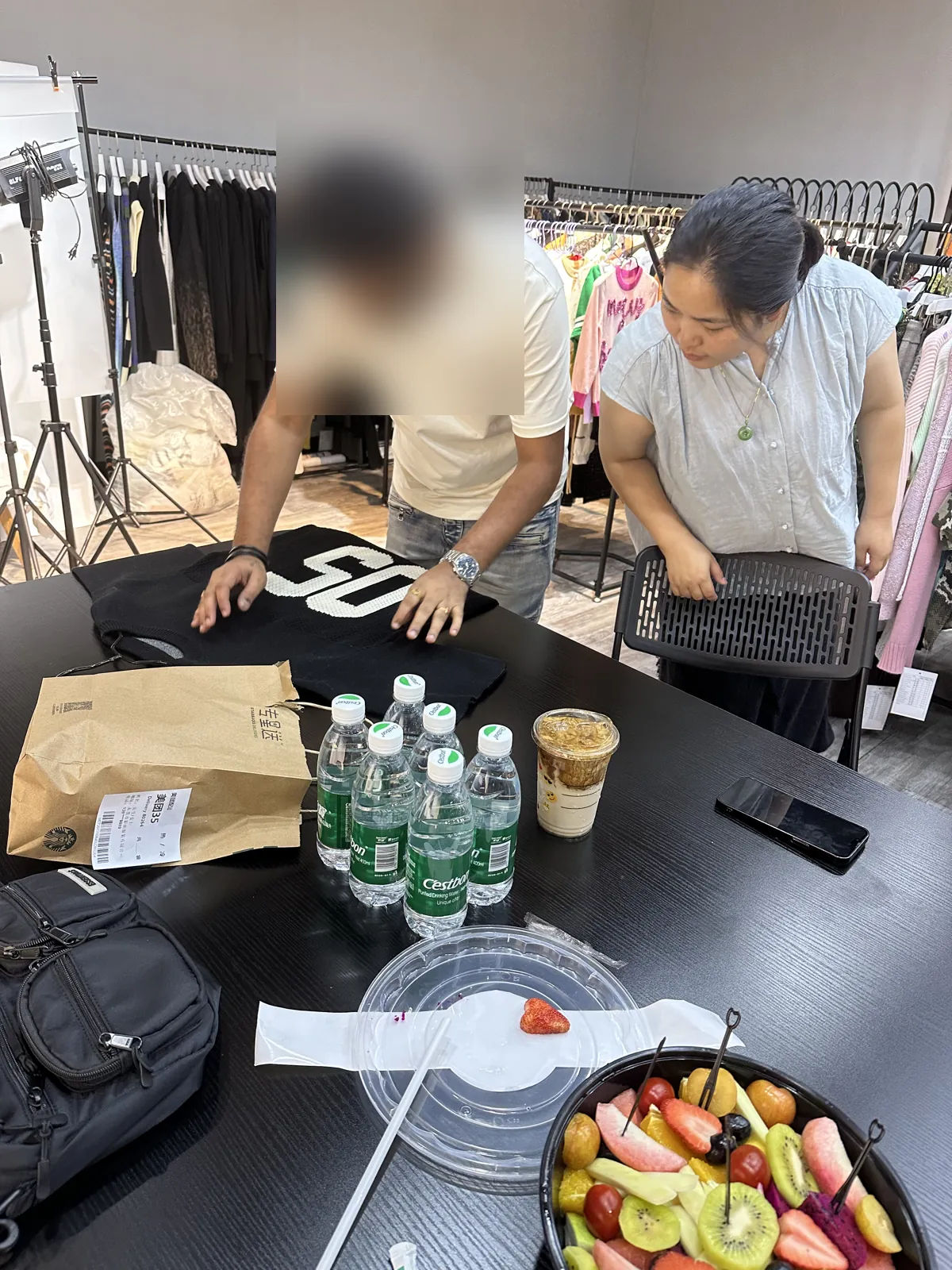
When private label is better than buying ready stock
Ready stock can be useful if your priority is speed and low commitment. It may work for quick sales tests or short-term gaps in inventory. But once you want your own neck label, your own packaging system, your own size logic, or your own yarn direction, stock programs start to feel limiting.
Private label gives you more control over what your customer actually receives. That matters in menswear because small details shape whether a style can be reordered with confidence. If a pullover sells well, you need to know the next order will land with similar hand-feel, measurement balance, and overall finish. That is much easier when the supplier is set up for custom development rather than just off-the-shelf trading.
Why menswear buyers often think differently from womenswear buyers
There is some overlap between wholesale mens knitwear and wholesale womens knitwear, especially when the same factory makes both categories. But the buying logic is not always the same.
Women’s knitwear often moves faster on silhouette shifts, seasonal color direction, and trend-driven details. Men’s knitwear is more often judged by repeatability. Buyers usually care about whether the fit stays commercial, whether the yarn feels consistent across colors, and whether repeat orders can be handled without rebuilding the style from zero.
That does not make menswear easier. In many cases, it makes it less forgiving. A fashion-led women’s item may be replaced next season. A core men’s program often has to stay dependable long enough to support restocks, wholesale accounts, and long-term buyers.
What kind of buyer benefits most
Private label mens knitwear is usually a strong fit for:
- brand owners building a core knitwear line
- wholesalers who want their own label instead of generic supply
- distributors who need repeatable sizing and packaging standards
- sourcing managers comparing factories for long-term use
- product developers planning seasonal knit programs with room to reorder
If your business depends on stable carryover items, then a supplier’s process matters more than their sample room enthusiasm.
What to Check in a Wholesale Mens Knitwear Supplier
A supplier should not be judged by catalog size alone. A large catalog may prove machine capacity or design coverage, but it does not tell you how well the factory handles risk. In knitwear, the real work sits behind the product photo.
MOQ is not just a number
Many buyers start by asking for the lowest MOQ. That is understandable, but it is usually the wrong first question. The better question is how MOQ is structured.
In knitwear, minimums are often influenced by style, color count, yarn booking, gauge, and production setup. A supplier may be flexible on simple carryover yarns but stricter on custom-dyed yarns or complex structures. That difference matters more than a headline number.
If you are buying bulk knit sweaters, the right MOQ is the one that fits your launch plan and margin logic. A first order for market testing should not be built like a full seasonal program. A replenishment style should not be priced like a one-time development experiment. Good suppliers will explain those trade-offs instead of giving one vague answer that sounds attractive but solves nothing.
Sampling matters more than sample speed in wholesale mens knitwear programs
A fast sample can be useful, but a clear sample workflow is more valuable. The key issue is not only how quickly the first sample arrives. It is whether the supplier has a process for comments, revision, and approval before bulk starts.
In a workable knitwear workflow, you usually need alignment on yarn direction, gauge, construction, measurement logic, and branding details before production is booked. If any of those points stay vague, the bulk order will carry that vagueness with it.
This is one reason it helps to work with a factory that already presents a structured sampling and production process. Buyers do not need a complicated system. They need a visible one. If the factory cannot explain how a style moves from RFQ to sample approval to bulk, then the buyer is usually the one carrying the hidden risk.
Gauge, yarn, and construction change everything
A sweater is not just a sweater. In sourcing terms, gauge, yarn, and construction shape cost, lead time, appearance, fit, and performance.
A heavier gauge may deliver stronger texture and a more obvious winter look, but it also changes yarn use, piece weight, and price positioning. A fine gauge may look more refined, but it usually demands tighter tolerance control and more planning. Fully fashioned construction may support a cleaner premium finish, while other construction methods may fit more cost-driven programs.
That is why buyers should not ask only whether a factory can make a reference style. They should ask how the factory would make it, and what they would change if price, hand-feel, or production stability becomes a concern. A supplier with real knitwear experience should be able to discuss those points naturally, especially across categories such as core sweaters and zip knitwear or knitted hoodies.
How Private Label Services Affect Real Business Results in wholesale mens knitwear programs
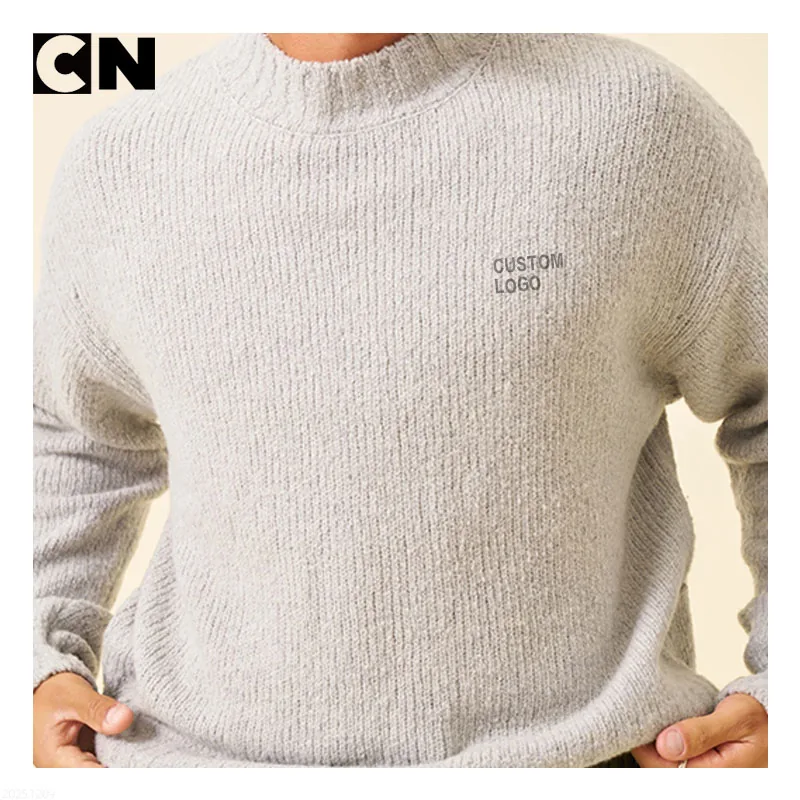
Private label services are often treated as branding extras. In reality, they are part of commercial execution. If the labels are wrong, the packaging is unclear, or the carton marks do not match the order requirement, the problem does not stay in production. It moves downstream into warehousing, customs, retail compliance, and customer complaints.
What private label should actually include
At a practical level, private label support usually covers neck labels, care labels, hangtags, size stickers, polybags, and shipping marks. Depending on your sales channel, it may also need barcode setup, folding instructions, carton labeling, or retailer-specific packing details.
The important point is not whether a factory says yes to private label. The important point is whether they treat it as a controlled part of the order. A supplier that handles branding execution through a defined private label production workflow is usually safer than one that simply says custom labels are possible.
Why label and packaging errors are expensive
Label and packaging mistakes create costs that are easy to underestimate. A wrong size sticker can disrupt warehouse receiving. An incorrect carton mark can slow shipment handling. A missing care label can become a compliance issue instead of a simple trim problem.
For buyers shipping into the U.S., this matters even more. The FTC apparel labeling guidance makes clear that most textile and wool products need fiber content, country of origin, and responsible company identification, while garment care instructions are covered under the FTC Care Labeling Rule guidance. Even if you are not selling in the U.S., these are useful standards to keep in mind when setting up private label knitwear.
How to keep branding realistic on the first order
One common sourcing mistake is adding too much customization too early. Buyers sometimes try to personalize every possible detail on the opening order, then discover that the real pressure point was not packaging aesthetics but fit approval, yarn timing, or quality consistency.
In most first orders, it is better to keep the branding clean and controlled. Use one clear label system, one approved folding method, one carton marking format, and a packaging setup that your team can actually manage later on repeat orders. Once the style proves itself commercially, it becomes easier to expand the trim and packaging complexity without slowing the business.
How to Manage Wholesale Mens Knitwear Lead Time and Quality
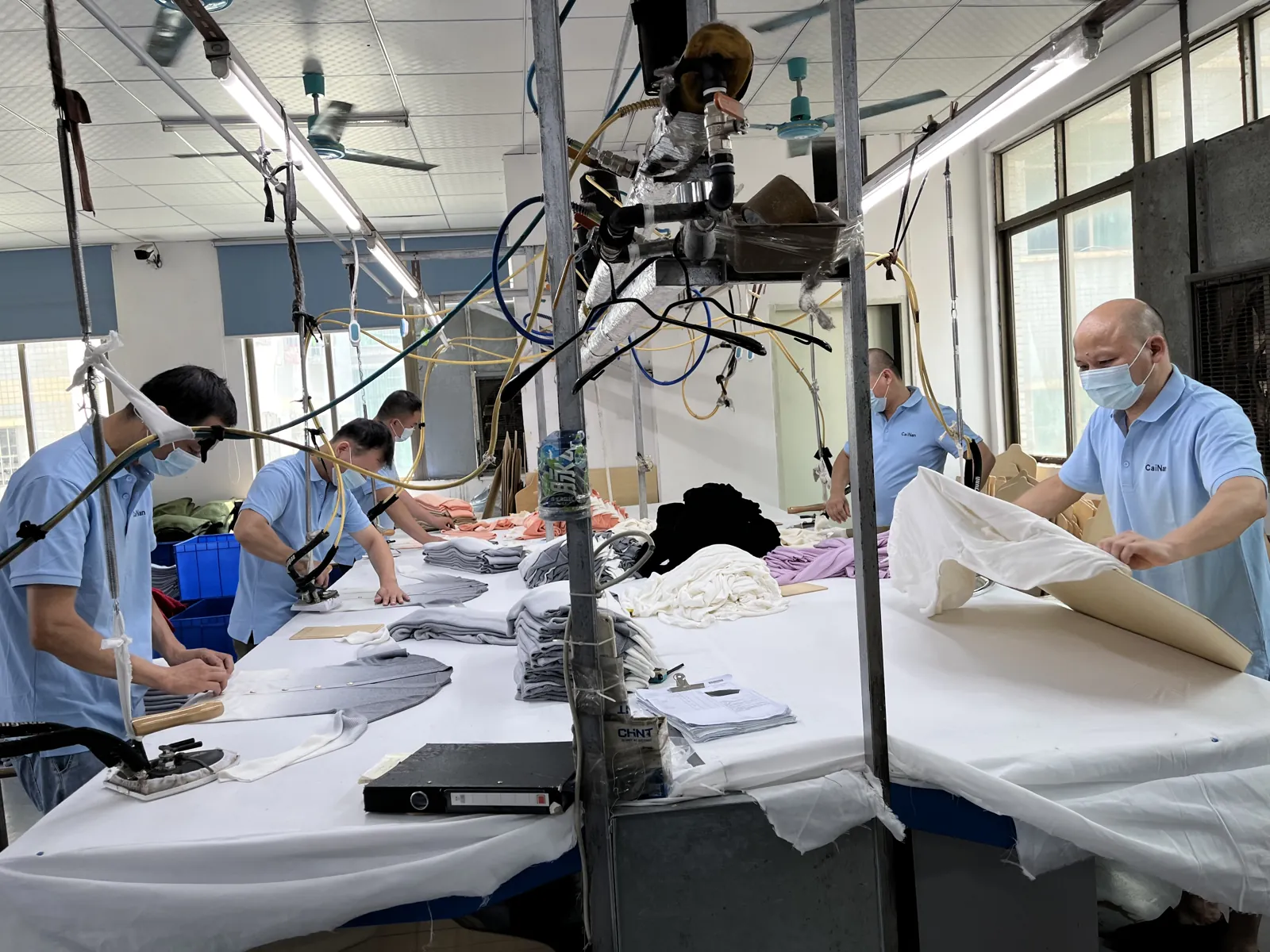
For most buyers, the first order is only part of the decision. The bigger question is whether the supplier becomes easier to work with after the first order, or harder. That depends on lead time discipline, quality control, and how repeat orders are handled.
Lead time should be planned as a chain
Lead time is often discussed too casually in sourcing conversations. Buyers hear one number and assume the project is under control. But knitwear timing is usually a chain of steps: yarn confirmation, sample making, comments, revision, PP approval, production slotting, finishing, and shipment.
If one stage slips, the whole plan shifts. That is why it helps to clarify not only the sample window but also when bulk is realistically booked, what causes delay, and how peak season affects yarn and factory capacity.
If you are also aligning shipping responsibilities, it helps to define them early using a framework such as Incoterms 2020. Too many sourcing problems are blamed on the factory when the real issue was unclear responsibility for freight, customs timing, or handover conditions.
The quality risks that matter most in mens knitwear
The most common quality problems in knitwear are usually not dramatic factory failures. They are small inconsistencies that hurt trust.
Pilling may appear faster than expected. A color may feel slightly different in hand than the approved sample. A chest width may run too loose in bulk. Linking and seam finish may look cleaner on one color than another. In zip styles, waviness or imbalance can make a garment feel cheaper than it should.
These are exactly the types of issues buyers should discuss before bulk starts. A supplier with category coverage across sweaters and hoodies and zip knitwear should be able to explain where the risk sits and what can be controlled through yarn choice, construction, finishing, and inspection.
For wool-based programs, it also helps to think beyond appearance. The testing logic used by the Woolmark certification framework is useful because it focuses on practical issues such as wool content, durability, colorfastness, and laundry performance. Even when a program is not built around Woolmark licensing, the quality questions behind that framework are still relevant.
What makes repeat orders easier in wholesale mens knitwear programs
Repeat orders become easier when the factory stores the right information and treats the first production as a foundation, not a one-off job. That means keeping approved specs, yarn references, color standards, trim details, and packing requirements organized for future use.
From a buying perspective, a refill order should not feel like restarting the project. If it does, something was not documented well enough the first time. A reliable supplier should be able to pull up the approved version, confirm any update, and move forward with fewer unknowns than on the opening order.
This is where factories with broader development capability can also help. If your men’s line expands into layered styles, coordinated sets, or more specialized development, a supplier that already handles custom knit projects may support that growth more smoothly than a factory built only for standard pullovers.
A Simple Way to Build a Smarter Buying Plan
For wholesale mens knitwear, the strongest sourcing decisions usually start with a short internal brief, not a long supplier chase. Before asking for quotes, decide what you are really trying to build.
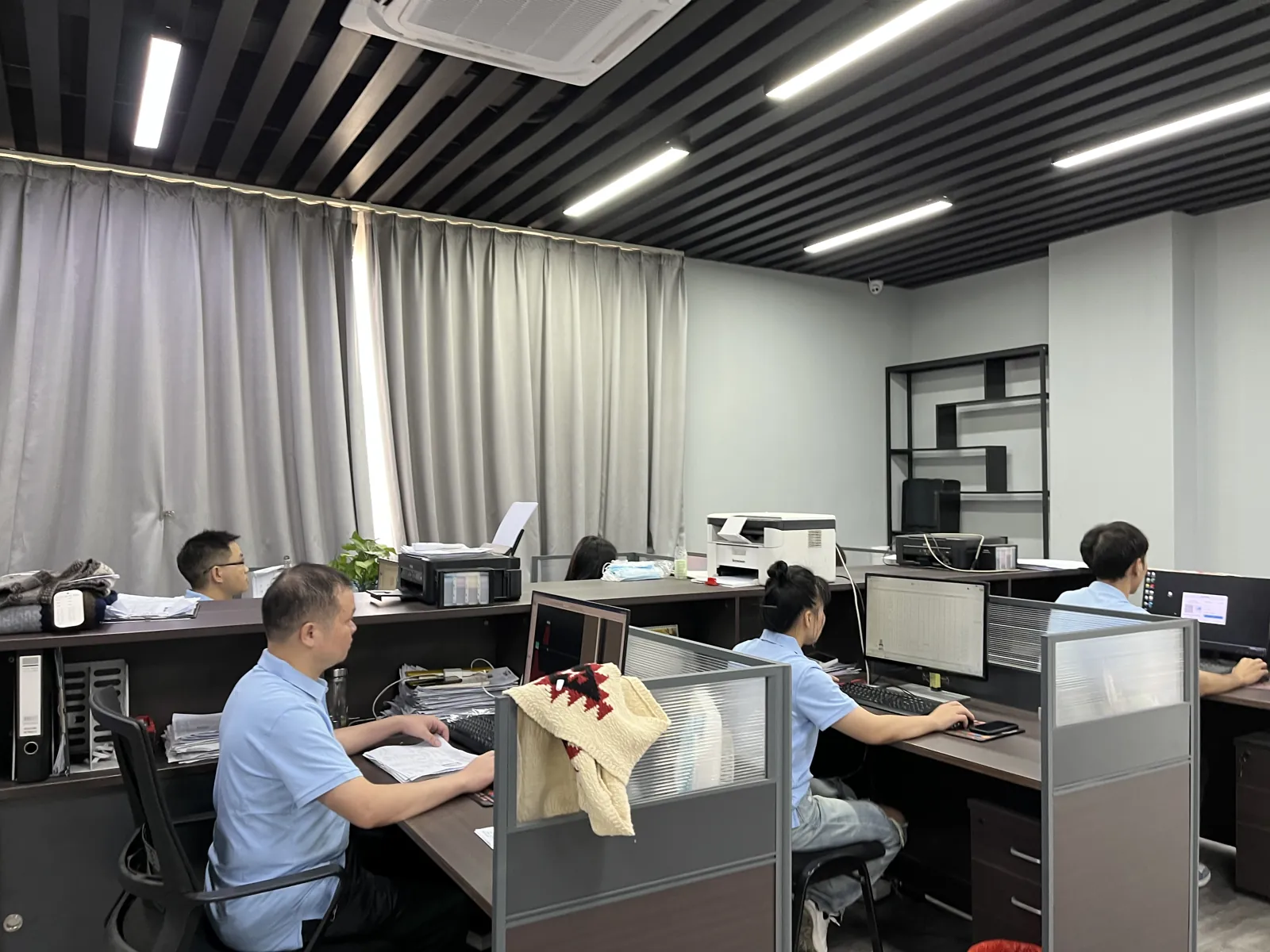
Are you testing one commercial style with low risk? Are you launching a premium line where hand-feel matters more than price? Are you building a replenishment item for distributors? Are you comparing suppliers for long-term use rather than one season only?
The clearer that answer is, the better the factory can guide you. Good knitwear sourcing is not about asking a factory to guess what you mean. It is about giving them enough commercial context to recommend the right balance of yarn, structure, MOQ, timeline, and packaging.
A useful first inquiry usually includes the target customer, price direction, quantity estimate, season, preferred fiber direction, and whether the style is a test or a likely repeat. If you have a tech pack, that helps. If not, strong reference images and clear comments are still better than vague ambition.
Conclusion
Sourcing wholesale mens knitwear with private label services is usually a good decision when you need more than supply. You need a supplier that can support your brand presentation, your approval process, your quality expectations, and your reorder logic.
The best factory is rarely the one that says yes to everything. It is usually the one that explains trade-offs early, keeps development realistic, and makes bulk production feel more controlled rather than less. If you are launching a new line, keep the first order focused and manageable. If you are scaling an existing line, prioritize consistency over unnecessary complexity.
If you are comparing partners now, start with a supplier that already works as a structured knitwear manufacturer in China and can support private label development from inquiry to shipment with a clear process.
FAQ
What is a realistic MOQ for wholesale mens knitwear private label orders
There is no one universal MOQ that fits every knitwear project. In most cases, MOQ depends on style, yarn setup, color count, and complexity. Buyers should ask how the minimum is built, not just what the number is.
Can I develop mens knitwear without a full tech pack
Yes, but the project will move more smoothly if you still provide strong references, fit direction, yarn preference, and target pricing. Without that, the supplier may be able to sample the style, but the approval process usually becomes slower and less precise.
How long does sampling and bulk production usually take
That depends on yarn availability, stitch complexity, comment rounds, and season. The important point is to separate sample timing from bulk timing and confirm both early, especially if your program depends on a fixed launch window.
What should I check before placing a reorder
Check whether the supplier can repeat the approved fit, yarn effect, trims, and packaging details. A reorder is easier when the first order was documented clearly and the key references were stored properly.
Can one supplier handle both wholesale mens knitwear and wholesale womens knitwear
Often yes, but only if the supplier understands that the buying priorities may differ. Men’s programs often lean more heavily on continuity and repeatability, while women’s programs may need faster seasonal variation and more trend-based development.
External References
- Federal Trade Commission — Apparel and Labeling
Useful for fiber content, country of origin, and responsible company labeling requirements for apparel products. - Federal Trade Commission — Clothes Captioning: Complying with the Care Labeling Rule
Useful for understanding garment care label requirements when developing private label knitwear. - International Chamber of Commerce — Incoterms 2020
Useful when discussing FOB, DDP, DAP, and shipping responsibility during sourcing. - The Woolmark Company — Woolmark Certification
Useful as a reference point for wool quality, testing logic, and performance considerations in wool knitwear programs.