 CN Sweaters
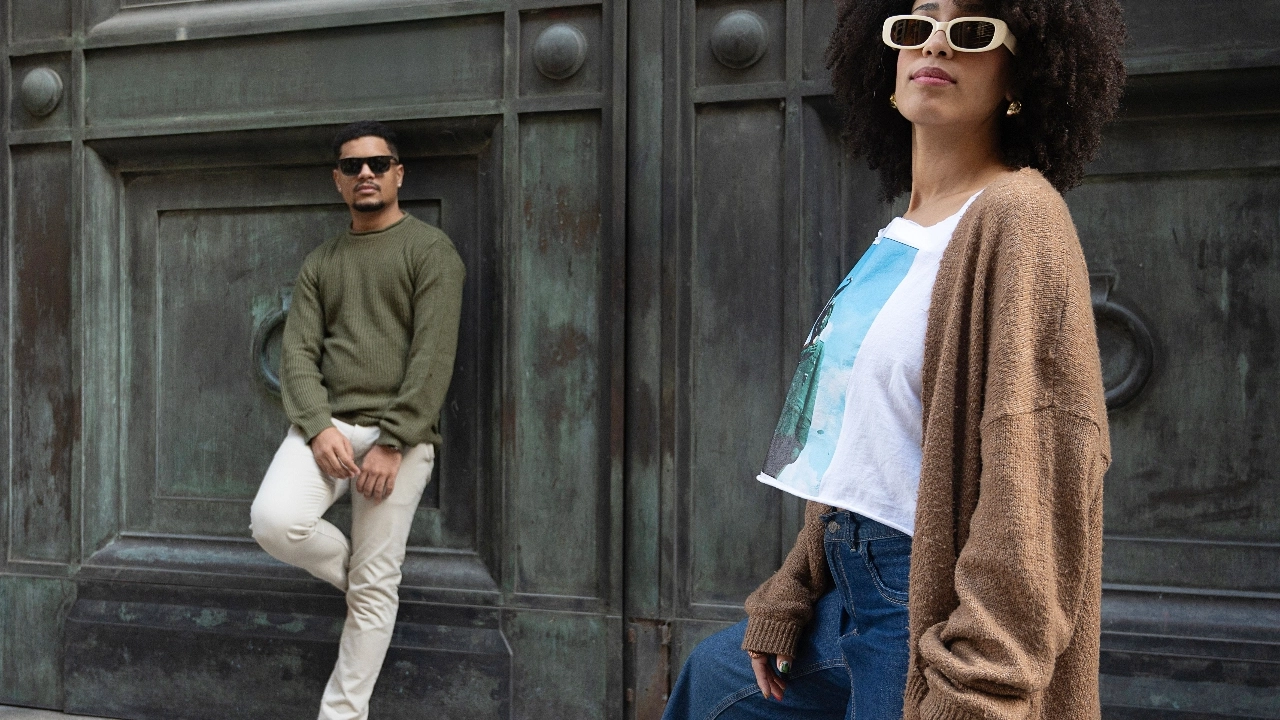
Wholesale cardigan sweaters should be planned as a retail assortment, not selected as a few attractive samples with good search volume. For fall selling, the stronger plan usually balances customer type, channel, gender, yarn, weight, color, size, MOQ, delivery timing, and display logic before purchase orders are placed.
A random mix can create duplicate styles, scattered MOQ, weak size coverage, and late replenishment. A practical cardigan sweater plan gives each SKU a commercial role: basic volume, margin support, visual statement, early fall layering, colder-weather warmth, or premium price positioning. That matters for boutiques, private label teams, wholesale distributors, and brand merchandisers who need fall cardigans to sell through across several weeks, not only look good in a line sheet.
How Should Buyers Structure a Fall Cardigan Assortment?
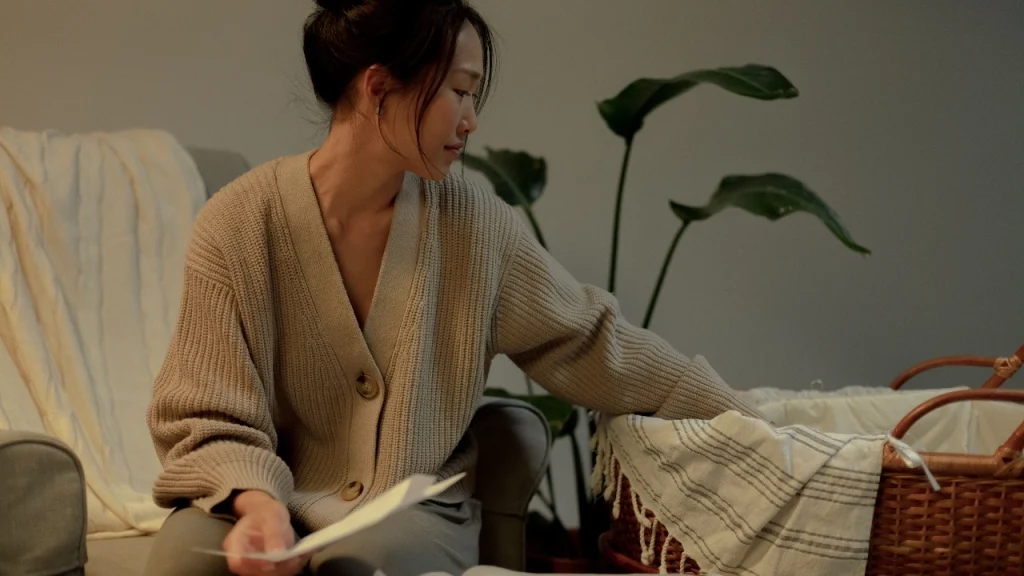
A fall cardigan assortment should start with customer demand and selling period, then assign each style a clear role. Retail planning sources describe assortment planning as choosing the right styles, sizes, colors, and channels for seasonal demand, which is exactly how wholesale cardigans should be approached.
Build By Role Instead Of By Style Count
A useful wholesale cardigan sweaters plan may include a core button up cardigan, a lighter knit cardigan for early fall, a textured cable knit cardigan, a chunky knit cardigan for colder displays, a zip cardigan for casual channels, and one premium cashmere cardigan or wool blend style. This does not mean every buyer needs all six. It means each selected SKU should have a job.
For example, a boutique may need fewer styles but deeper color and size coverage. A distributor may need broader silhouettes across mens cardigan and womens cardigan sweaters. A private label brand may prioritize a custom cardigan with a distinctive stitch or placket construction. CN Sweaters’ Cardigans page shows how cardigan development can vary by silhouette, placket, trim, stitch, and yarn handfeel, so buyers should confirm these decisions before sampling.
Separate Early Fall Core Fall And Late Fall
Early fall cardigans often work better in cotton cardigans, cotton blends, viscose blends, or lighter wool blends because customers are layering over T-shirts, dresses, or shirts. Core fall can carry rib, full-cardigan stitch, cables, jacquard, and medium-weight wool cardigans. Late fall and winter transition need warmer density, loftier yarn, coatigan shapes, or chunky knit cardigan styles.
The mistake is treating every autumn cardigan as the same product. Early fall needs breathable layering and color freshness. Core fall needs commercial repetition. Late fall needs warmth, giftability, and higher perceived value.
Which Cardigan Styles Belong In A Wholesale Line?
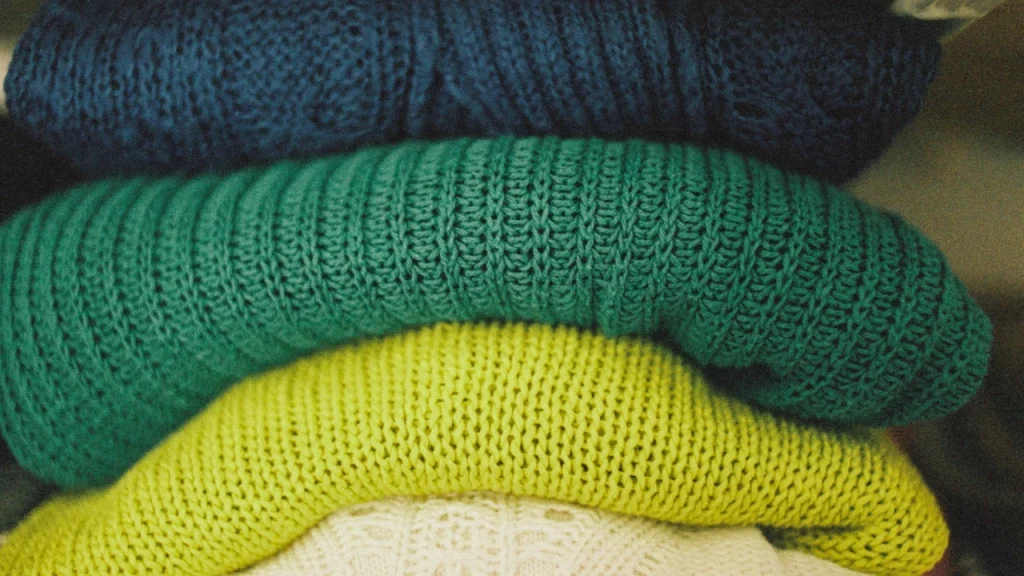
A strong line usually combines basics, margin styles, visual styles, and premium styles. If every style is “the statement piece,” the assortment becomes hard to buy, hard to display, and hard to reorder.
Match Style Direction To Customer And Channel
For womens cardigan sweaters, cropped, fitted, longline, cable, and soft brushed looks may serve different stores even within the same brand. For mens cardigan planning, cleaner V-neck, shawl collar, zip cardigan, and textured button up cardigan options often need more conservative colors and fuller size coverage. Unisex channels may prefer relaxed fits, rib trims, and neutral colorways.
A cardigan manufacturer should help translate these style directions into producible details: gauge, yarn count, stitch density, placket method, button size, pocket placement, and washing requirement. The Products page is useful when buyers are comparing cardigan orders with broader wholesale knitwear categories such as sweaters, knit dresses, sleeveless knitwear, and zip-up knitwear.
Use A Practical Assortment Grid
The grid below gives buyers a simple way to avoid overbuying one look while missing another commercial role.
| Assortment Role | Example Style | Best Fall Use | Buying Risk To Control |
|---|---|---|---|
| Core basic | Plain button up cardigan | Repeatable volume style | Too many colors without enough depth |
| Margin style | Rib or textured knit cardigan | Better perceived value | Stitch density may raise cost |
| Visual style | Cable knit cardigan or jacquard | Window and online images | Slow sell-through if too seasonal |
| Warmth style | Wool cardigans or chunky knit cardigan | Late fall and winter transition | Higher yarn cost and longer production |
| Premium style | Cashmere cardigan or cashmere blend | Gift and high-end retail | Fiber claim and label accuracy |
| Casual style | Zip cardigan | Menswear, travel, relaxed channels | Zipper quality and front balance |
This structure helps buyers see whether the line covers different retail moments instead of repeating the same silhouette in several yarns.
How Do Yarn And Gauge Affect Fall Cardigans?
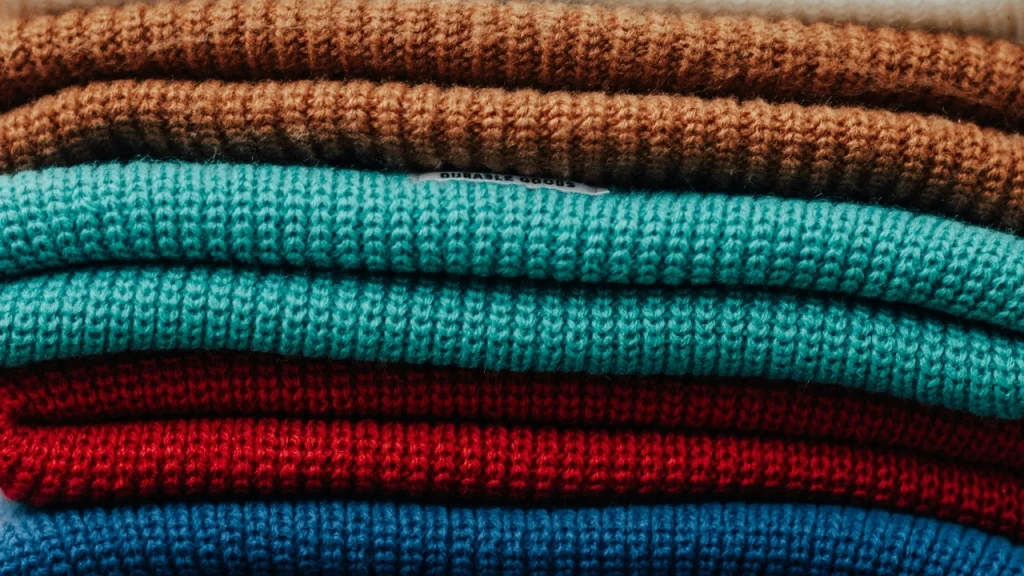
Yarn and gauge determine warmth, drape, cost, MOQ, handfeel, and lead time. CottonWorks notes in its sweater manufacturing basics that sweater manufacturing commonly uses weft knitting, flat-bed machinery, and coarse gauges such as 7 to 14 gauge, which is why cardigan weight and stitch planning must be confirmed before bulk orders.
Choose Fibers By Selling Window
Cotton cardigans are suitable for early fall, transitional layering, and warmer regional markets. They can feel cleaner and less fuzzy, but heavy cotton may stretch if the structure is not controlled. Wool cardigans suit colder markets and higher warmth perception, but shrinkage, pilling, and care instructions need more attention. A cashmere cardigan can support a premium price tier, but the buyer should confirm actual fiber percentage, yarn quality, and label wording.
Woolmark’s wool fibre facts explain that Merino wool can absorb moisture vapor and respond to body temperature, which supports its use in fall and winter knitwear when warmth and comfort matter. Still, wool is not automatically right for every cardigan. A tight office cardigan, a fashion cropped style, and a heavy coatigan may require different blends.
Control Gauge Stitch And Weight Together
A cable knit cardigan in a loose gauge can look rich but may grow after wear. A full-cardigan stitch can give volume and elasticity but may consume more yarn. A lightweight rib cardigan can be commercial, but poor recovery can affect fit. Buyers should request sample measurements before and after relaxation or washing when the style depends on shape retention.
For broader sweater assortment planning, the Sweaters category can help buyers compare pullover and cardigan requirements. Cardigans usually require extra attention to front opening balance, buttonholes, placket stretch, and hem stability.
How Many Colors And Sizes Should Each Style Carry?
Color and size planning should protect MOQ efficiency while giving retail buyers enough choice. Too many colors split production into weak quantities; too few colors make the range look flat and limit store merchandising.
Create Four Color Groups
A fall cardigan color plan can be built in four groups. Core colors are the safe repeat colors such as black, navy, oatmeal, grey, camel, or ivory. Seasonal colors may include burgundy, forest, chocolate, olive, rust, or deep teal. Test colors are lower-quantity experiments for boutique or online channels. Reorder colors are shades that the factory and buyer agree to keep available if sell-through is strong.
For bulk cardigans, each color should have a reason. A cotton cardigan in ivory may support early fall layering, while a wool cardigan in charcoal may support late fall replenishment. A chunky knit cardigan may not need six colors if the MOQ per color will be too thin. A premium cashmere cardigan may work better in fewer refined shades with stronger depth.
Plan Sizes By Real Customer Fit
Size planning should reflect channel and gender. Mens cardigan styles may need broader shoulder and chest grading, while womens cardigan sweaters may require tighter control of body length, sleeve shape, and waist proportion. Oversized cardigans should not simply be graded up without checking shoulder drop, sleeve opening, and garment weight.
Before confirming wholesale knitted sweaters, buyers should define size range, size ratio, single-color quantity, total order quantity, and packing split. If sizes are incomplete, the product may look available in stock but fail at retail because key sizes sell out first.
What MOQ And Lead Time Questions Should Be Confirmed Early?
MOQ and lead time should be checked before finalizing color count, yarn choice, and delivery window. CN Sweaters’ MOQ and lead time information indicates that sampling, bulk timing, yarn, gauge, complexity, and seasonality all affect planning, so buyers should not treat one cardigan quote as a universal standard.
Ask MOQ By Style Color And Size
A useful RFQ should separate total MOQ, MOQ per style, MOQ per color, and size breakdown. A buyer ordering bulk cardigans may think the total quantity is enough, but production can still be inefficient if each color and size is split too thin. This is especially important for custom dye yarn, special buttons, branded labels, jacquard artwork, or complex stitch development.
The OEM and ODM services process is relevant when buyers need tech pack review, sample development, PP approval, bulk production, QC, and shipment coordination. For a custom cardigan, the buyer should provide reference photos, target handfeel, yarn composition, gauge preference, measurements, color standards, label requirements, and target price.
Build A Fall Production Calendar
A fashion wholesale calendar commonly plans sell-in and delivery months in advance, and one fashion wholesale season calendar places Fall 1 delivery around July and Fall 2 around August. For overseas wholesale knitwear buyers, that means cardigan development should begin well before stores need autumn product on the floor.
A practical calendar includes yarn confirmation, sample knitting, fit comments, lab dips, PP sample, bulk yarn booking, production, inline inspection, final packing, and transport. Late yarn decisions can create a chain reaction: sample delay, color delay, production queue pressure, and missed retail delivery.
How Should Buyers Manage Quality And Packaging Risk?
Quality control for fall cardigans should focus on the risks that actually affect retail sell-through: measurements, placket balance, color consistency, shrinkage, pilling, button security, zipper function, surface cleanliness, and packing accuracy.
Check The Right Risk Points
A cardigan has more front-body risk than a pullover. Button spacing can twist. Plackets can stretch. Zippers can wave if the knit body is too soft. Heavy wool cardigans may grow at the hanger. Chunky styles may look appealing in photos but become bulky in cartons or expensive to ship.
The Quality Control stage should therefore include raw material checks, approved sample comparison, measurement review, stitch and workmanship inspection, trim checking, color consistency review, finishing inspection, and packing checks. For wool, cotton, and cashmere blends, buyers should also define the intended testing standard with their internal QC team or lab.
Confirm Labels Packaging And Compliance
Packaging is not only a final step. It affects retail presentation, warehouse handling, freight calculation, and private label readiness. Buyers should confirm folding method, individual polybag size, carton quantity, label placement, barcode requirements, hangtag attachment, care label wording, and carton marks before bulk packing.
For the U.S. market, the FTC’s textile and wool labeling guidance requires most textile and wool products to disclose fiber content, country of origin, and the responsible business identity, and it also defines when cashmere can be identified as cashmere. This matters when a cardigan uses wool, cashmere, cotton, nylon, acrylic, or blended yarns.
How Can Buyers Avoid Overbuying And Reorder Problems?
Buyers can reduce inventory pressure by assigning reorder logic before the first order is placed. A fall assortment should identify which styles are reorder candidates, which are limited seasonal styles, and which are image pieces with controlled quantity.
Keep Reorder Styles Simple Enough
A reorder-friendly cardigan usually has stable yarn availability, repeatable color, manageable stitch complexity, and consistent size grading. A basic button up cardigan in core colors may be a better reorder candidate than a highly seasonal jacquard. A zip cardigan may reorder well for menswear or travel channels if zipper supply and yarn lots are secured. Cotton cardigans can work for early fall replenishment if colors are planned before yarn stock changes.
For custom styles, buyers should ask the cardigan manufacturer whether the yarn is stock-supported, custom-dyed, or seasonal. They should also ask whether the same shade can be repeated later. If a reorder color depends on a discontinued yarn lot, the second delivery may not match the first.
Use Open To Buy Discipline
Wholesale cardigans should not absorb the entire fall budget in one assumed hero item. A safer structure spreads risk across basic, profit, visual, lightweight, warm, and premium tiers. The assortment can still have a lead style, but it should not leave the line without price coverage or replenishment flexibility.
Buyers should compare planned retail price, landed cost, gross margin, store display role, and reorder probability. This is where custom knit projects should be discussed as part of the full product architecture, not as isolated samples.
Conclusion
Fall cardigan buying works best when wholesale cardigan sweaters are planned as a balanced commercial system. Buyers should define target market, gender mix, channel, price tier, yarn direction, gauge, color group, size range, MOQ, lead time, packaging, and reorder logic before committing to bulk production.
A good autumn cardigan line has enough variety to support retail choice, enough depth to meet MOQ efficiently, and enough timing control to protect delivery. Send your target market, cardigan styles, yarn preferences, color plan, size range, order quantity, price level, packaging requirements, and fall delivery window to the CN Sweaters team to review a practical wholesale cardigan sweater assortment plan.
FAQ
What is a practical MOQ for wholesale cardigan sweaters?
MOQ depends on yarn type, color count, gauge, stitch complexity, trim choice, and production schedule. Buyers should ask for MOQ by style, color, and size, not only total order quantity, because too many small color lots can make production inefficient.
Should I choose cotton cardigans or wool cardigans for fall?
Cotton cardigans are better for early fall, warmer climates, and light layering. Wool cardigans are better for core fall and colder-weather retail. Blends can balance cost, handfeel, warmth, and care performance, but they should be sampled before bulk orders.
How early should fall cardigans be developed?
For wholesale knitted sweaters, development should start months before the retail delivery window. Buyers need time for yarn selection, sample approval, color confirmation, PP sample, bulk production, quality inspection, packing, and shipping.
What makes a cardigan style risky in bulk production?
Risk increases when the style has unstable plackets, heavy garment weight, loose tension, complex cables, many trims, custom dye colors, or incomplete measurement specs. These details should be checked during sampling and PP approval.
How many colors should a custom cardigan have?
Most buyers should separate core colors, seasonal colors, test colors, and reorder colors. A new custom cardigan does not need too many shades at launch; stronger depth in fewer colors often protects MOQ, size coverage, and replenishment.