 CN Sweaters
A custom sweater vest can look simple because it has no sleeves, but its MOQ and size plan are rarely simple. For B2B buyers, the real risk is spreading a small order across too many colors, sizes, yarns, and fit directions until every SKU becomes too thin to produce efficiently or replenish consistently.
The right plan starts with positioning: mens sweater vest, sweater vest women, unisex layering piece, school uniform, office knitwear, boutique test style, or private label knitwear series. Each direction changes shoulder width, chest ease, armhole depth, body length, neckline, hem rib, gauge, yarn composition, and color depth. A sleeveless sweater mens program needs different fit logic from an oversized sweater vest for womenswear, even if both are called sweater vests in a line sheet.
Why Does a Custom Sweater Vest Need MOQ Planning?

A custom sweater vest needs MOQ planning because every color and size split reduces the quantity available for each production unit. MOQ is not only about the total order; it is shaped by style, color, size ratio, yarn availability, gauge, stitch complexity, labeling, packing, and whether the sweater factory can support mixed colors or mixed sizes within the order.
The No Sleeve Assumption Creates Real Cost Risk
Removing sleeves reduces one construction area, but it does not remove the technical decisions that control cost and fit. A sweater vest still needs accurate shoulder width, chest width, neckline shape, armhole opening, hem tension, side seam balance, and body length. For a v neck sweater vest, the depth and width of the V affect both appearance and production consistency. For a cable knit vest, the cable repeat can pull the fabric inward and change the final chest measurement after washing and pressing.
From a factory perspective, the buyer should treat a knitted vest as a shaped knit garment, not as a flat fabric top with missing sleeves. CottonWorks explains in its sweater manufacturing basics that sweater production may involve cut and sew, panel knitting, full fashioning, or knit-to-wear methods. That matters because each construction route affects waste, shaping, linking work, and production time.
MOQ Is a Structure Not a Single Number
For planning, separate four numbers before requesting a quote: MOQ per style, MOQ per color, MOQ per size-color, and total order MOQ. CN Sweaters’ MOQ and lead time planning notes that order splits by style, color, and size ratio affect minimums, and that yarn, gauge, stitch complexity, trims, branding, packaging, and shipping terms influence price and timing.
A realistic first order may focus on one knit sweater vest style, two core colors, and a controlled size range. A risky first order might include three silhouettes, six colors, seven sizes, custom dyed yarn, jacquard artwork, private label packaging, and a tight autumn delivery date. The second plan looks more complete on paper, but it may create low units per SKU, higher unit cost, slower approvals, and harder reorders.
How Do Size Range and Color Plan Change Custom Sweater Vest MOQ?
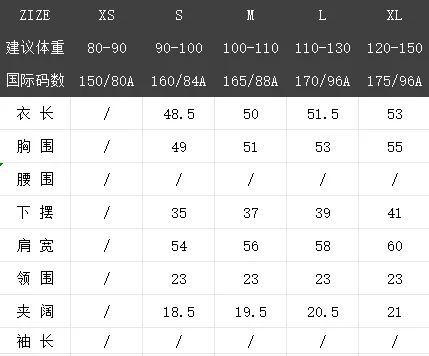
Size range and color plan change MOQ by multiplying SKU count. A buyer may think in total pieces, but production and inventory work at style-color-size level. If 300 pieces are split across five sizes and three colors, each SKU averages only 20 pieces before any size curve adjustment. That can be too thin for efficient production, wholesale allocation, and later replenishment.
Use Assortment Logic Before Confirming Colors
Retail assortment planning is directly relevant to sweater vest MOQ decisions. Oracle describes assortment planning as choosing the right styles, sizes, and colors for the right channels, while balancing variety and variation in a seasonal plan. Its explanation of assortment planning in retail is useful for buyers because sweater vests often sit inside a layering collection rather than as isolated items.
For a boutique test, two colors may be enough: one commercial neutral and one seasonal accent. For wholesale knitwear, a buyer may need black, navy, grey, oatmeal, or school colors, but should still avoid adding slow shades before proving demand. For private label knitwear, the color plan should also consider whether the same yarn and shade can support sweaters, cardigans, and vest knitwear across the collection.
A Practical SKU Planning Table
The table below shows how the same total order can become strong or weak depending on how it is split.
| Planning Scenario | Style Count | Color Count | Size Range | SKU Count | Buying Risk |
|---|---|---|---|---|---|
| Core test | 1 | 2 | S to XL | 8 | Cleaner MOQ, easier sell-through reading |
| Wider retail set | 2 | 3 | XS to XXL | 36 | Better variety, higher size-color spread |
| Trend-heavy launch | 3 | 5 | XS to 3XL | 105 | High inventory pressure and difficult replenishment |
| Focused wholesale program | 1 | 4 | M to XXL | 16 | Good for menswear if size ratios are clear |
The main lesson is not to avoid variety. It is to match variety to order volume. If the first order is small, protect depth in core sizes and colors before adding fringe sizes or extra seasonal shades.
Which Fit Points Matter Most in Sleeveless Knitwear?
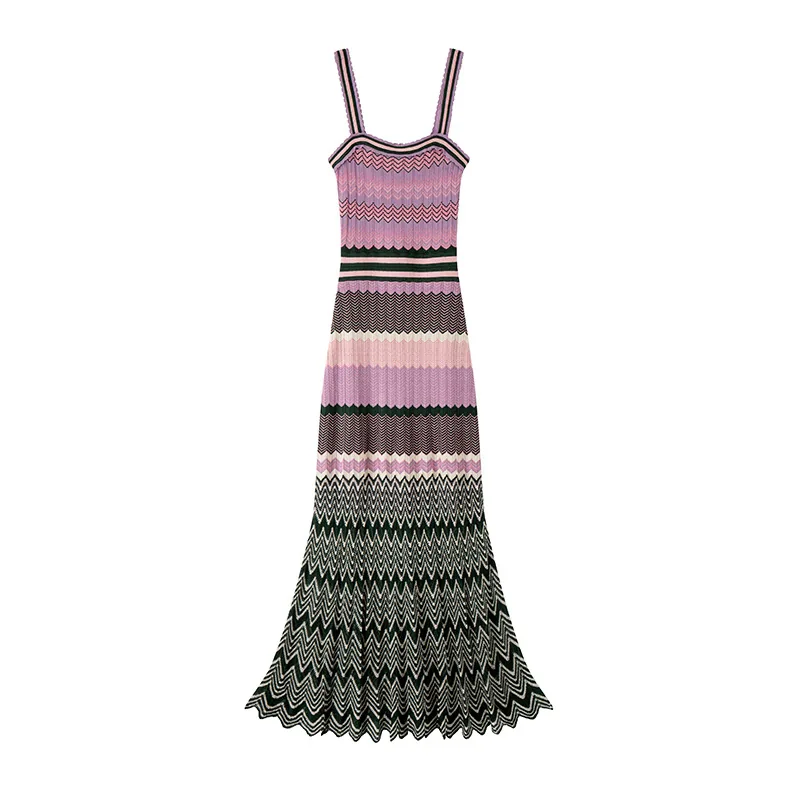
The most important fit points in sleeveless knitwear are shoulder width, chest width, armhole depth, neckline width, body length, hem rib tension, and layering ease. Chest measurement matters, but it is not enough. A sweater vest can pass chest spec and still fail because the shoulder looks too narrow, the armhole exposes too much shirt, or the hem grips the body in the wrong place.
Why Men’s Fit Needs Proportion Control in a Custom Sweater Vest
For a mens sweater vest, mens knitted vest, sleeveless sweater mens, or mens sleeveless jumper, the shoulder-to-chest proportion is usually the first check. The shoulder should be wide enough to sit cleanly over a shirt or lightweight knit, but not so wide that it collapses over the upper arm. The armhole should allow movement and layering without gaping excessively.
Body length is another commercial decision. A school or office v neck sweater vest often needs a cleaner length that works over shirts and under jackets. A casual wool knit vest may be slightly heavier and more relaxed. If the buyer plans to merchandise the vest with custom sweater development, the size logic should align with related pullovers so the collection feels consistent.
Womens and Oversized Vest Fits Need Wear Testing
For sweater vest women, oversized sweater vest, and fashion-led sleeveless knitwear, the buyer should confirm styling before grading. Will the vest be worn over a crisp shirt, a fitted tee, a dress, or another sweater? That answer changes armhole depth, side seam shape, hem width, and body length.
Oversized does not mean uncontrolled. A loose knitted vest still needs a stable neckline, balanced shoulder drop, and armhole placement that looks intentional. During sampling, review the vest on the intended base layer, not only on a mannequin. CottonWorks notes that knit fabric performance and garment construction are connected, and that fittings may require pattern adjustments based on final knit fabric properties in designing knit textiles. For vest knitwear, this is especially relevant because the armhole and shoulder line are fully visible.
Neckline, Length and Hem Rib Decide the Styling Range
Neckline choice is a buying decision, not only a design detail. A V-neck is the easiest shape to layer over shirts, so it suits school, office and menswear programs. A crew neck reads cleaner for contemporary womenswear. A mock neck can work for a design-led capsule, but it competes with shirt collars and narrows how the vest can be worn.
Body length should follow the channel: cropped lengths suit womenswear sets and high-waist styling, while longer lengths are safer for wholesale and menswear basics. The hem rib should hold its shape without gripping. If the rib is too tight the vest rides up; if it is too loose the hem loses structure after wear and steaming.
How Should Buyers Build a Custom Sweater Vest Assortment?
Buyers should build the assortment by separating core styles, test styles, core sizes, extended sizes, core colors, and reorder colors. A sweater vest program works better when the first launch is planned around commercial depth, not maximum variety. This is especially important for autumn retail, school programs, boutique capsules, and wholesale knitwear accounts that need stable replenishment.
Start With the Product Role
Before sampling, define the product role. A basic v neck sweater vest may be a repeatable staple. A cable knit vest may be a seasonal texture item. A wool knit vest may sit in a premium winter capsule. An oversized sweater vest may be trend-driven and channel-specific. A uniform knitted vest may need conservative colors, durable yarn, and consistent sizing over several reorder cycles.
The Vest & Sleeveless Knitwear category should be planned as part of the wider product architecture, not as a single opportunistic style. If the buyer is building a full layering story, the vest should coordinate with shirts, cardigans, pullovers, scarves, or other product category planning decisions.
Match the Spec to the Program Position
Once the product role is clear, the development priorities follow from it. The same vest block rarely serves every channel well:
| Program position | Main buyer goal | Key spec focus | Planning risk |
|---|---|---|---|
| School or uniform vest | Repeatable seasonal supply | Stable yarn, V-neck, conservative length, size continuity | Shade mismatch on reorders |
| Office layering vest | Clean styling over shirts | Shoulder width, armhole depth, rib tension | Armhole pulling over shirt sleeves |
| Boutique fall display | Visual newness | Texture, edited color story, relaxed fit | Too many colors with low units |
| Mens core knit vest | Reliable replenishment | Chest grading, body length, neckline depth | Weak size-ratio planning |
| Womens oversized vest | Styling flexibility | Drop shoulder, wider body, longer armhole | Fit becomes too loose in small sizes |
| Unisex private label | Shared collection logic | Balanced grading, neutral palette, brand trims | Size range becomes too wide |
Protect Core Sizes Before Extending the Range for a custom sweater vest
Core sizing depends on target buyer. For menswear, M to XL may carry the highest commercial weight in many wholesale plans, while S and XXL need confirmation from the buyer’s actual sales history. For womenswear, XS to XL may be standard for some brands, but oversized silhouettes may need fewer sizes if garment ease already covers a broader body range. For unisex sweater vests, the grading rule must be tested carefully because shoulder width and body length can become too large for smaller wearers while still too short for taller menswear customers.
A useful first-order approach is to keep the style architecture narrow and the size ratios deliberate. For example, a buyer may test two colors in S to XL, then add XS, XXL, or new shades only after sell-through data confirms demand. This protects MOQ efficiency and reduces the chance of having many low-stock SKUs that are impossible to reorder cleanly.
What Should the RFQ Clarify With the Sweater Factory?
The RFQ should clarify the target buyer, style type, size range, color plan, yarn composition, gauge, stitch structure, branding, packaging, MOQ target, delivery window, and reorder expectations. A knitwear manufacturer can give better guidance when the buyer shares both the design idea and the commercial plan behind it.
Ask About Stock Yarn Mixed Sizes and Reorder Continuity
For a small first order, ask whether stock yarn can reduce starting risk. Stock yarn may help with faster sampling, lower color commitment, and more flexible testing, depending on color availability and yarn quality. Custom dyed yarn may support a more exact brand palette, but it usually adds color approval steps and can affect MOQ and lead time.
Buyers should also ask whether mixed color and mixed size structures are supported, and how the factory calculates minimums when sizes are uneven. If the first order is meant to test the market, discuss whether core sizes can receive more depth while fringe sizes stay limited. If repeat orders matter, confirm whether the same yarn, color, hand feel, size spec, label, and packaging can be maintained. This is where OEM/ODM knitwear support becomes more than development help; it becomes production continuity planning.
Confirm Gauge Stitch and Approval Steps Early
Gauge and stitch structure affect fit, cost, and schedule. A 12GG fine-gauge vest may suit lightweight layering, while a 7GG or 5GG cable knit vest may create more texture and weight. The buyer should not choose gauge by appearance alone. Gauge must match yarn count, target season, garment weight, stitch definition, and price point.
Flat-bed knitting is common for sweaters and shaped panels. CottonWorks explains that flat-bed weft knitting machines can produce panels, shaped pieces, and fully fashioned details, but knitting time may slow when the knit structure becomes more complex. In practical RFQ terms, a plain rib or jersey vest, a cable knit vest, and a jacquard school crest vest should not be expected to carry the same sample timing, MOQ flexibility, or cost.
Start With One Core Structure and One Accent Detail for a custom sweater vest
Each stitch behaves differently in bulk. Jersey is clean and efficient but can curl at unfinished edges. Rib adds stretch and recovery, but a lot of rib can make the sizing feel smaller. Cable, jacquard and pointelle add visual value while also changing knitting time, garment weight and how measurements settle after finishing.
For a first program, a practical approach is one core structure plus one accent: a jersey body with rib trims, a half-cardigan texture with a simple neckline, or a cable front with a plain back. This keeps the vest commercial while limiting the variables that affect MOQ, lead time and size consistency. Fix the shoulder slope, armhole depth and neckline before bulk, because changing them after sampling means reprogramming the knitting and linking.
How Can Quality Control Reduce Bulk Order Risk?
Quality control reduces bulk order risk by locking the approved standard before production and checking whether bulk goods match that standard in measurements, color, workmanship, labeling, packing, and carton details. For sweater vests, the most important QC issue is not just whether the garment looks clean; it is whether fit and hand feel remain stable across colors, sizes, and repeat orders.
Measurement Control Should Focus on Vest Specific Points
The measurement file should include shoulder width, chest width, bottom width, front length, back length, neck width, front neck drop, armhole depth, rib height, and side seam length. For a v neck sweater vest, the V depth and neck rib width should be controlled because small changes can make the garment look more formal, more casual, or poorly balanced.
For oversized sweater vest styles, tolerance decisions need care. Knitwear has stretch and recovery, so buyers should define how measurements are taken: relaxed, after steaming, after washing if relevant, and on which size sample. CN Sweaters describes its quality control process around sample approval, inline checks, final QC, and matching bulk production to the approved standard. For the buyer, the practical step is to treat the PP sample as the commercial reference, not just a visual approval.
Inspection Should Include Packing and SKU Accuracy
Inspection should also cover labels, hangtags, care labels, polybags, carton marks, size stickers, color codes, and packing ratios. Intertek’s textile and apparel inspection overview notes that inspections can cover raw materials, inline production, finished goods, defect classification, garment labeling, workmanship, packaging lists, carton count, carton dimensions, polybags, hangtags, barcodes, and shade identification in textile and apparel inspection.
This matters for sweater vests because MOQ planning often creates many size-color SKUs. If carton packing does not match the buyer’s allocation plan, a clean production run can still create warehouse delays, wrong store allocation, or wholesale chargebacks. For private label knitwear, packaging should be confirmed before bulk production, not after the garments are packed.
Match Tests to the Yarn Risk for a custom sweater vest
Buyers do not need every test for every vest, but they should choose tests that match the yarn and color. Cotton blends usually need shrinkage attention; acrylic and other synthetic blends need a pilling review; dark shades should be checked for rubbing and washing colorfastness. When the program covers a wide size range, ask for a measurement report by size and color before shipment, not just a report on one sample size.
Conclusion
A custom sweater vest program should begin with a clear commercial plan: target buyer, fit direction, yarn, gauge, stitch, color depth, size range, MOQ target, and reorder expectation. The safest first order is usually not the widest one. It is the order that gives enough depth to core sizes and colors while keeping test styles measurable.
Send your sweater vest style, target buyer, size range, color plan, yarn composition, MOQ target, branding request, packaging details, and delivery timeline to review a practical sleeveless knitwear production plan. If you need factory background, category capability, and RFQ details before confirming a program, share the project with the CN Sweaters factory team for a feasibility review.
FAQ
What is a practical MOQ structure for a custom sweater vest?
A practical MOQ structure separates total order quantity from per-color and per-size requirements. Ask the factory for MOQ per style, per color, and per size-color. If the order is small, start with fewer colors and core sizes so each SKU has enough depth for production and selling.
Can I use stock yarn for a small sweater vest order?
Stock yarn may help reduce development risk when available colors and compositions fit your target market. It can support faster sampling and smaller test runs in some cases, but the buyer should confirm shade continuity, reorder availability, hand feel, and whether the stock yarn works with the intended gauge and stitch.
How many sizes should I launch for sleeveless knitwear?
The size range should match the target buyer and fit type. Mens sweater vest programs often need careful shoulder, chest, and length grading. Sweater vest women and oversized styles may use fewer sizes if the fit has enough ease, but armhole position and layering comfort still need sample testing.
What should I check before approving a knit sweater vest sample?
Check shoulder width, chest, armhole depth, neckline, V depth if applicable, body length, hem rib tension, stitch appearance, garment weight, color, label placement, and how the vest fits over the intended base layer. Do not approve only from flat measurements or photos.
Which yarns suit a transitional-season sweater vest?
Cotton, viscose, modal, wool and acrylic blends can all work depending on price point and hand-feel. For an early-fall delivery, mid to fine gauges and lighter yarns are usually easier to sell than very heavy yarns, which push the vest toward a winter-only item. Match the yarn to the target market’s care expectations as well as the look.
How Can Buyers Reduce Reorder Problems for a Custom Sweater Vest?
Keep yarn, color standard, gauge, stitch, measurements, labels, and packaging documented at PP approval. Ask the knitwear manufacturer whether the same yarn lot or equivalent yarn can be reserved, and whether future bulk orders can match the approved sample standard closely.