 CN Sweaters
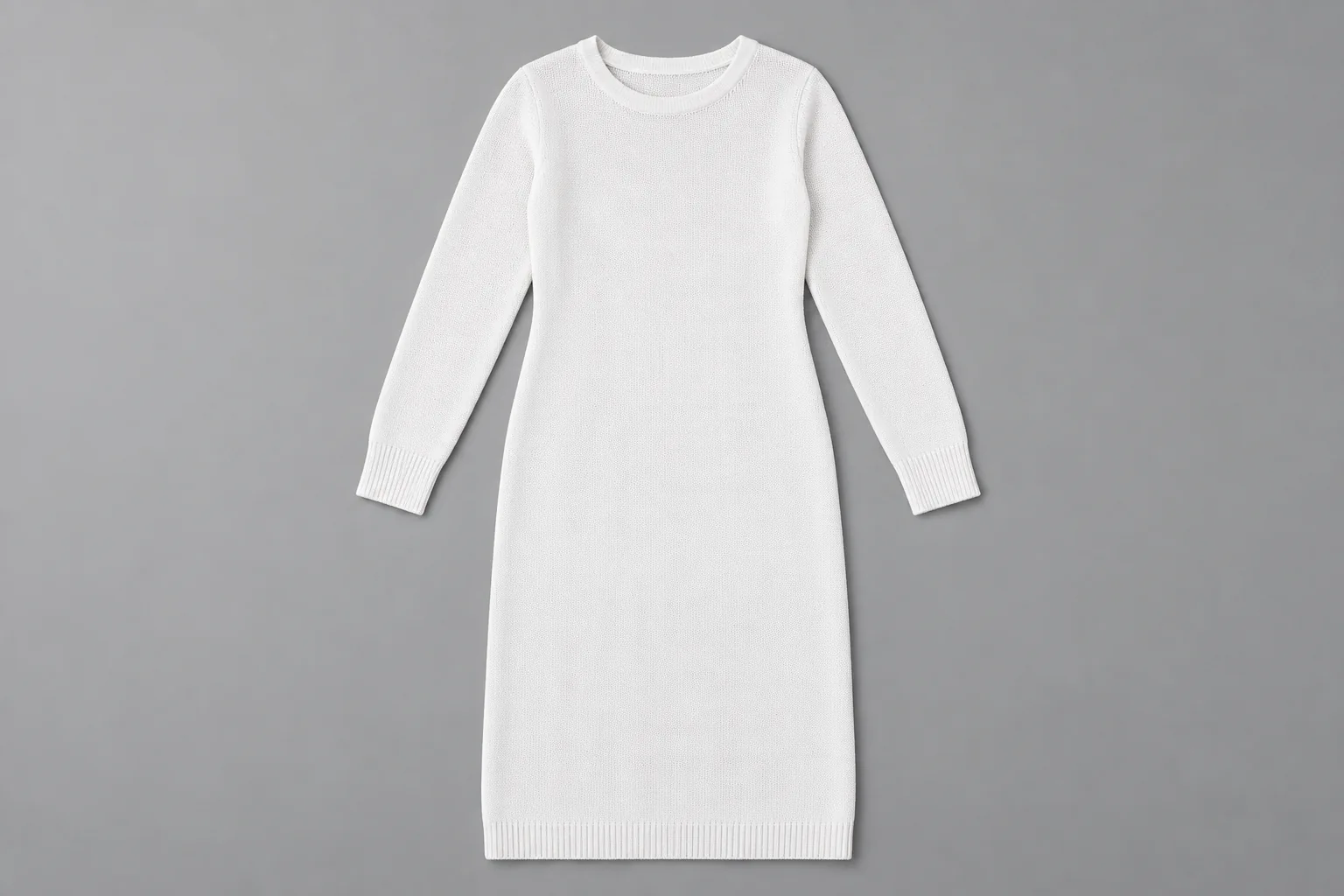
Review a white knit dress for coverage and surface condition as separate decisions. The knit may reveal more of its backing when stretched, while spots or stray fibers need their own handling and inspection controls.
Define the wearing system before selecting yarn or lining, then compare samples under recorded conditions. Carry the accepted coverage reference and white-surface requirements into finishing and packing.
Decide what coverage the white knit dress needs
Before anyone knits a swatch, the brand should decide how customers will wear the dress. There are really three different products here:
- A single-layer dress that must work alone over normal underwear.
- A dress sold with a lining or a matching slip.
- A deliberately sheer outer layer, styled over something else.
Each option leads to different yarn, gauge and construction choices. So write the choice into the tech pack as a product decision, not a styling note. Otherwise, the factory may optimize for handfeel while the buyer expects full coverage.
Mark the zones that matter
Next, mark the areas where show-through is most likely. On a fitted dress these are usually the seat, hips, bust and any area that stretches when the wearer sits or bends. Elbows matter on long sleeves too.
For each zone, note how much stretch the garment sees in wear. A relaxed A-line skirt behaves very differently from a body-con hip. Therefore, one opacity judgment for the whole dress rarely works.
How we review white knit dress opacity samples
A white knit dress on a matching white table can conceal show-through. Use an agreed backing and garment state that reveal the coverage question being reviewed.
Instead, we review opacity under set conditions and keep them the same for every round:
- Backing: a skin-tone board or fit form, plus one dark backing to exaggerate show-through.
- Light: the same daylight lamp and the same angle each time.
- Stretch: the fabric extended to roughly the stretch it sees on the body, not pulled to its limit.
- State: after the agreed wash and press, because finishing changes density.
Because the conditions stay fixed, each sample round is directly comparable with the last. As a result, a buyer can see whether a change of yarn or tension actually helped.
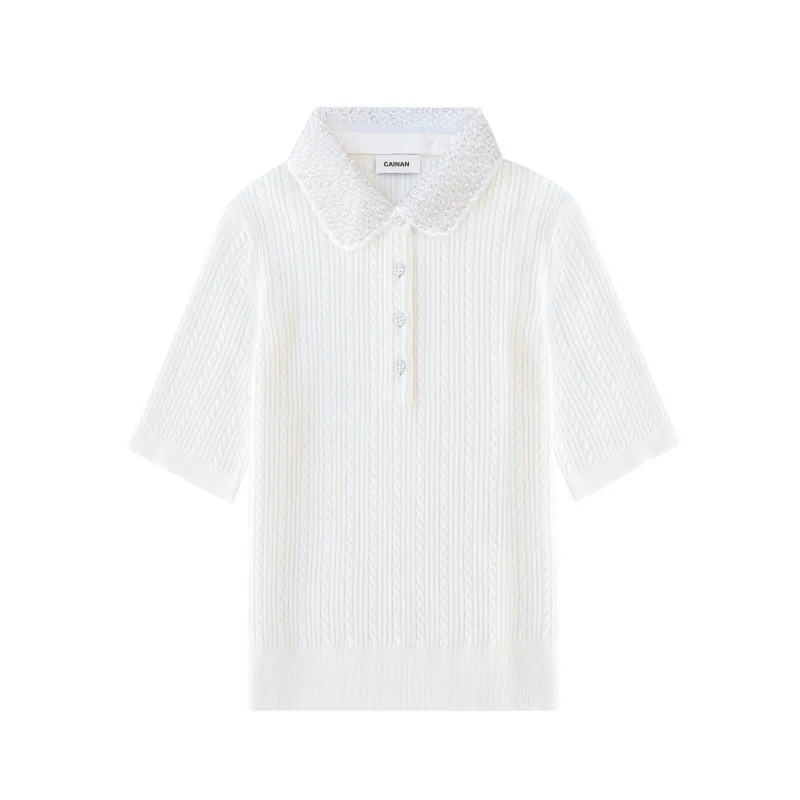
Compare like with like
When a sample fails, it is tempting to send a different, denser swatch that “looks better”. However, that swatch may use another yarn count or gauge and will change weight, drape and cost. Always compare the same construction, or state clearly what changed.
Yarn and gauge choices that improve white knit dress coverage
Several levers affect opacity. Usually we adjust them in this order, because each step changes the product a little more:
- Stitch tension: a tighter setting on the same machine adds density without changing the yarn.
- Yarn: a slightly heavier count, or a fiber with more bulk and less lustre, blocks more light.
- Gauge: compare a finer-gauge proposal with the actual yarn and stitch setting; gauge alone does not determine coverage. Our custom sweater gauge guide explains the trade-offs.
- Structure: compare suitable double-knit, interlock-style and jersey proposals in the intended garment state.
The stated 3G–14G machine range permits different proposals, but gauge alone does not establish white-dress opacity. View each candidate on the intended wearer or form over the planned underlayer and in the agreed lighting. Keep the same stretch and care condition when comparing swatches; if coverage still fails, change yarn, stitch or lining as a deliberate design decision and recheck drape and weight.
When to add a lining to a white knit dress
Sometimes the fabric alone cannot give enough coverage without becoming too heavy. At that point, a lining or a matching slip becomes the practical answer. Decide this before the size-set stage, not after bulk yarn arrives.
Compare options on the same body
Lay out the options side by side. For example: a denser single-layer knit, the original knit with a full lining, and the original knit with a half lining to the hip. Then review all three on the same fit form under the same light.
A lining is not automatically the fix. It adds cost, changes drape, and brings a second fabric with its own shrinkage and color. Also, the lining shade must suit the white knit; bright optical white over an ivory lining can look gray. So test the assembled dress, not just the knit.
White knit dress surface defects need separate control
Show-through and surface marks have different causes. Nevertheless, both end up as “customer complaint: dress not acceptable”. Keep them apart in the QC checklist so the team fixes the right cause.
Typical white-surface issues include:
- Machine oil spots from the knitting needle bed.
- Colored fibers picked up from nearby production.
- Yellowing from heat, poor storage or some plastics.
- Shade differences between panels knitted from different yarn lots.
Protecting the white standard in production
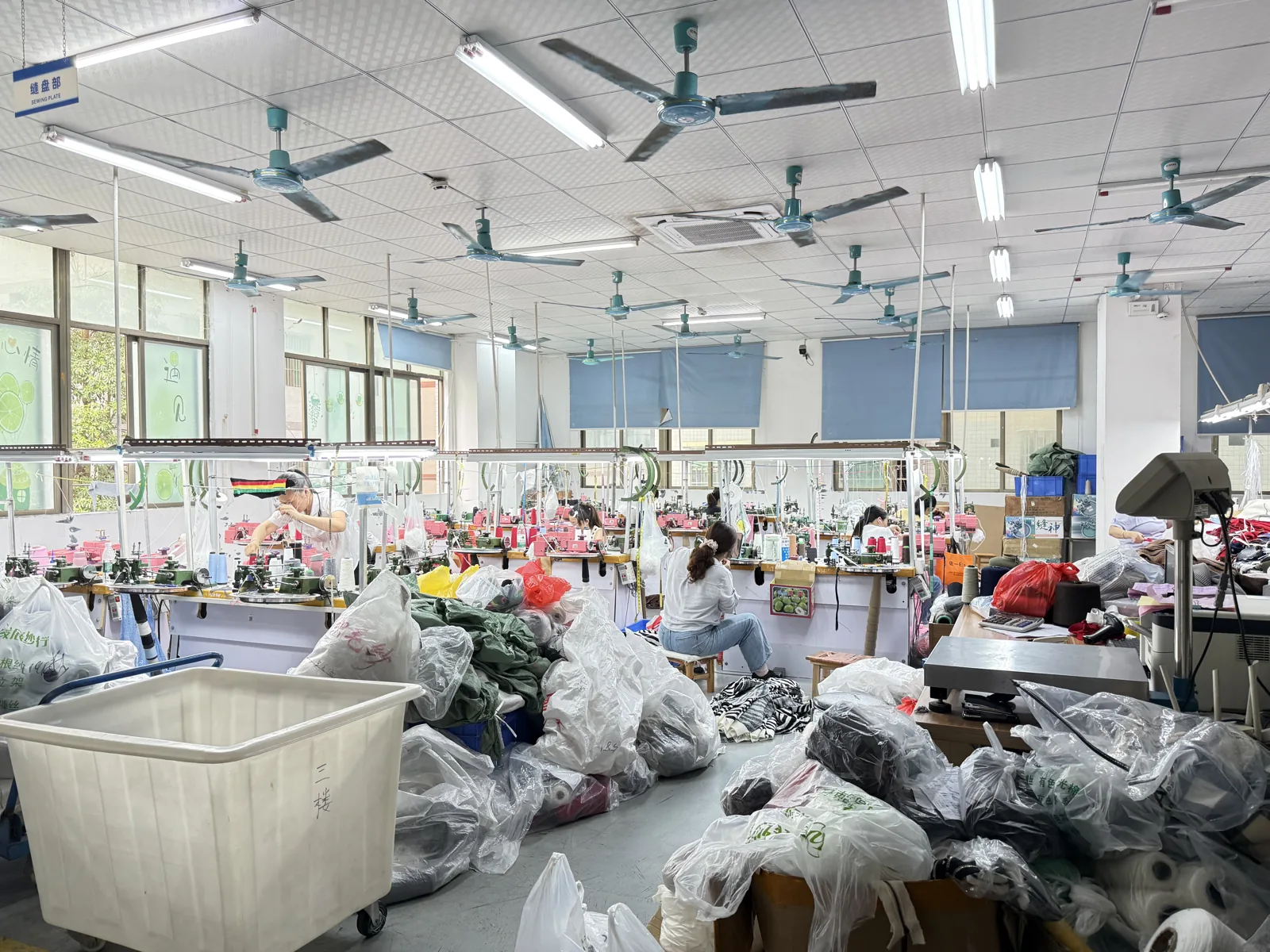
Whites need a clean route through the factory. That means a wiped needle bed before knitting, covered bins for finished panels, and clean tables during linking. Also, keep white work away from dark or fluffy yarns at every stage.
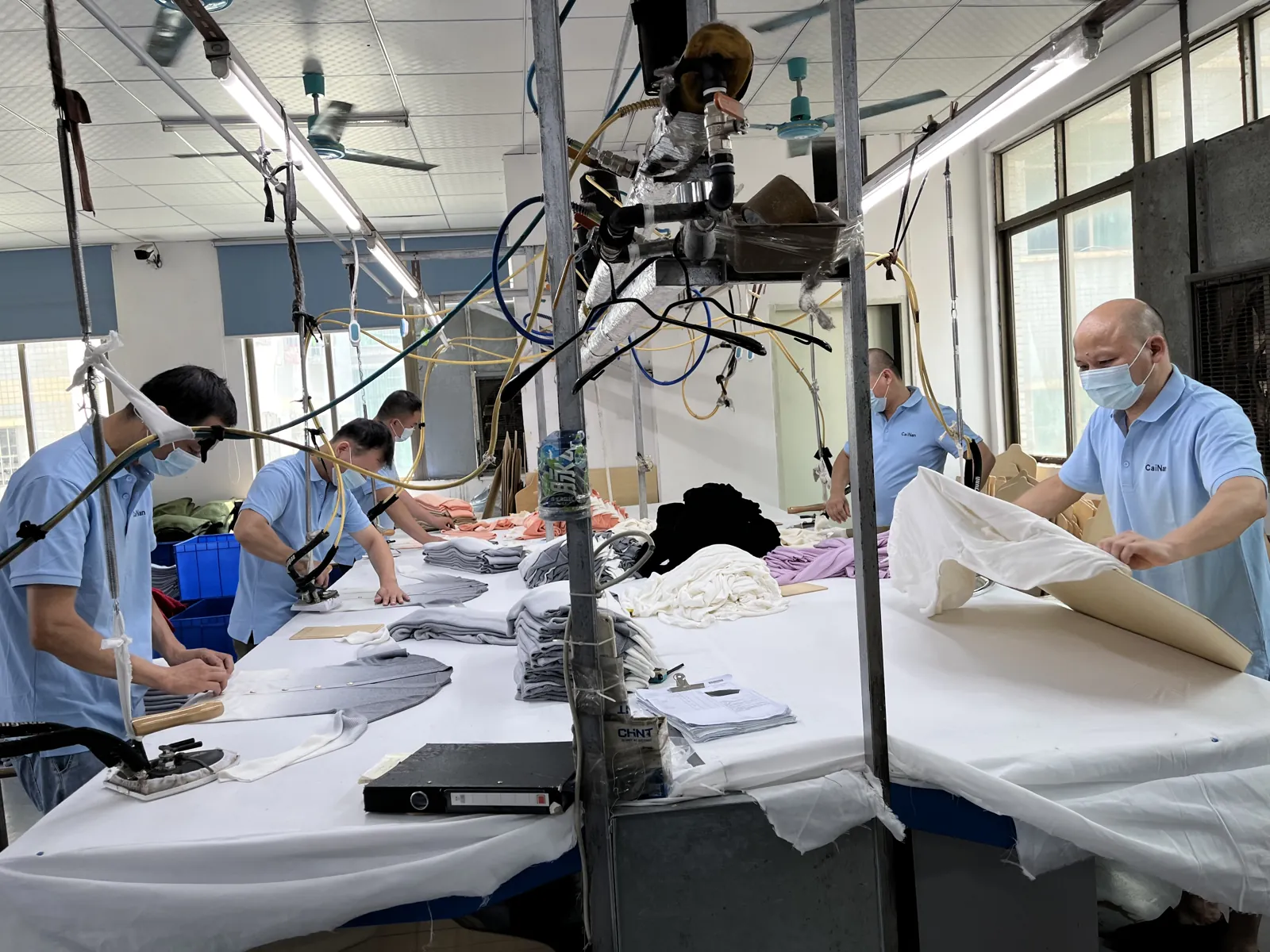
Pressing matters too. Too much heat can yellow some fibers, so the pressing team uses the temperature the sample approved. Our quality control team checks for spots and stray fibers inline, then again after pressing.
Packing a white knit dress safely
Packing can undo a clean garment. Printed tissue, some recycled cardboard and certain plastics can transfer marks or cause yellowing in storage. Therefore, review every material that will touch the dress: polybag, tissue, hangtag, swing-tag string and carton liner.
Fold the dress in the same way the approved sample arrived. A fold across the bust or hip can leave a line that is hard to remove. Finally, check a few packed pieces after a short period in the carton, not only on the packing table.
Release, hold or revise the white knit dress order
At final inspection, repeat the approved opacity check on pieces from each size and each yarn lot. Check the intended ease and construction in the represented sizes; size alone does not establish how far a zone stretches. In addition, run the normal AQL checks for measurements and workmanship, using a sampling plan such as ISO 2859-1; our knitwear QC checklist lists the usual points.
Release when coverage matches the approved sample under the same conditions and surfaces are clean. Hold a lot if show-through or marks exceed the agreed limits. Revise the construction only when a real input changes, such as yarn supplier, gauge or finishing.
Conclusion
Attach the accepted white knit dress coverage views and the named underlayer to the release record. Keep any surface-mark or packing issue on a separate line so resolving one problem does not silently close the other.
Our custom knit dresses page shows the dress styles we make. Samples usually take 3–7 days and the minimum is 50 pieces per color per size.
Ready to develop a white style? Contact our team with your sketch and target fabric weight.
Frequently Asked Questions
Is there one opacity grade for every white knit dress?
No. Coverage depends on the silhouette, the wearing system and the market. Instead, agree review conditions and a physical approved sample, then compare bulk against it.
Can a flat lay on a white table prove opacity?
Rarely. White on white hides show-through. So review on a skin-tone backing and a dark backing, with the fabric at realistic stretch.
Does a lining always solve show-through?
Not always. A lining changes drape, cost and care, and its shade must suit the knit. Therefore, compare the lined option with a denser single-layer knit before deciding.
Do larger sizes need their own opacity check?
Choose represented sizes from the actual fit, construction and coverage risks. Include a size transition when the reviewed base sample cannot represent it; larger size alone does not prove greater stretch.