 CN Sweaters
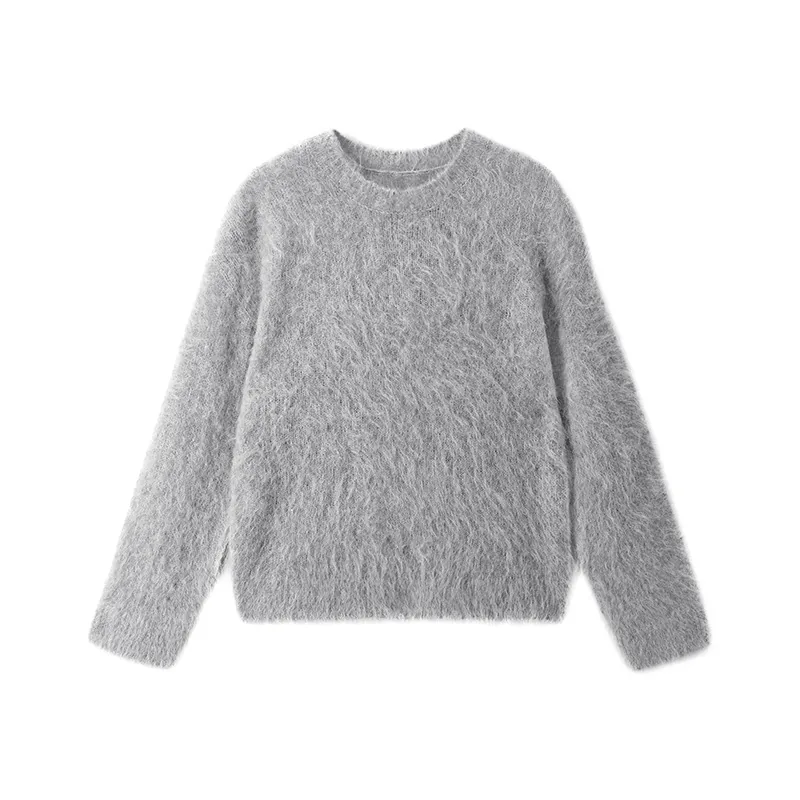
A buyer choosing a boxy sweater needs to decide whether its square outline comes from body width or a dropped shoulder. Increasing both without a separate sleeve rule can lower the armhole and move the cuff. Set the width-to-length target, shoulder route and wrist endpoint before grading.
What makes a boxy sweater different
Boxy describes the chosen body width-to-length relationship. Oversized describes added ease, while cropped describes a length target.
State where each design choice applies. Increasing body width should not silently widen the sleeve or deepen the armhole; keep those proportions explicit.
Describe the shape in numbers
Use target chest width, front/back length, shoulder width or drop, armhole depth, sleeve reach and cuff width with a measured reference. A mood-board image alone cannot allocate the width to body or shoulder.
State the intended underlayer and retain it in the fit comparison. A shirt and next-to-skin use create different clearance questions.
Choosing the shoulder for a boxy sweater
Compare feasible shoulder routes against the intended square outline before selecting their dimensions.
- Set-in: locate the join near the selected shoulder point.
- Dropped: show the join down the upper arm and its contribution to reach.
- Saddle: identify the upper strip and its joining paths.
- Raglan: locate the diagonal upper-body seam and compare its silhouette.
On a drop-shoulder route, more body contribution can change sleeve reach and the armhole position. Review the actual dropped join and cuff endpoint together rather than assuming a fixed effect from the drop.
Body length, hem and sleeve on a boxy sweater
Body length changes the width-to-length relationship. Compare front and back lengths with the selected outline on the wearer.
How the hem changes the outline
A tight rib hem pulls a wide body inwards and creates a blouson effect. That can look good, but it is not a square silhouette. In contrast, a loose or unstable hem can flare and make the sweater look longer. Compare the proposed rib tension or straight hem with the intended box shape, including the effect of any side split.
High-low hems and vents need a note on the sketch as well. Without that note, the factory could “square off” a deliberate shape. Likewise, an uneven sample should not become an excuse for an accidental length difference.
Keep the sleeve in proportion
Set sleeve width, cuff width and wrist arrival independently of the body width. The design may choose a close sleeve or fuller volume; its actual arm view should demonstrate the selected proportion.
Yarn, gauge and boxy sweater drape
Different yarn, stitch and finishes can make the same dimensions drape differently. Compare identified finished samples instead of predicting square corners from fibre name or nominal gauge.
Fitting and measuring a boxy sweater sample
On the agreed wearer or form, compare shoulder location, body hang, hem and underarm volume from front, side and back. Keep the garment unadjusted when assessing its natural outline.
Measure chest, hem, front/back length, shoulder, armhole and sleeve from defined origins. ISO 18890 supports garment terminology; the buyer’s intended body profile and extra fit points remain separate inputs.
Grading a boxy sweater across sizes
If shoulder, sleeve and armhole rules are copied from the chest increment, their relationship can change across sizes. Compare the graded samples with the intended silhouette rather than assuming the base-size outline will transfer automatically.
Give body width, shoulder, armhole, length and sleeve reach their own grade rules. Compare sizes where those relationships change, retaining the intended body ratio rather than prescribing universally slower increments.
Bulk checks and timing
For a boxy sweater, the handoff should name the accepted shoulder drop, chest width and body length for each size. Ask the supplier to keep the chosen yarn lot, knitting programme and finishing reference tied to the approved sample; agree which finished units will be measured during bulk instead of assuming every lot follows one unrecorded check. The MOQ and lead-time page gives general planning ranges, while the selected yarn and size split set the order-specific quote.
FAQ
Is a boxy sweater the same as oversized?
No. Boxy means the body is wide compared with its length. Oversized adds ease to the whole garment, including sleeves and armholes.
Which shoulder works best for a boxy sweater?
Compare the route against the design. Set-in, dropped, saddle and raglan shoulders place the upper corner differently; none is a universal best choice.
Why does my larger size look too big?
Compare body ratio, shoulder drop and sleeve/armhole allocation in the affected size before choosing a correction. A large-looking sample does not by itself prove which grade rule is wrong.
Bring the intended outline and marked size differences when you discuss a boxy sweater with CNSweaters.