 CN Sweaters

A knit midi dress can look perfect on the design board and still fail in bulk if stretch, weight and size stability are not controlled early. From a factory perspective, the silhouette photo is the easiest part of the brief. The harder questions are how the fabric behaves on a real body, how much the skirt drops after a few hours of wear, and how the size chart holds up after the first home wash. For B2B buyers developing a knit midi dress program, those three variables decide whether retail reviews stay quiet or turn into return rates.
Most fit complaints we see on knitwear midi dress orders are not styling problems. They come from yarn choice, stitch structure, finished weight and relaxation behavior that were never tested at sample stage. A knit sweater dress carries more grams below the waist than a regular pullover, so gravity, hip width and washing each apply more stress to the structure. Getting this wrong means uneven hems, loose waists, sleeves that grow, or a size 8 that performs like a size 10 after laundry. This guide walks through what to lock in before approving bulk, and how to brief a knit dress factory so the second order looks like the first.
Why Knit Midi Dresses Behave Differently From Sweaters

A knit midi dress is not just a long sweater. The garment carries significantly more fabric below the waistline, which changes how stretch, recovery and gravity interact during wear. A pullover at 400 to 500 grams sits on the shoulders and hips with relatively short vertical drop. A long sleeve knit midi dress at 700 to 900 grams pulls downward continuously, and that pull concentrates on the shoulder seams, the waist zone and the hip line. If the yarn lacks recovery or the stitch is too open, the dress simply grows during a day of wear and never returns to its original measurements.
How Weight and Drop Change the Risk Profile
Skirt weight is the variable most buyers underestimate. We usually flag any knit midi dress sample where the bottom half weighs more than 55% of total garment weight, because that distribution accelerates hem drop. The longer the dress and the heavier the gauge, the more important yarn elasticity becomes. Wool blends with a small percentage of nylon or elastane usually behave better than 100% viscose or 100% acrylic at the same gauge, especially in long sleeve constructions.
Why Body Contact Reveals Issues a Flat Sample Hides
Knit fabrics deform around three-dimensional curves. A knitwear dress that measures correctly on a flat table may still pull at the hip, ride up at the waist, or cling unevenly across the bust. We recommend live fit sessions on at least two body types within the target size range. Static measurements alone will not catch the issues that drive end-consumer returns. For broader development frameworks across silhouettes, our knit dresses category page shows how different constructions fit different fit philosophies.
Choosing the Right Knit Structure for Stretch and Recovery
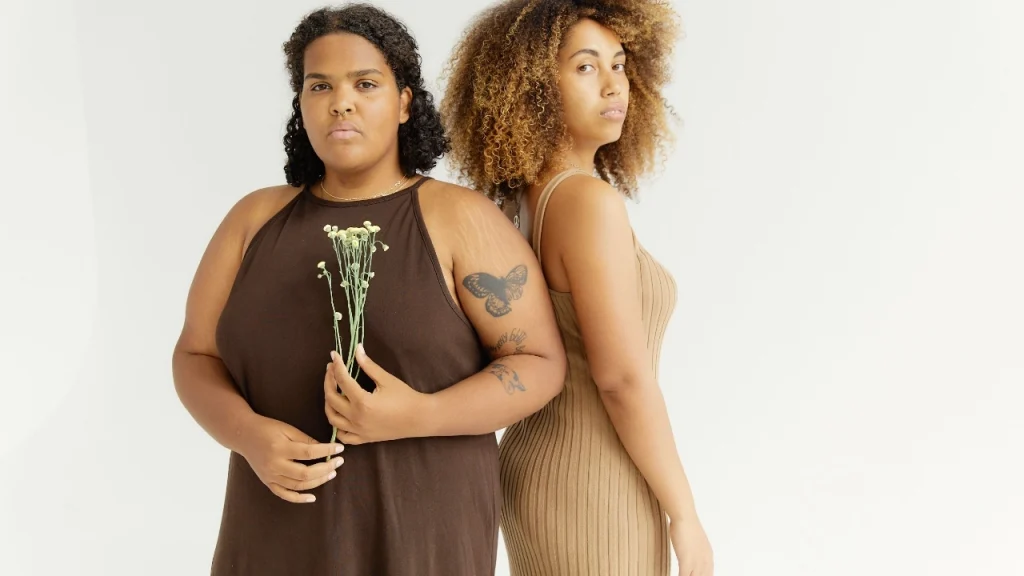
The first technical decision is stitch structure, because it sets the ceiling for stretch, recovery and dimensional stability before any yarn discussion begins. Single jersey, rib, interlock and double-knit constructions each behave differently on a midi length, and none of them is universally correct. The right choice depends on whether the buyer wants a fluid drape, a body-skimming silhouette, or a structured A-line shape.
According to the CottonWorks single and double knits reference, single jersey curls at the cut edge and stretches about twice as much in width as in length, while rib knits open like an accordion across the width and stretch even more than single jersey. Interlock and double-knit fabrics are heavier, lie flat, and behave with more stability and less curl. That matters directly for a knit midi dress, because edge curl on hems and necklines drives rework costs in finishing.
Single Jersey, Rib and Interlock Compared for Midi Length
The table below shows how we usually compare structures during early development for a knit midi dress program. Numbers are typical ranges based on factory experience and are not absolute.
| Structure | Typical GSM Range | Width Stretch | Recovery | Hem Curl Risk | Best Fit Use |
|---|---|---|---|---|---|
| Single Jersey | 180–260 | High | Medium | High | Fluid drape, layered styles |
| 2×2 Rib | 280–380 | Very High | Medium-High | Low | Bodycon, rib knit midi dress |
| Interlock | 260–340 | Medium | High | Very Low | Clean A-line, close-to-body |
| Ponte / Double Knit | 320–420 | Low-Medium | High | Very Low | Structured midi, tailored fit |
In practice, a rib knit midi dress gives the strongest body-hugging effect but needs careful yarn selection to avoid bagging at the knees. Interlock and ponte are more forgiving on a long sleeve knit dress where sleeve recovery is critical.
When Spandex or Elastane Should Be Added
We add spandex into the yarn or as a covered filament when the buyer wants close-to-body fit, when the dress includes high-stretch zones, or when the construction is a fine-gauge rib. A 2 to 5 percent elastane share usually improves recovery without changing handfeel dramatically. Higher than 7 percent can cause uneven dyeing and complicate care labeling, so we discuss this in the tech pack stage rather than after sampling.
How Yarn Weight and Fabric GSM Affect Drape and Hem Drop
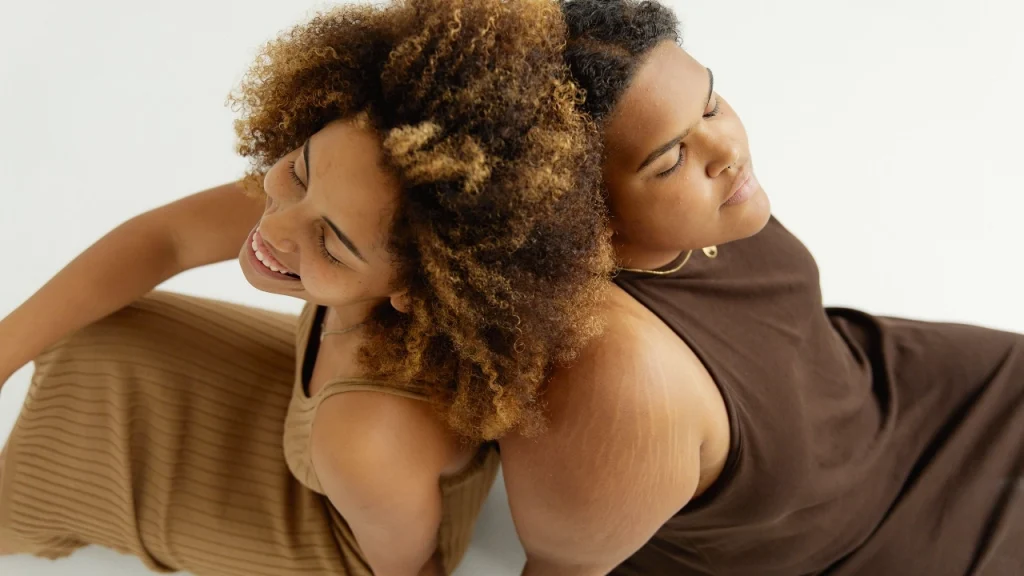
Yarn count and fabric GSM control how a knit sweater dress drapes, how much it weighs at full length, and how much the hem will drop during wear. A heavier GSM does not automatically mean a more premium product. It means more downward force on every seam and stitch, and that force needs to be balanced against yarn elasticity and stitch density.
Matching GSM to the Target Silhouette
For a flowy knitwear midi dress with soft drape, we usually target 240 to 320 GSM. For a structured silhouette with stand-up shape, 320 to 420 GSM is more realistic. Going above 450 GSM on a full-length midi is possible but requires reinforced shoulders, internal stay tapes, or wider straps to handle the load. Buyers planning refill orders should lock GSM tolerance to plus or minus 5 percent in the tech pack, because GSM drift between dye lots is one of the most common causes of fit inconsistency in repeat production.
Yarn Count, Gauge and Hand Feel Trade-Offs
A finer yarn count combined with a higher needle gauge produces a smoother surface and a more refined look, but it also reduces dimensional stability if the loop length is too long. Coarser yarns with lower gauge feel chunkier and resist hem drop better, but they limit how soft and fluid the dress can be. There is no universal answer, only a trade-off matrix that should be discussed with your knit dress manufacturer before sampling begins. Our OEM/ODM knitwear development services typically include a yarn and gauge consultation before the first proto.
Controlling Shrinkage, Skewing and After-Wash Size Stability
Dimensional stability after washing is the single most underestimated risk in knit midi dress production. A garment that measures correctly off the machine can lose 4 to 8 percent in length after the first home wash if the fabric was not properly relaxed and tested. On a 110 cm midi length, an 8 percent shrinkage means losing nearly 9 cm, which moves the design from midi to a length the buyer never approved.
Why Pre-Production Wash Tests Are Non-Negotiable
We require a documented wash test before bulk approval on every knit midi dress order. This includes measuring length, bust, waist, hip, sleeve length and cuff opening before and after one full home wash cycle aligned with the care label. The dimensional stability to washing and dry cleaning tests offered by accredited labs such as Intertek textile testing programs follow recognized methods that match the care instructions printed on the final garment, which is what end consumers will actually do at home.
Managing Skewing and Spirality on Long Lengths
Spirality is the twist that appears on tubular knits after washing, where the side seam rotates away from vertical. On a midi length, even a small spirality angle becomes visible because the hem travels around the body. We control this through balanced yarn twist, controlled finishing tension, and steam relaxation before cutting. If spirality exceeds about 5 percent after wash testing, we recommend yarn re-selection rather than trying to fix it in finishing, because the issue will return in bulk.
Building Tolerance Into the Size Chart
Buyers should build measurement tolerances directly into the tech pack rather than chasing absolute numbers. For knit midi dresses, we usually work with plus or minus 1 cm on bust and waist, plus or minus 1.5 cm on hip, and plus or minus 2 cm on full length. The apparel testing services from Intertek cover dimensional stability and appearance retention testing that match these tolerance ranges in practice.
How to Brief Your Knit Dress Factory for Consistent Bulk Production
The single largest cause of bulk inconsistency on a knitwear dress program is an incomplete brief. Photos and a basic spec sheet are not enough. A clear tech pack reduces sampling rounds, shortens lead time and protects the size chart across multiple production runs.
Tech Pack Essentials for Knit Midi Dresses
A complete brief for a long sleeve knit dress should include yarn composition with tolerance, target GSM with tolerance, stitch structure and gauge, finished measurements at three or more sizes with tolerance, care instructions, wash test requirements, packaging method and labeling. We also recommend specifying the target weight per garment, because that single number catches a lot of yarn substitution risks before they reach the cutting table.
MOQ, Lead Time and Sampling Expectations
MOQ on knit midi dress development depends on yarn type and color count. Stock yarns usually allow a lower MOQ of around 200 to 300 pieces per color, while custom-dyed yarns push the MOQ higher to cover dye lot minimums. Sampling typically takes 15 to 25 days for the first proto, plus a fit sample and a pre-production sample. Bulk lead time on full-package orders generally runs 45 to 70 days after PPS approval. These ranges depend on yarn availability, color count and trim complexity, so they should always be confirmed against the actual style. Buyers planning a launch window should book yarn early, since dyed yarn lead time is often the real bottleneck rather than knitting capacity.
Quality Control Checkpoints That Actually Catch Fit Issues
We run inline checks at knitting, linking, washing, steaming and final QC. The most useful single checkpoint for fit consistency is a post-wash measurement audit on a random sample from each production batch. This catches GSM drift, yarn substitution and finishing inconsistency before the goods leave the factory. For programs with multiple refills, we also keep golden samples on file so each new run is compared against the original approved garment rather than the spec sheet alone.
Common Bulk Production Risks and How We Reduce Them
Even with a clean tech pack and a good first sample, bulk runs introduce variables that sampling cannot fully predict. The risks below are the ones we see most often on knit midi dress and rib knit midi dress orders, and the controls we apply at the factory level.
Hem Drop and Skirt Stretching Over Time
Hem drop is mainly a function of skirt weight, yarn recovery and stitch density. We reduce it by selecting yarns with higher resilience, tightening the stitch density in the lower panel where appropriate, and in some cases adding a stabilizing rib insert at the waist. For very long or very heavy designs, we discuss internal tape reinforcement at the shoulder seams during the tech pack stage.
Color Consistency Across Refill Orders
Dye lot variation is unavoidable across separate production runs. We minimize visible difference by reserving extra yarn from the original dye lot when a refill is likely, by using lab-dipped color standards rather than Pantone codes alone, and by aligning approval lighting conditions between buyer and factory. Buyers who expect repeat orders should communicate that intent at PO stage so we can plan yarn reservation accordingly.
Packaging, Folding and Transit Deformation
Knit midi dresses are heavier and longer than standard tops, which makes folding and packaging more important than buyers usually expect. Poly bag pressure, carton stacking and humidity during ocean transit can leave fold lines that look like defects on arrival. We use larger fold formats, tissue padding in stress zones and silica gel for sensitive yarns. For programs with retail-ready packaging, our team aligns folding standards with the brand’s in-store presentation requirements before bulk packing begins, and our broader private label knitwear capabilities cover the packaging and labeling details that protect the dress in transit.
Conclusion
A knit midi dress program succeeds or fails on three quiet variables that rarely show up in a mood board. Stretch and recovery decide whether the dress holds shape during a full day of wear. Weight and GSM decide how the skirt drapes and how much load the seams carry. Dimensional stability decides whether your size chart still means anything after the first home wash. Get those three right at sample stage and bulk consistency follows naturally. Skip them and even a beautiful design will generate fit complaints in retail. If you are building a new knitwear midi dress collection or scaling an existing one, we can help you pressure-test the brief before yarn is ordered. Send your knit midi dress reference, target fit, yarn idea, size range, and quantity to our knitwear development team for development advice.
FAQ
What is the typical MOQ for a custom knit midi dress order? For stock yarns, MOQ usually starts around 200 to 300 pieces per color and style. Custom-dyed yarns push this higher because dye lot minimums apply. MOQ also depends on whether the program is fully bespoke or based on an existing development, so we confirm exact numbers against the tech pack rather than quoting blanket figures.
How long does sampling take for a knit sweater dress? First proto samples normally take 15 to 25 days depending on yarn availability and complexity. After proto approval, a fit sample and a pre-production sample each add 10 to 15 days. Buyers should plan two to three sampling rounds before bulk approval, especially when shrinkage and fit tolerance need to be confirmed through wash testing.
Can you guarantee zero shrinkage on a long sleeve knit dress? No factory can honestly guarantee zero shrinkage on knit garments. What we can do is run dimensional stability tests before bulk, target shrinkage within an agreed tolerance range, and align care label instructions with that tested behavior so end consumers see consistent results when washing at home.
How do I prevent hem drop on a heavy rib knit midi dress? Hem drop is controlled through yarn recovery, stitch density and weight distribution rather than a single fix. We select higher-resilience yarns, tighten lower-panel stitch density when needed, and discuss internal reinforcement for heavier designs. A wash and wear test during sampling shows how much drop to expect before bulk approval.
What size tolerance should I write into the tech pack? A practical starting point for knit midi dresses is plus or minus 1 cm on bust and waist, plus or minus 1.5 cm on hip, and plus or minus 2 cm on full length and sleeve length. These can be tightened for premium programs, but very tight tolerances usually increase rework cost rather than improving fit consistency.