 CN Sweaters
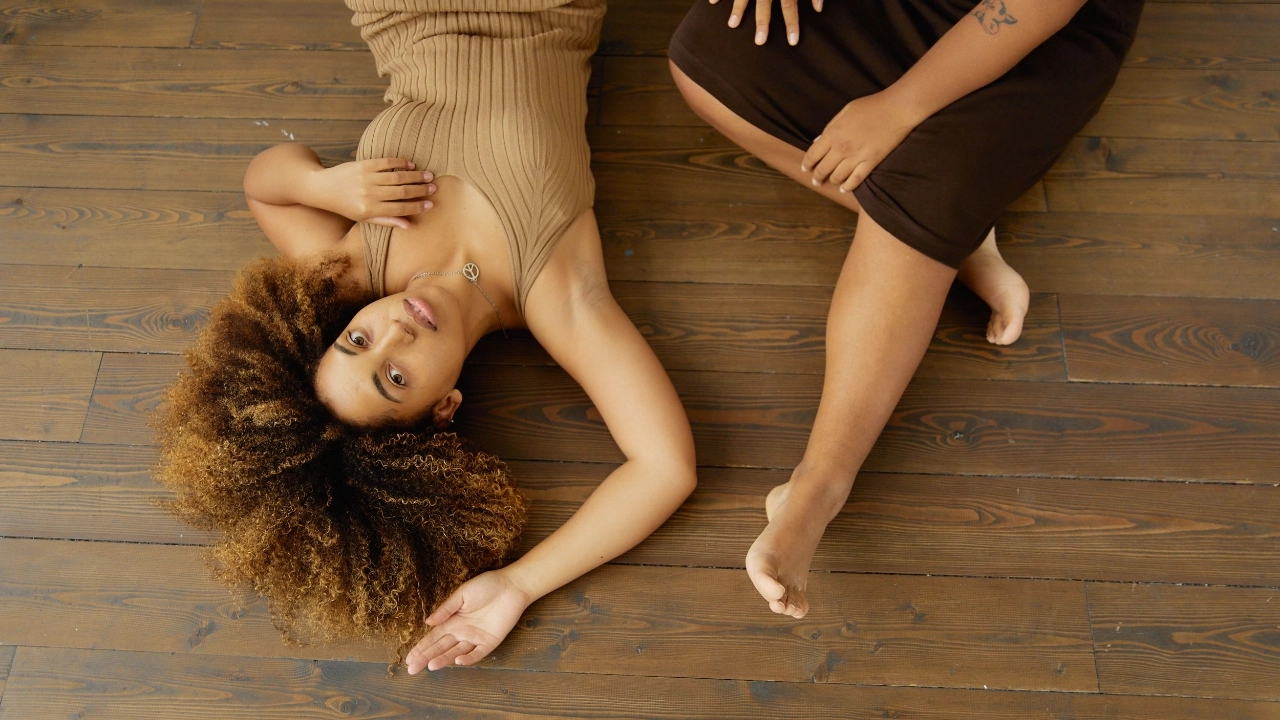
Knit maxi dresses fail in production not because the silhouette is hard to design, but because length, drape, hem stability, and batch consistency are extremely sensitive to yarn weight, gauge, and finishing. From a factory perspective, the most common bulk problems we see in knit maxi dress development are post-wash elongation, uneven hem drop, bulky packaging, and length variation between production batches. Buyers who plan ahead at the yarn, gauge, and tech pack stage avoid 80% of these issues before sampling even starts.
Maxi length amplifies every small error. A 2% shrinkage on a cropped top is invisible. The same 2% on a 130 cm dress means 2.6 cm of length drift, which is enough to push a garment out of tolerance and trigger customer complaints. Heavier garments also pull downward under their own weight during wear, hanging, and shipping, which means drape and dimensional stability must be engineered, not assumed. A safer development plan should connect yarn selection, gauge, stitch structure, sampling, quality control, and packaging before bulk production starts.
Why Knit Maxi Dresses Behave Differently From Shorter Knit Styles
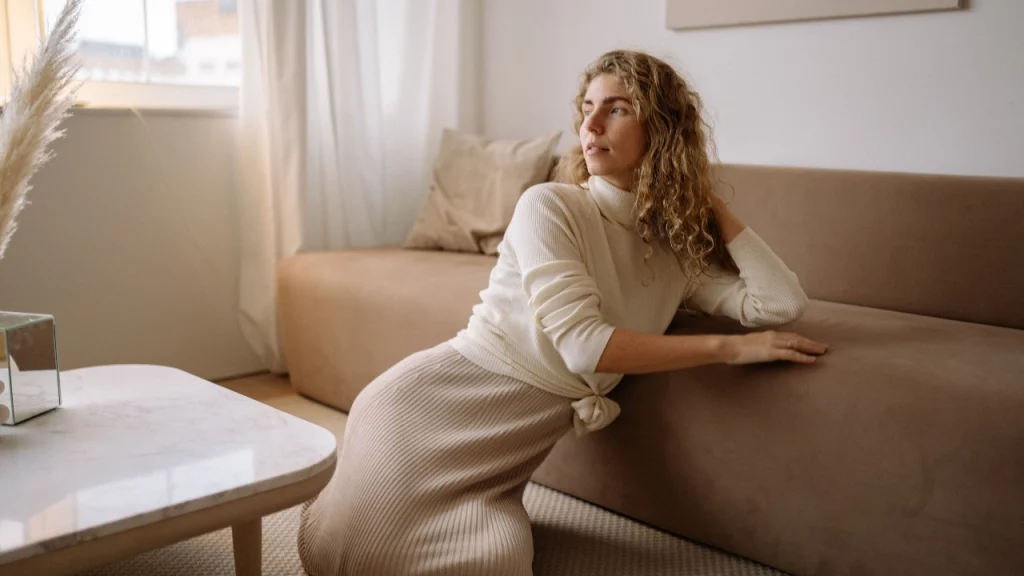
A long knit dress is not just a longer top. The added vertical length changes how gravity, yarn elasticity, and stitch structure interact. From a factory perspective, this is where most buyers underestimate development risk. The combined weight of yarn, structure, and length creates downward tension that pulls the body of the dress lower than the original pattern intended, especially after the first wash or extended hanging during retail display.
Heavier yarns and looser gauges intensify this effect. A jersey knit maxi dress made with a soft viscose blend behaves very differently from a rib knit maxi dress made with a tighter cotton-acrylic blend. The viscose version drapes beautifully but can elongate 3–6 cm in wear; the rib version holds shape but may feel heavier and warmer than the buyer expected. Neither is wrong, but each choice must match the end use, season, and price point.
The hem is the most visible failure point. A maxi hem that flares, twists, ripples, or curls is immediately noticed in product photography and customer reviews. Hem stability depends on yarn twist direction, stitch balance, finishing tension, and whether the hem is self-edge, ribbed, rolled, or linked. According to fundamental knit construction principles published by CottonWorks knit basics, single jersey structures naturally curl at the edges, which is why long knit dresses often need rib trims, fully fashioned hems, or chain-stitch finishes to stay flat.
For B2B buyers, this means yarn and structure decisions made in week one of development directly determine return rates and reorder feasibility months later. Treating a maxi dress as a longer sweater dress is the most common upstream mistake we see.
How Does Yarn Choice Affect Drape and Length Stability
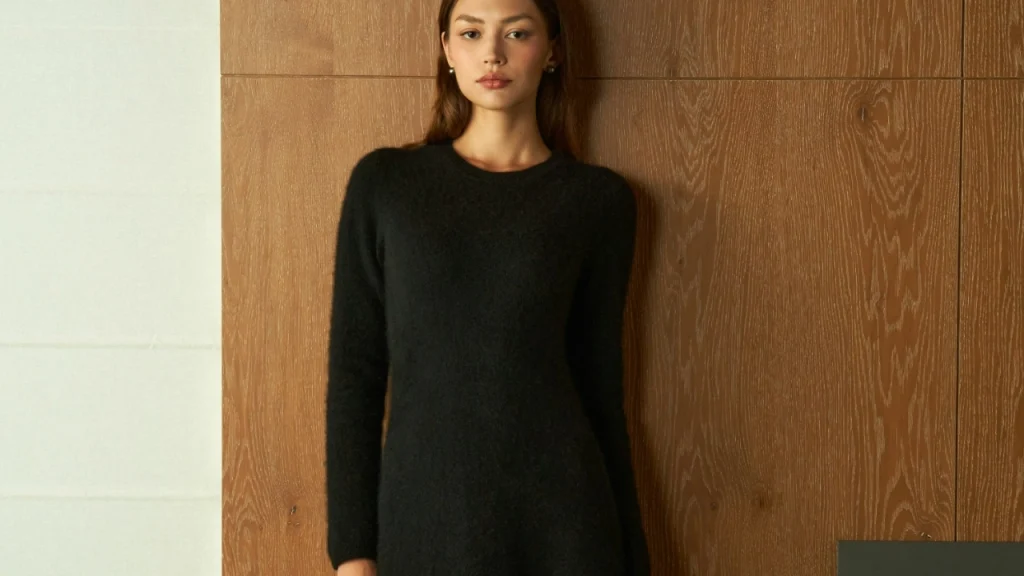
Yarn choice is the single biggest lever for controlling drape and post-wash length on a long knit dress. The yarn count, fiber blend, twist level, and ply structure together determine how the fabric falls, how much it stretches under its own weight, and how it recovers after washing. Heavier yarns produce more vertical pull; finer yarns drape closer to the body but may show every irregularity in the knit structure.
For a typical knitwear maxi dress, we usually work within these yarn families:
| Yarn Type | Typical Drape | Length Risk | Best Use Case |
|---|---|---|---|
| Viscose / Viscose blend | Fluid, body-skimming | High elongation | Resort, spring-summer, dressy |
| Cotton / Cotton blend | Soft, medium weight | Moderate shrinkage | Casual, transitional seasons |
| Merino wool | Smooth, balanced | Low to moderate | Fall-winter, premium lines |
| Acrylic blend | Stable, lightweight | Low elongation | Volume programs, budget tier |
| Cashmere blend | Luxurious, soft drape | Moderate sag risk | Premium fall-winter |
The table shows that drape and length stability often pull in opposite directions, so yarn selection is always a trade-off between aesthetic and dimensional control.
Ply structure also matters. A 2/26 NM yarn knit at 12gg behaves differently from a 1/14 NM at the same gauge, even if total weight is similar. Tighter twists reduce surface hairiness and improve dimensional stability, while softer twists improve hand feel but increase pilling and elongation risk. For long sleeve knit maxi dress styles, sleeve weight adds to total garment pull, so we often recommend a slightly tighter yarn twist or a small percentage of synthetic content to preserve shoulder and sleeve shape over time.
Buyers developing premium knit dresses should also confirm yarn lot consistency. Different dye lots and spinning batches can shift shade, hand, and shrinkage by small but visible margins, especially across reorders placed months apart.
Which Gauge and Structure Work Best for a Knit Maxi Dress

Gauge and structure determine both the visual identity and the mechanical behavior of the garment. As a general rule, finer gauges produce smoother drape and lower bulk, while coarser gauges produce more texture, more warmth, and more weight. For a knit maxi dress, the sweet spot is often between 7gg and 14gg, depending on the target season and price point.
A cable knit maxi dress at 5gg or 7gg looks rich and substantial, but the added yarn weight increases vertical pull. We typically recommend reinforcing the shoulder seam, adding a slight A-line shaping, and using a heavier rib or linked hem to balance the load. A rib knit maxi dress at 12gg behaves more elastically, hugging the body, but the rib structure tends to stretch lengthwise under its own weight, which means the size chart must include realistic worn-length measurements, not just flat-lay specs.
Common structure choices and their typical behavior:
- Single jersey: Smooth, lightweight, drapes well, but curls at edges and shows every stitch irregularity. Best for fluid jersey knit maxi dress styles.
- Rib (1×1, 2×2, 2×1): Elastic, body-conforming, hides minor inconsistencies, but can elongate vertically.
- Cable and aran patterns: Visually rich, structurally heavier, requires careful weight management at the hem and shoulder.
- Pointelle and pointelle blends: Lighter, decorative, but more fragile during wash and handling.
- Milano and half-milano: Stable, structured, holds shape well, slightly heavier hand.
Structure also affects production speed and cost. Cable and aran patterns require more knitting time per panel and more skilled linking, which extends lead time and increases unit cost. Buyers planning seasonal launches for knitwear collections should factor structure complexity into both the calendar and the unit margin from day one. The general principles behind these structural trade-offs are well documented in CottonWorks designing knit textiles resources.
How to Build a Size Chart That Holds Up in Bulk Production
A size chart for a long knit dress must include more than chest, waist, hip, and length. It must define how each measurement is taken, in what state the garment is measured, and what tolerance is acceptable. From a factory perspective, the most common cause of bulk rejection on knit maxi dresses is a size chart that does not specify whether the length is measured before or after relaxation, before or after the first wash, and at what temperature and humidity.
We recommend buyers build size charts with three sets of values: as-knitted, after-steam-relaxation, and after-first-wash. The gap between these three values is the real shrinkage and elongation profile of the garment. A maxi dress with a finished length of 130 cm should typically allow a tolerance of ±1.5 cm to ±2 cm, depending on yarn and structure. Tighter tolerances are possible but increase the rejection rate during QC and may require yarn upgrades or additional finishing steps.
Grading is also more sensitive on long garments. A standard 4 cm grade between sizes works on chest measurements, but length grading should be smaller, often 2 cm to 2.5 cm between adjacent sizes, to keep proportions visually consistent. Sleeve length on a long sleeve knit maxi dress should grade in proportion to body length, not just bust, because tall customers in larger sizes often complain about short sleeves more than tight bodies.
Buyers should also confirm whether measurements are taken with the garment lying flat, hanging, or worn on a fit model. Each method produces different numbers on a heavy knit dress because of how gravity affects the fabric. Specifying the method in the tech pack eliminates ambiguity between development and bulk production.
What Sampling and Testing Steps Reduce Bulk Risk
Sampling for a knit maxi dress should never stop at fit approval. A proto-sample confirms silhouette, but only a wash-tested, hung-tested, and weight-tested pre-production sample confirms whether the garment will survive bulk production and retail handling. Skipping these steps is the most common reason buyers receive bulk goods that look different from the approved sample.
We typically recommend at least three sampling rounds for new maxi dress development:
- Proto sample: Confirms silhouette, yarn, structure, and basic fit.
- Fit sample: Confirms grading, tolerances, and trim choices.
- Pre-production sample (PPS): Confirms bulk yarn lot, wash behavior, and packaging.
Between rounds, we recommend running standard dimensional stability tests, including wash-and-dry cycles, hanging tests of 24 to 48 hours, and weight measurements before and after each test. Independent testing through bodies such as Intertek apparel testing can provide third-party validation for buyers selling into markets with strict retail compliance requirements, particularly for shrinkage, colorfastness, and pilling.
For a rib knit maxi dress or cable knit maxi dress, we also recommend a static hang test where the finished sample is hung on a standard retail hanger for 48 hours and re-measured. This simulates retail floor conditions and reveals how much the garment will elongate before the first customer ever tries it on. The results should be reflected in both the size chart and the merchandising guidelines provided to retail partners.
Buyers should plan for a sampling lead time of 4 to 6 weeks for complex structures, and confirm that PPS approval triggers bulk yarn ordering, not the other way around. Starting bulk yarn before PPS approval is one of the most common causes of color and hand inconsistency across batches.
How Should Packaging and Shipping Be Planned for Long Knit Dresses
Packaging a knit maxi dress is more complex than packaging a short knit top because length, weight, and folding method directly affect both shipping cost and the condition of the garment on arrival. From a factory perspective, the wrong fold can create permanent crease lines on heavy knits, especially on darker colors and tighter structures, which then require steaming at the retail or warehouse level before sale.
For most long knit dress styles, we recommend a four-fold or five-fold method with tissue paper between layers to reduce crease pressure. Polybag size should accommodate the folded garment without compression, because over-compressed knits can develop persistent fold lines and lose loft. Hangtags, size stickers, and barcode placement should be confirmed at PPS stage to avoid last-minute repackaging during bulk inspection.
Shipping volume is a real cost factor for maxi dresses. A long knit dress can occupy 1.5 to 2 times the carton volume of a regular knit top at the same unit weight. Buyers planning sea freight should calculate cartons per cubic meter carefully, because volume-based shipping charges often exceed weight-based charges on knitwear. For air shipments, the cost impact is even larger, which is why many buyers split orders between early air shipments for retail launch and follow-up sea shipments for restock.
Climate during shipping also matters. Humid containers can cause moisture absorption in natural fiber knits, which temporarily increases weight and can affect dimensional stability. Silica gel packets and moisture barriers are standard for premium programs but add unit cost, so buyers should confirm whether their target retail price supports these additions. Reorder planning should account for 60 to 90 day production cycles plus shipping, which means restock orders ·for fall-winter knit maxi dress programs should typically be placed by late spring to avoid stockouts during peak season.
Conclusion
A successful knit maxi dress program depends on engineering decisions made long before the first stitch is knitted. Yarn weight, ply, gauge, structure, and finishing all interact with garment length and weight to determine how the final product drapes, holds its shape, and survives wash, wear, and shipping. Buyers who treat maxi dresses as longer sweater dresses consistently underestimate the risk; those who plan yarn, sampling, tolerances, and packaging together produce programs with lower return rates and more reliable reorders.
If you are developing a new knit maxi dress style or refining an existing program, our team at Cainan Clothing can help you align yarn, gauge, structure, size range, and length-control strategy with your target season and price point. Ask for yarn, gauge, structure, size range, and length-control recommendations for your knit maxi dress project, and share your tech pack, target delivery date, and quantity to get a tailored development plan.
FAQ
What is the typical MOQ for a custom knit maxi dress?
MOQ usually depends on yarn type and structure complexity. For standard yarn programs, MOQs typically start around 100 to 300 pieces per color per style. Custom-dyed yarns, specialty fibers, and complex cable or jacquard structures may require higher minimums to cover yarn ordering and setup costs.
How long does sampling take for a long knit dress?
Proto samples usually take 10 to 15 working days. Fit samples and pre-production samples each add another 2 to 3 weeks, depending on yarn availability and structure complexity. Buyers should plan a total sampling timeline of 4 to 8 weeks before bulk production begins.
Can rib knit and cable knit maxi dresses be reordered without quality drift?
Reorders are possible but require careful planning. Yarn lot variations, machine availability, and operator differences can cause small shifts in hand, shade, and dimension. To minimize drift, we recommend reserving yarn from the same lot when possible and confirming a reference sample for every reorder.
What packaging method works best for shipping knit maxi dresses?
Most buyers use folded poly-bagged packaging with tissue paper between folds to reduce crease pressure. For premium programs, hanger-ready packaging is possible but increases carton volume and shipping cost. The right method depends on retail channel, target price, and shipping mode.
How can buyers verify dimensional stability before bulk production?
The most reliable method is a combined wash test, hang test, and weight check on the pre-production sample. Third-party laboratories can provide standardized shrinkage and pilling reports if buyers need documented compliance for retail partners or import markets.