 CN Sweaters
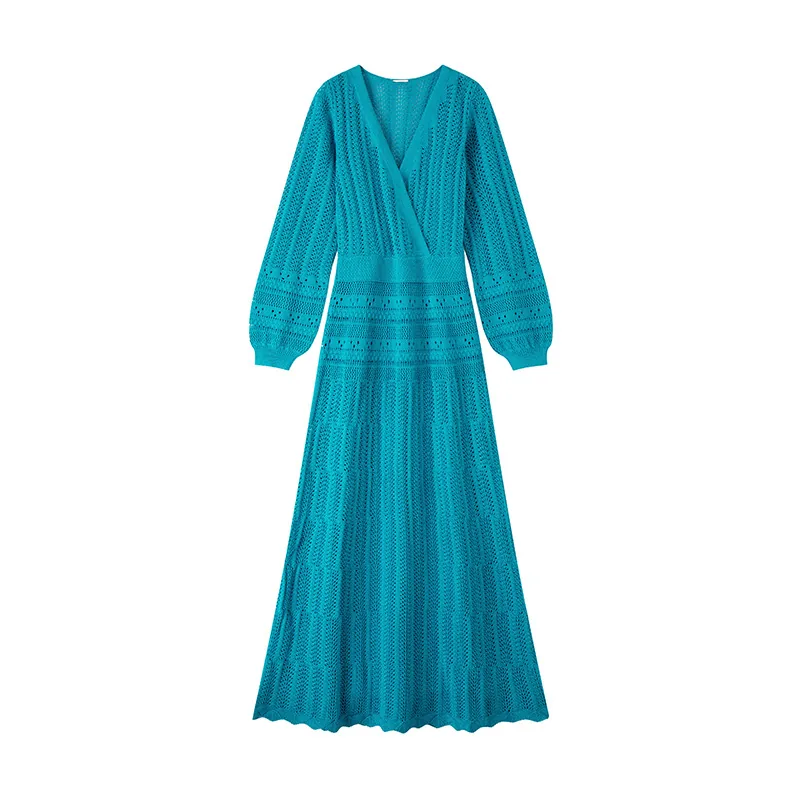
Map knit dress pilling checks to the garment’s intended contact zones, including the hip, seat, underarm and side body where relevant. These are the places where the dress rubs against a chair, a bag strap or a coat lining. A center-front specimen may not represent every construction or wear condition in the dress.
Keep the intended surface, friction-zone map, specimen identity and care state together when planning pilling checks for wool and wool-blend dresses. For finished styles and construction ideas, you can also browse our knit dress collection.
Why knit dress pilling needs its own plan
A sweater and a dress can share the same yarn and gauge. However, they do not share the same wear. A sweater mostly rubs at the cuffs and under the arms. A dress adds long contact at the seat, the back of the thighs and the hip, where the wearer sits, walks and carries a bag.
Because of this, a pilling result from a sweater body swatch tells you only part of the story. It tells you how that yarn and stitch behave under one controlled action. It does not tell you whether the seat of a fitted midi dress will stay clean after a month of office wear.
Define the surface you are selling
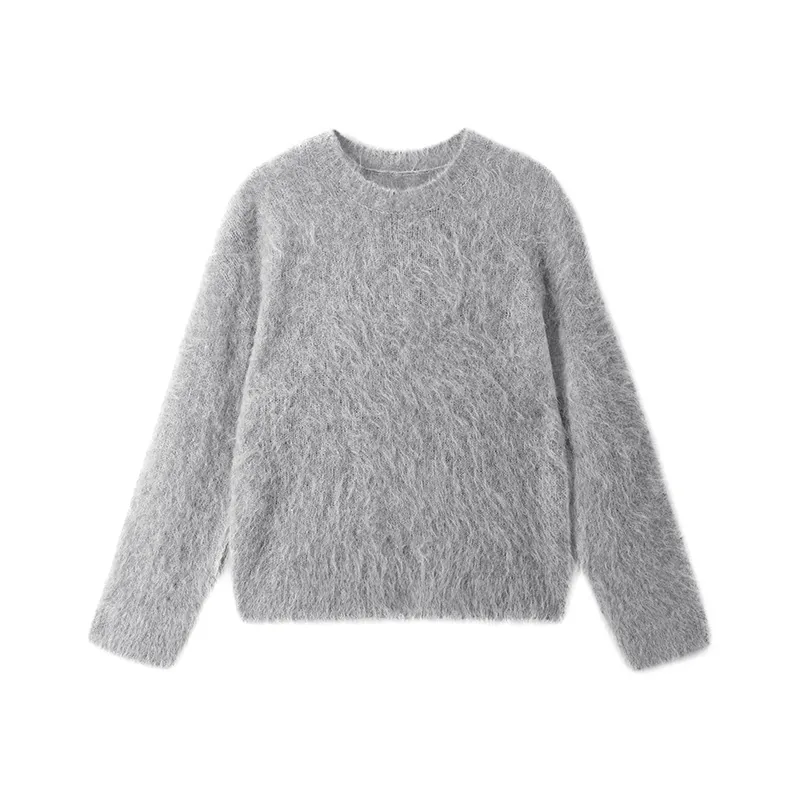
Before any test, write down the surface the customer should expect. A smooth merino dress, a brushed wool dress and a lofty mohair blend all start with different amounts of fuzz. Therefore they need different visual references. Comparing a brushed surface with a smooth reference will flag normal fuzz as a fault.
We keep the approved sample and a set of close-up photos taken under the same light. We also note color, because a dark pill on a light ground shows far more than the same pill on a tonal yarn. A word like “clean” means little on its own, so a physical reference always beats an adjective.
What drives knit dress pilling in wool
In most cases, pilling begins when short or loose fibers work free from the yarn surface and tangle into small balls. Several inputs change how fast that happens. For example, fiber length, twist level, ply, yarn blend, stitch density and finishing all play a part. A loose stitch on a soft single yarn usually pills sooner than a tight stitch on a firm two-ply.
Blends add another layer. A strong synthetic fiber can anchor pills on the surface, so they stay visible instead of falling away. Meanwhile, a pure wool pill may shed more easily but leave a thinner surface behind. Neither result is good or bad by itself. The point is to test the exact yarn you will buy for bulk.
Lock the yarn and stitch before knit dress pilling tests
We record the fiber composition, yarn supplier and item, count or ply, lot, color, gauge, stitch and finish. We also record the washing route, since it affects the result. If the development sample uses a stock yarn and bulk uses another lot, we treat the sample result as provisional until we test the bulk yarn.
Record substitutions in yarn lot, finish and stitch setting before extending an earlier result. A different dye lot, a softer finish or a looser stitch setting can each change the result. So the test report should name every one of these fields, not just “wool blend, 12G”.
Mapping knit dress pilling zones
Next, on the flat sketch, we mark the zones where pilling is most likely. On most knit dresses these include the seat, the hip line, the side body under the arm, the inner sleeve and the area under a shoulder bag strap. For a longer dress, we also add the back of the thighs, where the fabric rubs against seats.
Style changes the map. A fitted bodycon dress rubs hard at the hip and seat. By contrast, an A-line dress has more ease there but may rub at the waist seam. A dress worn under outerwear rubs at the shoulders and upper back. We agree the map with the buyer before we cut specimens.
Include seams, edges and mixed stitches
Include relevant seams, edges and mixed-structure zones in the review. For instance, a rib waistband beside a jersey skirt, a linked side seam, or a pleat fold can all wear faster than the flat body. These spots also hold pills longer because the surface is uneven.
Therefore we look at the dress as a set of zones, not one fabric. If a dress uses two stitches, we test both. If the seat panel uses a different stitch from the bodice, the seat panel gets its own specimen.
Choosing a knit dress pilling test method
Different pilling methods rub the fabric in different ways. Some tumble specimens in a box, some rub them in a circular path, and others use a random motion. As a result, grades from two different methods are not directly comparable. A 4 on one method does not equal a 4 on another.
So we agree the method, the number of cycles and the rating scale with the buyer and the test lab before testing. Choose a method suited to the actual fabric and claim. For example, ISO 12945-2:2020 describes a modified Martindale method for pilling, fuzzing and matting. The lab should state which one it used on the report, together with the specimen details.
Keep specimen origin and direction on record
Every specimen should carry a label that shows where it came from. That means the garment, the zone, the direction of the knit and whether it came before or after washing. Without that label, a good result from the bodice might end up on the seat line of the report.
We also keep a spare specimen from each zone. If the result looks wrong, the lab can retest the same material rather than a new cut from a different panel.
Knit dress pilling wear trials and care checks
A lab test compares controlled specimens. A wear trial, on the other hand, shows what happens on a real body. We find both useful, but neither replaces the other. A short wear trial on the approved sample can reveal a friction zone the lab plan missed, such as a bag strap area.
Keep the trial simple and honest. Note who wore the dress, for how long, what they did and what they wore over it. Then photograph each zone under the same light as the reference. One wearer cannot predict every customer. Still, the trial tells you where to look first.
Connect care to the result
Washing changes the surface. Some wool finishes lift fibers on the first wash, while others hold them flat for longer. Therefore we test after the care route on the label, such as hand wash, gentle machine wash or dry clean. The report should state which care state each specimen had.
Carrying knit dress pilling checks into bulk
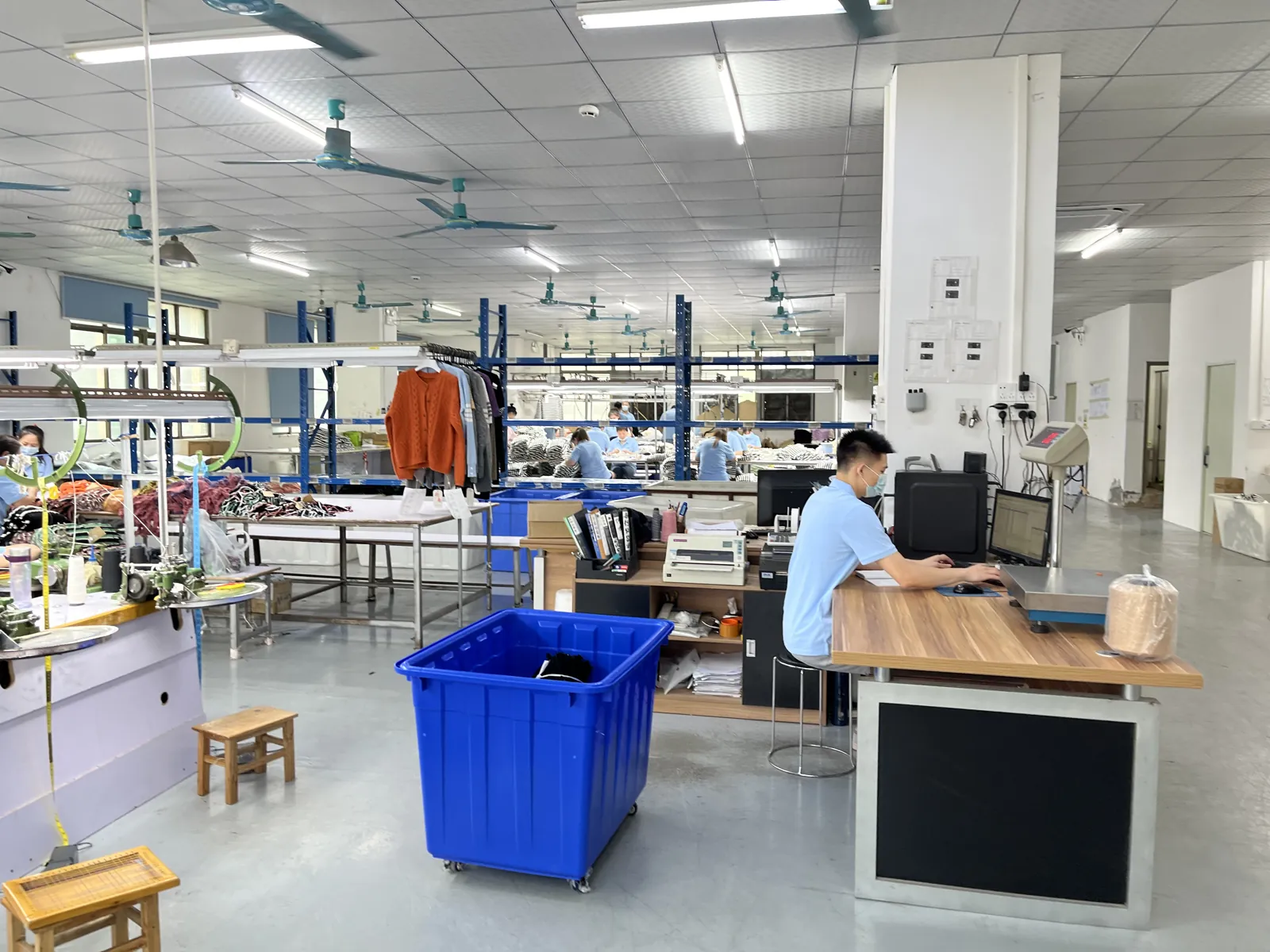
Once the buyer approves the sample, the zone map moves to the production floor. Our in-house washing, pressing and QC teams all work from the same approved sample and photos. For example, QC inspectors check the seat and hip zones on finished dresses, not just the front panel.
We also group bulk by yarn lot and color. If one lot shows more surface change than the others, we can hold that group without stopping the whole order. Our quality control page shows where these checks sit in production.
When to retest for knit dress pilling
We retest when the yarn lot, supplier, stitch, finish or care route changes. Similarly, a new color on a light ground may need its own check, because pills show more on pale shades. A size change alone rarely needs a new lab test. However, a much tighter fit at the hip can change the wear map.
For wider inspection steps, read our knitwear quality control checklist.
Planning your knit dress order
For a pilling-sensitive knit dress, identify the proposed yarn and the wear zones before deciding which swatches or garment areas to compare. Keep specimen conditioning, abrasion method and grading reference consistent across candidates; otherwise a prettier swatch photograph is not a useful comparison. Ask which yarn is actually available and how many rounds the selected test route adds to this dress’s sampling calendar. The published starting MOQ is a site-wide planning input, not a result of this pilling comparison.
For chemical-safety requirements on a wool dress, request current evidence covering the actual wool yarn, finish and accessories. A certificate for another material scope cannot establish that claim. See our MOQ and lead time page to plan sampling rounds.
Conclusion
Retain the knit dress pilling report with the specimen origin, method, exposure and care state. Keep the wear-trial observations beside that record, without turning either result into a promise that every customer will see the same surface over time.
Send us your dress sketch and yarn choice and we will plan the pilling checks with you.
FAQs
Can one body swatch approve the whole dress?
Usually not. A center front swatch shows how the yarn behaves. However, the seat and hip often wear harder, so they need their own specimens.
Can I compare knit dress pilling grades from two methods?
No. Each method rubs the fabric differently. So compare results only within the same method, cycle count and rating scale.
Does a good lab grade mean the dress will never pill?
No. A lab grade compares fabrics under one controlled action. Real wear varies, so a short wear trial adds useful detail.
What if only one color pills more in bulk?
We hold that color or yarn lot and check its yarn and finish records. Meanwhile, the other colors can continue if they match the approved sample.