 CN Sweaters
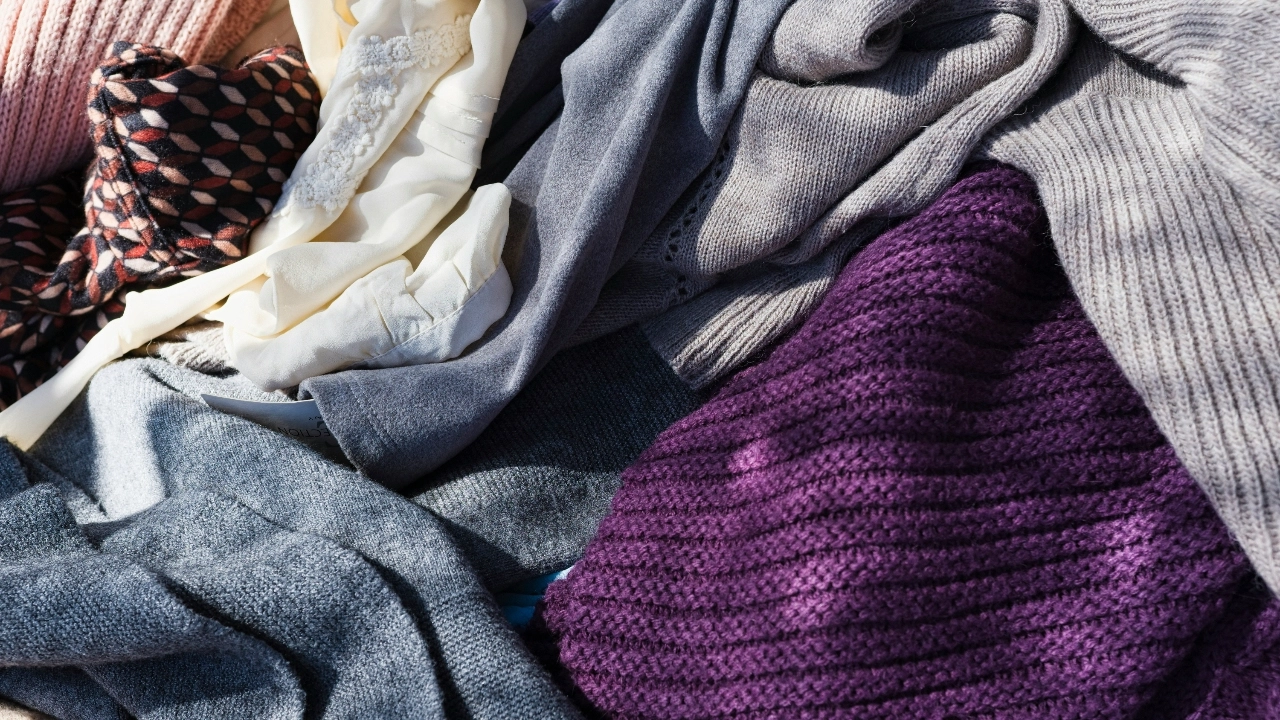
A balanced wholesale knitwear collection should lean on a stable core of repeatable sellers and use a smaller, tightly controlled set of trend styles to test new shapes, colors and price points. From a factory perspective, the brands that consistently reorder are the ones who treat core and trend as two different inventory tiers with different MOQ rules, different color counts and different size depth, not as one flat assortment.
When the ratio between these two tiers is wrong, the symptoms appear quickly. Core best-sellers go out of stock mid-season because the reorder window is too short. Trend cardigans sit in the warehouse because the buyer committed to too many colors before any sell-through data was in. Budgets get split across too many SKUs, and the supplier sees fragmented POs that drive up unit cost.
This piece walks through how we structure that decision with brand buyers, private label teams and wholesale partners during pre-production planning. We will look at how to define what counts as a core style, how to scope trend styles without overcommitting, and what MOQ, color and size depth rules apply to each tier when you place a first order with a knitwear factory.
Why Core and Trend Balance Matters in Wholesale Knitwear
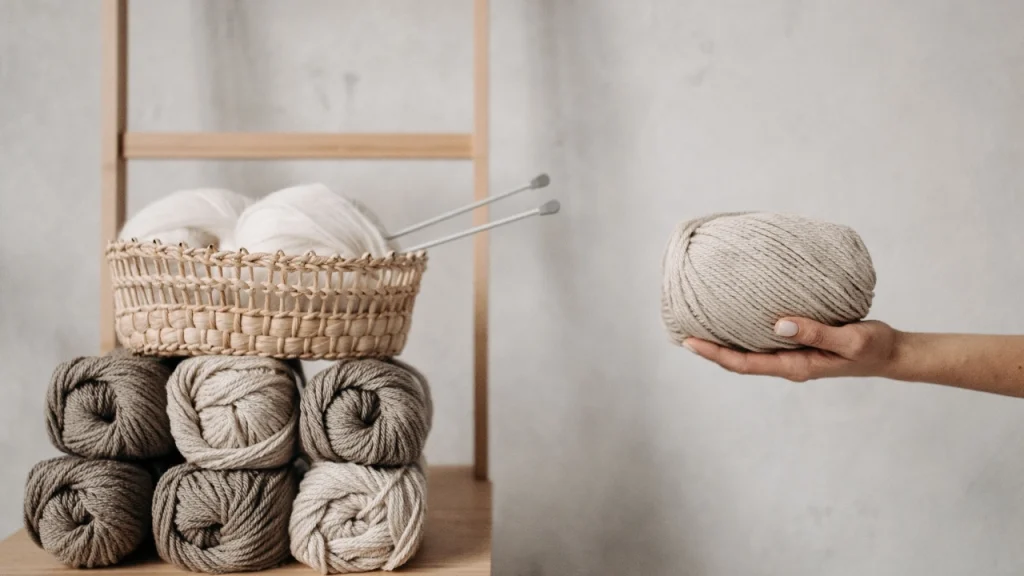
Balance matters because wholesale knitwear margins are made over the full season, not on the opening order. A collection that is 100% trend may sell through quickly at full price but leaves nothing to reorder when the season extends. A collection that is 100% core looks safe on the line sheet but loses retail attention and rarely drives full-price sell-through. The buyers who get this right usually run roughly 60–70% core, 20–30% seasonal, and 10–15% experimental, then adjust the ratio season over season based on actual sell-through.
The cost structure of knit production reinforces this. Fabric and yarn typically represent the largest single share of garment cost, and yarn-related decisions are made early in the development cycle, as CottonWorks notes in its guidance on designing knit textiles. Once a style is committed at the yarn stage, the cost of changing direction late is high. Core styles absorb that risk well because they reorder against the same yarn lot logic. Trend styles do not, which is why they need tighter controls upfront.
How buyers usually get the ratio wrong
The most common pattern we see is over-investment in trend cardigans and statement knit dresses during a strong sell-in meeting, with under-investment in basic cardigan styles and classic crew sweaters that actually carry the program. By the time the buyer realizes the core is too thin, the factory calendar is full and the reorder window has closed. Looking at the historical sell-through of your own basic cardigan and core sweater shapes before committing trend volume is the simplest correction. Buyers can review available shape options on our knitwear product range when mapping their own assortment against ours.
What Counts as a Core Style in Wholesale Knitwear Today?
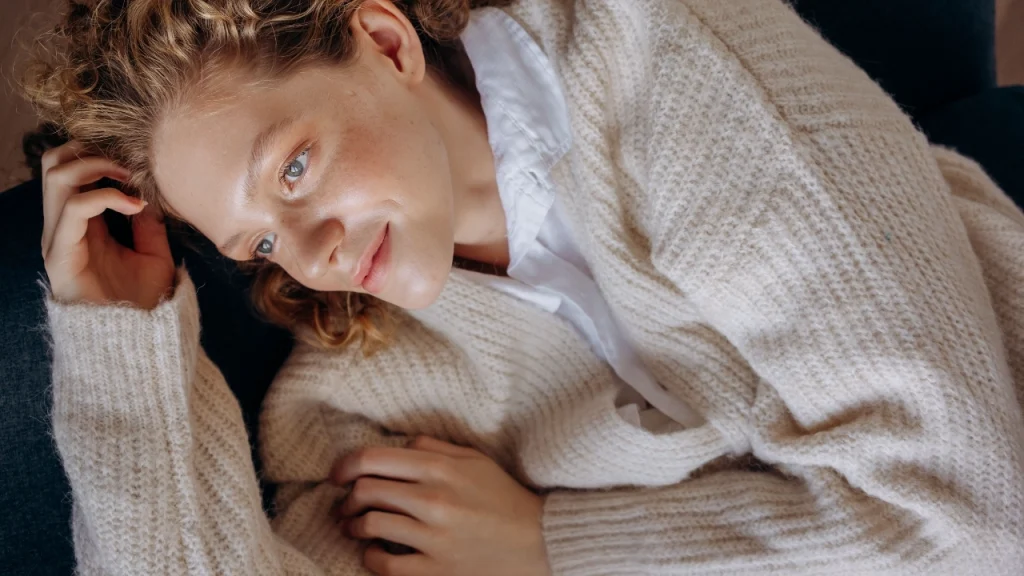
A core style in wholesale knitwear is a shape that has demonstrated stable sell-through across at least two seasons, can be produced in repeatable yarns and can carry color extensions without retooling. A classic cardigan sweater in a 12gg merino blend, a round-neck pullover in cotton, a long-sleeve basic knit dress, and a fine-gauge V-neck vest knitwear piece are typical examples. These are not the styles that win the line review meeting, but they are the styles that protect your full-season margin.
Core styles share a few practical traits from the factory side. The patterns are stable, so we are not re-grading every season. The yarn is commercially available rather than a niche custom blend, which means lead time on reorders stays predictable. The construction is straightforward jersey, rib or simple cable, which keeps the machine setup time low. From a costing perspective, this is also where bulk knit sweaters give buyers the best price per unit, because we can run longer color blocks on the same machine without retooling between SKUs.
Why core deserves more colors and deeper size curves
Because core styles reorder, buyers can extend them safely across 5–8 colors and run a full size curve (XS–XXL or equivalent), even if the first PO only carries the safer 3–4 colors. The pattern library is already built, so adding a color later costs less than developing a new style. This is the opposite of trend cardigans, which we will cover next. When planning the core for wholesale knitted sweaters, we usually advise buyers to commit fewer styles, deeper colors, and budget headroom for at least one in-season refill. Brands that source through our OEM/ODM knitwear services can plan the color extension against the same yarn lot, which reduces shade variation on refills.
How Should Trend Styles Fit Into a Wholesale Knit Collection?
Trend styles should be treated as in-season tests, not as core inventory. The first commitment on a trend style should be the smallest run the factory can support cleanly, with fewer colors, a shallower size curve and no assumption of an automatic reorder. Trendy cardigans with a new silhouette, statement-collar knit dresses, oversized vest knitwear or a heavy chunky-knit jumper in a new color story are good examples. They earn their place in the assortment by generating retail attention, full-price sell-through and learning data for next season, not by carrying the volume of the program.
The economics here are different from core. Trend yarns are sometimes specialty blends or limited-lot novelty yarns, which means we cannot guarantee the same shade or hand feel on a late reorder. Mold and stitch programs may be specific to one shape, so re-running them mid-season takes machine time we may have already committed to other orders. This is the trade-off buyers need to accept: the upside is newness and margin, the downside is limited reorder flexibility.
Keeping the trend tier disciplined
A disciplined trend tier has a hard cap on style count, usually 15–25% of the total SKU count, and an even tighter cap on first-order units per SKU. We usually recommend buyers commit to 2–3 colors per trend style, run a slightly compressed size curve (drop the smallest and largest sizes on the first order), and treat the first run as a test. If a trend style hits a sell-through threshold within the first 4–6 weeks, then the conversation about a refill or graduating that style into next season’s core can begin. Brands looking at trend pieces in dresses or cardigans can review current shape options across our cardigans collection and our knit dresses range to benchmark what is producible at low MOQ.
How Do You Decide the Core to Trend Ratio?
The core-to-trend ratio is decided by sales channel, price band, sell-through history and total buying budget, in that order. There is no single correct split, but there are conditions that push the ratio one way or the other. A wholesale program selling into department stores or off-price channels usually needs a heavier core weighting (often 70–75%) because the channel rewards repeat sellers and penalizes slow turn. A direct-to-consumer brand with strong newsletter and social engagement can support a higher trend share (often 30–35%) because newness drives the brand’s traffic.
Channel mix matters more than instinct. A buyer running both wholesale and DTC out of the same collection should usually set the ratio on the wholesale side, then layer additional trend pieces for the DTC channel only, with the trend pieces produced on smaller first runs.
Anchoring the ratio in budget and reorder reality
The second filter is budget. Production budgeting guidance from Maker’s Row notes that materials typically account for about a third of the wholesale price, which means every additional style adds fixed development and yarn-commit cost even before the bulk run begins. If the buying budget cannot support a full size curve in your top 6–8 core styles, the right move is to cut a trend style, not to thin the core. We see buyers regret cutting core depth more often than cutting trend breadth.
The third filter is reorder reality. A buyer who cannot place a refill order within the season — because of cash flow, warehouse constraints or buying calendar — should not commit to a deep trend tier at all. The trend tier needs a working refill mechanism to capture the upside; without one, trend styles become end-of-season clearance.
Planning Yarn Color and Size Depth Across Both Tiers
Yarn, color and size depth should be planned in tiers that match the role each style plays in the collection, not flattened into one rule. Core SKUs justify the deepest yarn commitments, the widest color range and the full size curve because they will reorder. Seasonal SKUs sit in the middle, with a tighter color story but still credible size coverage. Experimental SKUs run on the shortest commitments across all three dimensions.
This is also where private label teams should align the plan with the supplier’s MOQ structure before locking the line sheet. A knitwear factory’s quoted MOQ is usually per color per size, not per style, so adding one extra color to a trend style can quietly double the unit commitment. Brands sourcing wholesale cashmere jumpers, where the yarn cost is high, should be particularly careful here, because each additional color ties up yarn capital that may not turn within the season.
A planning table for the three SKU tiers
The table below summarizes how we usually advise buyers to scope each tier when building a first-order plan for wholesale knitted sweaters and related categories.
| Planning factor | Core SKU (60–70%) | Seasonal SKU (20–30%) | Experimental SKU (10–15%) |
|---|---|---|---|
| Typical examples | Basic cardigan, classic crew sweater, basic knit dress | Seasonal cardigan, mid-weight knitted jumper wholesale, vest knitwear | Trendy cardigans, statement knit dresses, novelty-yarn pieces |
| Colors per style | 5–8 colors, expandable | 3–4 colors | 2–3 colors |
| Size curve | Full curve (e.g. XS–XXL) | Full curve, lighter on extreme sizes | Compressed (drop smallest/largest) |
| First-order depth per color | Deep (factory min ×2–3) | Moderate (at or near factory min) | Light (factory min only) |
| Yarn commitment | Stable, commercial yarn | Commercial with seasonal accents | Specialty or limited-lot yarn |
| Reorder expectation | Plan one to two refills | One refill if sell-through hits target | No refill assumed |
The pattern is straightforward: depth in core, balance in seasonal, restraint in experimental. Buyers who invert this — going deep on experimental SKUs and shallow on core — almost always end the season with stockouts on the wrong items.
What MOQ and Lead Time Conditions Apply to Each Tier?
MOQ and lead time differ by tier because the production setup differs. Core wholesale knitwear runs against established patterns and commercial yarns, so the per-color MOQ can usually be hit comfortably and the lead time is shorter on a reorder than on the first run. Seasonal SKUs sit in the middle. Experimental SKUs carry the longest effective lead time because sampling and yarn lab-dips have to happen before bulk can start.
As a working reference, our typical bulk lead time for sweater programs runs around 45–60 days after sample approval and yarn confirmation, with reorders on the same SKU often shorter because the pattern, program and yarn standard are already locked. Sampling itself usually takes 10–15 working days per round, and buyers who plan two sampling rounds (proto + size-set) in their calendar avoid the bulk-stage surprises that Maker’s Row describes across the apparel manufacturing process. These numbers vary by yarn, gauge and decoration, so confirm them against your specific tech pack rather than treating them as fixed. For buyers who need exact ranges by category, we publish current parameters on our MOQ and lead time page.
Quality control checkpoints buyers should ask about
Quality control should be planned per tier as well, because the risk profile is not the same. Core SKUs benefit from in-line inspection during stitching and a pre-shipment AQL check, with measurement and color consistency as the priority. Experimental SKUs justify an additional pre-production fabric and hand-feel approval, since the yarn is less proven. Independent inspection bodies such as Intertek define structured inspection levels, and Intertek’s textile and apparel inspection framework is a useful reference when writing your QC clauses into a wholesale knitwear PO. Aligning QC depth with tier risk keeps inspection cost proportional to the value of catching a defect early.
Conclusion
A wholesale knitwear collection works when the core carries the volume and the trend tier carries the newness, with budget, color count, size depth and MOQ all scoped to match the role of each style. The buyers who repeat with us season after season are not the ones with the most exciting line sheets — they are the ones who keep the core well stocked, test trend pieces with discipline, and leave room in the calendar for at least one in-season refill. If the assortment cannot survive a slow trend season, the ratio is wrong.
Before locking your next PO, send your target market, sales channel, planned sweater categories, target price range, yarn preferences, color plan, size range, buying budget, first-order quantity, and expected reorder volume to our team for a balanced collection review — you can reach us directly through our knitwear sourcing team to map this against current production capacity.
FAQ
What is a workable MOQ for first orders on core versus trend wholesale knitwear? For commercial yarns and standard constructions, core SKUs are usually quoted at a per-color, per-size minimum that buyers can hit with normal channel volume. Trend SKUs in specialty yarns may require either a higher per-color minimum or a combined-color minimum to make the yarn lot viable. The exact figure depends on yarn, gauge and decoration, so request a written MOQ breakdown per style before signing the PO.
How many sample rounds should I plan for a new trend cardigan before bulk? Plan for at least two: a proto sample to confirm shape, hand and overall direction, and a size-set or pre-production sample to confirm grading and fit across the run. Trend pieces with new stitch programs or novelty yarns sometimes need a third round. Building this into the calendar upfront is cheaper than fixing fit issues in bulk.
Can I add colors to a core style mid-season without restarting the lead time? Often yes, if the yarn is in stock and the pattern is already approved. The reorder lead time on a new color of an existing core SKU is usually shorter than a fresh style because the program and tech pack are already locked. Confirm yarn lot continuity with the factory before committing, since shade differences across lots can affect retailer acceptance.
What is the safest way to test trendy cardigans without overcommitting? Run the first order at the factory minimum per color, cap the color count at two or three, and compress the size curve by dropping the extreme sizes on the first run. Set a clear sell-through threshold (for example, a 4-week sell-through target) before placing any refill. If the style misses the threshold, do not refill — graduate the learning into next season’s planning instead.
How should I plan QC for bulk knit sweaters when I cannot visit the factory? Combine the factory’s in-line checks with an independent pre-shipment inspection at AQL standard appropriate to your retail channel. Specify measurement tolerance, color matching, label accuracy and packaging spec in the PO so inspection criteria are not negotiated after the fact. For high-value programs such as wholesale cashmere jumpers, an additional during-production inspection is usually worth the cost.