 CN Sweaters
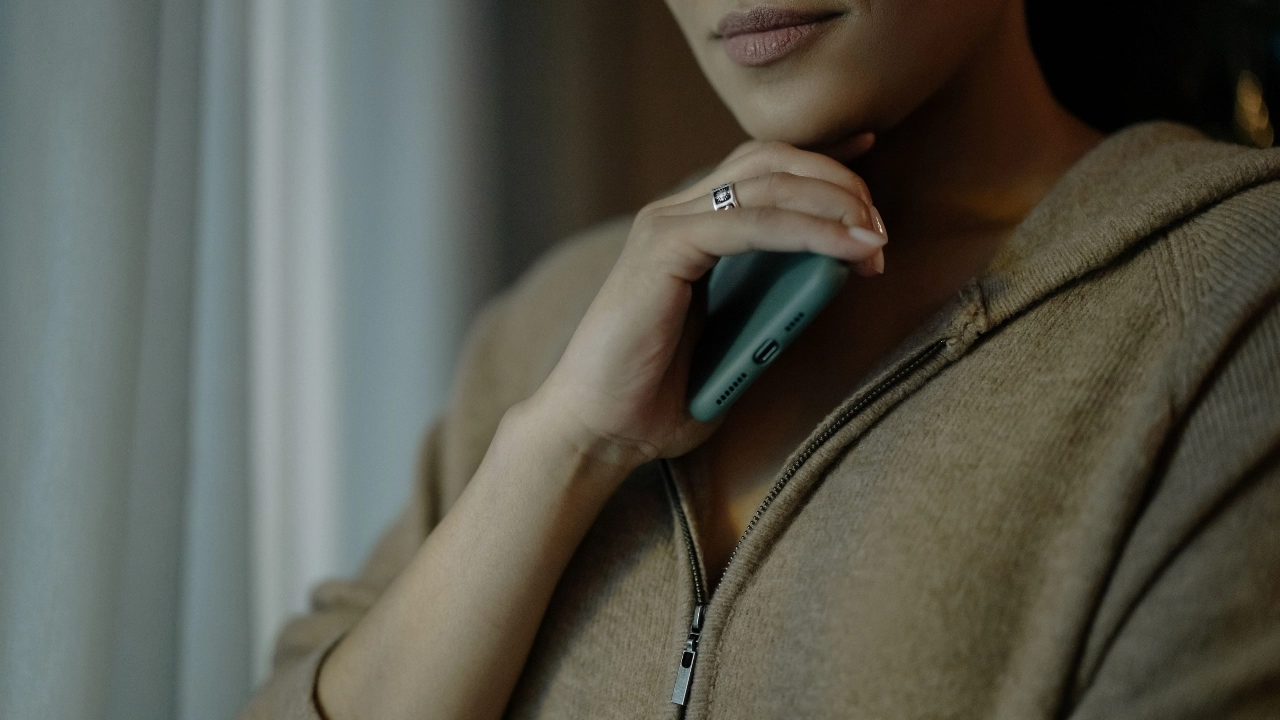
A zip cardigan and a full zip sweater are not the same product, even when the front looks similar on a flat-lay photo. For private label lines, the difference shapes target customer, season, price band, neckline architecture, placket engineering, zipper hardware, and the bulk production risks that decide whether your first order arrives clean or comes back with wavy plackets and uneven hems. Choosing the wrong category at tech pack stage usually means two extra sample rounds, a higher per-unit cost, and a story your buyer cannot tell at retail.
The naming overlap between zip up cardigan, full zip cardigan, zip through cardigan, zip up knit sweater, and knit zip up sweater hides real structural decisions: open-front layering piece versus pullover-derived knit outerwear, fine gauge dressy garment versus heavy cable knit zip up sweater, single placket versus double zip cardigan with two-way sliders. Each direction changes yarn weight, gauge, trim spec, sampling time, and quality control tolerance. The sections below walk through how to read these differences before the first proto, so a private label buyer can lock the right structure, fit, and zipper system before money moves into bulk knitting.
What Defines a Zip Cardigan Versus a Full Zip Sweater

A zip cardigan is, by construction, an open-front knit garment with two separate front panels joined by a zipper running through a finished placket. A full zip sweater, in B2B usage, is closer to a knit outerwear piece or a pullover-derived silhouette that happens to open fully at the front. The placket on a zip up cardigan is usually narrower, more tailored, and finished with a 1×1 or 2×2 rib; a full zip cardigan sweater or zip up knit sweater often carries a wider self-fabric placket, heavier rib, and a more structured collar so it can hold the weight of bulkier yarns.
The decision is not cosmetic. A cardigan-line product sits in your range as a layering item priced between a tee and a coat; a full zip knit sits closer to a light jacket and absorbs higher landed cost. Standard apparel development moves through pattern, sampling, grading, and bulk in sequence, and the placket on either category is one of the most-revised areas during proto rounds, as described in general apparel manufacturing workflow documentation. Getting the category right at brief stage keeps those rounds short.
Reading the Silhouette Before Sampling
Before you brief a factory, decide three things in writing: how the garment is meant to be worn (over a shirt, over a tee, as outerwear), what neckline carries the brand (V-neck, stand collar, shawl, hooded), and how the hem should sit (cropped, regular, longline). A zip through cardigan with a V-neck and 7gg yarn behaves like a cardigan; the same body in 3gg chunky yarn with a stand collar starts behaving like a knit zip cardigan that competes with light outerwear. The same tech pack cannot serve both.
How Yarn Gauge and Stitch Structure Change the Category
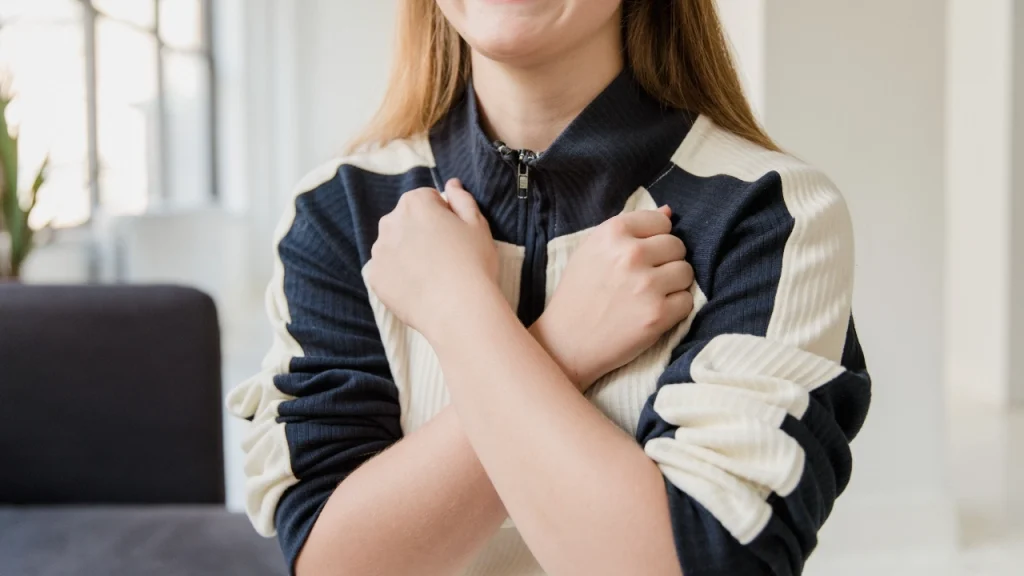
Gauge and stitch structure decide whether a zip knit cardigan reads as fine cardigan, mid-weight layer, or heavy knit outerwear. Fine gauge (12gg, 14gg) on cotton, merino, or wool blends produces a refined zip up cardigan that drapes flat against the placket; mid gauge (5gg, 7gg) supports the most flexible private label range, including merino wool full zip sweater styles and standard zip up knit cardigan programs; coarse gauge (1.5gg–3gg) is where chunky cable knit zip up sweater and wool zip cardigan products live, with significantly different sampling risk.
Stitch choices also signal positioning. Plain jersey and 1×1 rib read as basic. Half-cardigan and full-cardigan stitches add loft and brand value at a controlled cost. Cable, aran, and pointelle structures lift perceived value but introduce higher shrinkage, more dimensional movement, and tighter QC requirements. Industry guidance on knit textile design from Cotton Incorporated explains how stitch geometry and yarn count interact to define hand-feel and stability, which is exactly what changes the perceived category.
| Construction Range | Typical Gauge | Yarn Weight Range | Common Use in Private Label | Placket Risk Profile |
|---|---|---|---|---|
| Fine zip cardigan | 12gg–14gg | 2/30Nm–2/48Nm | Dressy V-neck, retail layering | Low to moderate, narrow placket |
| Mid zip up cardigan | 7gg | 2/17Nm–2/24Nm | Year-round core program | Moderate, balanced stability |
| Heavy zip up knit sweater | 5gg | 2/8Nm–2/14Nm | Fall–winter mid layer | Higher, heavier zipper pull |
| Cable knit zip up sweater | 3gg–5gg | 2/4.5Nm–2/8Nm | Statement winter piece | High, pattern memory issues |
| Chunky full zip sweater | 1.5gg–3gg | 2/2Nm–2/4Nm | Outerwear-adjacent | Highest, placket distortion risk |
After locking the row above, the placket spec and zipper choice should be revisited, because heavier yarns need stronger zipper tapes and reinforced facings.
Why Yarn Composition Drives Bulk Risk
A cashmere zip cardigan and a merino wool full zip sweater behave very differently in production. Cashmere is sensitive to handling and tends to relax more after steaming, so plackets need over-locked facings and pre-shrunk zipper tape. Merino is more stable but still requires controlled wash. Cotton and acrylic blends are forgiving but lose definition on cable structures. Selecting yarn before zipper means the trim arrives matched to fabric behavior, not the other way around.
Placket Engineering and Zipper Selection for B2B Buyers

The placket is the single most failure-prone area on any zip up knit cardigan or full zip sweater. Industrial sources describe placket and front-band construction as a dedicated cutting and seaming operation that needs separate quality control attention, and the principles documented in sweater manufacturing fundamentals from Cotton Incorporated apply directly to private label production. A clean placket needs three things aligned: a zipper tape that matches knit shrinkage, a facing or interlining that controls stretch, and a stitching sequence that does not introduce skew.
Zipper choice is structural, not decorative. The YKK guidance on choosing a zipper for wearables sets out the practical decision tree: separating versus closed-end, chain weight, slider style, tape material, and finish. For private label knitwear we usually specify a molded plastic or coil separating zipper for cardigans, with chain weight scaled to yarn gauge — a 3YG or 4.5YG coil for fine to mid gauge, 5VS or 8VS molded for heavy zip up knit sweater and cable knit zip up sweater bodies. A double zip cardigan adds a second slider for layering and stroller-friendly access, which raises trim cost and demands tighter tape length tolerance.
Common Defects to Catch in Sampling
The recurring placket defects in zip knit cardigan production are predictable. Wavy front bands appear when zipper tape does not match fabric shrinkage after the first wash. Uneven left and right panel length traces back to stitching tension or hanger marks during finishing. Off-center zipper insertion shows up when the placket facing is cut on the wrong grain. Hem flip-up at the zipper base usually means missing bar-tack reinforcement. Each of these is catchable in the proto round if the QC checkpoint is written into the tech pack — practical inspection scopes for these issues are described in Intertek’s textile and apparel inspection guidance.
How Buyer Profile and Season Decide the Right Product
The same brand can carry both products, but rarely in the same drop and rarely at the same price band. A zip up cardigan in fine gauge cotton or merino is a transitional spring and autumn product, typically priced as a layering item, sold to a customer who already owns a coat. A full zip cardigan sweater or chunky knit zip up sweater is a winter mid-layer or outerwear substitute, priced higher, often sold against light jackets and fleece. A cashmere zip cardigan sits in a separate luxury tier with smaller MOQs and longer sampling cycles.
Channel matters as much as season. Direct-to-consumer brands selling on storytelling can carry double zip cardigan and statement cable knit zip up sweater pieces with thin margins on the hero item. Wholesale programs aimed at department-store buyers need stable repeat styles with reliable size tolerance and predictable reorder timing. Marketplace-led private label lines lean on core zip up cardigan programs in two to three colorways, where placket consistency across hundreds of pieces is the operational risk, not the design ambition.
Matching Fit Block to Customer
Cardigan blocks usually keep a slimmer chest-to-hem ratio and shorter sleeve cap so the garment layers cleanly under a coat. Full zip sweater blocks borrow from outerwear: dropped shoulders, deeper armhole, wider hem rib, more ease at chest. A buyer who orders a zip through cardigan on a sweater block ends up with a garment that fits awkwardly under a jacket and oversized over a tee — a fit problem disguised as a category problem.
Cost Structure Sampling Cycles and Production Risk
A zip knit cardigan costs more than a comparable pullover for two reasons: the placket adds cutting, sewing, and trim operations, and the zipper itself is a significant component cost. Cost difference scales with chain weight, length, slider count, and finish. A double zip cardigan with two metal sliders and a custom puller can carry trim cost two to three times higher than a single-slider coil zipper of the same length, which means the choice has to be defended by the brand story or retail price uplift.
Sampling cycles also lengthen with complexity. A plain zip up cardigan in a known yarn typically reaches a fit-approved proto in two rounds. A cable knit zip up sweater with custom cable pattern, custom zipper tape color, and brand-printed slider can take three to four rounds before bulk approval, because cable memory, dimensional change, and trim color matching are decided in separate validation steps. Apparel testing programs that cover dimensional stability, pilling, color fastness, and seam strength — as documented in Intertek’s apparel testing services — should be aligned with the sample calendar, not added after bulk is committed.
Reorder and Continuity Planning
Continuity styles in a private label range benefit from being placed in the zip up cardigan category, where yarn is more available, trim is more standard, and quality outcomes are more predictable. Seasonal hero pieces — chunky full zip cardigan, cashmere zip cardigan, statement cable styles — should be planned as drop-based limited runs, because raw material availability and trim lead time make smooth reorders harder to guarantee.
Working With a Knitwear Factory From Tech Pack to Bulk
A clean factory brief for any zip up knit cardigan or full zip sweater includes ten data points: yarn count and composition, gauge, stitch structure, target garment weight, fit block reference, neckline and collar height, placket and facing spec, zipper brand and chain weight, size range and tolerance, and target FOB or landed price. Missing any of these forces the factory to assume, and assumption is where bulk variance starts.
For private label programs running through CN Sweaters, the relevant capabilities live across the Zip-Up & Hooded Knitwear collection and the wider cardigan development range, supported by full OEM and ODM development services from tech pack interpretation through bulk shipment. Production tolerances, placket inspection, and finished-garment checks are coordinated through a structured quality control workflow, with quantity planning and timing handled under documented MOQ and lead time guidelines.
Tech Pack Items That Reduce Rework
A tech pack that locks zipper length tolerance to ±3 mm, placket facing width to ±2 mm, and rib stretch ratio to a defined range will remove most placket waviness issues before they reach bulk. Adding a dimensional change requirement after one home wash cycle — referenced against an international laundering procedure such as ISO 6330 — gives the factory a measurable acceptance criterion rather than a subjective one. Combined with a labdip and trim color approval round before bulk dyeing, these controls compress total program risk into the sampling phase, where it is cheapest to fix.
Conclusion
A zip cardigan and a full zip sweater serve different customers, different seasons, and different price bands, and the structural choices behind them — gauge, stitch, placket width, zipper system, fit block — define how the bulk order will behave. The earlier these decisions are locked, the fewer sample rounds the program needs and the more predictable the first production run will be.
Send your zip knitwear references, target customer, preferred product structure, neckline, yarn composition, gauge, zipper type, target fit, size range, quantity, price target, and delivery date through the main CN Sweaters product portfolio to compare suitable zip cardigan and full zip sweater options for your private label line.
FAQ
What is the typical MOQ for a private label zip cardigan or full zip sweater program? MOQ depends on yarn, gauge, and colorway count rather than category alone. Fine gauge zip up cardigan programs in standard yarns usually start lower than cable knit zip up sweater or cashmere zip cardigan programs, because specialty yarns carry their own minimum purchase requirements at the mill. Confirm MOQ per colorway and per size break before locking your range plan.
How long does sampling take for a zip up knit cardigan compared with a pullover sweater? Add roughly one extra proto round versus a comparable pullover. Plackets, zipper insertion, and trim color matching are separate validation steps. A standard zip knit cardigan reaches bulk approval in two to three rounds; a double zip cardigan or cable knit zip up sweater with custom trim may need three to four rounds.
Which yarn composition is most stable for a full zip sweater in bulk production? Wool blends and merino wool full zip sweater constructions are typically more dimensionally stable than 100% cotton or pure cashmere at comparable gauge. Stability still depends on stitch structure, finishing process, and zipper tape compatibility, so request dimensional change data after one wash cycle before approving bulk.
What quality tests should be written into the tech pack? At minimum: dimensional change after laundering, pilling resistance, seam strength at the placket, zipper pull-off and slider durability, and color fastness to washing and rubbing. Aligning these with recognized international standards gives the factory and the buyer a shared acceptance criterion and reduces dispute risk at final inspection.
How do I decide between a single-slider zip up cardigan and a double zip cardigan? Decide by use case and price band. Double zip cardigan styles add functional value for longer body lengths, outerwear-adjacent positioning, and stroller-access scenarios. They also add trim cost and tighter tape length tolerance. If the retail price cannot absorb the trim uplift, a single high-quality separating zipper usually delivers better cost-to-value for a core program.