 CN Sweaters
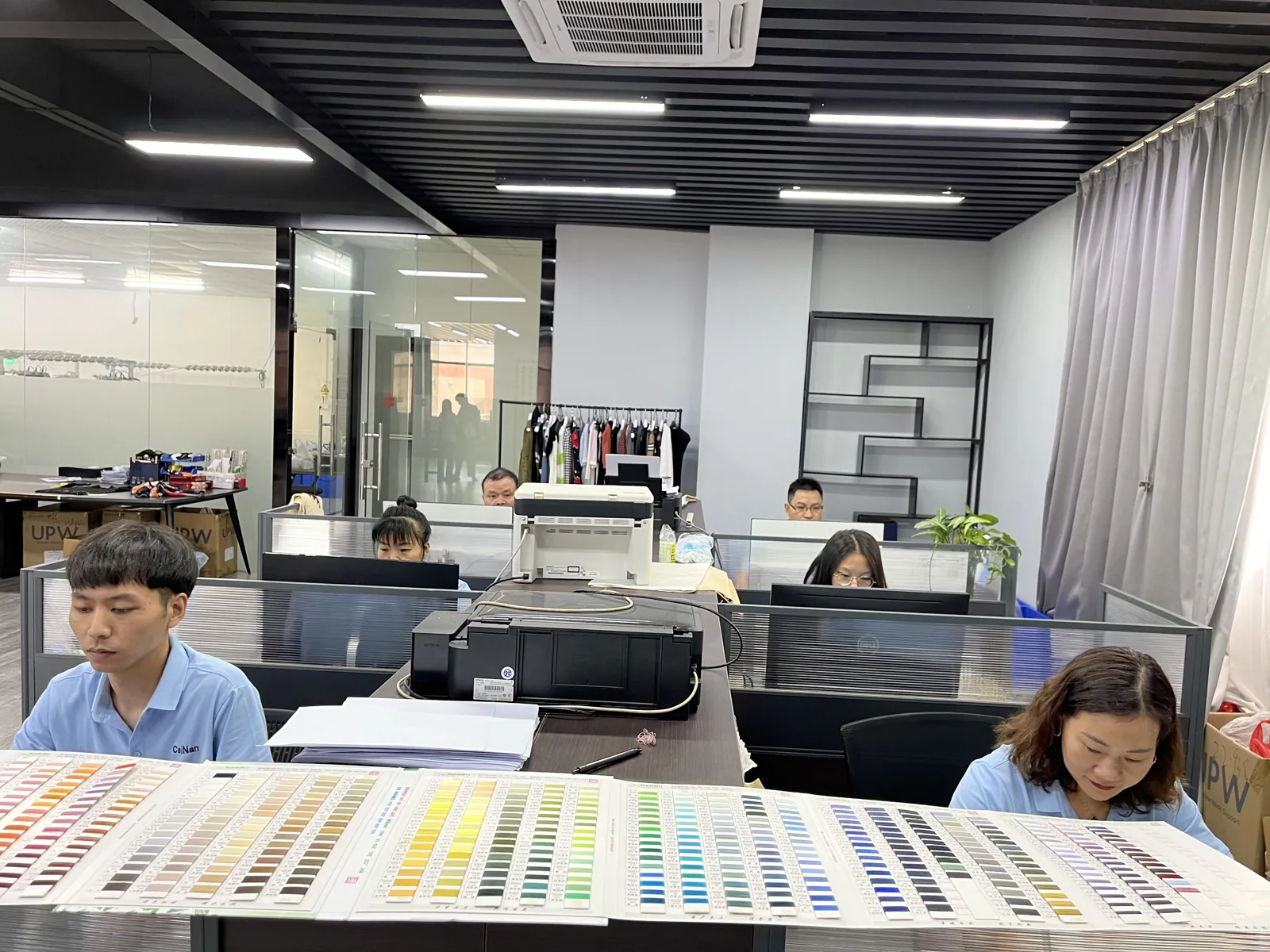
Approve a tie-dye cardigan against an agreed range of shade and placement. Record the dye route, the zones that may vary and the zones that must remain controlled, so the sample and bulk review use the same product definition.
Keep the placement sketch, accepted reference range, colorfastness requirements and dye-group records together. Each answers a different question when buyers compare a sample with the delivered tie-dye cardigan order.
Why a tie-dye cardigan needs a different brief
With a plain cardigan, the approved sample is the target and every bulk piece should match it. By contrast, with tie-dye the approved sample is only one point inside a range. So the brief must describe the range, not just the hero garment.
Start by separating two things. First, the visual target: the color palette, the pattern type (spiral, crumple, stripe, dip or cloud) and roughly how much of the surface each color covers. Second, the process route: the yarn, the knit structure, the dyeing stage, and how the piece is washed and dried afterward. Buyers usually control the first. The factory controls the second, but both sides should write it down.
Fixed zones and free zones
Next, mark the garment into zones. Some areas can carry any part of the pattern. Others, however, need rules. For example, many brands want the rib hem, cuffs and neckband to stay a solid shade, or at least darker than the body. Others want the button placket undyed so buttons sit on a clean base.
In practice, a simple marked sketch works best. Shade the free zones, circle the fixed zones and add one line of text for each rule. Keep that sketch with the order so the sample room and inspectors use the same zone definitions.
Tie-dye cardigan placement across the open front
Check tie-dye cardigan placement across the open and closed front. For instance, a pattern that looks balanced on a flat sample can put two dark patches side by side once you button it. Alternatively, the left front may carry most of the color while the right front looks nearly plain. As a result, the two halves read like different garments.
Because of this, we review every placement sample in three states: laid flat and open, buttoned on a form, and folded for the bag. Each state shows a different risk. Flat shows overall balance. Buttoned shows whether the placket line interrupts the pattern badly. Folded shows what the customer sees first in the bag or on the shelf.
Protect tie-dye cardigan trims and paired parts
Trims deserve their own decision. Buttons, labels and any contrast tape react to dye differently from the knitted body. Therefore, the brief should say whether trims go through the dye bath or get attached after dyeing. If we attach buttons first, they may pick up color or crack. If they go on afterward, the dye team must protect the placket instead.
Similarly, pockets need the same thinking. Two patch pockets on one cardigan should look like a pair, even if their pattern differs. When the team knits and dyes pockets separately, check that they come from the same dye batch as the body.
Building a tie-dye cardigan reference set instead of one sample
A single approved sample may not show the variation the buyer accepts. Use a reference set that represents the agreed shade and placement boundaries.
A reference set can include light, middle and dark or busy examples. Add other examples if those three do not represent the actual placement or shade boundaries. Together they show the buyer and the QC team what “acceptable” looks like. They also make it easier to reject a piece that falls outside the range, because inspectors can compare it with real garments instead of a verbal description.
Next, photograph each reference piece under the same light and keep the physical garments sealed and labeled. Photos help communication. However, the sealed pieces remain the standard if a dispute arises.
Turn comments into instructions
Sample comments such as “more pink” or “less busy” do not translate well to the dye room. So convert each comment into something measurable or visible. For example, “pink should cover roughly a third of the front, not half” or “no dark patch may sit within the button placket area”. Then attach the comment to the specific reference piece it relates to.
Put the revised placement instruction beside the relevant reference piece before ordering another sample. Standard sampling usually takes 3–7 days; confirm the timing for the actual dye route and complexity.
Which colorfastness tests belong in a tie-dye cardigan brief
In most cases, tie-dye uses strong, saturated colors on a pale base. That combination raises two practical questions: will the color rub off onto other fabrics, and will it bleed into the light areas during washing? Both need testing, but neither replaces visual approval.
Match the test to how a tie-dye cardigan is worn
First, choose tests that reflect how the cardigan will be worn and cared for. Common checks include:
- Colorfastness to rubbing (crocking), dry and wet, because a cardigan rubs against bags and other layers.
- Colorfastness to washing, following the care label that will actually go on the garment.
- Colorfastness to perspiration where the style will be worn close to the skin.
- Staining onto adjacent fabric, which shows whether dark areas will mark the light areas.
Test methods from bodies such as AATCC or the ISO 105 series are the usual reference. The buyer and the lab should agree the method and the pass grade for the target market before bulk dyeing begins. We do not set one universal grade, because requirements differ by market and by retailer.
Keep appearance and test results separate
A good test report does not approve placement, and a beautiful sample does not prove fastness. Keep the two decisions in separate lines of the approval record. That way, if a color changes later, everyone knows which approval to repeat.
Grouping bulk lots for a tie-dye cardigan order
Even with a stable process, dye batches vary slightly. Therefore, bulk pieces should stay in their dye groups from dyeing through washing, pressing and packing. Each group gets a simple code on the bundle ticket and later on the carton.
Garments from different dye groups may appear together on a retail rail. If three come from a lighter batch and three from a darker one, the rail looks inconsistent even though every piece sits inside the approved range. Grouping lets the buyer decide how to allocate cartons by store or by channel.
Visual range checks alongside AQL
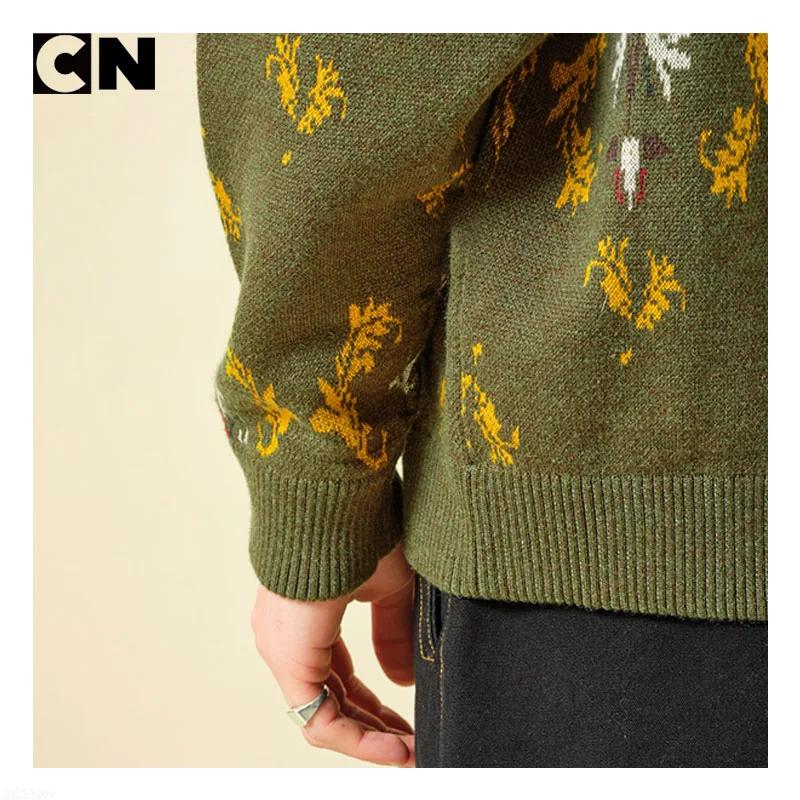
Of course, final inspection should still follow an agreed AQL plan for workmanship: measurements, seams, holes, stains and trims. On top of that, inspectors pull pieces from each dye group and lay them beside the reference set. Any piece darker than the dark reference or lighter than the light reference gets set aside for the buyer’s decision.
In addition, our quality control process runs inline checks during knitting and linking, then a final check after washing and pressing. For tie-dye, the washing stage is where we look hardest, because loose dye shows up there first.
Release, hold or revise a tie-dye cardigan order
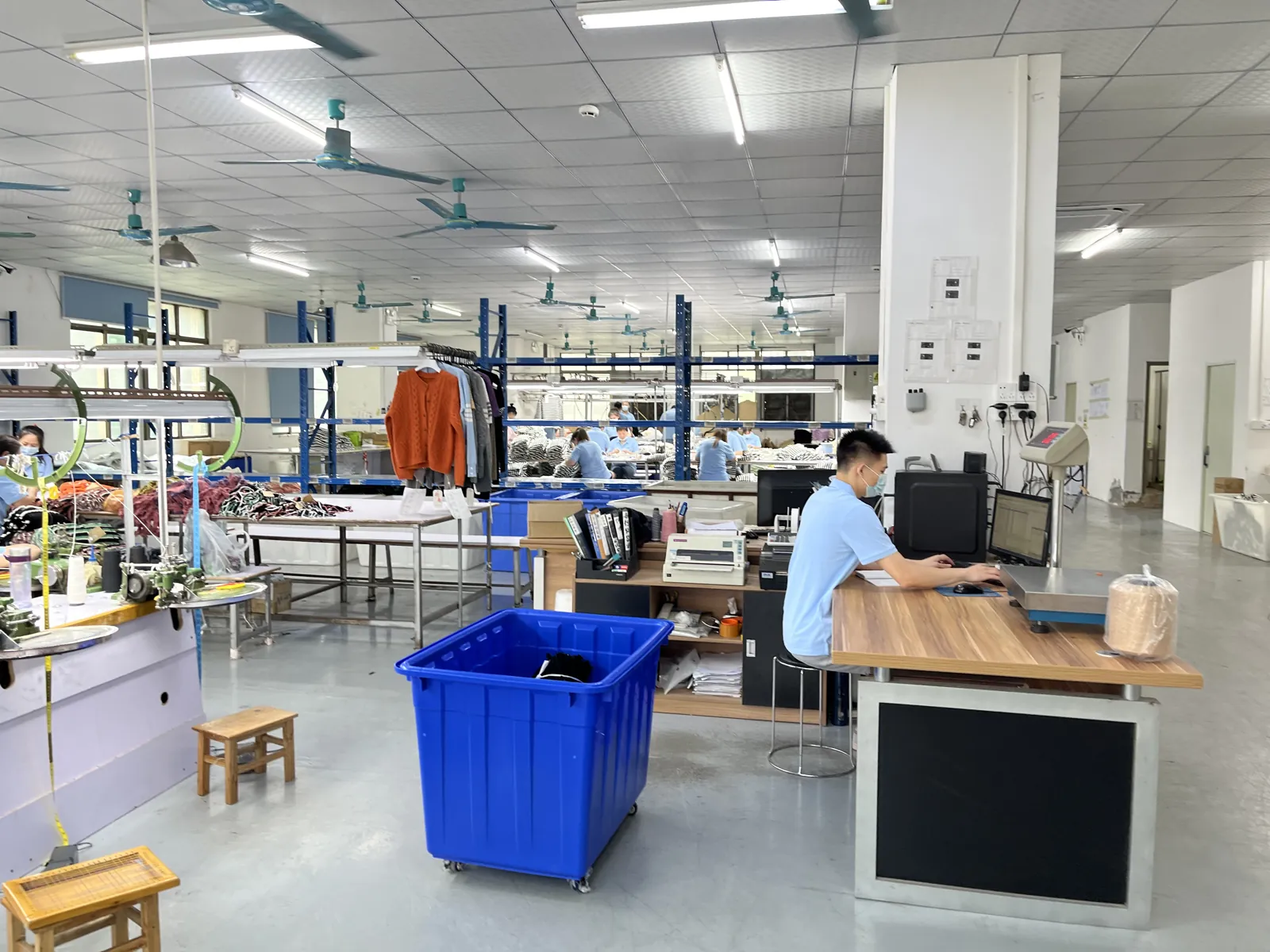
When bulk is ready, the decision is straightforward if the brief was clear. Release the order when pieces sit inside the reference range, fixed zones follow the rules and test reports meet the agreed grades. Hold a dye group if it drifts outside the range and let the buyer choose to accept, re-sort or re-dye it.
Revise the process only when a real input changes. For example, a new yarn lot, a different dye supplier or a new wash recipe should trigger a fresh sample and, where relevant, a fresh test. A button-supplier change needs a review of the affected trim, attachment, dye exposure and front balance; define the scope from the actual change.
Conclusion
Give the receiving team the approved tie-dye cardigan range, the fixed-zone sketch and the carton-to-dye-group record. Any piece outside a stated boundary needs a recorded disposition before that group is released.
If you are planning a cardigan range, our custom cardigan sweaters page shows the styles we knit. Also, our cardigan construction and gauge guide covers fit and knit choices in more detail. Our published starting minimum is 50 pieces per color per size.
To discuss your next tie-dye style, send us your brief and reference images.
Frequently Asked Questions
Can every tie-dye cardigan in an order look the same?
No. Tie-dye is irregular by nature. Instead, you can control the palette, the pattern type, the fixed zones and the shade range. Use enough reference pieces to show the shade and placement boundaries agreed for this order.
Is a photo enough to approve a tie-dye sample?
A photo helps with discussion, but screens and lighting change color. Therefore, approve physical reference pieces and keep them sealed as the standard for inspection.
Should the button placket be dyed with the body?
That is a design choice. Many brands keep it solid so the buttons sit on a clean base. Whatever you choose, write it into the brief and mark it on the placement sketch.
Does a passing colorfastness report approve the look?
No. A test report covers rubbing, washing or staining performance. Placement and shade approval are separate decisions, so record them separately.