 CN Sweaters
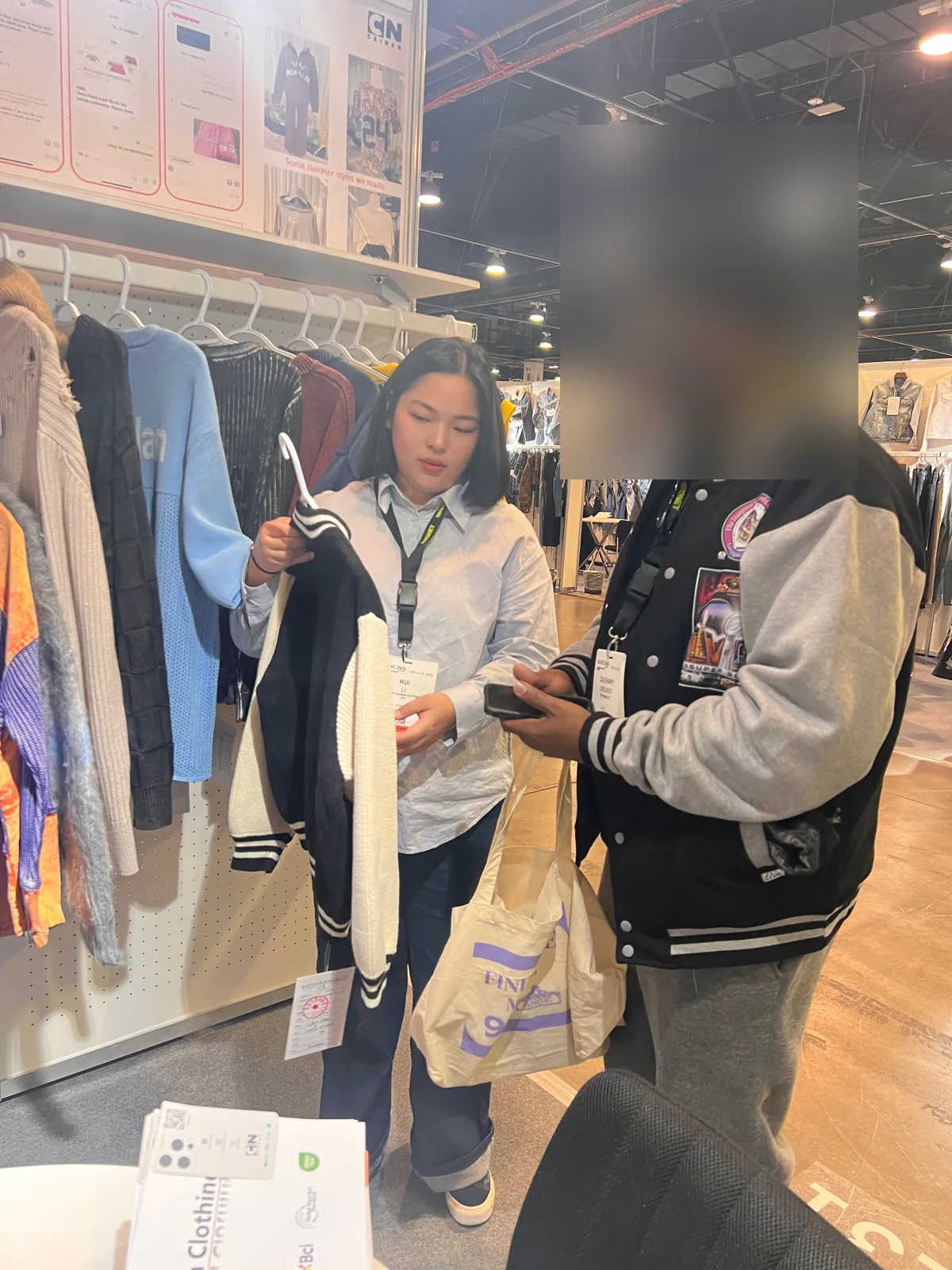
Choose OEM vs ODM knitwear by deciding who owns and approves the technical specification. Then decide whether the brand needs a proven starting block with defined limits on design control. Make the choice before quotation because each route changes the files, approvals, inspection plan, and ownership terms.
Before asking for prices, lock the garment type, target customer, fibre and care direction, and size range. Also record target quantity by colour, delivery window, and decision rights for every change. Ask each supplier to show which inputs are fixed, which are assumptions, and which require a sample decision. This guide is a buyer verification path; it does not assume a particular MOQ, lead time, certificate, or test result. Keep one dated release file so a later quote or refill can be compared with the same inputs.
Which party controls the knitwear specification when comparing OEM vs ODM?
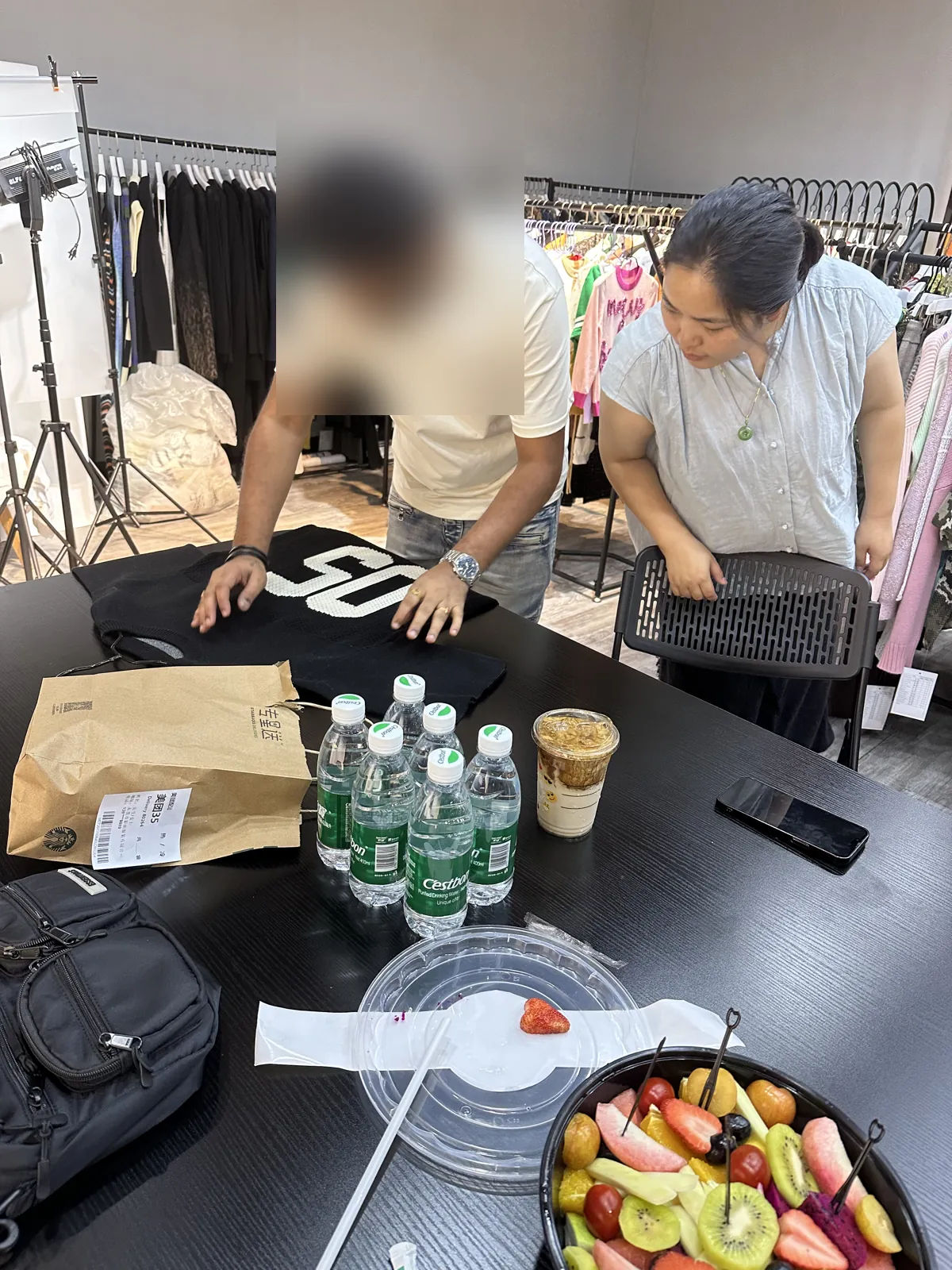
The practical difference in OEM vs ODM is ownership of the design and the depth of the tech pack. In OEM knitwear manufacturing, the brand provides full specifications, including yarn composition, gauge, stitch structure, measurements, trims, labels, and packaging. The factory executes exactly what is on paper. In ODM sweater development, the factory already owns design libraries, fit blocks, and stitch programs. The brand selects a base style and adjusts colors, logos, trims, or minor proportions. The intellectual property belongs to the factory in ODM, while the brand keeps it in OEM.
Which decisions remain with the buyer?
In an OEM vs ODM decision, the OEM route leaves your design team in control of every decision. If the tech pack is incomplete, we will flag gaps during quotation. Missing information on rib height, neck drop, or shoulder slope leads to rework during sampling. Under ODM, our pattern makers and yarn team propose solutions based on what is already running on our machines. This shortens decision time but limits how unique the final garment will be.
Which buyer conditions point to each route?
Many smaller brands launching through Shopify start with ODM to test a category before investing in full custom development. ODM-style private label is often the faster route to a first collection. Established brands with a recognizable silhouette usually stay with OEM to protect the look of their core line. For B2B buyers, this choice shapes how much time the internal team spends on development versus merchandising. It also affects how fast the team can refill best sellers.
Where does private label fit?
Private label is often used in OEM vs ODM discussions as if it meant OEM, but the two are not the same. If the base design already exists and the brand mainly changes colour, labels, hangtags and packaging, the project is a private-label adaptation. It sits much closer to ODM, making it faster to launch but limited in exclusivity and based on shared construction. A private label program only becomes OEM when the brand defines and owns the specification itself.
The label matters less than stating it clearly at quotation. Tell the factory whether you are adapting an existing style or developing your own, so the quote, sample plan and ownership terms match. Our OEM/ODM services page explains both routes.
What Must Be Fixed Before Comparing OEM vs ODM Quotes?
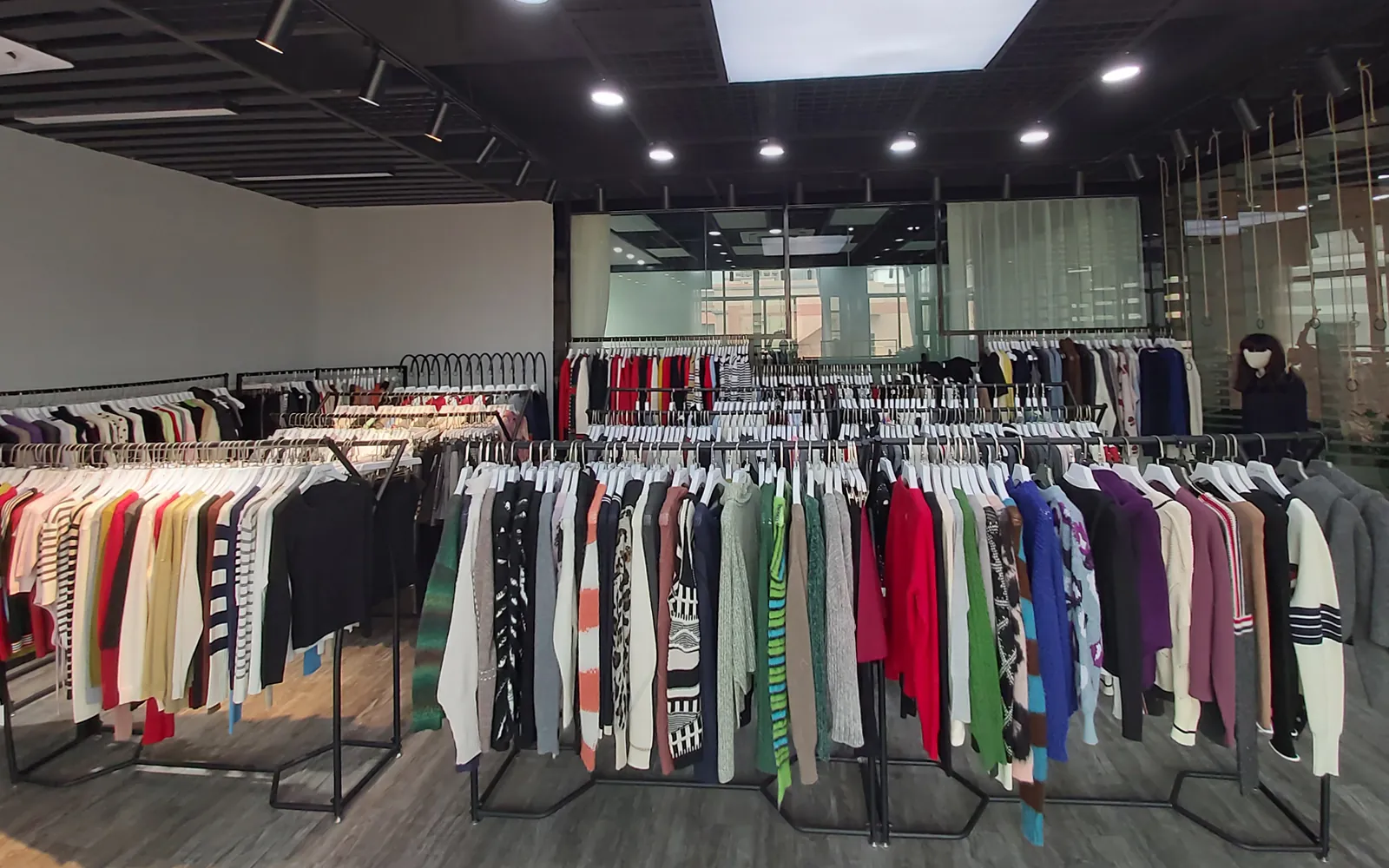
In OEM vs ODM planning, ODM fits better when your budget, order size, or timeline does not support ground-up custom development. OEM fits better when you have repeat buyers, a defined brand aesthetic, and the capacity to invest in sampling rounds. From our factory perspective, the honest test is whether your tech pack can answer 90% of a knitter’s questions without a phone call. If it cannot, ODM will save you money on rework.
How should buyers read MOQ assumptions?
In OEM vs ODM quotations, MOQ is meaningful only when its unit is explicit. Ask whether the minimum is per style, colour, size, yarn lot, or production run; then ask which changes reset it. A low number can be useful for a test, but it may rely on stock yarn, a fixed block, limited colour choice, or a surcharge. Put those conditions beside the quote before treating two MOQ figures as comparable.
How should the development budget be staged?
OEM carries higher upfront costs: pattern development, multiple sample rounds, custom yarn dyeing if you need a brand color, and tech pack refinement. ODM reduces these line items because the base style already exists. If your first order is under 200 pieces per style and you are still validating the market, ODM on our existing blocks will usually deliver a 15% to 25% lower landed cost per piece. Once volumes pass 500 pieces per style and you have demand data, switching the style to OEM makes the exclusivity worth the extra development hours. For product development teams, this staged approach is how you protect cash flow without capping long-term brand value. Our women’s sweaters program often starts in ODM and transitions to OEM once a silhouette proves itself.
How should buyers compare cost, timing, and minimums?
In OEM vs ODM comparisons, the three variables move together. OEM normally trades more specification work for more design control; ODM normally trades some control for a faster starting point. Do not compare headline ranges. Build one row for yarn availability, development rounds, trims, lab dips, sample dispatch, approval, production booking, inspection, and freight. A supplier should identify the owner and dependency for each row.
| Factor | OEM Knitwear | ODM Knitwear |
|---|---|---|
| Design Ownership | Brand owns IP | Factory owns or co-owns IP |
| Development Cost | Higher (custom pattern, multiple samples) | Lower (existing blocks reused) |
| Sample Lead Time | 7 to 14 days (complex styles longer) | 7 days on stock blocks |
| Bulk Lead Time | 30 to 45 days | 25 to 35 days |
| MOQ (our factory) | 50 pieces per design for complex work | 10 pieces per design for flexible styles |
| Customization Depth | Full (yarn, gauge, stitch, fit, trims) | Limited to color, logo, trims, minor fit |
| Rework Risk | Higher if tech pack is incomplete | Lower, since base style is proven |
For procurement managers, ODM is realistic when stock is needed in under two months and the design is not highly differentiated. If the brand depends on a signature silhouette, absorb the extra weeks and cost that OEM requires.
Which dependencies make the calendar move?
Most of the gap between OEM and ODM sits in yarn sourcing and sampling. Custom-dyed yarn lots often add 10 to 15 days compared with stock-service yarn, a pattern also noted by manufacturing basics resources from Maker’s Row. When you choose ODM from our existing library, we bypass that wait.
When does ODM lose its speed advantage?
ODM starts from structures the factory already knows, but that head start only holds if the buyer decides quickly. Vague colour comments, slow trim approval, or packaging details added after sampling can cancel the time saved on development. Before choosing ODM for speed, confirm who approves colour, trims and packaging. Record the approval dates so those decisions do not become the new critical path.
Which files make an OEM quotation usable when comparing OEM vs ODM?
In OEM vs ODM sourcing, a proper OEM tech pack answers every question a knitter, linker, and QC inspector will ask without requiring clarification emails. In our experience, incomplete tech packs are the single largest cause of OEM delays. When a brand sends only a front-view sketch and a color reference, we have to rebuild the missing data, which extends sampling by one to two weeks.
Which details must the tech pack contain?
A usable tech pack includes flat sketches with front, back, and detail views; full measurement specs with tolerances; and yarn composition with target gauge. It also records stitch structures for rib, body, and trims, plus care and origin label placement. Add hangtag, polybag, and carton marking requirements. If your design includes jacquard or intarsia, we also need a clean graphic file in the correct repeat size. Give brand color standards as Pantone TCX references, not screen images.
Which missing inputs stop a clean sample decision?
The common gaps we see are missing neck drop measurements, unclear rib-to-body transition rules, and no guidance on button spacing for cardigans. We also see brands submit yarn references without indicating whether substitutions are acceptable when the original mill is out of stock. Stating your substitution policy up front saves days of back-and-forth. For men’s programs, our men’s sweaters team provides a tech pack checklist at the quotation stage, so brands new to OEM knitwear manufacturing can close gaps before sampling starts. Treating the tech pack as a working contract, not a marketing document, is what separates smooth OEM programs from the ones that slip deadlines.
When can an ODM starting point lower development risk when comparing OEM vs ODM?
In OEM vs ODM planning, ODM saves real money when your order volume is moderate, your timeline is tight, and your brand identity does not depend on a fully original silhouette. It stops saving money the moment you start requesting so many modifications that the factory effectively rebuilds the block. At that point, you are paying ODM prices for OEM-level work, and the program slows down.
Which conditions suit an ODM starting block?
ODM is the stronger choice when you are launching a new category (for example, adding knit dresses to a line that previously sold only tops), when you need seasonal refills quickly, or when you are a distributor serving multiple retail accounts with similar taste levels. It also wins for specialty items such as handmade crochet tops, where our craftspeople already hold a library of proven stitch patterns that are difficult to describe in a tech pack. Brands exploring our custom crochet wear program usually start from an ODM base because the learning curve for documenting hand-crochet detail is steep.
When does a change request become OEM work?
ODM stops being cost-effective when you request a different yarn count, a new fit block, new trims, a new neckline, and private packaging all at once. Each change individually is small; together they recreate an OEM workload. We will flag this during quotation and offer to convert the order to OEM with a revised timeline, because pretending it is still ODM leads to quality disputes later. Another trap is assuming ODM means the factory absorbs all quality risk. Guidance from QIMA’s apparel quality control resources is consistent with what we tell buyers: even on ODM orders, brand-side inspection protocols and AQL standards should be written into the purchase order, not assumed.
Which Approval Records Protect OEM vs ODM Projects?
For either model, the inspection reference must be named before bulk starts. For OEM it is usually the dated tech pack and approved sample; for ODM it should be the buyer-approved option, colour and alteration record. The purchase order should state the measurement points, visual standards, defect classification, sampling plan, and how a change is authorized.
What should an inspection plan name?
Ask the supplier to provide a written inspection plan: incoming material identification, in-process checkpoints, final measurement and appearance checks, the lot definition, defect classes, sample size, and disposition for failures. ISO 2859-1 describes acceptance-sampling concepts, but the buyer and supplier still need to agree the exact plan and reference standard for the order.
Which tests and compliance checks need scope?
For wool and cashmere programs, we recommend pilling, shrinkage, and colorfastness tests before bulk. We provide transaction certificates for GRS recycled blends to support your sustainability claims. For pet knitwear, seam strength and chew resistance matter more than drape, which is why our pet knitwear OEM collection runs a separate seam pull test. For B2B buyers, insisting on written AQL standards and requesting third-party inspection reports on first bulk orders protects you during refill negotiations, because you have documented evidence of baseline quality.
When can a hybrid program be controlled when comparing OEM vs ODM?
Yes, and we recommend it for most growing brands. A hybrid approach uses ODM for fast-moving basics and seasonal trend pieces, while OEM carries the signature styles that define brand identity. This structure keeps development costs contained while still protecting the silhouettes that drive repeat customers.
How should a hybrid assortment separate decisions?
A controlled hybrid plan separates signature styles from controlled variants. Put high-design-control styles in the OEM lane and use an ODM lane only where the buyer accepts the base block, construction, and ownership terms. Give each lane its own sample decision, change log, and capacity assumption so an expedited style does not silently change the approval standard for the rest of the assortment.
Which records make a refill comparable when comparing OEM vs ODM?
A refill is only comparable when the retained record identifies the approved sample, yarn and colour lot, programme/version, graded measurements, trims, care instruction, pack method, inspection outcome, and authorized deviations. Ask the supplier to state which inputs are still available and which must be re-approved. A forecast is useful only when the supplier confirms the resulting material and production assumptions in writing.
Which independent sources should sit beside the supplier file?
Use the ISO 2859-1 overview to frame an agreed sampling plan, the FTC textile and wool labeling guidance for US label checks, the CPSC textile business guidance for product-compliance questions, and the OECD garment due-diligence guidance to structure supplier-risk review. These sources define a check or boundary; they do not certify a specific supplier or order.
Which published buying guides can support the comparison?
Use related published guides to assemble one procurement file: tech-pack essentials, manufacturer selection, custom sweater MOQ, low-MOQ evaluation, supplier comparison, bulk consistency, zipper and fit controls, cable-knit development, and sourcing-model comparison.
Conclusion
Choosing between OEM and ODM knitwear is not a philosophical decision; it is a practical alignment between your tech pack maturity, your budget, your timeline, and your brand strategy. OEM gives you full control and unique product at the cost of time and money. ODM gives you speed and lower entry cost at the cost of exclusivity. Most brands we work with use both, switching styles between models as the business grows. To move forward, send us your artwork, tech pack (if you have one), preferred garment type, target quantity, fabric choice (Merino wool, Cashmere, cotton blend, GRS recycled, or handmade crochet), branding requirements, and target delivery date. Our team will review the package and respond with a clear quotation, sample plan, and realistic lead time. You can start that conversation through our knitwear production consultation page.
Frequently Asked Questions
What is your MOQ for OEM and ODM knitwear orders
There is no defensible universal MOQ for OEM or ODM knitwear. Request a written MOQ matrix by style, colour, size, yarn, and construction, plus the commercial consequences of falling below it. Use that record, rather than an advertised number, to approve the order quantity.
How long does sampling take before bulk production when comparing OEM vs ODM
Sample timing depends on the completeness of the specification, input availability, the newness of the construction, and the number of approval rounds. Ask for a dated critical path with owners, handoff points, and a rule for what happens if a lab dip, yarn, or sample is rejected.
What artwork and files do you need to start an OEM quotation
A usable OEM submission includes front, back and detail flats; a measurement sheet with dated tolerances; fibre, yarn and gauge information; stitch and trim callouts; colour standards; label, packaging and carton requirements; and production-ready artwork for jacquard or intarsia. Mark any unknown input as an open decision rather than leaving it implicit.
Do I need a full tech pack to start an OEM project?
A complete tech pack is ideal, but an OEM project can also start from a strong reference garment, clear measurements and a specific written product direction. What matters is whether the factory can understand the target without guessing. Ask whether it can work from a tech pack, a reference sample or images only, and how it will record the gaps it has to fill before the first sample.
What is your bulk production lead time after sample approval
Bulk lead time is 25 to 45 days depending on design complexity, yarn availability, and order size. Simple styles on stock yarn ship in 25 to 30 days; complex OEM programs with custom yarn or heavy embellishment run closer to 45 days. Peak-season orders placed August through October should build in extra buffer.
Do you support private label packaging and sustainability certifications when comparing OEM vs ODM
Packaging, care and sustainability claims must be quoted from current, scoped inputs. Specify label language, country-of-origin and fibre-content needs, artwork version, pack configuration, and every certificate or transaction document required. Verify the document holder, material scope, validity, and order connection before making a claim.