 CN Sweaters
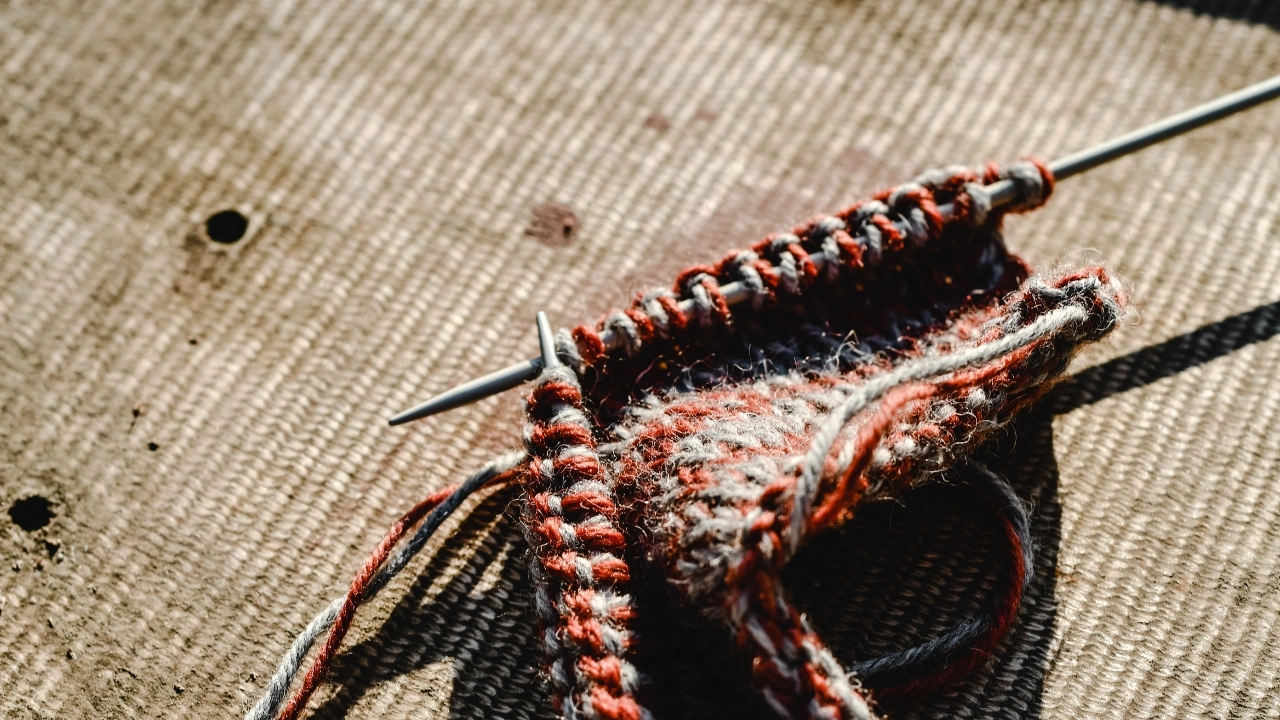
Custom knitwear cost is not decided by unit price alone; unit price is the final number after yarn, gauge, density, MOQ, sampling, labor, finishing, packaging, inspection, and timing have already shaped the project. For a B2B buyer, the real risk is comparing two quotations that look similar on the surface while the underlying specifications are not the same.
A low quote can be useful when it reflects efficient planning, but it can be misleading when it comes from looser stitch density, lighter garment weight, downgraded yarn composition, simplified rib, basic polybag packing, fewer sample revisions, or reduced quality inspection. A custom sweater, custom cardigan, private label knitwear program, or wholesale knitwear order should be compared as a complete production structure, not as a single price line.
Why Can Unit Price Mislead Custom Knitwear Buyers?
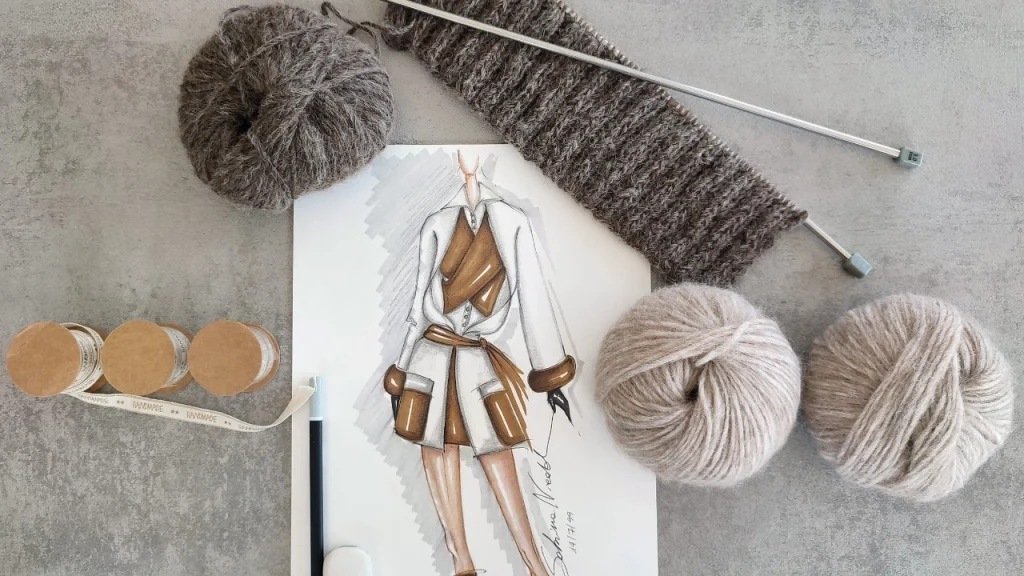
Unit price can mislead buyers because it hides the decisions that create the cost. In custom knitwear, the same design sketch can become several very different products depending on sweater gauge, yarn composition, stitch density, finishing method, sample approval standard, and packaging requirement.
Lower Quotes May Hide Different Specifications
A supplier may quote a lower unit price by using a cheaper yarn blend, reducing garment weight, opening stitch tension, simplifying cable or jacquard areas, removing reinforcement from a placket, or excluding custom packaging. None of these changes may be obvious in the first quotation sheet, but they can affect hand feel, shape retention, shelf presentation, and return risk.
For example, two custom knit sweaters can both be described as “cotton blend, 7GG, rib cuff,” yet one may use a denser stitch, heavier yarn consumption, stronger linking, and cleaner finishing. The cheaper version may look close in a flat photo but feel thinner in hand or lose shape faster after steaming, wear, or washing.
CottonWorks knit textile design guidance notes that yarn, construction, productivity, pattern, color, and quality approval all affect fabric cost. That matters because knitwear cost is built before bulk production starts, not only when the final garment is packed.
What Buyers Should Compare Before Asking For A Lower Price
A quotation for custom sweaters wholesale should show what is included and what is excluded. Buyers should compare material composition, gauge, garment weight target, stitch structure, color count, size range, sample cost, revision policy, trim cost, quality control scope, retail packaging, carton packing, and delivery schedule.
The table below shows why a lower unit price may not mean a lower real cost.
| Quote Item | Low Price Version May Exclude | B2B Cost Risk |
|---|---|---|
| Yarn composition | Better fiber grade or higher yarn content | Weaker hand feel or lower perceived value |
| Sweater gauge | Denser knitting or fine gauge control | Shape instability or longer correction time |
| Sample cost | Extra revision rounds | Higher development cost after approval delays |
| MOQ | Practical color and size efficiency | Higher cost per color if quantities are split too thin |
| Quality inspection | Inline checks or final audit depth | Bulk defects found too late |
| Product packaging | Custom labels, hangtags, retail packaging | Added cost before shipment or retail delay |
The practical conclusion is simple: a knitwear manufacturer should not only be asked to reduce unit price. The better question is which specification, process, or quantity assumption is changing when the price changes.
Which Material And Gauge Choices Change Cost First?
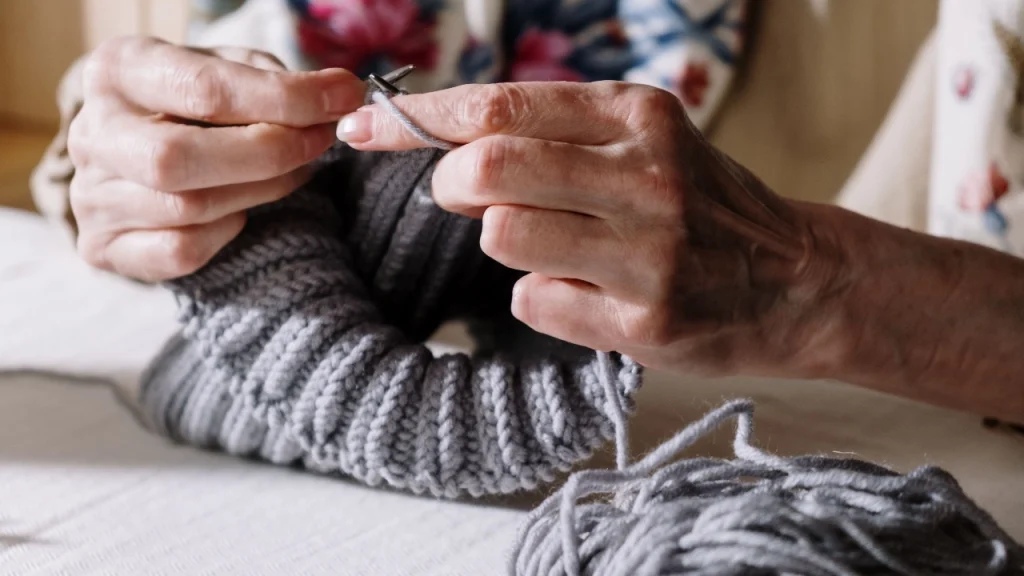
Material and gauge usually change cost before most buyers notice it. Yarn price, yarn count, fiber blend, gauge knitwear structure, stitch density, and garment weight all affect machine time, yarn consumption, defect risk, and quality inspection requirements.
Yarn Composition Changes Both Cost And Positioning
Yarn composition is one of the biggest cost drivers because it affects raw material price, hand feel, warmth, drape, pilling behavior, care requirements, and retail positioning. Cotton, wool, acrylic, viscose, nylon, polyester, cashmere, modal, and blended yarns each behave differently in knitting and finishing.
A private label knitwear buyer should decide whether the product needs premium softness, commercial durability, easy care, warmth, lightweight layering, or strong color performance. A cheaper yarn may help a first order reach a target price, but it may not support the same retail claim or customer expectation. A higher-cost yarn may be justified when the target retail price, brand positioning, and reorder potential support it.
For CN Sweaters projects, the sweater manufacturing range covers chunky, mid-gauge, fine-gauge, jacquard, and intarsia directions, which means buyers can align material and gauge with the intended product tier rather than forcing every style into one cost model.
Gauge Density And Stitch Structure Affect Machine Time
Sweater gauge affects both appearance and production efficiency. Coarser gauges often use thicker yarns and can create heavier garments, while fine gauge knitwear needs finer yarn, tighter technical control, and more attention to measurement consistency. CottonWorks sweater manufacturing basics explains that sweater manufacturing commonly uses flat-bed weft knitting, panel knitting, full fashioning, and whole-garment approaches, each with different production implications.
Complex structures also change cost. Jersey is usually more efficient than cable, jacquard, intarsia, pointelle, links, full cardigan, or mixed-stitch designs. A custom cardigan may require extra work on the front opening, placket, button alignment, and shoulder stability. The custom cardigan sweaters page reflects this development logic by treating yarn, gauge, front opening, closure, fit, stitch, branding, and finishing as connected decisions.
Buyers should keep high-value details where they support the selling point and simplify details that do not affect the customer’s purchase decision. That is how cost control protects product value rather than weakening it.
How Does MOQ Shape Minimum Order Quantity And Lead Time?
MOQ shapes cost because a knitwear factory has to allocate yarn, colors, machine time, linking labor, trims, labels, packaging, and inspection across the order. Minimum order quantity is not only a commercial rule; it is also a production efficiency threshold.
Color And Size Splits Can Raise Unit Cost
A low MOQ can help a new brand test the market, but it can also raise unit cost when the order is divided into too many colors and sizes. If a wholesale knitwear buyer orders six colors, six sizes, and small quantities per color, the factory may spend more time on yarn preparation, machine setting, color separation, size grading, labeling, and packing than the garment count suggests.
Oracle’s assortment planning explanation emphasizes that fashion retailers plan styles by channel, size, and color based on demand and sales data. That idea applies directly to custom knitwear sourcing. A buyer should not treat every color as equal before sales evidence exists.
A stronger MOQ plan separates core colors, test colors, and future reorder colors. Core colors carry the volume. Test colors validate demand. Reorder colors should be planned with yarn continuity and shade control in mind. This is especially important for wholesale knitted sweaters, custom cardigan sweaters, and custom knit sweaters wholesale programs where repeat orders must match the approved bulk standard.
Low MOQ Should Be Planned Not Forced
Low MOQ is most useful when the design is technically controlled. A basic pullover in a common yarn, simple gauge, limited color range, and standard packaging may work better at a lower minimum than a complex jacquard cardigan with multiple trims and custom retail packaging.
CN Sweaters’ MOQ and lead time guidance connects MOQ with style, color, size ratio, yarn, stitch complexity, sample timing, and bulk production scheduling. That is the right way to view MOQ manufacturing: the question is not only “Can the factory accept this quantity?” but “Will this quantity produce a stable commercial result?”
For wholesale custom sweaters, buyers should define the launch plan before asking for price. The most useful RFQ includes target MOQ, color plan, size ratio, expected reorder potential, target ex-factory date, and packaging standard. With that information, custom knitwear manufacturers can quote a more realistic production plan and warn where the minimum is too fragmented.
Why Do Samples Revisions And Bulk Production Planning Matter?
Sampling and bulk planning matter because knitwear problems are cheaper to solve before production than after the yarn is knitted, linked, washed, inspected, and packed. Sample cost is not just a small development charge; it is the cost of reducing uncertainty.
Sample Cost Reflects Technical Decision Making
A sample confirms more than appearance. It tests yarn hand feel, sweater gauge, stitch density, measurement behavior, placket stability, shoulder balance, rib recovery, color direction, trim placement, and finishing method. If the buyer changes yarn composition, fit, color, logo placement, or packaging after the first sample, the supplier may need to adjust programming, sourcing, knitting, linking, washing, or pressing again.
In the OEM/ODM process, the RFQ, yarn and color confirmation, sample making, revision, PP approval, bulk production, inline QC, final QC, packing, and shipment are treated as separate milestones. That separation is important because each late change can affect both cost and lead time.
A sample that looks expensive may actually protect margin if it prevents bulk production mistakes. A sample that is too loosely controlled may reduce upfront cost but increase risk during bulk production.
Bulk Production Efficiency Depends On Locked Standards
Bulk production becomes efficient after the PP sample locks the standard. The factory can then allocate machines, confirm yarn lots, arrange linking and finishing, prepare labels, schedule quality inspection, and pack by SKU. If the PP sample is not clear, bulk production may slow down because operators have to interpret details that should already be decided.
CottonWorks knit machinery guidance explains that gauge, feeders, stitch length, flat-bed machine structure, and knit complexity affect production efficiency and fabric properties. For a buyer, this means calendar time is not only about order quantity. A small but complicated custom cardigan can take longer to stabilize than a larger basic sweater order.
Before bulk production starts, the buyer should confirm final measurements, tolerances, approved yarn, approved color, stitch card, trim placement, care label, neck label, hangtag, polybag, carton mark, and inspection standard. The more complete the approval package, the less room there is for hidden cost.
Where Do Quality Control Packaging And Retail Readiness Add Cost?
Quality control and packaging add cost because they protect sell-through, brand presentation, and shipment accuracy. They are easy to overlook in a unit price discussion, but they often determine whether the goods can move smoothly from factory to warehouse to retail floor.
Quality Inspection Is A Cost Control Tool
Quality control is not only a final inspection. For knitwear, it should cover incoming yarn, color consistency, knitting defects, linking strength, measurement tolerance, loose ends, stains, holes, button security, zipper function, placket alignment, pressing, and final appearance.
Intertek’s textile and apparel inspection guidance describes inspection stages from raw materials through production, inline checks, before-delivery inspection, defect classification, garment labeling, workmanship assessment, and packing list review. This supports a key purchasing point: inspection has to be planned into the quotation, not added after defects appear.
CN Sweaters’ quality control system includes raw material inspection, inline QC, finishing checks, final audit, measurement review, and knitwear-specific risks such as elasticity, stitch integrity, and clean appearance. For buyers, the commercial value is consistency. If a custom sweater sample feels good but bulk production has uneven tension, shade variation, or poor finishing, the apparent unit price saving can disappear through rework, claims, markdowns, or delayed delivery.
Packaging Can Change Both Cost And Delivery Risk
Product packaging is another hidden cost driver. Basic polybag packing is not the same as retail packaging with neck labels, care labels, hangtags, stickers, size stickers, barcode labels, folded presentation, carton sorting, and channel-specific packing instructions.
Intertek’s textile testing solutions also highlight fiber identification, care label considerations, colorfastness, dimensional stability, pilling resistance, and other performance tests. These requirements may affect label content, buyer approval, and shipment readiness.
For private label knitwear and bespoke knitwear programs, custom packaging should be confirmed before bulk production, not after packing starts. Missing labels, wrong carton marks, or late barcode files can delay shipment even when garments are finished. A complete quote should state whether retail packaging, custom packaging, hangtags, labels, stickers, carton marks, and packing reports are included.
Conclusion
Build The Quote Around Real Cost Drivers
Custom knitwear buyers protect margin by comparing the full quote structure behind unit price. Yarn composition, sweater gauge, stitch density, garment weight, color count, size ratio, MOQ, sample cost, bulk production efficiency, quality control, product packaging, and delivery timing all influence the real landed value of a custom sweater, custom cardigan, or wholesale knitwear program.
Send your custom knitwear tech pack, target material, gauge direction, size range, color plan, MOQ target, branding request, packaging requirement, quality standard, and delivery timeline to review the real cost drivers behind your production plan through CN Sweaters’ OEM/ODM knitwear service. A stronger RFQ gives the factory enough detail to protect quality, cost, and schedule before production begins.
FAQ
What is the biggest cost driver in custom knitwear?
Yarn composition and sweater gauge are often the first cost drivers, but they are not the only ones. Stitch density, garment weight, stitch complexity, color count, trims, sample revisions, MOQ, quality inspection, and packaging can all change the final unit price. A buyer should compare the full specification before choosing a knitwear supplier.
How does MOQ affect custom sweater pricing?
MOQ affects pricing because setup, yarn sourcing, machine allocation, linking, finishing, labeling, and inspection must be spread across the order quantity. When colors and sizes are split too thin, the cost per piece usually rises. A low MOQ works better when the style is simple, the yarn is available, and the color plan is focused.
Why can a custom cardigan cost more than a pullover?
A custom cardigan can cost more because it often needs placket control, button alignment, closure testing, front opening stability, and extra trim work. Custom cardigan sweaters with cables, jacquard, embroidery, or retail packaging may also require more sampling and inspection than a basic pullover.
Should buyers pay for multiple sample rounds?
Multiple sample rounds can be worth the cost when they solve fit, measurement, stitch, yarn, color, or finishing issues before bulk production. The key is to define what each revision must correct. Uncontrolled revisions can increase sample cost and delay lead time, but a clear PP approval process can reduce bulk risk.
What should be included in a complete knitwear RFQ?
A complete RFQ should include tech pack or reference photos, yarn composition, gauge direction, target garment weight if available, stitch details, size range, color plan, MOQ target, branding needs, packaging requirements, quality standard, destination, and delivery timeline. These details help custom knitwear manufacturers quote the real production plan instead of guessing from a sketch.