 CN Sweaters

If you want a realistic FOB price for custom knit sweaters, send the factory a target price, a clear product brief, and a reference sample before asking for a quotation. A photo alone is not enough, and a price built on guesswork almost always falls apart during sampling or bulk production. From a factory perspective, most pricing disputes we see in custom sweaters wholesale projects are not caused by aggressive negotiation. They are caused by missing information at the inquiry stage.
A custom knit sweater is not a flat printed garment. The FOB price reflects yarn composition, gauge, weight, stitch structure, color count, size range, logo method, packaging, MOQ, and lead time. Change any one of these inputs and the cost shifts. When buyers skip these details and only share an image, factories must either guess or quote a wide range, and neither outcome helps the buyer make a confident decision.
The cost of poor preparation shows up later. We see sampling cycles repeat three or four times because the yarn direction was never confirmed. We see bulk orders run over budget because the buyer’s target retail price was never matched against realistic FOB ranges. We see delivery dates slip because logo placement or packaging was treated as a small detail. The buyers who get accurate pricing on the first round are the ones who treat the inquiry like a technical brief, not a quick message. This article walks through the inputs that drive a usable custom knit sweater quotation and what to define before you contact a factory.
Why FOB Pricing for Custom Knit Sweaters Cannot Be Judged by Appearance
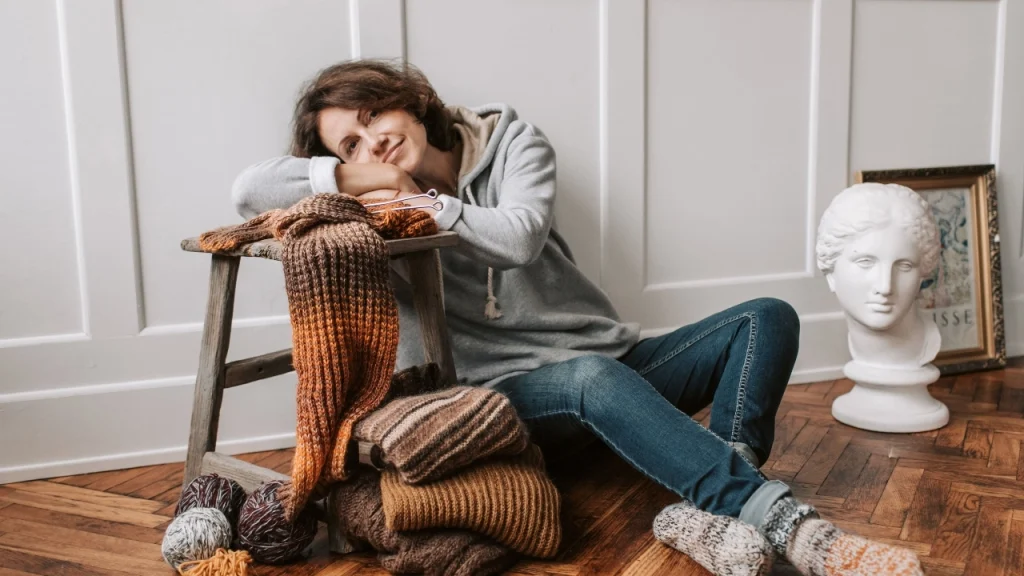
A finished sweater hides most of the cost drivers. Two sweaters that look almost identical on a model can differ by 30 to 50 percent in FOB price because the yarn, gauge, and construction are different. This is the most common misunderstanding we encounter in wholesale custom sweaters inquiries, and it explains why image-only quotes are rarely accurate.
What actually drives the cost behind the visual
The visible style tells the factory what the garment looks like. It does not tell us what it is made of or how it is built. A 7gg merino cable knit and a 7gg acrylic cable knit can look similar in a photo, but the yarn cost difference alone can shift the FOB by several US dollars per piece. Add a jacquard panel, a heavier weight, or a fully fashioned shoulder, and the gap widens further. Knit structure also affects machine time, which is a real cost component in bulk knit sweaters. A simple jersey body runs faster than a multi-color jacquard, and machine hours translate directly into unit cost.
Loss rates are another hidden factor. Intarsia and jacquard panels generate more yarn waste than plain knits, and complex linking increases the chance of QC rejections. These are normal production realities, but they need to be priced in honestly. When a factory sees only a photo, it has to assume average values, and the resulting quotation is either too high to be competitive or too low to be deliverable.
The questions a factory needs answered before quoting
To move from guesswork to a usable number, we typically need yarn composition, gauge, finished weight, stitch type, color count, and any special panels. We also need to know whether the buyer wants a like-for-like copy of a reference, a modified version, or a fresh development. The more precise the brief, the tighter the quotation range. Industry guides on apparel manufacturing process make the same point from the brand side. Cost clarity starts with specification clarity.
How a Realistic Target FOB Price Shapes the Whole Project
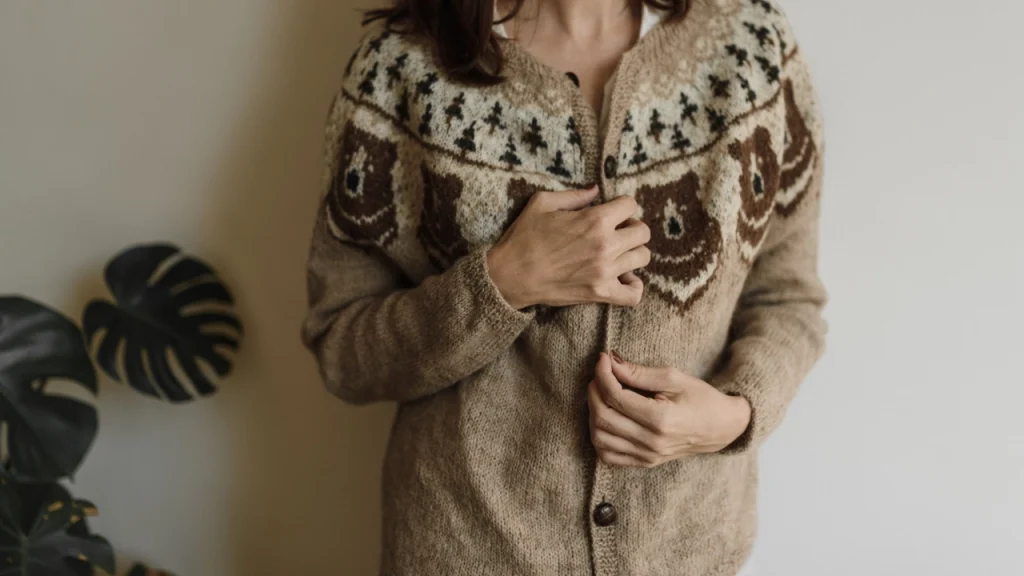
Sharing a target FOB price is not a weakness in negotiation. It is the fastest way to align the development direction with the buyer’s commercial model. When we know the target, we can recommend yarn, gauge, and construction that fit the budget instead of building a sample the buyer cannot afford to reorder.
Why the target price guides material and process choices
Custom knit sweaters can be built at very different cost levels. A custom cashmere sweaters program for a premium label and a custom logo sweater for a corporate gifting client share the same garment category but almost nothing else in cost structure. If a buyer says the target FOB is around 8 to 10 US dollars, we already know cashmere, fine gauge merino, and heavy fully fashioned construction are off the table. We can then propose blended yarns, mid gauge structures, and simpler finishing that hit the price while keeping the look the buyer wants.
Without a target, factories default to mid-range assumptions. The sample may come back beautiful but priced at double the buyer’s retail math, or it may come back cheap but visually flat. Both outcomes waste a sampling cycle. Guidance on production budgeting consistently shows that brands who set a target cost before sampling reach approved samples faster and with fewer revisions.
What a workable target price actually looks like
A workable target is a number tied to a retail strategy, not a wish. Buyers who calculate backwards from retail, subtract margin, duty, freight, and warehousing, usually land on an FOB range that the factory can engineer around. A target that ignores yarn reality, for example asking for a wool blend cable knit at the price of a thin acrylic pullover, signals that the project brief needs a second look before sampling begins. For B2B buyers, this means a realistic target protects margin on the first bulk order and on every reorder after, because the cost foundation is honest from day one.
Yarn, Gauge, and Weight Decisions That Move the Price
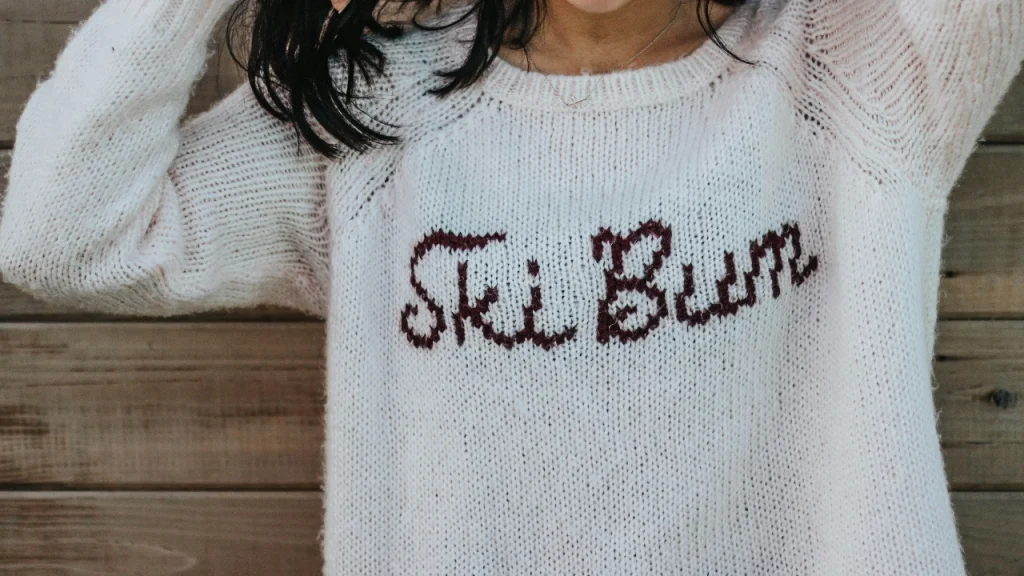
Yarn is usually the single largest cost line in a custom knit sweater. Gauge and finished weight determine how much yarn the garment uses and how the machine runs. Buyers who lock these three decisions early get faster quotations and more stable bulk pricing.
Choosing yarn composition with cost and end use in mind
A custom wool sweater, a custom cashmere sweater, and a custom pullover sweater in acrylic sit at very different price points. Natural fibers such as wool, merino, cashmere, cotton, and linen carry higher raw material cost and tighter supply. Synthetic and blended yarns are more stable in price and easier to scale for custom sweaters wholesale programs. Neither option is universally better. The right choice depends on the brand’s positioning, the season, and the price the end customer will accept.
We often recommend that buyers confirm yarn direction with a hank or a knitted swatch before approving a full sample. A swatch shows hand feel, drape, and color behavior in a way that a photo cannot. Educational resources on knit basics explain how fiber and yarn structure influence the finished fabric, which helps buyers ask the right questions during development.
How gauge and weight interact with cost
Gauge refers to the number of needles per inch on the knitting machine. Common ranges for sweaters run from 3gg heavy chunky knits to 14gg fine gauge styles. Finer gauges use thinner yarn and take longer to knit, which raises labor cost per piece. Heavier gauges use more yarn per garment, which raises material cost. The table below gives a directional view of how these choices interact.
| Gauge range | Typical yarn weight | Usual garment style | Cost driver |
|---|---|---|---|
| 3gg to 5gg | Heavy, chunky | Cable knit, oversized pullover | Yarn quantity |
| 7gg | Medium | Cardigans, jacquard sweaters | Balanced yarn and labor |
| 12gg to 14gg | Fine | Merino, cashmere, thin layering | Yarn quality and machine time |
The pattern is consistent. Heavier gauges concentrate cost in materials, while finer gauges concentrate cost in machine and finishing time. For B2B buyers, knowing this means a target FOB can be reached by adjusting gauge and weight rather than by squeezing the factory on margin. Browsing the sweaters and cardigans categories often helps buyers identify the gauge range that fits their positioning before they finalize a brief.
Logo, Colors, and Decoration Choices That Change FOB
Decoration is where many custom logo sweater projects lose cost control. A small change in logo method or color count can shift the price more than buyers expect, especially at lower MOQ levels. Defining these details before quoting is one of the easiest ways to keep the FOB stable.
Logo methods and their cost implications
Common logo methods on custom sweaters with logo include embroidery, woven patches, leather patches, jacquard knit-in logos, intarsia, and printed labels. Each method has a different setup cost, per-piece cost, and minimum quantity. Embroidery is flexible and works well for small batches, but stitch count affects price. Jacquard knit-in logos look premium and integrate into the fabric, but they require pattern programming and usually a higher MOQ to be economical. Leather patches add a perceived value but bring sourcing lead time and compliance considerations.
Color count matters too. A two-color jacquard runs faster and wastes less yarn than a five-color design. A custom jacquard sweater with multiple colors per row may require a specific machine setup and tighter QC, both of which feed into the FOB. For custom cable knit sweater projects, the cable pattern itself is part of the construction cost, separate from any added logo decoration.
Packaging, hangtags, and private label details
Packaging is often treated as an afterthought, but it directly affects FOB and lead time. Polybags, tissue paper, hangtags, size stickers, woven main labels, care labels, and master cartons all carry cost and sourcing time. A private label custom cardigan with branded hangtags, custom polybags, and printed cartons can add a meaningful amount per piece compared to neutral packaging. Buyers planning custom sweater vest or custom half zip sweater programs for retail should confirm whether each unit needs barcode stickers, country of origin labels, or compliance tags for the destination market. Our OEM/ODM services page outlines the packaging and labeling options we handle most often, which helps buyers see what to specify upfront.
MOQ, Sampling, and Lead Time Realities for Custom Knit Sweaters
MOQ and lead time are not arbitrary numbers. They reflect yarn purchase minimums, machine scheduling, and finishing capacity. Buyers who understand the logic behind them can plan reorders and seasonal drops with far fewer surprises.
How MOQ is built from the ground up
For most custom knit sweater programs, MOQ is driven by yarn lot size, color count, and size range. Dye lots for wool and cashmere yarns typically have minimum kilograms per color, and those minimums set the floor for how many pieces can be produced in one color. A custom knit cardigan in three colors and four sizes carries a different MOQ structure than the same style in one color and two sizes. Stock yarns and house colors usually allow lower MOQ because the factory does not need to commit to a new dye lot.
For bulk knit sweaters and wholesale knitted sweaters programs, MOQ also reflects machine setup time. Programming a jacquard or intarsia pattern, building size sets, and running test pieces all take time that needs to be amortized across the order. Our MOQ and lead time page explains the typical thresholds we work with, and these numbers shift based on yarn choice and decoration complexity.
Sampling cycles and realistic timelines
A first sample for a custom knitted jumper or custom made sweaters project usually takes two to four weeks once the tech pack and yarn are confirmed. Revisions add time, especially if yarn needs to be re-dyed or a new gauge is tested. Bulk production typically runs 45 to 70 days after sample approval, depending on quantity, decoration, and finishing requirements. Shipping by sea adds another three to five weeks to most destinations, while air freight cuts that to under a week at higher cost.
For buyers planning a launch, working backwards from the in-store date is the safest approach. If the goal is to land stock by early autumn, yarn confirmation and sampling usually need to start by late winter or early spring. Treating sampling as a fast step almost always pushes the bulk timeline into a tight window, which is where quality risk grows.
Quality Control and Risk Management in Bulk Production
Quality control is not a final inspection task. It runs across yarn intake, knitting, linking, washing, and finishing. Buyers who define QC expectations upfront receive more accurate quotes because the factory can plan inspection resources into the cost.
Inspection points that matter most
For custom knit sweaters, the highest-risk QC points are yarn consistency, knitting tension, linking accuracy, measurement compliance, and color matching. A weak link in any of these stages can lead to size deviation, panel mismatch, or color variance between cartons. We typically run in-line checks during knitting and linking, then a full AQL inspection before packing. Third-party inspections from organizations such as Intertek textile and apparel inspection are common for buyers who want an independent layer of verification, especially on first orders or when entering a new retail channel.
For buyers building a long-term program, agreeing on AQL levels, measurement tolerances, and acceptable shade variance in writing before bulk starts removes most disputes later. Our quality control approach covers these checkpoints and the documentation we provide for each shipment.
Managing reorder and refill risk
Refill orders carry their own risks. Yarn dye lots change, machine programs may need small adjustments, and decoration suppliers can have capacity shifts. Buyers planning seasonal refills of custom cardigan sweaters or custom made knit sweaters should reserve yarn for the full season at the first PO when possible, or at least confirm dye lot availability before placing the refill. This is especially important for natural fiber programs where dye consistency is harder to control across lots.
Conclusion
A useful custom knit sweater quotation starts with a complete brief, not a single photo. When buyers define target FOB, product type, yarn composition, gauge, weight, color count, size range, logo method, packaging, MOQ, and delivery date, the factory can engineer a sample that matches the commercial reality of the project. The result is fewer sampling rounds, tighter bulk pricing, and a smoother first delivery.
The buyers who succeed in custom sweaters wholesale programs treat the inquiry stage as the most important step in the whole project. They share their retail math, their target customer, and their seasonal plan, and they ask the factory to push back on anything unrealistic. That honesty is what produces a quotation both sides can stand behind. To start a practical review of your next program, share your target FOB price, product type, yarn idea, reference sample, quantity, size range, logo requirements, packaging details, and delivery timeline with our custom knitwear team for a structured quotation response.
FAQ
What information should I send with my first inquiry for custom knit sweaters? Send a target FOB price, garment type, yarn composition or yarn idea, gauge or weight preference, color count, size range, logo method, packaging requirements, target quantity, and required delivery date. A reference sample or detailed photos with measurements speed up the review further. The more complete the brief, the tighter the first quotation.
Why does the FOB price change so much between samples and bulk? Sample pricing reflects single-piece development cost, including yarn minimums, machine setup, and finishing trials. Bulk pricing spreads those costs across the full order and uses production yarn lots. If yarn, gauge, or decoration changes between sample and bulk, the FOB shifts accordingly. Locking specifications before bulk is the most reliable way to keep the price stable.
How long does sampling usually take for a custom sweater project? A first sample typically takes two to four weeks after the tech pack and yarn are confirmed. Revisions add one to three weeks each, depending on whether new yarn or new programming is needed. Buyers who confirm yarn and gauge early usually finish sampling in one to two rounds rather than three or four.
Can I order custom knit sweaters in small quantities for a test run? Small test runs are possible, but MOQ depends on yarn availability and color count. Stock yarns and house colors allow lower MOQ than custom dye lots. For test runs, we usually recommend reducing color and size combinations rather than pushing the per-style quantity below the yarn dye minimum.
What packaging details should I confirm before bulk production starts? Confirm polybag type, hangtag design, woven main label, care label content, size stickers, barcode requirements, and master carton specifications. For retail channels, also confirm country of origin labels and any market-specific compliance tags. Locking packaging details before bulk avoids last-minute delays at the finishing stage.